A bird's crop is a built-in food storage pouch, and understanding how it works explains a lot of what you see happening at your backyard feeders. Birds gulp seed fast, hold it in the crop, then digest it later. That behavior has real consequences for the seed you're offering: moisture, mold, sprouting, and pests can all trace back to how birds are loading and dropping seed around your setup. Here's what the crop actually is, how it drives feeding behavior, and exactly what to do to keep your feeder area clean and your seed fresh.
Bird crops that store food: how it works and feeder care

Maya Collins
4 Apr 2026
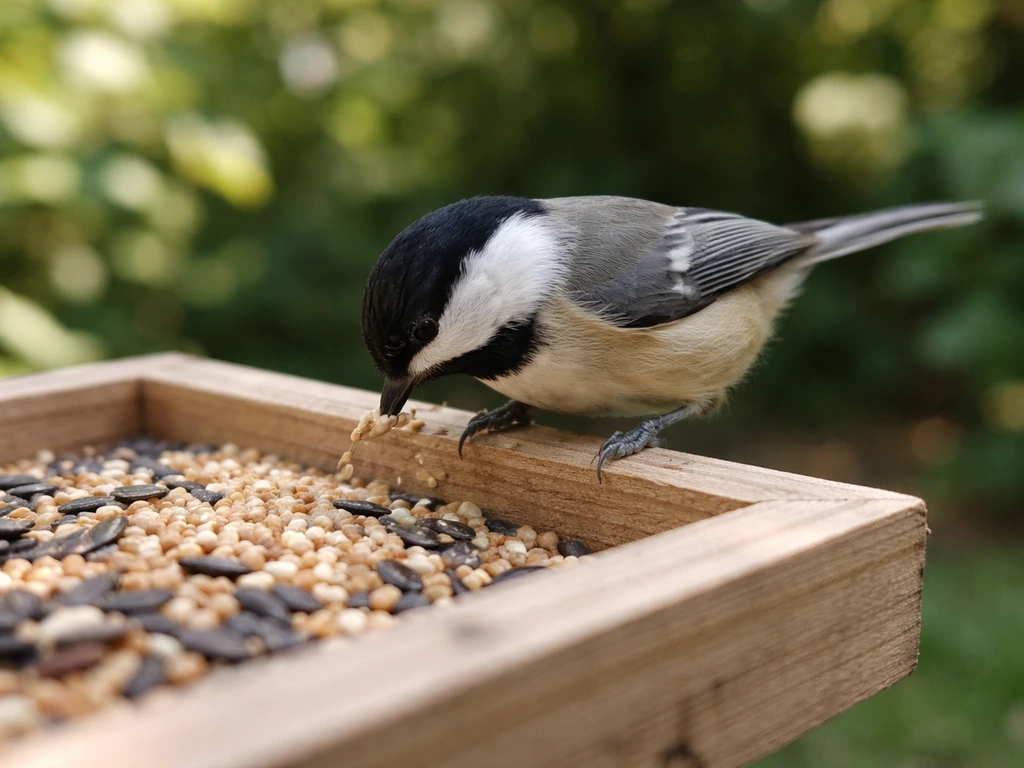
What the crop actually is and where to find it
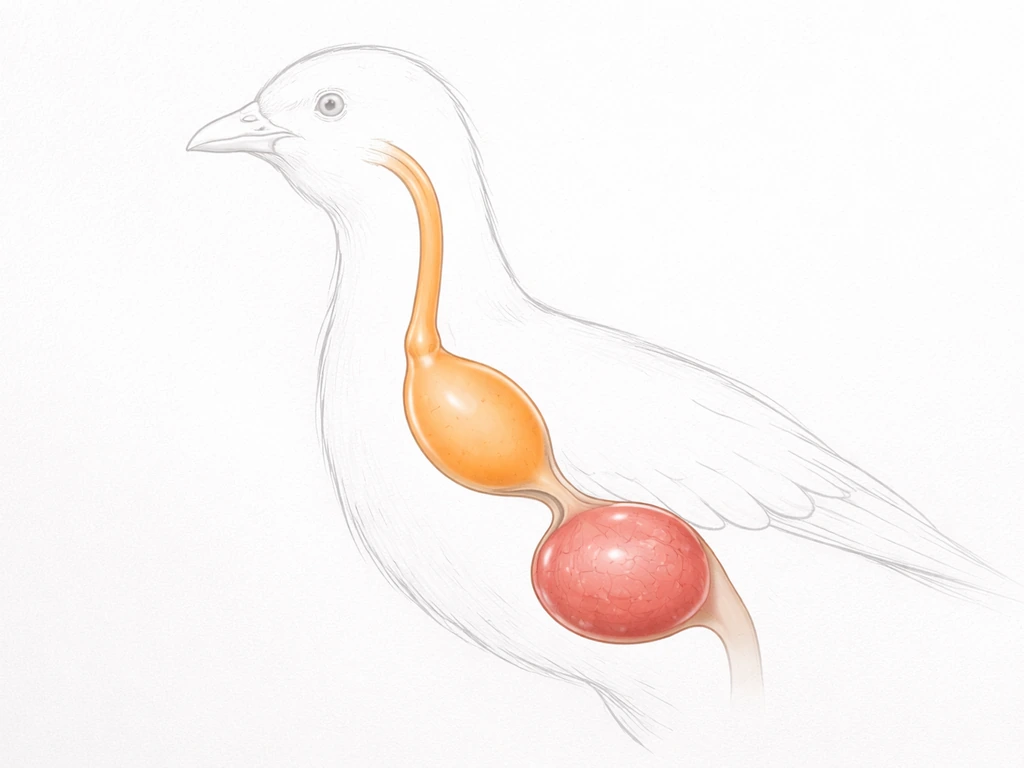
The crop is an outpouching or enlargement of the esophagus, sitting right at the base of it, before food reaches the stomach. Think of it as a stretchy holding sac. When a bird eats, food travels from the beak through the oral cavity and down the esophagus, and then pauses in the crop before the rest of the digestive system takes over. You can sometimes see a visible bulge at the base of a bird's throat or chest right after it's been feeding heavily, especially in larger birds like pigeons, doves, or starlings.
It's worth clarifying what the crop is not. The crop is not the gizzard, and this mix-up is common. The gizzard is a completely separate, muscular organ further downstream in the digestive tract. Its job is mechanical grinding, using grit and a tough inner lining to pulverize seed. The full sequence goes like this: beak, oral cavity, esophagus, crop, proventriculus (the true stomach that secretes digestive enzymes and acid), gizzard, small intestine, large intestine, and cloaca. The crop is the very first holding station, not the grinding machine.
How the crop works: storage, softening, and timing
The crop's main job is temporary food storage. It lets a bird eat a large quantity of seed quickly, then process it more slowly when the bird is resting or in a safer spot. This is a genuine survival advantage: a bird can dash to a feeder, load up, and then digest that food out of sight away from predators. The crop holds food until the proventriculus and gizzard are ready to receive it, at which point the crop contracts and releases food onward.
While food sits in the crop, moisture from the bird's body begins to soften harder seeds and grains. This pre-softening makes the gizzard's grinding job easier, which is why grain-eating birds (sparrows, finches, doves, pigeons) rely heavily on their crops compared to insect-eaters. Crop emptying time varies by diet and how much the bird ate, but in a healthy bird the crop should contract and empty on a regular cycle. A crop that stays swollen or distended much longer than normal can be a sign of crop stasis, which is a clinical concern, not just slow digestion. For backyard birds you're observing, a persistently puffed-up throat area combined with lethargy is worth noting as a possible illness sign.
What crop behavior looks like at your feeder
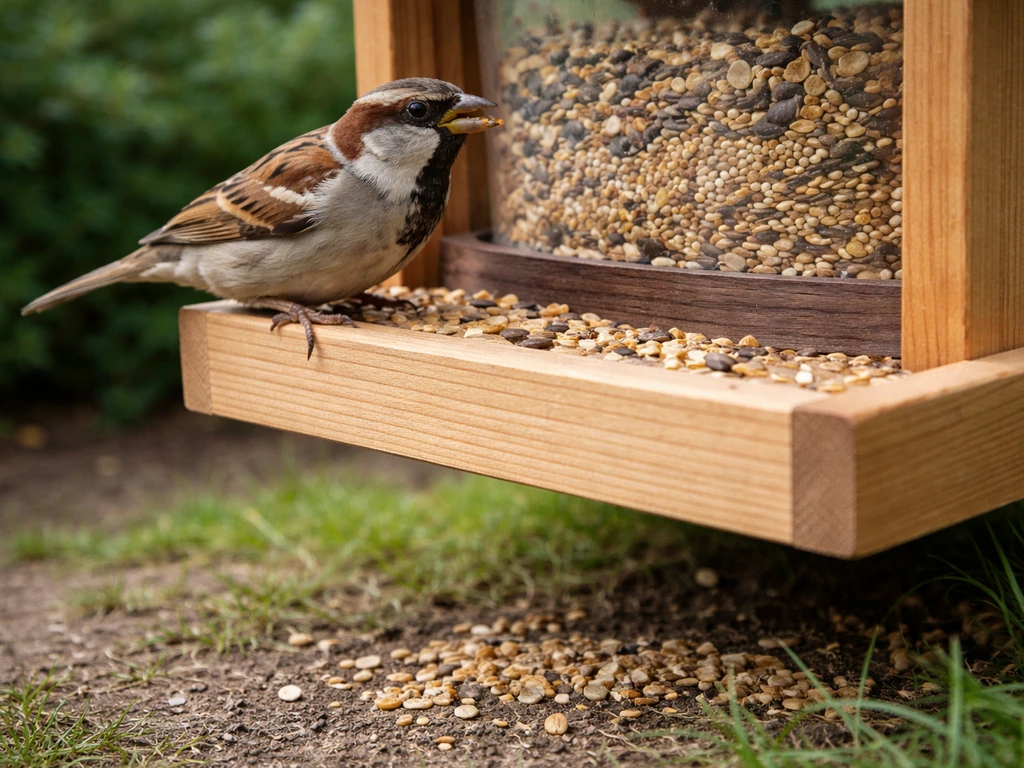
Once you know about the crop, feeder behavior makes a lot more sense. That sparrow that swoops in, pecks rapidly for 30 to 60 seconds, and then flies off without pausing to shell every seed? It's crop-loading. Doves and pigeons are especially obvious: they'll sit at a platform feeder or on the ground beneath a hanging feeder and vacuum up seed in a continuous sweeping motion, visibly puffing out as the crop fills.
You may also observe birds occasionally bringing seed back up. Some regurgitation is normal, particularly in parent birds feeding chicks, but excessive or unprompted regurgitation in an adult bird can be a sign that something is wrong with crop emptying. More practically for your setup, this behavior contributes to wet, partially digested seed landing around the feeder base. That material is a direct source of mold and a pest attractant if left on the ground.
Another thing you'll notice is that birds tend to feed in bursts rather than continuously. That's the crop at work: they fill it, leave, digest, and return. If birds are at your feeder almost constantly without breaks, it may mean the food you're offering is lower in calories or harder to digest, so they need to fill up more often to meet their energy needs. Thinking about your bird seed diet in terms of caloric density helps explain these patterns.
Which seed types get stored in the crop and why it matters
Not all seeds behave the same way in the crop, and the type of seed you're offering affects how much mess and moisture ends up around your feeder.
| Seed Type | Crop Behavior | Moisture/Mold Risk | Sprouting Risk |
|---|---|---|---|
| Whole sunflower (in shell) | Stored whole; bird hulls it later or at gizzard | Low if dry, moderate if wet | Low (hard shell slows germination) |
| Hulled/split sunflower | Loaded fast; soft and high-fat | High (no shell barrier) | Moderate to high if wet |
| Millet (white proso) | Small, starchy; large quantities held easily | Moderate | High (germinates readily) |
| Safflower (whole) | Hard shell slows intake; smaller crop loads | Low to moderate | Low |
| Nyjer/thistle | Tiny; birds take many at once | Moderate in wet weather | Moderate |
| Corn (cracked) | Starchy; holds well in crop | High if wet or on ground | High |
Whole seeds with intact shells are generally lower risk because the shell slows moisture absorption both in the crop and when they land on the ground. Hulled or cracked seeds have no protective layer, so they pick up moisture fast in wet conditions, whether they're sitting in a feeder during rain or dropped by birds onto damp soil. Starchy seeds like millet and cracked corn are also the biggest sprouting offenders: the warmth and moisture around a feeder are exactly the conditions needed for germination. If you've had bird seed that's sprouting under your feeder, those are likely the culprits.
High-fat seeds like hulled sunflower and nyjer are different: they don't sprout as readily, but they go rancid and moldy faster once moisture gets in. If you're in a humid climate or feeding through a rainy spring, these need more frequent feeder cleaning and smaller refill quantities so they don't sit too long.
One practical shortcut to reduce both sprouting and mess: switch some of your mix to seeds that are less likely to germinate at all. Choosing a bird seed that does not grow weeds (sterile or hulled options) means even the seed birds drop or spill won't set up a garden under your feeder.
Storing seed so it stays clean and dry
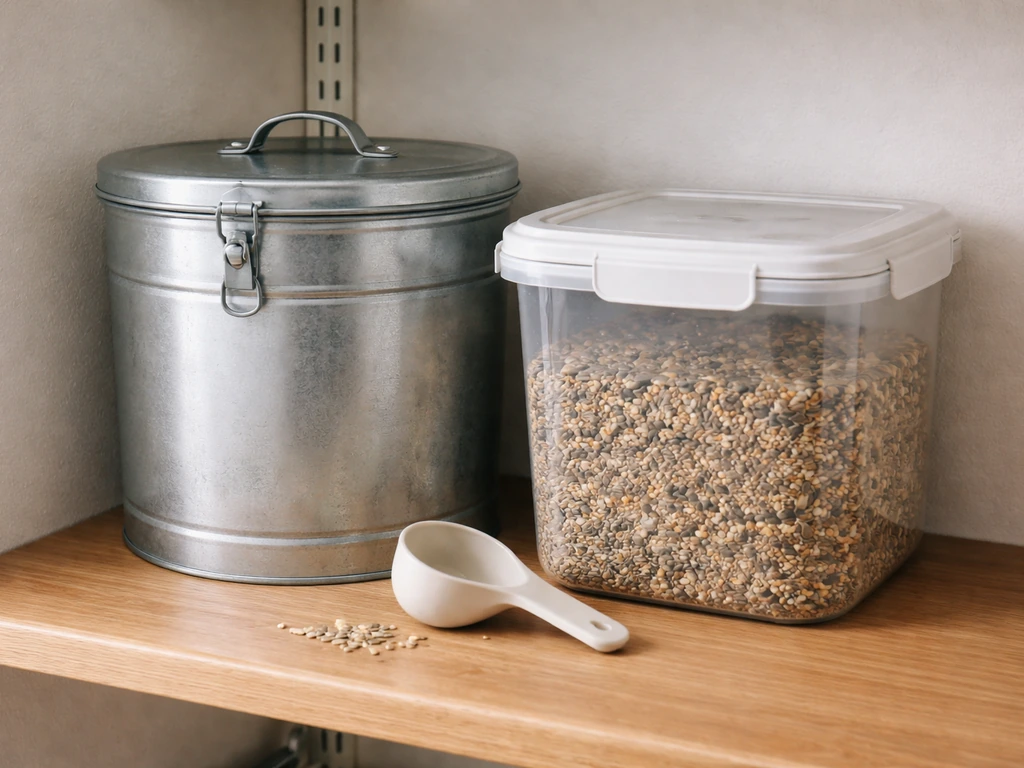
The crop's role in softening food with moisture is useful biology for the bird, but it's a problem if seed is already wet or compromised before the bird even eats it. Moldy or damp seed fed to birds can cause serious illness, including aspergillosis, a fatal fungal disease. The goal with seed storage is to keep moisture completely out.
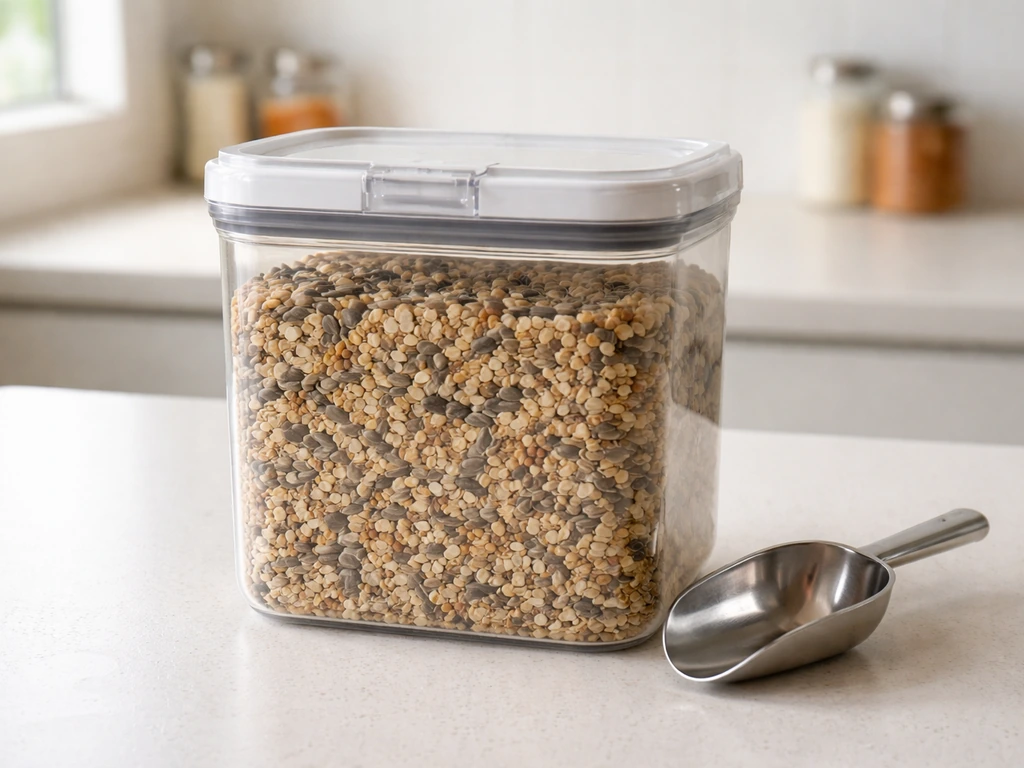
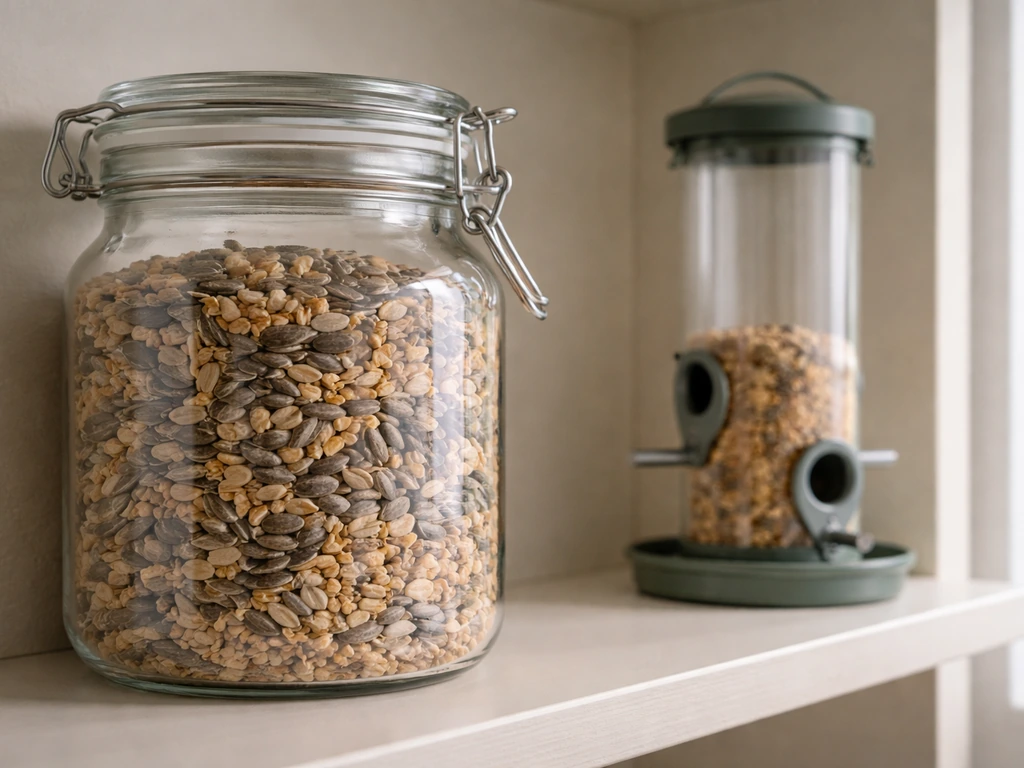
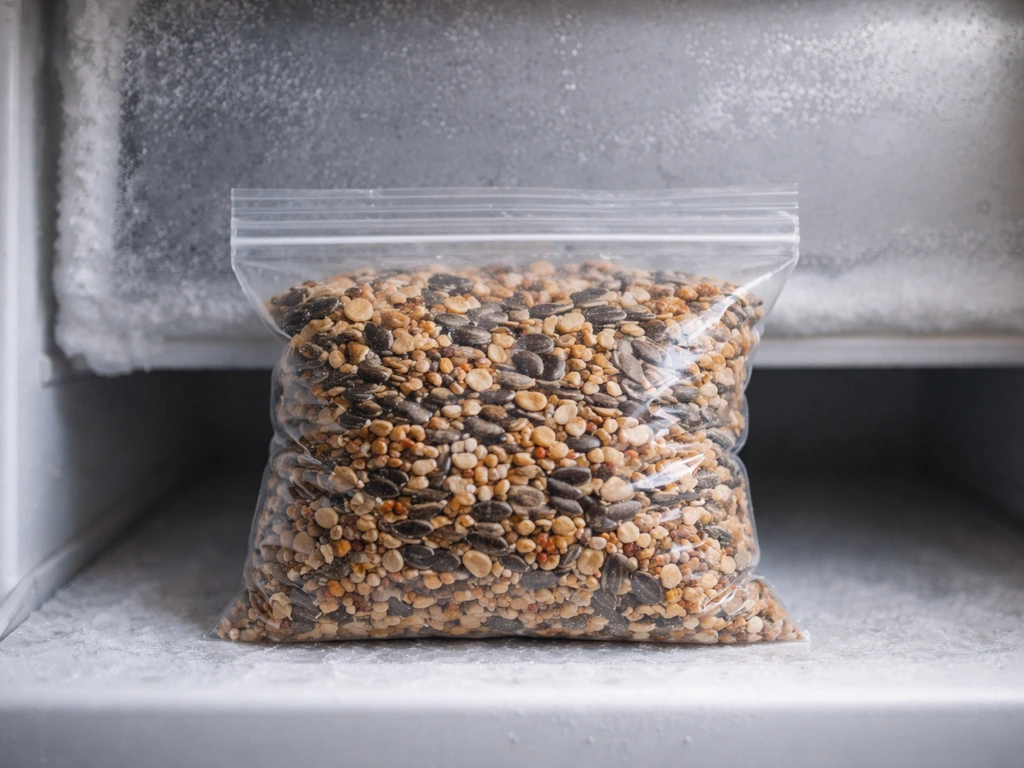
- Store seed in a hard-sided, airtight container: a metal or thick plastic bin with a tight-fitting lid. Avoid paper or fabric bags, which let moisture in.
- Keep storage containers off concrete floors, which transfer ground moisture. Use a shelf, pallet, or rubber mat underneath.
- Store in a cool, dry location, ideally below 70°F. Warmth accelerates mold growth and rancidity in oily seeds.
- Buy seed in quantities you'll use within 4 to 6 weeks. Larger stockpiles sitting in a garage through humid summer months go bad faster than you'd expect.
- Check stored seed before every refill. If you see clumping, off smells, visible fuzz, or discoloration, discard the entire batch. Do not mix compromised seed back into fresh stock.
- After rain or snow, check your feeder for wet seed. If the seed inside is clumped or smells musty, dump it, rinse the feeder, let it dry, and refill with fresh seed.
If you're curious about what constitutes a genuinely nutritious seed mix versus cheap filler, reviewing a practical breakdown of a quality bird seed diet for humans (yes, it's a real topic) actually gives good insight into which seeds carry real nutritional value versus which ones are bulk padding that birds largely ignore and drop on the ground.
Cleaning up spills, droppings, and regurgitated seed
The ground beneath your feeder accumulates three things: spilled seed, empty hulls, and occasionally regurgitated or wet partially-digested material from birds crop-clearing. All three create the same problems: mold, odor, and pest attraction. Raking up spilled grain and hulls from under feeders, especially in spring and fall, is one of the most effective things you can do for feeder hygiene.
Here's a practical cleanup routine that keeps things manageable without making it a big project every week:
- Weekly: Visually inspect the ground under the feeder. Remove any visibly wet, clumped, or moldy seed immediately. Don't let it dry out and blow back into the feeder.
- Monthly: Do a full rake or sweep of spilled hulls and seed debris beneath the feeder. Clemson's Home and Garden guidance recommends this monthly sweep as a baseline.
- Every two weeks: Clean the feeder itself. Cornell Lab's Project FeederWatch recommends this interval, and doubling it (every week) if you suspect disease is circulating in your local bird population.
- After heavy rain or humid stretches: Check and clean immediately rather than waiting for the scheduled date.
For the feeder itself, the cleaning method matters. A 9-to-1 ratio of water to bleach (about 2 ounces of bleach per gallon of water) is the standard recommendation from multiple wildlife health sources, including the National Wildlife Health Center. Soak all feeder components for 10 to 15 minutes, scrub with a brush to remove seed residue and biofilm, rinse thoroughly with clean water, and let the feeder air dry completely before refilling.
All About Birds advises cleaning feeders regularly and disinfecting with a dilute bleach solution of no more than 1 part bleach to 9 parts water cleaning feeders regularly and using a dilute bleach solution (no more than 1 part bleach to 9 parts water) for disinfection. Do not rush the drying step: putting fresh seed into a damp feeder just restarts the mold cycle.
For a mold-specific problem, a 10% non-chlorinated bleach solution with a 2 to 3 minute immersion followed by scrubbing works well.
If you have a serious mold situation and find yourself wondering whether an entirely different approach to a bird-related event or gathering might sidestep the seed-mess problem entirely, it's worth knowing there are well-documented alternatives to bird seed at weddings that avoid the cleanup and germination issues altogether. Not relevant for everyday feeders, but useful to know.
Keeping pests and mold away from your feeder area
A crop-loading bird is an efficient eater, but it is also a messy one. The seed it drops lands in a concentrated area directly under or around the feeder, and that's prime real estate for rodents, insects, and mold spores. Here's how to manage all three.
Rodents
Rats and mice are drawn to spilled seed under feeders, especially at night after birds have gone to roost. The most effective deterrents are: a tray feeder with a catch basin beneath the hanging feeder to intercept dropped seed, removing all ground-level seed at dusk, and using seed types that birds actually eat cleanly rather than shell and discard. Whole millet and black oil sunflower are eaten more efficiently than cheaper mixes loaded with milo and filler grains that birds toss aside.
Insects and mites
Grain mites, weevils, and ants colonize seed that has been sitting in warm, slightly damp conditions, which describes the inside of a feeder on a humid day perfectly. Prevention comes down to two things: not overfilling (put in only as much as birds will eat in two to three days) and keeping the feeder dry. If you find webbing, fine powder, or tiny crawling insects in stored seed, discard the entire batch, wash the container with soapy hot water, dry it fully, and start fresh. Do not try to pick out the infested portions.
Mold
Mold forms fast on wet seed, especially in warm weather, and the consequences for birds can be fatal. Aspergillosis, caused by Aspergillus mold, is directly linked to moldy feeder conditions. Seeds in direct contact with wet earth deteriorate far faster than seed in a covered feeder, which is why ground feeding setups need the most attention after rain. If you're in a humid region (the Gulf Coast, Pacific Northwest, or anywhere with warm wet summers), consider switching to smaller, covered feeders with drainage holes, cleaning on a weekly rather than biweekly schedule, and storing only a week's worth of seed at a time.
The underlying principle across all of these pest and mold issues is the same: wet seed and seed debris are the root cause. The crop biology that makes birds such efficient bulk feeders also means they're dropping and contaminating a lot of material around your feeder. Staying on top of that ground layer is the single highest-impact habit you can build for a clean, safe, and pest-free feeding station.
FAQ
How can I tell the difference between normal crop “bulging” and a crop problem in birds at my feeder?
Normal crop fullness usually looks temporary and goes down after the bird moves away from feeding. If you see a persistently swollen crop, repeated regurgitation in an adult, or the bird looks weak or stays fluffed up for hours, treat it as possible crop stasis or another illness and stop offering that bird immediate access until the area is cleaned.
Should I worry if birds drop seed directly after feeding, is it always caused by the crop?
Many spillage events are related to crop-loading and feeding technique, but not all. If your feeder design causes lots of leakage (loose perches, holes too large, or a tray that overfills), reduce fill level and consider a feeder with a catch basin so dropped material is limited and easier to remove.
What should I do if I notice regurgitated, partially digested seed on the ground under the feeder?
Remove the wet material promptly, rake up the debris, and clean the feeder area. Then dry the catch area, if you have one, before refilling. If the regurgitation is frequent from multiple birds, temporarily switch to a covered feeder type to reduce wet ground contact.
How often should I replace seed, and how much is “too much” to keep in the feeder?
A practical rule is to refill only enough to be consumed in about 2 to 3 days. In humid or rainy weather, that window gets shorter because moisture and mold build faster, especially with hulled sunflower, nyjer, cracked corn, and millet.
Can I prevent sprouting weeds without changing the entire seed mix?
Yes. Mix in more seed types that are less likely to germinate (sterile or hulled options) and avoid relying on sprout-prone components like cracked corn and millet. Also, reduce how long spilled seed sits on damp soil by raking more frequently after rain.
Is it safer to use hulled sunflower and nyjer in humid climates, or are they still a problem?
They are less sprout-prone, but they can still mold and go rancid faster once moisture gets in. That means you should use smaller refills, clean more frequently, and store seed in a dry container rather than leaving it exposed to humidity.
What’s the correct way to clean feeders if I’m seeing recurring mold even after raking?
Focus on both the feeder and the storage. Wash, scrub, and fully air-dry every component, then discard any seed that looks damp or has a musty odor. Also inspect for biofilm buildup in seams and ports, since residue can seed regrowth even when you clean the visible parts.
How should I store seed to avoid mites, weevils, and grain insects?
Keep seed in a sealed, dry container, store it in a cool area, and avoid topping off old seed with new. If you find webbing or fine powder in stored seed, discard the whole batch and wash the container with hot soapy water, then dry completely before reloading.
If my feeder is covered, do I still need to rake under it?
Yes. Covered feeders reduce direct rain exposure, but birds still drop hulls, spilled seed, and occasional crop-clearing material. Raking removes the food and debris that attract pests and provides fewer surfaces for mold spores to start growing.
What feeder placement reduces the chance that spilled crop-related material gets wet?
Place feeders so spilled seed is not splashing from sprinkler spray or heavy wind-driven rain. If you can, use a tray or catch basin arrangement that keeps debris off bare soil and makes evening cleanups practical.