If you landed here looking for the Granny horror game, this site covers real-world bird seed use, not game walkthroughs. That said, the sibling topics on this site (where to find bird seed in Granny, where it spawns in Granny 1 and Granny 3) handle the item-location puzzle side of things. What you'll find here is how to properly obtain, place, and use actual bird seed in your backyard so it attracts the right birds safely, and exactly what to do when seed goes wrong.
How to Use Bird Seed in Granny: Backyard Guide
Maya Collins
15 May 2026
What bird seed does (game vs. real backyard use)
In the Granny survival horror game, bird seed is a progression item. Players find it and use it as part of a specific in-game mechanic to advance through the level. The wiki for Granny Recaptured confirms it as a collectible item with a purpose tied to the game's objectives, and searches for 'where is the bird seed in Granny' are almost always asking about its spawn location inside the game map.
In the Granny survival horror game, searching for "where is the bird seed in Granny" typically points to the quest-style spawn location of the bird seed item in the map, as described by The Bird Identifier. If you're asking where is the bird seed in Granny 3, you’ll want to focus on its in-game spawn point and how it’s used to progress.
If you're asking where the bird seed spawns in Granny, the exact location depends on the specific map layout and progression moment where is the bird seed in Granny. If you meant the game version, the bird seed spawn or location depends on your map and chapter, and players often look for it by searching for where it appears in Granny where is the bird seed in Granny.
In a real backyard, bird seed does something much more straightforward: it draws birds to a specific spot so you can observe them, support their energy needs during cold snaps or migration, and contribute to local wildlife. Black-oil sunflower seed alone will attract more species than almost any other single seed you can buy. Feeding is most impactful when birds need it most, particularly during temperature extremes, late winter, and early spring when natural seed sources in the wild are nearly gone.
How to get bird seed
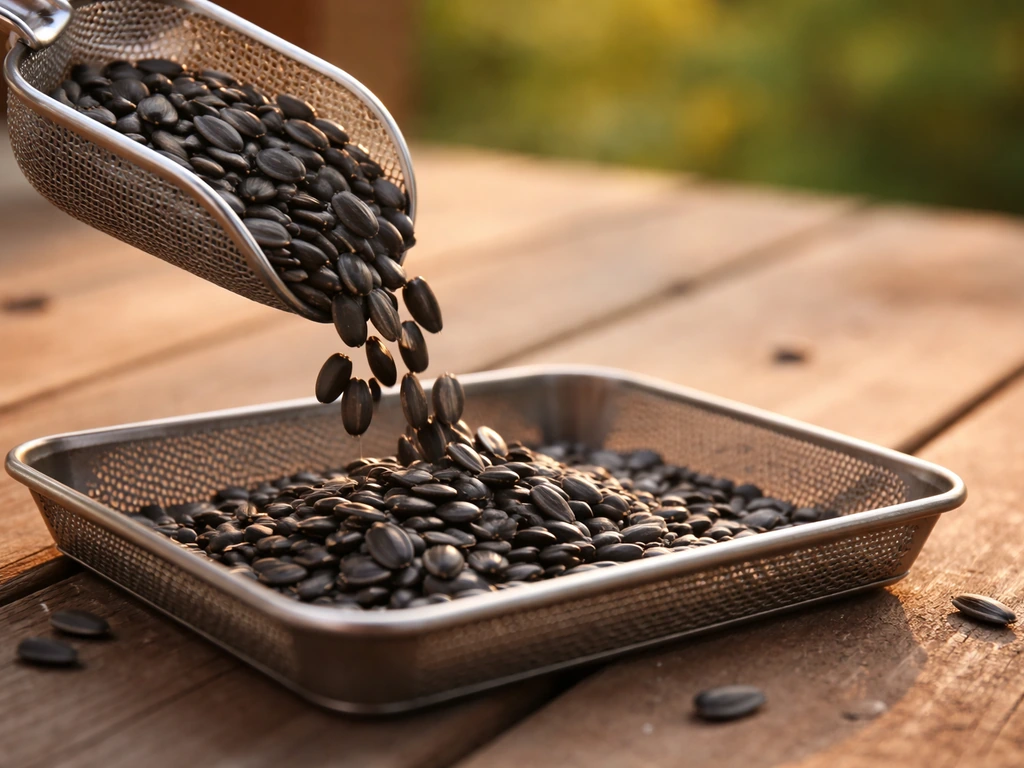
You can buy bird seed at hardware stores, garden centers, wild bird specialty shops, and online. The format matters more than the brand. Here is what to look for when you're shopping:
- Black-oil sunflower seed: the single best starting choice because it attracts the widest range of backyard birds. It has a soft shell and an energy-dense, oily interior that makes it easy for small birds to crack and worth the effort for larger ones.
- Seed blends: a solid secondary option, but read the label. Good blends contain sunflower seeds, white millet, and cracked corn. Avoid bags padded with red milo, wheat, or oats, as most backyard birds ignore these and they end up as waste on the ground.
- Bag size: buy only as much as you'll use in 4 to 6 weeks. Seed stored longer than that starts to lose nutritional value and risks going rancid or growing mold.
- Condition check: the bag should feel dry, smell neutral or lightly nutty, and show no clumping. A mushroomy odor or white dusty residue on the seed means mold is already present and the bag should be returned or discarded.
How to use bird seed step by step
Getting seed out and attracting birds takes about ten minutes to set up correctly the first time. The steps below apply whether you're using a hanging tube feeder, a platform tray, or a ground scatter.
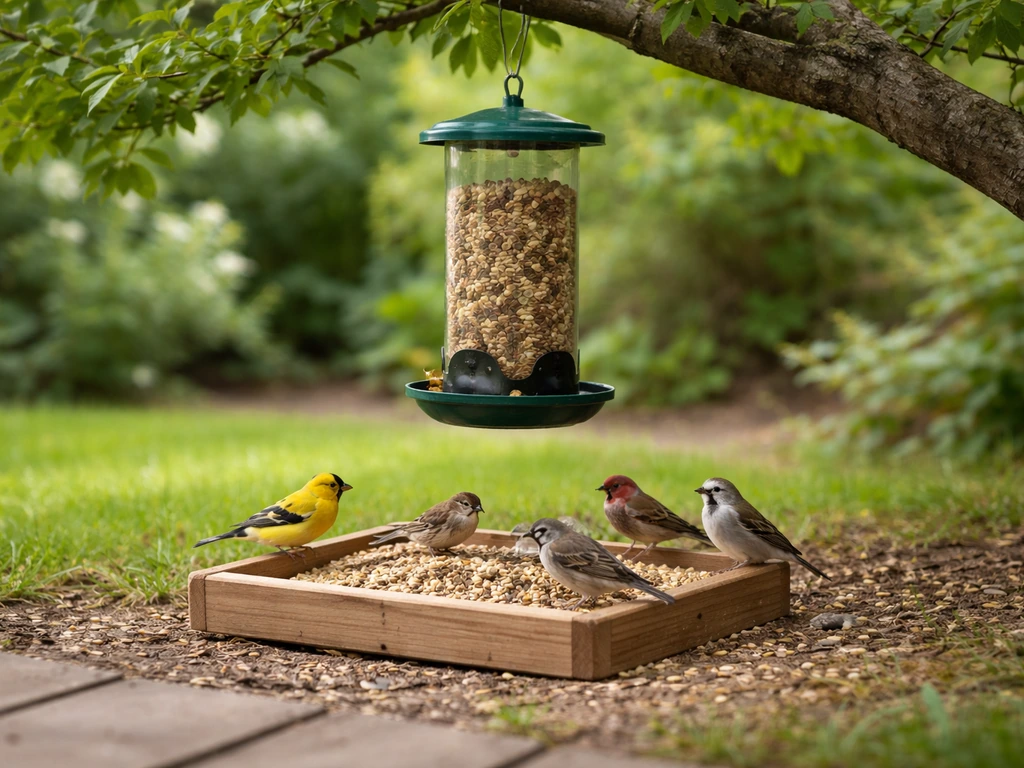
- Choose your feeder style first. Tube feeders work well for sunflower and millet. Platform or tray feeders at 1 to 2 feet off the ground attract ground-feeders like juncos and towhees. Hanging feeders at 5 to 6 feet bring in chickadees, finches, and nuthatches. Using two heights pulls in a wider variety of species.
- Pick the right location. Place feeders within 3 feet of a window or more than 30 feet away to reduce window-strike risk. Birds need nearby cover (a shrub or tree within 10 feet) to retreat to, but the feeder itself should be in the open enough that cats or predators can't hide right beneath it.
- Fill the feeder no more than halfway if it won't be visited heavily. Overfilling means seed sits in the bottom and gets damp, which accelerates mold. In wet climates or rainy seasons, fill even less, or use a covered feeder.
- Add a baffle to the pole if squirrels are present. A baffle is a physical disc or cylinder that blocks squirrels from climbing up to the feeder. Even if it doesn't stop every squirrel, it significantly reduces raiding. Switching to safflower seed also helps because squirrels generally avoid it while many birds eat it readily.
- Check the feeder every 2 to 3 days. Remove any wet or clumped seed immediately. Do not just top it off over old seed.
- Scatter a small amount on the ground intentionally only if you want to attract ground-feeding species like doves, sparrows, and towhees. Keep the scatter area small and rake it up every few days to prevent rot and rodent buildup.
What bird seed is actually used for
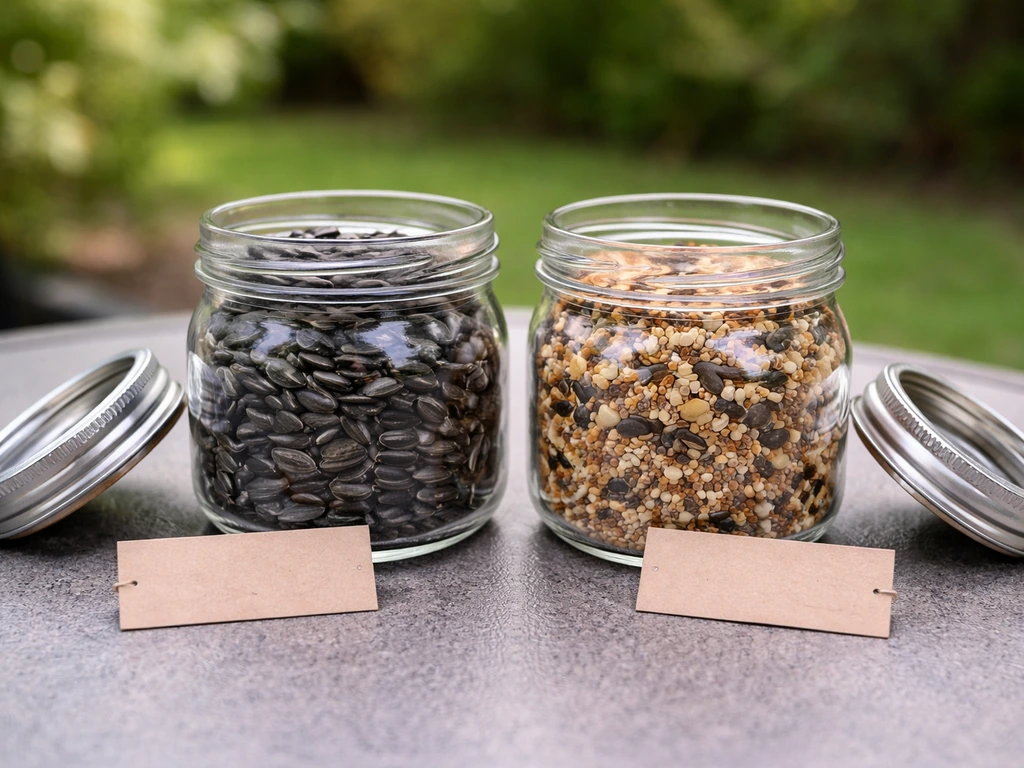
The primary goals of backyard bird feeding are attracting specific species, supporting birds through energy-demanding periods, and creating reliable observation opportunities in your yard. Black-oil sunflower is your all-purpose tool for maximum species variety. White millet targets sparrows, doves, and juncos specifically. Nyjer (thistle) seed in a fine-mesh feeder pulls goldfinches and siskins. Cracked corn on a platform or the ground works for larger birds like jays and grackles.
Timing your feeding efforts around need makes a real difference. Late winter through early spring is the highest-value period because natural food sources are at their lowest and birds are burning significant calories staying warm. Summer feeding is lower priority but still draws breeding pairs and helps fledglings that are learning to forage.
Troubleshooting bird seed problems
Wet or clumped seed
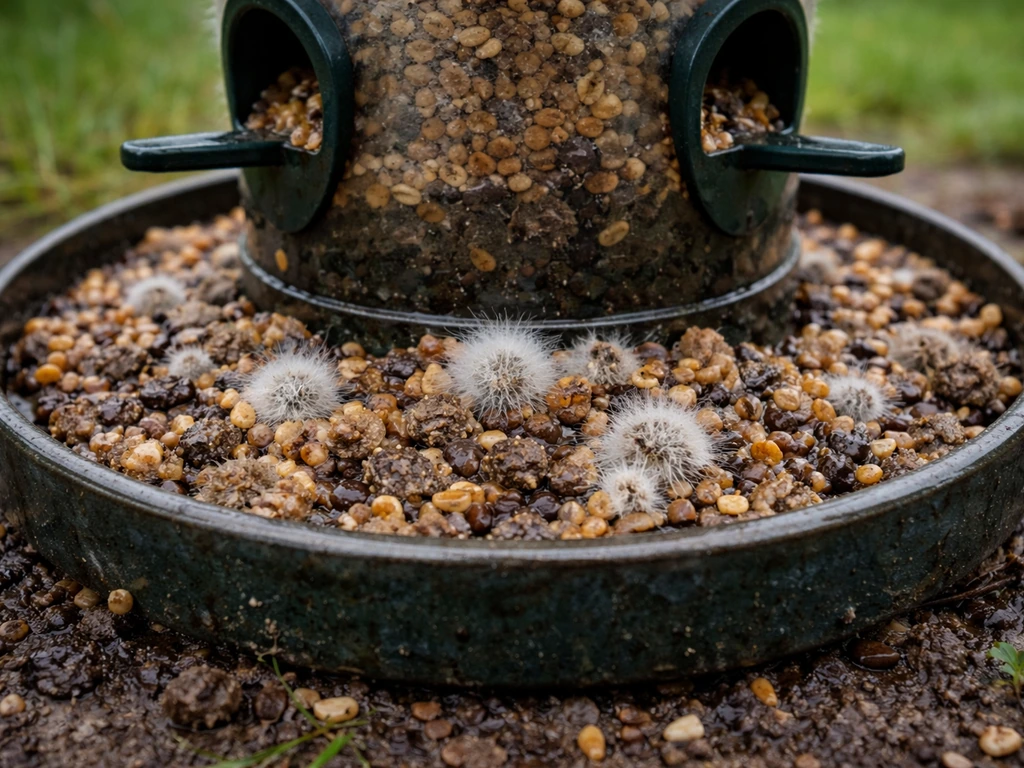
Wet weather is the most common cause of feeder problems. When seed gets wet, mold and bacteria can form within 24 to 48 hours, both in the feeder and in piles on the ground below it. Remove all wet seed, wipe out the feeder interior with a dry cloth, and let it air dry before refilling. Switching to a covered or hopper-style feeder helps prevent this from recurring.
Sprouted seed
Sprouted seed under and around the feeder is normal and not dangerous by itself, but it signals that seed is sitting on damp ground long enough to germinate. Rake or sweep the area regularly, and consider placing a tray beneath the feeder to catch hulls and fallen seed so you can dispose of it cleanly every few days.
Mold on seed
White dust, fuzzy growth, or a strong mushroomy smell means the seed batch or feeder interior has active mold. Discard all the seed immediately. Do not try to pick out the moldy parts and save the rest, because mold spores spread through the whole batch. Clean the feeder before refilling (instructions in the next section). Aflatoxin, a mold-produced toxin that can appear on peanuts and corn especially, is genuinely dangerous to birds and should be taken seriously, which is why buying from a reputable source and rotating stock quickly matters.
Pest buildup (rodents, squirrels, insects)
Spilled seed below feeders is the main attractor for mice, voles, chipmunks, and squirrels. If you're seeing rodents, sweep up fallen seed and hulls daily or every other day rather than letting it accumulate. Move the feeder to a pole with a baffle, and consider stopping ground scatter entirely for a few weeks to discourage the behavior. If insects are infesting stored seed in your garage or shed, that means moisture has gotten into the container (see storage tips below).
Birds not visiting
If birds aren't showing up within a week or two, check three things: Is the feeder in an exposed area with no nearby cover? Is the seed fresh (open the bag and smell it)? Is the feeder style wrong for the birds in your area? Tube feeders don't work for ground-feeding species. Platform feeders in the open don't suit shy forest species. Adjusting height and adding cover nearby usually resolves low traffic quickly.
Storage, handling, and cleanup
Storing seed correctly
Store seed in a hard-sided, airtight container rather than the paper or plastic bag it came in. Metal garbage cans with locking lids or food-grade plastic bins with tight seals work well and also block rodents. Keep the container in a cool, dry location out of direct sunlight. Garage storage is fine as long as it doesn't experience extreme heat in summer, which accelerates rancidity. Never mix new seed on top of old seed; empty and inspect the container first.
Cleaning feeders
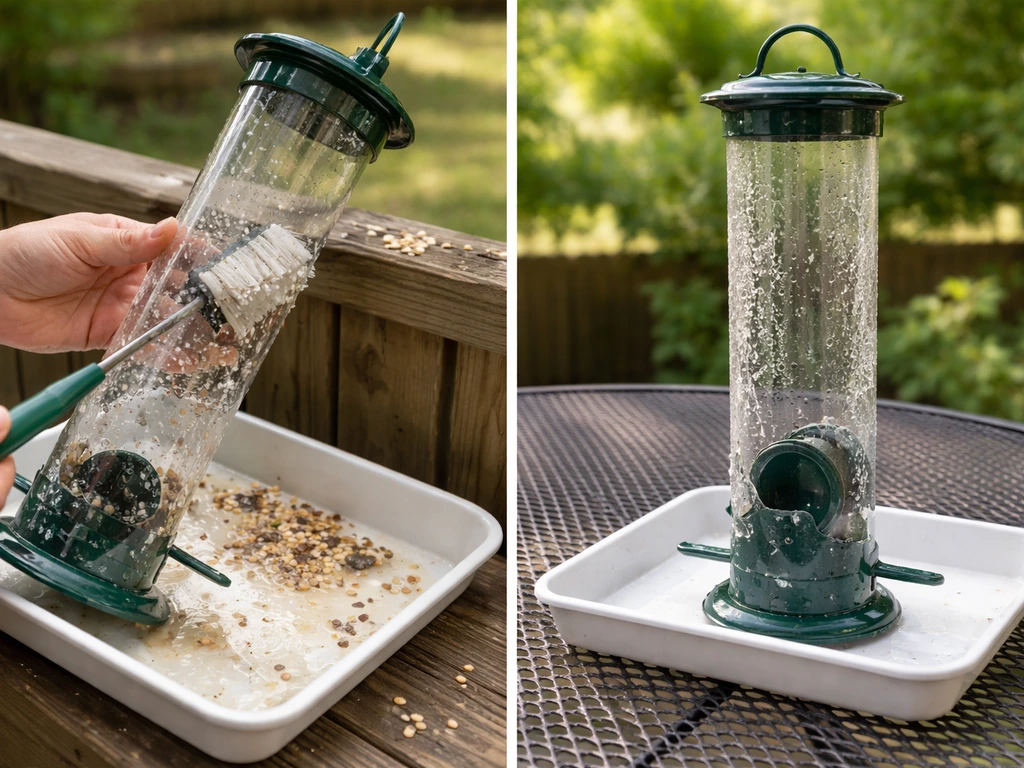
Clean feeders at least once a month under normal conditions, and immediately any time you find wet, moldy, or clumped seed inside. The Minnesota DNR and Iowa DNR both recommend a 10% bleach solution (roughly 2 ounces of bleach per 1 gallon of water) for disinfecting feeder surfaces. Scrub all interior and exterior surfaces, rinse thoroughly with clean water, and let the feeder dry completely before refilling. Putting wet seed into a damp feeder defeats the whole purpose of cleaning.
If you find dead birds near the feeder, take it down immediately, discard all current seed, and soak the feeder in a 10% bleach solution for at least 10 minutes before scrubbing. Wash your hands thoroughly after handling any feeder components during a disease event, and consider wearing gloves.
Ground cleanup
Sweep or rake the area under and around feeders at least monthly, and more frequently in wet weather. Hull and seed debris on the ground gets damp quickly and becomes a mold and rodent magnet. A ground tray or catch basin under the feeder makes this faster since you can just lift and empty it rather than raking a wide area.
Safety and best practices
A few hard rules worth keeping in mind for both bird health and your own:
- Never offer bread, cooked rice, or sugar water in a seed feeder. These introduce bacteria and mold rapidly and can cause respiratory disease in birds.
- Never add salt to birdbaths or water dishes to prevent freezing. Salt is harmful to birds even in small amounts.
- Only offer peanuts that are unsalted and fresh. Peanuts are prone to aflatoxin (a dangerous mold-produced poison), so buy from a reputable bird-supply source and use them quickly.
- Avoid seed blends with cheap filler seeds like red milo, wheat, or canary grass. Most backyard birds ignore them, and they pile up on the ground and rot.
- Wash your hands after every feeder fill or cleaning session. Feeders can harbor Salmonella and other pathogens.
- Keep feeders away from areas where herbicides or pesticides are used. Birds that forage near treated soil or plants can be harmed even if the feeder itself is clean.
- In regions with bear activity (particularly in spring through fall), bring feeders in at night or take them down entirely during bear season to avoid attracting bears to your yard.
The single most important habit you can build is a quick visual check every couple of days rather than waiting until the feeder is completely empty. Catching wet or clumped seed early prevents every downstream problem, from mold to sick birds to pest infestations. Fill less, check more often, and clean on a schedule rather than reacting to a problem, and backyard bird feeding stays simple and genuinely useful for the birds coming through your yard.
FAQ
Can I use bird seed as ground scatter instead of a feeder in my granny setup?
You can, but it increases waste and pests. If you use ground scatter, rake or sweep daily during wet periods and consider a tray or catch mat to collect hulls. For shy species, scatter often needs nearby cover and a bit of time, otherwise birds avoid it.
What if the seed bag says “wild bird mix,” can I still use it in granny for best results?
Yes, but mixes often contain fillers that attract fewer target species and spoil faster. For maximum variety with less guesswork, choose black-oil sunflower or a mix where sunflower is a major component, then supplement with millet or nyjer only when you want specific birds.
How often should I refill the feeder, and how much seed should I put out?
Aim for smaller top-ups more frequently rather than filling to the top. A good approach is to refill when the tray or feeder level drops noticeably but before any seed has time to clump or get wet. This reduces mold risk and keeps the feeding spot attractive.
How do I tell the difference between normal sprouts and mold on the seed?
Sprouts are soft but not fuzzy, and they typically do not create a musty or mushroom-like odor. Mold is more likely when you see fuzzy growth, spotty discoloration, or smell something “moldy.” If you suspect mold, discard the batch and disinfect the feeder rather than trying to salvage seed.
Is it safe to keep feeding if it has rained and the ground is damp?
Don’t keep feeding with wet seed. Remove wet seed within 24 to 48 hours, wipe and air-dry the feeder, then refill with dry seed. If you see clumping or damp hulls under the feeder, switch to a covered or hopper-style feeder until weather stabilizes.
What should I do if mice or squirrels start dominating the feeding spot?
Clean up fallen seed and hulls daily or every other day, then add a baffle on the feeder pole. If the problem continues, stop ground scatter and use only a feeder with careful placement. Also check your storage container, rodents often break into seed stored in loosely sealed bags.
Why are birds ignoring the feeder even though I put seed out?
Common causes are exposed placement with no nearby cover, seed that is stale (open the bag and check smell), and feeder mismatch to local birds. Tube feeders generally do not work for ground-feeders, and open platform feeders can deter forest or shy species. Adjust height and add nearby cover like shrubs or a small tree line to improve traffic.
Can I leave seed in the feeder overnight during cold weather?
Often yes, but you still need to manage moisture and clumping. In freezing conditions, avoid leaving wet seed in place, and clear hull buildup regularly because damp debris stays wet longer. If the feeder gets wet from snowmelt or condensation, empty it, dry it, and refill with dry seed.
How should I store bird seed to prevent insects and spoilage?
Use a hard-sided, airtight container and keep it in a cool, dry spot away from direct sun. Avoid mixing new seed on top of old seed, empty and inspect first. If you notice insect activity, moisture has likely entered the container, so remove the contents, clean the container, and start with fresh dry seed.
What cleaning schedule should I follow if I’m feeding year-round?
Under normal conditions, clean at least monthly, and immediately after any wet or moldy incident. During a disease concern or if dead birds are nearby, take down the feeder, discard current seed, soak the feeder in a 10% bleach solution for at least 10 minutes, scrub, rinse thoroughly, and let it dry completely before refilling.
Do I need to wear gloves when I clean feeders?
Gloves are a smart precaution during a disease event or if you handle components from a period with dead birds nearby. Even without a disease event, washing hands thoroughly after cleaning is important because seed dust and waste can carry pathogens.
If I see dead birds near the feeder, should I stop feeding permanently?
Stop immediately, remove and discard the current seed, and disinfect the feeder before deciding what to do next. Once the feeder is cleaned and dry, you can usually resume after the immediate risk passes, but keep a close watch and clean on a tighter schedule to reduce further exposure.
Next Article
Where Is the Bird Seed in Granny 1? Step-by-Step Guide
Find the bird seed in Granny 1 with a room-by-room guide, interaction tips, and fixes if it is missing.