
Bird seed sprouts because of three things working together: moisture, warmth, and time. Remove any one of those, and germination stops. That means you have real, practical control over this problem, whether you're dealing with spilled seed under your feeder, damp seed in a bag in the garage, or a platform tray that turns into a little garden every spring. This guide walks through every scenario so you can fix it today.
How to Keep Bird Seed From Sprouting: Fix Damp, Wet Seed
Maya Collins
12 Apr 2026
Why bird seed sprouts in the first place
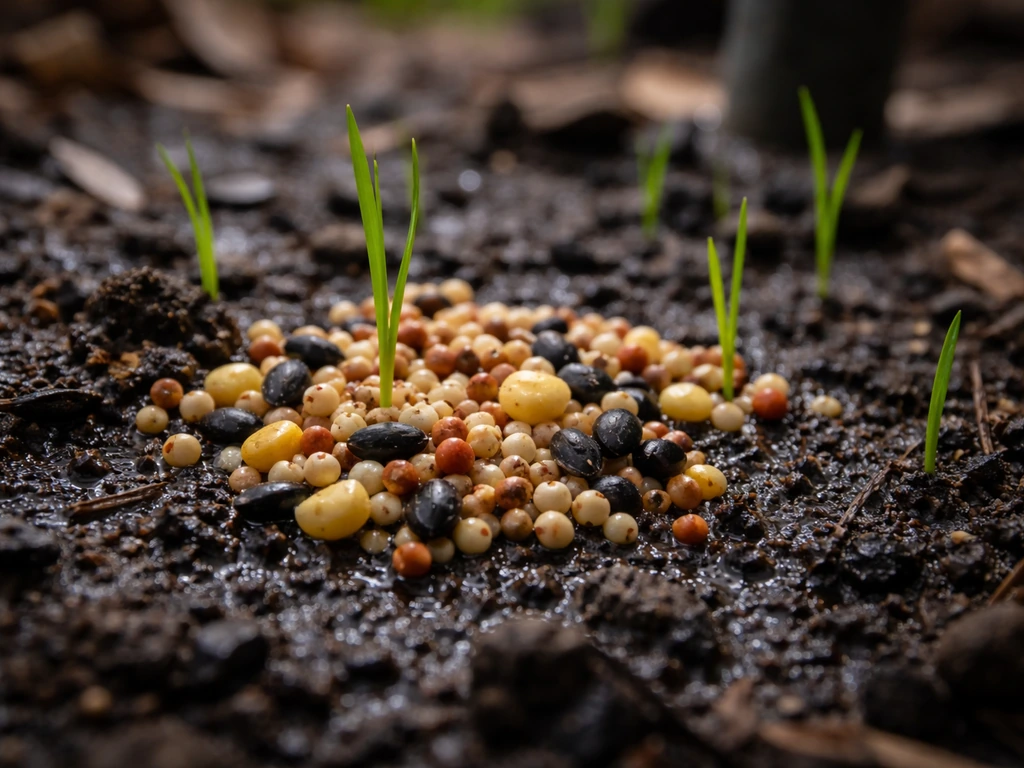
Germination is a biological process that seeds can't start without two things: available moisture and a suitable temperature. When spilled seed sits on damp ground under a feeder and the temperature is warm enough, those two conditions are met and the seed does exactly what it evolved to do. It sprouts. The longer seed stays wet and warm, the more likely germination begins. A cold, dry winter usually keeps spilled seed dormant. A warm, humid spring or summer is when you'll see green shoots appearing under feeders within days.
Seed viability matters too. Fresh, high-quality seed germinates more readily than older seed with lower viability. That's actually one reason cheap mixes can cause more sprouting problems: they often contain filler grains like milo or wheat that birds toss aside, leave on the ground, and that are perfectly happy to sprout given any moisture. Sunflower seeds, millet, and safflower are all capable germinators when conditions are right.
How to store bird seed so it won't germinate
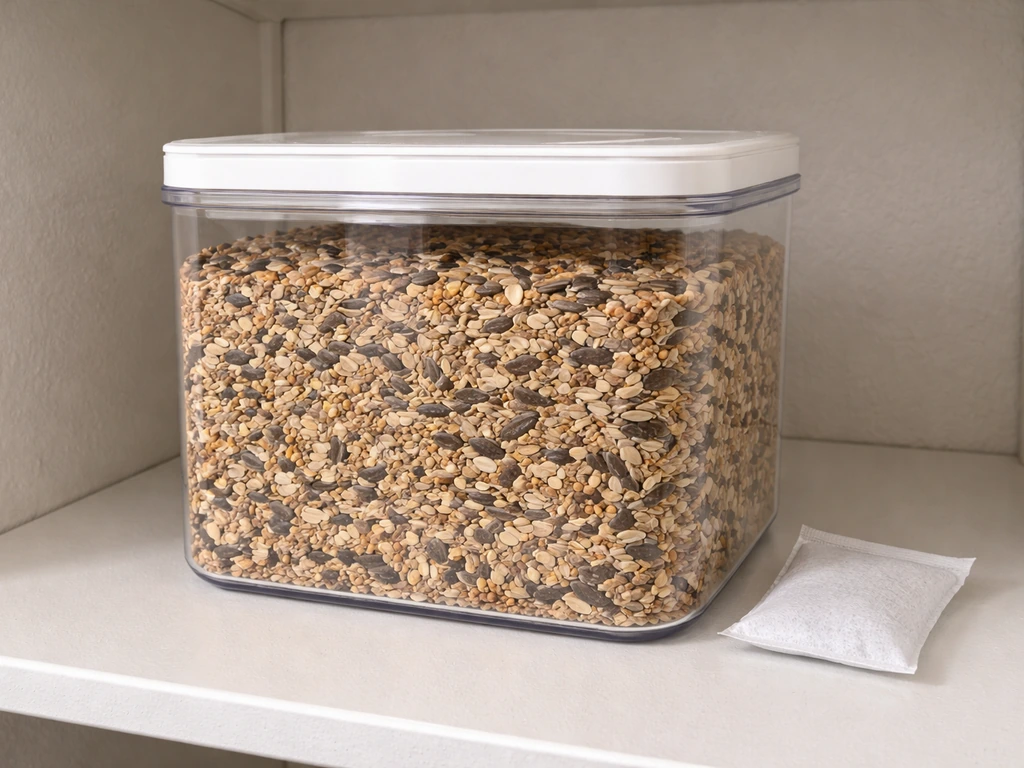
Proper storage is the first line of defense. Seed stored dry, cool, and sealed is not going to sprout on you. Extension-based seed-longevity research shows that safe storage life increases significantly as seed moisture content drops, and that even a small rise in moisture (exposure to ambient humidity can increase seed moisture content by around 2%) meaningfully shortens that safe window. The target for long-term seed viability control is around 6% moisture content or lower, which you achieve by keeping seed away from humidity and temperature swings.
The practical takeaway: use an airtight container. A sealed metal or hard plastic bin with a locking lid keeps ambient humidity from creeping in and raising the seed's moisture content. Don't store seed in open bags, breathable fabric sacks, or partially sealed containers in garages or sheds where temperature swings are large. You can read more about container choices and specific storage conditions in this guide on how to store bird seed properly.
- Use a sealed, hard-sided container (metal or thick plastic with a locking lid) to block moisture absorption.
- Store in a cool, stable-temperature location such as a basement or climate-controlled space, not a hot garage or outdoor shed.
- Keep seed off concrete floors, which wick moisture upward. Use a shelf or pallet.
- Buy only what you can use within four to six weeks during warm, humid months so seed doesn't sit long enough to absorb humidity.
- Don't mix old and new seed in the same container without first checking for clumping, odor, or early mold.
If you're in a particularly humid climate (Gulf Coast, Pacific Northwest, or anywhere with summer humidity consistently above 70%), consider refrigerator or freezer storage for your bulk supply. Storing bird seed in the fridge keeps moisture low and temperature stable, which slows any chance of germination or mold. Just make sure the container is sealed so seed doesn't absorb food odors.
How to stop seed from sprouting under feeders
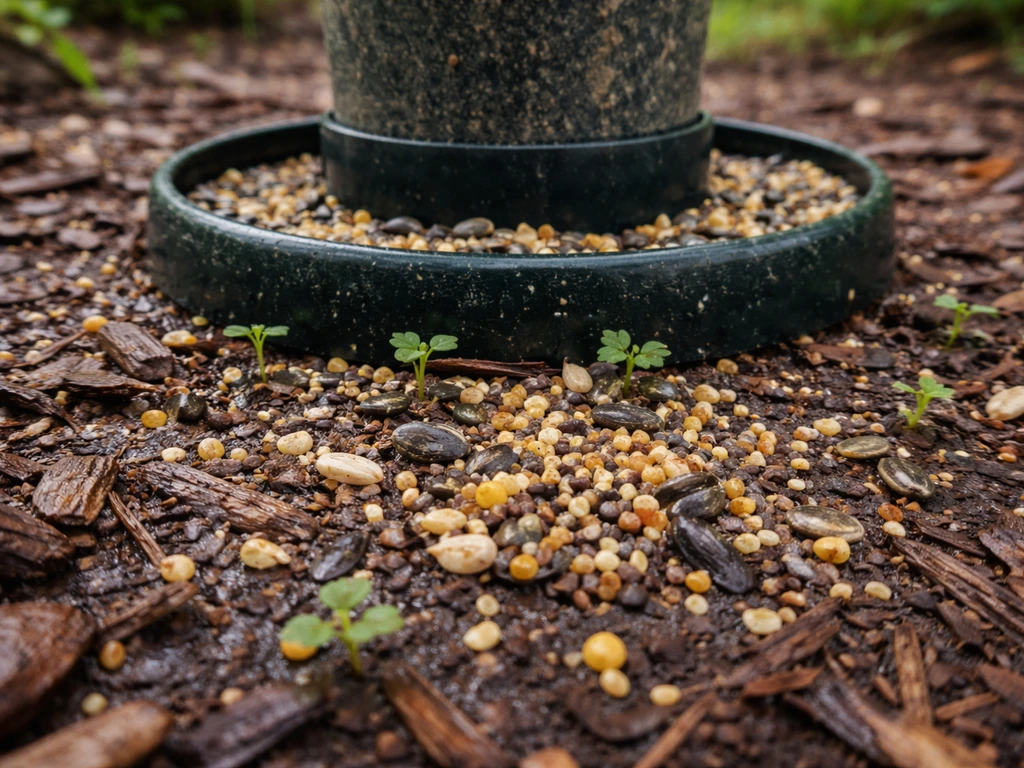
Under-feeder sprouting is the most common complaint, and it's the most visible. Seed falls, lands on soil or mulch, gets rained on, and starts growing. Here's what actually works to stop it.
Clean up spilled seed regularly
The single most effective thing you can do is remove spilled seed before it has time to get wet and warm. Cornell Lab and USFWS both recommend cleaning feeders at least every two weeks under typical conditions, and more frequently during heavy use or wet weather. That cleaning should include sweeping up or raking spilled seed and hulls from the ground underneath. Seed waste and hulls left under feeders contribute to mold and sprouting risk. Don't just top off the feeder, come back and deal with what's on the ground too.
Change your feeder placement
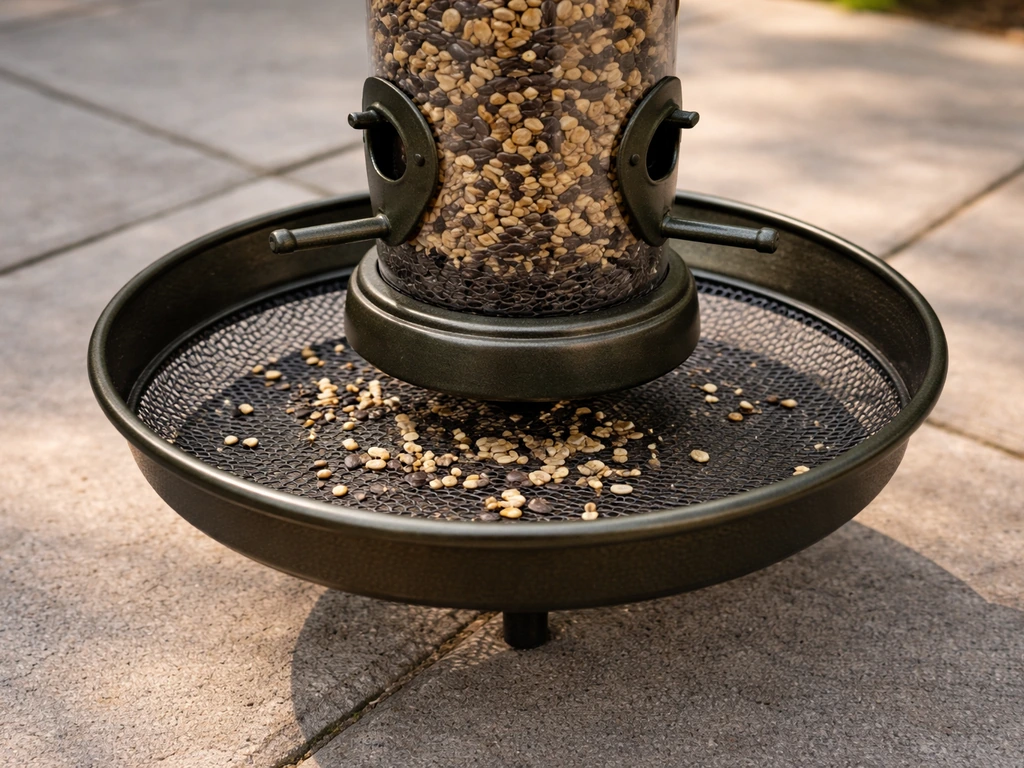
Where the feeder sits matters. A feeder positioned over bare concrete, gravel, or a patio stone makes cleanup easy and gives fallen seed nowhere to root. Feeders over soil or mulch give seed perfect germination conditions. If moving your feeder isn't practical, lay a thick layer of gravel or pea stone directly under the feeder's drip zone. Seed landing on gravel still needs to be removed, but it won't sprout into the ground. Avoid placing feeders near garden beds where sprouting seed could compete with your plants or go unnoticed longer.
Use a seed catcher or tray underneath
A seed-catcher tray or skirt mounted below the feeder catches fallen seed before it hits the ground. This is one of the cleanest solutions available. Birds often feed from the tray as well, which means less waste overall. The key is to empty and dry the tray regularly. A tray full of wet seed is just a concentrated sprouting environment. Look for trays with drainage holes so rain doesn't pool. If yours doesn't have them, drill a few yourself.
Reduce how much seed is out at once
During wet or rainy periods, South Carolina DNR recommends filling feeders with only enough seed to last a few hours rather than leaving a full load exposed to rain for days. This limits how much seed can become wet and fall to the ground. It takes a bit more attention during rainy seasons, but it's one of the most effective ways to cut both sprouting and mold risk at the same time.
What to do when seed is already sprouting or damp
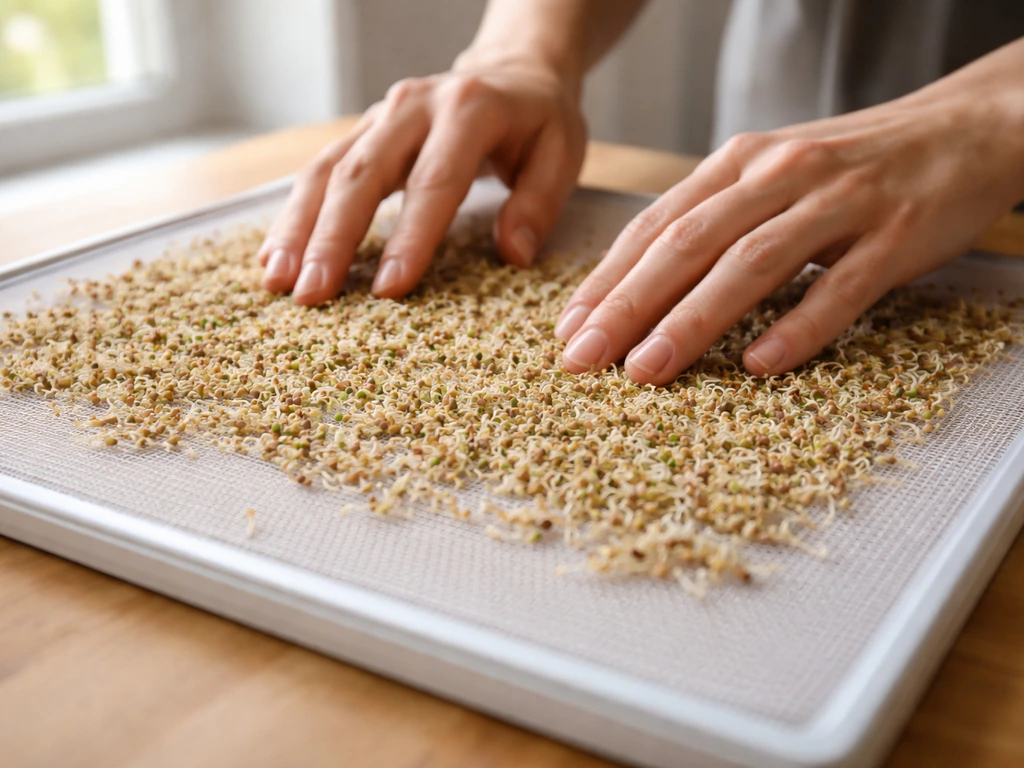
If you already have sprouted or wet seed under your feeder or in storage, here's how to sort through it and decide what to keep, save, or toss.
- Remove all seed from the feeder and tray. Don't refill until everything has been cleaned and dried.
- Spread the seed thinly on a dry surface (a tray or newspaper) and look for clumping, white or gray fuzz (mold), off smells, or visible sprouts. Any of these is a discard signal.
- Seed that is damp but not yet moldy or sprouted can sometimes be salvaged by spreading it in a single thin layer in a dry, warm location out of direct humidity until it dries completely. This works best with small amounts.
- Seed that has visible mold, obvious sprouting, or a sour or musty smell should be discarded. Do not feed moldy seed to birds. Warm, damp conditions allow fungi to produce mycotoxins that are harmful to wildlife.
- Pull up any sprouts growing from the ground under the feeder. If the sprouts are small and the soil isn't contaminated with mold, you can compost the green growth. Don't leave it to go to seed or it will compound the problem.
- Rake and clean the ground area thoroughly before setting up new seed or reinstalling a tray.
If you're frequently ending up with partially damp seed and aren't sure whether it's still safe, the honest answer is to discard anything that's questionable. The risk to birds and to your hygiene around the feeder area isn't worth the small savings on seed. One useful option is to learn how to sterilize bird seed before putting it out, which kills germination potential without making the seed harmful to birds.
Feeder and tray setup to cut wet seed exposure
How your feeder is designed and positioned makes a real difference in how wet seed gets and how long it stays wet. Here are the most practical setup adjustments.
- Choose feeders with drainage holes or mesh bottoms so water passes through rather than pooling. Platform feeders without drainage are especially prone to becoming soaked and should have holes added if they lack them.
- Add a feeder roof or weather guard. A simple dome or roof over a tube or hopper feeder keeps rain off the seed reservoir and slows drying time dramatically.
- Position the feeder in a sheltered spot that gets morning sun. Sun exposure dries seed quickly after overnight dew or light rain. North-facing or fully shaded feeder spots stay damp longer.
- Avoid overcrowding the feeder. Birds flinging seed while competing for spots means more seed on the ground. Offer multiple feeders with enough spacing so birds aren't rushing and scattering seed.
- Use tube or hopper-style feeders rather than open platform feeders in wet climates. They keep the seed reservoir more protected from direct precipitation.
If you're thinking about this more broadly as part of keeping seed in good shape from purchase through to the bird eating it, the full picture involves more than just feeder design. Staying on top of how to keep bird seed fresh at every stage, from container to feeder, is what actually prevents both sprouting and waste consistently.
Pest and mold prevention go hand in hand with sprouting prevention
The same conditions that cause seed to sprout, warm temperatures, moisture, and time, also cause mold growth and attract pests. Wet, germinating seed on the ground is a magnet for rodents, insects, and fungal growth. Dealing with sprouting is also, practically speaking, dealing with all three of those problems at once.
Texas Parks and Wildlife highlights that cereal grains in birdseed mixes are particularly susceptible to fungal growth when exposed to humidity, rain, or morning dew and left in feeders or on the ground for a week or more. Oklahoma State University Extension advises removing uneaten grain promptly, especially if wet or moldy, and recommends cleaning grain feeders regularly with a dilute bleach solution. Iowa DNR recommends a 10% bleach solution (one part bleach to nine parts water) and cleaning feeders about once a month during spring, with full drying before refilling.
If you discover moldy seed during a cleanup, take your PPE seriously. CDC and EPA guidance both recommend wearing a NIOSH-approved N-95 respirator when cleaning mold, along with gloves and eye protection. Mold spores become airborne when you disturb damp, moldy seed, and inhaling them is a real health risk, especially for anyone with respiratory conditions or a compromised immune system. Don't skip this step just because it feels like overkill for a bird feeder. The guidance exists for good reason.
Insects, particularly grain beetles and weevils, are another consequence of warm, humid seed. If you're finding bugs in stored seed, the freezer is your best tool. Knowing how long to freeze bird seed to kill bugs tells you the exact temperature and time needed to make infested seed safe again without discarding the whole batch.
Climate adjustments and a maintenance schedule you can actually stick to
Your local climate determines how aggressive your anti-sprouting routine needs to be. A dry climate in the Southwest means spilled seed dries quickly and sprouting is a minor issue. A humid Southeast or Pacific Northwest climate means you're fighting moisture constantly and need a tighter schedule.
| Climate Type | Main Challenge | Key Adjustment |
|---|---|---|
| Hot and humid (Southeast, Gulf Coast) | Seed stays wet, mold and sprouting happen fast | Clean under feeder every 3 to 5 days; fill feeders with only a few hours' worth during rain; store seed in sealed container in AC space or fridge |
| Cool and wet (Pacific Northwest) | Extended damp periods, slow drying | Use roofed feeders; place in morning sun if possible; increase cleanup frequency during rainy season to twice weekly |
| Dry and warm (Southwest, Mountain West) | Less sprouting risk, but seed dries in feeder | Standard two-week cleaning interval; monitor for heat-driven mold in direct sun during summer |
| Cold winters, humid springs (Midwest, Northeast) | Spring thaw creates sudden sprouting surge | Increase cleanup frequency in March through May; switch to smaller feeder fills during spring rain events |
For a basic maintenance schedule that works in most climates: clean the feeder and surrounding ground every two weeks as a baseline. During wet weather or heavy bird activity, move that to weekly or even every few days. After any significant rain event, inspect the ground under the feeder and remove wet seed before it has time to sit. Store seed indoors in an airtight container and buy smaller quantities more often rather than a large bag that sits for months.
If you're buying in bulk and want to protect a larger supply, freezing is a reliable option. Freezing bird seed keeps moisture stable, stops any insect life cycles already present in the bag, and dramatically extends how long seed stays viable and safe, without affecting its nutritional value for birds. Just let it return to room temperature before putting it out so condensation doesn't form on the seed.
One more practical note: some birds, especially ground-feeding species like juncos, doves, and sparrows, will still find and eat seed that's fallen under the feeder even after your best prevention efforts. That's fine. The goal isn't to eliminate all contact between seed and ground, it's to keep seed from sitting long enough, wet enough, and warm enough to germinate. Regular cleanup and smart feeder placement handle that without interfering with how birds naturally feed. If you want a broader view of how all these habits connect, the guide on how to make bird seed last longer ties together storage, feeder management, and waste reduction into a complete routine.
FAQ
Will bird seed sprouting harm birds if it happens under the feeder?
Usually it is not an immediate toxicity issue, but sprouted and moldy seed increases health risk because it can grow fungi and attract pests. If you see fuzzy mold, strong musty odor, or clumps that stayed wet, discard it and clean the area before refilling.
How can I tell the difference between “sprouted” seed that is still okay and seed that should be thrown out?
If the seed is just lightly damp with tiny early shoots and no visible mold, you can remove it promptly and replace with fresh dry seed. If you notice gray or black spotting, webbing, slimy texture, or the seed feels tacky and smells sour or earthy, treat it as unsafe and discard.
Is it safe to dry damp seed in the oven or on a heater to stop sprouting?
In general, no. Heating can create uneven hot spots, can worsen mold issues, and may damage oil-rich seeds. The safer approach is to discard questionable batches or sterilize before use, then store the replacement seed dry in a sealed container.
Can I use the freezer to stop sprouting, or will freezing “fix” damp seed in storage?
Freezing can stop insect life cycles and stabilize moisture in dry, sealed seed, but it does not reliably “reverse” damage from already damp or mold-contaminated seed. If the seed was wet long enough to sprout or grow mold, freezing is mainly a holding measure, not a safety guarantee.
Do bird feeder trays with holes actually help, or do they just make the mess easier to spread?
They help when the tray drains and you empty it regularly. A tray full of wet seed becomes a concentrated sprouting zone, so the benefit only works if you dump and dry it after rain or every few days during humid weather.
How often should I clean the ground under a feeder if I use a seed catcher tray?
Even with a tray, fallen hulls and fines collect around the trap edges. Check and remove debris at least every two weeks, and switch to weekly after rain, because hulls and grain dust hold moisture and can support mold growth.
What’s the fastest way to remove spilled seed without spreading mold spores around?
Wait until it is dry if possible, then use disposable paper towels or a scoop and bag the waste immediately. Wear gloves and eye protection, and if you suspect active mold, use a properly fitted N-95 respirator before disturbing damp material.
Should I avoid certain seed types if I’m getting frequent sprouting?
If you consistently see sprouting, mixes with cereal grains and filler seeds often contribute, because those grains are more prone to germinate when they get moisture. Consider higher-quality mixes with fewer filler grains, and keep feeder exposure short in wet weather.
Does covering the feeder help, or can it make sprouting worse?
A cover can help by reducing direct rain and dew, but it can also trap humidity if air circulation is poor. If you use a cover, choose designs that allow airflow and still clean under the feeder regularly, because moisture can come from drips and surrounding splash.
What should I do after a heavy rain when I notice wet seed on the ground?
Inspect as soon as the rain stops, then rake or sweep wet seed away before it warms up. Refill with a smaller amount that can be consumed quickly, and postpone leaving additional seed out until the area fully dries.
Can I use a different substrate under the feeder to prevent sprouting?
Yes, placing pea gravel, crushed stone, or concrete pavers under the drip zone reduces the chance seeds root into soil. You still need cleanup, because seeds can sprout on top of gravel, but removal is easier and less likely to become a growing patch.
Is it better to buy smaller bags more often, or store bulk seed in a garage?
Smaller purchases help because seed sits for less time, but the bigger factor is storage conditions. Bulk seed in a garage can be risky due to temperature swings and humidity exposure, even when sealed, so keep it indoors and use airtight containers.