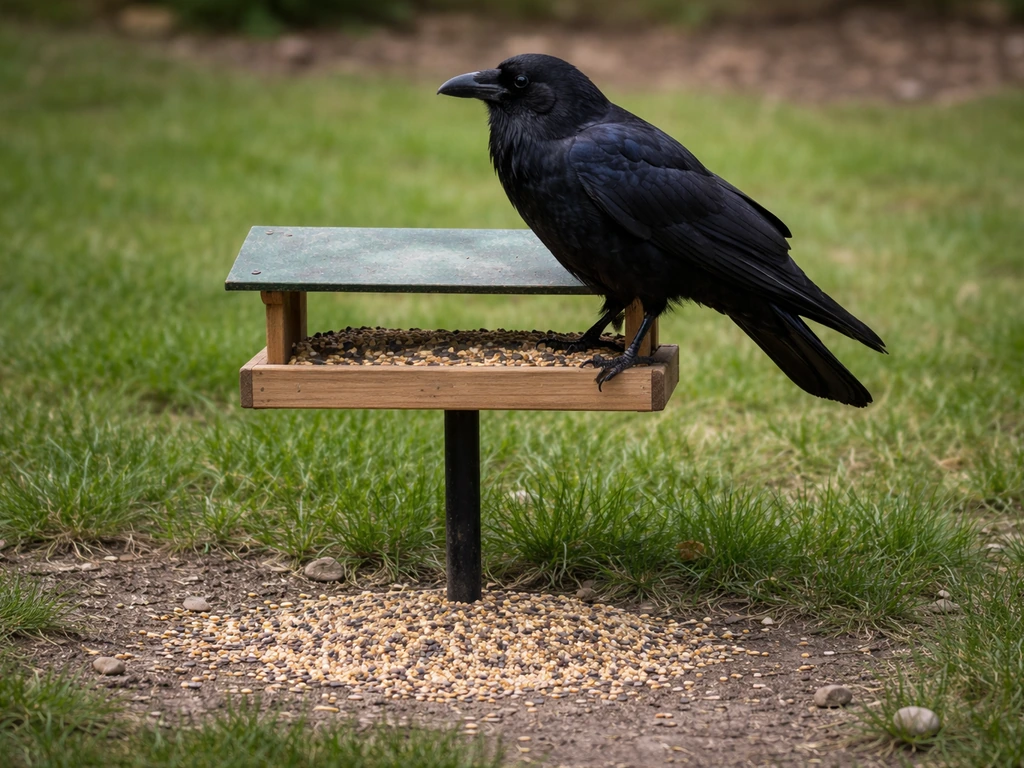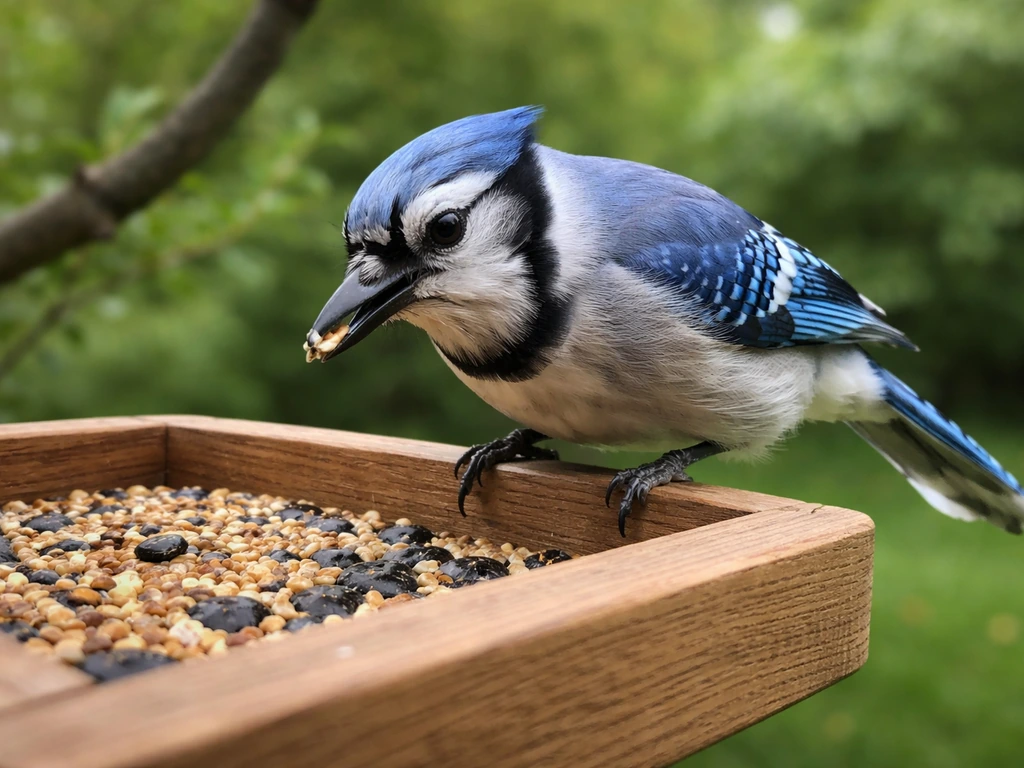
Store bird seed in an airtight, moisture-resistant container, keep it somewhere cool and dry, and rotate your stock so nothing sits longer than 6 to 12 months. That is the short answer. Everything else in this guide is about making that work in the real conditions of your garage, shed, or pantry, and fixing things when they go wrong.
How to Store Bird Seed: Keep It Dry, Fresh, Pest-Free
Maya Collins
5 Apr 2026
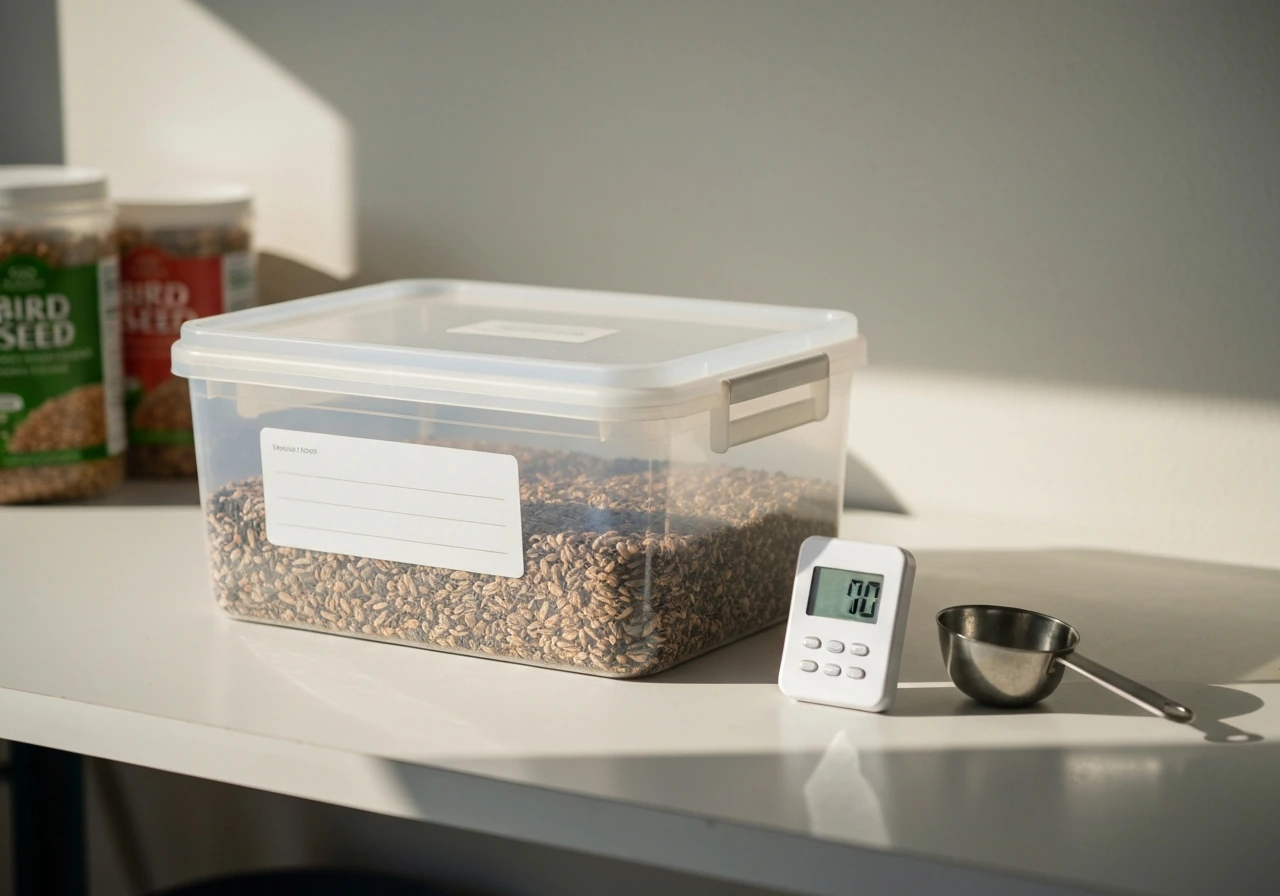
Get the conditions right first
Before you pick a container or a spot, you need to understand what actually ruins bird seed: moisture and heat, in that order. Research on post-harvest grain losses shows that storage fungi need a relative humidity of at least 65 percent (roughly 13 percent moisture content in the seed itself) to get started. Once moisture climbs above 15 percent, you can get heat buildup inside a bin, which accelerates spoilage fast.
Temperature matters too, because mold species active in storage can grow anywhere from about 10°C (50°F) up to 40°C (104°F) depending on the strain. The practical target is simple: keep seed below 13 percent moisture content and as cool as your climate allows.
Temperature and moisture control matter because stored grain and seed are kept longer when temperature is lowered (cooling or equalizing) and moisture is prevented, and for storage longer than a year lowering temperature below 50°F improves insect and mold control [keep seed below 13 percent moisture content and as cool as your climate allows](https://extension. uga. edu/publications/detail. cfm?
number=B712).
Four conditions to nail down before you store anything:
- Dry: seed should feel dry to the touch and smell clean, not musty or sour
- Cool: aim for under 70°F (21°C) if possible; cooler is better
- Airtight: limit air exchange so outside humidity cannot creep in
- Pest-proof: hard sides and a locking or sealed lid that rodents and insects cannot breach
If any one of those four is missing, you are fighting an uphill battle. A beautiful airtight container stored in a hot, humid garage still risks spoilage. A cool spot with a leaky lid invites pests. All four conditions work together.
Where to store bird seed: indoors, garage, or outside
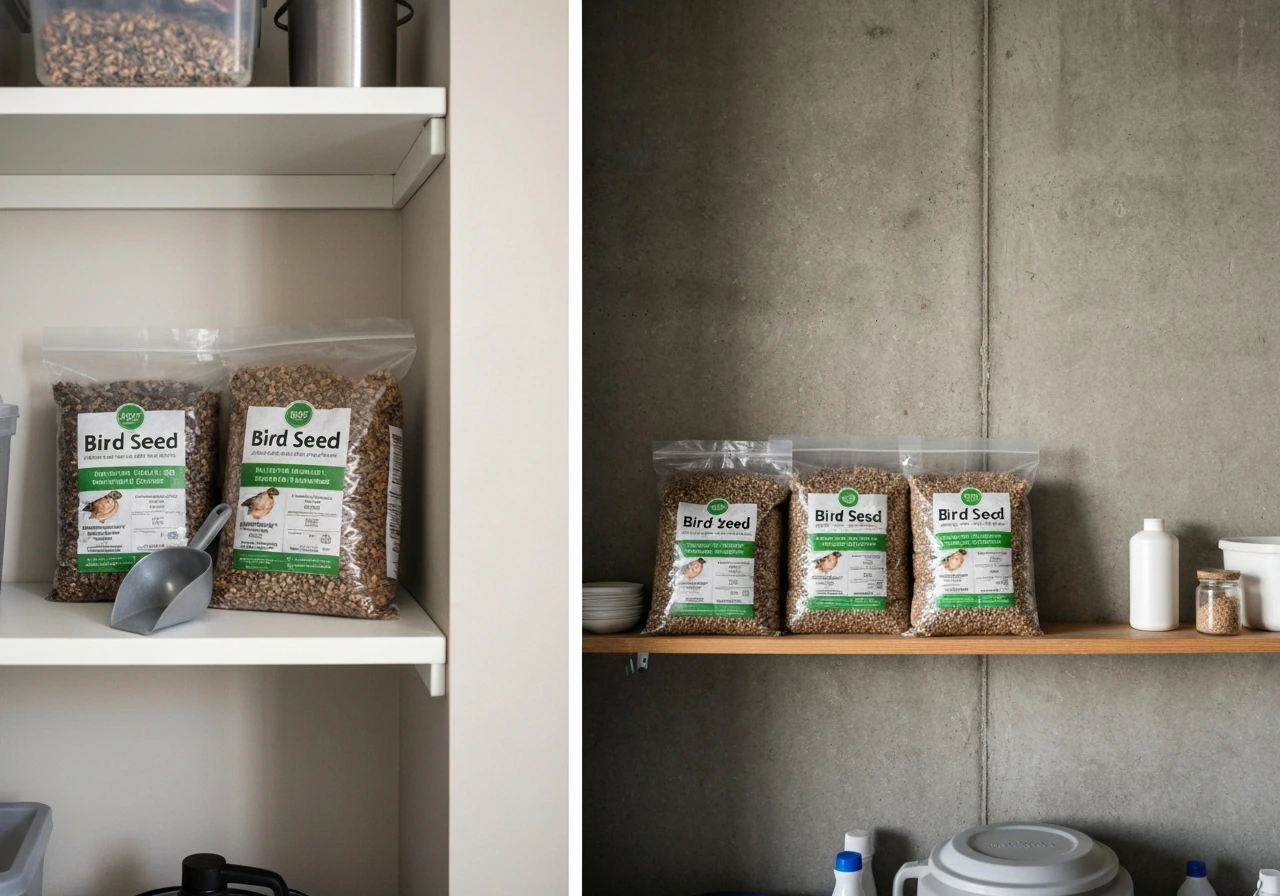
Location is one of the biggest decisions and one people often get wrong. The best place is indoors in a climate-controlled space, a pantry, basement, or utility room. Temperature and humidity stay predictable, pests are less common, and you can monitor the seed easily. If you buy in bulk, this is not always practical, so here is how each option stacks up.
| Location | Pros | Cons | Best for |
|---|---|---|---|
| Indoor pantry or basement | Stable temp and humidity, easy monitoring, fewer pests | Limited space for large quantities | Small to medium quantities, premium seed mixes |
| Attached or detached garage | More space, easy access, somewhat sheltered | Temperature swings, high humidity in many climates, rodent pressure | Bulk storage with proper containers and pest controls |
| Shed or covered porch | Convenient feeder access | Extreme temp swings, moisture exposure, high pest risk | Short-term overflow only, never long-term |
| Outdoors uncovered | None | Moisture, pests, UV degradation, freezing and thawing cycles | Not recommended |
Garage storage is the most common choice for bulk buyers, and it works fine if you manage the two main risks: humidity and rodents. In humid climates (the Southeast, Pacific Northwest, Gulf Coast), a garage can hit 70 to 80 percent relative humidity in summer, which is well above the 65 percent threshold where mold can start. In those regions, keep bulk seed inside in a dehumidified space if you can, or buy in smaller quantities you can turn over within a few weeks. In dry climates (the Southwest, Mountain West), a garage is much more forgiving.
The best containers for bird seed
The container does more work than most people realize. It is not just about keeping seed tidy. A good container controls moisture, blocks pest entry, and makes rotation and monitoring easy. Here is what to look for.
Hard-sided, airtight containers
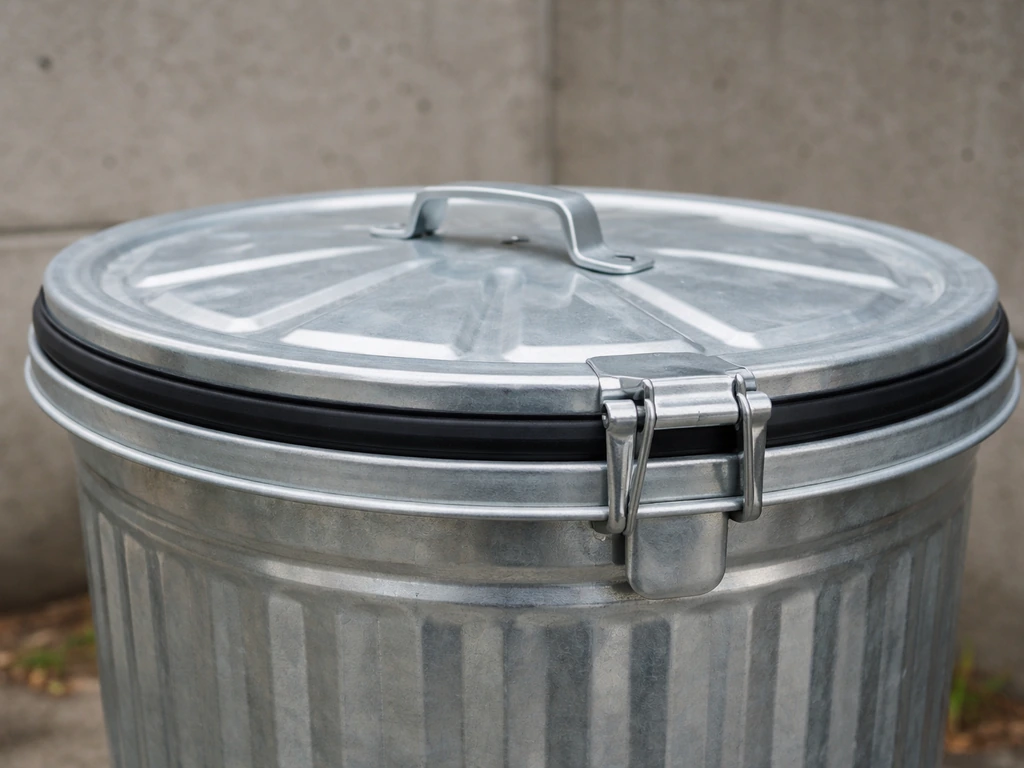
Metal trash cans with locking lids are the classic choice for large quantities. A galvanized steel can with a rubber-gasket lid is rodent-proof, keeps moisture out, and holds 20 to 50 pounds of seed easily. The downside is that metal conducts temperature, so a can sitting in a hot garage can heat the seed inside. Line the bottom with a moisture-absorbing mat or add a small food-safe silica gel packet to manage condensation if you're in a humid area.
Thick-walled plastic bins (typically HDPE or polypropylene, at least 2mm wall thickness) with gasket-sealed lids are lighter and easier to move. Look for containers rated for food or feed storage, not thin storage totes. Rodents can chew through thin plastic, so if you store in a garage or shed, test the seal and walls before trusting a cheap bin. UNH Extension advises repackaging stored foods into tightly closed containers such as glass jars or cans, because many stored-product pests can chew through plastic or cardboard Rodents can chew through thin plastic.
What to avoid
- Cardboard or paper bags: the original packaging, not for storage longer than a few days
- Fabric or mesh bags: offer zero moisture or pest protection
- Thin plastic totes without gaskets: lids can pop and rodents can breach walls
- Open buckets or barrels: humidity swings directly affect seed every time air moves
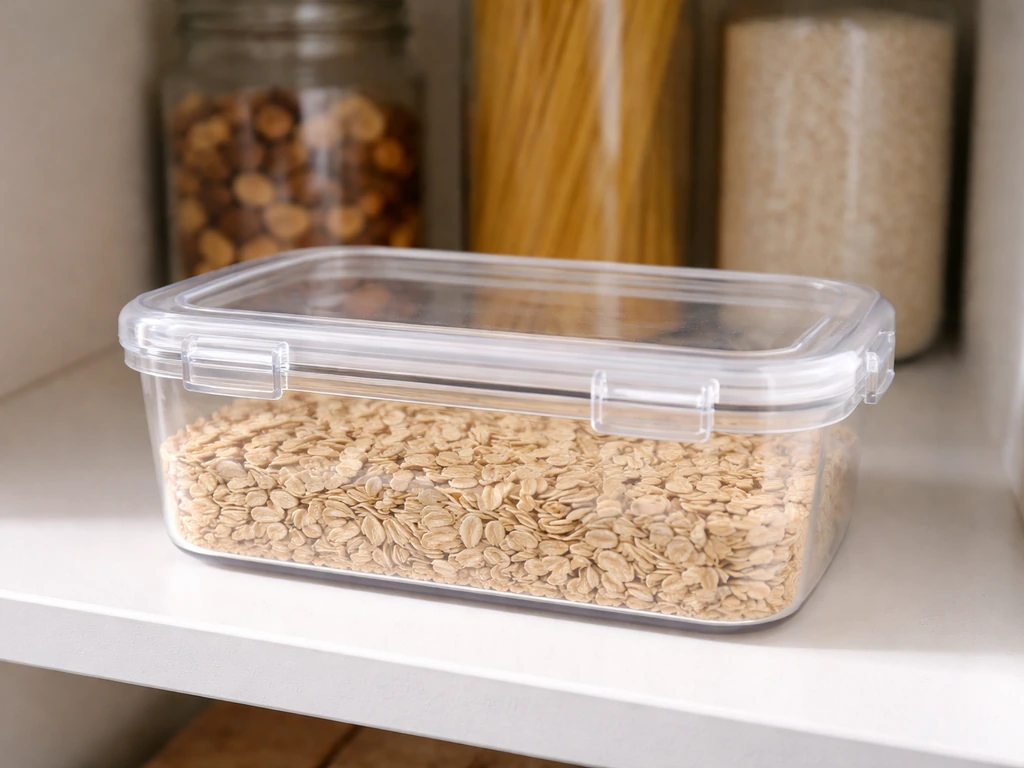
For smaller quantities or seed types you use quickly (like safflower or nyjer), a resealable food-grade plastic container with a snap-lock lid works fine on an indoor shelf. If you want to go further and make bird seed last longer, pairing the right container with a cool, stable location is the single most effective combination.
| Container Type | Pest-proof | Moisture control | Capacity | Best location |
|---|---|---|---|---|
| Galvanized steel can with gasket lid | Excellent | Good (watch condensation) | 20-50 lbs | Garage, shed |
| Thick HDPE plastic bin with gasket | Good | Good | 10-40 lbs | Indoors, garage |
| Food-grade bucket with snap lid | Fair | Fair | 3-6 lbs | Indoors pantry |
| Original paper/plastic bag | Poor | Poor | Varies | Temporary only, days |
Storing wild bird seed mixes: extra steps worth taking
Wild bird seed mixes deserve special attention because they are not all the same. A typical wild mix contains sunflower seeds, millet, milo, safflower, peanut pieces, and sometimes dried fruit or corn. Each ingredient has a slightly different moisture content and oil level when it arrives in the bag. Cheaper mixes sometimes include more filler seeds (milo, red millet) that have lower oil content and dry out faster, while peanut pieces and sunflower are high-oil and go rancid more quickly if stored warm.
Before sealing a bag of wild mix into your container, do a quick check: pour some into your hand and look for clumping, mold spots, or webbing (a sign of moth larvae). Smell it, as fresh seed smells neutral or slightly nutty, while old or damp seed smells musty or sour. If anything looks or smells off, do not store it further. Some wild bird mixes are also treated to prevent germination, which is worth knowing if sprouting under feeders bothers you. If your mix is not treated and you refill ground feeders, you may want to read about how to keep bird seed from sprouting to manage that separately.
Practical prep steps for wild bird seed before storage:
- Inspect the mix visually and by smell before transferring to your container
- If you bought a large bag, transfer only what you will use in 4 to 6 weeks into your daily-use container and seal the rest
- If you suspect insect eggs in a new bag (common in warm months), freeze the seed for 3 to 7 days at 0°F (-18°C) before storing, which kills most stored-product insect eggs
- Store high-oil seeds like sunflower in cooler spots; they go rancid faster than millet or milo in warm conditions
What to do when storage goes wrong
Wet or damp seed
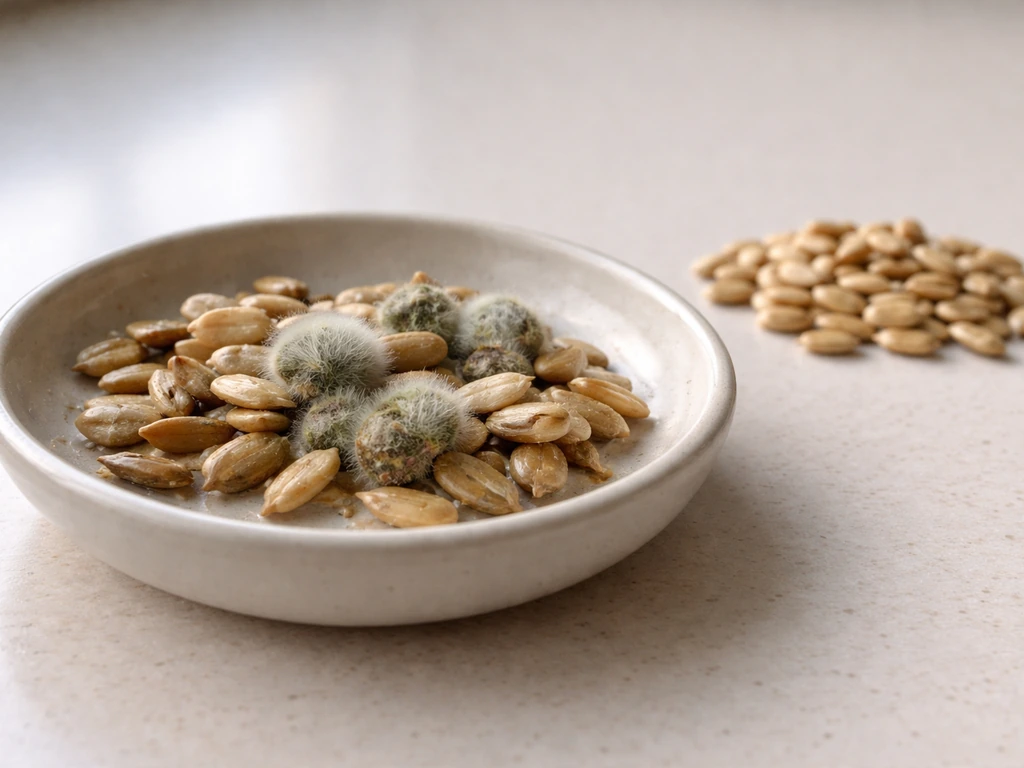
Wet seed is not automatically dead seed, but you have a narrow window to recover it. Spread it in a thin layer (no more than 1 inch deep) on a clean dry surface in a warm, well-ventilated space. A baking sheet in a low oven (around 120°F / 49°C) for 30 to 60 minutes can speed drying without damaging the seed.
If seed has been wet for more than 24 hours, check it carefully before redrying because mold can start quickly. If you see any gray, green, or black fuzz, discard that seed entirely. Iowa State research confirms that once grain is dry and kept cool, mold like Aspergillus flavus stops producing toxins, so thoroughly dried seed is genuinely safe to use.
If you often deal with wet seed from rain hitting feeders, it is worth understanding how to keep bird seed fresh at the feeder level, not just in storage.
Moldy seed
Discard moldy seed. Do not try to pick out the moldy parts and save the rest; mold produces mycotoxins that can spread through the batch before you can see them visually. Aflatoxin from Aspergillus species is harmful to birds and can persist even after drying. The University of Illinois Extension notes that heating in a storage bin (a sign moisture is above about 15 percent) is often the first visible symptom that mold is already active. If your stored seed gets hot or clumpy without obvious water exposure, treat it as a mold risk and inspect closely before using any of it.
Sprouted seed
Sprouted seed in the bin means moisture got in. The seed itself is not toxic to birds if it has just germinated (freshly sprouted seed is actually eaten readily by some species), but sprouting inside a storage container signals a humidity problem you need to fix. Toss any clumped or clearly rotting seed, dry the container completely before refilling, and find where moisture is entering: a loose lid, condensation from temperature swings, or damp seed that was stored before it was fully dry. One option to prevent this at the source is to sterilize bird seed before storage so germination cannot occur, which works well for specialty mixes or seed you are storing long-term.
How long bird seed stays good and how to rotate stock
Under good storage conditions (cool, dry, airtight), most bird seed mixes stay fresh for 6 to 12 months. High-oil seeds like sunflower and nyjer (thistle) have a shorter window, typically 3 to 6 months, because the oils oxidize and go rancid. Whole grains like millet and milo last longer, often 12 months or more when stored properly. Peanut pieces and dried fruit in mixed blends are the most perishable and can go bad in as little as 4 to 8 weeks in warm conditions.
Label every container with the purchase date when you fill it. A piece of masking tape and a marker takes five seconds and saves you guessing later. Use a first-in, first-out approach: when you buy a new bag, use the older seed first before opening the new bag. If you are unsure whether an existing supply is still good, your nose is the most reliable test. Rancid seed smells sharp, sour, or like old cooking oil. Toss anything that smells off, because rancid oils are not just unappetizing to birds, they can cause digestive problems.
If you want to extend your supply without buying more, the freezer is a legitimate tool. Freezing halts oxidation, kills insect eggs, and dramatically extends freshness. You can learn the specifics of whether you can freeze bird seed and how to do it properly, but the short version is: yes, it works well for long-term storage of most seed types. If you are wondering whether the refrigerator is a practical option for smaller quantities, the answer is nuanced, and the details on storing bird seed in the fridge are worth checking before you commit shelf space.
Pest prevention and keeping your storage area clean
Keeping rodents out
Bird seed is one of the most attractive foods you can offer a mouse or rat. A single mouse can squeeze through a gap the size of a dime (about 6mm), so any container with an ill-fitting lid or thin plastic walls is vulnerable. Use metal containers wherever rodent pressure is high, specifically in garages, sheds, and basements. Do not store seed in original paper or plastic bags on the floor; bags are almost no barrier at all. Keep the area around your storage container clean and free of spilled seed, because even small spills on the floor are enough to draw rodents in and get them investigating nearby containers.
Managing insects
Stored-product insects (grain moths, weevils, beetle larvae) are the other common pest. They can arrive already in a bag of seed as eggs, which hatch in warm conditions. The UGA Extension guidance on stored product insect management is direct: keep grain dry, because moisture is the primary enabler of insect activity in storage. Freezing new seed before storing it kills most eggs and larvae. If you find webbing, larvae, or adult grain moths in your container, discard all seed in that batch, wash and dry the container completely, and consider freezing your next purchase. The specifics on how long to freeze bird seed to kill bugs gives you exact timeframes to work with.
Cleaning your containers and feeder area
Every container should be fully emptied, washed, and dried before refilling. A solution of one part white vinegar to five parts water works well for cleaning plastic and metal containers without leaving harmful residue. Rinse thoroughly and let the container air-dry completely before adding new seed. Damp containers are the fastest way to start a new mold problem. The same principle applies to the area beneath your feeders: spilled seed on the ground can harbor mold, bacteria, and attract rodents. Rake or sweep the area every week or two, and if you have a persistent mess, consider switching to no-waste seed mixes or adding a tray under the feeder to catch hulls.
Consistent cleaning also removes the scent trails that rodents use to find food. If a mouse found your seed bin once, cleaning the area disrupts the signal that brings it back. Combined with a pest-proof container, this is the most effective two-step defense you have.
A practical storage routine that actually works
Once you have the right container and location sorted, make storage a habit rather than a one-time setup. When you buy new seed, inspect it before storing. Transfer it to your sealed container, label it with the date, and check the container every two to three weeks for any sign of moisture, pests, or odor. Use older stock first. Freeze new purchases if you are in a pest-prone area or buying in large quantities. And clean your container every time you empty it.
If you want to dig deeper into maximizing freshness at every stage, from purchase to feeder, there is a lot more to explore around making bird seed last longer with a few simple habits. The fundamentals here are the same whether you are storing a 5-pound bag of nyjer or a 50-pound bulk mix: dry, cool, airtight, and monitored. Get those four things right and your seed will stay fresh, your birds will benefit, and you won't be throwing away spoiled stock.
FAQ
How can I tell if my bird seed is too damp without special equipment?
If you do not have a way to measure moisture or humidity, use practical indicators. Look for clumping, condensation on the lid, a hot-to-the-touch bin, or musty odors, these often mean moisture entered. For peace of mind, transfer a small sample to a clean, dry jar for 24 to 48 hours and check for condensation or smell changes before using the rest.
What is the safest way to dry bird seed before sealing it?
Do not rely on “natural” air-drying from the bag if the seed already sat wet. Spread it no deeper than about 1 inch, dry in a warm well ventilated area or low oven around 120°F (49°C) for 30 to 60 minutes, then let it cool completely before sealing. Warm seed sealed too soon can trap moisture and create condensation inside the container.
Will an airtight container alone prevent moisture problems?
A sealed container with a gasket works best, but the lid still needs to be seated correctly and the container must be fully dry. Wipe the outside of the container and the lid rim before closing, because condensation can be kicked inside by handling. If you live somewhere humid, consider adding a small food-safe silica gel packet and check it periodically for saturation.
Can I freeze seed that got slightly damp?
Freezing can help with insect eggs and oxidation, but it is not a substitute for drying. If seed is already damp, freezing may pause problems, but it does not “dry” the seed and can allow mold to resume after thawing. For frozen seed, thaw in the closed container and only open after it reaches room temperature to reduce condensation.
What should I do if I see mold spots or notice a musty smell?
If you suspect mold due to heat, clumping, or odor, do not try to salvage parts. Mold mycotoxins can spread through the batch even when only some spots are visible. Discard the entire contents, wash with vinegar-water (1:5), rinse well, and air-dry completely before refilling.
Why does seed sometimes sprout in storage, and how do I stop it from happening again?
If your seed sprouted inside the container, it usually means moisture entered and temperatures stayed warm enough for germination. The fix is to discard clearly rotting or clumped portions, dry the container completely, then identify the entry point (loose lid, temperature swings causing condensation, or refilling with seed that was not fully dry). Switching to a more controlled indoor spot often solves recurrence.
How should I adjust storage time based on the type of bird seed?
Check the label and contents. Sunflower and nyjer shorten freshness due to oil oxidation, and mixes with peanut pieces and dried fruit can spoil far faster than you expect. For long-term storage, separate high-oil ingredients into smaller containers and use them first, while keeping whole grains for the longest period.
What is the best way to freeze bird seed without ruining its quality?
Yes, but do it safely. Freezing is easiest in portioned amounts so you avoid repeated thawing. Transfer each portion to a sealed freezer-safe container or bag, freeze, then thaw only what you will use soon. For mixes with peanuts or fruit, portioning is especially helpful because they are more perishable.
If I use a good container, do I still need to clean around my feeders?
Rodent-proof storage is mainly about the barrier plus the access points. Keep seed off the floor, ensure the lid seals tightly, and store in metal containers in garages, sheds, and basements. Also remove spilled hulls around feeders, because rodents will keep investigating the area even if the bin is secure.
Should I freeze every purchase, or only if I see bugs?
It depends on your approach to pests. If you see insects, webbing, or larvae, the safest action is to discard the entire batch and fully clean the container, then freeze future purchases. For regular prevention in pest-prone areas, freezing new seed before putting it into long-term storage can reduce the chance of eggs hatching.
What quick checks should I do when opening a wild bird seed bag before storing it?
For mixed wild bird seed, a visual and smell check is helpful, but you should also look for uneven clumping and residue. Pour a small amount out and look for webbing or live movement, and if you have any doubt, do not store it with your good supply. Separating “questionable” seed into a temporary bin prevents contaminating the rest.