Quick answer: is wild bird seed safe for pet birds?
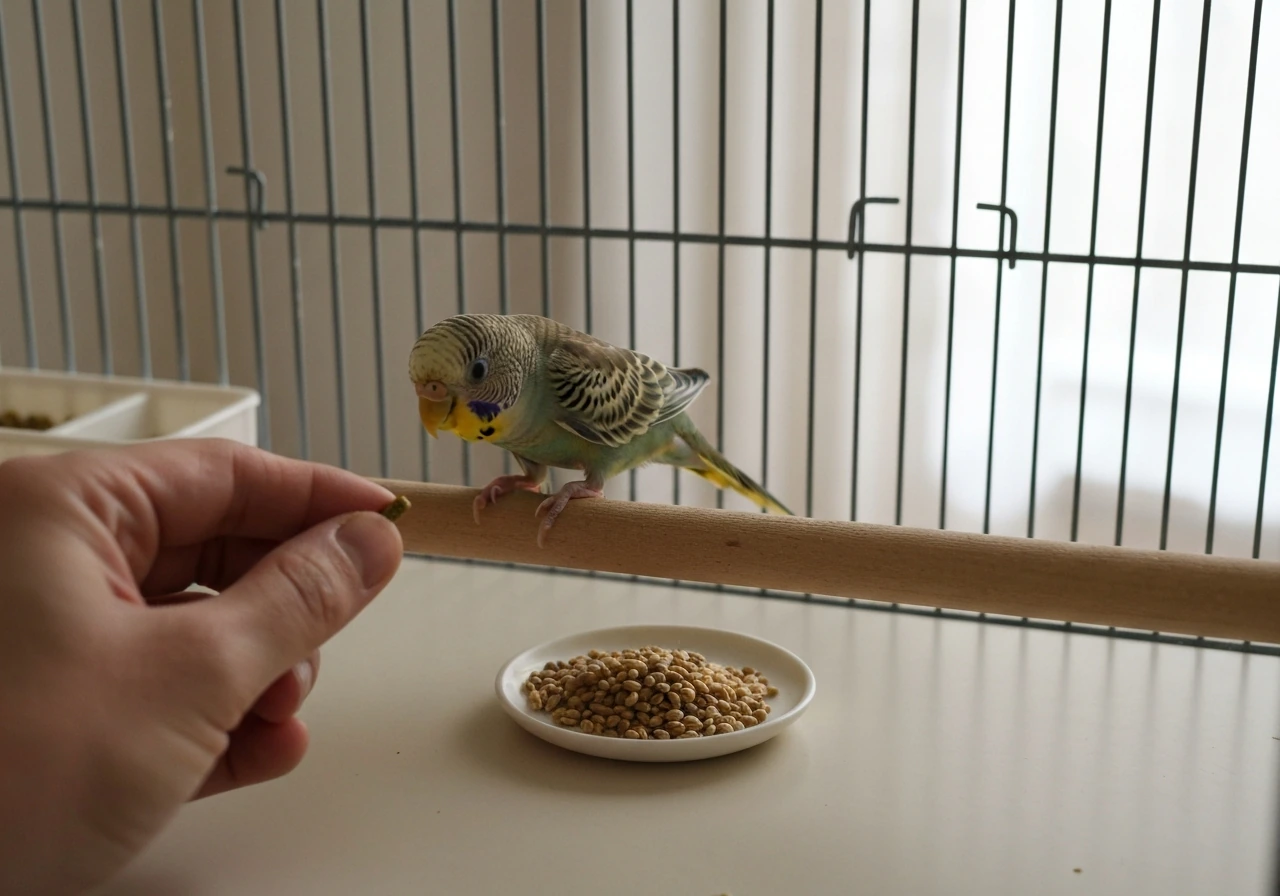
You can feed wild bird seed to pet birds in very limited situations, but it should never be a regular diet or a substitute for species-appropriate food. PetMD similarly advises that seed diets should only be offered as a treat, not as the primary diet, because seeds do not supply all the vitamins and minerals pet birds need blank" rel="noopener noreferrer">never be a regular diet or a substitute for species-appropriate food. If you are asking can fish eat bird seed as well, treat it the same way you would pet-bird feeding, since the ingredient source and safety standards matter. The short version: wild bird seed mixes are formulated for outdoor wildlife, not caged companions. They often contain ingredient ratios, filler grains, and handling risks (mold, pesticide residues, insect infestation) that make them a poor fit for parrots, cockatiels, budgies, finches, canaries, or lovebirds. In a pinch, a small amount of plain, uncontaminated millet or sunflower seed pulled from a wild mix can serve as a temporary supplement or treat. But if you're relying on wild bird seed as a main food source for a pet bird, that's a problem worth fixing today.
Nutritional mismatch: why wild mixes may not meet pet bird needs
Wild bird seed mixes are designed to attract the widest variety of backyard birds, not to balance the diet of a single caged species. That means they're typically heavy in oily seeds like sunflower and safflower, padded out with wheat, milo, millet, and cracked corn. These are fine as scattered foraging material for sparrows and finches outdoors, but they're nutritionally lopsided for a pet bird eating from a single bowl every day.
Seed-heavy diets are consistently flagged by avian veterinarians as a serious health risk. An all-seed diet is deficient in vitamin A, which affects immune function and the integrity of skin and organ linings. It creates calcium and phosphorus imbalances (a calcium level close to 1% of the diet is needed for growing birds, and seed alone doesn't come close). It also contributes to hypovitaminosis D, obesity, fatty liver disease, and in chronic cases, liver failure. The RSPCA Australia goes as far as saying that an all-seed diet doesn't just provide poor nutrition; it actively contributes to harm and death in pet birds. That's not alarmism. It's backed by decades of avian veterinary practice.
A key mistake people make is sprinkling vitamin powder over seed to compensate. This doesn't work reliably because most pet birds hull their seeds before eating the kernel, and the powder stays on the discarded hull. The bird never ingests the supplement. If your pet bird is on a seed-based diet, supplementation has to be delivered differently, and the better fix is transitioning to a formulated diet, not patching a bad base.
Even within the seed types found in wild mixes, the proportions matter. Sunflower seeds are high in fat and very palatable, meaning many pet birds will preferentially eat them and ignore everything else, creating the illusion of a "varied" diet when the bird is actually eating mostly fat. Finches and wild bird seed is a topic worth looking at separately, since finches have somewhat different seed tolerances than psittacines. Similarly, lovebirds and wild bird seed carry their own species-specific concerns around seed ratios.
Key safety risks: mold, wet/sprouted seed, pests, and residues
Beyond nutrition, there are direct safety hazards in wild bird seed that you need to know about before feeding it to any pet. If you are wondering does bird seed float, moisture and storage conditions can make a big difference in how it behaves and whether it is safe to feed.
Aflatoxin and mycotoxins
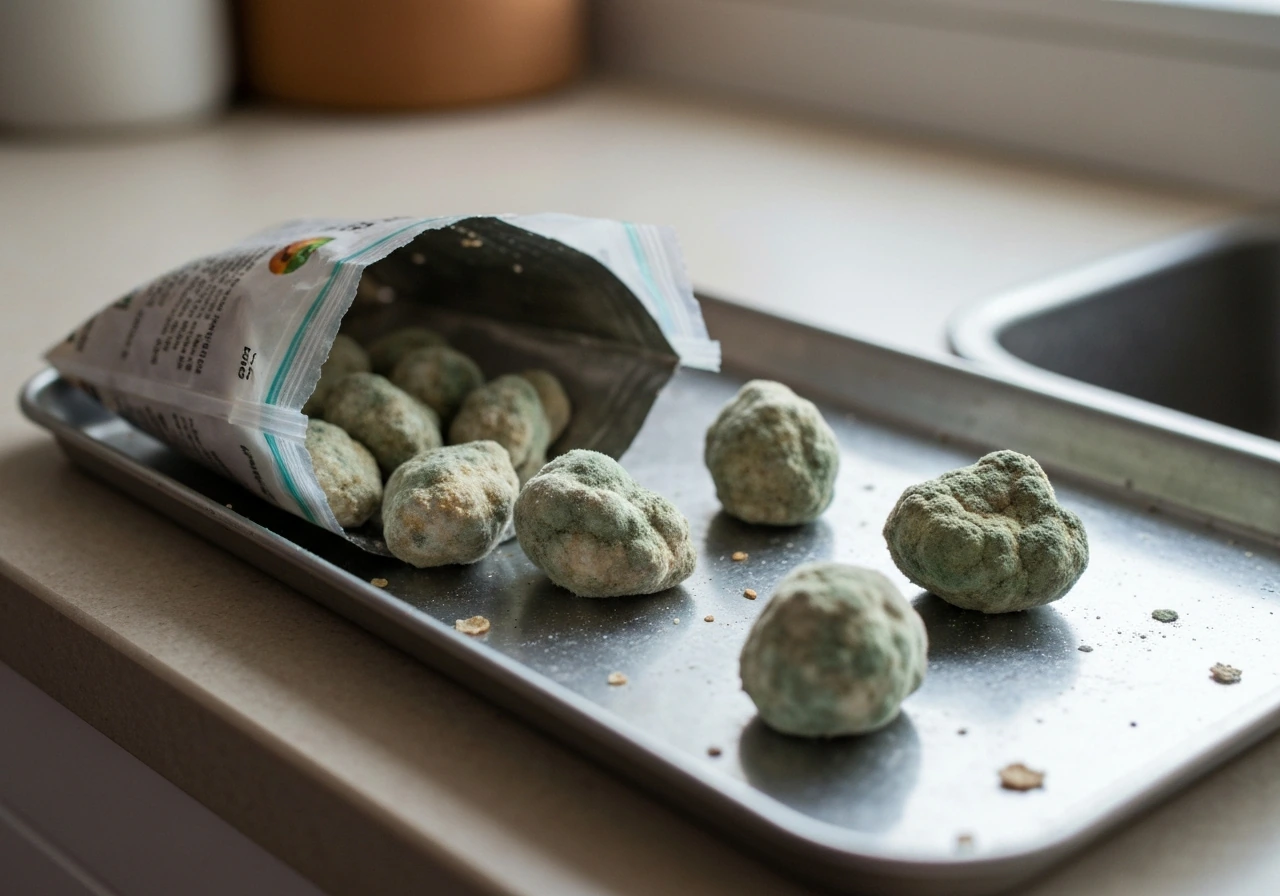
Wild birdseed has been found to contain higher levels of aflatoxins and other mycotoxins than virtually any other category of pet food tested. Aflatoxins are produced by mold (primarily Aspergillus species) and are potent liver toxins. Exposure accumulates over time, and because the symptoms are nonspecific (lethargy, weight loss, digestive upset), they're easily confused with other illnesses. If a veterinarian suspects aflatoxin poisoning, they may send a food sample for lab analysis because there's no simple clinical test to confirm it. The risk is highest in seed that has been stored in warm, humid conditions, or in bags that have been exposed to moisture.
Mold and wet seed
Any seed that clumps, smells musty, looks discolored, or shows visible mold growth should be discarded immediately. Do not try to dry it out and reuse it. Mold spores penetrate seed interiors and persist even after the visible surface mold is removed. This is especially common in large bags of wild bird seed that have been stored in a shed, garage, or anywhere with humidity fluctuations.
Insect infestation
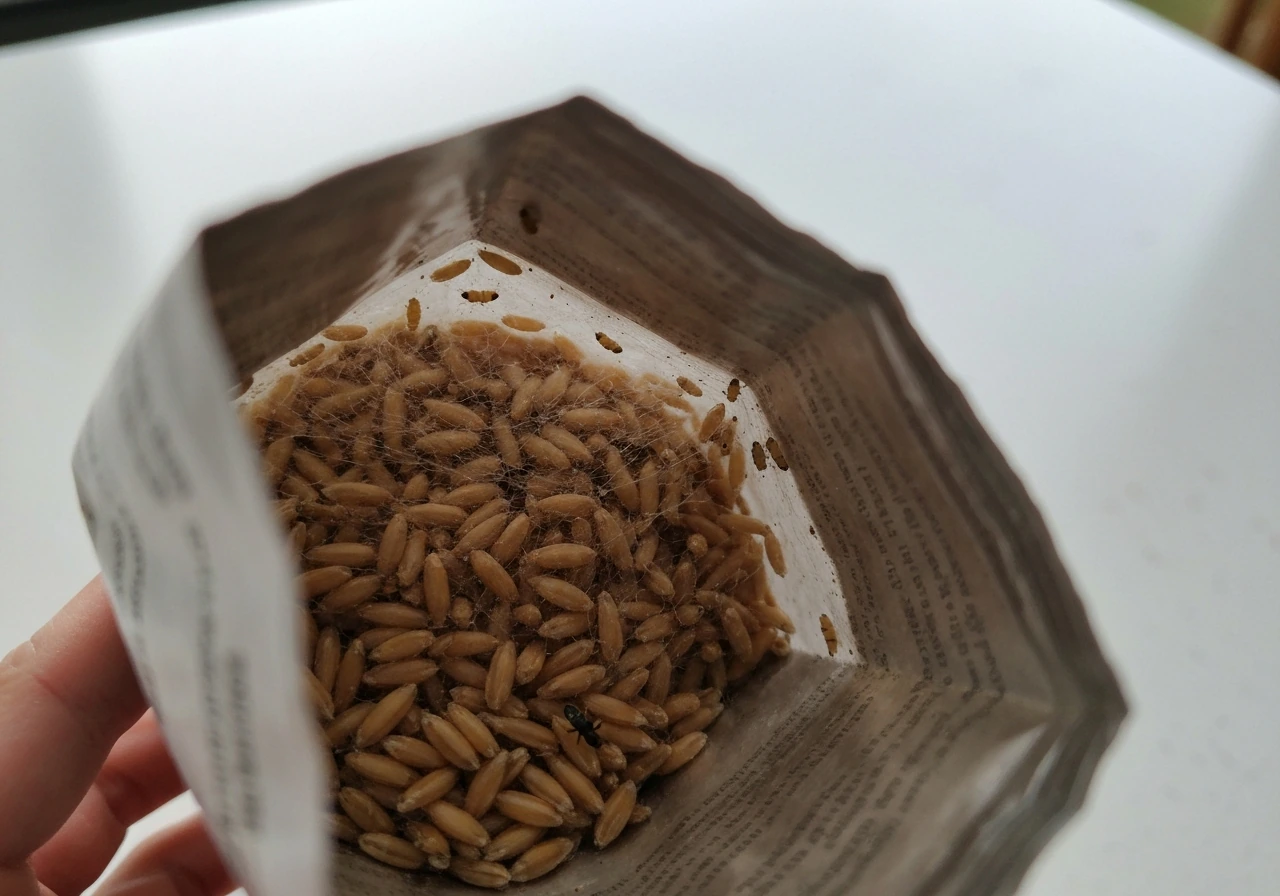
Wild bird seed bags frequently harbor grain weevils, grain moths (Indian meal moths), and their larvae. These insects are not toxic to birds in small numbers, but heavy infestation indicates poor seed quality and storage, and contaminated seed is more likely to have mold co-occurring. Look for webbing, fine white larvae, or moving specks when you pour seed into a container.
Pesticide and chemical residues
Wild bird seed is not produced to food-safety standards for companion animals. Grains used in outdoor wild mixes may carry pesticide or herbicide residues at levels acceptable for outdoor wildlife but not tested or regulated for daily ingestion by a small caged bird eating from a controlled bowl. There's no reliable way to test for this at home, which is why sourcing matters.
How to inspect and prepare wild bird seed (sorting, discarding, portions)
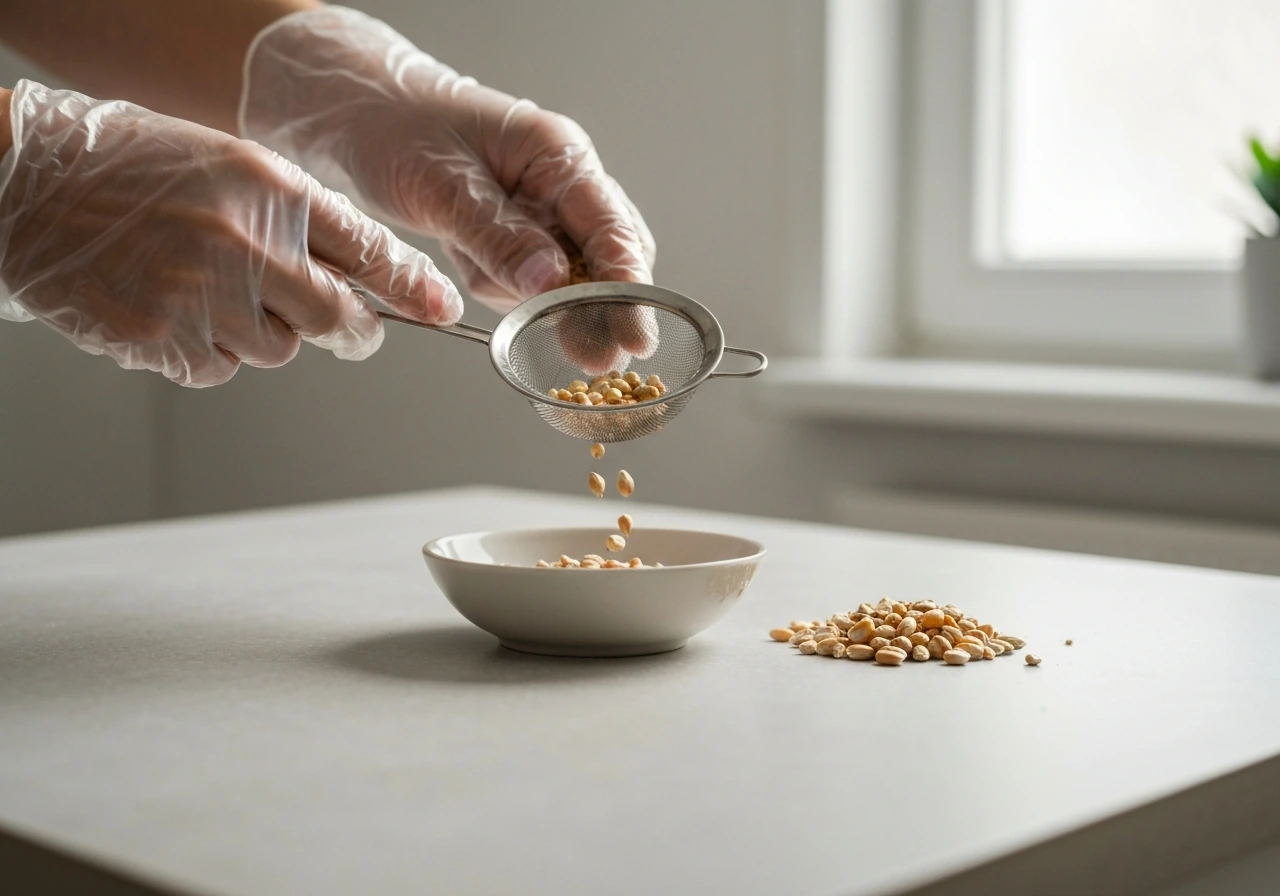
If you're in a situation where wild bird seed is what you have right now and you need to feed your pet bird something today, here's how to do it as safely as possible.
- Open the bag and smell it first. Fresh seed smells faintly nutty or neutral. A musty, sour, or ammonia-like smell means mold or fermentation is present. Discard the entire bag if it smells off.
- Spread a handful on a white plate or tray in good lighting. Look for clumping, discoloration, visible mold (white, green, or black fuzzy patches), webbing, or moving insects. Any of these means the batch is unsafe.
- Sort out large, unfamiliar, or questionable components. Milo (red/brown round grains), wheat berries, and cracked corn are filler grains that many pet birds won't eat anyway and that contribute little nutrition. Remove large sunflower seed still in the hull if your bird species can't crack it safely (small finches and canaries should not have large in-shell sunflower).
- Separate plain millet (white or red proso millet) and hulled sunflower chips if present. These are the components most likely to be safe and accepted by common pet birds.
- Limit the portion. Treat this as a supplement, not a meal. A teaspoon for a small bird (budgie, finch, canary) or a tablespoon for a medium bird (cockatiel, conure) is reasonable as a one-off treat. Do not fill the food bowl with wild mix.
- Wash your hands before and after handling the seed, and use a clean dish to serve it.
Do not feed sprouted or germinated seed from a wild mix to a pet bird unless you grew the sprouts yourself from clean, pesticide-free seed in controlled conditions. Sprouting seed from an unknown wild bag can concentrate toxins and bacteria rather than reduce them.
Storage, handling, and hygiene to prevent contamination at home
How you store seed matters as much as what seed you buy. The conditions that cause wild bird seed to mold are the same ones that make any seed unsafe, whether it's sold as wild or pet-grade.
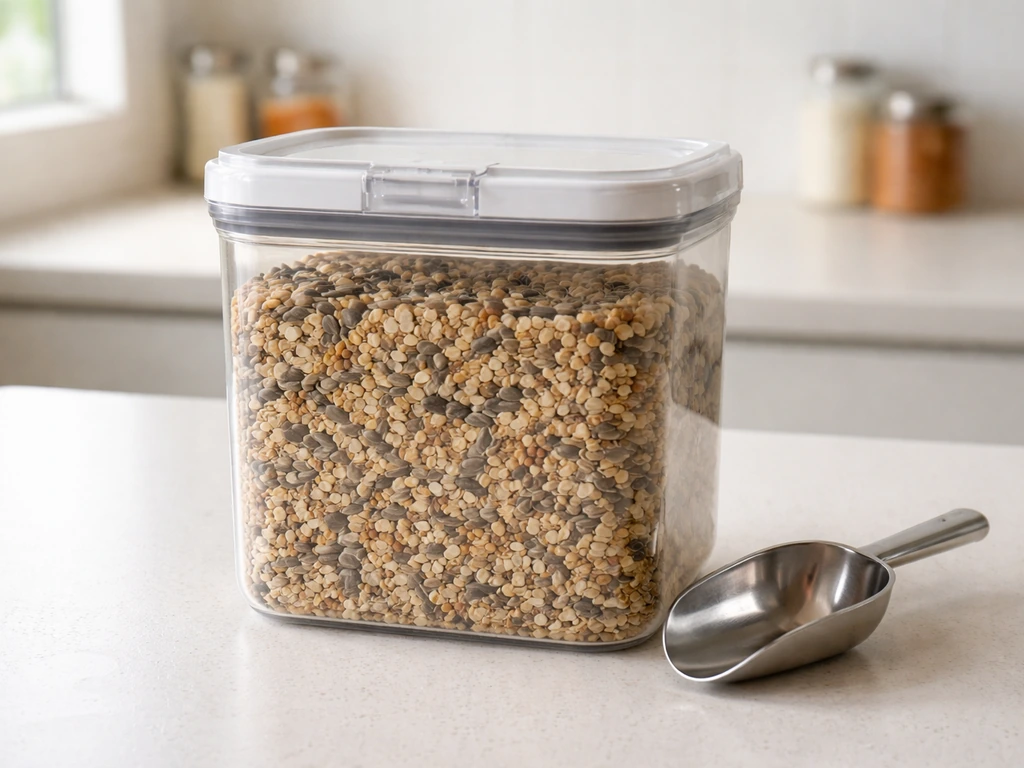
- Store all seed (wild or pet-grade) in a sealed, hard-sided container, not the original paper or thin plastic bag. Airtight containers prevent moisture and insects from getting in.
- Keep seed in a cool, dry location. Room temperature (below 70°F/21°C) is fine for most seed; avoid garages or sheds where temperature and humidity fluctuate.
- Do not top up an old batch of seed with new seed. Empty and clean the container between batches to prevent old, potentially moldy residue from contaminating fresh seed.
- Check stored seed every two to four weeks. If you see any clumping, smell anything off, or spot insects, discard the entire container contents and sanitize before refilling.
- Clean food dishes daily. Seed sitting in a dish with water droplets, fruit residue, or droppings can mold within 24 hours. Use dish soap and rinse thoroughly, then dry the dish before adding fresh seed.
- Wash your hands after handling any bird seed and before touching your face or preparing food. Wild bird seed in particular can carry Salmonella, which poses a risk to both birds and humans.
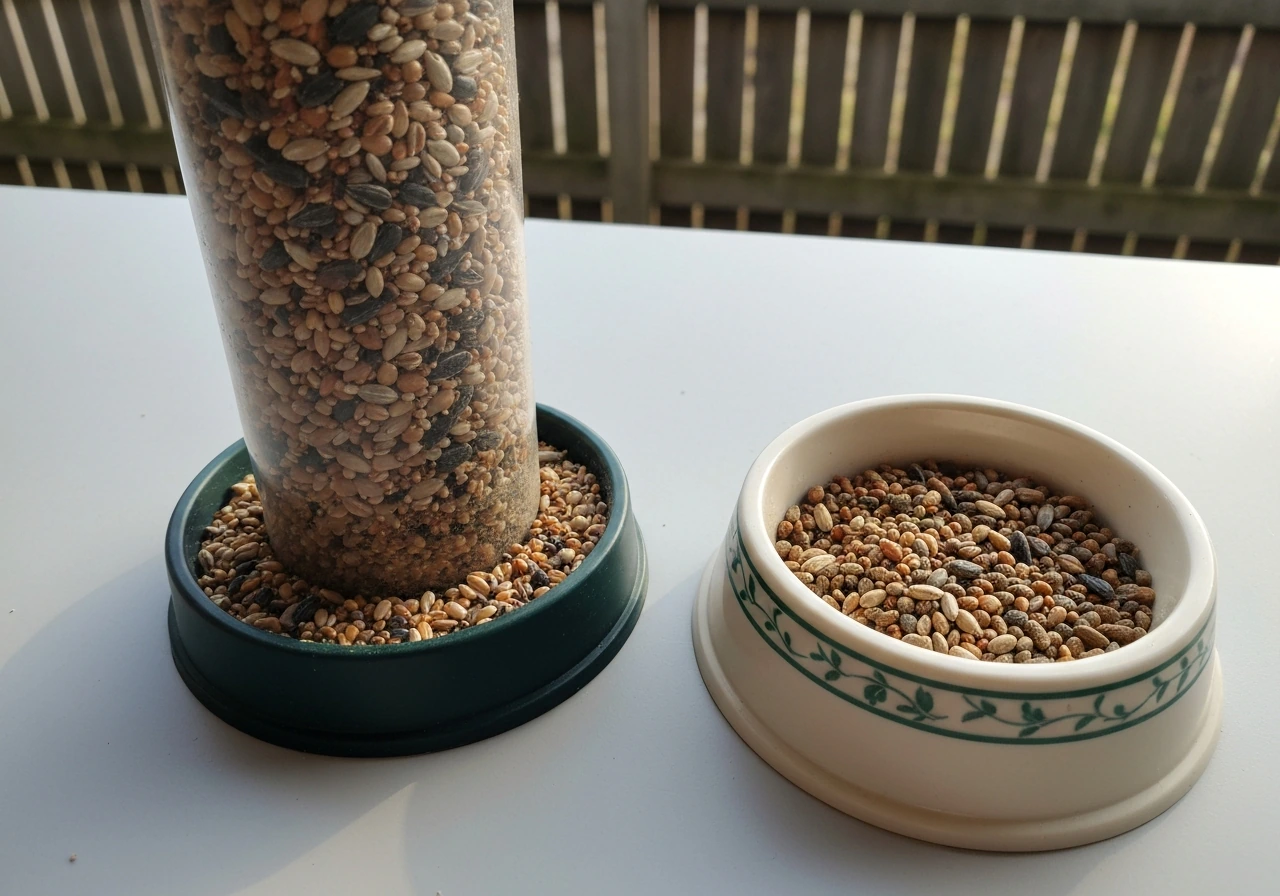
- If you use a separate feeder outdoors, keep it away from your pet bird's food supply. Cross-contamination between outdoor feed (which wild birds and rodents have accessed) and your pet's clean seed is a real risk.
Troubleshooting: what to do if seed is spoiled or your bird ate it
| Problem | What to do now | How to prevent it |
|---|
| Bird ate moldy or questionable seed | Remove remaining seed immediately. Watch for lethargy, fluffed feathers, loss of appetite, or loose droppings over the next 24–48 hours. Call an avian vet if symptoms appear. | Inspect all seed before serving. Discard anything that smells off or shows visible mold. |
| Seed bag is clumped or damp | Discard the entire bag. Do not dry and reuse. Moisture means mold risk even without visible growth. | Store in a sealed, hard-sided container in a cool, dry location. |
| Grain weevils or moth larvae found | Discard the seed and freeze new seed for 72 hours before storing to kill any eggs. Clean the storage container with soapy water and dry completely. | Buy smaller bags, use airtight containers, and inspect seed every few weeks. |
| Ant infestation in seed dish or storage | Move the dish to a location inaccessible to ants (e.g., on a tray with a water moat). Clean the dish and surrounding area. Do not use ant poison near bird areas. | Elevate feeders and clean up spilled seed from surfaces daily. |
| Bird is lethargic after eating wild seed | Isolate the bird in a warm, quiet environment and contact an avian vet. Do not wait to see if it improves on its own. Bring a sample of the seed if possible for testing. | Do not use wild bird seed as a regular food source for pet birds. |
If you suspect aflatoxin exposure specifically (long-term seed use, symptoms including yellow tint to droppings, weakness, or labored breathing), tell your vet about the seed source. They may recommend sending a food sample for mycotoxin analysis. Aflatoxin damage accumulates over time, so even a bird that seems fine after eating contaminated seed may have underlying liver stress if this has been ongoing.
Better options and how to transition to a proper pet-bird diet
The practical alternative to wild bird seed is a species-appropriate formulated pellet diet, with seeds kept as a minor treat rather than the base of the meal. Most avian veterinarians recommend formulated pellets make up roughly 70–85% of a pet bird's daily intake, with fresh vegetables, fruit, and limited seed making up the rest. The RSPCA recommends seeds account for no more than about a tenth of the diet for small parrot species like budgies and cockatiels.
Transitioning a seed-addicted bird to pellets takes patience and a specific method. Most birds won't immediately recognize pellets as food because they don't look or feel like seed. Here's an approach that works:
- Start by offering pellets and seed together in the same flat dish rather than separate bowls. Let the bird pick through the mix.
- Gradually increase the pellet ratio and reduce the seed over a period of two to four weeks. Don't rush the cutover.
- Try placing a thin layer of familiar seed over the top of a pellet pile so the bird has to move seed to get to seed, encountering pellets in the process.
- Offer pellets in the morning when the bird is hungriest, before offering any seed for the day.
- Do not starve the bird to force the transition. If the bird's weight drops noticeably or it shows signs of stress, slow the pace and consult an avian vet.
- If the bird is currently under veterinary care for an illness, do not start the diet conversion without checking with the vet first.
When buying seed specifically for a pet bird (as a treat component rather than a base diet), look for products labeled for companion birds of your species, not wild bird feed. Pet-grade seed is held to different quality standards, is less likely to contain filler grains, and is typically sourced and stored with tighter moisture controls. For species-specific guidance, the considerations for canaries and wild bird seed are worth reviewing if you keep canaries, as their seed tolerances differ from psittacines.
Fresh vegetables are an underused part of most pet bird diets. Dark leafy greens (kale, bok choy, Swiss chard), carrots, bell peppers, and squash provide vitamin A and other nutrients that seed diets completely lack. Introduce them gradually, in small pieces, alongside familiar food. Most birds warm up to them within a few days of regular exposure.
If you've been using wild bird seed as your pet bird's main food and you're ready to make a change, start today by picking up a small bag of species-appropriate pellets from a pet store or avian supply retailer. You don't need to overhaul the whole setup overnight. Begin the gradual transition, keep the wild seed out of the rotation except as an occasional sorted treat, and schedule a checkup with an avian vet if the bird has been on seed alone for an extended period. Nutritional deficiencies are recoverable when caught early, and a formulated diet makes a measurable difference quickly.