Yes, you can put cayenne pepper in bird seed, and it is generally safe for backyard birds. Birds lack the receptor that makes capsaicin (the active compound in hot peppers) feel painful, so they simply do not register the heat. Squirrels and most other mammals do have that receptor, which is exactly why capsaicin works as a deterrent. That said, there are real practical limits and a right way to do it, because dry cayenne powder in seed can create airborne dust that irritates eyes, both yours and the birds'. This guide covers the safe ratios, the step-by-step mixing process, how to apply it at the feeder, what pests it actually stops, and when to skip it entirely.
Can You Put Cayenne Pepper in Bird Seed? How To Use It

Maya Collins
13 Apr 2026
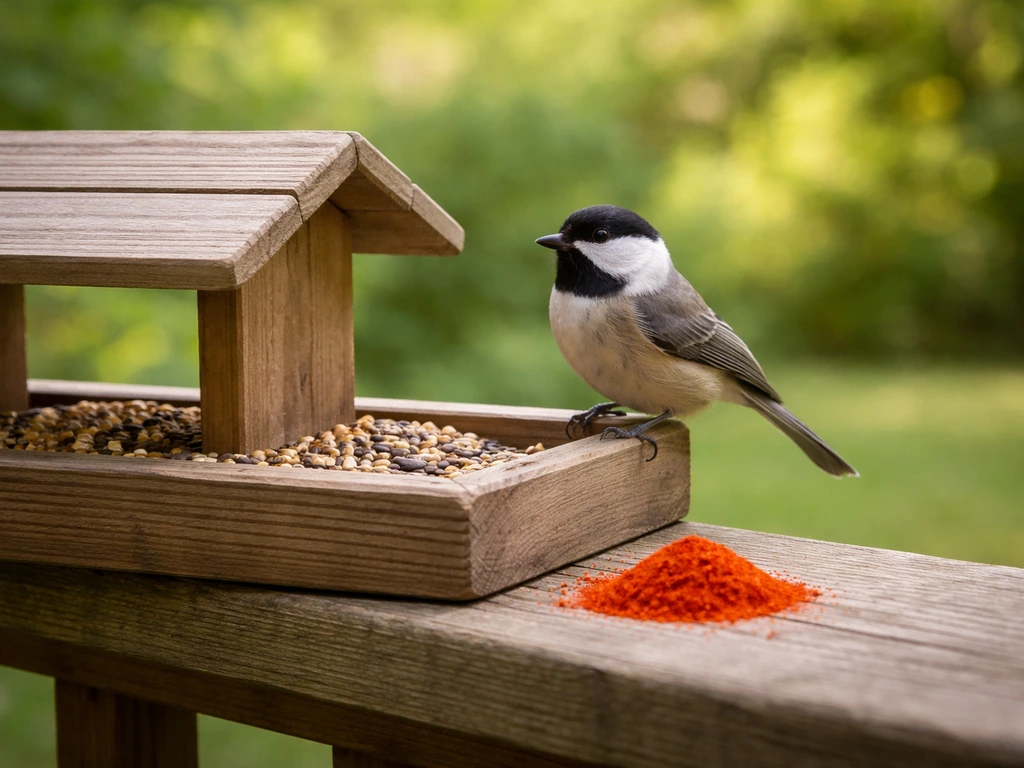
Is cayenne pepper safe and effective in bird seed?
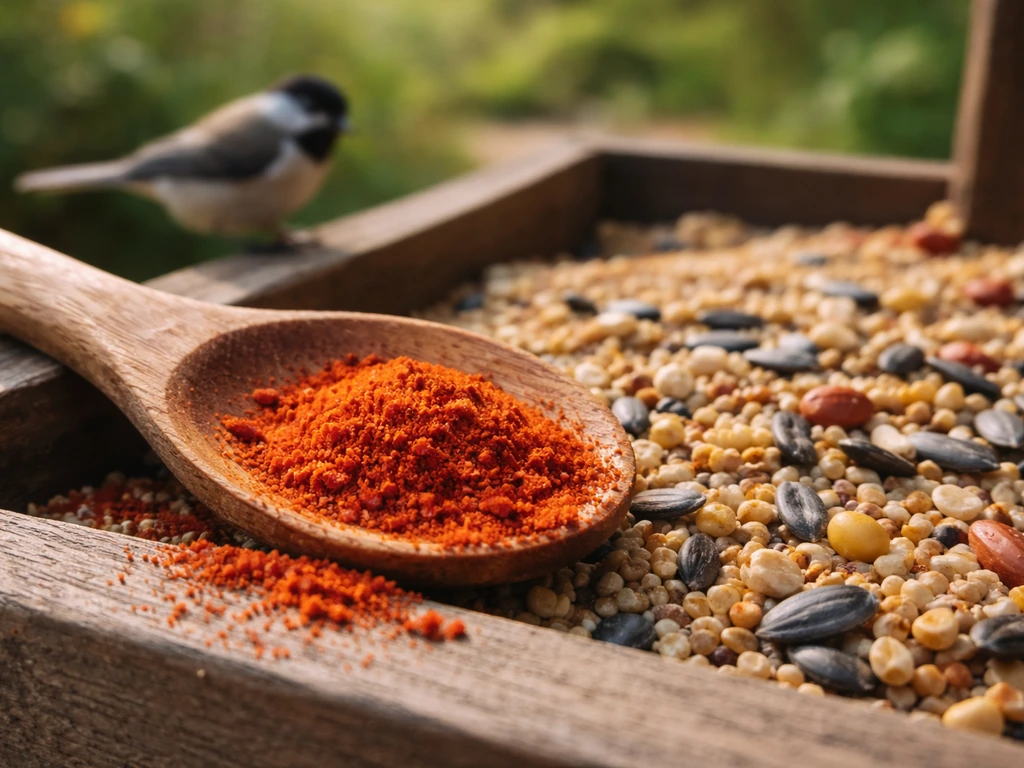
The biology here is well established. Research shows birds are insensitive to capsaicin at concentrations as high as 20,000 ppm, while squirrels reject capsicum at concentrations as low as 1 to 10 ppm. That is a massive gap in sensitivity, which is why this strategy has real merit. UC ANR explicitly lists adding cayenne pepper to seed as a squirrel-avoidance strategy, noting that birds are not affected by capsaicin at all.
Effectiveness is a separate question from safety. A Cornell study found that capsaicin-treated sunflower seeds reduced squirrel consumption by about 80% and squirrels spent noticeably less time at treated feeders. That is a meaningful reduction, but not a complete fix. Some individual squirrels proved more tolerant than others, and the deterrence was never 100%. If you want to understand the broader picture of whether this approach actually delivers results, the evidence on whether spicy bird seed works goes deeper into that research. The short version: it helps a lot, but it is one tool, not a silver bullet.
How much cayenne pepper to add
Two practical ratios circulate widely among bird feeding communities, and they sit at very different ends of the spectrum. The conservative ratio is about half a teaspoon of cayenne pepper per kilogram (roughly 2.2 lbs) of bird seed. The more aggressive ratio is one tablespoon of cayenne per cup of seed, with a suggestion to double that for particularly persistent squirrels. For most backyard setups, starting at the lower end makes sense. You can always increase concentration if squirrels are still raiding the feeder. Going straight to maximum dosing also means more airborne powder, more mess, and more irritation risk during mixing.
If you prefer weight-based measuring, aim for roughly 1 to 2 grams of cayenne per kilogram of seed as a starting point. For a standard 5-pound bag of seed (about 2.3 kg), that translates to somewhere between half a teaspoon and one teaspoon total. This topic overlaps closely with red pepper flake use, and how much red pepper to add to bird seed covers the dosing nuances if you want to compare different pepper types side by side.
Step-by-step: mixing cayenne into bird seed
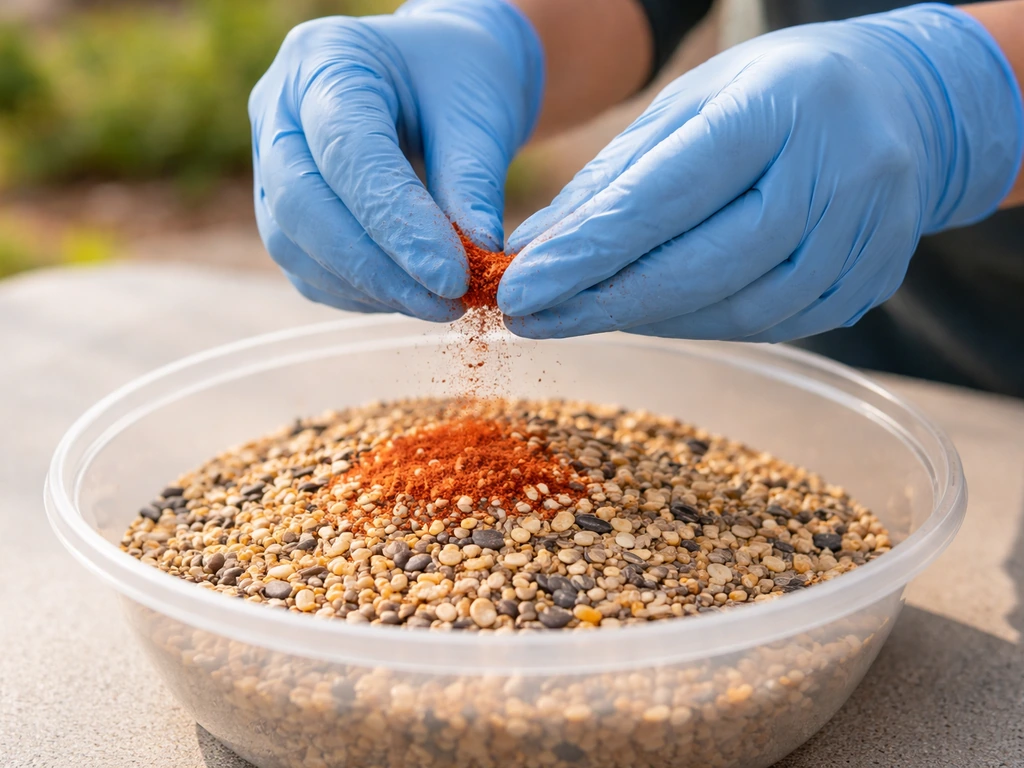
Dry mixing is the most common approach but requires a bit of care to minimize dust. Here is the process that works cleanly and safely:
- Put on safety glasses and disposable gloves before opening your cayenne. This is not optional. Cayenne powder becomes airborne easily and will burn your eyes if you get a face full of it during mixing.
- Work outdoors or in a well-ventilated area, not in an enclosed kitchen or garage. A slight breeze behind you helps carry any dust away.
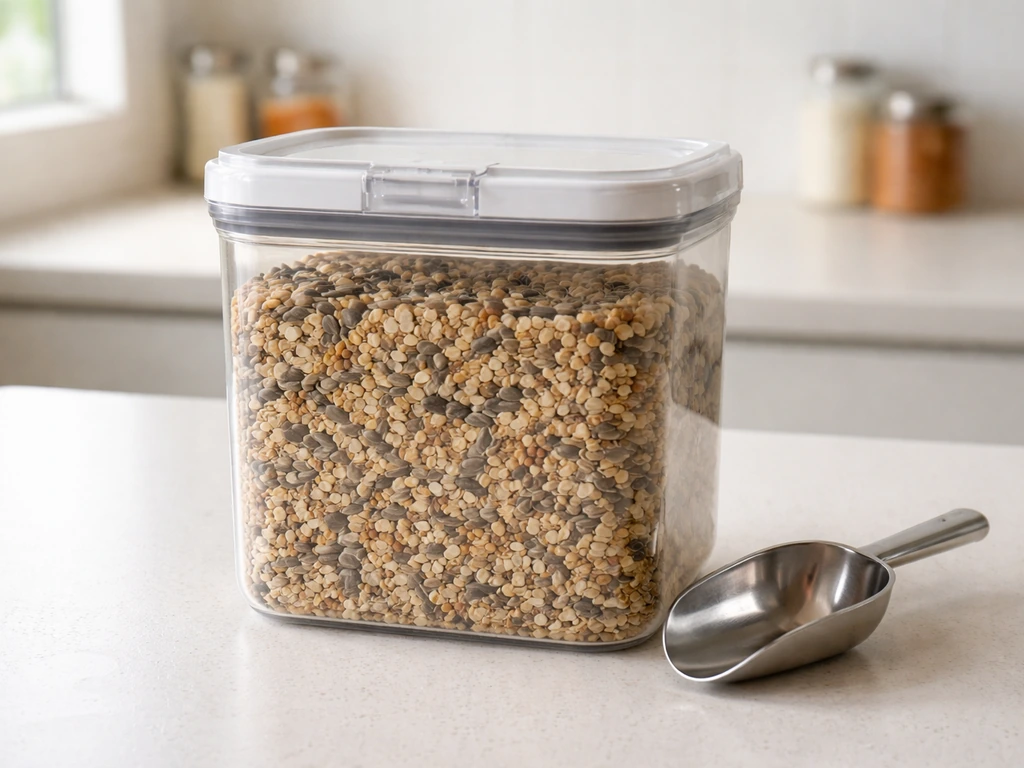
- Measure your seed into a large resealable bag or a bucket with a lid. A 5-pound batch is a manageable starting size.
- Measure your cayenne. For a 5-pound batch, start with 1 teaspoon (roughly 2.5 grams). You can work up from there on your next batch if needed.
- Add the cayenne to the seed, seal the bag or put the lid on the bucket, then shake and tumble for 30 to 60 seconds until the powder is distributed evenly. If you are using a bucket, stir with a long-handled spoon before sealing and shaking.
- Let the mix settle for a minute before opening. Open slowly and away from your face.
- Transfer to your feeder or storage container with a scoop, not by pouring directly from the bag, which kicks up dust.
One important variation worth knowing: some practitioners have switched away from dry cayenne in loose seed entirely because the flying powder can irritate birds' eyes during feeding, not just during mixing. Incorporating cayenne into a suet block instead is a cleaner option because the fat binds the capsaicin and almost eliminates airborne dust. If you decide to go the suet route, melt the suet, stir in cayenne at a ratio of about 1 teaspoon per cup of suet mix, let it solidify in a mold, and use it as you would any suet cake. The same deterrence applies with far less mess.
Applying cayenne at the feeder, not just in the seed
Mixing cayenne directly into seed is the most common method, but it is not your only option. Applying it at the feeder itself can be effective and sometimes creates less residue inside the seed supply. One approach is smudging cayenne powder into feeder port wells and along perches where squirrels grip. This concentrates the deterrent at contact points without coating every seed. It does require reapplication after rain and roughly every two to three days in dry weather as the powder loses potency or blows off.
Another feeder-level strategy is using a pre-made commercial blend. Products like Duncraft's Fire Mix are formulated with chili and cayenne powder specifically for this purpose. These blends are designed to distribute more evenly than raw cayenne powder and tend to have a more consistent capsaicin concentration per batch. If DIY mixing feels like too much hassle, a commercial blend is a reasonable alternative. For a related method that some people prefer, putting hot sauce on bird seed is another way to apply capsaicin without creating airborne powder, since the liquid coats seeds evenly and dries in place.
Regardless of application method, keep in mind that rain washes capsaicin off quickly. In wet climates or during rainy seasons, you will need to reapply more frequently, often after every significant rainfall. In dry conditions, weekly reapplication to the feeder surfaces and every new seed fill is usually enough.
Which pests does it actually deter?
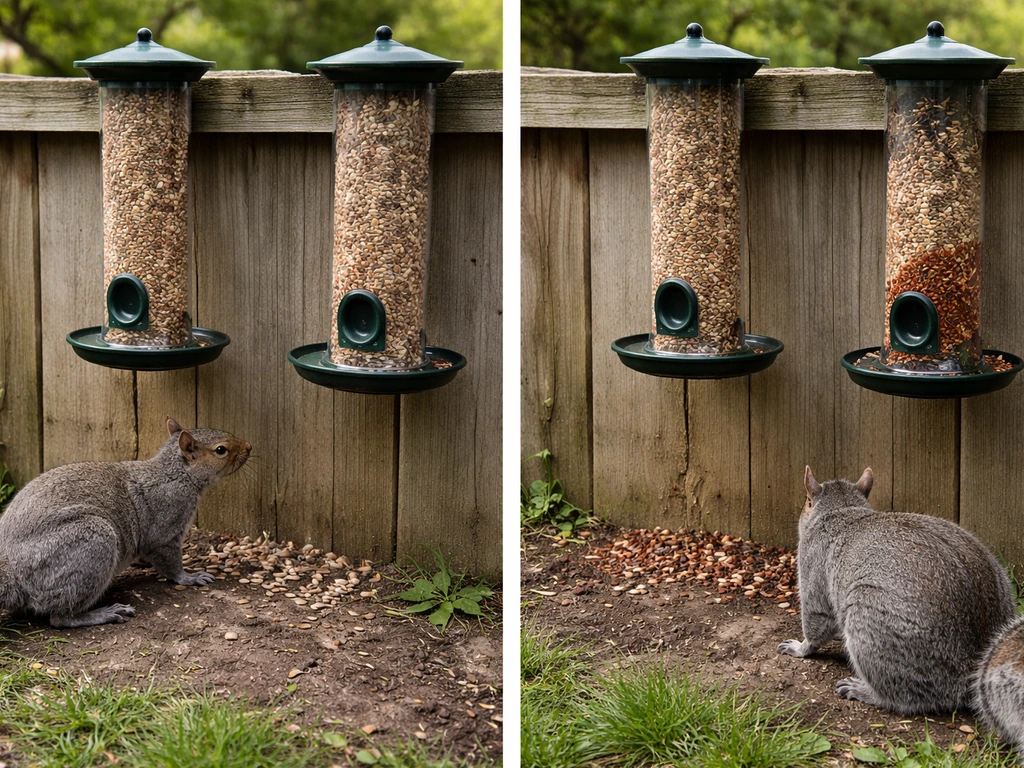
Squirrels are the primary target, and the research supports it working reasonably well for them. Gray squirrels and fox squirrels show clear avoidance of capsaicin-treated seed in controlled studies, though individual variation matters. Some squirrels are bolder than others and may tolerate higher concentrations before giving up. For a direct look at the rodent-specific angle, whether cayenne pepper in bird seed keeps rats away covers what the evidence shows for rats specifically, which behave somewhat differently from squirrels.
Chipmunks are a more complicated case. Because they carry seed in cheek pouches rather than eating it at the feeder, capsaicin has less opportunity to irritate their mouth before they have already grabbed a mouthful and retreated. Cornell's research notes that chipmunks may carry away capsaicin-treated seeds without being significantly deterred.
Capsaicin is not a universal mammal repellent either. Research on other species (tegus, for example, in invasive species control studies) found that capsaicin-treated bait did not reduce disturbance at all. This is a good reminder that outcomes depend heavily on the species and its feeding behavior. For general pest pressure beyond squirrels, physical barriers like baffles and pole-mounted feeders often work better as a complement to capsaicin treatment.
As for birds: most common backyard species, including house finches, chickadees, nuthatches, and cardinals, will eat capsaicin-treated seed without any change in behavior. There is no credible evidence that capsaicin reduces bird visits to feeders. That said, how hot bird seed performs in real backyard conditions is worth reading if you want a more complete picture of bird behavior around spicy seed before you commit to treating your entire supply.
When not to use cayenne: risks, cleanup, and hygiene
There are real situations where cayenne in bird seed is not the right call. If you have very young birds or fledglings feeding near the ground under your feeder, loose cayenne powder on spilled seed creates a direct eye irritation risk. Capsaicin dust at eye level for a bird foraging on the ground is a different exposure than seed coated in cayenne inside an elevated tube feeder. The same concern applies to mixed spice blends. If you have ever wondered whether something like everything seasoning belongs in bird seed, the answer is a firm no. Garlic, onion, salt, and other seasonings in those blends can genuinely harm birds. Stick to pure cayenne or capsaicin-based products.
Some sources, including Halton Master Gardeners, advise against DIY cayenne use in garden pest strategies altogether because of capsaicin's irritation potential for humans: burning pain on skin, eye exposure, and respiratory irritation if you inhale the dust. Those concerns are legitimate. Always use gloves and eye protection when handling cayenne powder in any quantity.
Hygiene is another real issue. Cayenne residue builds up inside feeders, especially in humid conditions, and can combine with wet seed to create a sticky, mold-friendly environment. This is one reason feeder cleaning matters even more when you are using capsaicin. Wash your feeders periodically in a 10% bleach solution (one part bleach to nine parts water), rinse thoroughly, and let them dry completely before refilling. This is the same cleaning standard recommended for general feeder hygiene, but cayenne residue makes it more important to stick to a regular schedule rather than skipping washes.
Clean up spilled seed beneath your feeder regularly when using cayenne. Ground-level capsaicin powder on spilled seed is where the eye irritation risk is highest for birds, and it also attracts the ground-foraging pests you are trying to deter. A tray feeder with a catch basin helps significantly by keeping spilled seed elevated and contained.
Comparing your options: cayenne forms side by side
| Method | Effectiveness | Mess/Dust Risk | Reapplication Needed | Best For |
|---|---|---|---|---|
| Dry cayenne mixed into seed | Good (80% squirrel reduction in studies) | High (airborne powder risk) | Every fill | Tube and hopper feeders with roof coverage |
| Cayenne in suet block | Good (binds capsaicin, less dust) | Low | When block is replaced | Cold-weather feeding, minimizing dust |
| Cayenne smudged on feeder ports/perches | Moderate (contact points only) | Low to moderate | Every 2 to 3 days, after rain | Platform feeders, spot deterrence |
| Hot sauce applied to seed | Good (even coating, no dust) | Low (dries in place) | Every fill or after rain | Anyone who wants dust-free application |
| Commercial capsaicin blend (e.g., Fire Mix) | Good (consistent concentration) | Low to moderate | Every fill | Convenience and consistency |
| Red pepper flakes mixed in | Moderate (larger particle, less even) | Low to moderate | Every fill | Coarser seed mixes like safflower or sunflower |
If dust and mess are your main concern, suet blocks with cayenne or liquid hot sauce coating are the cleanest options. If you want the most tested deterrent for squirrels specifically, capsaicin-treated seed (dry or commercial blend) backed by physical barriers like baffles gives you the best combined result. Red pepper flakes are a popular alternative, and putting red pepper flakes in bird seed covers how that method compares in detail, including whether the larger flake size changes how birds and squirrels respond.
Troubleshooting: if it is not working
Squirrels still raiding the feeder after a week of cayenne-treated seed is a common frustration. Before you double the cayenne concentration, check a few things first:
- Check your pepper strength. Cayenne varies widely in capsaicin content depending on brand and age. Old cayenne sitting in your spice cabinet for two years has significantly less potency than fresh. Buy a new container if yours has been open for more than six months.
- Check your ratio. If you started at the conservative end (half a teaspoon per kilogram), try moving to one teaspoon per kilogram before jumping to tablespoon-level dosing.
- Check your feeder setup. Capsaicin alone rarely works if squirrels can jump directly onto the feeder from a nearby tree or fence. A baffle or a squirrel-proof feeder design addresses the access problem that capsaicin cannot.
- Check for chipmunks vs squirrels. If the thief is actually a chipmunk, cayenne is much less effective because of the cheek pouch issue. Physical exclusion works better for chipmunks.
- Check your application after rain. Wet weather washes capsaicin off seed and feeder surfaces quickly. If it rained two days ago and you have not reapplied, you may have lost most of your deterrent.
If you have been using cayenne alongside chili powder or other pepper types and are not sure which is doing more work, how much chili powder to use in bird seed breaks down whether chili powder is a useful substitute or addition and what the dosing looks like compared to pure cayenne. And if birds themselves seem reluctant to visit after you started treating your seed, give it three to five days. In most cases that hesitation is temporary and unrelated to the capsaicin. If the problem persists, try reverting to untreated seed in one feeder while keeping a treated feeder nearby to see whether the bird visits recover.
FAQ
Can I add cayenne pepper to a seed mix that already has other ingredients?
Yes, but do it carefully. If you add cayenne to wild-bird seed that already contains spices or strong flavorings, the mix may create extra dust or residue. Stick to pure cayenne powder (not mixed seasoning blends) and keep your starting dose the same, since other additives can change how well squirrels avoid the feeder.
What’s the cleanest way to mix cayenne into bird seed to avoid dust getting in my eyes?
Use separate containers and avoid shaking dry cayenne over the seed. Pour seed into a large bin, add cayenne, then mix gently with a scoop, and wipe spills. Also wash your hands and any surfaces that touched the powder before refilling feeders to reduce residue and accidental eye exposure.
What should I do if squirrels knock a lot of seed onto the ground?
Spill management matters, because capsaicin dust on ground foraging is where the eye irritation risk is highest for birds. If squirrels are knocking seed out, use a tray with a catch basin or a baffle-equipped feeder and pick up dropped seed regularly so you are not creating a capsaicin “hot zone” under the feeder.
If I notice fewer birds after adding cayenne, how long should I wait before changing anything?
For most people, yes. If birds are hesitant to land right away, give it 3 to 5 days and observe. If you see a persistent drop in visits, test one untreated feeder next to the treated one to confirm whether the change is actually related to the cayenne, not weather, migration patterns, or feeder placement.
How should I increase the cayenne dose if squirrels are still eating the seed?
Starting lower is safer and usually effective. Rather than jumping to the highest dose, try increasing gradually (for example, doubling from half-teaspoon per kilogram to one teaspoon per kilogram) after several days, while also checking for baffles and removing “easy access” routes like low branches leading to the feeder.
Is it safe to use cayenne along with other spices like garlic or onion in a DIY mix?
Avoid. Powdered cayenne on the feeder and surrounding surfaces can irritate eyes and lungs if inhaled, and some mixed seasoning products contain salt, garlic, or other ingredients that can harm birds. If you want a liquid option, use plain hot sauce for coating, or suet blocks with cayenne, instead of blended spice mixes.
Does cayenne use differ depending on whether I use a hopper feeder, tube feeder, or platform feeder?
Yes, and the approach should match your feeder type. For tube feeders, dry cayenne in the seed is less risky than loose powder on the ground, but you should still clean ports and tray areas more often because capsaicin residue can build up and get reactivated by moisture.
How often do I need to reapply cayenne if my yard gets sprinklers or frequent rain?
Reapply sooner when the area is wet or windy, since capsaicin can wash off and powder can blow away. In dry weather, weekly spot refreshes are often enough, but after heavy rain or repeated sprinkler exposure, plan on redoing the feeder-level application or replacing the treated seed batch.
What should I do if fledglings or ground-feeding birds are active under my feeder?
Limit it if you have very young birds or frequent ground foraging under the feeder. If fledglings are pecking near the base or you routinely see birds foraging on fallen seed, switch to a suet block method or use feeder-level contact points (smudged ports/perches) rather than coating large amounts of loose seed.
If my main pest isn’t squirrels, will cayenne still work?
For species beyond squirrels, results are inconsistent. Chipmunks may carry treated seeds away without strong deterrence, and some other animals may ignore capsaicin entirely. If you are targeting something other than squirrels, combine deterrents (like baffles, feeder height, and pole-mounted options) rather than relying only on cayenne.