Hot bird seed works in one specific situation: warming dry, clean, uncontaminated seed in cold weather can make it slightly easier for birds to handle and may draw a few extra visits to a feeder during freezing temperatures. That's the narrow upside. Beyond that, heating seed does not improve nutrition, does not fix wet or moldy seed, and can actively make spoilage worse if any moisture is involved. If you're hoping heat will solve a pest, mold, or sprouting problem, it won't. You need to replace the seed, clean the feeder, and address what caused the issue in the first place.
Does Hot Bird Seed Work? When to Warm vs Replace Seed
Maya Collins
21 May 2026
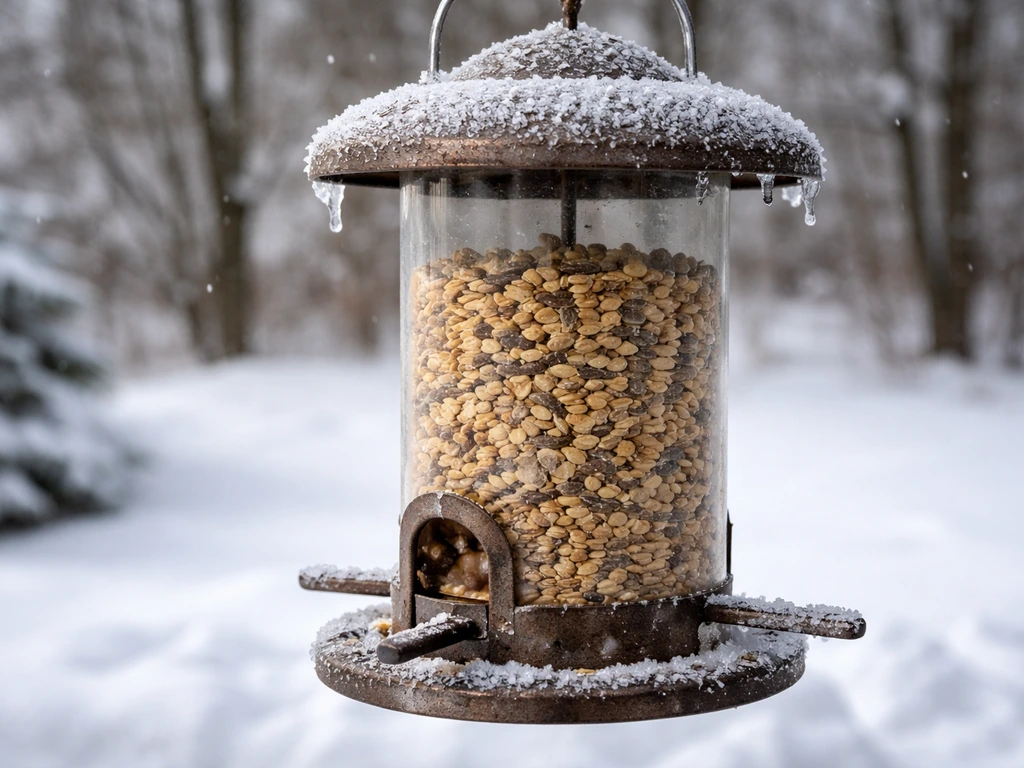
When hot bird seed actually helps vs. when it doesn't
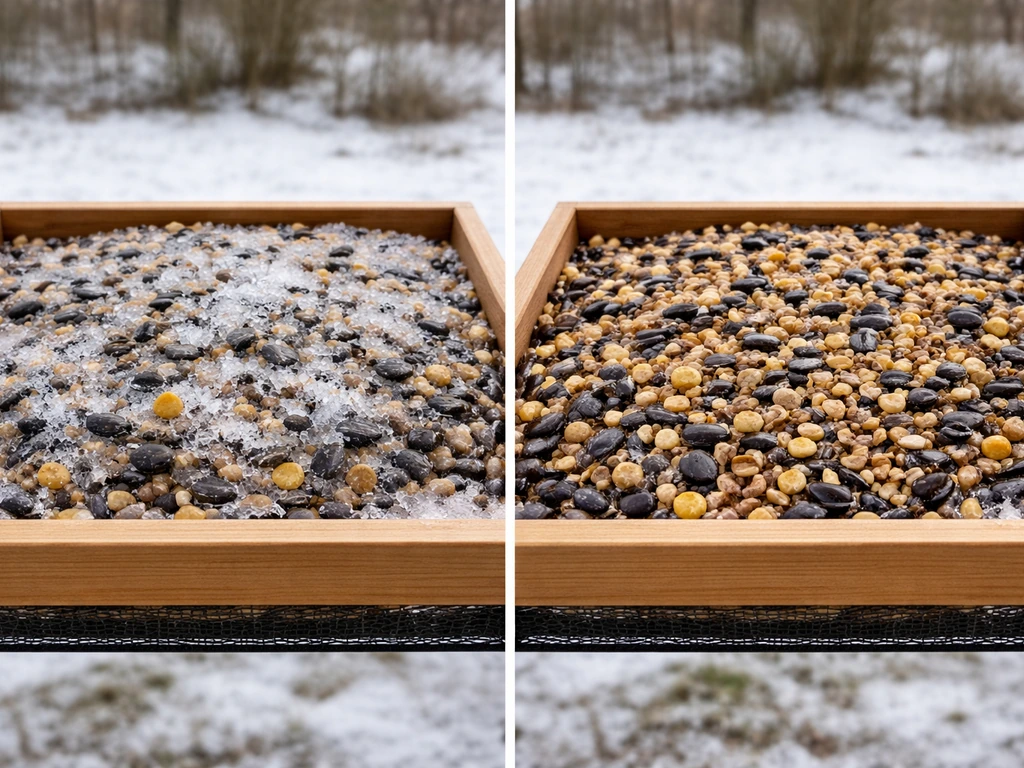
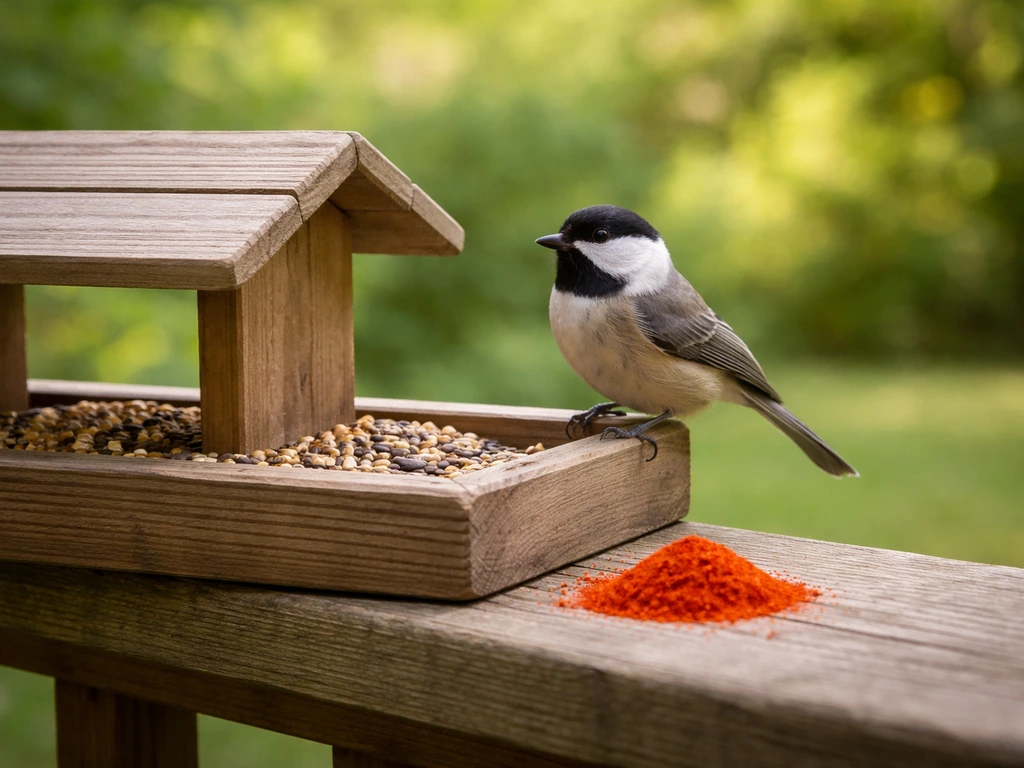
The only scenario where warming seed is genuinely useful is during hard freezes when seed clumps, ices over in the tray, or becomes difficult for smaller birds to crack open. A brief, gentle warm makes it accessible again. That's it. Heating seed does not repel squirrels, does not kill mold or bacteria, does not improve fat content, and does not make birds prefer your feeder over a neighbor's in non-freezing conditions. If your goal is to deter squirrels or rats with heat, that's a different approach entirely (adding capsaicin, the compound found in hot peppers, is the method worth looking at for that). If you mean adding capsaicin or “hot pepper” mixes to seed, see how much red pepper to add to bird seed so you get the deterrent strength without overspicing cap saicin.
| Situation | Does warming help? | What to do instead |
|---|---|---|
| Seed frozen or iced over in tray | Yes, briefly | Warm gently, use a sheltered feeder |
| Cold weather, birds not feeding | Marginally | Use high-fat seed (suet, peanuts, black oil sunflower) |
| Wet or clumped seed | No | Discard, dry feeder, refill with dry seed |
| Moldy or sprouted seed | No | Remove and compost, clean feeder thoroughly |
| Pest infestation (squirrels, rats) | No | Use baffles, capsaicin-treated seed, sealed storage |
| Seed smells stale or rancid | No | Replace seed, check storage conditions |
What 'hot bird seed' actually means
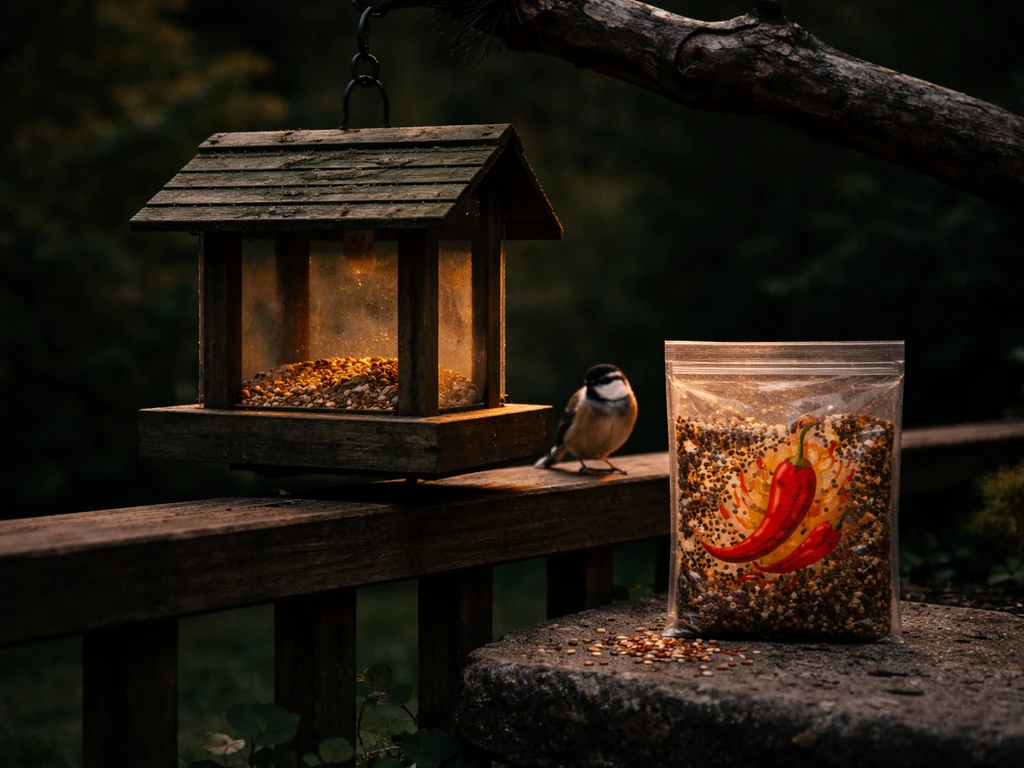
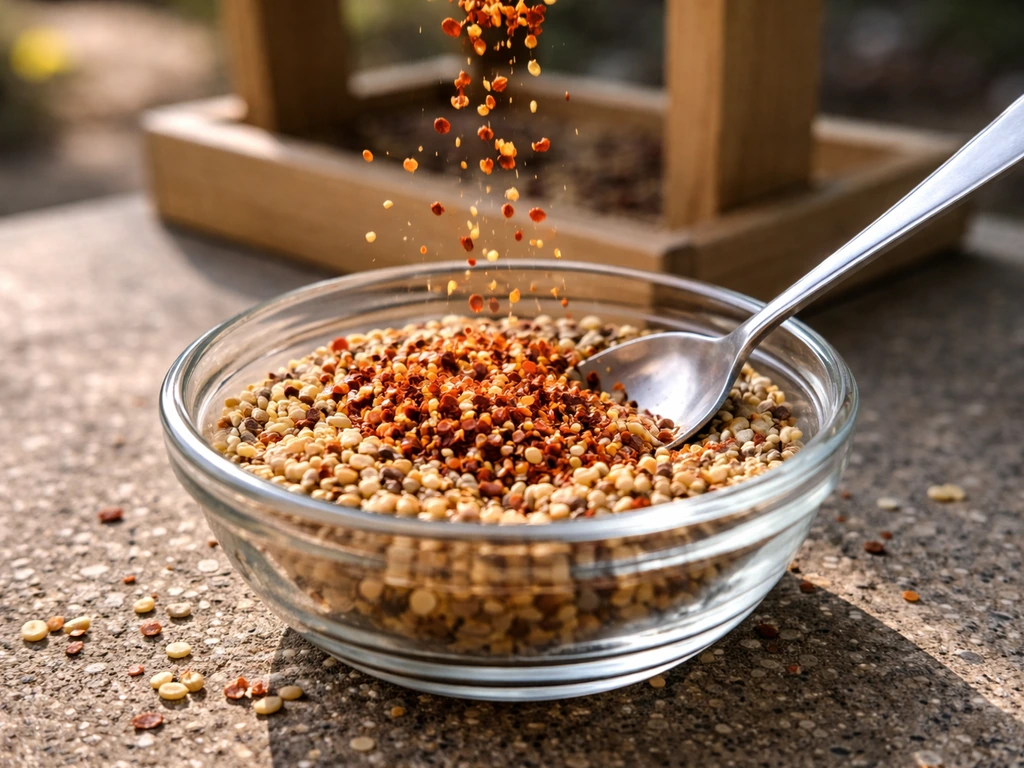
The phrase covers two very different things, and it's worth separating them before going further. The first meaning is physically warmed seed: seed that you've heated in an oven, microwave, or warming tray to raise its temperature before or during feeding. The second meaning is capsaicin-treated or 'spicy' seed: seed that has been coated or mixed with hot pepper compounds to deter mammals like squirrels and chipmunks while leaving birds unaffected (birds lack the receptors that make capsaicin burn). You should not add hot sauce to bird seed as a substitute for the proper, safe approach to warmed or spice-treated seed can you put hot sauce on bird seed. Spicy bird seed does not have the same benefits as simply warming dry seed, and it is mainly used to deter mammals rather than improve bird nutrition spicy' seed. These are sold commercially under names like 'hot pepper bird seed' or 'no-mess spicy blend.'
Most of this article is about the first type, physically warmed seed, because that's the most common intent behind the search. But if you're looking at hot pepper seed as a squirrel deterrent, that's a separate topic covered in detail alongside related approaches like adding cayenne pepper, red pepper flakes, or chili powder directly to your own seed mix.
Is heating seed actually safe?
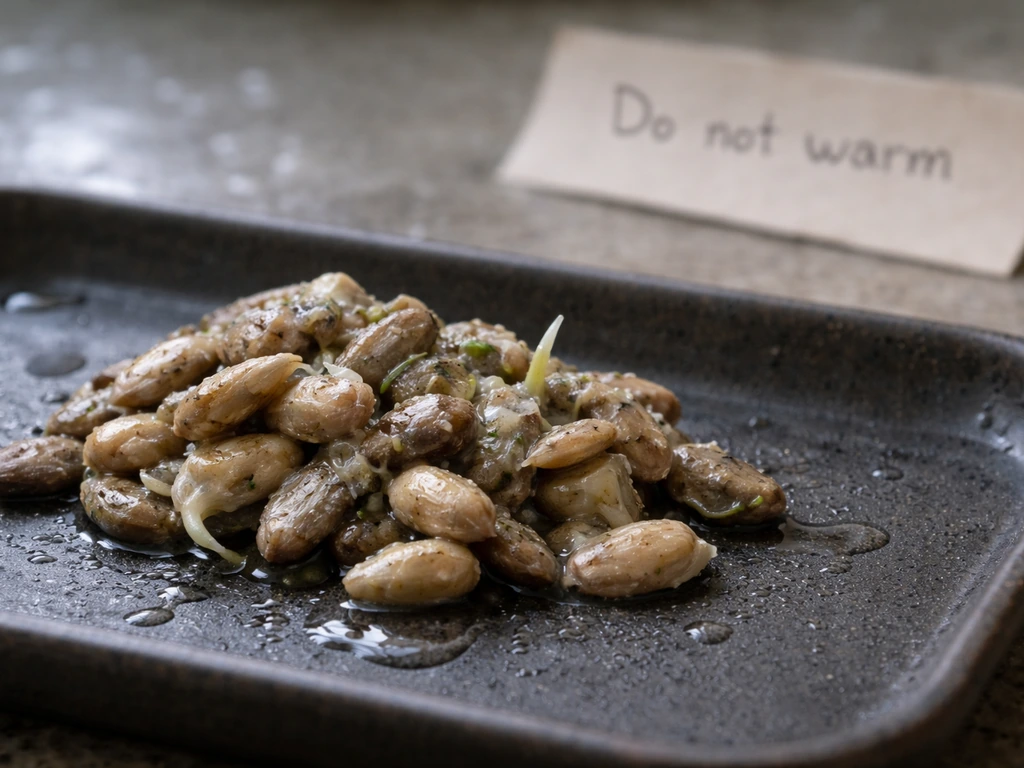
For dry, clean seed with no moisture present, gentle warming (think oven at 170°F / 75°C for 10 to 15 minutes, or a brief 20 to 30 seconds in the microwave in small batches) is unlikely to harm the birds or damage the seed significantly. The fats in sunflower seeds and peanuts are stable at low heat, and the caloric value doesn't drop meaningfully at those temperatures.
The risks come in when moisture is part of the picture. Warming damp seed does not dry it safely. It creates warm, humid pockets inside the seed that are ideal breeding conditions for mold, including Aspergillus species that produce aflatoxins toxic to birds. You can warm seed on the outside while leaving moisture and fungal spores alive inside. This is exactly why organizations like Audubon emphasize that feeders must be completely dry before refilling, not just emptied.
- Overheating seed (above 200°F / 93°C) can break down fats and produce off-smells that deter birds
- Microwaving seed in uneven batches creates hot spots that scorch some seeds while leaving others unchanged
- Warming moldy seed does not kill most fungal spores reliably at home oven temperatures
- Any condensation during cooling reintroduces moisture risk immediately
- Heated seed left in a feeder in cold, humid air can cycle through warm-cool repeatedly, accelerating spoilage
Cold-weather feeding: does warmth actually bring more birds?
Birds don't seek out warm food the way we might imagine. They're not looking for a hot meal. What they're actually looking for in winter is high-calorie, easy-to-access food that doesn't require excessive energy to find, crack, or digest. In genuinely freezing conditions, iced-over seed or a frozen suet cake becomes physically harder to work with, and that's where a briefly warmed feeder or tray makes a small practical difference.
The bigger lever in cold-weather feeding success is seed type and feeder placement, not temperature. Black oil sunflower seed, peanuts in the shell, and suet blocks are high in fat and calories, which is what birds need most when temperatures drop. A sheltered feeder positioned out of wind and under an overhang will be visited more reliably than a warmed but exposed tray in a snowstorm. If you're in a region with consistent hard winters (upper Midwest, Canada, northern New England), investing in a roof-covered hopper feeder makes a bigger difference than any seed warming technique.
If your seed is wet, sprouted, or moldy, don't heat it
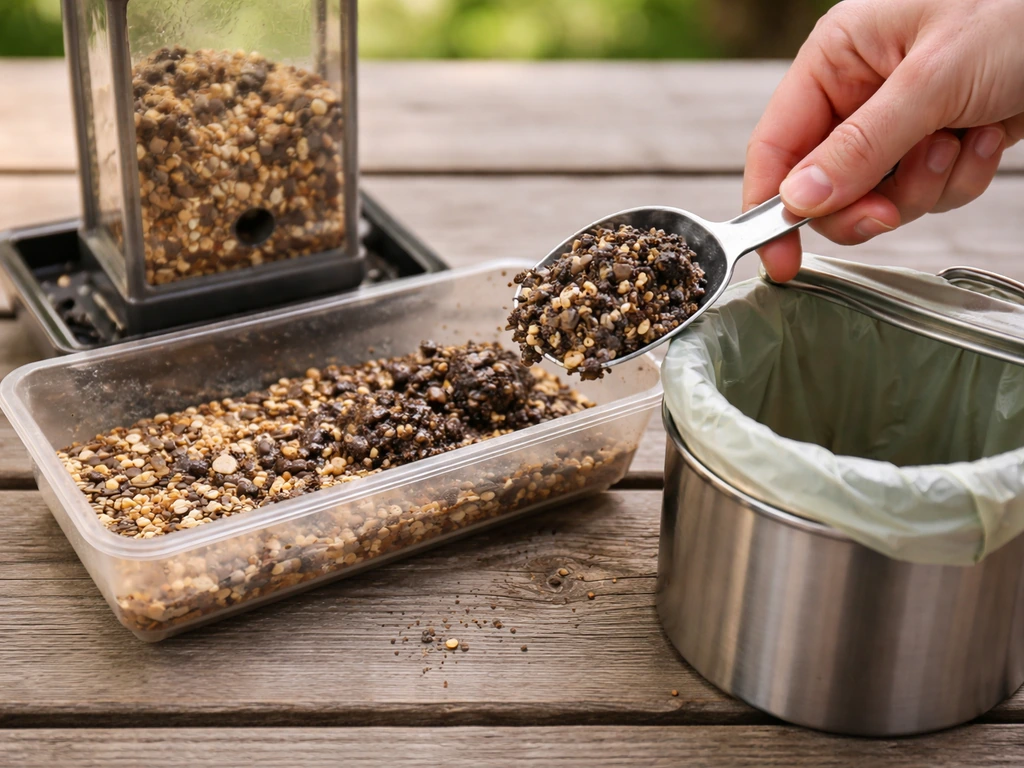
This is the most important myth to bust: heat is not a fix for compromised seed. Moldy, wet, or sprouted seed needs to go, full stop. If you're trying to use chili powder in bird seed as a deterrent, use only a very small amount and follow a recipe because too much can irritate birds and alter their intake. Heating it does not make it safe to put back in a feeder, does not kill the mold reliably, and exposes you to fungal spores during the process. The right steps are straightforward.
- Remove all seed from the feeder and discard it. Wet seed can be composted; seed with visible mold should go in the trash, not the compost.
- Sweep up all seed debris under and around the feeder. Old, discarded, and moldy seed on the ground is a health hazard for ground-feeding birds and other wildlife.
- Wash the feeder with hot soapy water, then disinfect with a diluted bleach solution (1 part bleach to 9 parts water). Let it soak for a few minutes.
- Rinse thoroughly and allow to dry completely before refilling. Audubon is explicit on this point: a feeder must be fully dry before you put food back in.
- Refill with fresh, dry seed only. Buy in quantities you can use within 1 to 2 weeks in humid or warm seasons.
- Identify why the seed got wet: is the feeder uncovered, does it have drainage holes, is it in a low spot that collects rain? Fix the root cause.
For thistle (nyjer) feeders specifically, wet seed is an especially common problem because the tiny seeds clump and block ports quickly. Safe bird feeding guidelines recommend removing very wet thistle seed and composting it rather than trying to dry or reheat it. Thistle feeders need drainage holes and ideally a rain guard.
How to warm dry, clean seed safely (and when to skip it)
If you've confirmed your seed is dry and uncontaminated and you want to warm it before a hard freeze or to thaw an iced-over feeder, here's how to do it without creating new problems.
Oven method
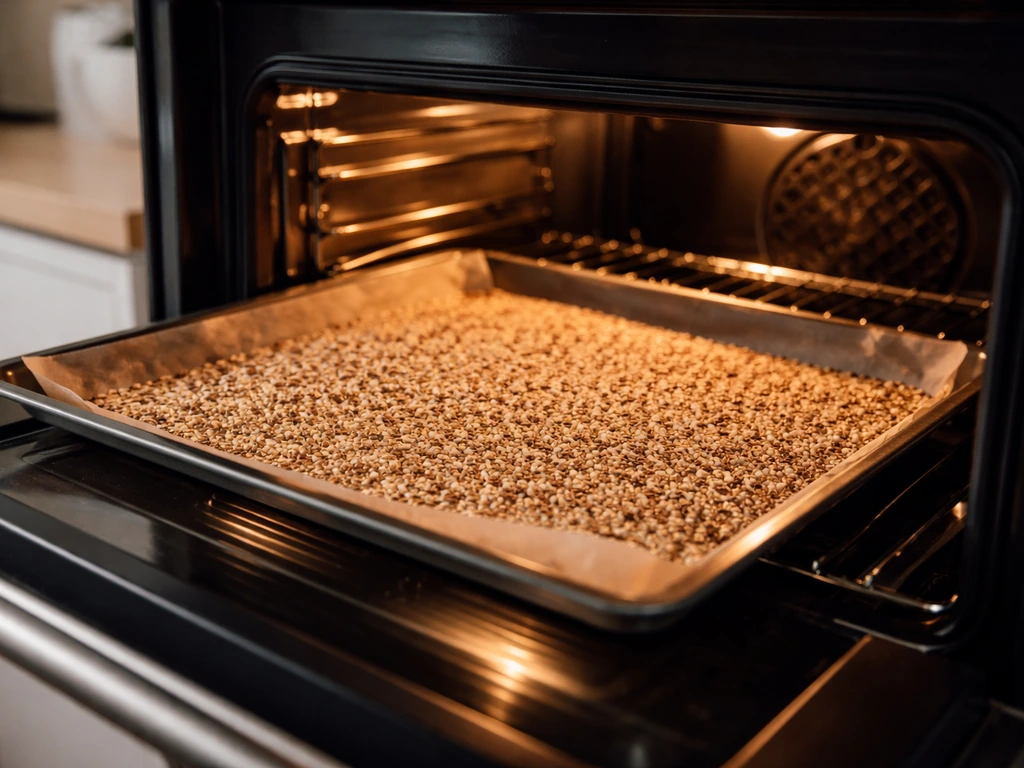
- Spread seed in a single layer on a dry baking sheet.
- Set oven to 170°F (75°C), the lowest setting on most home ovens.
- Warm for 10 to 15 minutes. You're raising the temperature, not roasting.
- Let seed cool to room temperature before putting it in a feeder or closed container. Trapping warm seed in a sealed bag causes condensation.
- Use within 24 hours. Warming doesn't extend shelf life.
Microwave method (small batches only)
- Use a microwave-safe bowl and no more than 1 cup of seed at a time.
- Heat on medium power for 20 to 30 seconds. Stir and check. Repeat once if needed.
- Feel the seed with your hand before putting it out. It should be warm, not hot.
- Spread to cool before filling the feeder.
When to skip warming entirely
- The seed has any smell other than its normal nutty or oily scent
- You see any clumping, discoloration, or white/gray fuzz
- The seed has been stored in an area with humidity above about 50%
- Temperatures are above freezing and birds are visiting normally
- You're dealing with a pest problem (warming does nothing for pests)
Species and seed type: what birds need vs. what warming changes
Different birds prioritize different things, and warming seed affects each situation differently. Ground feeders like mourning doves, dark-eyed juncos, and white-throated sparrows are especially vulnerable to moldy or wet seed because they forage directly on the ground where seed accumulates and sits in moisture. These birds benefit most from cleanup, not warming: keeping the ground under feeders free of old debris is more important than any temperature trick.
For clinging birds like chickadees, nuthatches, and woodpeckers, suet is the high-value cold-weather food. Suet doesn't need warming, it actually gets messy and rancid faster when warm. In summer, switch to suet cakes formulated for higher temperatures, or use peanut butter-based options that hold up better. For tube feeders with sunflower or safflower seed, the main cold-weather issue is seed freezing in the ports, which a sheltered feeder placement solves better than warming.
| Bird type | Best cold-weather seed | Feeder setup tip |
|---|---|---|
| Chickadees, titmice | Black oil sunflower, suet | Covered hopper or tube feeder with rain guard |
| Nuthatches, woodpeckers | Suet, peanuts | Suet cage mounted on tree or post with baffle |
| Mourning doves, juncos | Millet, cracked corn | Platform tray with drainage; keep ground swept |
| Goldfinches | Nyjer (thistle) | Tube feeder with drainage holes and rain guard |
| Cardinals, grosbeaks | Sunflower, safflower | Hopper feeder, sheltered position out of wind |
If squirrels, chipmunks, or rats are a problem at your feeder, seed temperature has nothing to do with deterring them. If you want to keep rats away, focus on exclusion and cleanup rather than changing seed temperature. Capsaicin-treated seed is the seed-level solution (birds are unaffected, mammals are deterred), and physical barriers like pole baffles and cage feeders handle the rest. Warming seed will not make mammals less interested.
Storage, cleanup, and keeping pests out
Most problems that lead someone to search for 'hot bird seed' as a fix, wet seed, mold, pests, clumping, can be prevented almost entirely with better storage and a consistent cleaning schedule.
Storage
- Store seed in a sealed, hard-sided container (metal or thick plastic) in a cool, dry location. Garages work well in moderate climates; avoid any spot with humidity swings.
- Buy seed in quantities you'll use within 2 to 4 weeks in summer, or up to 6 to 8 weeks in dry winter conditions.
- Never store seed in cloth or paper bags, which absorb moisture and attract pests.
- Check stored seed monthly: if it smells musty or you see clumping, discard it.
Feeder cleaning schedule
blank" rel="noopener noreferrer">Clean feeders at least once every two weeks as a baseline, and once a week during humid weather or if you live in a warm climate. This is the recommendation from both the U.S. Fish and Wildlife Service and the RSPB, and it genuinely makes a difference. Use the bleach-and-water solution described above, rinse fully, and dry completely before refilling. Audubon specifically flags humid and hot weather as periods requiring increased cleaning frequency, because warmth plus moisture creates the exact conditions mold needs. All About Birds also highlights that moldy or spoiled food is unhealthy for birds and outside pets, which is why cleaning your feeder regularly helps prevent harmful conditions blank" rel="noopener noreferrer">increased cleaning frequency.
Ground cleanup
Sweep or rake under feeders at least once a week. Old, wet, or moldy seed under feeders is a disease vector for ground-feeding birds and a food source for rats, mice, and other unwanted visitors. The U.S. Fish and Wildlife Service explicitly lists removing discarded seed under feeders as a key step in reducing disease risk. A concrete pad or hardware cloth apron under the feeder makes cleanup faster and discourages burrowing pests.
Pest exclusion
- Use a squirrel baffle on the feeder pole, mounted at least 18 inches below the feeder and 5 feet off the ground
- Position feeders at least 10 feet from trees, fences, or structures squirrels can jump from
- Switch to no-waste seed blends (hulled sunflower, no filler millet) to reduce debris buildup under feeders
- For rats, consider removing ground-level feeders temporarily, tightening your cleanup routine, and using sealed storage to cut off the food supply at the source
- Capsaicin-treated seed is an effective seed-level deterrent for squirrels and chipmunks without affecting birds
The bottom line is that warming seed is a narrow tool with a narrow use case. Dry seed, briefly warmed on a hard-freeze morning, is a fine thing to do. Everything else, the mold, the wet clumps, the pests, the sprouted seed at the bottom of the feeder, needs real fixes: clean the feeder, replace the seed, improve your storage, and adjust your feeder setup. Those steps will do more for the birds visiting your yard than any amount of warming ever will.
FAQ
Can I warm seed that has been sitting in the feeder for a day or two?
Only if it’s clearly dry and not moldy or damp. If you see clumping, off smells, dusty white growth, or crusty “wet freezing” in ports, warm-thawing can hide the problem and still leave spores or moisture inside. In that case, empty it out and replace.
Will warmed seed keep longer than regular seed?
No. Warming does not make seed shelf-stable. Once you’ve introduced a temperature change, especially if humidity is present, the risk of rancidity or mold can increase. Store leftovers in a sealed, dry container and use them promptly.
Is it safe to use a microwave to warm seed?
Yes only for small batches and briefly. Spread seed in a single layer (or loosen the clumps) so it heats evenly, then cool it fully before refilling. Avoid overheating, and never microwave damp seed.
What temperature and time are safest for warming dry bird seed?
Aim for gentle, short heating (for example, around 170°F / 75°C for about 10 to 15 minutes in the oven), then let it cool completely. The goal is to remove chill or ice sensitivity, not to “bake” the seed.
If my seed is clumped from freezing, should I warm the whole bag?
Not automatically. If the clumps came from moisture exposure (leaks, condensation, rain), warming the bag can worsen mold risk. Better approach: remove the affected seed for replacement and warm only the dry, uncontaminated portion you’ve confirmed is free of dampness.
Does warming harm birds’ fat consumption, especially with sunflower seeds or peanuts?
At gentle temperatures for short periods, it’s unlikely to meaningfully reduce calories in dry seed. The bigger concern is not nutritional loss, it’s moisture, which can turn a safe batch into a mold problem.
How can I tell whether seed is “dry enough” to warm?
Seed should feel dry throughout, not just on the outside. If it feels cool and damp, smells musty, looks crusted, or has visible clumping that suggests it got wet, treat it as contaminated and replace instead of warming.
Can I warm thistle (nyjer) seed that’s blocking the ports?
Wet clumping thistle is a common failure point. If it’s visibly wet, guidelines generally recommend removing it and composting, then addressing drainage and rain protection (rain guard, drainage holes). Warming wet nyjer can quickly create a mold-friendly environment.
Will warmed seed help ground-feeding birds like juncos and sparrows?
Sometimes it can help only when the issue is access (ice or hard freezing). But if the ground feeder’s problem is damp seed accumulation or wet debris, cleanup and feeder location are more effective than temperature changes.
Does heating seed deter squirrels or rats?
No. Mammals are not deterred by warmed seed, and heat does not replace exclusion steps. If you want a seed-level deterrent, capsaicin-treated “spicy” seed is the relevant option, but it must be used appropriately and safely.
Can I combine warming seed with adding chili powder or “hot sauce”?
Mixing chili or using hot sauce is not a substitute for safe warming or properly handling contaminated seed. If you use a capsaicin-based deterrent, follow a product recipe or instructions for the right concentration, because overdosing can irritate birds and alter feeding behavior.
Should I warm suet or suet cakes in winter?
Generally no. Suet warms and softens in ways that increase mess and rancidity. If your concern is frozen blocks, better fixes are placement (shelter from direct snow and thaw-refreeze cycles) and choosing formulations designed for your temperature range.
What’s the best next step if birds stopped visiting after a warm-up?
First, inspect the feeder and nearby tray area for dampness and old seed buildup. Replace any clumped or possibly moldy seed, clean the feeder thoroughly, and only then consider whether warming is needed for an iced-over component.