You can safely add chili powder to bird seed, and the practical starting point is 1 tablespoon of finely ground chili powder per pound of seed (or about 1 tablespoon per cup if you prefer to measure by volume). Birds tolerate capsaicin because their TRPV1 receptors don't respond to it the way mammal receptors do, so squirrels and other rodents feel the burn while your backyard birds eat without issue. That said, chili powder is not a guaranteed fix for every pest problem, and handling it carelessly during mixing can irritate your own eyes, skin, and lungs. Here's how to do it right.
How Much Chili Powder in Bird Seed and How to Use It

Maya Collins
1 Jun 2026
Is it safe to add chili powder to bird seed?
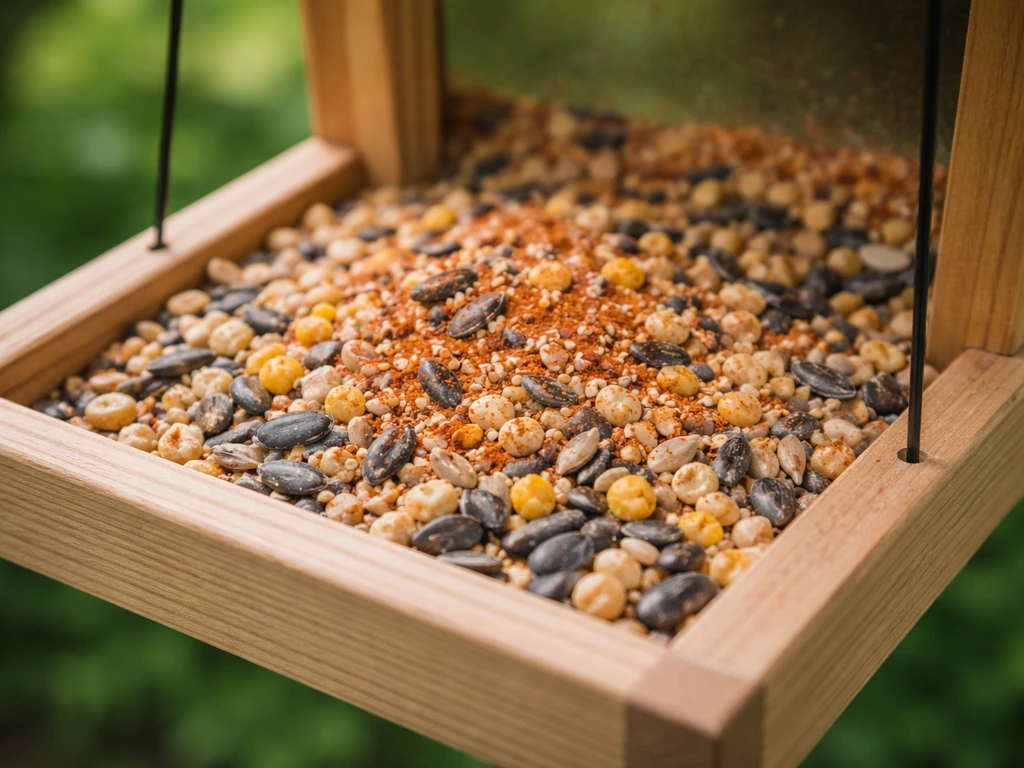
For the birds themselves, yes. The science is solid here: blank" rel="noopener noreferrer">avian TRPV1 receptors are not activated by capsaicin the way mammalian receptors are. Chickens exposed to capsaicin concentrations up to 100 µmol/L show no pain response, and multiple peer-reviewed studies confirm this species-specific difference. That's why commercial spicy blends like Audubon Park's habanero-infused seed exist: the industry has built products around this exact biology and markets them as harmless to birds while deterring squirrels. If you're wondering whether hot sauce works the same way, see whether you can put hot sauce on bird seed without creating extra mess or risk can you put hot sauce on bird seed.
The safety concern isn't for your birds, it's for you. [Capsaicin is a potent irritant for humans. ](https://www. osha.
gov/chemicaldata/1014) Dry chili powder can become airborne during mixing and cause intense irritation to your eyes, nose, throat, and lungs. The NPIC and StatPearls both flag capsaicin as capable of causing swelling in lung tissue, prolonged eye burning with tearing and photophobia, and mucous membrane pain.
OSHA’s method document for capsaicin and dihydrocapsaicin also describes severe eye, respiratory, skin, and mucous-membrane irritation potential, which is why inhalation and eye contact should be avoided capsaicin as capable of causing swelling in lung tissue, prolonged eye burning with tearing and photophobia, and mucous membrane pain.
People with asthma are at particular risk from inhaled dust. Mix carefully, and skip the casual pour-and-shake approach.
One nuance worth flagging: even though birds don't feel the burn internally, airborne chili powder dust can cause topical aggravation to birds' eyes and respiratory passages if you use a very dusty dry mix in a feeder with poor airflow. This is one of the strongest arguments for either using a fine-quality powder or going with an oil-based coating method instead of dry dusting.
How much chili powder to use
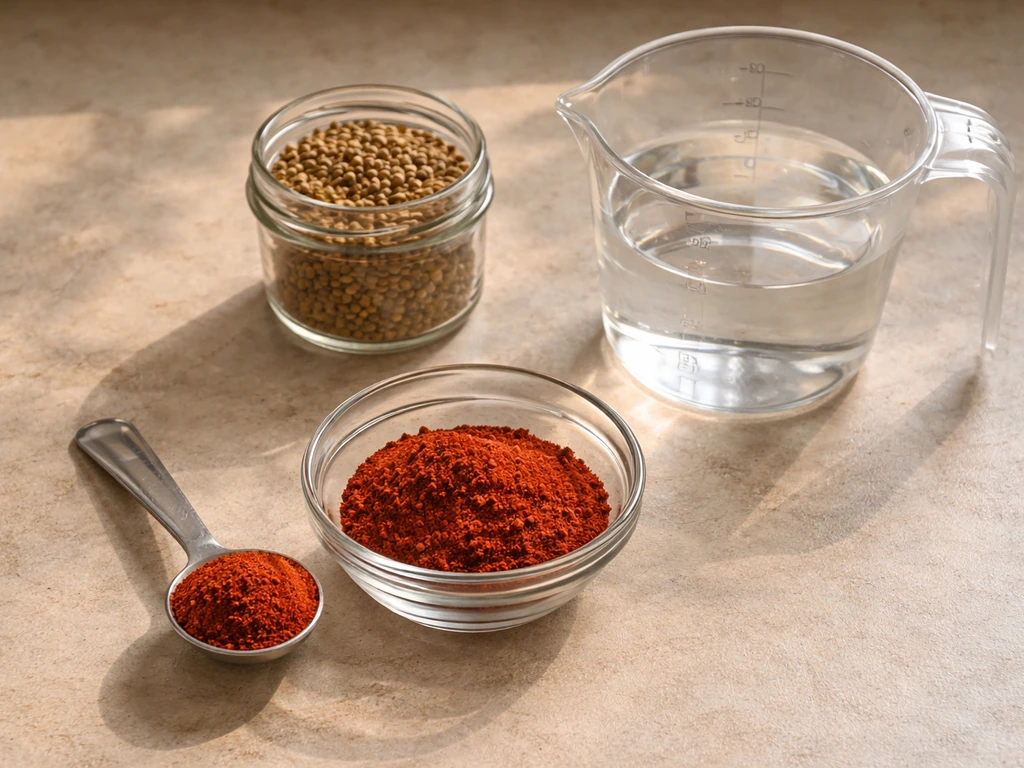
Dosing recommendations from practical guides cluster in a pretty tight range. Start conservatively and scale up if you're still getting unwanted visitors after a week or two.
| Situation | Chili Powder Amount | Seed Amount |
|---|---|---|
| Starting dose (mild pest pressure) | 1 tablespoon | 1 lb (or 1 cup) |
| Moderate pest pressure | 2 tablespoons | 1 lb (or 1 cup) |
| Persistent squirrels or rodents | 3 tablespoons | 1 lb (or 1 cup) |
| Maximum practical range | 3 tablespoons | 1 lb — don't go higher |
Going above 3 tablespoons per pound doesn't meaningfully improve deterrence and creates more dust, more mess, and more risk of eye irritation for both you and the birds. The 1-to-3 tablespoons per pound range is the consensus sweet spot across practical guides, and I'd recommend starting at the low end and only increasing if the problem persists after 10 to 14 days.
If you're using loose hot pepper flakes or full cayenne rather than standard chili powder, the ratios are similar, though the capsaicin concentration can vary by product. Birds' and pests' reactions to capsaicin apply whether you're using chili powder or red pepper flakes, but flakes can create more dust depending on how you mix them loose hot pepper flakes.
If you are wondering whether you can put cayenne pepper in bird seed, stick to the same low-to-moderate ratios to avoid excess dust and irritation full cayenne. If you are wondering whether you can put cayenne pepper in bird seed, stick to the same low-to-moderate ratios to avoid excess dust and irritation full cayenne can you put cayenne pepper in bird seed.
How to mix it so you get an even coat (not a clumpy, dusty mess)
Dry mixing alone usually doesn't work well. Chili powder settles to the bottom of feeders, birds toss the light seeds and the powder goes with them, and you end up with an uneven mess that doesn't deter anything effectively. There are two methods that actually produce a consistent coating.
Method 1: Oil slurry (recommended)
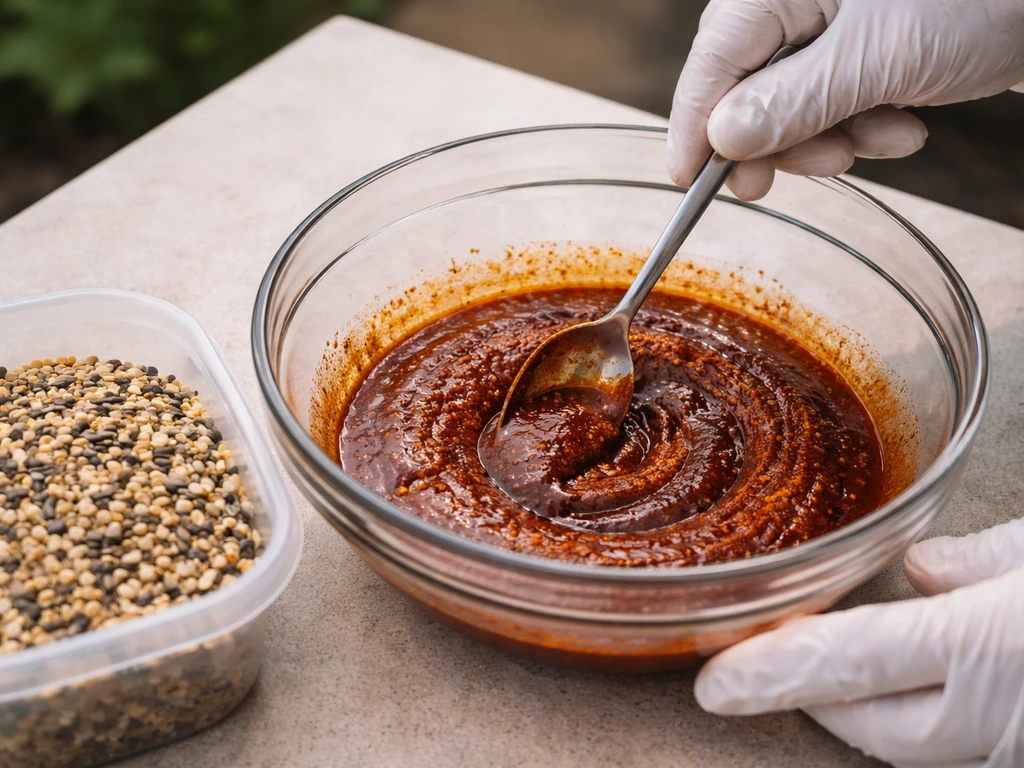
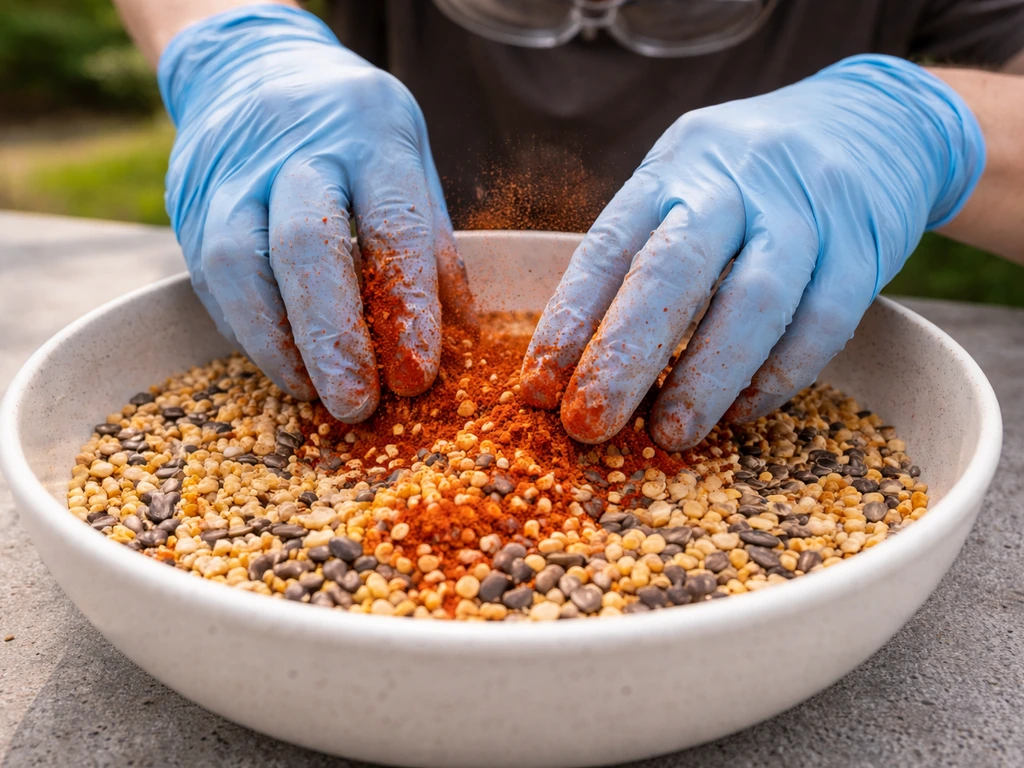
- Put on disposable gloves and eye protection before you start. Mix outdoors or in a well-ventilated space.
- Measure your seed into a large bowl or sealable container (a 5-gallon bucket with a lid works great for big batches).
- In a small separate bowl, whisk your measured chili powder into 1 to 2 teaspoons of vegetable oil or coconut oil per pound of seed to form a loose slurry. You're not making a paste, just enough oil to help the powder adhere.
- Drizzle the slurry over the seed and toss thoroughly for 2 to 3 minutes so every seed gets a light, even film.
- Spread the coated seed on a baking sheet or clean tray and let it air dry for 30 to 60 minutes before filling your feeder. This prevents gumminess and clumping inside the feeder.
- Wash your hands thoroughly with soap and water. Avoid touching your face until you do.
Method 2: Dry mix (faster, slightly less effective)
- Wear gloves and eye protection. Work outdoors or in a ventilated area and stand upwind.
- Add seed to a sealable container, sprinkle measured chili powder over the top, seal the lid tightly, and shake vigorously for 60 to 90 seconds.
- Let the container sit sealed for a few minutes so dust settles before opening.
- Open carefully, away from your face. Fill the feeder immediately to minimize open-air dust exposure.
- Wash hands after.
The oil method sticks better, lasts longer through light rain or humidity, and produces far less airborne dust. I'd use dry mixing only when you're in a hurry and the weather is dry. Avoid mixing on windy days regardless of which method you use. Clemson Extension specifically flags wind gusts as a real hazard for aerosolizing pepper residue.
Which animals it actually deters (and which it doesn't)
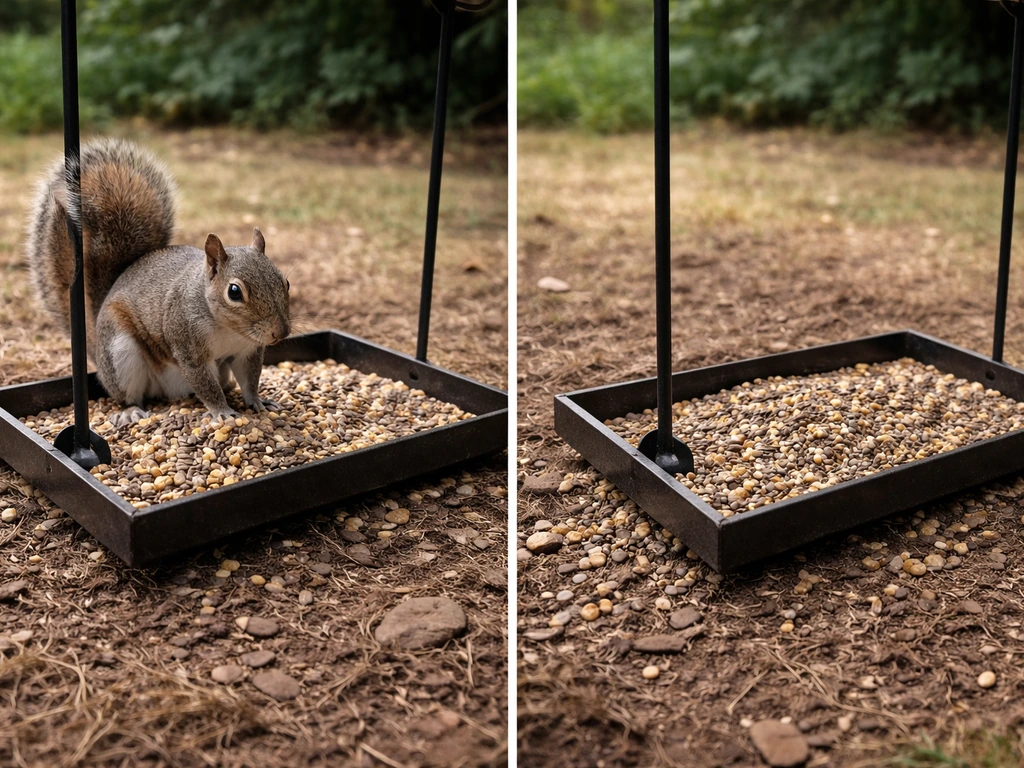
Chili powder works best on mammals with functional capsaicin-sensitive TRPV1 receptors. The Virginia Department of Wildlife Resources specifically recommends hot pepper seed as a squirrel deterrent, and that's really where it shines. Here's a realistic species-by-species breakdown: If you're wondering whether will cayenne pepper in bird seed keep rats away, the main idea is similar to other hot-pepper seed mixes, but it may not work well against all rodent pressure without additional deterrents.
| Animal | Likely Response | Notes |
|---|---|---|
| Gray/red squirrels | Usually deterred | Most consistent success; persistent individuals may habituate over time |
| Chipmunks | Usually deterred | Similar mammalian sensitivity to squirrels |
| Rats and mice | Often deterred | Ground spillage still attracts them regardless of feeder content |
| Raccoons | Mixed results | May investigate and then avoid; not reliable long-term |
| Bears | Not deterred | Virginia DWR explicitly states hot pepper seed will NOT deter bears — take feeders in if bears are present |
| Deer | Inconsistent | Some aversion, but not a reliable deterrent for persistent deer |
| Songbirds (chickadees, finches, sparrows, etc.) | Not deterred | Eat normally due to capsaicin-insensitive receptors |
| Pigeons and starlings | Not deterred | Birds in general are unaffected — if these are your problem, chili powder won't help |
If nuisance birds like starlings, house sparrows, or pigeons are your main problem, chili powder isn't the answer. If you're wondering whether hot bird seed works, chili powder is hit-or-miss depending on which pests you are trying to deter. Spicy bird seed can work for deterrence, but effectiveness depends on which animal you are trying to stop and how the seed is mixed. Those birds feel no heat at all, so you'll need to address feeder type and seed selection instead. Switch to feeders with weight-sensitive perches, use safflower seed (which many pest birds reject), or switch to nyjer for finches only. That's a different problem from rodent/squirrel pressure.
When chili powder won't fix the problem
Chili powder addresses the feeder, not the environment around it. In fact, “is everything seasoning bird seed” usually refers to using a popular savory blend in bird feed, but the safety and effects depend on the exact ingredients and how the mixture is applied. If your setup has any of these issues, the deterrent will underperform no matter how much you use.
- Spilled seed on the ground: USDA APHIS and K-State Extension both flag ground-level food accumulation as the main driver of rodent and wildlife attraction. Even perfectly peppered feeder seed won't help if you have a pile of spilled seed under the feeder. Clean up spills daily and use a tray with a catch to minimize waste.
- Wet or sprouted seed in the feeder: Moisture degrades the chili coating, promotes mold, and creates fermented seed that can actually attract some wildlife. If you're seeing clumped, sprouted, or moldy seed, empty and scrub the feeder before refilling with a fresh pepper-treated batch.
- Nearby food sources: A garbage can, compost bin, or neighbor's unsecured food source nearby will keep rodents in the area regardless of what's in your feeder.
- Squirrels that have habituated: Some individual squirrels, especially persistent ones that have been at your feeders for a long time, may test peppered seed repeatedly and eventually habituate. If you've been at full dose (3 tablespoons per pound) for three weeks with no change, switch tactics: use a weight-activated or baffle-equipped feeder.
- Bears: As noted, capsaicin does not deter bears. If you have bear activity, the only effective response is bringing feeders indoors at night or removing them entirely during active seasons.
When chili powder isn't enough, the most effective next steps are mechanical: a squirrel baffle on the feeder pole, a caged feeder that physically excludes larger animals, and consistent cleanup of spilled seed. These work reliably regardless of what wildlife is in your yard. Storage also matters: if you're buying seed in bulk, store it in sealed metal or thick plastic containers so rodents can't access your supply directly.
Staying safe: handling, pets, kids, and feeder cleanup
During mixing and filling
- Always wear disposable gloves. Capsaicin absorbs through skin and transfers easily from fingers to eyes.
- Wear eye protection if you're mixing dry powder, especially outdoors where a breeze can send dust into your face.
- Mix in a well-ventilated space and stand upwind. If you're asthmatic or have respiratory sensitivity, wear an N95 mask — OSHA and Poison Control both note capsaicin dust can trigger respiratory distress in susceptible individuals.
- Never mix or fill feeders indoors in an enclosed kitchen. Even moderate amounts of airborne pepper dust are intensely irritating in confined spaces.
- Wash hands thoroughly with soap and water after handling, before touching your face, cooking, or handling contact lenses.
Pets and kids around peppered feeders
Dogs and cats have the same capsaicin sensitivity as other mammals, so keep pets away from areas where peppered seed or powder residue has spilled. If a dog sniffs or licks fresh pepper-coated seed off the ground, expect an uncomfortable reaction: pawing at the face, drooling, and temporary distress. It's not dangerous in small amounts, but it's unpleasant and avoidable. Small children should also be kept away from feeder areas during filling and from any seed that has fallen to the ground, both for the pepper irritation risk and for general hygiene reasons.
Cleaning feeders with chili powder residue
- Wear gloves and eye protection when scrubbing feeders that have pepper-coated seed residue inside.
- Empty old seed and residue into a sealed bag before washing — don't shake it out dry near your face or in an enclosed space.
- Scrub the feeder with hot water and a 10% white vinegar solution or a small amount of dish soap. A bottle brush works well for tube feeders.
- Rinse thoroughly and let the feeder air dry completely before refilling. Moisture left inside the feeder will clump the next batch of peppered seed.
- Clean feeders every 2 weeks as a baseline, or more often in humid weather when mold and spoilage happen faster.
- Dispose of old, clumped, or moldy peppered seed in a sealed bag in the trash — not in compost, where it can attract wildlife.
Consistent feeder hygiene matters independently of whether you're using chili powder. Residue buildup, wet seed, and mold are the most common reasons feeders stop attracting the birds you want. If you're adding chili powder to seed that's already going bad, you're solving the wrong problem first. Start with a clean, dry feeder, fresh dry seed, and then add your pepper treatment to a batch you're confident will last a week or less in your climate.
FAQ
How do I measure “1 tablespoon per pound” accurately if my chili powder is coarse?
Use a level tablespoon (not heaping) and, if your powder is chunky, grind it finer first. Coarse chili mixes clump and settle faster, which increases dust and makes the dose less even across the feeder.
Is it better to pre-mix chili powder with all the seed, or treat only the daily portion?
Treat smaller batches more often. Chili powder dust settles quickly in a bin, and a day or two later the top layer can be hotter than the bottom, so daily batches keep dosing more consistent and reduce leftover residue exposure.
What’s the safest way to mix chili powder so it doesn’t airborne irritate me?
Mix outdoors or in a well-ventilated area, wear eye protection and a particulate mask, and avoid pouring from height. Stir gently in a sealed container (shake inside the container, then open carefully) to limit airborne dust.
Should I use regular chili powder, or does “hot” chili blend change the ratio?
Stick to the same starting ratio, but expect variability. Different blends can have very different capsaicin strength, so if you see heavy squirrel activity after 10 to 14 days, increase gradually rather than jumping to the high end immediately.
What if the birds are eating the seed normally, but squirrels still steal it?
That often means the dose is not staying on the seed long enough. Switch from dry mixing to an oil-based coating, and consider feeder upgrades like a squirrel baffle or caged feeder, since mechanical exclusion usually outperforms flavor deterrents.
Will chili powder stop birds like starlings and house sparrows from feeding?
Usually not reliably. Those nuisance birds are not deterred by capsaicin heat, so addressing feeder design (weight-sensitive perches, seed type like safflower for many pests, and finch-only setups for nyjer) tends to work better than increasing chili.
How soon should I expect changes after applying chili powder to the seed?
Often you’ll see results within several feedings, but use a full adjustment window of 10 to 14 days before concluding it failed. During that time, watch whether powder is drifting or settling away from the portion birds actually eat.
Can I sprinkle chili powder directly on the feeder instead of mixing it with seed?
That approach usually creates more airborne residue and less consistent coverage. The article recommends oil coating or careful mixing for steadier application, and direct dusting also increases mess and irritation risk.
Is there a difference in effectiveness between using chili powder versus hot pepper flakes or cayenne?
Effect can be similar in intent, but flakes and cayenne can create more airborne particles if they’re added loose and not well coated. Keep the dose conservative, and prefer finer powders or an oil-based method to reduce dust.
What should I do if chili-coated seed spills or lands on the ground?
Clean it up promptly. Spilled pepper residue can irritate pets and small children, and it also attracts pests differently over time. Sweep, bag the debris, and wipe the area with soapy water when possible.
Can I use chili powder if I have an asthma condition or respiratory sensitivity?
It’s riskier because pepper dust can trigger airway irritation, especially with dry mixing. If you are sensitive, avoid dry dusting entirely, minimize aerosolization, and consider switching to mechanical deterrents or a pre-made spicy bird seed product that limits handling.
How should I store mixed chili seed so it doesn’t become too dusty or lose effectiveness?
Store in a sealed metal or thick plastic container, and keep it in a cool, dry place. Check for clumping or strong dust release, if it does, discard that batch and mix fresh because uneven settling makes dosing unpredictable.
What feeder hygiene steps matter most when using chili powder?
Start with a clean, dry feeder, remove wet or clumped seed, and prevent residue buildup. Chili residue plus humidity can make feeders less attractive, so regular emptying and drying helps both deterrence and bird attendance.
Are there situations where I should stop using chili powder entirely and switch strategies?
Yes, if you can’t control dust despite careful mixing, if birds reduce visits after residue buildup, or if pets have access to the area. At that point, switch to baffles, caged feeders, and cleanup routines, since those are more reliable and avoid repeated handling of irritants.