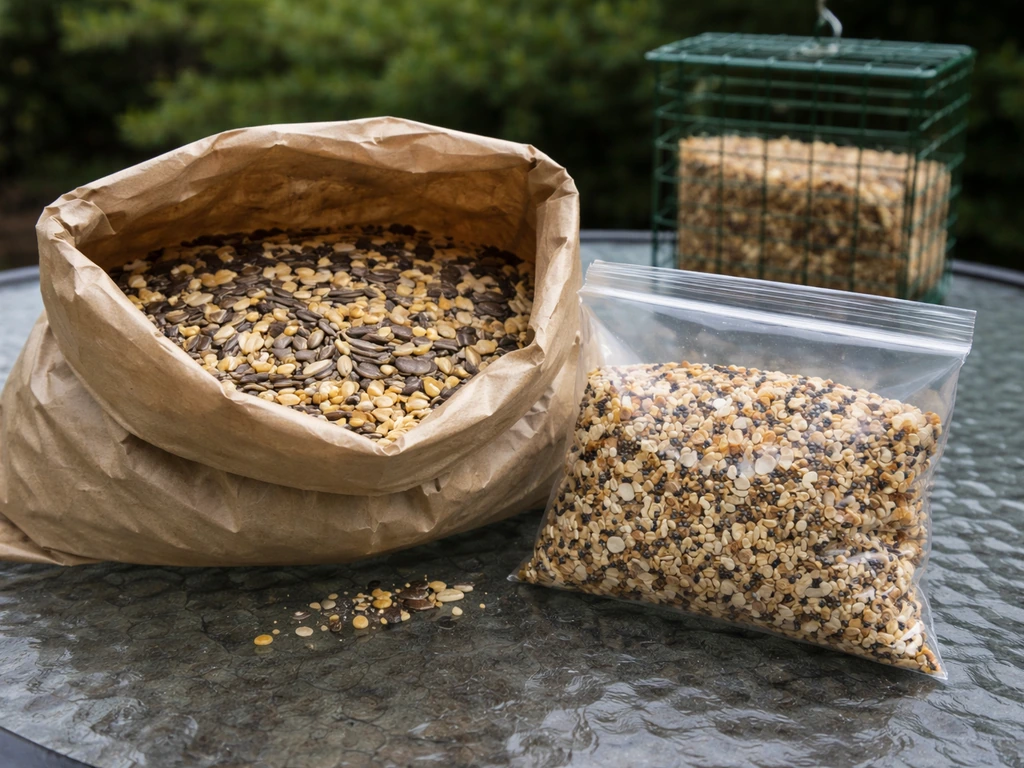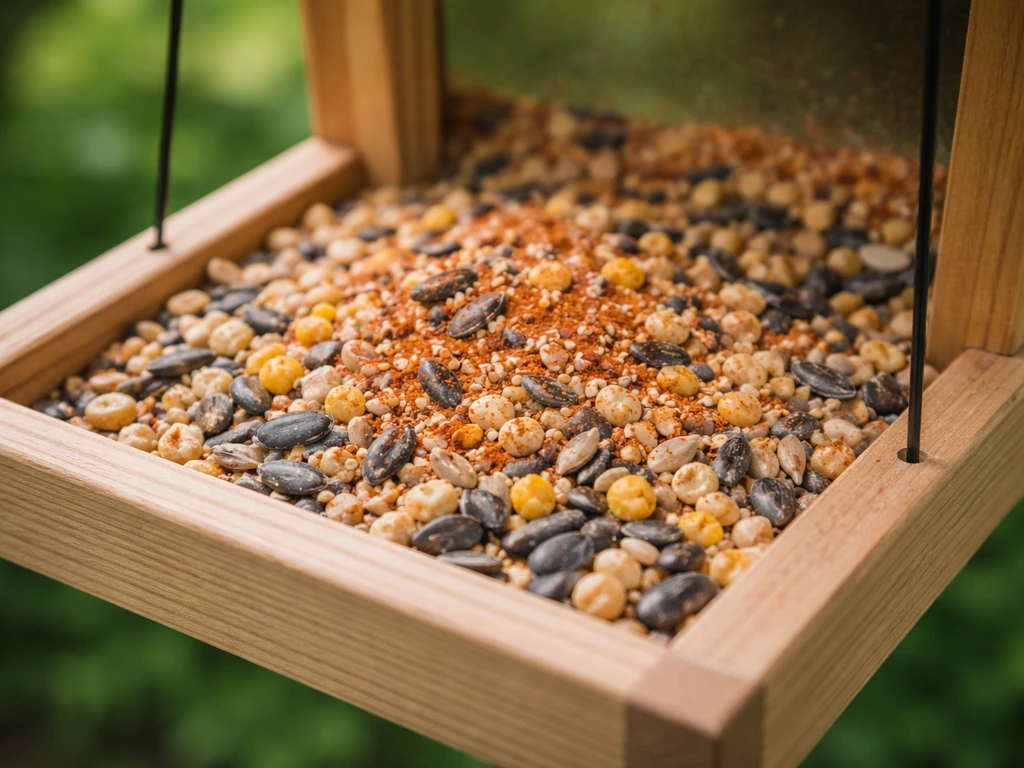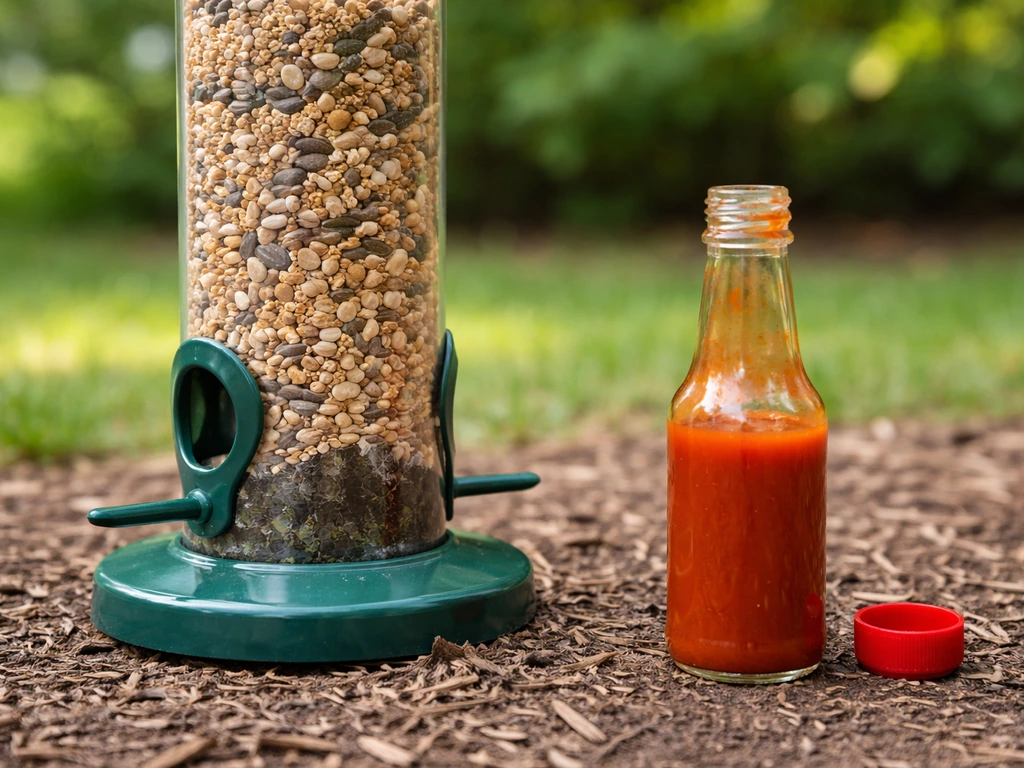
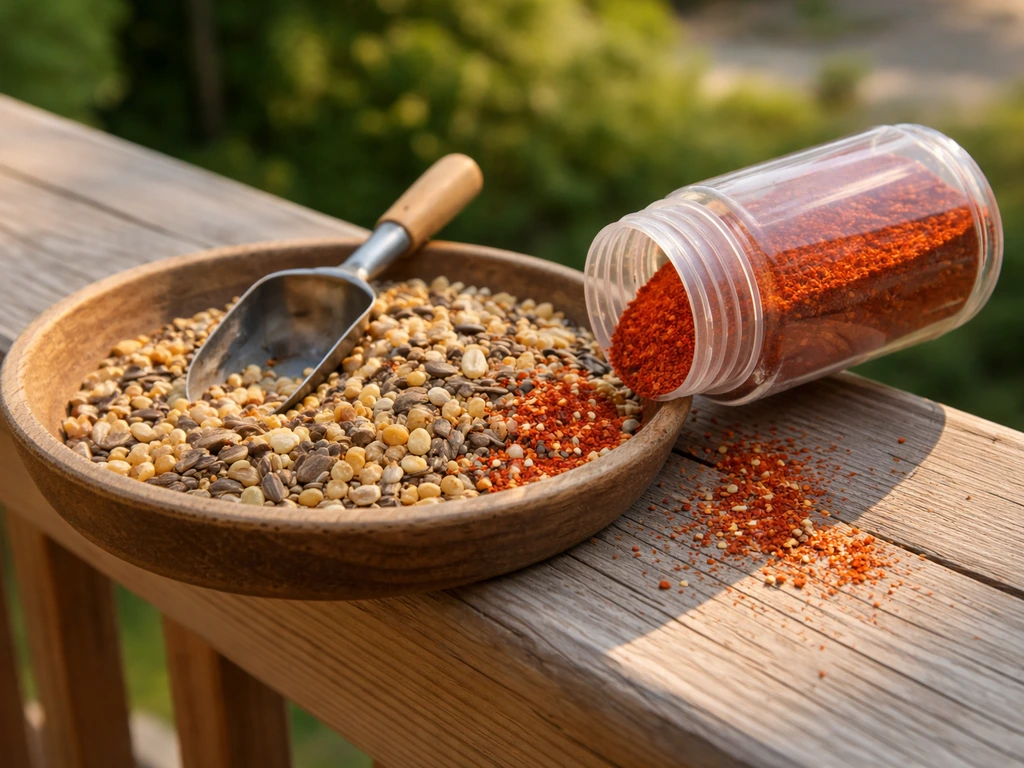
Start with 1 tablespoon of ground cayenne pepper per cup of bird seed, or 2 to 3 tablespoons per pound. That's the range most backyard birders use, it's what the research loosely supports, and it's enough to deter squirrels without bothering the birds at your feeder. If squirrels in your yard are persistent, you can double it. Birds don't react to capsaicin the way mammals do, so the pepper is essentially invisible to them. That invisibility to birds is exactly why the question does spicy bird seed work depends more on which pests you are targeting.
How Much Red Pepper to Add to Bird Seed Dosing Guide

Maya Collins
12 Jun 2026
Why add red pepper to bird seed (and what it actually deters)
The reason this works comes down to receptor biology. Mammals, including squirrels, rats, mice, and raccoons, have a heat-sensing receptor called TRPV1 that gets activated by capsaicin, the compound that makes chili peppers burn. Birds have the same receptor, but a single amino acid difference means capsaicin doesn't activate it. So squirrels bite into a treated seed, feel an unpleasant burn, and learn quickly to avoid the feeder. Birds pick up the same seed and feel nothing.
Field research backs this up. Studies testing capsaicin-treated seed at feeders found that squirrel feeding dropped noticeably while bird species composition stayed exactly the same. The birds didn't shift away or stop visiting. That's a useful outcome: you're not trading a squirrel problem for an empty feeder.
That said, be honest about what red pepper can and can't do. It works best against squirrels. Rats and mice are a harder case. Rats often feed on spillage on the ground beneath the feeder, where treated seed has already fallen and scattered. They may never take a direct bite of the hot seed itself. Raccoons are opportunistic enough that a moderate burn may not stop them if food is accessible. Red pepper in seed is not a rodent-proof solution on its own, and it does nothing against mold, insects, or sprouting seed.
Choosing the right red pepper type and form
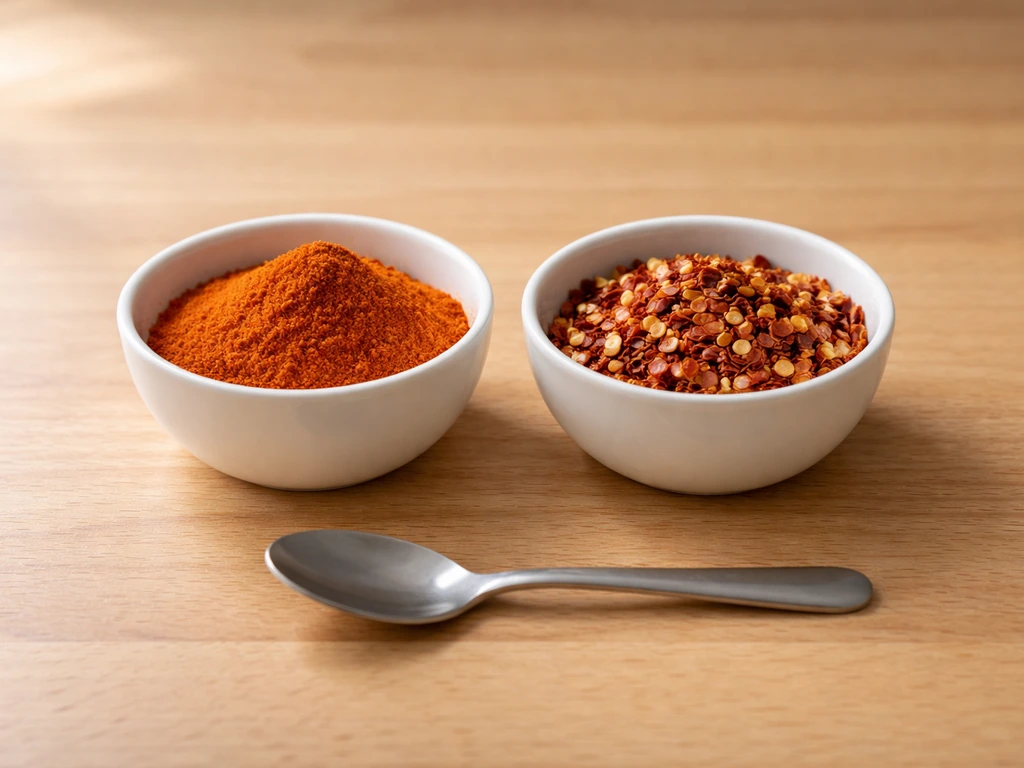
Ground cayenne powder is the better choice for mixing into dry seed. It distributes evenly, coats seed surfaces consistently, and stays in place better than coarse flakes. Standard grocery-store cayenne runs roughly 30,000 to 50,000 Scoville Heat Units (SHU), which sits comfortably in the effective range supported by capsaicin deterrence research. For reference, tested treatments that showed meaningful squirrel deterrence ranged from about 27,500 SHU up to 82,500 SHU. Grocery cayenne gets you there.
Crushed red pepper flakes can also work, and they're often what people already have in the kitchen. The downside is that flakes are coarse and don't coat each seed evenly. Larger birds may eat around them or pick them out; smaller mammals may do the same. If you're using flakes, you'll generally need a higher volume to get comparable coverage, and mixing is messier. Ground cayenne is simply more practical for regular use.
| Form | Coverage | Ease of mixing | SHU consistency | Best for |
|---|---|---|---|---|
| Ground cayenne powder | Even coating on seed surfaces | Easy, blends well | Consistent (30,000–50,000 SHU typical) | Regular use, best overall choice |
| Crushed red pepper flakes | Uneven, coarse pieces | Messier, clumps | Variable | Short-term or supplemental use |
| Capsaicin oil/spray | Can coat evenly if applied carefully | Requires drying time | High, controllable | Very persistent squirrels, outdoor use only |
Capsaicin oil sprays are also available from wild bird supply retailers. They tend to stick better and last longer through light rain, but they require more careful handling and you need to let seed dry completely before filling the feeder. For most people, cayenne powder is the easiest starting point.
Exact dosing guide: how much red pepper per cup or per pound
Here's the practical range that shows up consistently across DIY recommendations and loosely tracks with research on capsaicin concentration and deterrence. Biology Insights cites the common home-guideline ratio of blank" rel="noopener noreferrer">one to three tablespoons of cayenne powder per pound of seed for dry application onto birdseed. If you're wondering how much chili powder in bird seed to start with, the section on exact dosing per cup or per pound will tell you the practical range. Use this as your starting point and adjust based on results.
| Seed quantity | Starting dose (cayenne powder) | High-end dose (persistent squirrels) |
|---|---|---|
| 1 cup of seed | 1 tablespoon | 2 tablespoons |
| 1 pound of seed (~3.5 cups) | 2–3 tablespoons | 4–6 tablespoons |
| 5 pounds of seed | 10–15 tablespoons (about 2/3 to 1 cup) | Double if needed |
Start at the lower end. If squirrels are still visiting after a week, increase to the high end. There's no established point at which more cayenne becomes harmful to birds, but there's also no reason to go dramatically beyond the high-end dose. If doubling doesn't change squirrel behavior, the pepper approach alone probably isn't enough and you'll need physical deterrents alongside it. If you're wondering whether this hot bird seed actually works in practice, reviews and field evidence suggest results vary with the pest you are targeting and your dosing pepper approach alone.
For red pepper flakes, roughly double the volume compared to ground cayenne to get similar coverage, since flakes have air gaps and don't coat as efficiently. So about 2 tablespoons of flakes per cup of seed as a starting point.
Mixing and handling safely
Protect yourself first
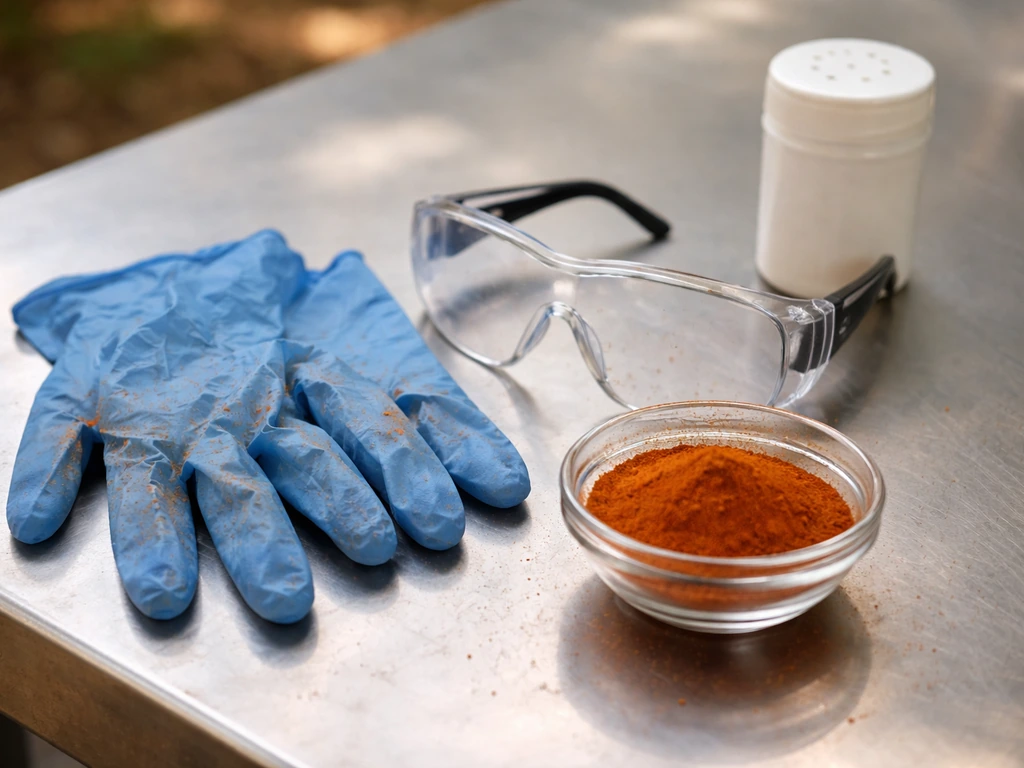
Capsaicin is a serious irritant. The National Pesticide Information Center lists it as very irritating to skin and eyes, and notes that inhaling airborne powder can cause coughing, difficulty breathing, tearing, and nasal irritation. When you're mixing a tablespoon or more of cayenne into seed, you're generating enough fine dust to cause real discomfort if you're not careful.
- Wear nitrile or rubber gloves every time you handle the cayenne or the mixed seed
- Work outdoors or in a well-ventilated area, not in your kitchen
- Consider a basic dust mask or N95 if you're mixing large batches (several pounds at once)
- Keep children and pets away from the mixing area
- Wash hands thoroughly after handling, even if you wore gloves
- Don't touch your face or eyes during or after mixing
If a child or pet gets into treated seed or inhales a significant amount of powder, contact Poison Control (1-800-222-1222 in the US) or your vet for guidance. If a child or pet gets into treated seed or inhales a significant amount of powder, contact Poison Control (1-800-222-1222 in the US) or your vet for guidance can you put hot sauce on bird seed. Eye exposure from capsaicin powder needs to be flushed immediately with clean water.
How to mix it properly
- Measure your seed into a large container with a lid, like a clean bucket or large mixing bowl
- Add the cayenne powder at the measured ratio
- Put the lid on and shake or stir gently with a long spoon to distribute evenly
- If stirring in an open container, stir slowly to minimize dust clouds
- Let the mix settle for a minute before opening fully
- Fill feeders outdoors, not indoors, to keep pepper dust out of your home
One practical note: if you're adding a small amount of vegetable oil or coconut oil (about half a teaspoon per cup of seed) before adding the cayenne, the powder sticks to the seed surface much better. This also reduces the amount of loose powder that falls through feeder trays. It's optional but it makes a noticeable difference in how well the coating holds.
When to adjust the amount
Target animal behavior
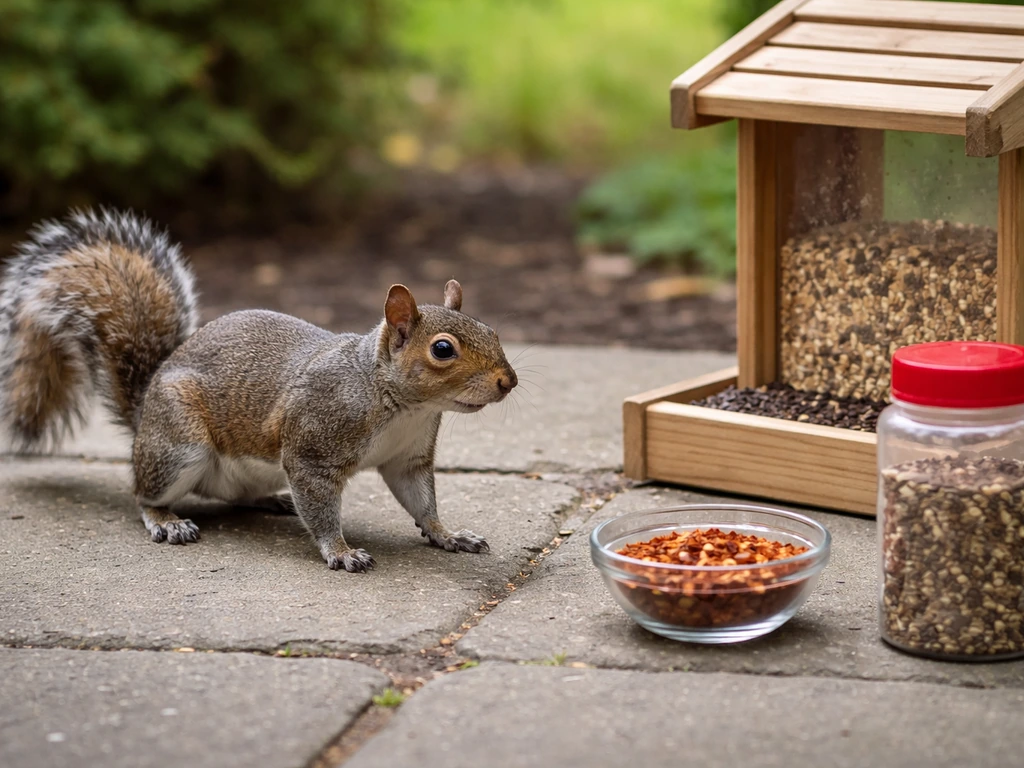
Squirrels vary by individual boldness and local population pressure. Research suggests deterrence is dose-dependent, meaning more cayenne (higher SHU) produces stronger avoidance. If you're dealing with particularly persistent squirrels, move to the higher end of the dosing range. A single unpleasant experience is often enough for squirrels to abandon a feeder, but in high-density neighborhoods where food is scarce, some individuals will push through mild discomfort.
For rats and mice, increase physical exclusion measures rather than relying on higher cayenne doses. These animals often feed on fallen seed beneath the feeder, so treated seed in the feeder itself doesn't solve the problem. Keeping the area under feeders clean of spillage matters more than dose strength.
Bird species and feeder type
Most common feeder birds, including chickadees, finches, nuthatches, cardinals, and sparrows, show no aversion to capsaicin-treated seed at practical dosing levels. There's no evidence from field studies that any typical backyard bird species avoids treated seed. If you are wondering whether everything seasoning bird seed works the same way as cayenne, it likely depends on what ingredients it contains is everything seasoning bird seed. That said, if you're feeding very specialized birds with sensitive digestive systems or feeding nestlings directly, maintain an untreated supplemental feeder as a precaution, since formal safety studies on all species and dose levels haven't been conducted.
Regional and seasonal notes
In wetter climates or during rainy seasons, capsaicin powder washes off seed faster because it isn't water-soluble. If you're getting regular rain, plan to reapply every few days or after each significant rainfall. In dry climates, a single batch can stay effective for a week or more. In colder regions, squirrel pressure often peaks in late fall and winter when other food sources are limited, so that's when higher doses and more frequent reapplication make sense.
Storage, cleanup, and handling wet or sprouted seed
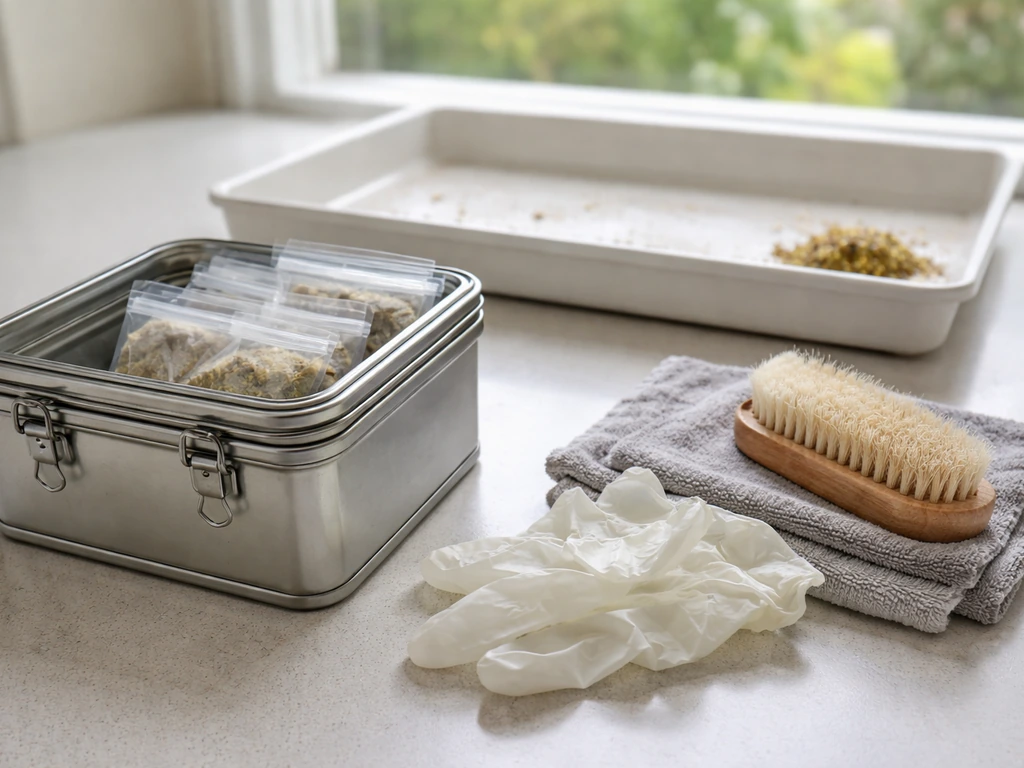
Store treated seed in a sealed, airtight container, ideally metal or heavy-duty plastic, in a cool and dry location. The capsaicin in the mix doesn't make seed last longer. Seed shelf life depends on moisture and temperature, not pepper content. Treated seed stored in a damp garage or left exposed to humidity will still go rancid, mold, or sprout just as untreated seed would.
If treated seed gets wet in the feeder, remove it promptly. Wet seed with cayenne mixed in becomes a dense, clumping paste that can clog feeder ports and create mold faster than plain wet seed. The same rule applies here as with any wet seed: discard it, clean the feeder with a 10% bleach solution, rinse well, and dry completely before refilling. Don't try to dry and re-use pepper-treated seed that has gotten soggy.
Sprouted seed is another version of the same problem. If you notice seeds germinating in the feeder tray or beneath it, the seed is too moist and old. Capsaicin doesn't stop sprouting. Clean out the tray, discard the sprouted seed, and consider switching to hulled or heat-treated seeds that can't germinate. Reapply cayenne to the fresh batch.
For cleanup after mixing, rinse your container and spoon with dish soap and warm water. Capsaicin is oil-based, so soap helps break it down. Don't rinse cayenne-contaminated materials near storm drains or where pets might lick surfaces. Capsaicin doesn't move readily in soil, but concentrated washing runoff near pet areas or play spaces is worth avoiding.
If red pepper fails: stronger deterrents and feeder fixes
Red pepper is a useful tool but it's not a standalone fix for every pest situation. If you've been using 3 tablespoons per pound consistently, reapplying after rain, and squirrels or other animals are still raiding the feeder, it's time to layer in physical deterrents.
- Baffles: A dome or cylinder baffle mounted on the feeder pole, at least 18 inches from the feeder and 5 feet off the ground, physically blocks squirrels from climbing to the seed
- Cage-style squirrel-proof feeders: Wire cages with openings sized for small birds let birds feed while blocking larger animals entirely
- Feeder placement: Move feeders at least 10 feet from tree branches, rooftops, or fences that squirrels can jump from
- Spillage control: Use a seed tray with a catch basin and sweep up fallen seed daily, which removes the ground-level food source that attracts rats and mice regardless of cayenne treatment
- Weight-sensitive feeders: These close ports when anything heavier than a typical songbird lands, mechanically excluding squirrels and larger animals
For rats specifically, the feeder setup and ground hygiene matter far more than any seed treatment. If rats are the primary problem, switch to a no-mess or hulled seed blend to minimize spillage, mount feeders on smooth metal poles with baffles, and consider feeding only as much seed as birds consume in a single day so nothing sits overnight.
One honest note: some reviews of capsaicin-based deterrents, including assessments by naturalist experts, report inconsistent real-world results depending on local wildlife pressure. If you're in a dense urban or suburban area with high squirrel populations and limited alternative food sources, pepper alone is unlikely to fully solve the problem. The most effective approach combines treated seed with a good baffle and smart feeder placement. Use the cayenne as one layer, not the whole strategy.
A simple plan for testing and evaluating results
- Mix your first batch at 1 tablespoon of cayenne per cup of seed (or 2 tablespoons per pound)
- Fill the feeder and observe over 3 to 5 days, noting whether squirrel visits decrease
- If squirrels are still frequent after 5 days, double the dose for the next batch
- Reapply after any rain or after the feeder empties completely
- If two weeks at the high dose doesn't meaningfully reduce squirrel activity, add a physical baffle and reassess feeder placement
- Keep ground beneath the feeder clean of spillage regardless of which deterrent method you're using
FAQ
Can I use regular chili powder instead of ground cayenne?
Often you should not treat it as the same. Chili powder is usually a blend (for example paprika, garlic, cumin) and the capsaicin level can vary widely, so the “per cup” dose becomes inconsistent. If you use a blend, test with a small batch first and expect weaker or unpredictable deterrence compared with plain cayenne.
How long does pepper-treated bird seed stay effective after mixing?
The pepper itself loses potency slowly compared with seed quality, but treated seed can still go rancid or mold if moisture gets in. In practice, use within the same general timeframe you would for untreated seed, and keep it sealed and dry. If it smells stale or looks damp, discard it rather than “refreshing” with more pepper.
Should I treat the entire bag of seed or mix small batches?
Mix smaller batches if you expect rain, heavy squirrel pressure, or you are still dialing in the dose. That way you can reapply promptly after storms without leaving a large treated supply sitting for weeks. If you do treat a whole bag, store it airtight and keep it cool and dry.
Do I need to remove loose pepper residue from the feeder area?
Yes, if you want less mess and fewer off-target interactions. Loose powder can blow off and accumulate on surfaces where pets, kids, or other wildlife may contact it. Brush or wipe around the feeder during refills, and wash tools with soap and warm water as directed in the cleanup section.
Will pepper-treated seed harm my feeder or clog ports?
It can, especially if the seed gets wet and becomes pasty, which is more likely with powder-based mixes. The fix is straightforward: remove wet seed immediately, clean the feeder (10% bleach solution), rinse thoroughly, and dry completely. Do not try to dry and reuse clumped treated seed.
How do I adjust the dose if birds stop coming, even though the article says they usually tolerate it?
First confirm it is actually the birds and not something else, like feeder cleanliness or reduced seed volume. If bird activity drops right after treatment, try reducing the cayenne dose to the lower range next batch and ensure the powder is evenly coated (optionally using the small oil amount). Also keep an untreated backup feeder running during the adjustment period.
Can I sprinkle pepper on top instead of mixing into the seed?
Sprinkling generally works poorly because you get uneven coating and more loose powder falls through trays. Mixing ground cayenne into the bulk seed gives consistent surface coverage, which is what deterrence depends on. If you must do it for a quick test, expect weaker deterrence and more mess.
What’s the safest way to protect myself while mixing cayenne into seed?
Wear eye protection and a dust mask, mix outdoors or in well-ventilated areas, and avoid stirring in a way that clouds powder. Use dry measuring tools, keep your face away from the bowl, and clean up immediately after. If any powder gets in your eyes, flush with clean water right away.
What if I accidentally used too much red pepper, can I dilute or salvage it?
You can dilute by adding more untreated seed and re-mixing to bring the overall ratio back down. Do this in a new batch container so you do not leave overly peppery seed sitting in the feeder. If it looks clumped or has gotten wet, do not salvage it, discard it and start fresh.
Is it better to start with cayenne powder or capsaicin oil spray?
For most people, cayenne powder is the easiest starting point because it mixes into dry seed and requires less careful handling. Oil sprays tend to stick longer, but they demand more careful application and full drying before filling. Choose sprays if you live somewhere with frequent rain and you are comfortable with the extra prep steps.
How can I tell whether squirrels are learning the deterrent versus being blocked by something else?
Track timing and behavior: deterrence usually shows up within about a week as squirrels test less often or avoid the feeder at peak activity times. If nothing changes, or only birds stop visiting, reassess dose, wetness or clumping issues, and whether a physical baffle or placement problem is the real driver.
What feeder setup changes help if pepper alone is not working?
Use a baffled feeder and focus on reducing access paths. Mounting on smooth poles, keeping the area under the feeder cleaned of spillage, and feeding only the amount birds consume in a day can dramatically improve outcomes. If squirrels are dropping seed, consider smaller portions and more frequent refills rather than one large overnight fill.