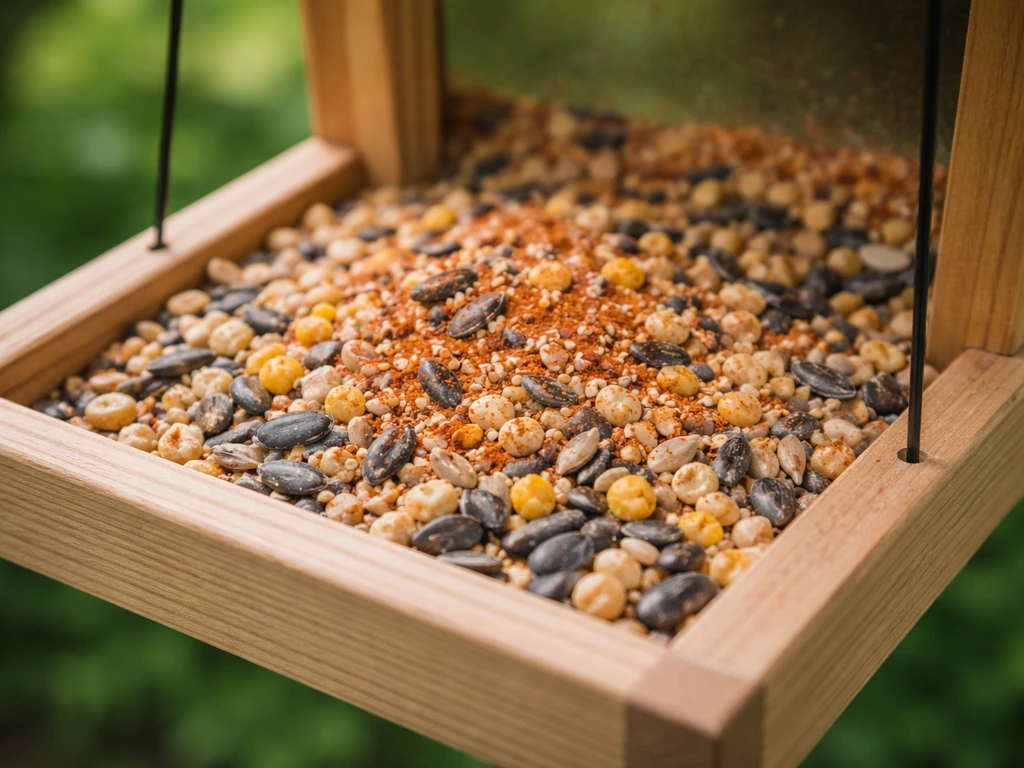
Everything seasoning is not safe for birds. The blend typically contains salt, dehydrated garlic, and dehydrated onion, and all three of those ingredients are genuinely harmful to birds, not just mildly questionable. If you accidentally sprinkled it on seed or mixed it in, stop feeding that seed immediately, remove it from the feeder and the ground, and clean your feeder before refilling with plain seed. Even a small amount is worth taking seriously, especially if birds have already been eating it.
Is Everything Seasoning Bird Seed Safe? What to Do Now
Maya Collins
6 Jun 2026
What's actually in everything seasoning
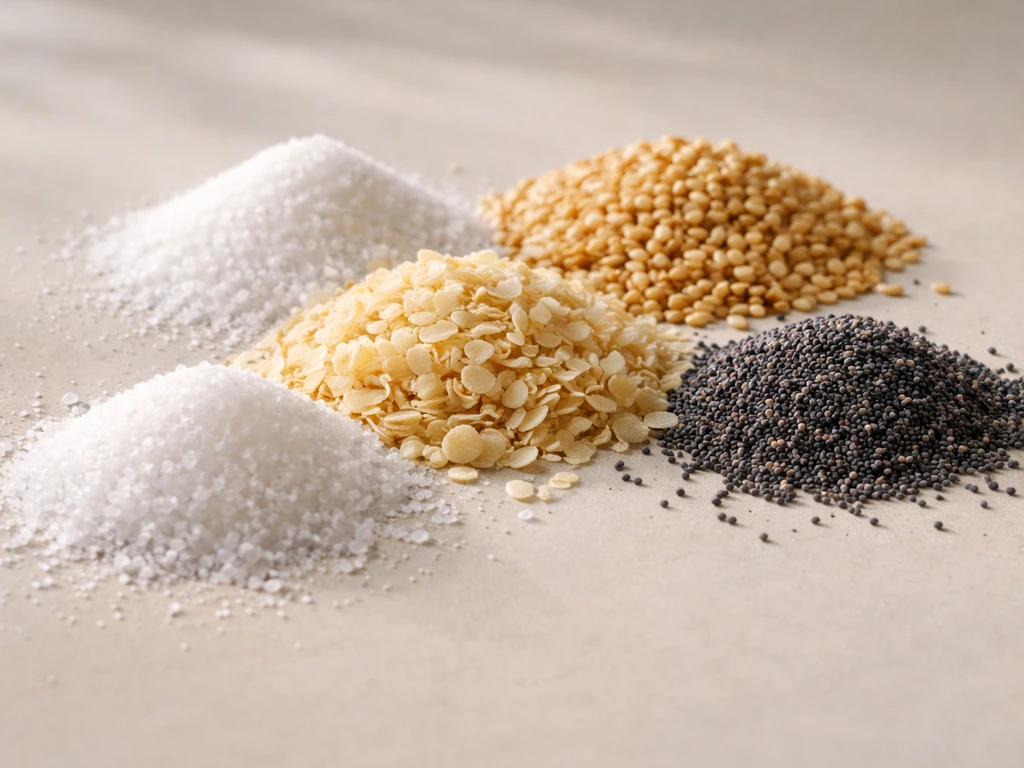
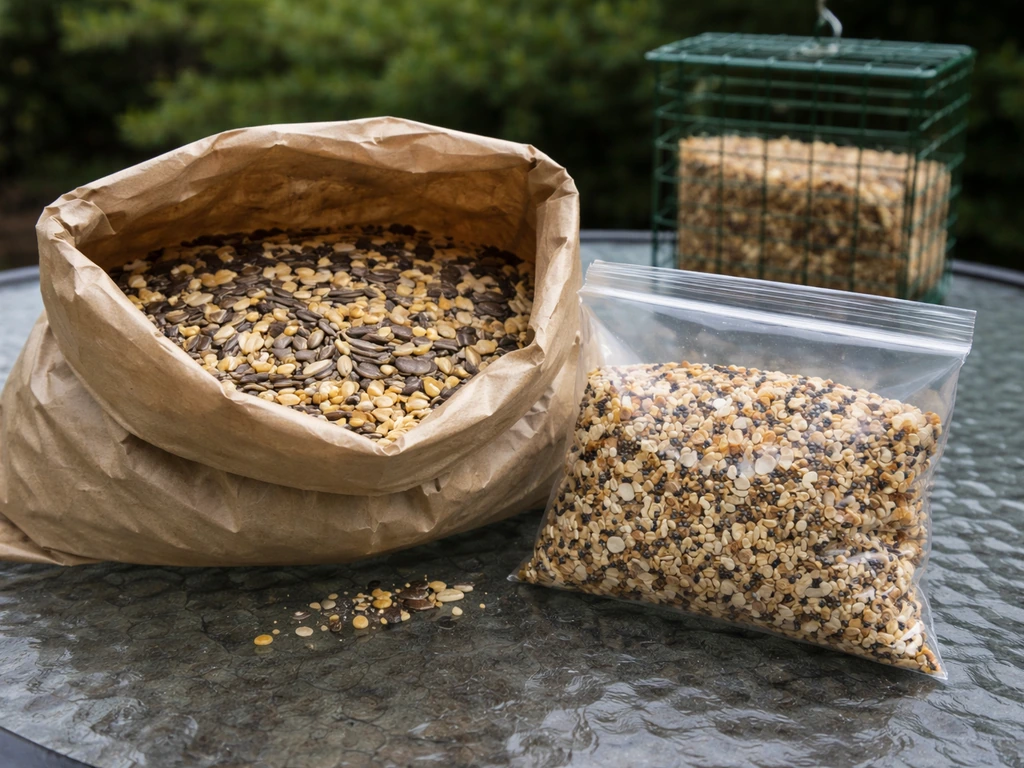
Most supermarket everything-bagel blends follow roughly the same recipe. Brands like Club House and Trader Joe's both list dehydrated garlic, dehydrated onion, white and black sesame seeds, poppy seeds, sea salt, and sometimes a touch of oil (usually high-oleic sunflower oil) to help the seasoning stick. Trader Joe's 'Everything but the Bagel' blend, for example, contains 80 mg of sodium per serving. That sounds small for a person, but birds are tiny animals with completely different physiology and sodium handling capacity.
The sesame seeds and poppy seeds are the only components that are essentially harmless to birds. The rest of the ingredient list is the problem.
Why salt, garlic, and onion are risky for birds
Salt
Birds' kidneys are not built to handle concentrated salt the way mammal kidneys are. Even small amounts of dietary sodium beyond what naturally occurs in seeds and insects can overwhelm their system. Salt toxicity in birds is a documented veterinary concern, and research from 2025 notes that road salt impacts on wild birds are likely underestimated. If you suspect a bird has consumed salty food, providing immediate access to fresh, clean water can help flush the excess sodium, and contacting a wildlife rehabilitator is the right call if a bird looks lethargic or unwell.
Garlic and onion
Garlic and onion belong to the Allium family, and Allium toxicosis is a well-documented condition in animals. According to the Merck Veterinary Manual, ingestion can cause Heinz body formation and methemoglobinemia, which means red blood cell damage and reduced oxygen-carrying capacity. Symptoms typically begin within 24 hours and peak around 72 hours after exposure. The dehydrated forms in seasoning blends are actually more concentrated than fresh garlic or onion, so the risk per gram is higher, not lower.
Does a tiny amount still matter?
This is the question most people ask, and the honest answer is: it depends on how small 'tiny' is and how many birds ate it. Does spicy bird seed work? It does not, because peppery or “seasoned” additives can still increase avoidable risk for birds. A light dusting across a small feeder could mean dozens of birds each picking up trace amounts. Small birds like finches and sparrows weigh only 12 to 30 grams, so dose-per-body-weight adds up fast. A one-time accidental sprinkle is much lower risk than regular or repeated exposure, but it still warrants removing the contaminated seed and cleaning the feeder rather than waiting to see what happens.
What to do if you already mixed it in or sprinkled it
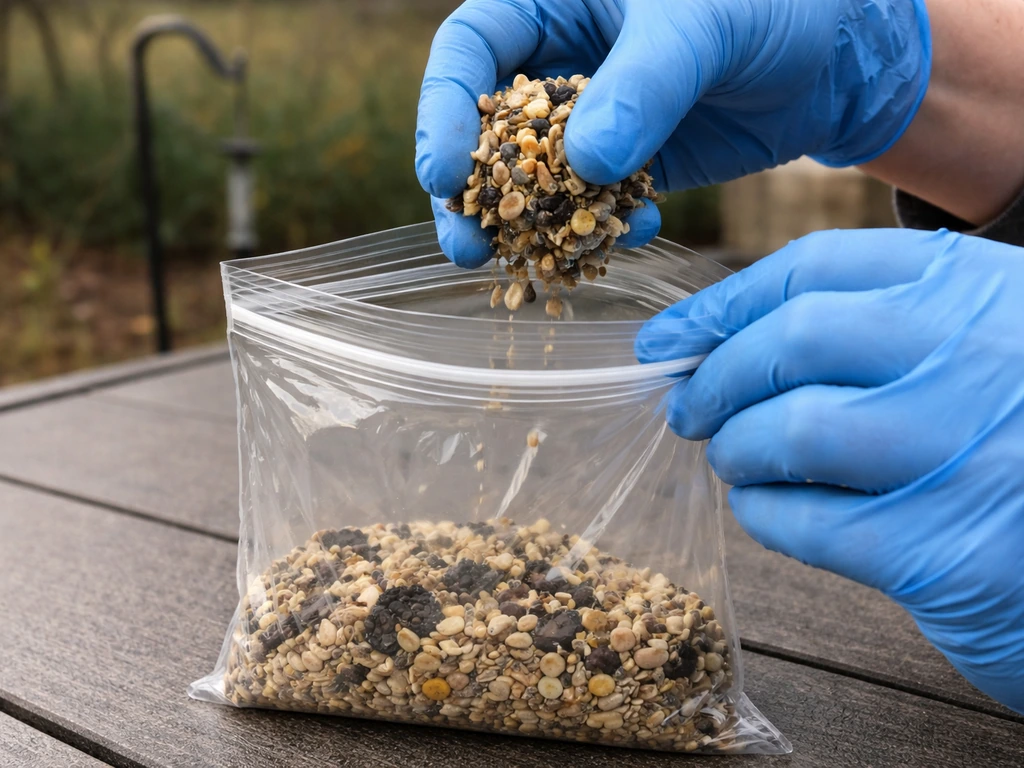
- Stop feeding immediately. Remove the feeder from its hook or pole so birds cannot continue accessing the seed.
- Bag and discard the contaminated seed. Put it in a sealed bag and into the trash, not compost, since other wildlife may dig through compost.
- Scatter fresh, unseasoned seed at a different spot only after the feeder is clean, so birds have an alternative while you handle cleanup.
- Set out a shallow dish of fresh, clean water near the feeding area. This helps any birds that already ate some of the seasoning flush excess salt.
- Watch for any birds that appear lethargic, are sitting fluffed on the ground, or seem disoriented over the next 24 to 72 hours. Contact a local wildlife rehabilitator if you see these signs.
Salvage or discard: can you save contaminated seed?
In most cases, discard it. You cannot reliably rinse dehydrated garlic, onion, and salt out of loose seed. The seasoning clings to seed surfaces and seeps into any small cracks or hull seams, and rinsing introduces moisture, which dramatically accelerates mold growth and attracts pests. Wet seed also compacts inside feeders and goes rancid within a day or two in warm weather.
The cost of a bag of fresh seed is far lower than the effort of trying to rehabilitate contaminated seed, or the risk of a sick bird. If you are trying to keep rats away, skip household “repellent” ideas like cayenne in seed and use proven pest-proofing methods instead will cayenne pepper in bird seed keep rats away.
The only scenario where you might partially salvage seed is if the seasoning was lightly sprinkled on the very top layer of a full hopper feeder and the rest of the seed below is untouched. In that case, remove and discard the top layer generously (at least the top two inches), inspect the remaining seed carefully for any visible seasoning, and give the feeder a full clean before reloading it. When in doubt, throw it out.
How to clean feeders and trays after contamination
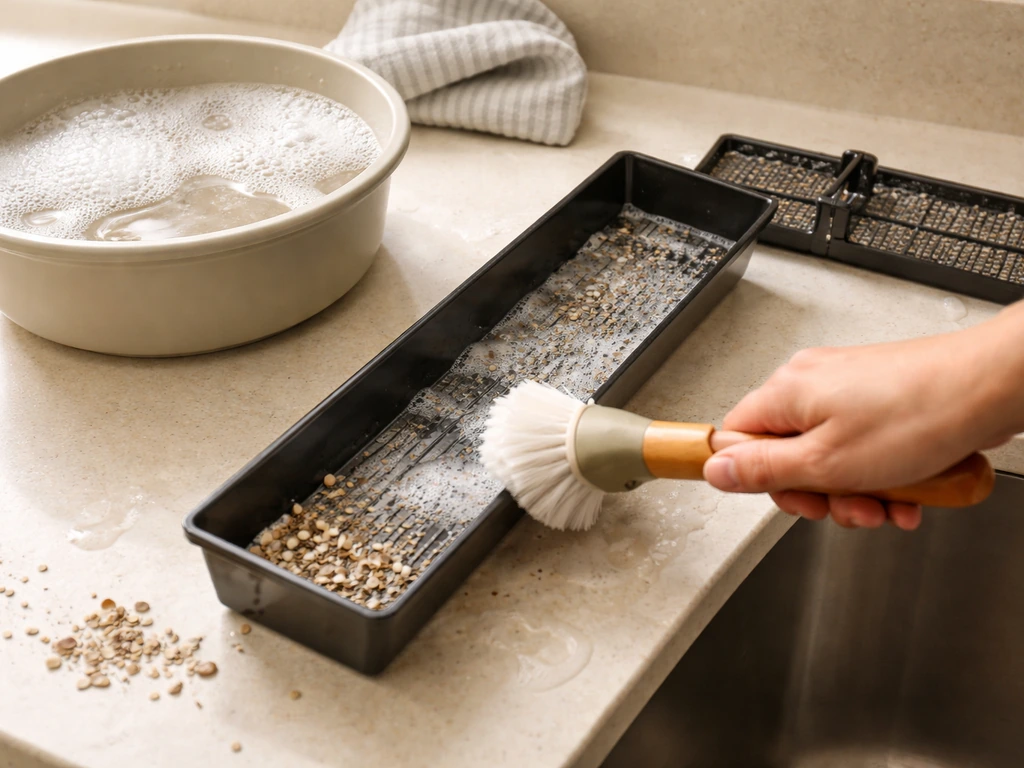
This is not just a hygiene step, it matters for preventing mold and deterring pests too. Salt and oil from seasoning create exactly the kind of residue that mold, bacteria, and rodents are attracted to. Do the full clean, not just a rinse.
- Empty the feeder completely and tap out any stuck seed or seasoning residue into the trash.
- Scrub all surfaces with warm, soapy water using a bottle brush or feeder cleaning brush. Pay attention to corners, perches, and seams where seasoning can lodge.
- Disinfect by soaking or wiping the feeder with a 9: 1 water-to-bleach solution (1 part bleach to 9 parts water). Let it soak for 10 to 15 minutes.
- Rinse thoroughly with clean water until no bleach smell remains.
- Allow the feeder to air dry completely before refilling. A damp feeder will cause fresh seed to clump and mold within days.
- Clean the tray, the hook or pole mount, and any surrounding surface (deck rail, table) where seasoned seed may have fallen.
- If seed fell on the ground, rake or sweep it up and dispose of it. Ground-feeding birds like sparrows, doves, and juncos are especially likely to eat scattered seed, so leaving contaminated seed on the ground extends the exposure window.
All About Birds and the Audubon Society both recommend cleaning feeders with a dilute bleach solution (no more than 1 part bleach to 9 parts water) at least a few times per year as standard practice. After a contamination event like this, treat it as an immediate deep clean, not a routine one. After contamination, RSPB guidance recommends disinfecting feeders with a mild bleach solution of around 5% and stopping feeding for at least three weeks, plus emptying bird baths if birds appear affected by disease.
Safe alternatives: what you can actually add to or with bird seed
The simplest and most reliable approach is to feed plain seed with nothing added. High-quality seed mixes with black oil sunflower seed, safflower, or nyjer (thistle) are nutritionally complete for the birds that eat them and need no seasoning or additives whatsoever.
If you want to deter squirrels (which is often the real reason people reach for spice-type additives), cayenne pepper and red pepper flakes are the most commonly discussed options. Birds lack the capsaicin receptors that make spicy food unpleasant for mammals, so they are largely unaffected while squirrels tend to back off. However, even these require some care around dosing and application, and there are good reasons to be cautious about birds feeding nestlings.
Adding hot pepper to seed as a deterrent is a separate topic worth reading about carefully before you try it. Adding hot pepper is different from hot sauce, but it still shows the general idea that you should be careful with spicy additives around birds hot sauce on bird seed. Adding hot pepper to seed as a deterrent is a separate topic worth reading about carefully before you try it. Will cayenne pepper in bird seed keep rats away? If you're wondering about dosing, skip chili powder in bird seed and choose plain, unsalted options instead.
It can help with deterrence for some pests, but it is not the same as bird-safe feeding practices and still needs careful, limited use Adding hot pepper to seed as a deterrent. To be safe, you should not put hot sauce on bird seed. You should not add red pepper flakes to bird seed, because spicy or deterrent additives can still create avoidable risk for birds.
For boosting feeder appeal and nutrition beyond plain seed, these are genuinely bird-safe options:
- Plain suet cakes or suet plugs (especially useful in fall and winter for high-energy feeding)
- Mealworms, either live or dried, which are excellent for insect-eating species like bluebirds and wrens
- Fresh fruit like halved oranges or apple slices for orioles, mockingbirds, and catbirds (remove before they ferment in warm weather)
- Plain peanuts (unsalted, unroasted) in shell or out, for jays and woodpeckers
- Nyjer seed in a mesh feeder for finches
The key word across all of those is plain and unsalted. If you're wondering about adding chili powder, it's safest to skip seasoning entirely and stick to plain, unsalted seed how much chili powder in bird seed. Any human food product that has added salt, garlic, onion, or other seasoning is off the table for birds, regardless of how natural or minimal the seasoning seems on the label.
Species to watch: who's most at risk
Ground feeders like mourning doves, dark-eyed juncos, house sparrows, and white-throated sparrows will eat seed that falls or is scattered on the ground, which means they get a second exposure even after you pull the feeder. These birds are often the ones most affected because they spend more time foraging in one spot. Smaller birds in general (finches, titmice, chickadees) have very low body weight, so even trace amounts of a toxin per gram of body weight matter more for them than for a larger species. If you have a platform feeder or tray feeder at ground level, clear it out first since it sees the most traffic and the lowest-resistance feeding.
Your action checklist for right now
- Take the feeder down immediately and stop access to the contaminated seed.
- Bag and trash all contaminated seed (do not compost or scatter it elsewhere).
- Rake or sweep any seasoned seed off the ground, deck, or tray.
- Set out fresh water in a clean dish near the feeding area.
- Do a full feeder clean: warm soapy scrub, 10-minute bleach soak (9:1 water-to-bleach), thorough rinse, and complete air dry.
- Refill only with plain, unseasoned seed once the feeder is fully dry.
- Monitor birds in your yard over the next 24 to 72 hours for any signs of distress (lethargy, fluffed feathers, sitting on the ground).
- Contact a wildlife rehabilitator or avian vet if any bird appears sick.
FAQ
If I already removed the contaminated seed, do I need to clean the surrounding yard or just the feeder?
Clean up any visible seed on the ground and in nearby tray or platform surfaces, not only the hopper. Birds can re-forage the same spot, especially ground feeders like doves and juncos. After you pick up loose seed, recheck the area a few hours later in case some fell into cracks, grass tufts, or under the feeder stand.
Will fresh water right after exposure actually help, or is it too late once garlic and onion are involved?
Fresh, clean water is still a good immediate step because it can reduce dehydration and may help birds manage excess sodium. However, allium toxicosis symptoms often take time to begin, and water alone does not prevent red blood cell damage. If you see lethargy, weakness, pale gums, or breathing trouble within the next day or two, contact a wildlife rehabilitator promptly rather than waiting for recovery.
How do I tell whether it was “just a tiny sprinkle” versus enough to matter?
Estimate based on feeder type and how many birds were actively feeding. A full hopper where seasoning only lightly dusted the top layer is lower risk than mixing seasoning throughout a mix. If birds were flocking to the feeder for hours, or you notice a strong “seasoning” coating on the seed, assume higher exposure and discard more aggressively.
Can I salvage seed by sifting out the seasoning bits or wiping it off?
Usually no. Garlic-onion-salt seasoning can cling to seed hulls and seep into seams, and sifting or wiping does not reliably remove salt or allium compounds. If you want to salvage at all, the safer approach is removing the top layer plus doing a full deep clean, then visually checking the remaining seed for any residue before refilling.
What symptoms should I watch for in birds after they ate seasoned seed?
Watch for delayed illness over 1 to 3 days. Concerning signs include sudden lethargy, reduced feeding, wobbliness, pale or bluish gums (oxygen-carrying issues), rapid or labored breathing, and abnormal posture. Also note any unusual flock behavior, like birds suddenly avoiding the feeder or sitting low and inactive.
Does mold risk mean I should avoid using the feeder for a while after cleaning?
Yes. If any seed got wet during rinsing or cleanup, mold can develop quickly. After a deep clean, let the feeder fully dry before refilling, and consider pausing use for 24 hours if you suspect moisture got into the hopper or tray seams. Replace any parts that hold moisture, like cracked plastic inserts, if they cannot dry thoroughly.
Is it safe to offer a different feeder brand or a different seed mix immediately after the event?
You can, as long as the feeder you are using now is fully cleaned and dry. Do not refill with plain seed into a contaminated hopper. If you have multiple feeders, focus on serving clean, unsalted seed immediately while you deep-clean the contaminated one, so birds are not forced to return to the same toxic spot.
I have nestlings. If seasoning was involved, should I change anything about feeding schedules?
Yes. Even if adult birds seem fine, nestlings are more vulnerable due to their small size and higher metabolic needs. Avoid any risk-prone seed, remove contaminated sources quickly, and monitor the feeding area closely. If you see nestling weakness or unusual begging behavior, contact a wildlife rehabilitator right away.
What if the “everything” product was marketed for cooking, not for humans to sprinkle on food (like a seasoning grinder)?
The exact product form does not make it bird-safe. If it contains added salt and dehydrated garlic or onion, treat it the same way: remove contaminated seed, deep-clean the feeder, and discard the affected portion. Even oily seasoning can increase residue that attracts pests and promotes biofilm buildup on feeder surfaces.
Are sesame seeds or poppy seeds truly safe by themselves, or could they still be risky in real life?
They are the only components typically considered essentially harmless in these blends, but the real-world risk is that the mixture usually includes salt and allium ingredients. If you want to use sesame or poppy in a way that is truly bird-safe, choose products that list only those ingredients and verify they contain no added salt, garlic, onion, or spice blends.
Can I disinfect with soap and water instead of bleach?
Soap and water can remove residues, but it does not reliably sanitize against microbes and odor-causing buildup from salty, oily residues. A dilute bleach solution is more dependable for deep-cleaning after a contamination event. Rinse thoroughly and let the feeder dry completely so birds do not contact bleach residue.
If squirrels are the real problem, is there a safer alternative than any spice blends on seed?
Yes. Use feeder design and access control first, like squirrel baffles, weight-activated mechanisms, and hardware-cloth guards. If you try deterrents, keep them limited and bird-safe, and avoid anything that adds salt or allium-type seasonings. The most reliable approach remains plain, unsalted seed in a feeder that squirrels cannot easily access.
Next Article
How Much Chili Powder in Bird Seed and How to Use It
Learn if chili powder can be added to bird seed and the right amount per cup or lb for safer use and mixing.