
Wrens will occasionally pick at bird seed, but they are not seed eaters in any meaningful sense. Do swans eat bird seed? In general, they will eat some seeds when food is available, but they are typically more focused on aquatic plants and natural foods. House wrens eat insects and spiders almost exclusively, so if you're trying to attract wrens to your yard, standard seed mixes are not the right tool. That said, you can absolutely bring wrens in close with the right food, feeder setup, and habitat, and there's a practical way to combine that with whatever seed station you already have running.
Do Wrens Eat Bird Seed? What They Eat and How to Attract Them

Maya Collins
4 May 2026
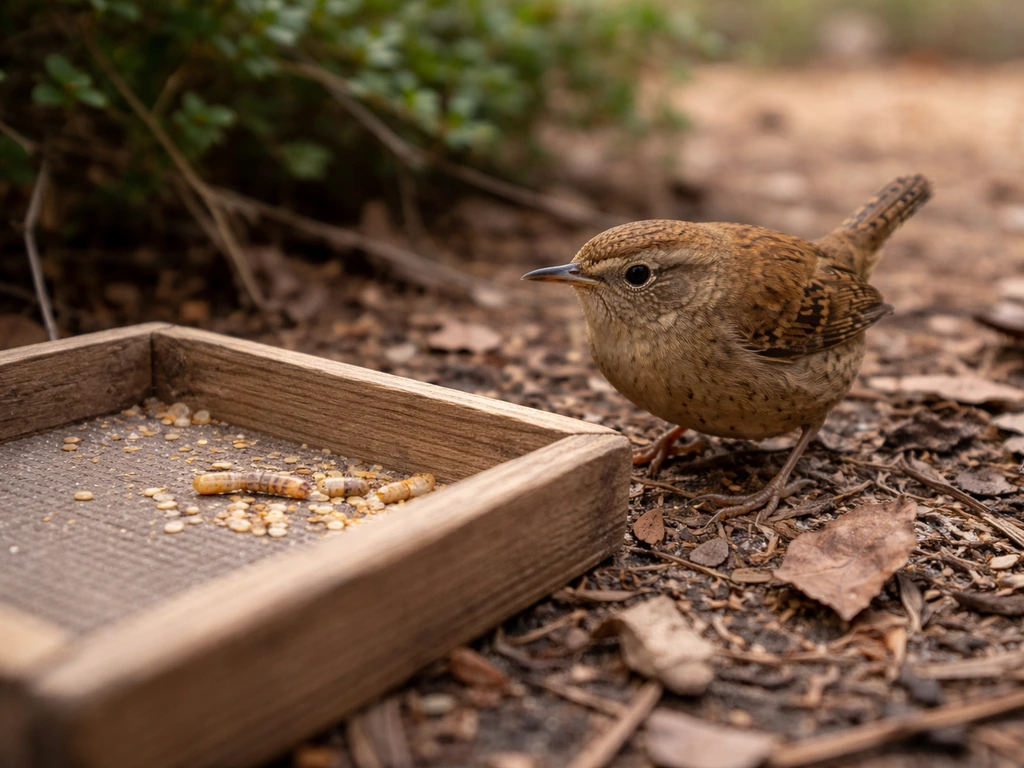
Will wrens eat bird seed? The direct answer
blank" rel="noopener noreferrer">House wrens eat a wide variety of small insects and spiders: beetles, caterpillars, earwigs, flies, leafhoppers, springtails, daddy longlegs, and similar arthropods. Seed is simply not part of their natural diet. You might see a wren hopping around under a feeder, but it's hunting bugs stirred up by other birds dropping seed hulls, not actually eating the seed itself.
This is different from species like sparrows, finches, or juncos that actively seek out seed. Wrens are insectivores first, and that shapes every decision you should make when trying to attract them. The good news: mealworms bridge the gap perfectly, and they're easy to add alongside a seed station.
Do wrens use bird feeders or prefer other feeding styles
Wrens forage low, typically within a few feet of the ground, moving through dense shrubs, along bark, and across the leaf litter. They glean insects from twigs, branches, and the soil surface. That foraging style means elevated tube feeders and hopper feeders are basically invisible to them behaviorally. They're not birds that perch high and crack seeds.
If wrens interact with a feeding station at all, it's usually at a low tray, a ground-level platform, or directly on the ground near thick cover. Their instinct is to stay tucked close to vegetation where they feel safe. An open, exposed feeder pole in the middle of a lawn is about the least wren-friendly setup you can create.
The practical takeaway: wrens are better attracted by providing the right food at the right height and near the right habitat than by simply adding more seed varieties. Think low and sheltered, not high and open.
What seed types wrens are most likely to eat
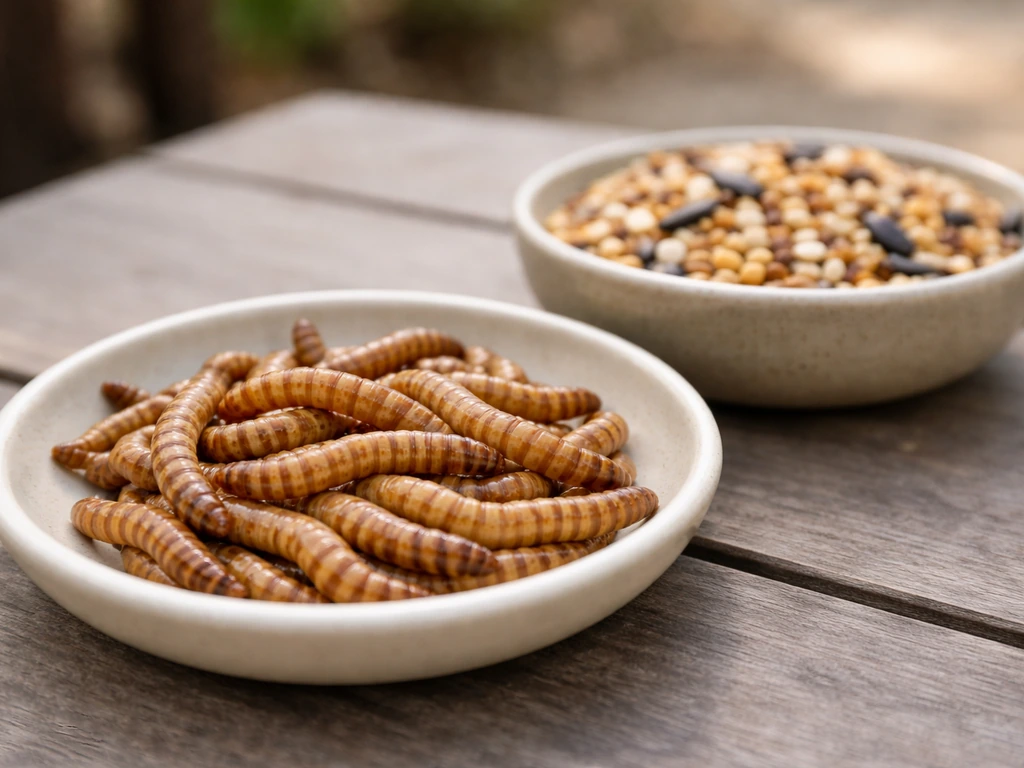
Honestly, no seed type reliably attracts house wrens because they are not looking for seed. do wasps eat bird seed. If you want to use your seed station as part of a wren-friendly setup, the strategy is to add non-seed foods alongside it, not to swap in a different seed blend.
Mealworms are the single best food to offer wrens. Live mealworms are more attractive than dried, but dried mealworms still work and are easier to store. Suet is a secondary option since wrens will occasionally take suet, especially blends that contain insect pieces. Both foods fit naturally alongside a seed station without requiring a separate dedicated setup.
| Food Type | Wren Appeal | Notes |
|---|---|---|
| Live mealworms | High | Best option; place in a shallow dish near cover |
| Dried mealworms | Moderate-high | Easier to store; rehydrate slightly in warm weather |
| Insect suet | Moderate | Works at low suet cages near shrubs |
| Mixed seed (millet, sunflower) | Low | Wrens ignore most seed; may forage nearby for bugs |
| Nyjer/thistle | Very low | Attracts finches, not wrens |
| Safflower | Very low | No meaningful appeal for insectivores |
If you're also trying to attract swallows, note that they are similarly insectivorous and won't come to seed either. The mealworm approach applies to them as well, though swallows feed on the wing rather than from a tray.
Feeder and tray setup to make food accessible to wrens
The setup details matter more for wrens than for most backyard birds. Get these four things right and you'll dramatically improve your odds.
Height and placement
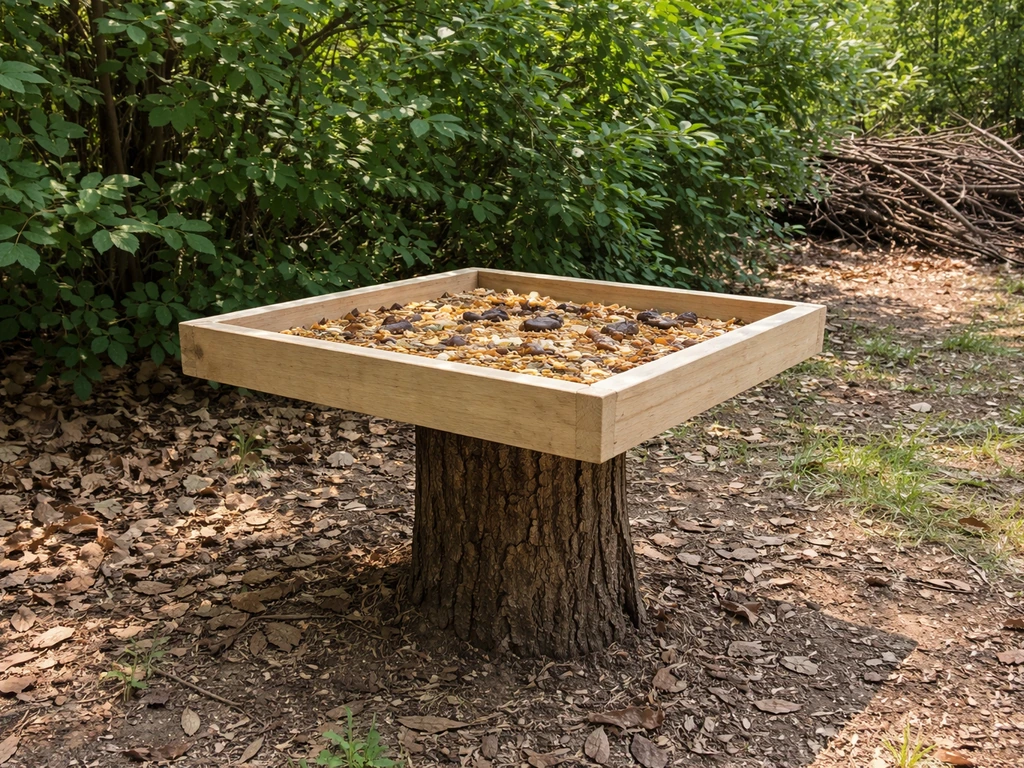
Keep the tray or dish low, ideally 1 to 3 feet off the ground or placed directly on a stump or flat surface. Position it within 5 to 10 feet of dense shrubs, a brush pile, or low vegetation. Wrens won't cross open ground to reach a feeder; they dart out from cover, grab food, and retreat. If the feeder is more than about 10 to 15 feet from any cover, wrens will usually skip it.
Tray style
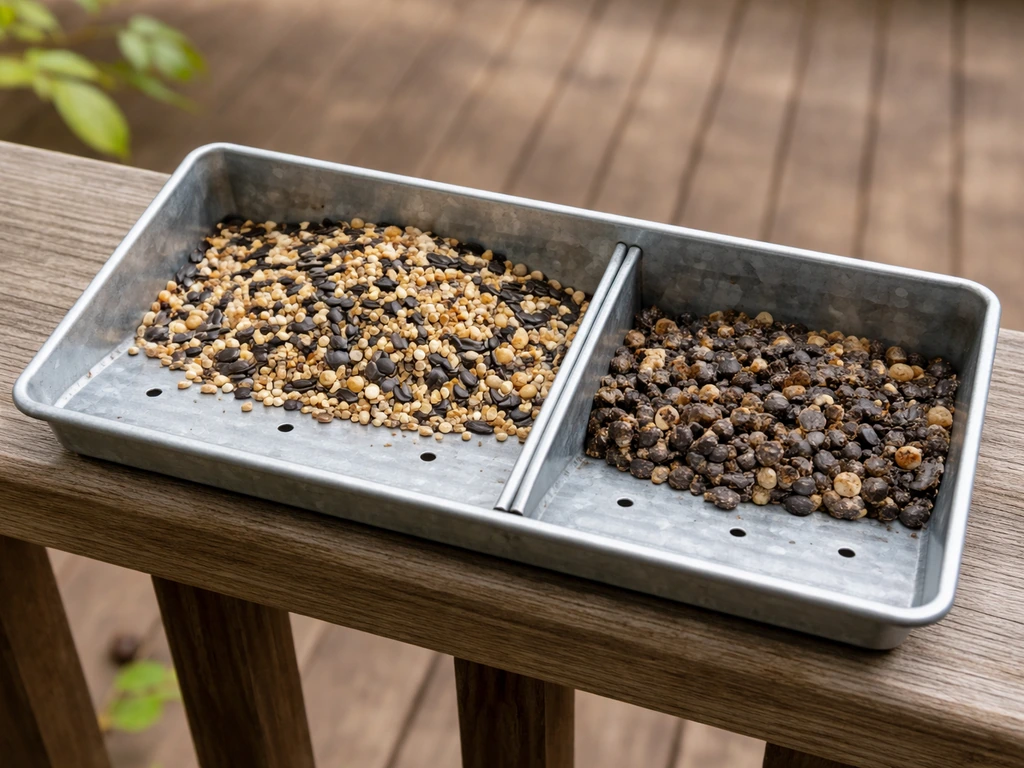
Use a small, shallow open tray or platform feeder rather than a tube or hopper. A tray 6 to 10 inches across is plenty. The edges should be low enough that a wren can hop in easily. Mesh-bottomed trays drain better than solid ones and keep mealworms from sitting in moisture, which matters a lot for keeping food fresh and safe.
Amount to offer
Put out small amounts of mealworms at a time, enough for a few visits. A small handful (roughly 20 to 30 live mealworms or a tablespoon of dried) is a reasonable starting quantity per session. Offering too many at once increases waste and the chance that uneaten mealworms die and rot in the tray, which can attract pests or mold.
Cover and landscape
A brush pile within a few feet of the feeding tray is the single best wren habitat improvement you can make. If brush piles aren't practical, dense low shrubs, a tangled hedge, or even a stack of small logs works. Wrens also love yards with leaf litter left intact since it harbors the insects they prefer. Keeping some areas of your yard a bit wild is more effective than any feeder trick.
How to prevent wet seed, mold, and pests
Wrens are small and cautious. They won't approach a feeding area that looks or smells like a pest hotspot, and wet or moldy food can actively harm birds that do eat it. Keeping your feeding station clean isn't just good hygiene; it's part of the strategy for attracting wrens in the first place.
Keep seed and mealworms dry
Wet seed molds fast, especially in warm weather. Use a feeder or tray design with drainage holes or a mesh bottom so rainwater doesn't pool. If you're using a solid tray, tilt it slightly so water runs off. After any rain, check the tray and remove any clumped or damp seed or mealworms before they can start to mold. In humid climates or during summer, check daily.
Clean on a regular schedule
Clean seed feeders and trays at least every two weeks as a baseline, and more often in hot or humid weather. For mealworm trays, rinse and wipe down every few days since dried mealworm dust and moisture together create a good environment for bacteria. Let everything dry completely before refilling. A 10 percent bleach solution (1 part bleach to 9 parts water) works well for a deep clean; rinse thoroughly and air dry.
Clean up the ground beneath the feeder
Seed hulls, droppings, and spilled mealworms accumulate under feeders and become a mold and pest magnet. Rake or sweep the area under your feeder every one to two weeks. Discard any moldy or matted material rather than just spreading it around. This also reduces the chance of attracting insects and rodents that compete with the birds you're trying to feed. If you're dealing with ants or roaches around your seed station, ground-level cleanup is usually the first fix. If you are wondering whether do roaches eat bird seed, keeping the area clean and dry helps reduce pests that are attracted to spilled seed roaches around your seed station. If you’ve noticed ants swarming near your bird seed, addressing the attraction drivers can help keep the station cleaner and more reliable.
Store seed properly
Store seed in a sealed, hard-sided container (metal or thick plastic) in a cool, dry location. Seed stored in the original bag in a warm garage or shed goes stale quickly and can develop mold before you even put it out. If seed smells musty or shows any clumping or discoloration, discard it. No bird benefits from moldy seed, and wrens in particular, being ground-level foragers, are more exposed to anything that's fallen and been sitting.
Troubleshooting: why wrens aren't showing up
If you've set up a low tray with mealworms near cover and wrens still aren't visiting, here's how to work through it systematically.
- Check the season and range. House wrens are migratory across much of the US. They typically arrive in spring (April to May) and leave by early fall. If it's winter and you're in the northern two-thirds of the country, wrens simply aren't there yet. Check a range map for your specific location.
- Reassess cover. The tray may be too exposed. Move it closer to shrubs or a brush pile, ideally within 3 to 5 feet. If there's no natural cover nearby, adding even a small brush pile can make a meaningful difference within a few days.
- Reduce competition. Larger birds can intimidate wrens away from a tray. If starlings, grackles, or blue jays are dominating the feeding area, try a smaller tray placed under a shrub where big birds can't land easily, or use a cage-style setup that physically excludes larger birds.
- Check the food freshness. Dried mealworms go stale and lose scent. If they've been in the tray for more than a day in warm weather, replace them. Live mealworms are more likely to get a wren's attention if dried mealworms haven't worked.
- Eliminate pests and mold. If there's visible mold, strong odor, or pest activity (ants, roaches, wasps) around the feeder, clean the entire area thoroughly before trying again. Wrens won't approach a compromised feeding station.
- Give it time. Wrens are territorial and exploratory. Once they find your yard, they'll return regularly, but it can take a week or two of consistent food availability for them to add your station to their regular route.
- Add a nest box. If you want wrens reliably in your yard season after season, put up a small wren nest box (entrance hole of about 1 to 1.5 inches) near the garden edge or shrub line. Nesting wrens will forage your entire yard obsessively, and you'll see them constantly.
The bottom line is that wrens reward a habitat-first approach. Get the cover right, offer mealworms at a low height, keep the feeding area clean and pest-free, and you'll see them. Swapping seed varieties won't move the needle, but those other details absolutely will.
FAQ
If I only have a standard tube feeder, will wrens ever use it for seed?
Usually no. Wrens forage low and mostly near cover, they rarely perch high enough to crack seed. If you want wrens, swap to a low tray or shallow platform within about 5 to 10 feet of dense shrubs, then add mealworms there.
Will wrens eat black oil sunflower seeds if I switch to a “wren-friendly” seed mix?
They might peck once in a while, but they do not reliably seek out seed the way finches or sparrows do. A seed-only approach generally brings fewer wrens than offering mealworms or suet with insect pieces at ground level near cover.
How often should I put out mealworms, and do I need to remove them the same day?
Offer small amounts per session (for example, a handful of live mealworms or a tablespoon of dried), and check after you see birds stop visiting. In warm or humid weather, remove any uneaten food before it turns damp or begins to stink so it does not spoil or attract pests.
What’s better for wrens, live mealworms or dried mealworms?
Live mealworms are usually more attractive because they move, which triggers foraging. Dried mealworms can still work, but they may draw visits less consistently, so you may need to keep the tray cleaner and adjust quantities to reduce leftovers.
Can I use suet instead of mealworms to attract wrens?
Suet can be a secondary option because wrens sometimes take blends that include insect pieces. If your goal is consistent wren visits, mealworms at low height are the stronger choice, and suet should not replace the low, sheltered feeding approach.
Do wrens prefer mealworms on the ground or in a tray?
Either can work, but trays are easier to keep dry and hygienic. If you place the food directly on the ground, do it near dense cover and routinely clean up so spilled bits do not mold or become pest food.
How close does the feeder need to be to shrubs or brush pile cover?
Within roughly 5 to 10 feet of dense low shrubs or a brush pile. If the station is farther out into open lawn, wrens typically do not cross open ground, even if the food is good.
My tray is low, but wrens still don’t show up. What’s the most common mistake?
Overexposed placement and poor cleanliness are the two biggest issues. An open feeder pole in the middle of the yard feels unsafe, and wet or moldy food odors can deter wrens, so keep the tray under cover conditions and remove damp or clumped food promptly.
Will spilled seed or hulls under the tray prevent wrens from coming?
It can. Spilled seed and droppings build up moisture, mold, and pest activity, which can make the area unattractive. Rake or sweep under the station every one to two weeks, and discard moldy material rather than redistributing it.
Do wrens show up in winter, and do I change anything then?
They can visit year-round, but you may need to adjust for harsher weather. Keep food dry, check more frequently when precipitation or snowmelt creates damp trays, and continue placing feeding near shelter so wrens can move in and out safely.
If ants keep finding the tray, what should I do first?
Start by fixing the “attraction drivers,” since ants often respond to accessible food and clutter. Remove any leftovers quickly, clean the area beneath the feeder, and keep the tray position close to cover but not in a place where ants have easy trails to the food.