Yes, roaches will eat bird seed. Cockroaches are dietary generalists, meaning they'll consume almost any organic material they can access, and dry seed, hulls, crumbs, and especially wet or moldy seed all qualify. That said, dry seed sitting in a tidy feeder is rarely the main draw. What actually pulls roaches in is the combination of spilled seed on the ground, moisture from rain or dew soaking into hulls, mold and sprouted seed decomposing underfoot, and the warm sheltered spaces that feeders and storage bins create. Fix those conditions and you remove the real attractants, whether or not you move the feeder itself.
Do Roaches Eat Bird Seed? How to Stop It Fast

Maya Collins
26 Apr 2026
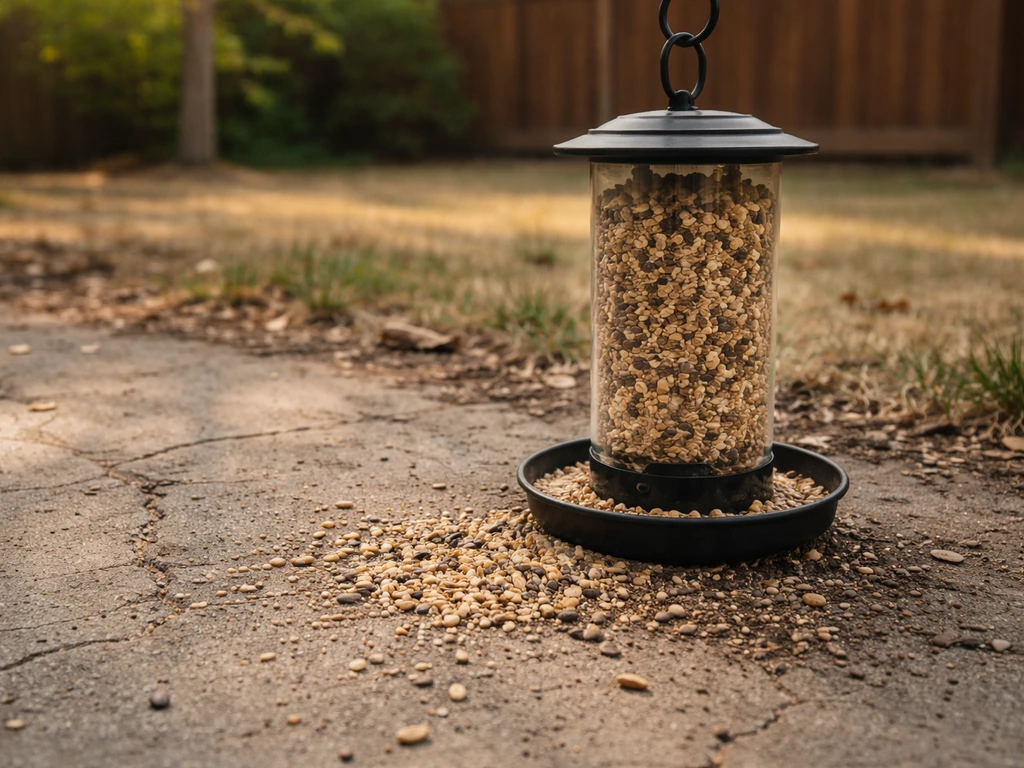
What actually attracts roaches to your bird-feeding area
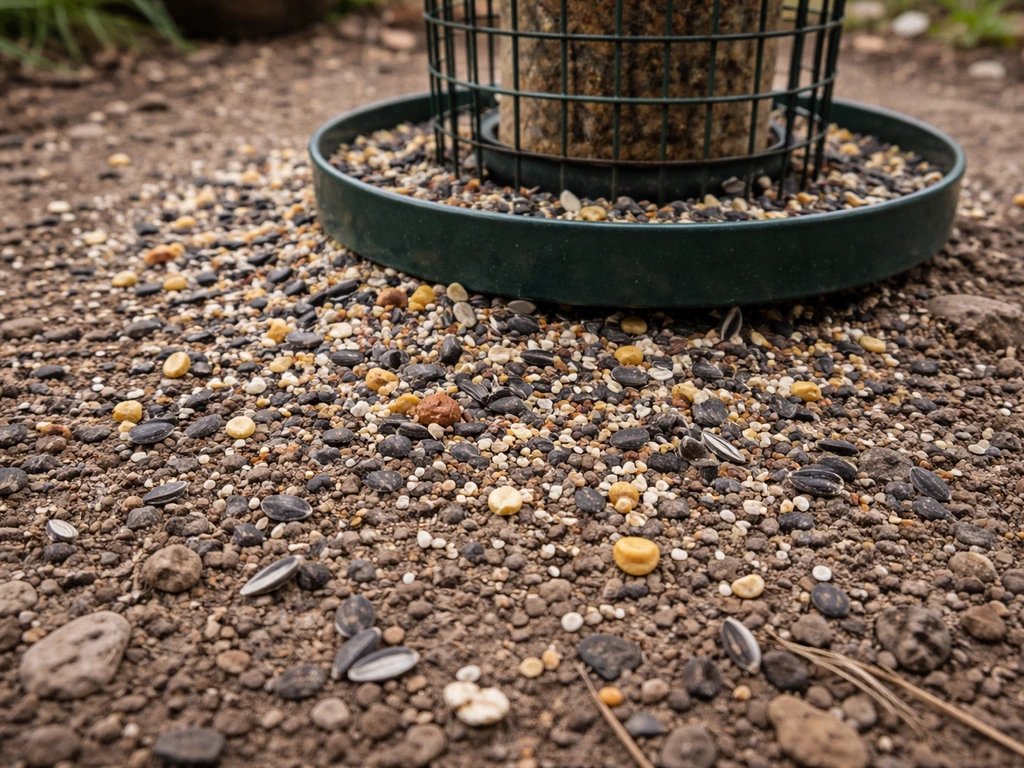
Roaches need three things to stick around: food, water, and a dark place to hide. A bird-feeding setup can quietly provide all three without you realizing it. Here's what's doing most of the work.
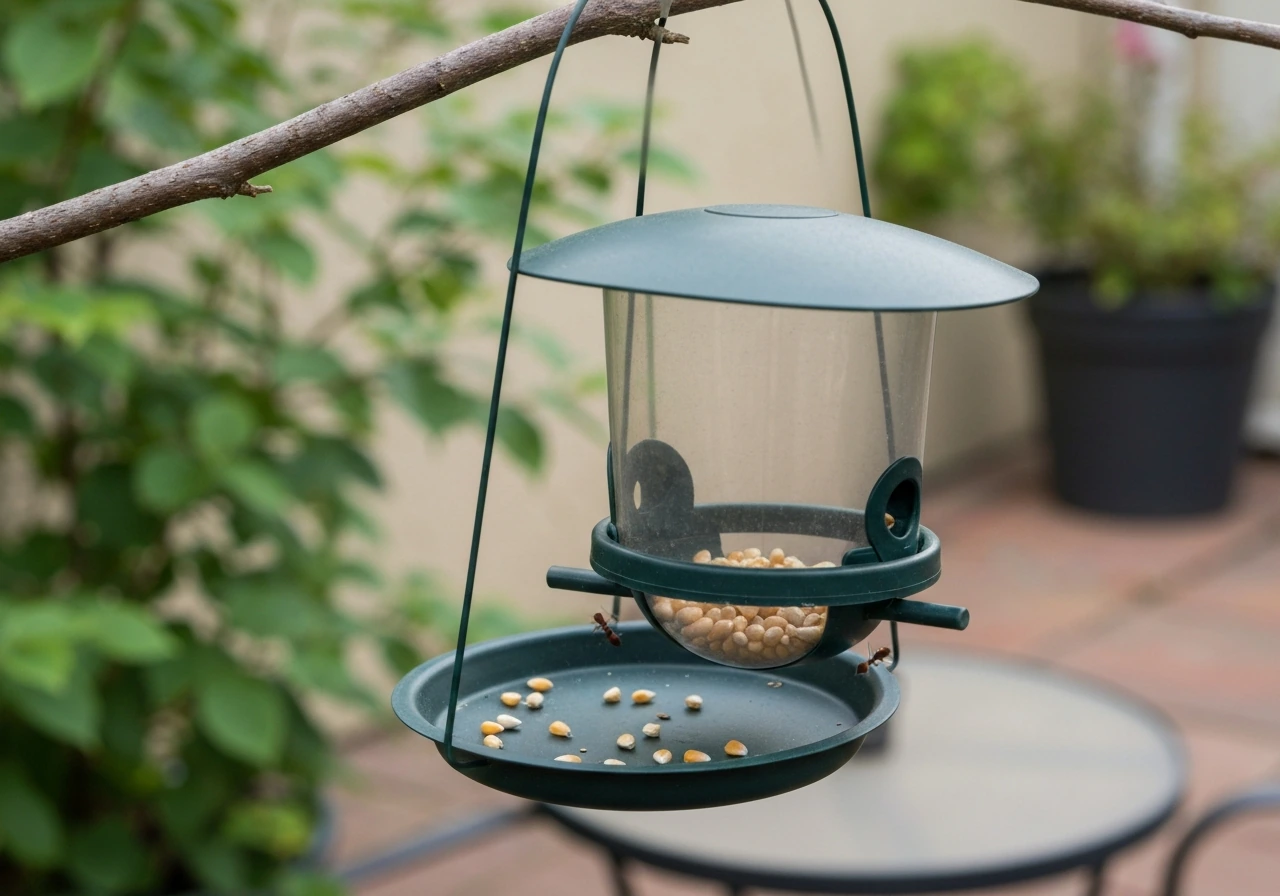
- Spilled seed and empty hulls: Every time birds toss seed out of the feeder or crack sunflower shells, debris piles up on the ground. That pile is an open buffet, especially once it starts to break down.
- Moisture: Rain, irrigation spray, or even morning dew soaking into a pile of hulls creates the damp organic material roaches love. Miche Pest Control specifically calls out moisture as a top attractant, often more important than the dry seed itself.
- Mold and sprouting seed: Wet seed that starts to mold or sprout is decaying organic matter. Peridomestic cockroaches (the large outdoor species like American roaches) are well documented to feed on decaying organic material, so a soggy pile of rotting hulls under a feeder is ideal for them.
- Nearby insects: Ants and other small insects drawn to seed spills are themselves food for cockroaches. If your feeder area already has an ant problem, roaches may follow.
- Shelter: Low feeders, dense ground cover around poles, stacked pots, wood piles, or a garage where you store seed all provide the dark harborage roaches need to breed and hide.
- Household food residues close by: Roaches moving through a yard aren't just looking at the feeder. Grease from a nearby grill, pet food left outside, or compost bins nearby all compound the problem. The seed area becomes one node in a larger foraging route.
One myth worth busting: you don't need to stop feeding birds to solve a roach problem. The seed itself isn't uniquely attractive the way a greasy kitchen is. House wrens may also visit feeders, so you might want to check do house wrens eat bird seed. If you're also asking whether other birds, like wrens, will eat the seed, the same spilled and spoiled conditions can matter for how much is left for them do wrens eat bird seed. Do swallows eat bird seed as well, or are they mostly looking for insects? Some bird species also eat bird seed, so it helps to check the specific species you have visiting do swans eat bird seed. Cleaning up the conditions around the feeder, not eliminating the feeder, is the practical fix.
Signs roaches are coming from your bird-feeding setup
Before you assume the feeder is the source, look for specific signs of cockroach activity in and around the feeding area. Roaches leave a pretty consistent trail of evidence.
- Droppings: Small, dark, pepper-like specks near spilled seed, under the feeder pole, in storage containers, or along nearby walls and fences. Larger species leave cylindrical droppings about the size of a grain of rice.
- Egg cases (oothecae): Brown, capsule-shaped casings roughly 8 to 10 mm long tucked into cracks, under storage bin lids, inside garage corners near seed bags, or beneath the feeder platform. Finding one means roaches have been breeding nearby.
- Musty odor: A persistent, slightly oily or musty smell near the seed storage area or under the feeder, especially after rain.
- Live or dead roaches: Spotting roaches at dusk or at night near the feeder, along the foundation, or inside the garage where seed is stored. Daytime sightings often mean a large population is already established.
- Smear marks: Dark, irregular streaks along surfaces roaches travel repeatedly, such as along a garage baseboard or the side of a storage bin.
If you're seeing droppings or egg cases inside the home and you also keep seed in a garage, basement, or mudroom, trace the path. Seed stored in open bags or loosely sealed containers is a likely bridge between the outdoor feeder area and the interior of your house.
Cleanup and containment steps you can do today
These are the immediate actions worth doing today, not next weekend. They address the real attractants directly and will start making the area less hospitable fast.
Clean up the ground under the feeder
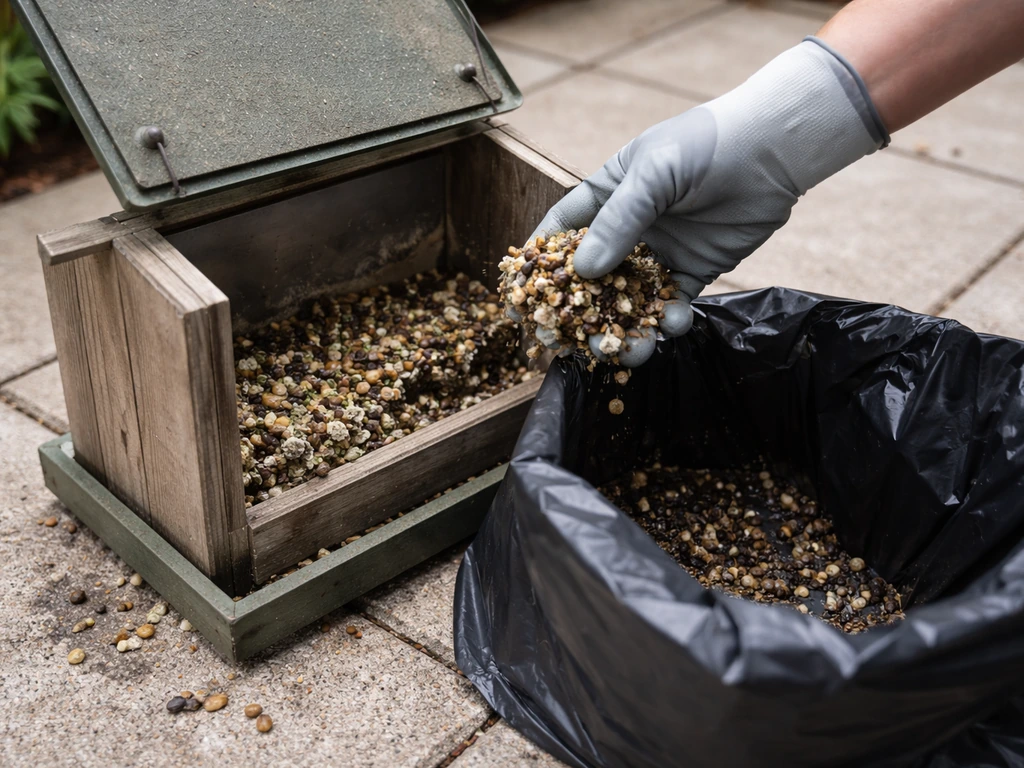
Rake or sweep up all spilled seed, empty hulls, and bird droppings within a 3 to 4 foot radius of the feeder. Bag it and put it in an outdoor trash bin, not your compost pile. Don't just scatter it across the lawn. Do this today and then commit to doing it at least once a week going forward, or more often in warm, humid weather when decomposition speeds up.
Remove wet or moldy seed from the feeder immediately
Open the feeder and check what's inside. If any seed is clumped, discolored, smells musty, or is visibly moldy, dump it out. Don't put moldy seed on the ground either. Bag it and trash it. Wet, spoiled seed is unhealthy for birds and is exactly the kind of decaying organic matter that attracts roaches (and ants, and flies). Ants can also be drawn to spilled seed and decaying, moldy feed, so the same cleanup habits help reduce both. Refill only with fresh, dry seed once the feeder is clean and dry.
Switch to a no-mess feeder design or add a seed catcher tray
Tube feeders with small ports dispense less seed at a time and reduce waste. Adding a seed catcher tray (a shallow tray that attaches below the feeder) collects falling seed before it hits the ground, letting you empty the tray every few days rather than letting debris accumulate. If you currently use an open platform feeder, consider switching to a hopper or tube style that limits spillage. Reducing ground feeding directly reduces the material available to roaches and other pests.
Elevate or reposition the feeder
Feeders positioned close to ground cover, wood piles, dense shrubs, or a garage wall give roaches a short, sheltered path to the food. Move the feeder to an open spot on a smooth metal pole at least 5 feet off the ground and away from dense vegetation. Roaches are less likely to forage in exposed open areas.
How to inspect and handle bird seed safely
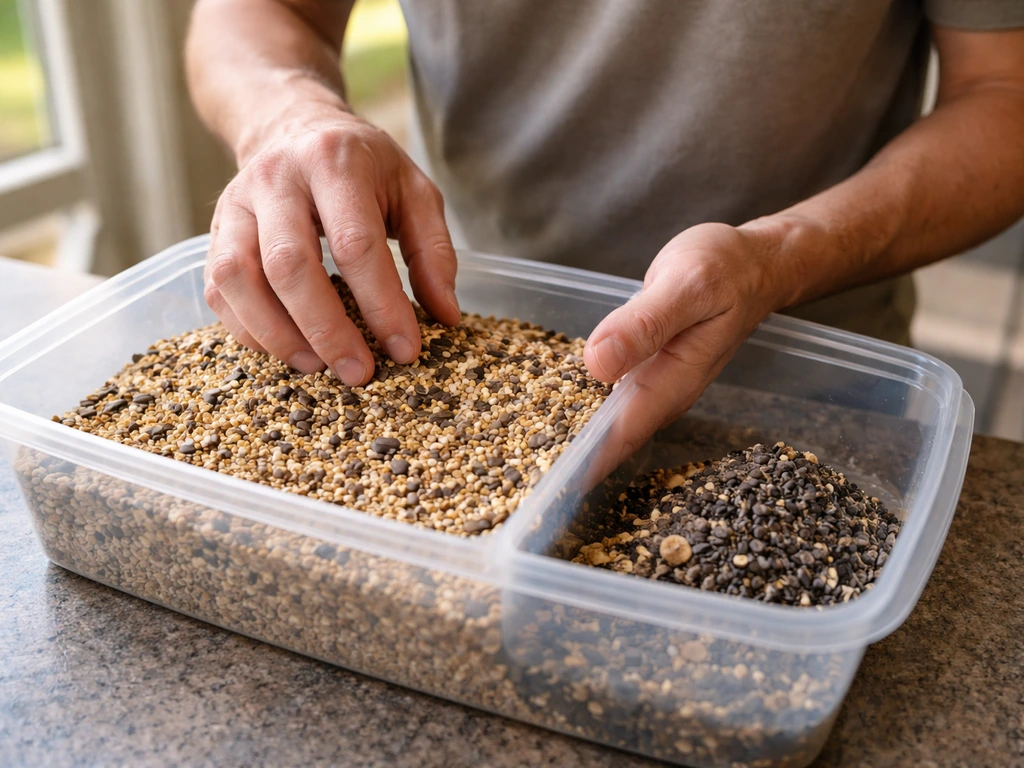
Seed quality is directly tied to pest risk. Here's how to evaluate what you have and handle it going forward.
Checking seed before you fill the feeder
Every time you refill, take 10 seconds to look at and smell the seed. Fresh seed should be dry, firm, and smell neutral or slightly nutty. Discard any seed that smells sour or musty, has visible mold (fuzzy gray, green, or black patches), is clumped or sticky, shows sprouting (small pale shoots emerging from grains), or contains lots of insect fragments or webbing. If seed stored in your garage passes this check in winter but fails repeatedly in summer, humidity is likely the problem in storage, not just at the feeder.
Cleaning the feeder itself
Cornell Lab's All About Birds recommends cleaning seed feeders at least once a week with hot water and a bottle brush, scrubbing out any residue or clumped seed. Every few weeks, do a deeper clean: disassemble the feeder, scrub all surfaces, rinse thoroughly, and let it dry completely before refilling. This step matters more than most people realize. Moisture trapped inside a feeder creates mold, which creates the decaying organic residue that roaches and other pests find attractive. In hot, humid climates or during summer months, clean more frequently, every 3 to 5 days if needed.
Storing seed properly
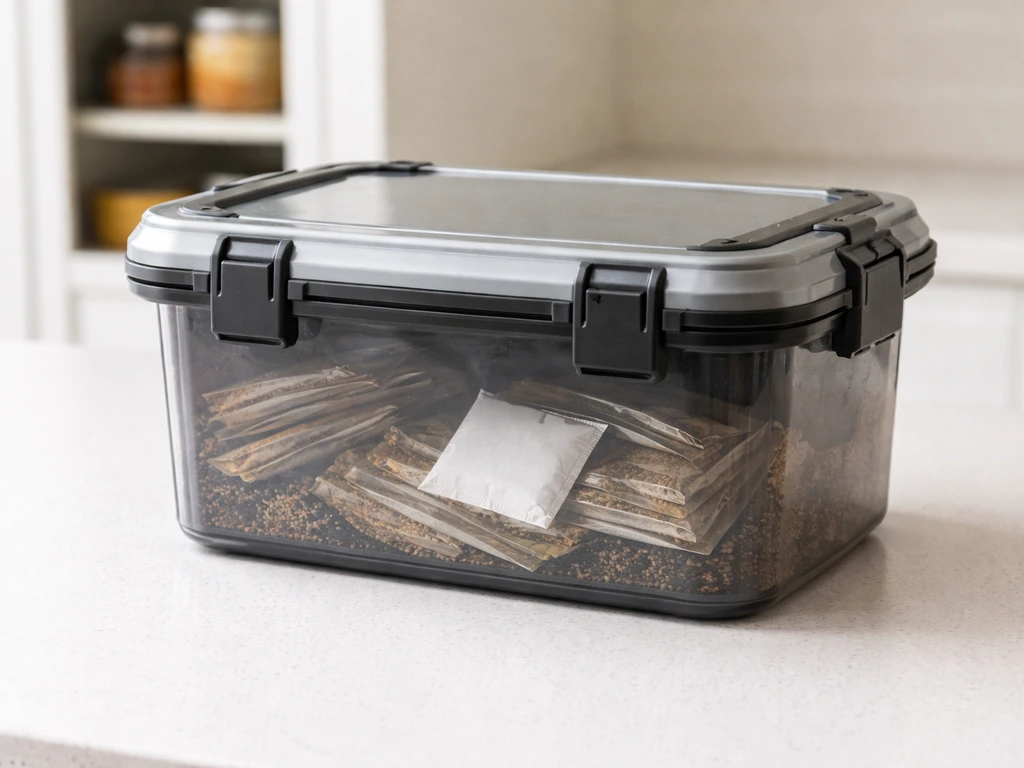
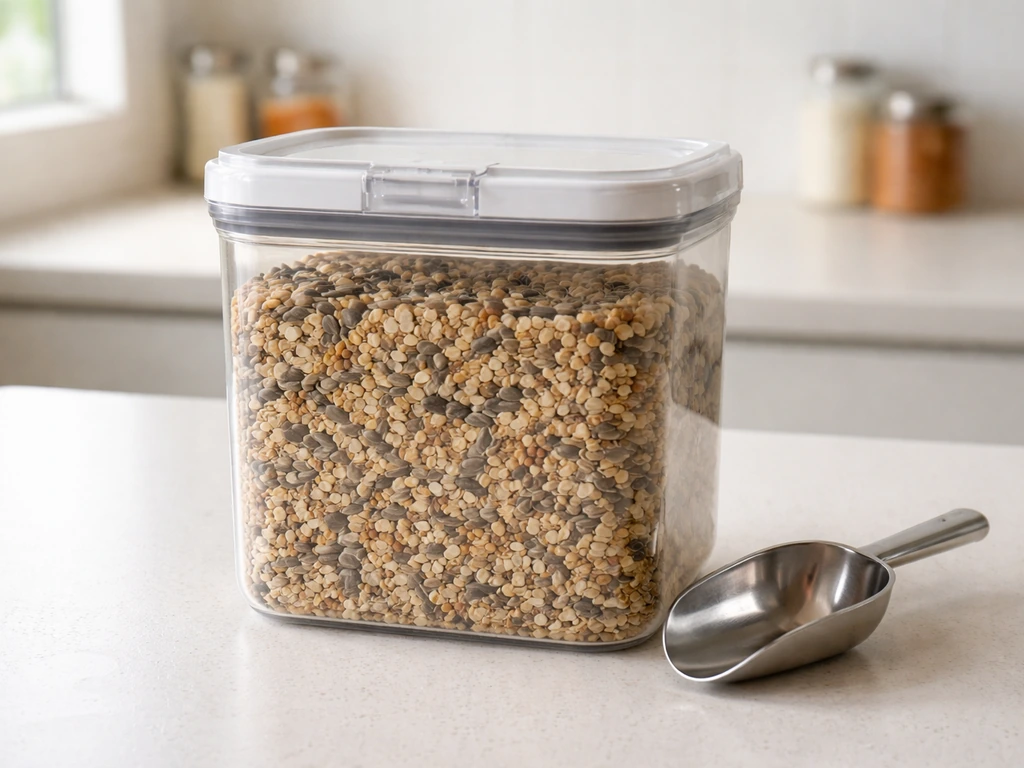
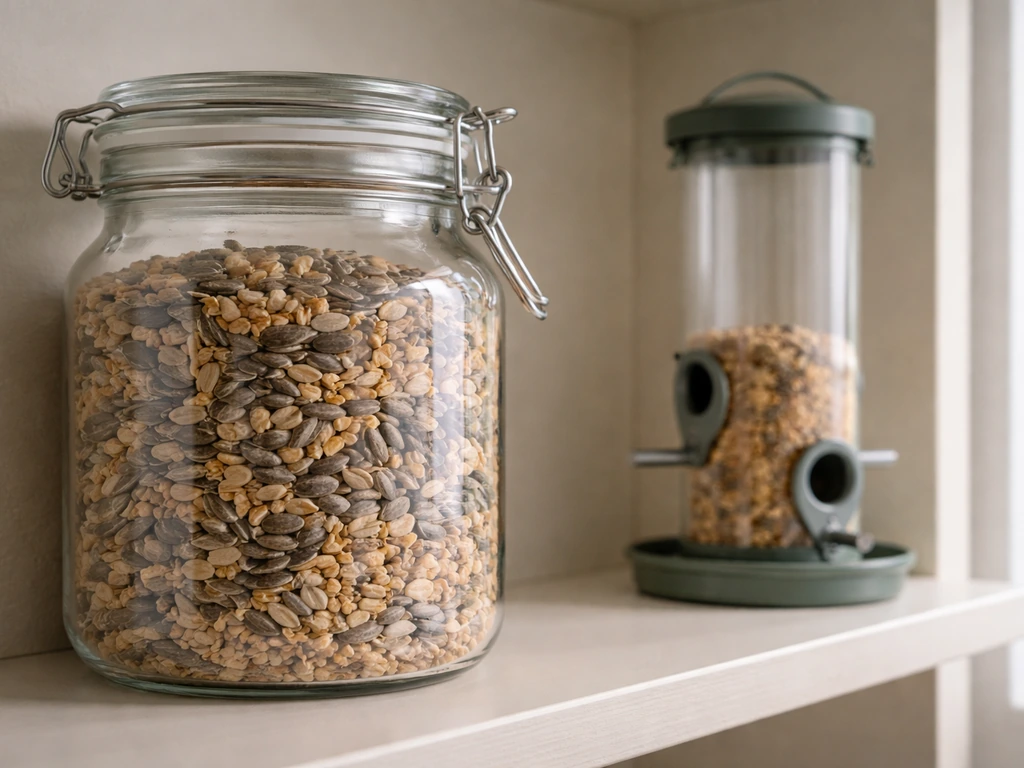
Store seed in a hard-sided, airtight container with a tight-fitting lid, not the paper or plastic bag it came in. Metal or heavy-duty plastic bins work well. Keep the bin off the floor on a shelf or pallet to reduce moisture contact and make it harder for roaches and rodents to access. Buy seed in quantities you'll use within 4 to 6 weeks, especially in summer. Old seed held too long gets stale, attracts pests, and is less nutritious for birds.
Long-term prevention around feeders and in the home
Getting rid of the immediate problem is step one. Keeping it gone requires some consistent habits and a few physical changes to how and where you feed birds.
Sanitation routines that actually work
- Sweep up spilled seed and hulls weekly at minimum, more often in warm weather.
- Empty and wash the seed catcher tray every 2 to 3 days to prevent hull and seed debris from decomposing.
- Rake the ground under the feeder monthly to break up compacted seed residue and bird droppings.
- Clean the feeder itself weekly with hot water; deep clean monthly.
- Check your seed storage container for moisture, pests, or odor every time you refill.
- Don't leave pet food outdoors overnight. This is a major roach attractant independent of the feeder.
Reducing harborage and sealing entry points
Roaches move from outdoor harborage into homes through cracks, gaps around pipes, and poorly sealed doors. Delaware Health's cockroach control guidance specifically recommends caulking exterior cracks and holes as part of a complete plan. Check the foundation near your feeder area and garage, and seal any gaps larger than about 3mm. Fix leaky outdoor faucets or hose connections near the feeder, since standing water is a key resource for cockroach survival. Remove wood piles, leaf litter, and stacked pots from within about 10 feet of the feeder or seed storage area.
Storage habits for the long haul
Keep your seed in the garage or shed in a sealed metal or hard plastic bin, not open bags. Rotate stock so you're using older seed first. If you notice moisture inside the bin, dry it out completely before refilling. In especially humid regions like the Gulf Coast, Florida, or the Southeast where American and smoky-brown cockroaches are common peridomestic species, consider adding a small desiccant packet inside the storage container to reduce interior humidity.
When to escalate: pest control options and keeping birds safe
If you've cleaned up the attractants, fixed storage, and still see roach activity, it's time to add targeted control measures. The key word there is targeted. Broadcast spraying around a bird-feeding area is a poor choice: it can contaminate seed, harm birds that forage on the ground, and is less effective than removing the root cause anyway.
UC IPM is clear that pesticides alone won't solve a cockroach problem, and that sanitation and exclusion have to come first. When treatment is needed, gel baits or enclosed bait stations are the recommended approach. Place them in sheltered spots away from the feeder itself, such as along the garage baseboard, under the storage shelf, or near the foundation, not on or directly under the feeder. Bait stations work by having roaches carry the bait back to harborage, so placement near suspected hiding spots is more effective than placing them near the food source.
Avoid using broad-spectrum sprays, foggers, or granular pesticides scattered across the ground in a bird-feeding area. Ground-feeding birds and birds that bathe or forage near the feeder can be exposed to these products directly. Boric acid dust can be useful in enclosed, inaccessible spaces like inside wall voids or under a sealed storage cabinet, but it should never be applied where birds can contact it.
If you're finding egg cases indoors, seeing large numbers of roaches at night, or dealing with an established indoor infestation that seems connected to your seed storage area, call a licensed pest control professional. A good pest control company will start with an inspection, identify the species (which affects treatment), and use an IPM approach that targets harborage and breeding sites rather than just spraying surfaces. German cockroaches indoors breed fast and are harder to eliminate without professional help; American or smoky-brown roaches found mainly outdoors near feeders usually respond well to sanitation and targeted outdoor baiting.
It's worth noting that roaches aren't the only pest you might deal with around bird feeders. Ants and wasps are also common visitors to feeder areas and some of the same sanitation steps help with all of them. If you’re wondering about wasps specifically, do wasps eat bird seed and how their attraction compares to roaches. Do bees eat bird seed too, or are they mostly after nectar and pollen do wasps eat bird seed. The approach is consistent: remove the attractants, tighten up storage, and use targeted control only where the activity is actually concentrated.
A quick-reference action plan
| Problem | Immediate fix | Long-term prevention |
|---|---|---|
| Spilled seed under feeder | Sweep up and bag all debris today | Weekly sweeping, seed catcher tray, tube-style feeder |
| Wet or moldy seed in feeder | Discard moldy seed, clean and dry feeder | Weekly cleaning, deeper clean monthly, buy in smaller quantities |
| Open seed bag in garage | Transfer to sealed metal or hard-plastic bin | Buy 4 to 6 week supply at a time, store off the floor |
| Roach droppings or egg cases near storage | Clean area, inspect for cracks and gaps | Caulk foundation gaps, use bait stations away from feeders |
| Active roach sightings outdoors at feeder | Remove harborage (wood, debris, leaf litter) | Targeted outdoor bait stations, reduce ground feeding |
| Indoor roach activity linked to seed storage area | Deep clean storage area, seal entry points | Professional IPM inspection if activity persists |
FAQ
Will roaches eat bird seed if the feeder is always cleaned and never spills?
They still can, but consistent cleanup dramatically reduces the odds. Cockroaches prefer an ongoing food and water supply, so if seed stays inside a sealed feeder, stays dry, and there are no spilled hulls within a few feet, you usually remove the main attractant. If you still see activity, focus on indoor moisture, cracks near the storage area, and any hidden harborage close to the home.
How can I tell whether roaches are the problem versus ants, mice, or other pests?
Look for patterns and evidence. Roaches often leave dark droppings (sometimes near hiding spots like baseboards) and may cluster around sheltered gaps near the feeder and storage. Ants usually create visible trails to food sources and show up quickly, especially after warm weather. Mice show gnaw marks, greasy smears along rub points, and droppings with a more tapered shape. If multiple pests show up, the storage and cleanup steps still help, but bait type and placement may need to change.
Do roaches show up only at night, and should I wait to see them before acting?
Night activity is common, but you should not wait. If roach droppings, egg cases, or egg case fragments are present indoors or near seed storage, action is warranted immediately because breeding can start in hidden areas. Timely cleanup of seed and hull waste and tightening storage reduces what roaches can feed on while you troubleshoot entry points.
Is it safe to keep feeding birds while I’m cleaning up to stop roaches?
Usually yes, and the key is changing conditions rather than quitting. Remove any spilled seed and any moldy clumps, dump spoiled seed in trash (not compost), and refill only with fresh dry seed. Avoid placing the feeder where it can be splashed by sprinklers, and consider a seed catcher tray so less material hits the ground.
What’s the best way to store bird seed to prevent roaches from getting to it?
Use a hard-sided, airtight container with a tight lid, and keep it off the floor on a shelf or pallet. If you find condensation or dampness inside the bin, dry it out completely before adding more seed. Rotating stock matters too, use older seed first and avoid holding seed for too long, especially during hot and humid months.
Can I use roach spray around my bird feeder to stop them faster?
Avoid broad broadcast sprays and foggers in a bird-feeding area. Spraying can contaminate seed and expose ground-feeding and bathing birds. If treatment is needed, use an IPM approach, typically gel baits or enclosed bait stations placed away from the feeder and away from places where birds can contact them.
How far away from the feeder should I place bait stations or gels?
Place them near suspected harborage and travel routes, such as along garage baseboards, near foundation gaps, or under the storage shelf, rather than directly beside or under the feeder. Keeping them away from the feeder reduces the chance of bird exposure and also focuses treatment on where roaches hide and breed.
What should I do with moldy or clumped seed I find in the feeder?
Bag it and discard it in an outdoor trash bin. Do not scatter moldy seed on the ground, and do not add it to compost. After dumping, clean the feeder thoroughly, rinse, and let it dry completely before refilling with fresh dry seed.
Could my feeder be attracting roaches because of nearby plants, wood piles, or ground cover?
Yes. Roaches like sheltered routes that connect food to hiding places. If the feeder is near shrubs, dense vegetation, wood piles, leaf litter, or a garage wall with cracks and gaps, they can reach the seed with less exposure. Moving the feeder to a more open location, at least several feet off the ground, and removing nearby harborage improves results.
If I only see a few roaches, do I still need professional help?
Not necessarily. If activity is tied to the feeder area and storage, start with sanitation, exclusion (sealing cracks and gaps), and targeted bait stations. Call a licensed pest control professional if you see egg cases, large numbers indoors, or an established indoor infestation that seems connected to your seed storage. Fast-breeding indoor species are the main reason not to rely on DIY methods alone.