Swans can eat bird seed, but they rarely will, and in most cases you should not be feeding them at all. Swans are primarily aquatic grazers that eat the stems, roots, tubers, and seeds of water plants. They do consume agricultural grains like corn and barley in the wild, so cracked corn from a bird seed mix is technically something a mute or trumpeter swan might pick up. But standard wild bird seed blends built around sunflower seeds, safflower, nyjer, and millet are mostly ignored by swans, and multiple wildlife agencies actively advise against feeding mute swans specifically. If you have swans visiting your yard or waterfront property, the most important thing to understand is that the risks of feeding them regularly outweigh the benefits.
Do Swans Eat Bird Seed? What to Feed and Avoid
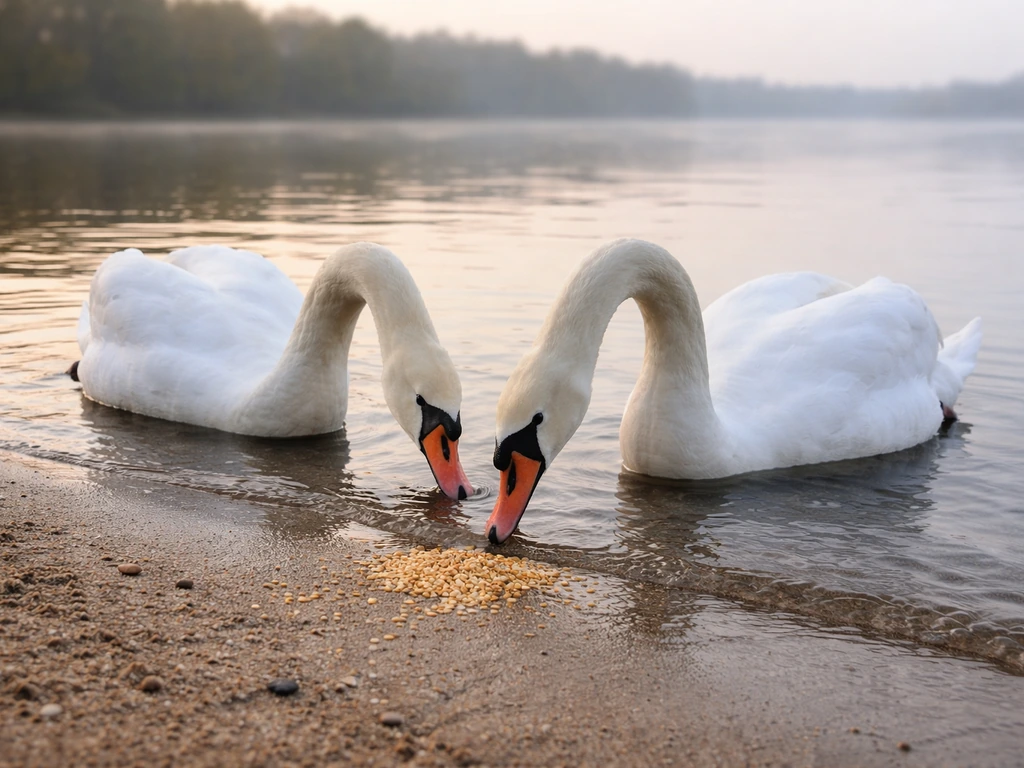
What bird seed swans might actually eat (and what they won't touch)
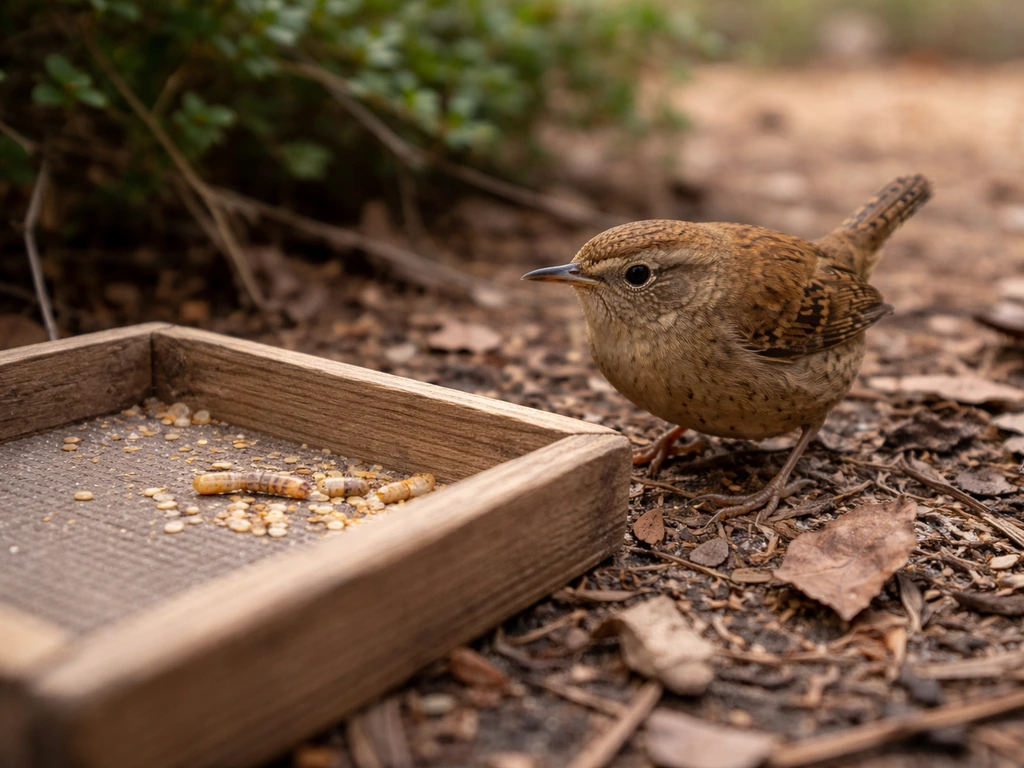
Most wild bird seed blends are formulated for small perching birds like finches, sparrows, and wrens. Wrens also need the right type of seed, and many common mixes will not be suitable for them compared with more appropriate small-bird foods. House wrens also eat seeds, so offering the right bird seed can help attract them most perching birds like finches, sparrows, and wrens. The seeds that dominate those mixes, sunflower, safflower, nyjer (thistle), and white millet, are not part of a swan's natural diet and are not really suited to their bill shape or feeding behavior. Swans feed by dipping their long necks underwater or grazing along shorelines, not pecking at feeders or picking through loose seed on the ground.
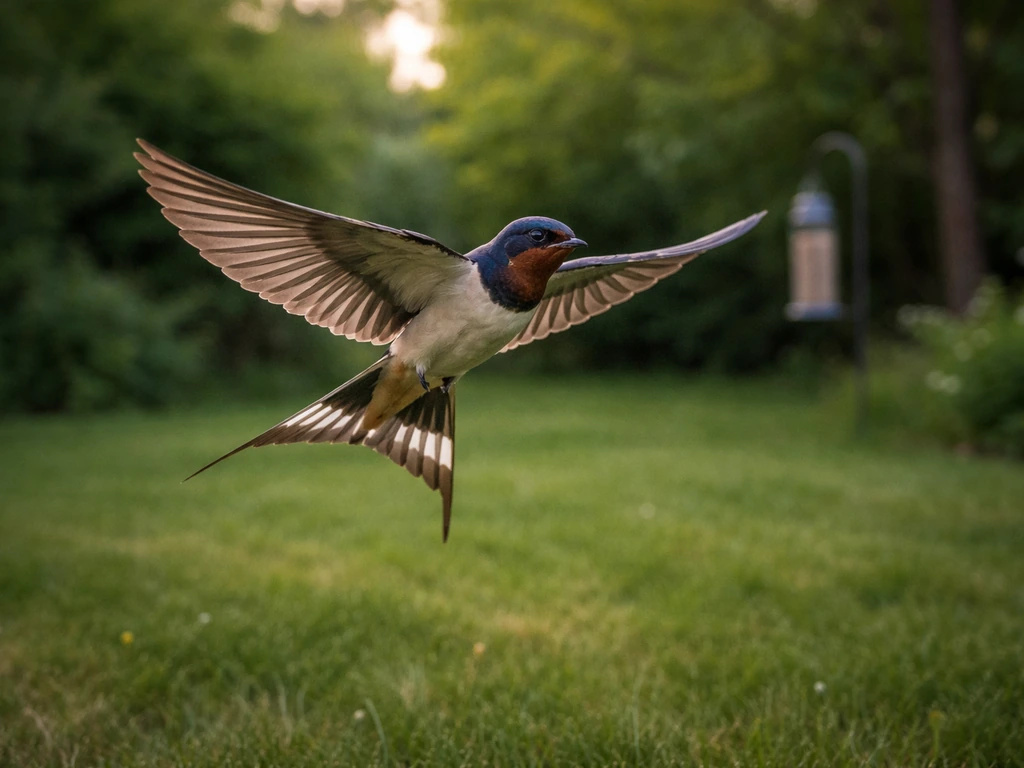
The exception is cracked corn. Cornell Lab lists cracked corn among foods that mute swans will accept as handouts from people, and USGS research found that corn fed by Chesapeake Bay residents supplements swans' winter diet when natural vegetation is scarce. Trumpeter swans and tundra swans are also documented foraging in agricultural fields for blank" rel="noopener noreferrer">spilled or unharvested corn and barley. So if your wild bird seed mix contains cracked corn, a swan might eat that portion and leave the rest. Because of that, many standard bird seed mixes are not a good match for swans, so the best practice is to avoid regular feeding do swallows eat bird seed.
| Seed or Food Type | Swan Interest | Notes |
|---|---|---|
| Cracked corn | Will eat | Closest to their natural grain diet; mute, trumpeter, and tundra swans all documented eating corn |
| Whole corn kernels | May eat | Harder to manage; cracked is easier for them |
| Barley | May eat | Trumpeter swans documented eating barley in winter fields |
| Sunflower seeds | Likely ignored | Not part of natural diet; wrong bill type for cracking seeds |
| Nyjer (thistle) | Ignored | Tiny seed for finches; swans won't bother |
| Safflower | Ignored | Same as sunflower; not suitable for waterfowl |
| White millet | Unlikely | Ground-feeding birds eat this; swans rarely will |
| Standard wild bird mix | Mostly ignored | Will pick out corn if present, leave the rest |
Should you feed swans at all? The honest answer
Several state wildlife agencies have very clear guidance here: Indiana DNR says people should not feed mute swans. Michigan DNR echoes this and specifically instructs residents to keep outdoor areas free of spilled bird seed and pet food that could attract swans. The U.S. Fish and Wildlife Service publishes a caution notice about feeding waterfowl in general, citing risks like dependency on humans, disease spread from concentrated feeding sites, and conflicts with other wildlife and people.
The concern is not just that bird seed is a poor nutritional fit. Waterfowl require specific macronutrient ratios, roughly 14 to 17 percent protein and 3 to 6 percent fat, according to the Merck Veterinary Manual. A diet built on corn handouts or leftover seed does not come close to meeting that. Regular feeding also makes swans reliant on human food sources, keeps them unnaturally concentrated in one area, and increases the risk of disease transmission between birds. Pennsylvania's Game Commission specifically flags that unnatural concentrations at feed sites increase wildlife disease spread.
That said, if swans are already visiting your property, you may want to know what is and is not safe to offer on an occasional basis. The guidance below covers that, with the understanding that regular, consistent feeding is not recommended.
How to feed swans safely if you choose to
What to offer
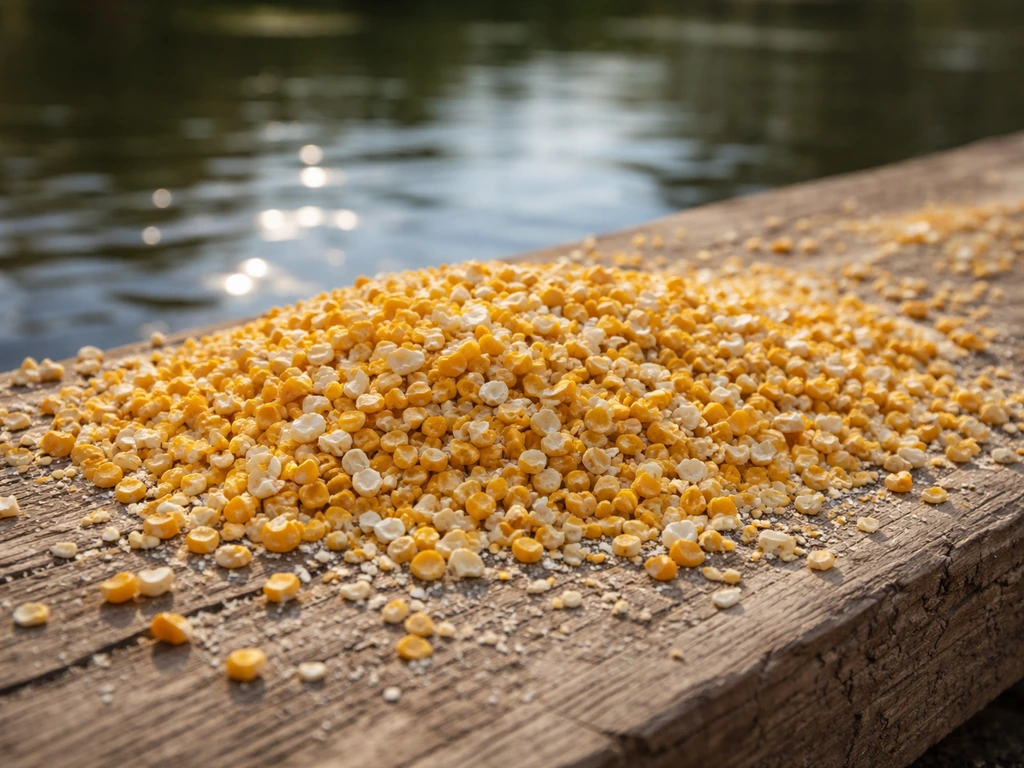
If you're going to offer something, cracked corn is the most appropriate grain from a typical bird seed context. Corn is a documented part of swans' supplemental winter diet and is unlikely to cause immediate harm in small amounts. You can also offer leafy vegetables like romaine or other greens, and produce trimmings. Cornell Lab notes mute swans accept lettuce and produce scraps as handouts. Avoid bread entirely, even though it is commonly offered at ponds. It has essentially no nutritional value for waterfowl.
How to serve it
- Scatter cracked corn or greens near the water's edge where swans can reach it naturally, not in a raised feeder
- Offer small amounts, a cup or two at most, so there is no excess left sitting on the ground or floating in the water
- Do not create a regular feeding schedule; occasional and limited is safer than daily feeding
- Keep feeding spots away from areas where other wildlife, like geese or ducks, congregate in large numbers to reduce disease risk from overcrowding
- Never offer moldy, wet, or sprouted seed; discard it in a sealed garbage bag before it reaches the feeding area
Storing seed to prevent mold, wet spoilage, and sprouting
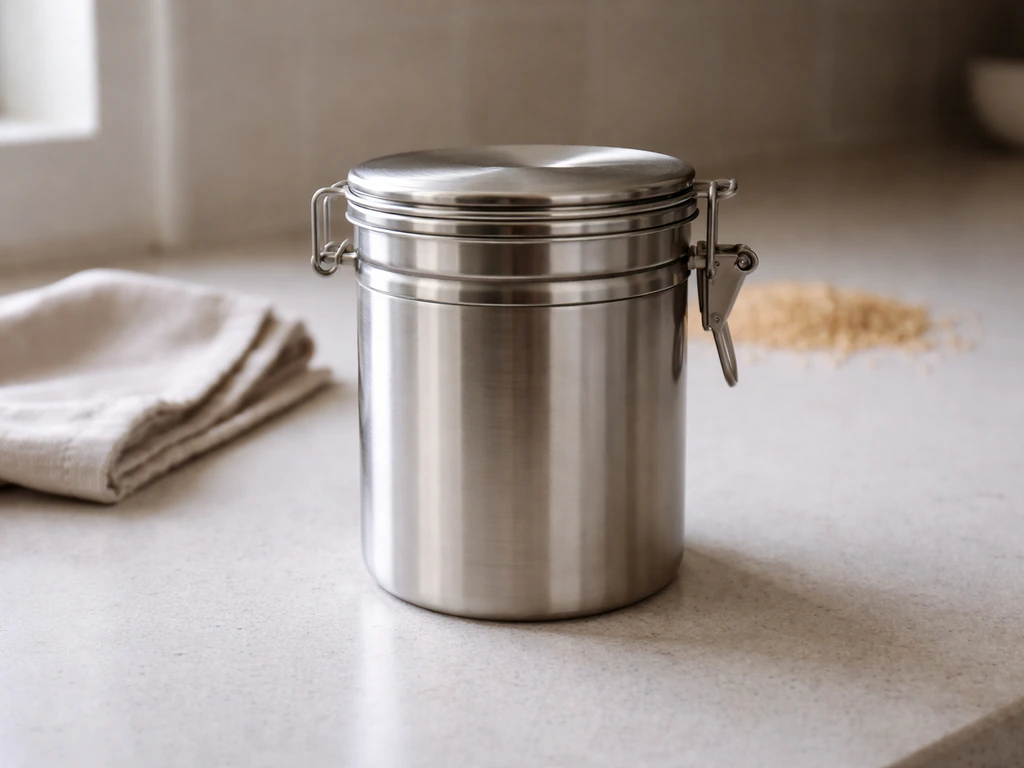
This matters whether you're storing seed for backyard birds or planning to offer cracked corn to visiting swans. Moldy seed is genuinely dangerous. The Merck Veterinary Manual explicitly states that mold contaminating improperly stored seed can cause liver disease in birds, and Cornell's wildlife health lab links moldy feed to aspergillosis, a serious respiratory disease in waterfowl. Because swans are waterfowl, this risk applies directly to them.
- Store seed in a sealed, airtight container, metal or heavy-duty plastic, off the ground and away from humidity
- Do not buy more seed than you can use in four to six weeks; seed that sits longer starts to degrade and go rancid
- Check seed before offering it: if it clumps, smells musty, or shows any white or gray fuzz, it's moldy and must be discarded
- If seed gets wet in the bag or bin, spread it on a clean tray in direct sunlight for a few hours to dry out, or discard it if mold is already visible
- Sprouted seed is not necessarily toxic but it signals moisture has been sitting in the container long enough for germination; discard and clean the container
- Rinse and dry storage containers monthly with a dilute bleach solution (2 oz bleach per 1 gallon of water), then let them air dry completely before refilling
Managing pests and cleanup around swan feeding areas
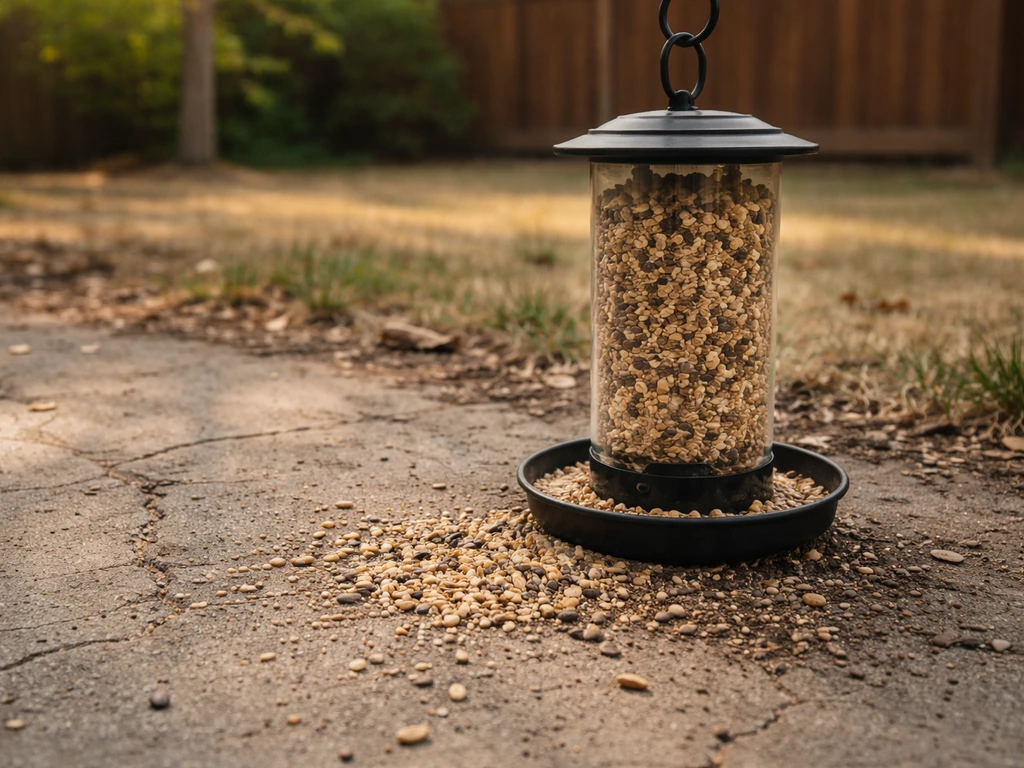
Swans are large birds with large appetites, and wherever there is food on the ground near water, you will attract other visitors. Do roaches also eat bird seed, especially when it is spilled or left out do roaches eat bird seed. Spilled cracked corn near a pond can draw geese, ducks, rodents, and insects. Wasps can also be attracted to sweet, spilled bird food like seed, so cleaning up quickly helps reduce stinging insects around the water do wasps eat bird seed. Michigan DNR's guidance on mute swans specifically calls out keeping outdoor areas free of spilled bird seed precisely because it attracts and concentrates the birds in problem areas. The same seed that brings a swan close also brings ants, roaches, and wasps, which are common visitors to any outdoor seed pile.
- Scatter only what will be eaten in one visit, then rake up any leftover seed before it sits overnight
- Do not leave seed on the ground near standing water; wet seed molds within 24 to 48 hours in warm weather
- Use a flat, low-sided tray or shallow pan placed near the water's edge if you want to contain the food and make cleanup easier
- After each feeding, rinse the tray with water and let it dry; do a bleach sanitization (9 parts water to 1 part bleach, 10-minute soak) once or twice a month
- If pests like ants or roaches are appearing, the problem is almost always leftover seed sitting too long; remove it and the pests follow
- Rodents attracted to spilled seed near a waterfront are a real concern; remove feeders and feeding trays if you start seeing signs of mice or rats
For ongoing cleanliness, the Minnesota DNR recommends a bleach-to-water ratio of 2 oz bleach per 1 gallon of water for surface and feeder cleanup after wet weather events. If you're cleaning a tray or container that held cracked corn near a wet area, that same ratio works well. Rinse thoroughly after cleaning and let everything dry completely before reuse.
If swans won't eat the seed, or too much is going to waste
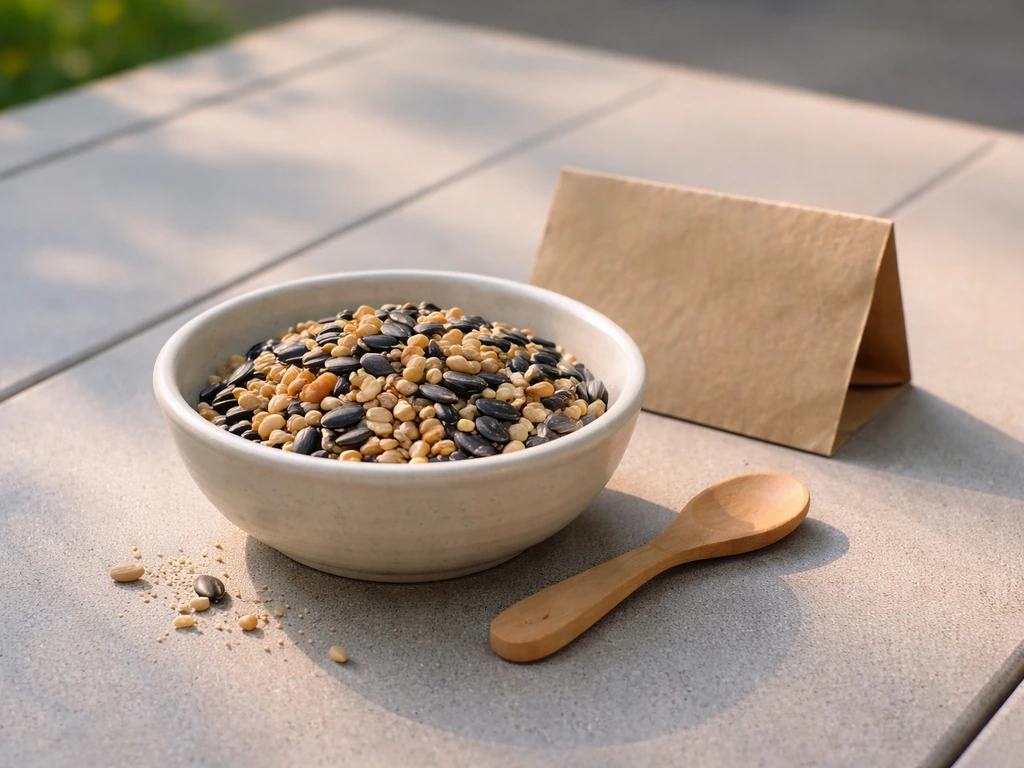
Swans ignoring offered seed is actually the most common outcome, especially if you're putting out a standard wild bird mix. If you are wondering whether do bees eat bird seed, the answer is often yes, especially when the seed is left out and accessible. Here's how to troubleshoot what's happening and cut down on waste.
| Problem | Likely Cause | Fix |
|---|---|---|
| Swans ignore everything you put out | Seed type is wrong; swans prefer aquatic vegetation and grain | Switch to cracked corn only, placed near the water line |
| Swans eat a little, leave a lot | Mix contains seeds they won't eat (sunflower, nyjer, millet) | Use plain cracked corn instead of a mixed seed blend |
| Seed sits on the ground and gets wet | Too much offered at once, or rain hit it before it was eaten | Offer smaller amounts; rake up leftovers within a few hours |
| Mold appears on leftover seed | Wet seed was left too long | Discard wet seed immediately; clean the area with dilute bleach solution |
| Other animals (geese, ducks, rodents) are eating all the seed | Seed is being left accessible too long or in large quantities | Reduce amount offered; remove uneaten food within 30 minutes of offering |
| Swans have stopped visiting | Natural food sources are available again, or they have moved on | This is normal and healthy; no action needed |
One thing worth accepting: swans not eating your bird seed is actually the best-case scenario from a wildlife management perspective. If a swan is visiting your property in warm months when natural aquatic vegetation is available, it does not need supplemental feeding. The Trumpeter Swan Society notes that wild swans naturally adapt to field feeding during migration and winter when food is scarce, but healthy habitat with natural food sources is always preferable to handouts.
Your practical checklist for today
- Decide whether feeding is appropriate: if mute swans are involved, check your state's guidance first, as Indiana and Michigan both advise against feeding them
- If you proceed, use only cracked corn (not a standard wild bird seed mix) and offer no more than 1 to 2 cups at a time near the water's edge
- Check your stored seed for mold or clumping before using any of it; discard anything that smells off or shows visible mold
- Store remaining seed in a sealed airtight container off the ground, and plan to use it within four to six weeks
- Set up a flat, low-sided tray near the waterline to contain the food and make cleanup easier
- After the swans leave (or after 30 minutes), rake up or remove any uneaten food before it sits overnight
- Sanitize your feeding tray once or twice a month with a 9: 1 water-to-bleach solution, soak for 10 minutes, then rinse and dry
- If pests appear, reduce or eliminate the amount of food you're leaving out; the seed is the attractant
- If swans stop responding to offered food, stop feeding and let them return to natural foraging
FAQ
If swans ignore my seed, should I keep putting food out to “train” them?
If you want to offer anything, keep it as small, one-time handouts rather than repeated daily feeding. Even with cracked corn, frequent offerings can shift swans from natural grazing to human-supplied food, increasing disease and crowding risks.
Can swans eat bird seed if it is spilled on the ground, even if I do not put it directly in a feeder?
Yes, and it is one of the most common ways people unintentionally invite swans. If cracked corn or seed spill onto the ground near the water, swans may eat the accessible portion and then leave the rest of the mix.
Is it ever okay to feed swans seed that has gotten damp or moldy?
Moldy seed is not safe. Mold-contaminated bird seed can cause serious illnesses in birds, including liver disease and respiratory infections, so discard any seed that smells musty, looks discolored, or has visible growth.
What if I only have bread on hand, can I feed that to swans?
Bread is not a good substitute. Even occasional bread lacks nutritional value for waterfowl and can worsen water quality around ponds and shorelines, which may indirectly increase health problems for swans and other wildlife.
What should I do if swans start showing up repeatedly at my waterfront because of the seed I put out?
Roughly, the safest approach is to stop feeding and remove attractants. If swans are already present, clearing spilled seed, emptying trays, and preventing leftover food from accumulating reduces the chance they linger near your property.
How should I clean up spilled seed or a tray after wet weather without harming wildlife?
Bleach can be used for cleanup, but not as a food product. Use a bleach-to-water ratio of 2 oz bleach per 1 gallon of water for surface and feeder cleaning after wet weather, rinse thoroughly, and let items dry completely before reusing.
If I want to offer something, is cracked corn always better than sunflower or millet mixes for swans?
Yes, cracked corn is more likely to be accepted than standard mixes, but it is still not ideal as an ongoing routine. If you offer any grain, keep it to a limited amount and avoid leaving it on the ground for long periods.
Will putting seed out for swans also attract other animals and pests?
They can, and it is usually a sign of an unmanaged food source. Birds, geese, ducks, insects, and other pests often gather around accessible seed piles, so reducing loose food and cleaning up quickly helps lower the number of visitors.
How can I tell whether my offered seed is actually suitable for swans, versus just being wasted?
Your best indicator is behavior, not whether seed is left behind. If the swans are not grazing, it usually means the offered food does not match their needs and feeding style, or natural aquatic vegetation is available.
Are there rules or local restrictions about feeding swans in my state or park?
Yes. In some places, feeding waterfowl (especially regularly) can lead to conflicts and health issues, and some state agencies specifically advise against feeding mute swans. If you are unsure, check local wildlife regulations for your area and species.