House wrens almost never eat bird seed. They are insectivores first and foremost, and a standard feeder stocked with sunflower seed or millet is basically invisible to them. If you want house wrens in your yard, the seed approach won't get you far. What will work is rethinking your setup to offer insects, low cover, and the right habitat cues. And if your seed feeders are accidentally drawing pests or creating a mess, there's a simple cleanup routine that fixes that too.
Do House Wrens Eat Bird Seed? What to Do in Your Yard

Maya Collins
9 Jun 2026
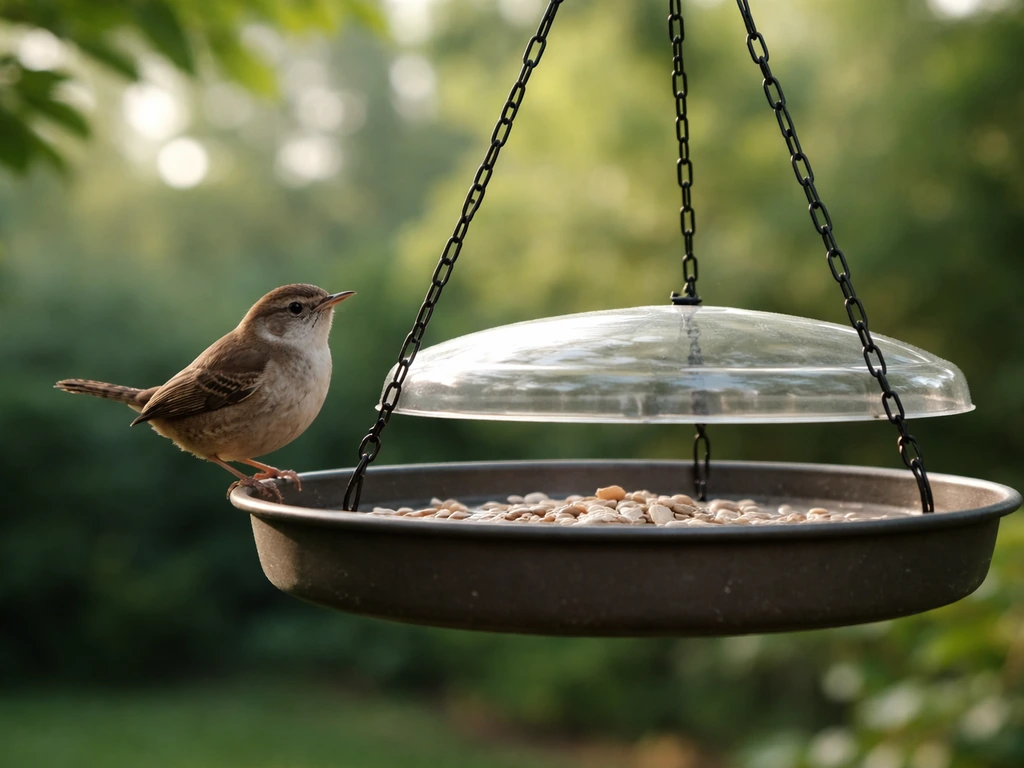
Do house wrens eat bird seed?
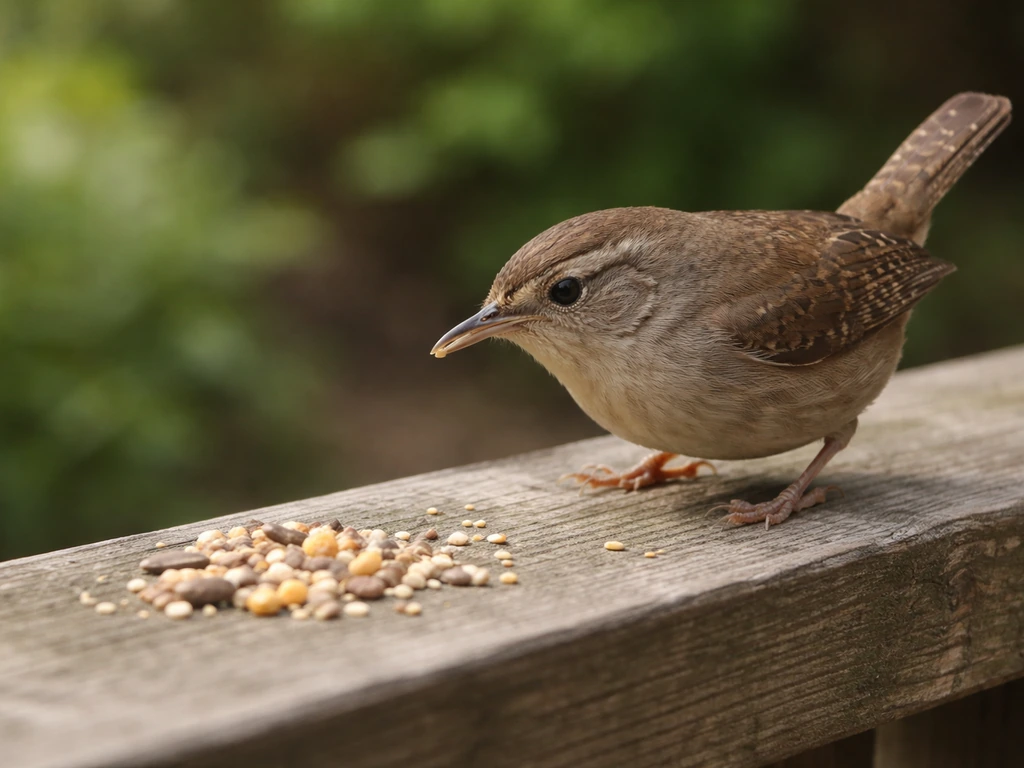
Technically, a house wren might snatch the odd seed if it lands in the right spot, but that's about as reliable as calling a cat a pescatarian because it once ate a goldfish cracker. Cornell Lab's All About Birds describes house wren diet as blank" rel="noopener noreferrer">beetles, caterpillars, earwigs, spiders, daddy longlegs, flies, leafhoppers, and springtails. The Audubon Field Guide backs this up: wrens forage through foliage, along twigs and bark crevices, and on the ground, all in pursuit of invertebrates. Seed just isn't part of that picture. If you're picturing a wren perching on a tube feeder pecking at sunflower seeds, it's almost certainly not happening.
This matters because a lot of people set out birdseed hoping to attract wrens, see none, and conclude the birds aren't in their area. The real issue is usually that you're putting out food wrens don't eat, in a feeder design they don't use, at a height they don't forage at. The birds may be 20 feet away and completely uninterested in what you've set up.
What they really prefer: insects and why seed is secondary
House wrens are built for catching insects, not cracking seeds. They have thin, slightly curved bills that are designed for probing bark crevices and leaf litter, not for the crushing work that finches and sparrows do. According to All About Birds, their foraging style is quick investigative hops on the ground, flipping debris and investigating low foliage. The Pennsylvania Game Commission's wren overview describes them as hunting caterpillars, chinch bugs, beetles, leafhoppers, grasshoppers, and crickets on or just above the ground in thick brush and understory.
This is also why comparing wrens to other backyard species can be misleading. A house sparrow or a junco genuinely benefits from a well-stocked seed feeder. House wrens are in a completely different feeding guild. Even in winter, when insect numbers drop and some birds shift heavily toward seeds, house wrens deal with the food scarcity by migrating south rather than switching to a seed diet. Most house wrens you'd see in the northern U.S. and Canada leave by September or October.
Which seed types and feeder setups are most likely to work
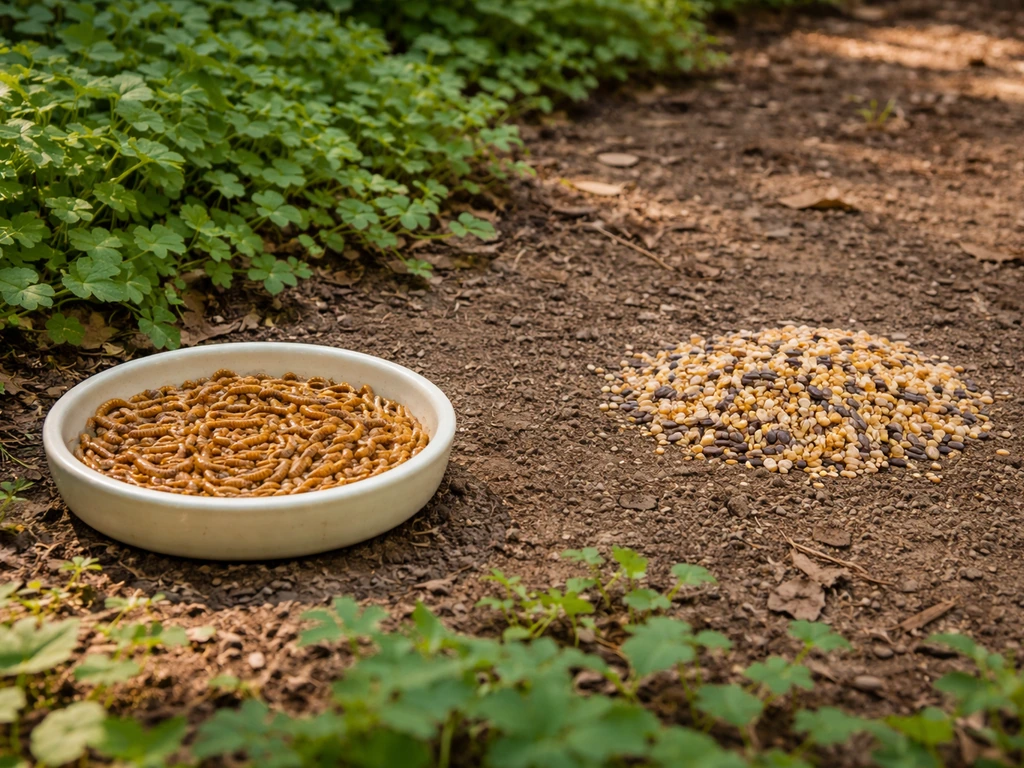
If you want to offer supplemental food to wrens, the most effective option isn't seed at all. Live or dried mealworms are the single best feeder offering for a house wren, placed in a shallow dish or platform at low height (12 to 18 inches off the ground). Suet with insect ingredients is a distant second option and may occasionally draw them in. Peanut butter-based suet can also work since wrens have been recorded taking it during breeding season when protein demand is high.
If you do use seed feeders in your yard, scatter a small amount of fine-grained seed like nyjer or small millet directly on the ground near dense shrubs. Wrens forage low, so a ground-level tray near good cover is more likely to produce a result than a hanging tube feeder. That said, don't expect consistency. Any seed success you have with wrens is going to be incidental rather than deliberate feeding behavior on their part.
| Food Type | Wren Interest | Best Delivery Method | Notes |
|---|---|---|---|
| Live mealworms | High | Shallow dish, 12–18 inches off ground | Best option by far; mimics natural prey |
| Dried mealworms | Moderate | Low platform or ground tray | Less attractive than live but still works |
| Insect suet | Low to moderate | Suet cage near shrub cover | More useful during cold snaps |
| Sunflower seed | Very low | N/A | Not a natural food; mostly ignored |
| Millet (white or red) | Very low | Ground scatter near brush | Only incidental; attracts sparrows more |
| Nyjer/thistle | Essentially none | N/A | Not relevant for wrens |
How to attract house wrens: placement, habitat, and timing
The most reliable way to attract house wrens is to make your yard look like good wren habitat, not to upgrade your feeder. House wrens breed across most of the U.S. and southern Canada from roughly April through August, so that's the window when you're most likely to see them. They're cavity nesters and will use nest boxes readily, which gives you a real, concrete thing you can do today.
- Put up a wren nest box with a 1 1/8-inch entrance hole. That size is important: it's small enough to exclude house sparrows and starlings.
- Place the box 5 to 10 feet off the ground on a post or tree, near the edge of shrubby vegetation or a brushy border. Avoid open lawns with no nearby cover.
- Leave some leaf litter or a brush pile in a corner of the yard. Wrens hunt through this material constantly.
- Add a shallow water source like a birdbath or ground-level dripper. Moving water is especially attractive.
- Reduce or eliminate pesticide use. Insecticides cut the wren's food supply directly.
- Place mealworm dishes within 10 feet of the nest box or brush pile once wrens are present.
Timing matters. House wrens arrive in the northern states and southern Canada around late April to early May, and they're actively looking for nest sites immediately. Having a nest box up by mid-April gives you first-mover advantage. In the southern U.S., some populations are year-round, so you may have a longer window.
If they don't come: troubleshooting competition and setup
House wrens are territorial and reactive to competition, so if your yard has a heavy house sparrow presence, that's the first thing to investigate. House sparrows are aggressive competitors for nest cavities, and they'll happily monopolize a feeder area and drive off smaller birds. Your seed feeders may actually be the reason wrens are keeping their distance: abundant millet and cracked corn draws sparrows, which creates crowded, aggressive conditions that wrens avoid.
- Too many house sparrows: Switch away from millet and cracked corn, which are sparrow magnets. Use safflower or straight nyjer instead if you want to keep feeding other species.
- Nest box in the wrong spot: Move it closer to shrubby cover and away from open, exposed areas. Wrens want quick cover nearby.
- Box entrance too large: If the hole is bigger than 1 1/8 inches, house sparrows will take over. Replace or resize the box.
- No insect habitat nearby: Add a brush pile or native plantings with diverse foliage. Native shrubs like viburnums or elderberries support significantly more insect diversity than ornamental plants.
- Wrong season: If it's September through March in a northern state, the wrens have migrated. Wait for spring.
- Feeder placement too high or too exposed: Ground-level or low feeding stations near dense cover are far more likely to be visited.
One useful troubleshooting habit is to change one variable at a time and give it a week before changing something else. This is the same logic Cornell Lab's Project FeederWatch applies when helping people figure out why certain species show up or don't. If you move the box, add mealworms, remove sparrow-attracting seed, and plant a native shrub all at once, you won't know what actually worked.
Seed safety and cleanup: storage, mold, wet seed, and pests under feeders
Even if house wrens don't eat your seed, your seed feeders can still create problems that affect the whole yard, including the insects and habitat that wrens depend on. Wet, sprouting, or moldy seed under a feeder attracts rodents, roaches, and ants, which can become a real issue fast. Wasps can also be drawn to bird seed when it becomes accessible or spills around feeders, so keeping seed dry and cleaned up helps reduce them too do wasps eat bird seed. Good feeder hygiene is worth doing regardless of which birds you're targeting.
Storing seed right
Store seed in a sealed, airtight container, preferably metal to resist rodents. Keep it in a cool, dry place away from direct sun. Seed stored in a hot garage or shed in summer goes rancid or grows mold faster than you'd expect. Buy in quantities you'll use within four to six weeks in warm weather, and inspect it before refilling: if it smells musty, clumps together, or shows visible mold or sprouting, discard it rather than putting it out.
Dealing with wet or spoiled seed
If seed gets wet in a feeder (rain, humidity, or morning dew), empty the feeder completely before refilling. Wet seed molds within 24 to 48 hours in warm conditions. Audubon's feeder safety guidance specifically calls out ensuring feeders are completely dry before refilling to reduce mold and disease risk. If you find a clumped, wet mass at the bottom of a tube feeder, that's a health hazard for birds that have nothing to do with wrens but can affect every bird visiting your yard.
Cleaning schedule
All About Birds recommends cleaning feeders at least once a week with hot water and a bottle brush. Audubon suggests every two weeks as a minimum starting point, with more frequent cleaning during hot or humid weather. For a thorough sanitizing step, use a 9:1 water-to-bleach solution (that's nine parts water to one part bleach), rinse thoroughly, and let the feeder dry completely before refilling. This is the National Wildlife Health Center's recommended ratio and it actually works.
Cleaning up under feeders
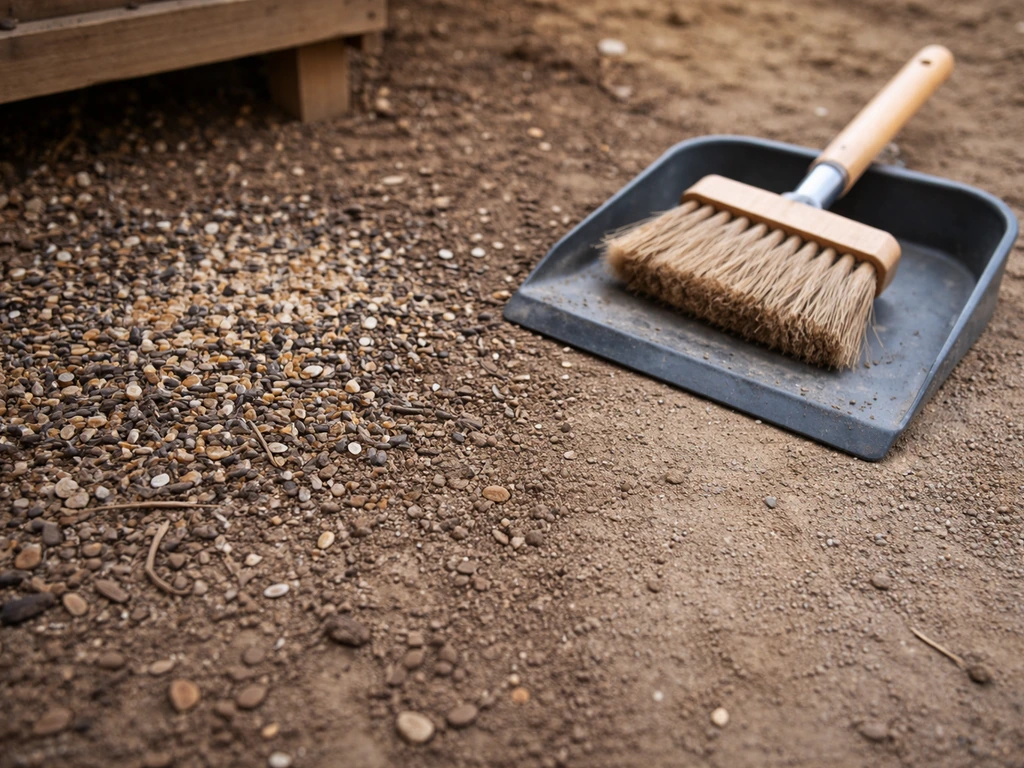
Seed hulls and dropped seed accumulating under a feeder is where pest problems start. Rake or sweep the area under feeders every one to two weeks. If you're seeing ants, roaches, or rodents investigating the base of your feeder setup, that's almost always a cleanup timing issue, not an unsolvable infestation. If you are also wondering do ants eat bird seed, the same cleanup and moisture-reduction steps help prevent ant activity at the feeder base. If you also wonder whether do roaches eat bird seed, the same cleanup and storage habits help prevent them from sticking around roaches, and ants. A feeder tray with drainage holes reduces the amount that falls to the ground and makes cleanup easier. If ground buildup is a recurring problem, consider switching to no-mess hulled seed mixes, which produce far less debris.
One practical note: the pest and cleanup issues from bird seed are sometimes more significant than the birds you're attracting. Do swallows eat bird seed, and should you try it to attract them? If you're running a mealworm dish specifically to attract house wrens, keep it clean daily since protein-based foods spoil faster than dry seed and will draw flies and ants quickly in summer. Rinse the dish with hot water every day or two and don't leave uneaten mealworms sitting out overnight.
FAQ
If house wrens don’t eat seed, why do I sometimes see them on a feeder?
Yes, but only in rare, incidental moments, usually when a seed is dropped directly onto leaf litter or low ground where the wren is already foraging. If you want consistent visits, switch from seed feeders to low mealworm dishes (12 to 18 inches) or nest-box habitat rather than expecting regular seed eating.
How can I tell whether the bird at my feeder is actually foraging like a house wren?
Watch the bird’s behavior, not just its species label. House wrens typically hop through grass and low cover, flip or probe debris, and move in quick bursts along shrub bases and the ground. If the bird is cracking seed repeatedly like a finch, it is likely a different species doing the feeding.
What’s the best feeder height and placement if I still want to try seed for wrens?
Use a lower-feeder strategy or ground presentation. A ground tray near dense shrubs, with fine, small seed scattered nearby, is more aligned with how wrens hunt at low heights. Hanging tube feeders at typical “people bird” heights are a common reason wrens ignore otherwise good-looking seed stations.
What should I change first to attract house wrens without guessing?
Do it in small, separate steps and test one change at a time for about a week. For example, install a nest box, then add low mealworms, then reduce sparrow-attracting seed. Large simultaneous changes make it hard to know whether wrens increased because of food, cover, or cavity availability.
Do mealworm dishes attract pests the way seed feeders can?
Offer mealworms (live or dried) in a shallow dish or platform and keep it clean more often than you would with dry seed. Protein foods can spoil faster, especially in warm weather, and will attract flies and ants if left overnight. Daily spot-checking is the safest approach during summer.
Where should I place a house wren nest box to improve the odds?
Wren nest boxes matter, but placement affects occupancy. Put the box where there is nearby low cover (dense shrubs or understory) and avoid siting it right on a high-traffic, open lawn. Also, aim to have boxes up by mid-April in northern areas so wrens can claim cavities as soon as they arrive.
How does a house sparrow problem affect whether wrens use my yard?
Seed can reduce wren visits indirectly by favoring competitors. If you are drawing many house sparrows with plentiful millet or cracked corn, wrens may stay away because sparrows monopolize cavities and create aggressive, crowded conditions. If sparrows are abundant, reduce or stop sparrow-friendly seed while you focus on mealworms and cavity habitat.
What should I do if my seed gets wet or clumps under the feeder?
Yes, and it usually comes down to hygiene and moisture. If you see clumping, wet areas, or a musty smell, empty the feeder completely, discard the wet seed, and refill only with dry product. Wet seed can mold quickly and create health risks for all birds, not just wrens.
Should I still worry about feeder mess even if wrens aren’t using the seed?
Even if you never see a wren eating, keep seed storage and cleanup habits tight. Empty hulls and spilled seed under feeders are where ants, roaches, and rodents start to show up. Regularly sweep or rake below feeders (every one to two weeks) and use a tray with drainage holes when possible.
When is the best time of year to attract house wrens with food and nesting options?
In most northern areas, you are unlikely to “win” by late fall. House wrens mostly depart by September or October in much of the northern U.S. and Canada, so your strongest chances are spring through summer, especially when boxes are ready shortly before or around their arrival window.