No, swallows do not eat bird seed. do ants eat bird seed. Barn swallows, cliff swallows, tree swallows, and their relatives are insectivores that catch flying insects in midair. They are not built to perch at a feeder and pick through seeds, and standard birdseed provides essentially zero nutritional value to them. If you want swallows in your yard, seed feeders are not the tool for the job.
Do Swallows Eat Bird Seed? Barn Swallow Guide

Maya Collins
13 May 2026
The direct answer: will swallows eat seed?
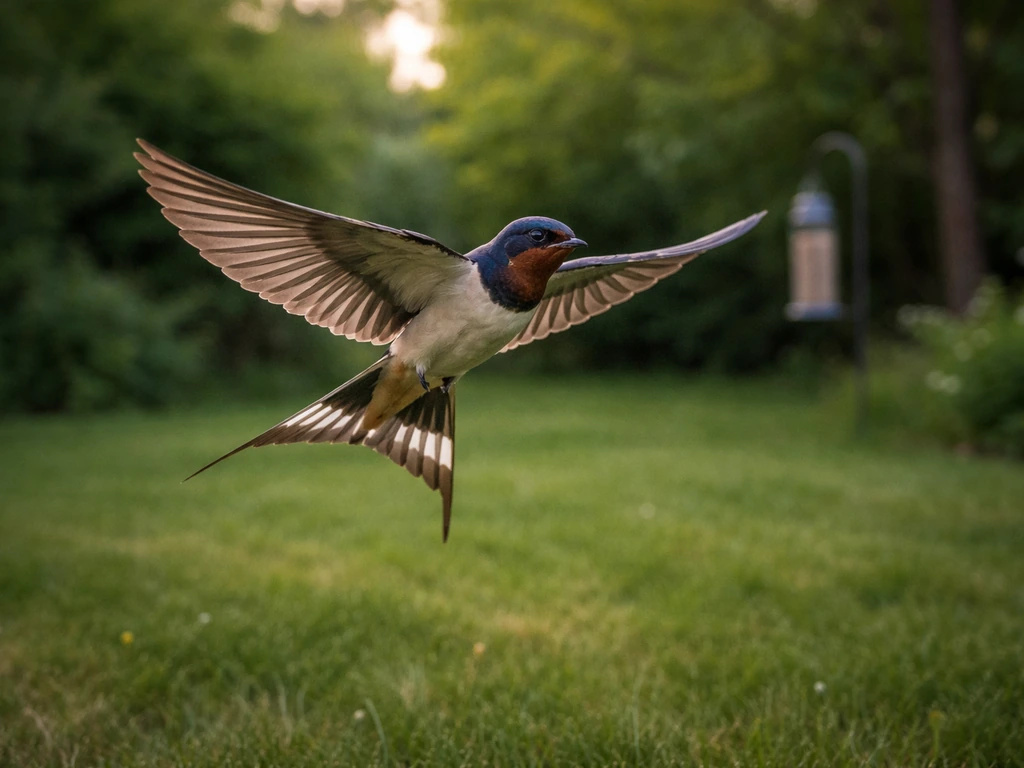
The answer is almost certainly no. Swallows belong to the family Hirundinidae, a group of birds that evolved specifically to hunt flying insects on the wing. Their short, wide bills, long pointed wings, and forked tails are all adaptations for aerial pursuit, not ground feeding or feeder perching. A barn swallow at a seed feeder would be roughly as out of place as a hummingbird trying to crack sunflower shells. In the rare case you see a swallow near a feeder, it almost certainly flew past chasing an insect rather than sampling the seed.
The one partial exception worth knowing: tree swallows can shift to eating berries (especially bayberry and wax myrtle) during cold snaps when insects disappear. This is a survival adaptation, not a preference, and it still doesn't extend to seeds. Cliff swallows occasionally eat berries too. But barn swallows, the species most people mean when they ask this question, show essentially no recorded shift to plant-based foods even under cold stress.
Barn swallows vs. other backyard swallows
Several swallow species might appear in a typical backyard, and it helps to know the differences before you set up anything to attract them.
| Species | Primary diet | Berry/non-insect flexibility | Likely to visit feeders? |
|---|---|---|---|
| Barn swallow | Flying insects (flies, beetles, wasps, ants) | None recorded | No |
| Cliff swallow | Flying insects (flies, ants, bees, wasps, beetles, dragonflies) | Occasional berries | No |
| Tree swallow | Flying insects plus mollusks, spiders; berries seasonally | Yes, during cold snaps | No (berries, not seed) |
| Purple martin | Flying insects caught in flight | None recorded | No |
Barn swallows are the most familiar species for most North American backyards. They nest on building ledges, barn rafters, and bridge underpinnings, and they spend most of their waking hours hawking insects over open fields, marshes, and water. A stomach content study of 31 barn swallows found their diet was roughly 40% Hymenoptera (bees, wasps, ants), 31% Diptera (flies), 15% Hemiptera (true bugs), and 12% Coleoptera (beetles). Wasps may also be drawn to food near feeders, but it is not the same as swallows eating seed do wasps eat bird seed. Not a seed in sight.
What swallows actually eat and why seed doesn't work
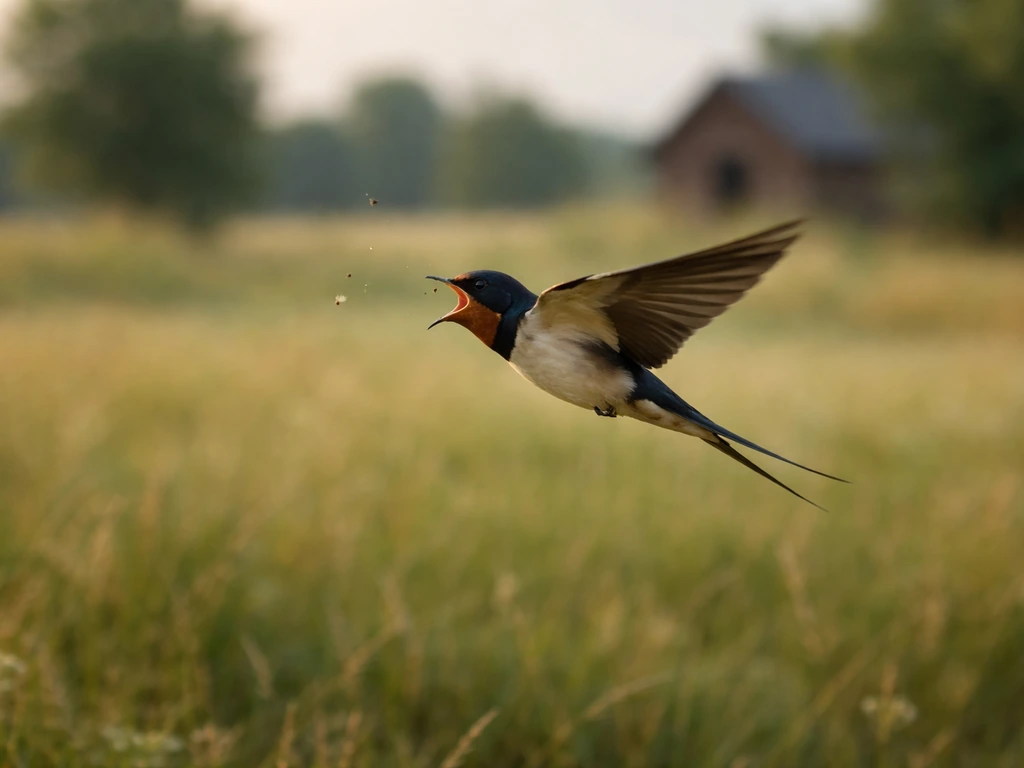
Barn swallows feed almost entirely on flying insects captured and eaten in midair. Flies make up a large share of their diet, but they also take beetles, wasps, winged ants, true bugs, butterflies, and moths. They'll follow cattle, farm machinery, or even lawnmowers because the movement flushes insects into the air. They drink and bathe on the wing too, dipping to skim water from the surface of a pond or stream.
The foraging mismatch with seed feeders goes beyond just preference. Swallows do not have the bill strength or foot dexterity to crack or manipulate seeds. They are pursuit hunters, and a static pile of seed on a tray offers nothing they can chase. Even if a barn swallow landed at a feeder out of pure curiosity, it wouldn't be able to process sunflower seeds, millet, or safflower the way a finch or sparrow can. Putting out seed to attract swallows simply won't work.
How to actually attract swallows to your yard
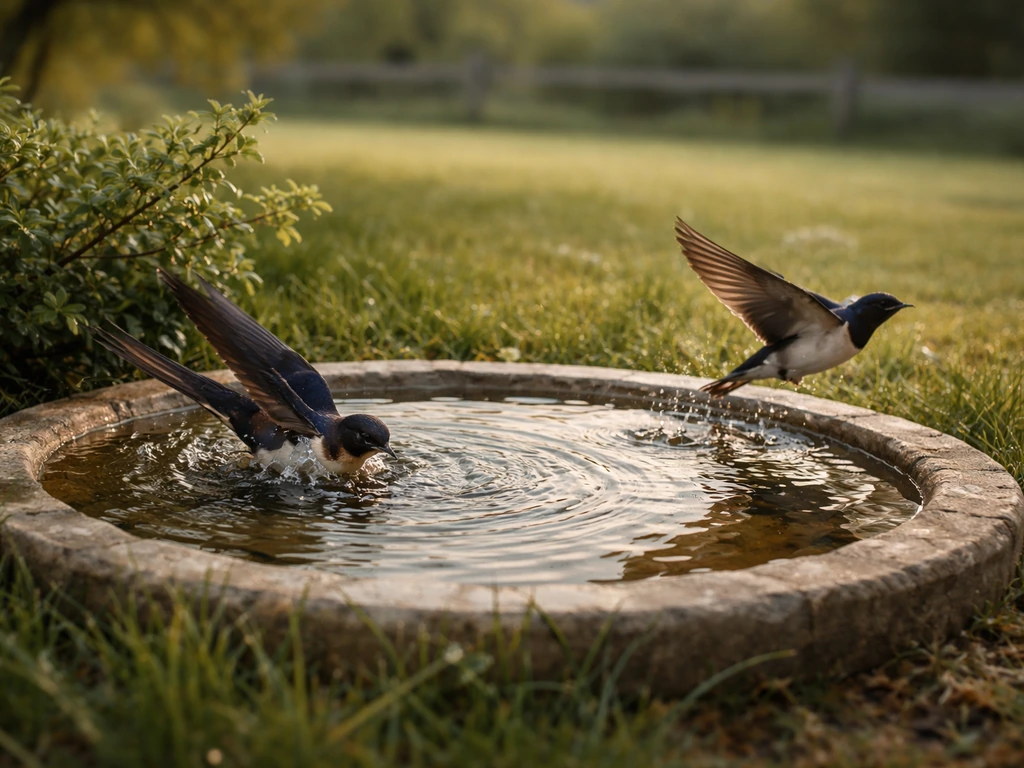
If swallows are already visiting, the best thing you can do is make your property more hospitable. If they're not visiting yet, here's what actually moves the needle.
Provide water
A birdbath alone won't do much because barn swallows prefer to drink and bathe in flight. What attracts them is open water they can skim: a pond, a large low birdbath placed near open flying space, or a water feature with gentle movement. If you have a garden pond or live near a creek or lake, that proximity is already working in your favor. A shallow, wide birdbath set at ground level or on a low pedestal near open lawn can help other swallow species like tree swallows.
Support nesting opportunities
Barn swallows build cup-shaped mud nests using mud, grass, feathers, and twigs, typically on a protected ledge or beam under an overhang. blank" rel="noopener noreferrer">The University of Maryland Extension recommends installing simple nesting shelves (a flat board roughly 6 inches wide mounted on the wall of a barn, shed, or garage under a roof overhang) to invite barn swallows in. Leave a patch of bare, moist soil nearby so they have access to mud for building. Do not use a enclosed nest box, which suits bluebirds and wrens better. Barn swallows want an open shelf, not a hole.
Keep the insect supply healthy
Reduce pesticide use in your yard as much as possible. Swallows are drawn to properties with abundant flying insects, so a yard with healthy insect diversity (especially near water or tall grass) is far more attractive than a manicured, chemically treated lawn. Native flowering plants attract the insects that attract the swallows. If you've already reduced pesticide use and still don't see swallows, the issue is usually lack of nesting structure or nearby open water rather than food scarcity.
Keep open airspace
Barn swallows hunt in open areas: fields, meadows, above water. Dense tree canopy over the entire yard limits their hunting territory. If you have a mix of open lawn and nearby cover, that's ideal. They especially follow the edges between open ground and tree lines.
If you already have seed out: what to expect
If you're running seed feeders and hoping swallows will show up anyway, here's the honest picture: they won't be eating the seed. If you are also wondering about other feeder visitors like do roaches eat bird seed, the bigger takeaway is that swallows will still ignore seed feeders and focus on flying insects instead. Do bees eat bird seed? In general, they focus on nectar, pollen, and insects rather than cracking and feeding on typical birdseed.
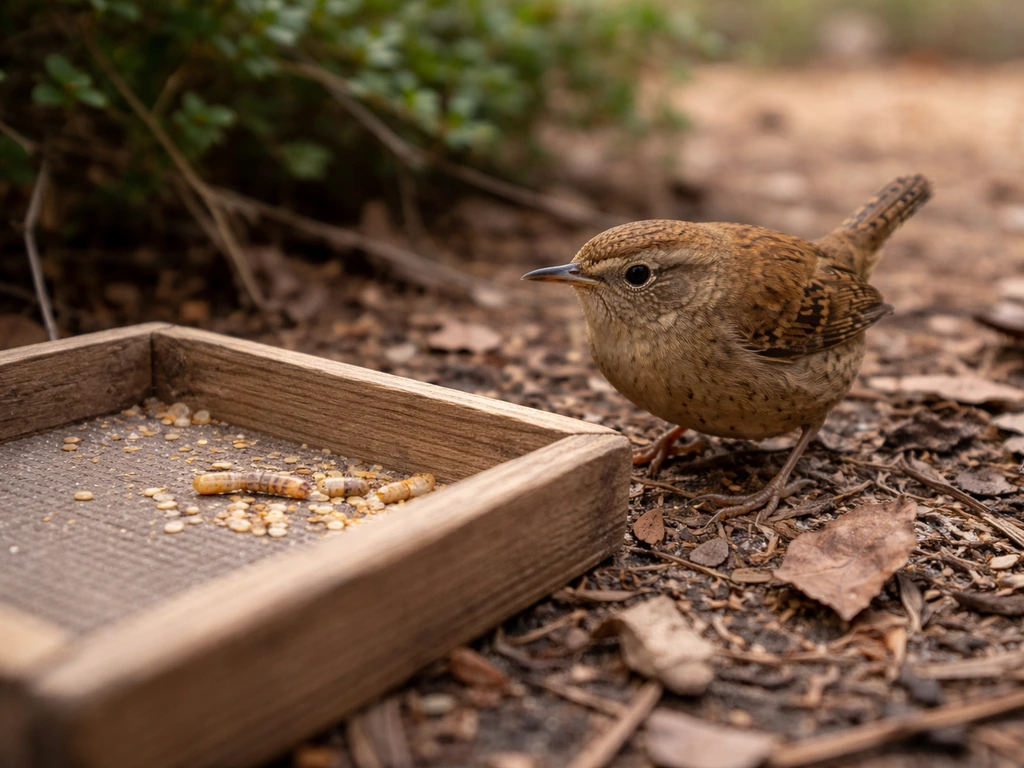
House wrens can eat small seeds, so bird seed may attract them more than swallows. They might fly through your yard hunting insects that were attracted to the general activity near the feeder, but the seed itself is irrelevant to them. The birds showing up to your seed feeders will be sparrows, finches, doves, and similar species, which is fine, but it's a separate audience from swallows.
What you do need to watch is waste. Seed feeders that aren't managed well create real problems, and those problems can actually make your yard less welcoming to wildlife in general. Scattered seed on the ground attracts rodents, which can in turn attract predators that stress or drive away nesting birds including swallows. Keep feeders tidy if you run them.
Managing seed hygiene so it doesn't become a pest magnet
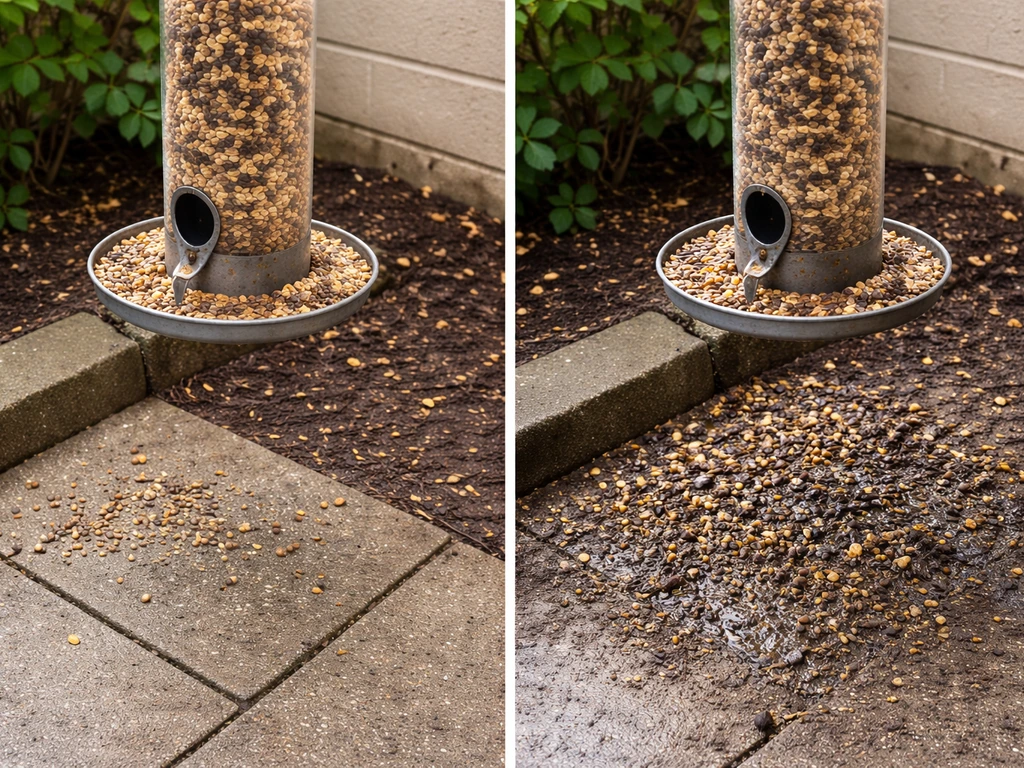
Whether you're running feeders for other birds or just clearing up seed that was already out, the hygiene side matters a lot. Wet seed and seed debris are two of the most common sources of mold, rodent activity, and general feeder problems. Here's how to stay on top of it.
Clean feeders on a regular schedule
Clean seed feeders at least every two weeks under normal conditions. In warm, humid weather or after rain, clean them more often, ideally every week. To clean: empty all old seed, scrub the feeder with a 9:1 water-to-bleach solution or hot soapy water, rinse thoroughly, and let it dry completely before refilling. A wet feeder refilled with seed is a guaranteed mold starter.
Deal with seed on the ground
Seed that falls to the ground under a feeder can quickly become a rodent attractant, especially at night. Rake or sweep under feeders every few days. Discard any seed that looks wet, clumped, or discolored. Seed that's been on damp soil for more than a day or two can sprout or begin to mold, and moldy seed can make birds sick. If you see green growth or a fuzzy coating on fallen seed, clear it all out and dispose of it in a sealed bag.
Watch for mold and handle it safely
Moldy seed in or under a feeder is an actual health risk, both to birds and to you during cleanup. When clearing out moldy seed or washing a heavily soiled feeder, wear disposable gloves and avoid stirring up dust from dried material. Wash your hands thoroughly afterward. The CDC notes that damp, moldy environments can cause health effects depending on individual sensitivity, so if you have respiratory sensitivities, wear a mask when cleaning out heavy buildup.
Reduce spill to reduce pest pressure
Use a feeder with a tray catch to collect fallen seed before it hits the ground. Avoid overfilling. Only put out as much seed as birds will consume within a day or two during warm weather. Rodents drawn to seed spill under feeders are exactly the kind of pressure that discourages ground-nesting and low-nesting birds from settling nearby. Keeping seed contained protects the overall wildlife environment you're trying to build.
The bottom line is that attracting swallows and managing a bird-feeding setup aren't at odds, but they require different tools. Seed feeders serve finches, sparrows, and other seed eaters. Swallows respond to water, nesting structure, open space, and a healthy insect supply. Get those four elements right, and barn swallows may well adopt your property as a hunting and nesting ground without you ever opening a bag of seed for them.
FAQ
If I see swallows near my feeder, does that mean they are eating the bird seed?
Almost never. Even if a swallow lands briefly near a feeder, it will not be able to crack typical seeds and it gains nothing nutritional from them. What you are likely seeing is the bird hawking insects that were attracted to seed spill, sunflower husks, or nearby activity.
Can bird feeders attract insects that then bring swallows to my yard?
It can help indirectly, but not by feeding seed. If your feeders increase insect activity (for example, flying insects around spilled seed or attracted to flowering plants nearby), swallows may hunt those insects. The seed still remains irrelevant to their diet.
What kind of water setup is most effective if I want swallows in my yard?
Place water where swallows can use it in flight. A wide, shallow bath at ground level near open lawn or a low water feature with gentle movement is more useful than a deep birdbath or a bath hidden under shrubs, because swallows skim water and need clear hunting space.
Will a standard enclosed birdhouse or nest box attract barn swallows?
Yes, but focus on the right nesting option and exposure. Swallows typically use open shelves under overhangs, not enclosed nest boxes. If you use a nest box style that has an entry hole or interior chamber, it may attract other species while leaving swallows uninterested.
Why might swallows not show up even if I reduced pesticides and keep a clean yard?
A lack of swallows is usually not a “food” problem, it is an “infrastructure” problem. Check for nearby open hunting areas (not fully shaded by dense canopy), access to mud for nest building, and open water they can skim. Seed feeders rarely fix those gaps.
Do any swallow types eat seed in winter?
Tree swallows can eat berries in cold periods, especially certain local native species, but this behavior does not translate to seed eating. If you are hoping for them, prioritize native berry plants suited to your region and cold-season conditions rather than adding more seed.
How do seed feeder hygiene issues affect whether swallows actually nest nearby?
Watch your feeder hygiene schedule and reduce spill. Swallow activity often increases when insects increase, but messy seed setups create rodents and mold risk. A yard with less spill, cleaner feeders, and contained seed makes it more hospitable for nesting birds instead of driving predators toward them.
Is it safe to clean up moldy seed under feeders?
Yes, and the main risk is not just allergies or mess, it is pathogen exposure during cleaning. Wear disposable gloves, avoid stirring moldy dust, wash hands thoroughly, and use a mask if you are sensitive to respiratory irritants, especially after storms when wet seed and growth are more common.
Do swallows prefer a particular yard layout, like open lawn versus lots of trees?
Concentrate on open spaces and edge habitat. Swallows hunt along boundaries between lawn and cover, so a yard layout with partial shade and nearby tall grass or field-like vegetation near open ground is more likely to support their hunting than a fully wooded yard or completely bare property.
Should I stop using bird seed feeders completely if I want swallows?
If you want to attract swallows, stop viewing seed feeders as a target feature. Keeping feeders tidy can still be fine for other birds, but to increase swallow odds, invest in nesting shelves, nearby open water, and an insect-rich yard created with native plants and minimal pesticide use.
Next Article
Do Wrens Eat Bird Seed? What They Eat and How to Attract Them
Yes, wrens eat some bird seed. Learn what they prefer, how to set feeders, and keep seed dry to attract them.