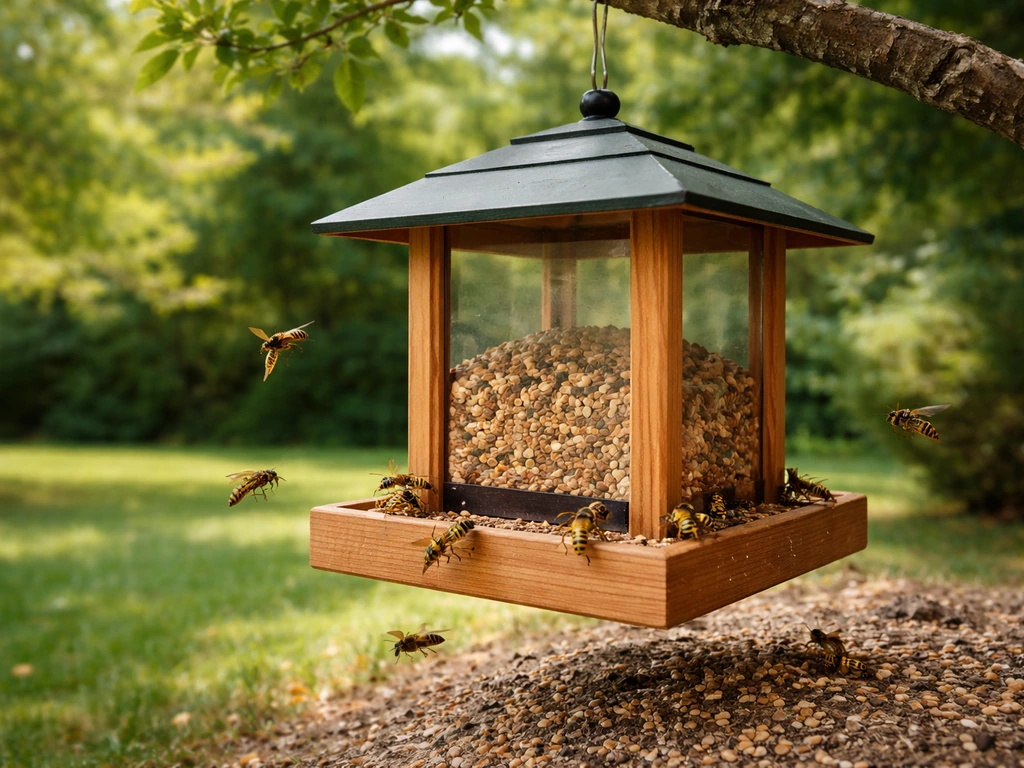
Wasps do not eat bird seed. They are not there for the seed itself. What draws them to your feeder is almost always something else nearby: sugary drips or residue on the feeder, fermenting or wet seed, small insects crawling around spilled seed on the ground, or sweet liquids collecting in feeder trays. Understanding that distinction matters because it completely changes what you do to fix the problem.
Do Wasps Eat Bird Seed? How to Stop Them Safely
Maya Collins
31 May 2026
Why wasps show up at bird feeders (it's not the seed)
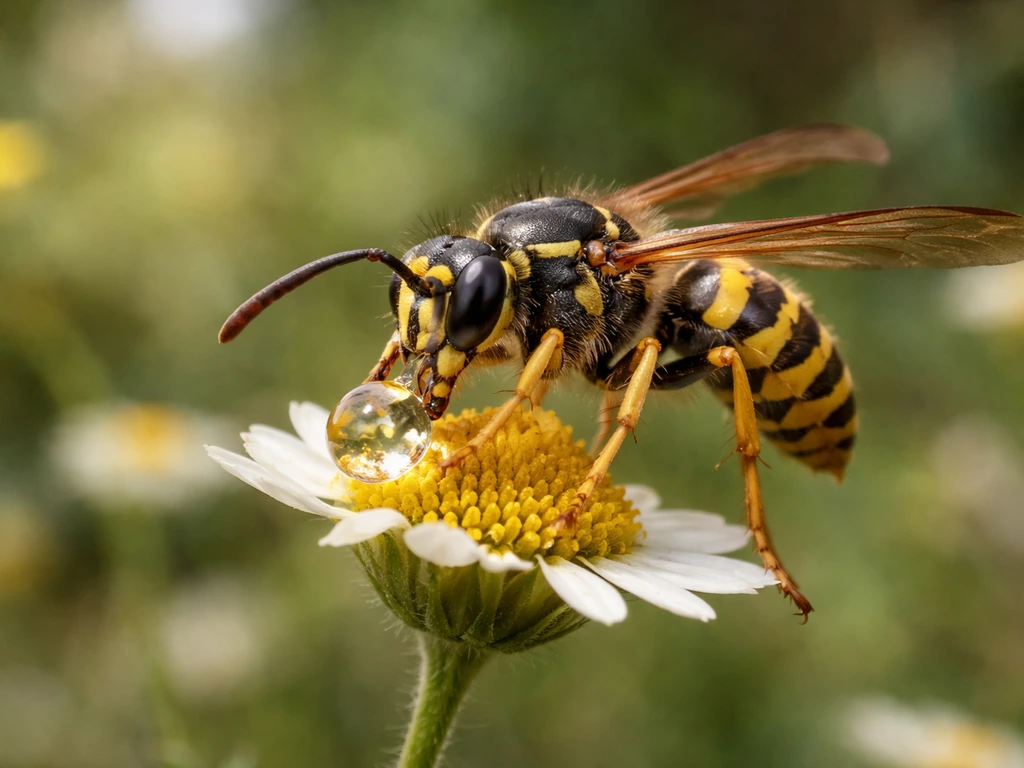
Adult social wasps, including yellowjackets, paper wasps, and hornets, run almost entirely on carbohydrates. Adult social wasps feed primarily on carbohydrates, including nectar, fruit juice, tree sap, and honeydew, while insects and carrion are mainly used to feed their larvae [run almost entirely on carbohydrates](https://www. extension. umd.
edu/resource/social-wasps-yellowjackets-hornets-and-paper-wasps). They feed on nectar, fruit juice, tree sap, and honeydew (a sugary secretion from aphids and other sap-feeding insects). Protein sources like insects and carrion are collected almost exclusively to feed their larvae back at the nest, not to feed themselves. So a feeder full of millet and sunflower seeds is not inherently interesting to a wasp.
What is interesting is anything around that feeder that mimics their natural food sources: a sticky hummingbird feeder nearby, fermented or wet seed releasing sweet odors, fruit or berry plants within foraging range, or a population of small insects attracted to the spilled seed.
This also explains why wasp activity at feeders tends to spike in late summer and early fall. Colony populations peak then, larval demand drops off, and worker wasps are freed up to hunt aggressively for carbohydrates to sustain themselves. Any reliable sugar source in your yard becomes a target. A feeder with even a thin film of sweet residue on a perch or tray is enough to bring them back repeatedly.
How to tell wasps apart from other feeder visitors
Before you act, it helps to confirm what you're actually dealing with. Wasps, bees, ants, and rodents all behave differently at feeders, and each one points to a different problem. Ants can be attracted to bird feeders, but they are usually looking for spilled seed, residue, or sugary drips rather than eating bird seed directly.
| Visitor | What it looks like | What it's after | Key tell |
|---|---|---|---|
| Yellowjacket / wasp | Smooth, shiny body; narrow waist; black and yellow banding; aggressive flight pattern | Sweet residue, wet/fermenting seed, small insects | Lands on feeder rim, tray edge, or wet seed patches; does not eat dry seed |
| Honey bee / bumble bee | Fuzzy body; rounder shape; slower, calmer flight | Sweet residue or nearby flowering plants | Less aggressive; may cluster on hummingbird ports or sugary spills |
| Ant | Tiny; travels in lines up feeder pole or along nearby surfaces | Seed, sugar, and protein residue | Visible trails; found inside feeder housing or on tray |
| Rodent (mouse/rat/squirrel) | Larger; present at ground level or climbing pole at night | Spilled seed on ground | Chew marks on feeder; disturbed seed at base |
| Seed-eating bird | Perches and picks at seed deliberately | The seed itself | Visible seed hulling behavior; stays on perch |
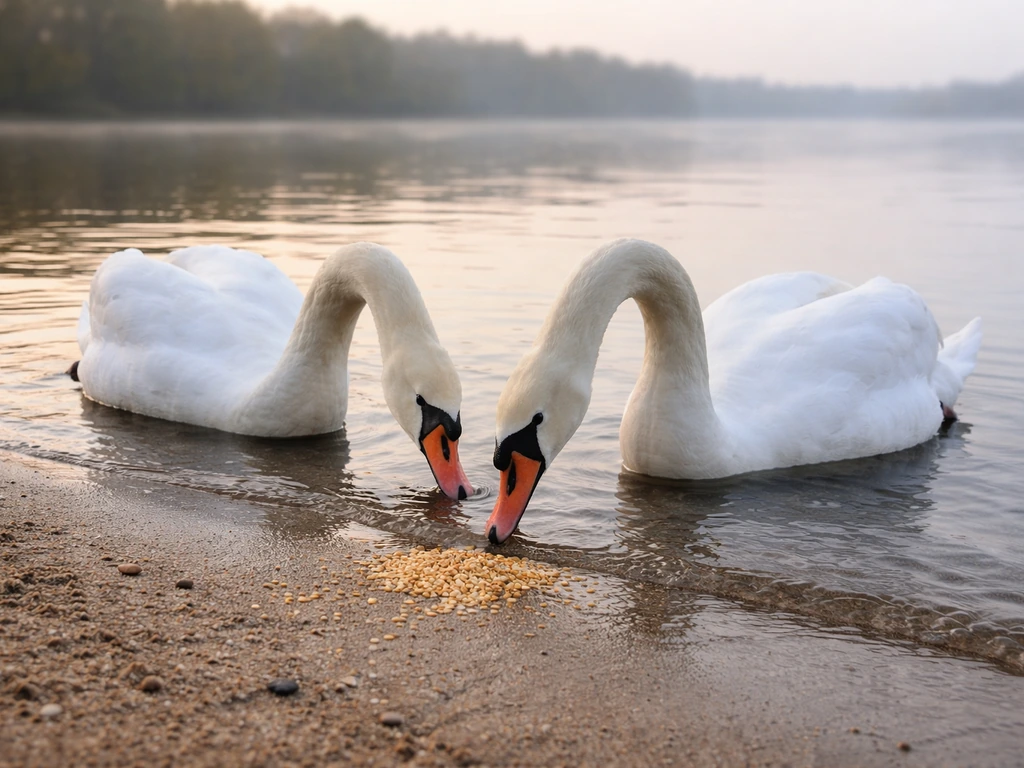
If you see wasps hovering around the tray or rim but not actually picking at seed kernels, that confirms they are not eating the seed. Swans may nibble on bird seed too, especially if it’s readily available not actually picking at seed kernels. They are almost certainly investigating a residue, a wet patch, or insects. Bees at feeders follow a similar logic, and like wasps, they are usually chasing sugar rather than seed. Bees generally visit bird feeders for sweet liquids like nectar or sugar residues, not for the seed itself. Ants are a separate but related problem worth addressing alongside wasps since both are drawn to spills and residue.
What parts of a bird seed setup actually attract wasps
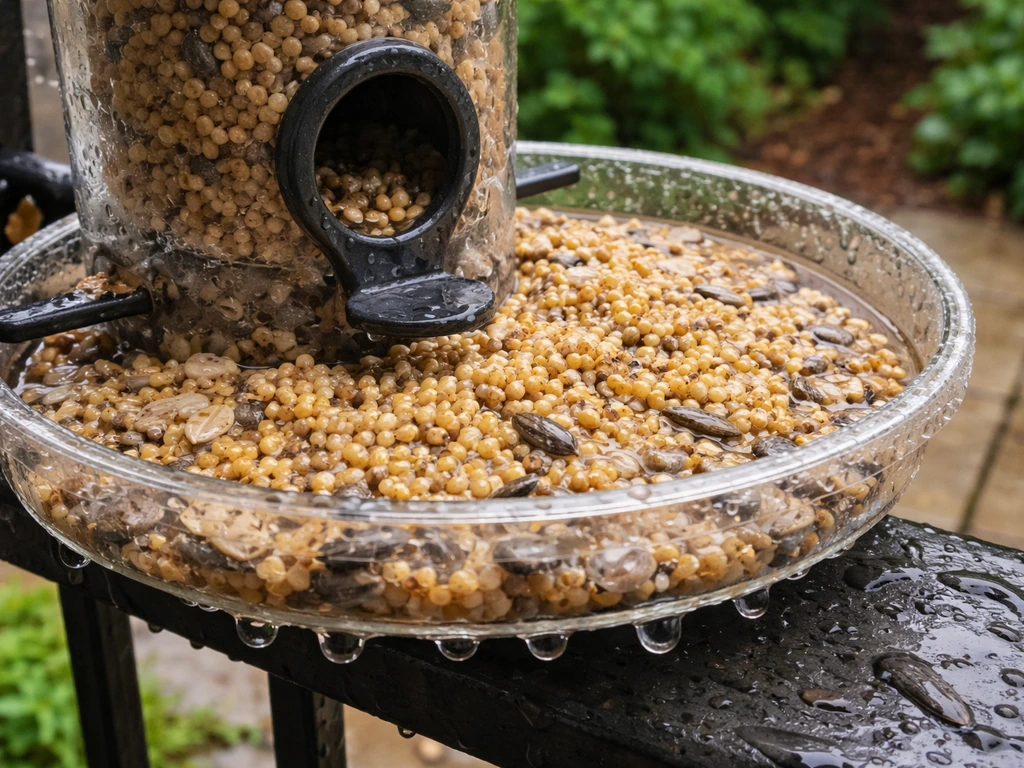
Even though the seed itself is not the draw, a bird feeding station creates several conditions that wasps find very attractive. Knowing which ones apply to your setup tells you exactly where to start.
- Wet or fermenting seed: Rain-soaked millet, safflower, or hulled sunflower in a tray feeder starts to ferment within a day or two. Fermenting seed releases volatile compounds that smell like fruit juice or alcohol to wasps. Research on yellowjacket attractants has specifically identified fermented sugar compounds as highly effective lures.
- Sugary drips from nearby hummingbird feeders: Even a small amount of nectar solution dripping from a port or spilling onto a surface creates a reliable carbohydrate source. Wasps learn feeder locations quickly and return to them.
- Mold on old or wet seed: Mold breaks down seed material and produces odors that attract scavenging insects, including wasps looking for easy carbohydrate or protein opportunities.
- Insects drawn to spilled seed: Ground spills of millet or cracked corn attract beetles, earwigs, and other small invertebrates. Those insects are exactly what wasps hunt to feed their larvae. A feeder with heavy ground spillage is essentially a hunting ground.
- Sweet fruit or berry plants nearby: If you have fruit trees, berry bushes, or a vegetable garden within 30 to 50 feet of your feeder, wasps may be using your feeder area as a staging point during foraging runs.
- Sugary residue on feeder surfaces: Nectar, fruit pieces in a feeder mix, or even accumulated bird droppings can leave a sweet or protein-rich film on perches and trays.
Prevention: removing the things that actually draw wasps in
The most effective long-term fix is reducing or eliminating the attractants, not trying to repel wasps after they have already found a reliable food source. Once wasps associate a location with food, they keep coming back. Here is where to focus:
Switch to a feeder design that limits spills and moisture
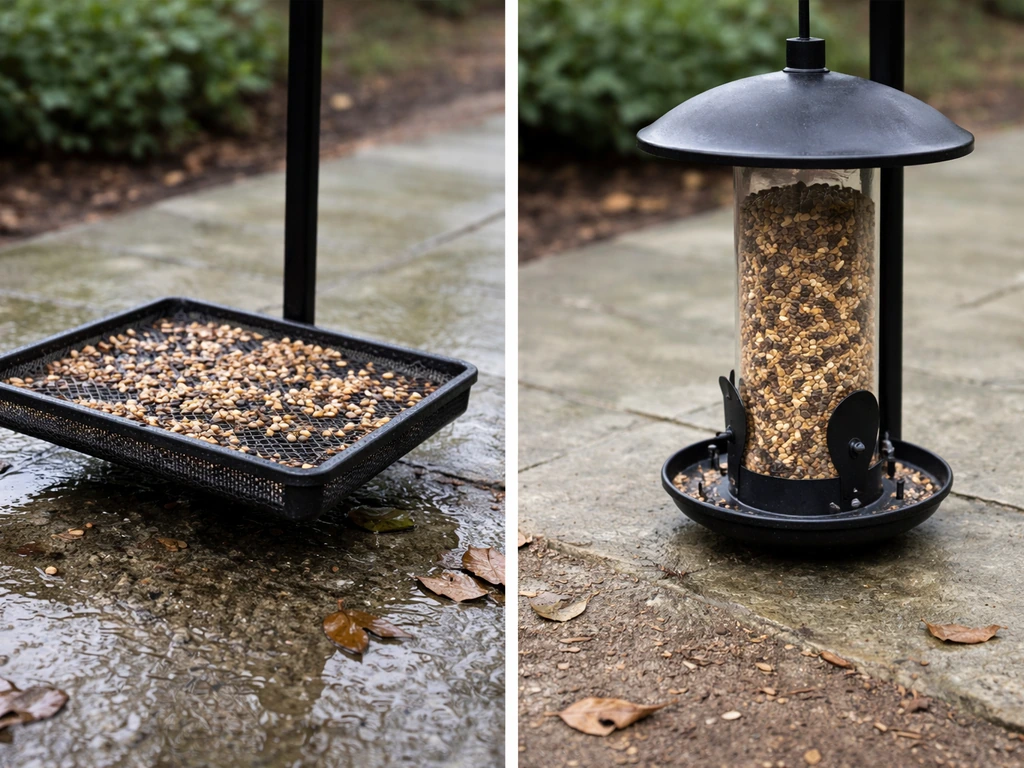
Open platform or tray feeders collect rain and allow seed to sit in pooled water, which accelerates fermentation. Tube feeders with small ports and no tray, or covered hopper feeders with drainage holes, keep seed drier. If you prefer a tray feeder, look for one with a mesh or perforated floor that lets water drain through rather than pool. Smaller fill amounts also help: instead of filling a feeder to capacity, put in only what birds will eat in one to two days, then refill fresh.
Move the feeder if wasps are already patrolling it
Wasps have good spatial memory and will revisit a location even after the food source is gone, at least for a few days. Moving the feeder just 10 to 15 feet can break the pattern, especially if you have cleaned the original spot thoroughly first. This is also recommended for bee activity around feeders and is a quick first step when you are dealing with persistent insects.
Separate hummingbird feeders from seed feeders
If you run a hummingbird feeder and a seed feeder in the same area, wasps attracted to the nectar will naturally investigate the seed station as well. Keep them at least 20 to 30 feet apart if possible. Check hummingbird feeder ports regularly for drips and clean them more frequently during warm weather.
Choose seed types that reduce ground debris
Seed mixes with a lot of millet, milo, or cracked corn tend to produce more ground spillage because birds toss through the mix to reach preferred seeds. Using single-species seed (hulled sunflower chips, straight safflower, or nyjer/thistle) matched to the birds you want to attract dramatically reduces the pile-up on the ground below. No-waste or no-mess mixes are a practical option if you have persistent ground spillage issues.
Practical ways to protect your feeder without harming wasps or birds
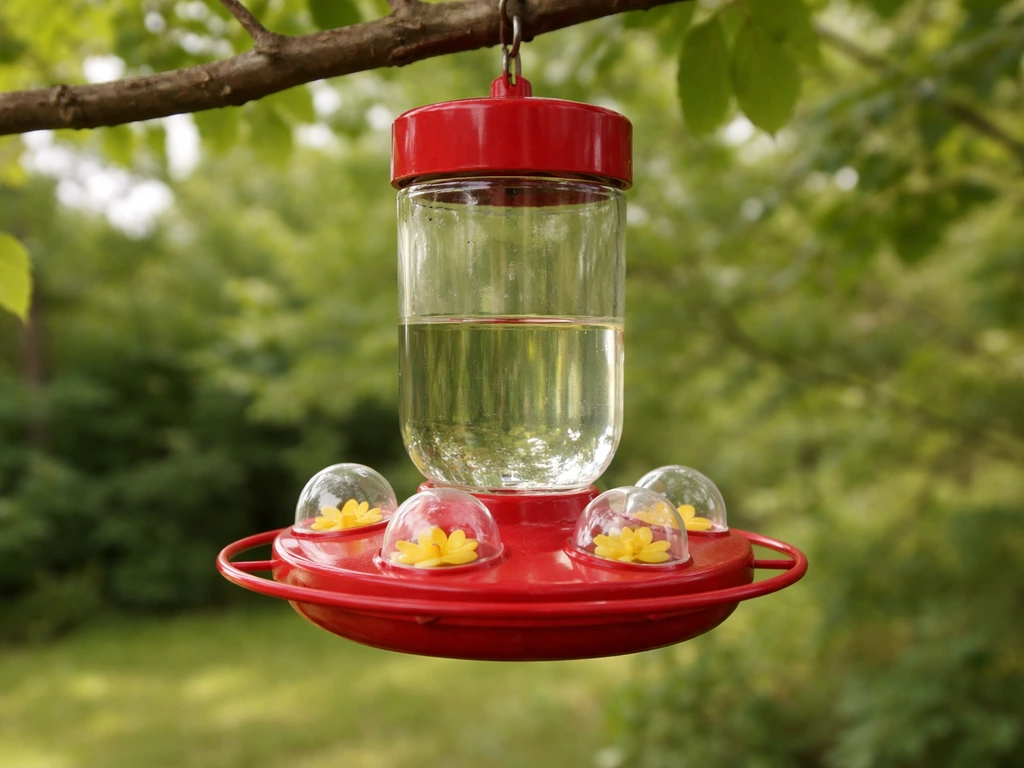
Use insect guards on hummingbird feeders
Many hummingbird feeders come with or accept small plastic bee guards over each port. These are small plastic cages or tubes that allow a hummingbird's long bill to reach nectar but block wasps and bees from accessing the liquid. They are inexpensive and genuinely effective. Texas Parks and Wildlife and the National Wildlife Federation both recommend them as a first-line tool. They do not harm any insect that visits; wasps simply cannot get to the nectar and eventually move on.
Apply a thin layer of food-safe oil to feeder poles
A very light application of petroleum jelly or a food-grade oil (like canola) on feeder poles and hangers discourages ants and can reduce wasp landing on surfaces. Use it sparingly and keep it away from the feeder ports or seed compartments. Never apply anything with strong fragrances, as these can deter birds.
Time your feeding to avoid peak wasp activity
Wasps forage most actively between late morning and late afternoon on warm days. Putting seed out early in the morning and removing or covering the feeder by early afternoon during peak late-summer wasp season is a short-term management strategy. It is not a long-term solution, but it reduces the window during which wasps can locate and claim the station.
Skip repellents and pesticides near feeders
Spraying insecticide around a bird feeder or on feeder surfaces is a serious risk to the birds using it. Many insecticides that kill wasps are also harmful to songbirds if ingested or if they absorb residue through their feet. Stick to physical exclusion and food-source management rather than chemical controls in the immediate feeder area. If you have an active nest on your house or within a few feet of a heavily trafficked area, that is a separate situation and worth consulting a pest management professional.
Consider a dedicated wasp trap, placed away from the feeder
Commercial yellowjacket traps use attractants like heptyl butyrate or protein-based lures to draw wasps in. If you place one 20 to 30 feet away from your feeder (and away from areas where people sit or eat), it can reduce local wasp pressure without affecting the birds at your station. The key is placement: a trap right next to a feeder will just draw more wasps to that area first.
Cleanup and storage to stop wasps from coming back
If wasps have already found your feeder, a thorough cleanup is the single most important reset you can do. Residual odors from fermenting seed, old hulls, or sugary drips will keep drawing them back even after conditions have otherwise improved.
Clean the feeder itself
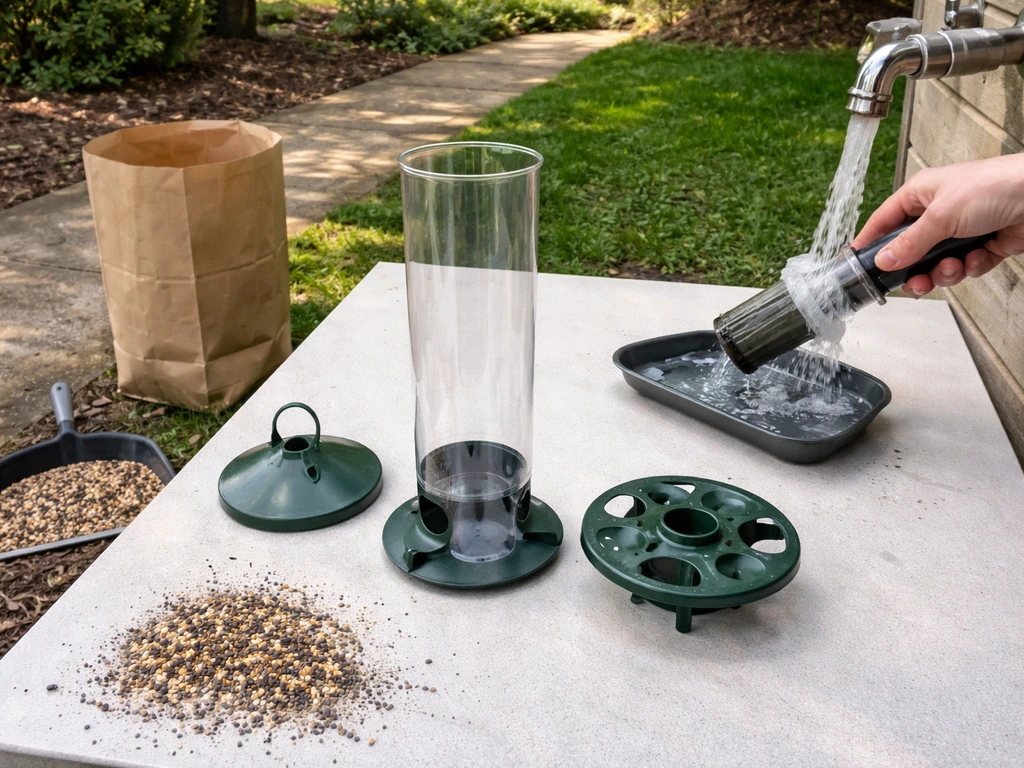
Take the feeder fully apart. Discard any remaining seed, especially if any of it is wet, clumped, or smells sour. Scrub all surfaces with hot water and a bottle brush, then soak the parts in a dilute bleach solution (roughly one part bleach to nine parts water) for about 10 minutes. Rinse thoroughly with clean water and, critically, allow everything to dry completely before refilling. A damp feeder with fresh seed will start fermenting again within 24 to 48 hours in warm weather. Cornell Lab's All About Birds recommends cleaning seed feeders at least every two weeks, and more often during wet or hot weather. Virginia DWR specifically advises discarding any seed that has gotten wet.
Clear up ground spills immediately
Rake or sweep up all seed debris under and around the feeder. Bag it in a sealed trash bag rather than leaving it in an open compost pile. If you have a concrete or paved surface under the feeder, rinse it with water to clear sugary or oily residue from hulled seeds. Nebraska Extension and the National Wildlife Federation both tie persistent insect and wildlife visits directly to the presence of spilled seed on the ground, and removing it is one of the fastest ways to reduce repeat visits.
Store seed correctly to prevent fermentation and mold
Seed stored in a hot shed or an open bag will go rancid or moldy faster than you expect, especially in summer. Use a sealed, airtight metal or hard plastic container stored in a cool, dry location. Avoid storing seed in direct sunlight or in a garage that gets above 80 to 85 degrees Fahrenheit regularly. Check stored seed every week or two: if it smells musty, feels damp or oily, or shows any visible mold, discard it. Moldy seed is also dangerous to birds, so this is a two-for-one protection step.
Sort and inspect seed before filling
Before refilling, quickly look through the seed for clumping, discoloration, or off smells. Removing any compromised seed before it goes in the feeder prevents it from fermenting and drawing wasps from the start. If you buy large bags and use the seed slowly, consider breaking it into smaller portions and sealing them individually so you are always opening fresh seed.
When to pause feeding entirely
If wasps are consistently returning despite cleaning and attractant reduction, it is worth taking the feeder down for five to seven days. This breaks the foraging pattern and forces wasps to find other food sources in their territory. When you bring the feeder back, start with a freshly cleaned setup, a smaller fill amount, and a slightly different location. Most persistent wasp problems resolve with this combination of steps.
When to call a professional
Feeder management handles the vast majority of wasp issues at backyard feeding stations. Do house wrens eat bird seed, and if so which types are best for them at home? If you are seeing hundreds of wasps, finding a nest within 10 feet of the feeder or your home's entry points, or if anyone in your household has a serious allergy to wasp stings, that goes beyond a bird-seed problem.
Even though wasps are often at bird feeders, do swallows eat bird seed depends on what they actually hunt, since swallows mostly catch flying insects rather than eating seed. A licensed pest management professional can locate and remove an active nest safely. Do not attempt to remove a large yellowjacket or hornet nest yourself, especially if it is in a wall void or underground.
FAQ
If wasps are not eating the seed, should I still remove the feeder?
Do not expect wasps to stop by simply “keeping food away.” If they have learned the feeder location, they may keep revisiting for a few days even after seed is removed. The fastest reset is to remove the feeder, do a full cleaning, and remove any spilled debris so there is no lingering sweet or fermented scent to re-trigger them.
What causes wasps to show up even when my feeder is mostly “dry” seed?
Yes. When seed sits in pooled water or is repeatedly damp, it can ferment and produce odors that attract wasps even though the kernels are not the target. Switch from a tray or open platform to a drainage-based feeder, and use smaller refill amounts (what birds eat in 1 to 2 days) to prevent wetness from building up.
How can I tell whether wasps are truly feeding versus just investigating residue?
A good rule is to check whether they are contacting nectar or sugary residue instead of cracking kernels. Wasps that mostly hover, land briefly on rims, or probe tray edges are usually chasing drips or residue. Wasps actively eating kernels will show clear, repeated feeding behavior at the seed ports or tray surface.
Will commercial repellents or scented sprays work, or could they hurt birds?
Scent can matter, but it is best avoided near the feeder. Do not use strong-fragrance repellents because birds can be deterred too, and many repellents do not remove the underlying attractant. Stick to physical exclusion (bee guards, covered designs) and removing wet or spilled seed.
Where exactly should I apply the oil or petroleum jelly, and how much is safe?
If you use a petroleum jelly or food-grade oil barrier on poles, apply a very thin coat to the surface wasps and ants would land on, and keep it away from the feeder ports and seed compartments. Reapply after rain or heavy dew. Avoid coating hanging parts where oil could drip into the feeder tray or onto seed.
What if I’m dealing with wasps and bees at the same time?
If you see wasps and also bees, prioritize cleaning and feeder redesign over chemicals. Bees generally respond to sugar sources like nectar and residues, so removing drips, keeping ports clean, and spacing feeders usually fixes both. If you must use a trap, place it far enough away so it does not pull more insects into your main feeding area.
How do I set up a trap so it reduces pressure instead of increasing activity near the bird feeder?
Placing a trap directly next to the feeder can concentrate wasps and make the problem worse. If you use a yellowjacket trap, put it 20 to 30 feet away from the feeder, and keep it away from doors, patios, and areas where people sit or eat.
Will removing the feeder part of the day actually help?
Yes, but timing and persistence matter. Putting seed out early and pulling it during peak late-afternoon can reduce the window when wasps locate the station, especially during late-summer and early-fall. This is only a short-term tactic, so pair it with cleaning, drainage changes, and spill cleanup for lasting results.
When should I take the feeder down for several days, and what should I change when I restart it?
Take it down and treat it like a “contaminated site” for that period. During the 5 to 7 days it is removed, wasps search elsewhere, and they are less likely to immediately re-establish feeding once you restart. When you bring it back, start with a smaller fill amount and a thoroughly cleaned setup, possibly with a new location.
Do I have to throw out all my seed, or only some of it?
Any seed that is clumped, damp, smells sour, or shows discoloration should be discarded before refilling. It is not just a wasp attractant issue, moldy seed can also be harmful to birds. Storing seed in sealed containers in a cool, dry place reduces the chance of mold and rancidity.
When does this become a nest or safety problem instead of a feeder attractant problem?
It depends on where the wasps are entering and whether you are seeing a true nesting activity. If there are hundreds of wasps repeatedly returning, a nest within a few feet of entry points, or anyone with a serious allergy to stings, switch from “feeder management” to professional nest inspection. Do not attempt nest removal yourself if it is large or hidden (like a wall void or underground).
Next Article
Do Swans Eat Bird Seed? What to Feed and Avoid
Do swans eat bird seed? Get safe feeding tips, what to avoid, proper storage, and cleanup to prevent mold and pests.