Birds find seed primarily through vision, and secondarily through memory, social cues, and to a lesser degree, smell. If your feeder is sitting in the wrong spot or the seed is stale, birds may genuinely not notice it, or they may visit once and never return. The good news is that every one of those factors is something you can fix today.
How Do Birds Find Bird Seed Use Visual, Smell, and Memory
Maya Collins
14 Apr 2026
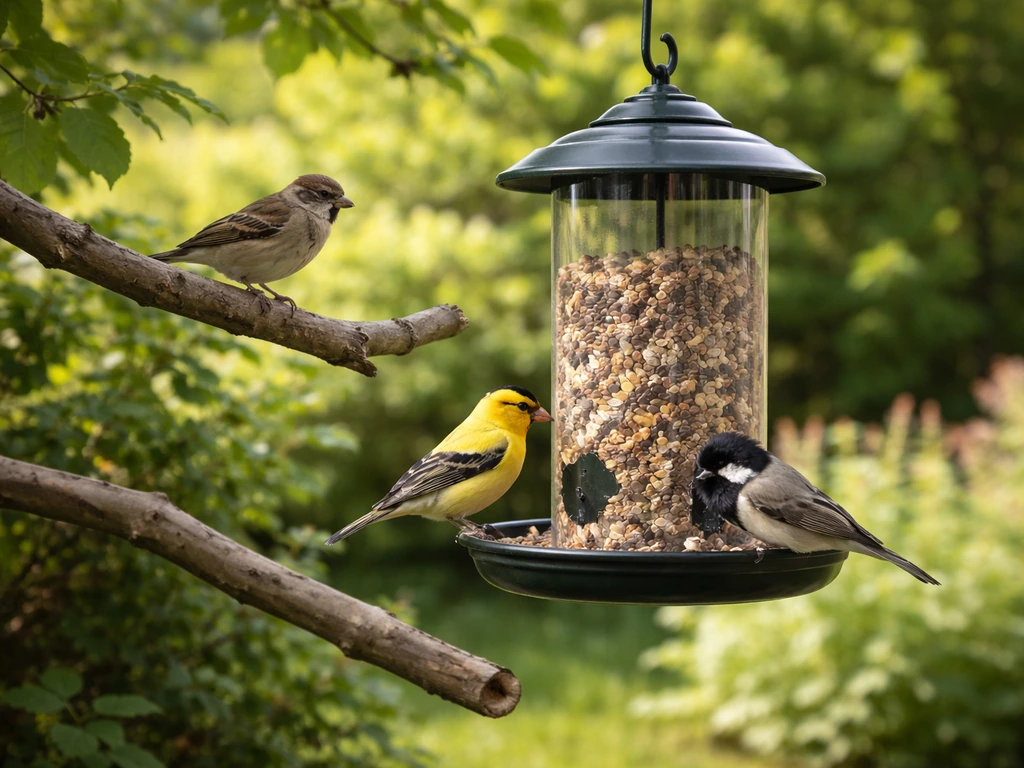
The main cues birds use to find seed
Sight is the big one
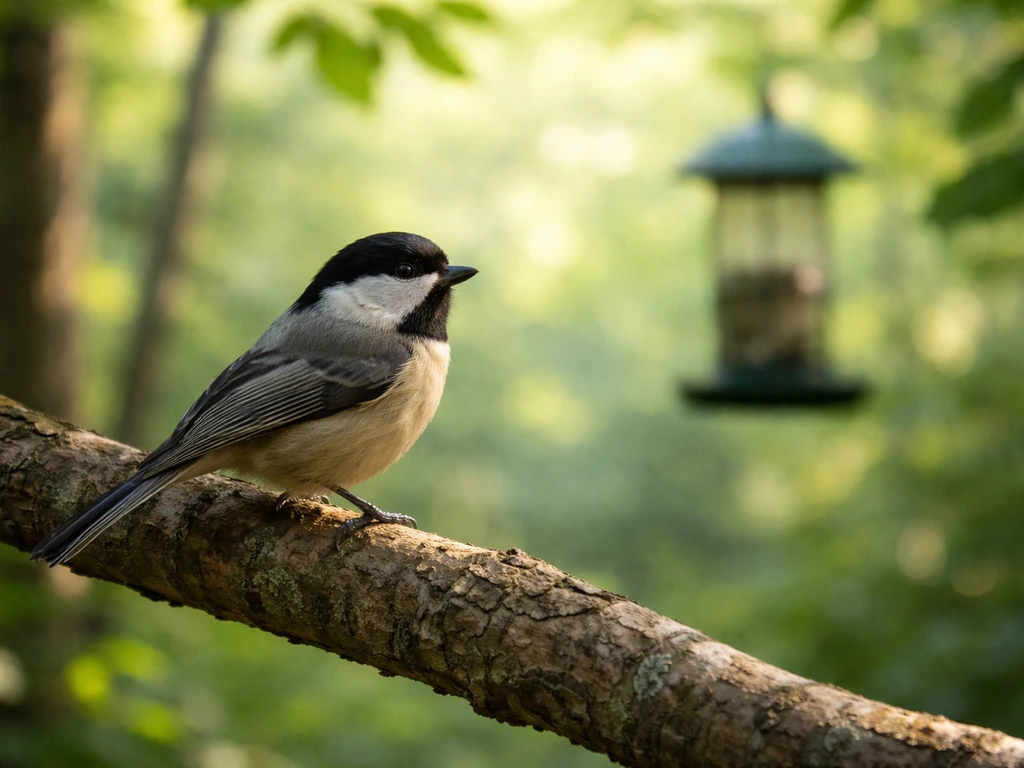
Birds have excellent color vision, often exceeding ours into the ultraviolet range. They are constantly scanning from perches, treetops, and in flight for anything that looks like food. A feeder that contrasts against its background, is placed in open sight lines, and is stocked with visually prominent seed (like large, dark black-oil sunflower seeds) is far easier for a passing bird to spot than a feeder tucked under a dense overhang. Bright-colored feeders or those placed in light, open areas get discovered faster than dull ones hidden in shade.
Memory and spatial learning
Once a bird has found food at a location, it remembers. This is not a loose generalization. Black-capped chickadees, for instance, can remember thousands of individual cache sites, using specific hippocampal neural patterns that function almost like barcodes to recall exactly where food was stashed. That level of spatial memory means that if you keep a reliable feeder in the same spot year after year, returning birds will look for it there in subsequent seasons. Consistency matters far more than most people realize.
Social cues and flocking behavior
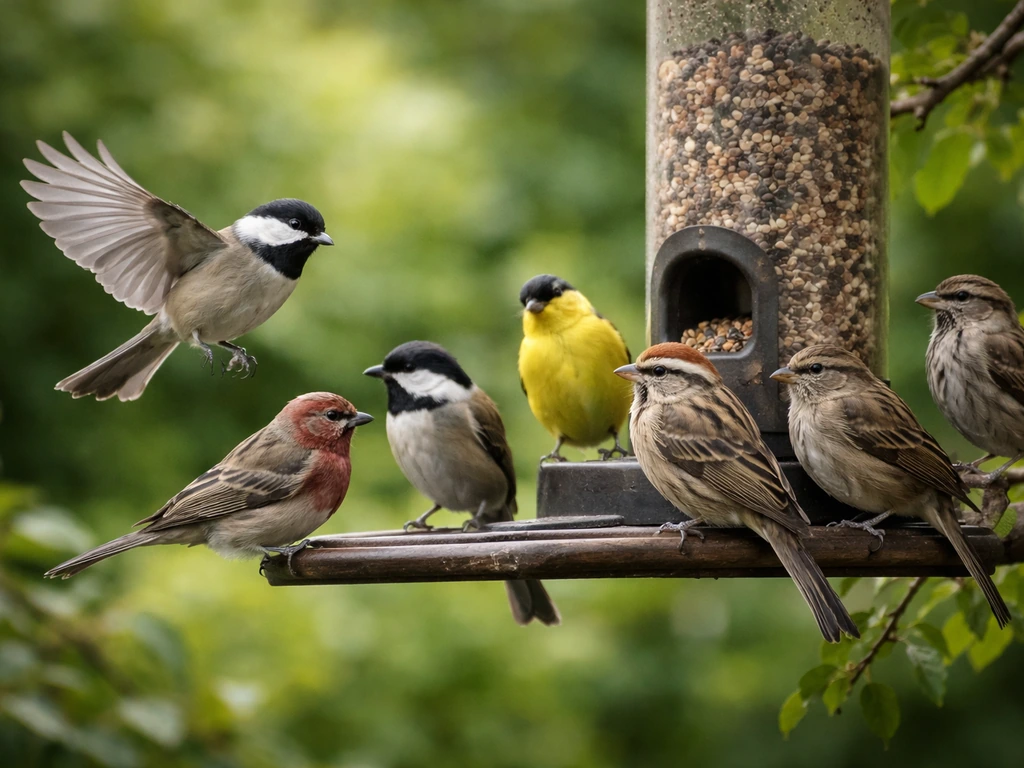
Birds watch other birds. A single chickadee landing at your feeder acts as a live advertisement to every other bird in the area. Sparrows, finches, and doves are especially prone to joining wherever others are actively feeding. This is why getting even one or two species established at a new feeder accelerates how quickly others discover it. Placing a feeder in a visible, active part of your yard is essentially using this social dynamic in your favor.
Smell: real but limited
Birds do have a sense of smell, and some research shows they use airborne scent to locate food, particularly seabirds tracking chemical plumes over open water. For backyard seed-eating species, smell plays a much smaller role, but it is not zero. Fresh seed has a mild, slightly oily scent that can be detectable. More practically, rancid or moldy seed produces off-putting odors that can deter birds just as a bad-smelling restaurant deters customers. So while you should not count on scent to attract birds, you absolutely should care about odor as a reason birds stop returning.
Placement, visibility, and routine: what actually draws birds in
Where to put the feeder
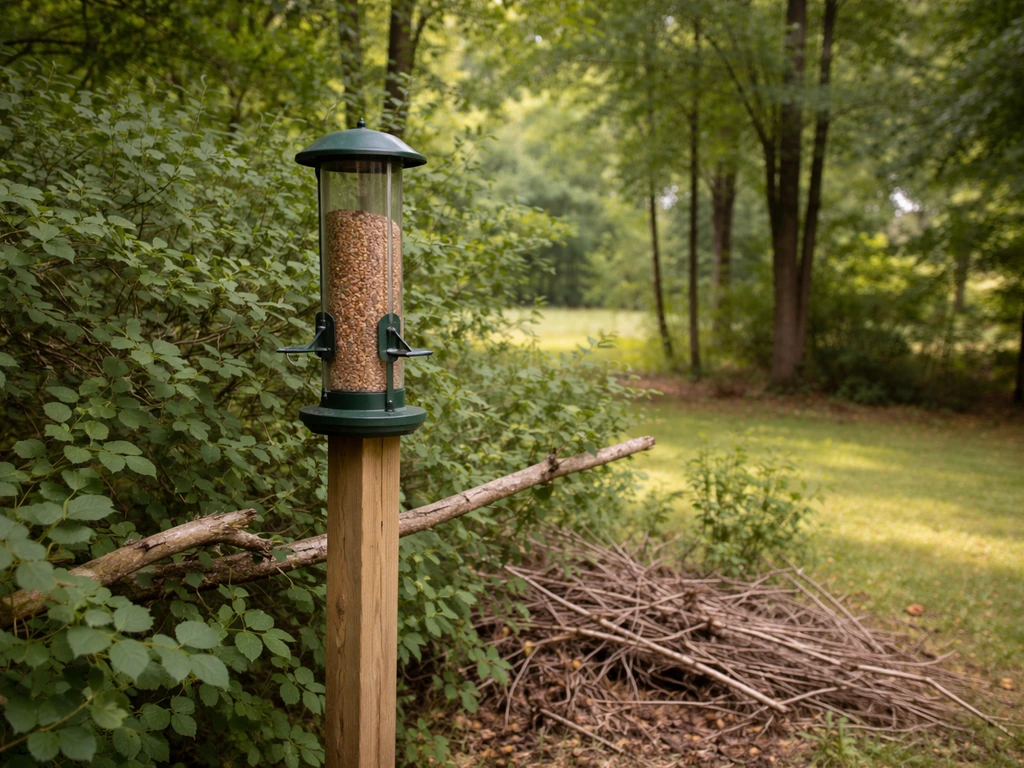
Place feeders within natural sight lines of trees, shrubs, or brush piles. Birds need cover nearby so they can retreat quickly if a predator appears. A feeder with no nearby perching or escape cover will be used less than one positioned 5 to 10 feet from a shrub or small tree. At the same time, avoid burying the feeder so deep in dense branches that birds cannot easily see it from a distance.
Window collisions are a real hazard to consider during placement. The safest feeder positions are either within 3 feet of a window (so a startled bird cannot build up enough speed to injure itself) or 30 feet or more away from windows entirely. The dangerous middle zone is roughly 4 to 29 feet, where birds fly at full speed toward a reflection they do not recognize as glass.
Make your feeder easy to see
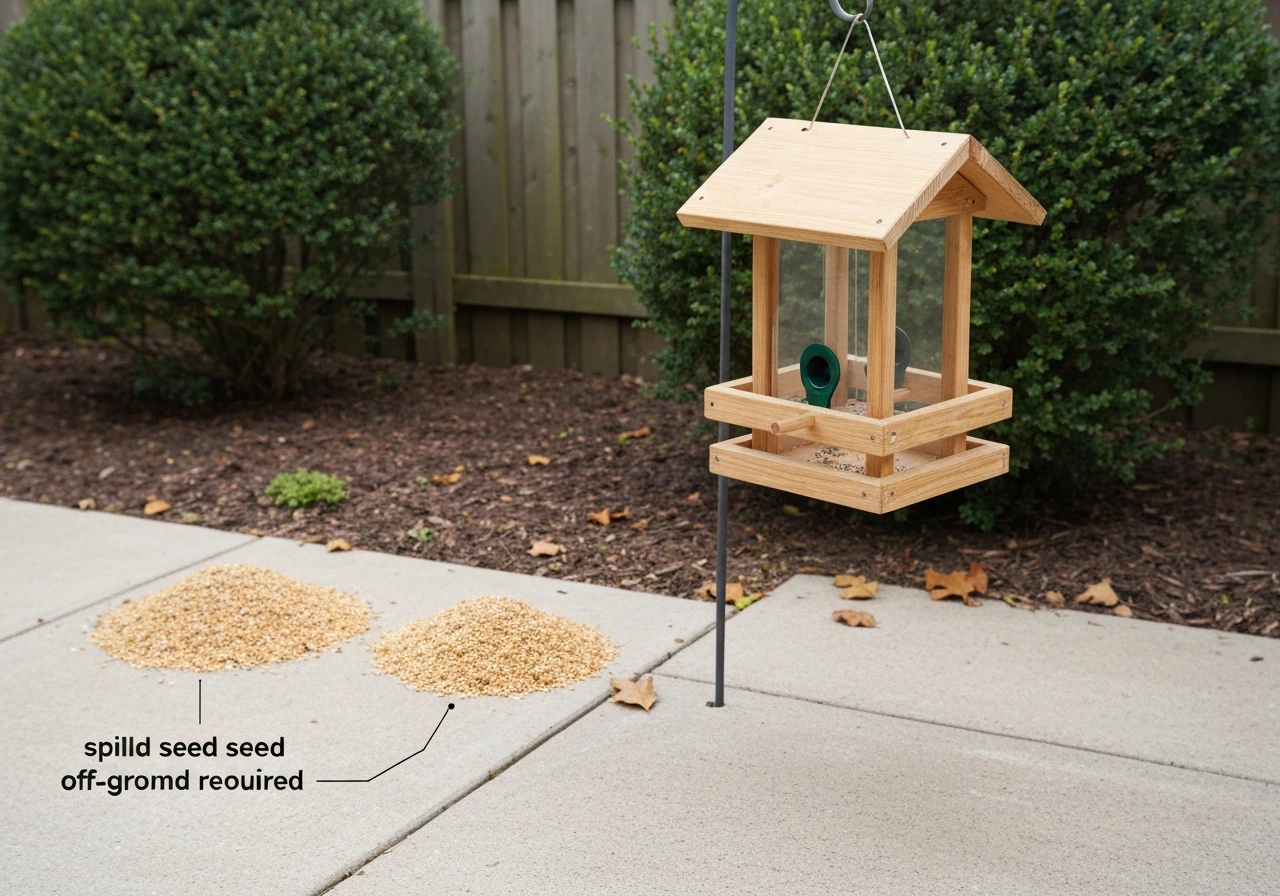
Open sightlines beat hidden placement every time. If you just set up a new feeder, scatter a small amount of seed on top of or around it during the first few days. Ground-level spill creates a visual anchor and gets ground-foraging birds like doves and sparrows involved early, which then signals to other species overhead. Think of it as a billboard for your feeder.
Routine is surprisingly powerful
Birds in your neighborhood develop patrol routes they run daily. If your feeder is consistently stocked at the same times, birds incorporate it into their regular circuit. Inconsistent filling, or letting feeders stay empty for days, breaks that routine and birds shift to other sources. Topping off your feeder on a predictable schedule, ideally every one to two days, is one of the simplest things you can do to maintain steady traffic.
Seed scent, freshness, and quality: how storage affects whether birds show up
Properly stored seed lasts 6 to 12 months. The moment you expose it to heat, humidity, or direct sunlight, that window shrinks fast. Store seed indoors in a cool, dry location, in a sealed container (metal or hard plastic to block pests), away from direct sun and humidity. A garage corner or shed shelf that gets hot and humid in summer is not a good storage spot.
Fresh seed has a clean, slightly nutty or oily smell depending on the type. Rancid seed smells sour or musty. Moldy seed clumps and may show discoloration. Birds can detect these quality signals, and in hot, humid weather mold can form on wet seed within 24 to 48 hours. Discard any seed that smells off, looks clumped, or shows visible mold. Putting bad seed in your feeder is not just ineffective, it is a health hazard to birds.
To keep feeder seed fresh, fill with only a one-to-two day supply rather than topping everything off at once. This forces regular turnover and prevents old seed from sitting at the bottom of the feeder while fresh seed piles on top. It feels like more work but it meaningfully improves both seed quality and bird return rates.
You should also be aware that stale or improperly stored seed can invite more than just mold. Wet or degraded seed at the base of a feeder is exactly the kind of food residue that creates conditions worth reading about if you want to understand how moths get into bird seed and why pantry-pest problems start in the storage area rather than the yard.
Matching seed types and feeder styles to the species you want
Different birds look for food differently, and no single feeder style works for everyone. Getting the feeder-seed-bird match right directly affects how quickly each species discovers and adopts your setup.
| Species | Preferred Feeder Style | Top Seed Choice | Foraging Habit |
|---|---|---|---|
| Cardinals | Hopper or platform | Black-oil sunflower | Perching, mid-height |
| Chickadees | Tube or hopper | Black-oil sunflower | Perching, quick in-and-out |
| House finches / goldfinches | Tube with short perches | Nyjer (thistle) or sunflower chips | Perching, small birds |
| Sparrows | Platform or ground scatter | Millet, sunflower | Ground and low-surface foragers |
| Mourning doves | Platform or ground scatter | Millet, oats | Ground foragers, flat surfaces |
| Juncos | Low platform or ground | Millet, cracked corn | Ground foragers |
| Jays | Large platform or hopper | Peanuts, sunflower | Perching, dominant at feeders |
Tube feeders with short perches are excellent for finches but actively exclude larger birds like grackles and jays. If you want to attract a diverse mix, consider running two feeder types: a tube for small perching birds and a low platform tray for ground-preferring species like sparrows and doves. Many sparrows and doves will preferentially eat from the fallen seed on the ground beneath an elevated feeder rather than the feeder itself, so a clean ground area below the feeder is worth maintaining.
Black-oil sunflower seed is the closest thing to a universal crowd-pleaser. Cardinals, chickadees, finches, and sparrows all prefer it. If you only stock one seed type, start there. For doves and quail, adding oats or white millet significantly increases appeal.
Troubleshooting: why birds are not finding your seed
If you have had a feeder out for more than two weeks with little or no activity, work through this checklist systematically:
- Visibility problem: Is the feeder easy to see from an open area? Move it to a more exposed spot with clear sightlines and scatter a tablespoon of seed on top or on the ground nearby as a visual signal.
- Wrong placement zone: Is the feeder in the unsafe 4-to-29-foot window zone? Birds may be avoiding the area after a collision. Reposition it closer than 3 feet or farther than 30 feet from windows.
- No nearby cover: Is there natural cover like a shrub, small tree, or brush pile within 10 feet? Birds need an escape route. Add a temporary brush pile if needed.
- Seed quality: Smell the seed. If it is musty, rancid, or clumped, empty the feeder, clean it, and start with fresh seed.
- Wrong seed for local birds: Check which species are common in your area and match seed type. Nyjer in a tube feeder will not attract cardinals; black-oil sunflower on a platform will.
- Dominant species blocking access: Larger birds like starlings or grackles may be monopolizing the feeder and chasing smaller birds off. Switching to a short-perch tube feeder solves this for finches and chickadees.
- Competing food sources: Natural food abundance in spring and fall (berries, insects, weed seeds) reduces feeder visits. This is normal and temporary.
- New feeder effect: Brand-new feeders sometimes take two to four weeks to be discovered, especially in areas with lower bird density. Be patient and keep the seed fresh during the waiting period.
Keep it safe: mold, pests, wet seed, and feeder hygiene
What to do when seed gets wet
Wet seed is the fastest path to mold and bacterial contamination. If seed in your feeder gets soaked by rain or sprinklers, do not just let it dry out and hope for the best. Empty the feeder completely, tip the wet seed into a garbage receptacle (not compost if you are in bear country), scrub the feeder with hot water and a bottle brush, let it fully dry, and then refill with fresh dry seed. If you are wondering whether bird seed attracts bears, consider avoiding wet or spoiled seed and keeping food sources secure bear country. Leaving wet seed in place creates health hazards for birds and accelerates feeder degradation.
Regular cleaning schedule
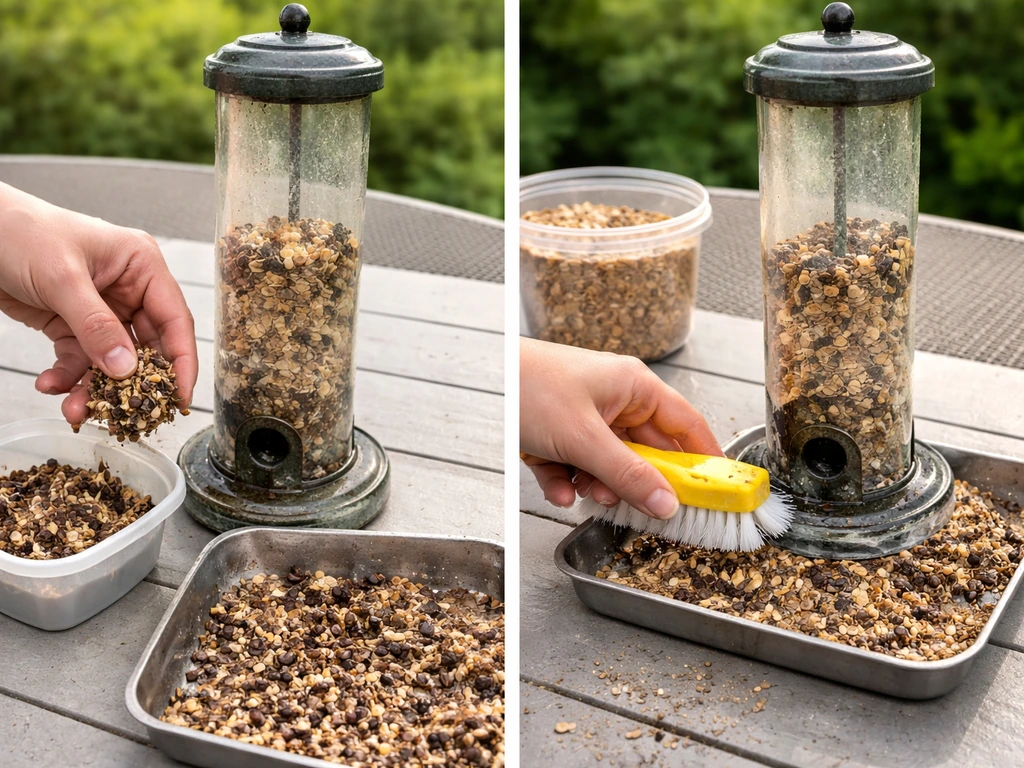
Clean seed feeders at least once every two weeks as a baseline. During wet weather, heavy use periods, or if you notice sick birds in your yard, move to a weekly cleaning schedule. Use hot water and a bottle brush to scrub all surfaces, rinse thoroughly, and let the feeder air dry completely before refilling. A damp feeder refilled immediately will just restart the mold cycle.
Ground cleanup matters too
Seed shells and uneaten scraps accumulate below feeders quickly. The U. S. Fish and Wildlife Service specifically recommends cleaning up ground debris under feeders to prevent moldy or spoiled food from building up.
A layer of rotting hulls is not just unpleasant; it is a direct invitation to pests. Speaking of which, if you have ever wondered whether bird seed attracts mice to your yard, the answer is largely yes when ground debris is left unmanaged.
The same applies to other animals: bird seed can attract rats when spilled seed is allowed to accumulate at ground level, and bird seed can even attract bears in regions where they are active, which is a serious reason to manage ground spillage and consider taking feeders in overnight.
Insects and other unwanted visitors
Damp, decaying seed at the base of a feeder or in a poorly drained tray is also a magnet for insects. If you have noticed small flies hovering around your setup, that is a sign seed is sitting too long and getting wet. Understanding why bird seed attracts flies comes down almost entirely to fermentation and moisture in old seed.
Ants are another common issue, and bird seed attracting ants is a frequent complaint during warm months when sweet or oily seeds are left exposed. Some people are even surprised to find bees near their bird feeders, which tends to happen when nectar-type mixes or very sweet seeds are offered.
And if you store seed indoors or in a garage and find damage to bags or containers, cockroaches are drawn to bird seed stored in open or flimsy packaging, particularly in warm climates.
Sprouted seed: deal with it promptly
If seed sits in a damp feeder long enough, it will sprout. A few sprouts are not immediately toxic, but sprouted seed degrades quickly, develops mold, and signals to birds that the food source is unreliable. If you see sprouting, treat it the same way as wet seed: empty, clean, dry, and refill. Prevent it by using a feeder with drainage holes and keeping your one-to-two day supply rule in place.
Your next steps to get birds finding your seed faster
If birds are not finding your seed, start with placement and seed quality before assuming there is something wrong with your yard. Move the feeder to an open, visible location with nearby cover, scatter a small amount of seed on the ground as a visual cue, smell the seed and replace it if there is any doubt, and commit to a one-to-two day refill and biweekly cleaning schedule. Cockroaches can be drawn to bird seed that is stored improperly, especially in open or flimsy packaging smell the seed.
Match your seed type to the species you actually see in your neighborhood. Black-oil sunflower on a platform feeder is the fastest path to a diverse, active feeder for most regions in North America. Give a new feeder two to four weeks before troubleshooting further, and keep a consistent routine so that once birds find it, they keep coming back.
FAQ
Do birds find bird seed faster by looking for it or by hearing it (like feeder noise)?
Vision is the main driver, but sound can indirectly matter. If your feeder is noisy (loose perches, rattling parts) birds may avoid it at first, especially wary species. Use a stable, quiet feeder and let visual cues do the work, then reassess if birds approach but won’t feed.
Will birds still find a new feeder if there is no bird activity in my yard yet?
Yes, but you may need a bridge period. Scatter a small amount of seed on the ground for ground-foragers, and keep the feeder visible and consistently stocked on a tight schedule (top up every 1 to 2 days) for the first 2 to 4 weeks so local birds can discover it via patrol routes and nearby species.
Why do birds land near my feeder but not eat the seed inside?
Common causes are seed quality and access. Check for rancid, moldy, or clumped seed (odor and discoloration), then verify the feeder type fits the birds you want (short-perch tube feeders can exclude larger birds). Also confirm nearby escape cover, if birds feel exposed they may hesitate to feed.
Can birds detect seed that is hidden under other seed or at the bottom of the feeder?
They usually can, but older seed can become less attractive as it gets stale or wet. If you repeatedly top off, the bottom layer may sit and degrade. Use the one-to-two day supply and quick turnover so the visible feeding surface stays fresh.
How much ground seed should I scatter under a new feeder?
Use a light, temporary “visual anchor,” not a full replacement. Spread only enough that ground-feeding birds can start immediately, then keep the area clean by doing regular debris cleanup during your biweekly (or more frequent) feeder maintenance so old hulls don’t pile up.
What if it rains for several days, will birds keep coming anyway?
Rain can interrupt the feeding cycle if the seed gets soaked or the feeder becomes hard to approach. If seed looks wet, clumped, or smells off, empty and replace it rather than waiting for it to dry. After dry weather, reintroduce fresh seed and resume consistent refilling times so birds rebuild routine.
Is it true that birds can smell bird seed, and should I choose scented seed?
Some species can use airborne scent, but for backyard seed-eaters it is a secondary cue. Fresh seed may have a mild oily or nutty odor, but you should not rely on fragrance. Focus on avoiding rancid and moldy seed, since bad odor is a strong deterrent.
Do different bird species find feeders in different ways, or is it just the same for all birds?
They differ in how they access the food. Perching birds tend to respond quickly to what they can see from flight and perches, while ground-preferring birds often commit after they notice fallen seed. Using two feeder types (a tray or platform plus a tube) can match different “finding” behaviors at the same site.
My feeder gets visited at random times. Could that be why other birds are not sticking around?
Yes. Birds build routines based on reliable food availability. If you fill inconsistently or let the feeder stay empty for stretches, birds shift to other sources. Top up predictably every 1 to 2 days and keep the location unchanged so the feeder becomes part of their patrol route.
How long should I wait before deciding birds are not finding my feeder at all?
Give it at least 2 to 4 weeks with good placement, fresh seed, and consistent refilling. If there is still little to no activity after that, then troubleshoot systematically (move the feeder to open sight lines with nearby cover, replace seed, confirm feeder type matches local species).
If seed is fresh, why would birds stop coming suddenly?
A sudden change often points to quality problems or conditions near the feeding area. Look for wet seed from sprinklers or rain, mold or sour odor, heavy debris buildup under the feeder, or insects around damp seed. Also check for increased predator activity that reduces safe access from nearby cover.
Next Article
Will Bird Seed Attract Rats? How to Prevent It
Learn whether bird seed attracts rats and how to prevent it with safer feeders, no-spill setup, and proper storage.