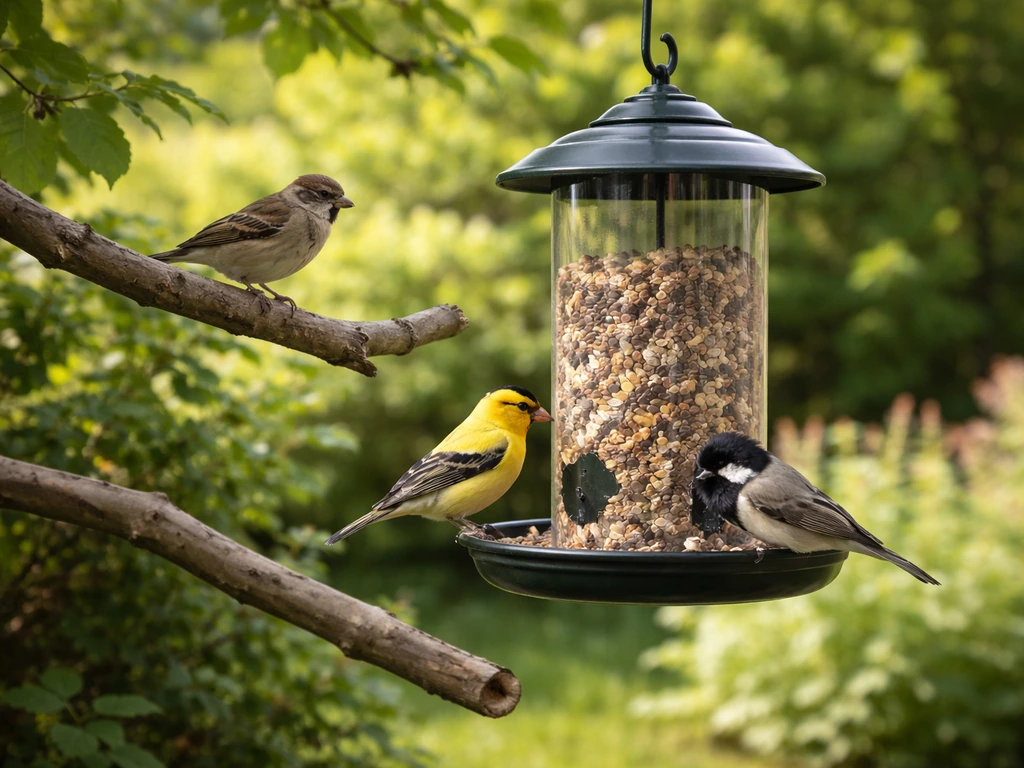
Yes, bird seed does attract ants. Bees may also be drawn to the same accessible food around bird feeders, especially when seed is spilled or clumped and has moisture or sweetness why are bees attracted to bird seed. However, bird seed can also attract moths if it is accessible and left out in warm, humid conditions does bird seed attract moths.
Does Bird Seed Attract Ants? Fix Ants at Feeders

Maya Collins
21 Apr 2026
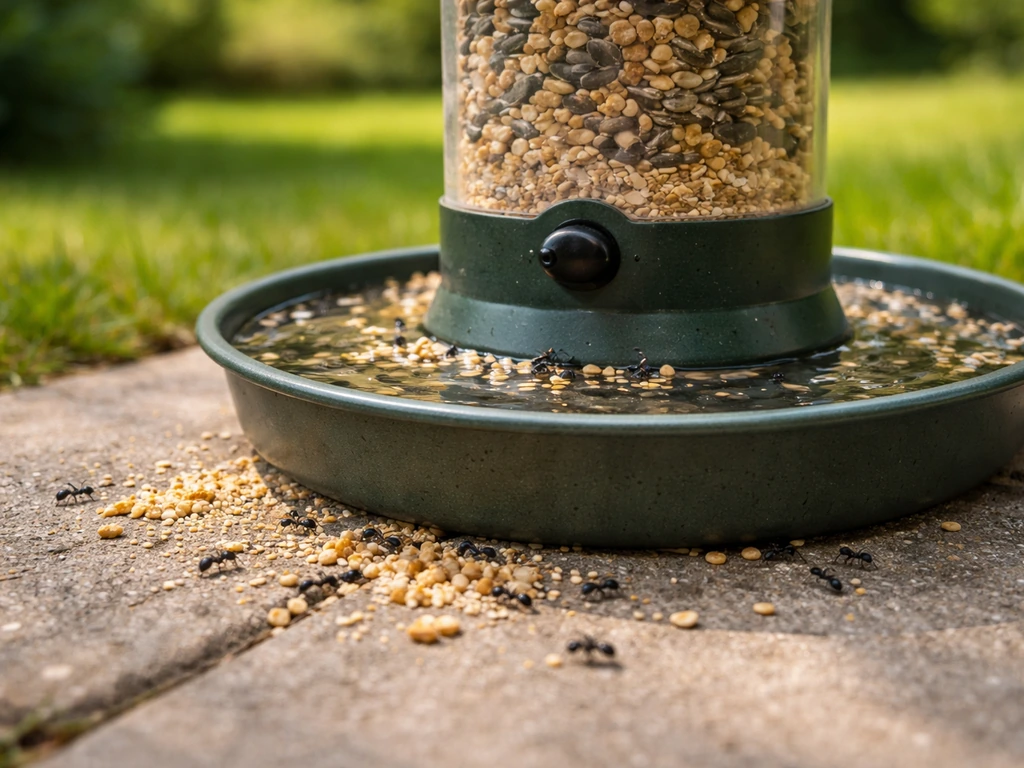
It is not a rare or unusual problem, it is one of the most common complaints from backyard bird feeders, and it happens fast. If you are also wondering about roaches, bird seed and spilled seed can attract them too, especially where moisture and leftover grains accumulate. The good news is that ants are not after the seed itself in the way birds are. They are drawn to the oils, sugars, and moisture that accumulate around feeders, especially from spilled seed, seed hulls, and wet or sprouting seed on the ground or in a tray.
Once a single forager finds a food source, it lays a pheromone trail back to the nest and recruits dozens more ants within hours. That trail is what turns a small feeder problem into a full ant column by morning.
Why ants are drawn to bird seed in the first place
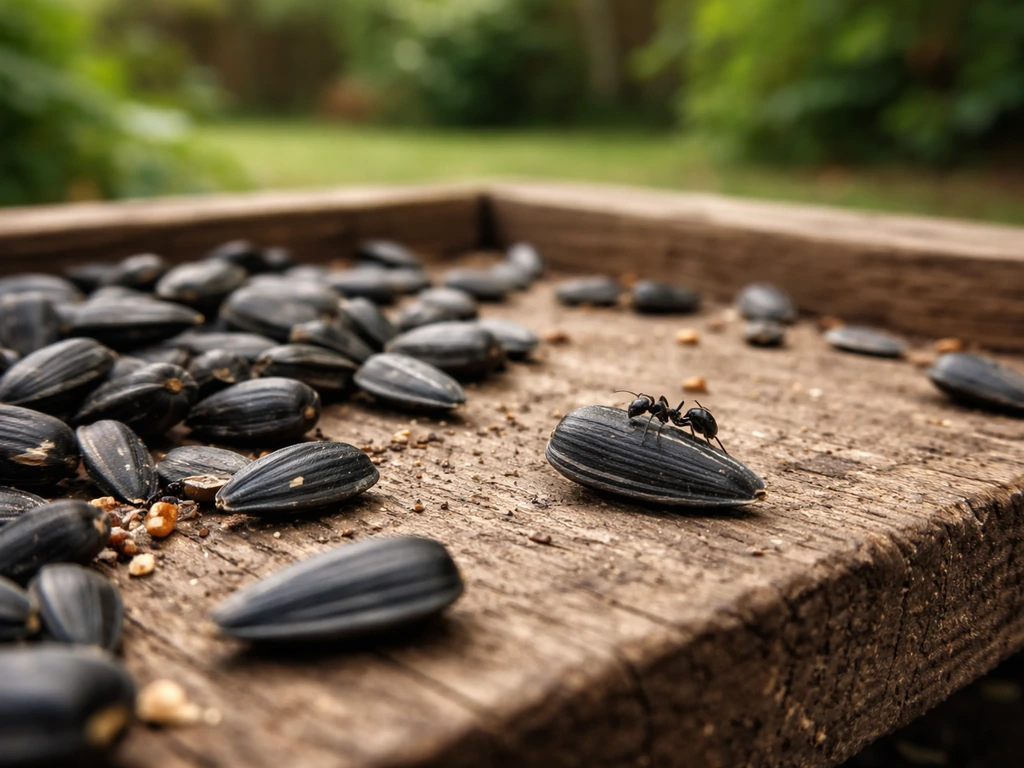
Bird seed is more nutritionally interesting to ants than you might expect. Black oil sunflower seeds, which are the most widely recommended seed for backyard feeders, are roughly 26 percent fat and contain plant-based proteins. Millet, safflower, and especially cracked corn or milo, the filler seeds found in cheap blends, produce more waste and more hull debris under the feeder, giving ants an even larger food surface to exploit. The oils in seed residue and the natural sugars in grain hulls are both reliable ant attractants.
Moisture makes things significantly worse. When seed gets wet, whether from rain, humidity, a leaky feeder port, or dew on a ground tray, it starts to compact and ferment. Fermenting seed releases more volatile organic compounds, which ants (and other insects) detect easily. Sprouting seed, which happens quickly in warm, wet conditions, is even more attractive because germination breaks down seed coatings and releases sugars. This is why ant pressure tends to spike after a rainy stretch or in climates with humid summers.
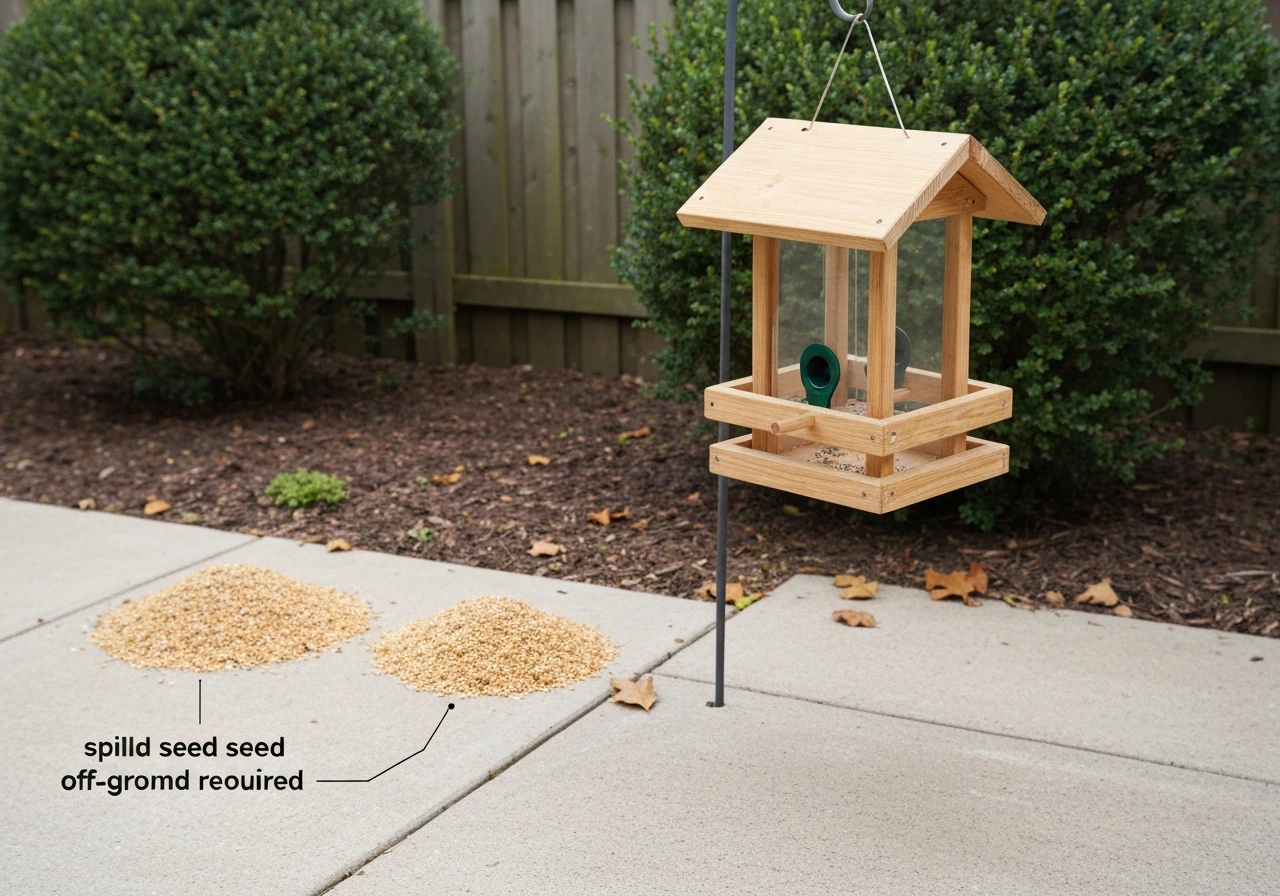
Spilled seed on the ground is the single biggest driver of ant activity. Even a small amount of seed accumulating under a feeder is enough to anchor an ant foraging route. Once that pheromone trail is established, ants follow it whether or not fresh seed keeps falling, they will investigate every seed fragment and hull left behind. Fire ants use pheromone trails left by foragers to recruit other workers to a discovered food source.
When and where ants actually show up
You will most often see ants at the feeder itself or in a trail running up the feeder pole, across a shepherd's hook, or along a fence line or tree branch if the feeder hangs from one. Ground-level ants are almost always foraging the spill zone below the feeder. Feeder-level ants, especially the trails climbing a hanging feeder's chain or wire, are specifically targeting seed, nectar ports, or sticky residue inside the feeder.
Seasonally, ant pressure peaks in late spring through early fall in most of the continental US. In warm southern states like Georgia, Florida, and Texas, ants can be active at feeders year-round. In the upper Midwest and Northeast, the worst months are typically June through August. If you are in a high-humidity climate or your feeding area stays damp from irrigation or shade, expect ants to find the feeder faster and in larger numbers than in drier regions.
It is worth noting that the same spill and hygiene issues that attract ants can also draw other pests. how do birds find bird seed. Mice, rats, roaches, and even flies are all responding to the same accumulation of accessible food around feeders. If you are wondering does bird seed attract flies, the same spilled seed and accessible food around feeders can bring them in as well.
Likewise, the same spilled seed and accessible food around bird feeders can also draw bears in some areas does bird seed attract flies. If you’re wondering will bird seed attract rats, the same spilled seed and accessible scraps can also bring them in If you have been asking whether will bird seed attract rats. Because roaches also home in on the same accessible food and moisture around feeders, bird seed areas can become attractive to them too. If you have been asking whether will bird seed attract rats, the same spilled seed and accessible scraps can bring them in as well Mice, rats, roaches, and even flies.
If you are wondering does bird seed attract mice, the same spilled seed and accessible scraps around feeders can bring them in too. Solving the ant problem with the steps below tends to reduce pressure from those other unwanted visitors at the same time.
Storage and seed hygiene: stop the problem at the source
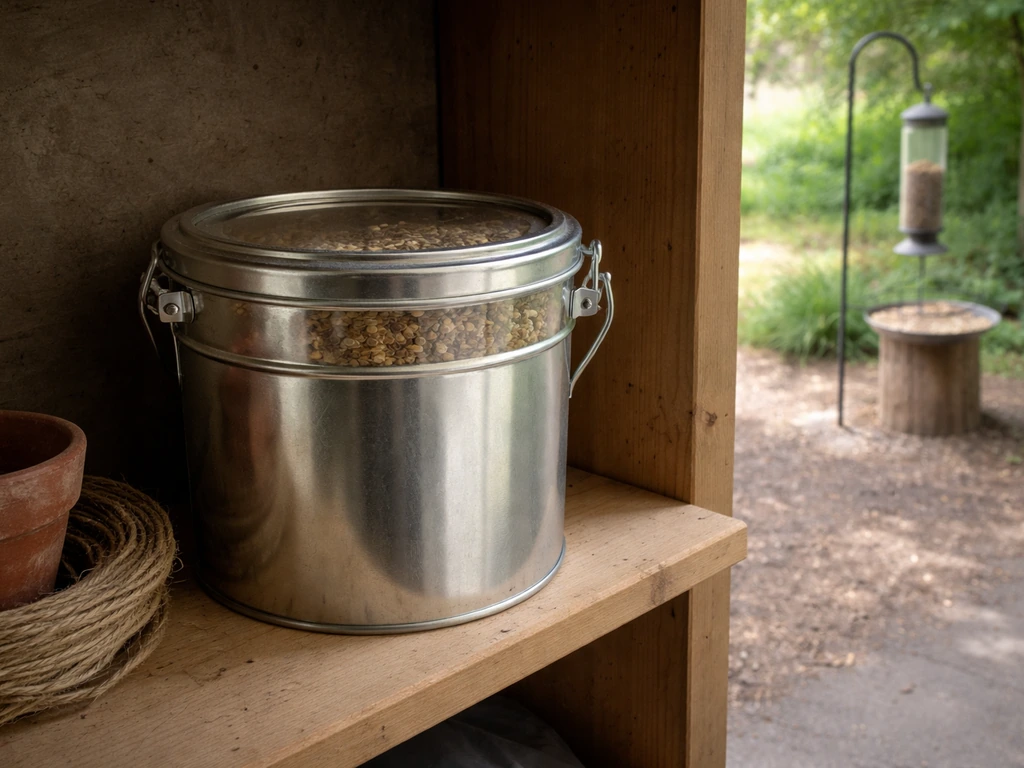
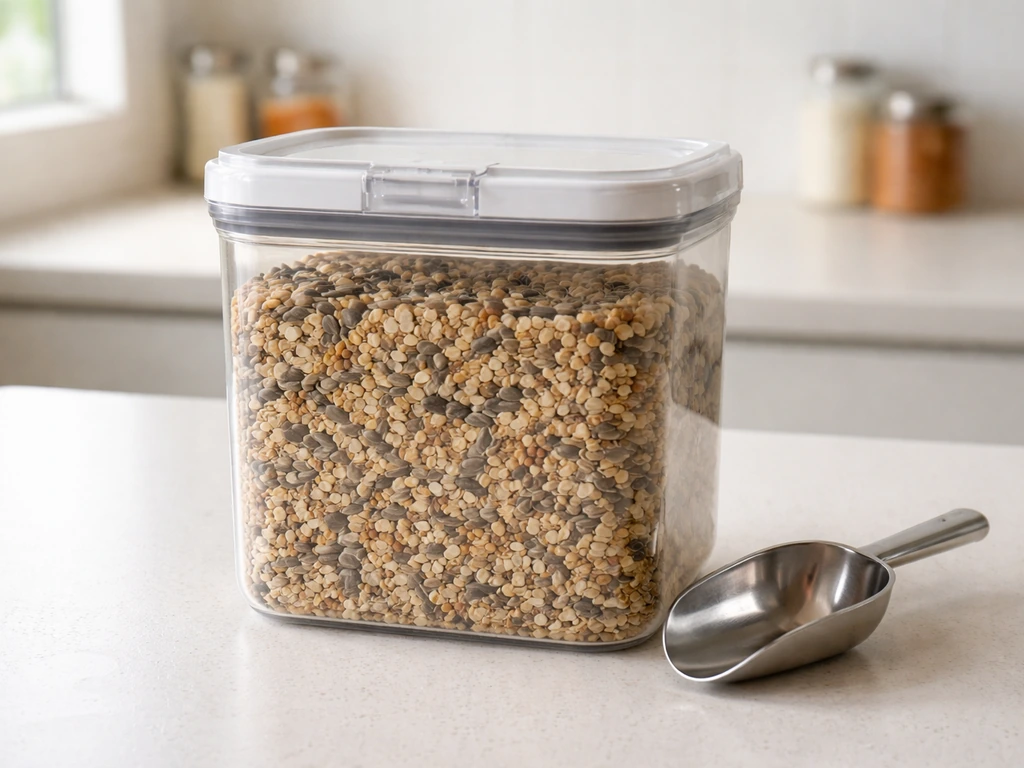
Where and how you store seed matters as much as what happens at the feeder. Extra seed should go in a sealed metal container kept inside a building or a secure structure away from the feeding area entirely. Metal is preferred over plastic because it resists rodents, but it also seals better against moisture and does not off-gas in heat the way some plastics do. Storing bulk seed anywhere close to the feeder essentially creates a second ant target right next to the first.
Only put out as much seed as the birds in your yard will eat within your cleaning schedule. This is one of the simplest and most effective changes you can make. If you clean feeders once a week, do not fill them so full that seed sits for ten days. Smaller, more frequent fills keep seed fresh, reduce the window for moisture buildup, and give ants less to find.
Wet or compacted seed inside a feeder needs to come out immediately. Do not shake a feeder hoping it will dry out. Remove the wet seed, discard it (not in a compost pile near the feeding area), and let the feeder dry fully before refilling. Wet seed inside a feeder port or tray is a guaranteed ant magnet and also poses a disease risk to birds. p18s3: Wet seed inside a feeder port or tray is a guaranteed ant magnet and also poses a disease risk to birds does bird seed attract bears.
Choosing higher-quality seed blends also reduces waste buildup. Mixes heavy in cracked corn, milo, wheat, or generic "filler" grains generate more rejected seed and more hull debris under the feeder. Sticking to black oil sunflower, safflower, or straight nyjer (thistle) reduces the volume of uneaten seed that ends up on the ground for ants to find.
Feeder placement and physical barriers
Placement basics
Where the feeder sits matters for ant access. A feeder hanging from a wire strung between two poles gives ants fewer paths to climb than one hung directly on a shepherd's hook or attached to a fence post. Keep feeders away from tree branches, railings, and roof edges that ants can use as bridges. At least 10 feet of clear space from any structure is a reasonable target.
Pole baffles
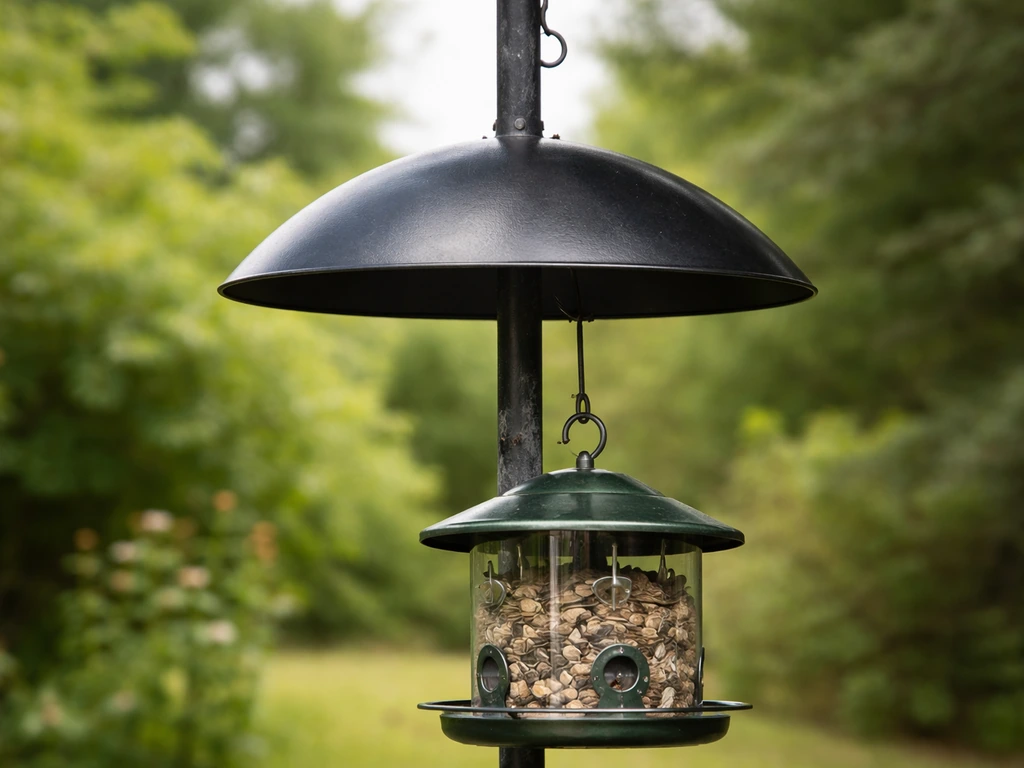
A baffle mounted on the feeder pole is the first physical line of defense for a pole-mounted feeder. A dome or cylinder baffle positioned roughly 4 to 5 feet off the ground blocks both ants and larger climbing animals. Baffles work by interrupting the ant trail, ants that cannot find a continuous surface to follow will eventually abandon the route. Make sure the pole does not touch nearby vegetation or structures that would give ants a bypass.
Ant moats and ant guards
For hanging feeders, an ant moat is the most effective mechanical solution. A moat is a small water-filled cup that installs inline between the hanging hook and the feeder. Ants cannot cross standing water, so they are stopped before they reach the feeder. To use one, fill the moat cup with plain water and check it every few days, especially in hot weather when evaporation is fast. The Ant-Mote and similar products work on this same principle: place the feeder over the top of the pole section, fill the moat chamber with water, and hang as normal.
Commercial ant guards like the Perky-Pet AntGuard use a permethrin-impregnated wick inside a housing that mounts inline between the hook and the feeder. These are designed for feeders weighing no more than 10 pounds. To install, extend the lower dome baffle, then attach the AntGuard below the hook and above the feeder. The active ingredient stays in the guard housing and does not contact seed or bird surfaces when used as directed, but if you prefer a fully chemical-free approach, a water moat accomplishes the same blocking effect without any active ingredients.
Feeder tray design
Tube feeders with attached catch trays are worth using over open platform feeders in high-ant-pressure situations. The tray catches hulls and fallen seed before they hit the ground, reducing the spill zone. Empty and rinse the tray at least twice a week. An open platform or ground-level tray is significantly harder to protect from ants and tends to accumulate wet seed and debris quickly.
If ants are already there: cleanup and reset steps
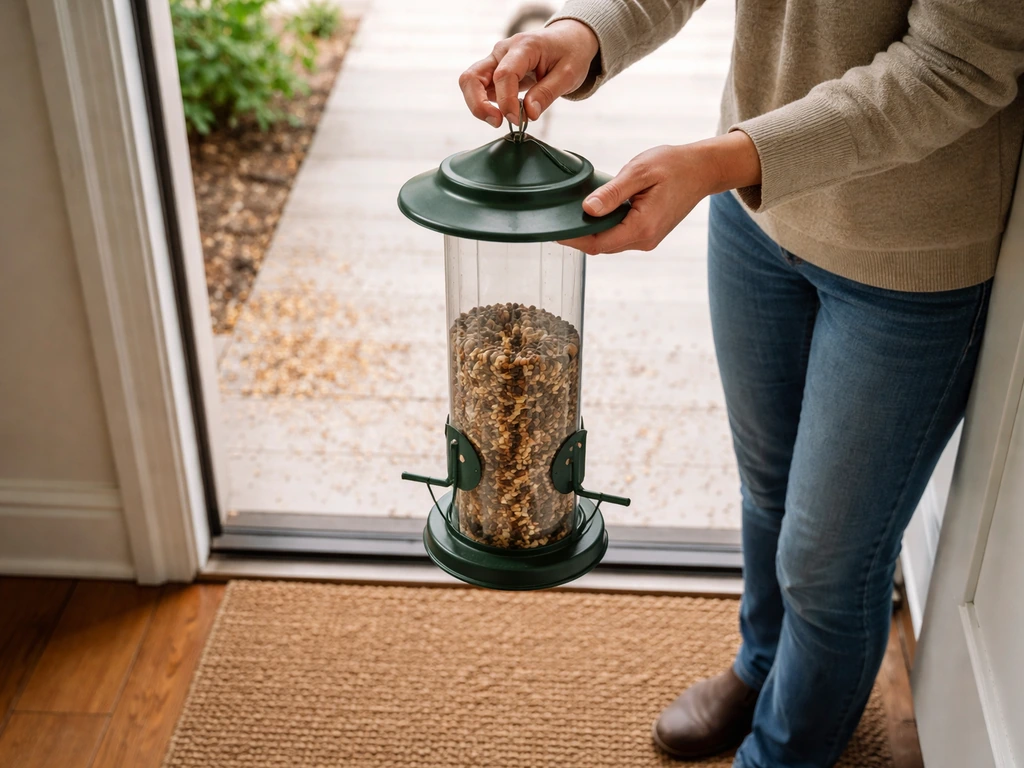
- Take the feeder down and bring it inside. Do not try to clean it in place while ants are actively on it.
- Discard all seed currently in the feeder, including any wet or compacted seed in ports or trays. Put it in a sealed bag and dispose of it in an outdoor bin away from the feeding area.
- Wash the feeder thoroughly with hot water and a diluted white vinegar solution (one part vinegar to four parts water) or a 9:1 water-to-bleach solution. Rinse well and let it air dry completely before refilling.
- Rake up all seed hulls, spilled seed, and debris under and around the feeder zone. Bag and remove it — do not leave it in a pile nearby.
- If there is a visible ant trail on a pole, fence, or branch, wipe the surface with a damp cloth. This physically removes the pheromone trail and disrupts recruitment. Ants will struggle to re-establish the route if the food source is also gone.
- Install an ant moat or baffle before rehanging the feeder. Refill with a small, fresh amount of seed.
- Check back within 24 to 48 hours. If ant trail activity resumes, look for a bypass route (a branch, wire, or structure touching the feeder path) that needs to be cleared.
In warm climates or during peak summer months, plan to repeat the ground cleanup (raking under the feeder) at least once a week. Ant pressure does not stay solved on its own, the combination of a physical barrier on the feeder and consistent ground hygiene is what keeps it under control long-term.
Keeping birds safe while dealing with ants
Do not use pesticide sprays, ant bait stakes, or herbicides anywhere near feeders, seed storage areas, or the ground beneath feeders. Insecticides applied to poles, trays, or surrounding vegetation can transfer to birds' feet and feathers, and some compounds are acutely toxic to birds even at low doses. Herbicide use near feeders removes ground cover and disrupts the natural buffer zone around your feeding station. The physical and hygiene methods described above work without any chemical risk to birds.
Petroleum jelly or cooking grease applied to a feeder pole is sometimes suggested as a DIY ant barrier, but this is worth avoiding. Birds that land low on the pole or that drop to the ground nearby can pick up grease on their feathers, which compromises insulation and waterproofing. Stick with a baffle or a moat, both of which work just as well without any bird-contact risk.
Interestingly, a small number of ant species at ground level around a feeder is not inherently harmful to birds. Many bird species actually eat ants, and some ground-feeding birds will actively forage the spill zone. The problem is scale and access: a few ants on the ground is very different from a full colony trail running into a feeder, where ant presence can contaminate seed, clog ports, and deter birds from visiting.
Quick comparison: ant-blocking methods
| Method | Best for | Effectiveness | Bird-safe | Maintenance needed |
|---|---|---|---|---|
| Water-filled ant moat | Hanging feeders | High | Yes | Refill every few days in heat |
| Commercial ant guard (permethrin wick) | Hanging feeders up to 10 lbs | High | Yes, when used as directed | Replace wick per product schedule |
| Pole-mounted dome baffle | Pole or post feeders | High (also blocks mammals) | Yes | Wipe down occasionally |
| Feeder tray (catch tray under tube feeder) | Any hanging or pole feeder | Moderate (reduces ground spill) | Yes | Empty and rinse 2x per week |
| Petroleum jelly on pole | Pole feeders | Moderate | No (feather risk) | Reapply frequently |
| Pesticide sprays near feeder | Not recommended | Variable | No | N/A |
For most hanging feeders, the single most effective setup is a water moat installed inline above the feeder combined with a catch tray below it. For pole-mounted setups, a dome baffle on the pole handles both ants and larger animals at once. Either way, no physical barrier works well without also managing spilled seed and keeping the ground clear, so the cleanup habits are not optional, they are what makes the barrier actually stick.
FAQ
How many ants are considered “normal” at a bird feeder, and when is it a real problem?
It depends on how much is available. A few ants walking below a feeder usually just means they have found a small spill zone. A problem starts when you see a sustained trail up the pole, repeated traffic into the tray, or ants clustering around feeder ports (that pattern usually means pheromone recruitment and fast colony growth).
If I keep the same bird seed, will changing cleanup or barriers stop ants?
Not directly, but it can be indirectly. Ants often become active because of feeder-level crumbs, hulls, or wet seed residue. If you keep the feeder ports dry, clean up spilled seed promptly, and use a physical barrier (baffle or moat), you can usually reduce ant traffic even if you keep feeding the same seed type.
Will switching to sunflower seed or another oilier seed always make ant issues worse?
Yes, but the trade-off is different. Greasy or oily seeds can increase residual attractants even after you empty the feeder. The key is to remove wet or clumped seed immediately, rinse trays, and limit how long seed sits in warm or humid conditions. If you switch to seed with less hull waste, you still need to manage residue.
After I clean and refill, how long will ants keep showing up?
Re-filling right after cleaning is helpful, but timing matters. If ants have already established a trail, you may see them keep returning briefly while foragers finish the route. After you remove spill sources and dry the feeder and tray, trails typically weaken over 24 to 48 hours.
Why does my baffle sometimes fail even though it’s installed correctly?
Baffle placement is critical. If the baffle is too low, ants can reach the surface above it through poles, wire connections, vegetation, or roof edges. If it is too high or the pole touches nearby branches, ants can bypass the continuous barrier. Keep the baffle clear of touching structures and maintain the recommended height range.
How often should I refill a water moat, and what can cause it to stop working?
A moat works only when it stays filled and accessible. If the moat water level drops low, you get gaps ants can cross. Refill schedules should match your evaporation rate, and you should check it more often in hot weather and direct sun.
Can cleaning and then spraying or reapplying DIY goo accidentally spread ant attractants?
Yes, especially when ants have established a trail onto the feeder pole area. You should avoid wiping and reapplying barriers repeatedly if it spreads residue. Instead, remove seed debris, let the pole and feeder dry, and then re-check for bypass routes (like vegetation contact or a nearby bridge).
Why do ants keep appearing even after I stopped seeing spilled seed?
Some ants will show up even without spilled seed, but the typical cause is often a hidden moisture source. Check for damp seed in the tray, wet residue at the feeder ports, condensation, or seed stuck under the housing. Also inspect storage locations close to the feeder, since that creates an additional target.
Does using a catch tray completely solve the problem, or do I still need to clean it often?
Yes, and it changes your approach. If you use a catch tray or a tube feeder with a tray, hulls may be trapped below and still become attractive if they get wet. You still need to empty and rinse frequently, and remove wet debris right away.
Is wet seed at the feeder always bad even if birds are still eating it?
It can. If seed sits wet for too long, birds may still come for it, but the conditions that attract ants (moisture and fermenting residue) can also increase disease risk. Remove wet seed immediately and fully dry the feeder before refilling to protect both your birds and your ant-control effort.
Are ant baits or pesticide sprays an acceptable shortcut if ants are already everywhere?
You should not use ant bait stations near feeders, seed storage, or the ground beneath feeders. Even when they seem “targeted,” bait risks non-target exposure, and insecticides can transfer to birds through contact with treated surfaces or contaminated residue. Physical barriers and hygiene are the safer first line.
If I kill the first ants I see, will that stop the rest of the colony?
Not usually. Ants mainly follow the trail toward the food source, so simply removing the baited or treated area often fails if the spill zone remains. The best results come from breaking access (baffle or moat) and eliminating recruitment sources (spill cleanup, dry feeder, sealed storage).
Why do I have ant trails even when only one feeder is affected?
Yes. In large yards, ants can recruit from multiple entry points, so you may need to treat the whole “access network,” not just the feeder area. Focus on stopping bridges (branches, railings, roof edges), keeping feeder spacing clear, and reducing moisture and hull debris in the surrounding ground zone.
What feeding schedule reduces ants without making birds lose access to food?
It helps to match the feeding schedule to bird demand. If you routinely overfill or leave feeders unattended for long periods, seed sits and gets wet, clumps, or ferments, which increases ant attraction. Smaller, more frequent fills aligned with your cleaning routine reduce the window for ant buildup.