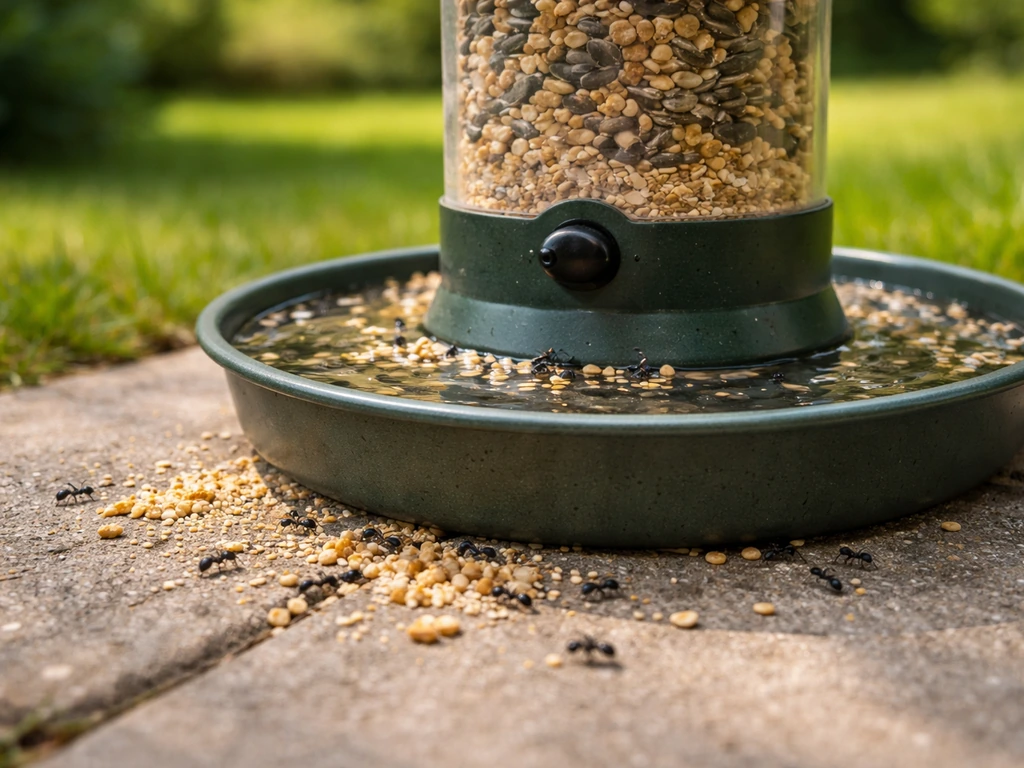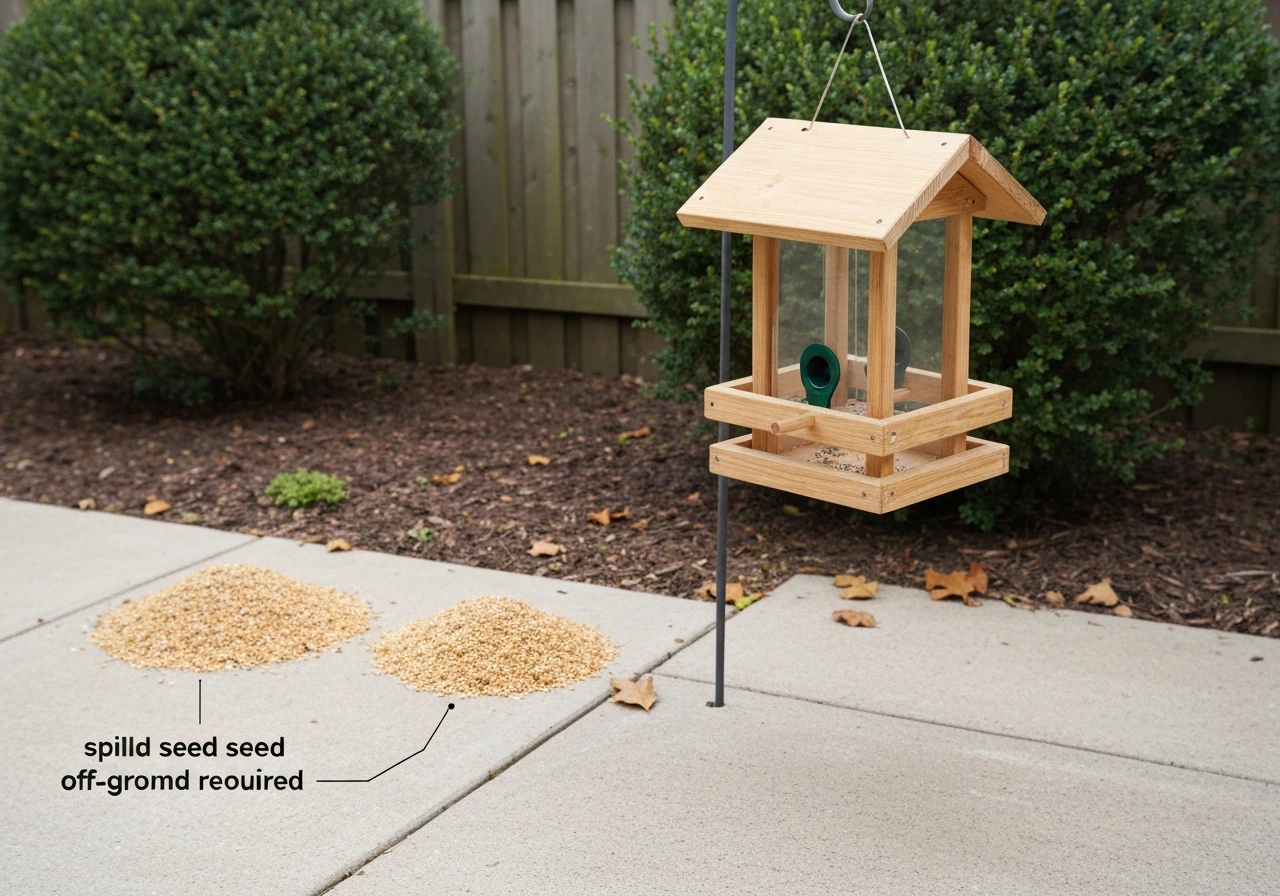
Yes, bird seed can attract roaches, but it is rarely the root cause on its own. Roaches are drawn to the combination of food residue, moisture, and shelter that builds up around poorly managed feeders and seed storage areas. Spilled seed on the ground, wet or sprouting seed, hulls accumulating under feeders, and open bags of seed stored in garages or sheds are the real culprits. Fix those conditions and you remove most of the attraction.
Does Bird Seed Attract Roaches? Fix the Problem Fast

Maya Collins
18 May 2026
Why roaches are interested in bird seed in the first place
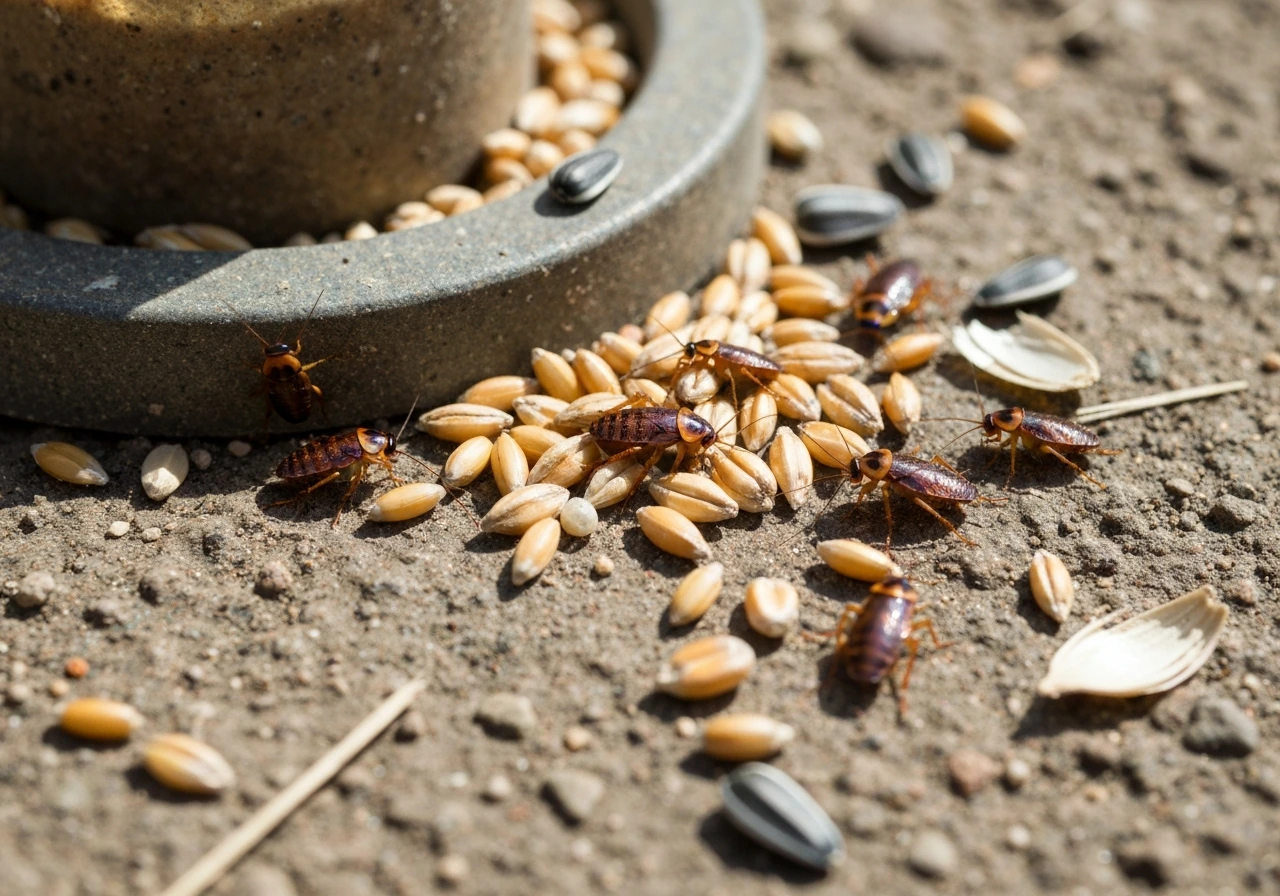
Cockroaches are extreme omnivores. They will eat grains, starches, fats, and plant matter, which means a typical birdseed mix of sunflower seeds, millet, safflower, and cracked corn checks a lot of boxes for them. German cockroaches in particular are highly adaptable and will regulate their diet based on whatever is available in their environment. Bird seed is not uniquely irresistible to roaches, but it is accessible and calorie-dense, especially when it sits on the ground or goes stale and moist.
Beyond the food itself, roaches need water and shelter. A feeder area that stays damp from rain or a leaky feeder, has piles of hulls and broken seed, and sits near the foundation of your house offers all three. Decomposing seed also produces warmth as it breaks down, which roaches find attractive. That combination of food, moisture, and hidden harborage is what turns a bird feeder into a roach problem.
Where you will actually see roach activity
Most roach activity tied to bird feeding happens in two distinct zones: the outdoor feeder area and indoor storage or pantry spaces. Knowing which zone is driving your problem tells you exactly where to focus.
The outdoor feeder zone
Look under and around your feeder for dark droppings that resemble ground pepper or coffee grounds, cast skins (thin papery husks shaped like a tiny roach), and egg cases (oothecae), which look like small brown purses about 6 to 9 millimeters long. You might also see roaches themselves if you go outside at night with a flashlight. American cockroaches, which are the large reddish-brown species, tend to deposit eggs in sheltered spots close to a food source on or near the ground, so check under the feeder post, behind any nearby rocks or mulch, and along the foundation wall.
Indoor storage and pantry areas
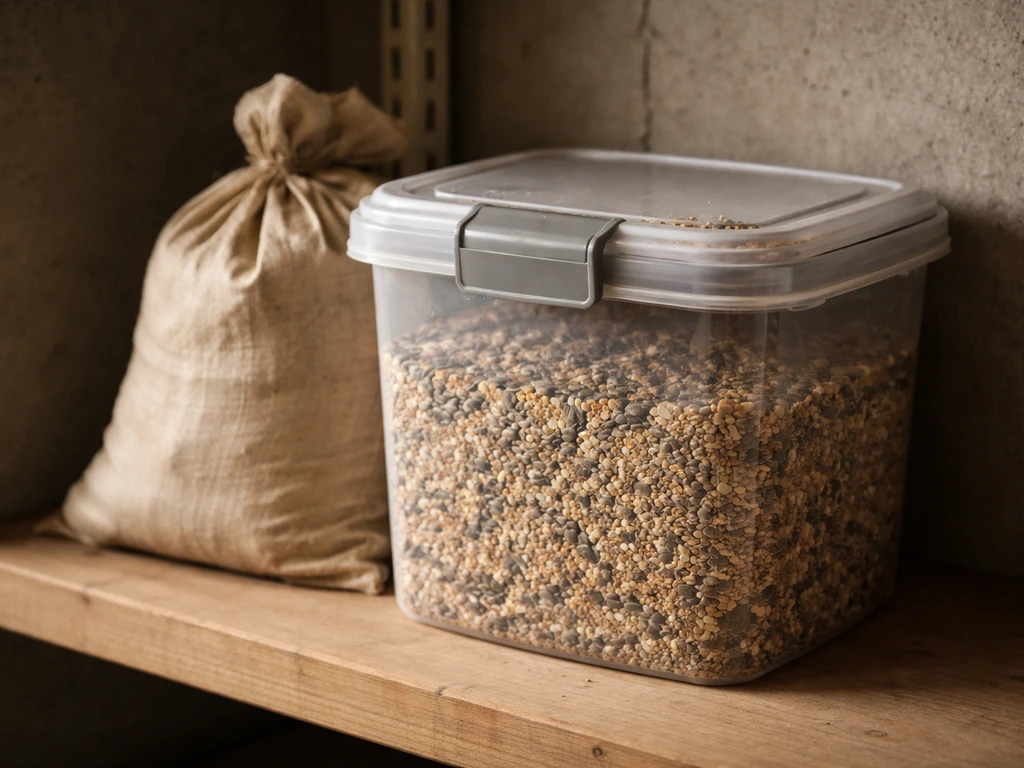
If you store seed in the garage, basement, or a shed attached to the house, roaches can move from the seed bag inward. Check along baseboards, inside cabinets near the seed, and around any gaps where pipes or conduits enter the wall. Corrugated cardboard boxes, like the ones some bulk seed bags are shipped in, are a documented harborage spot for roaches because they can live and breed inside the fluting. If your seed storage area shares a wall with the kitchen, that is a common pathway for roaches to migrate inside.
Seed conditions that make things worse
Not all bird seed situations carry the same risk. These are the specific conditions that dramatically increase roach attraction and should be your first targets.
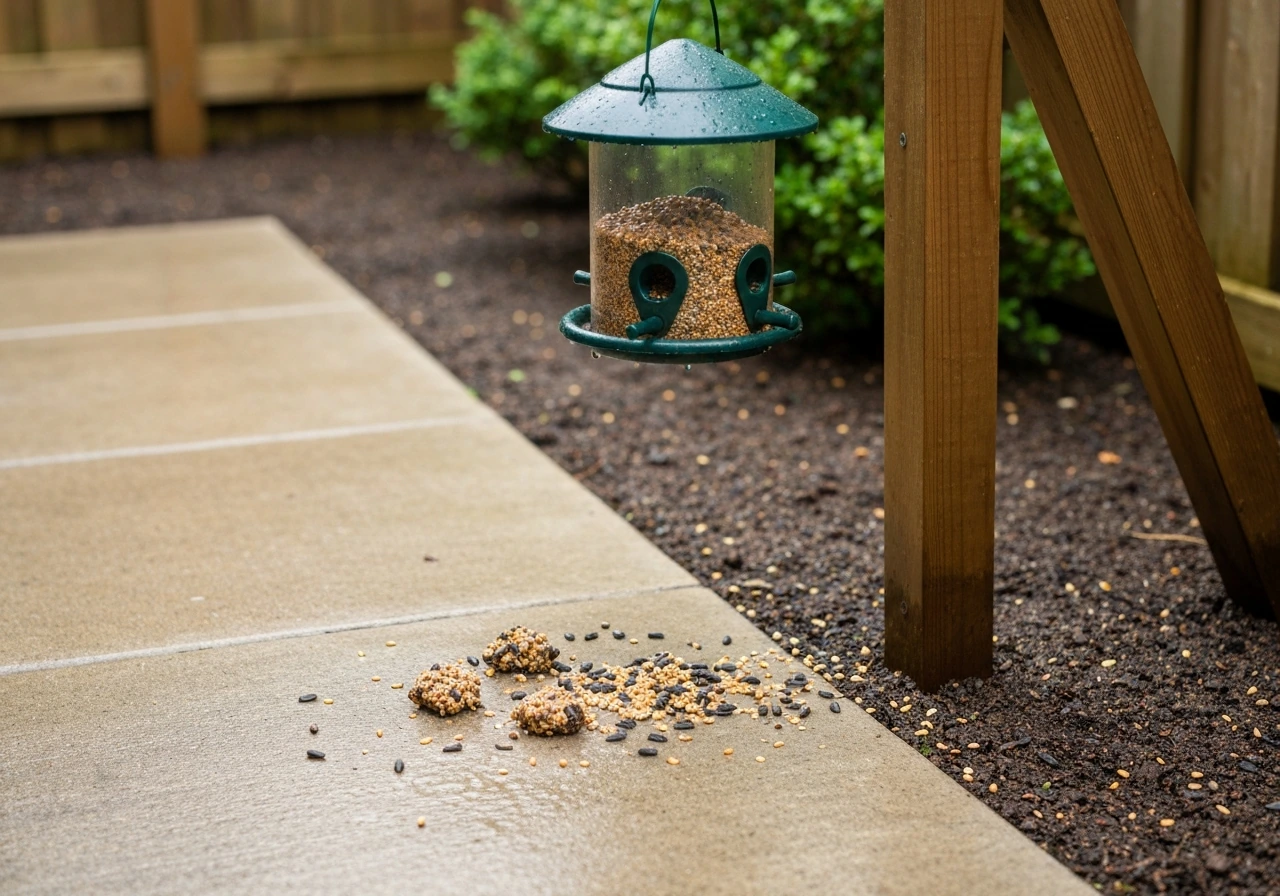
- Wet or rained-on seed: Moisture softens seed coats, starts fermentation, and creates exactly the damp food source roaches prefer. Feeders without covers are the biggest culprit here.
- Sprouting seed: Seed that has been on damp ground long enough to sprout is breaking down into sugars and starches that are even easier for roaches to digest than dry whole seeds.
- Moldy seed: Mold signals prolonged moisture and decomposition. Roaches are not deterred by mold and will eat it along with the seed.
- Spilled and accumulated seed on the ground: Any seed that falls from the feeder and is not cleaned up within a day or two becomes a ground-level buffet. Hulls and seed fragments build up faster than most people realize.
- Improperly stored seed: Open paper bags, loosely folded sacks, or seed left in the original packaging in warm, humid spaces attract roaches and give them both food and shelter in the same spot.
- Seed tracked indoors: Seeds stuck to shoes, gloves, or the bottom of feeders brought inside for cleaning can introduce both seed residue and roaches or their eggs into the home.
Steps you can take today to reduce roach attraction
These are not long-term projects. Most of them take under an hour and will start making a measurable difference immediately.
Feeder placement and design
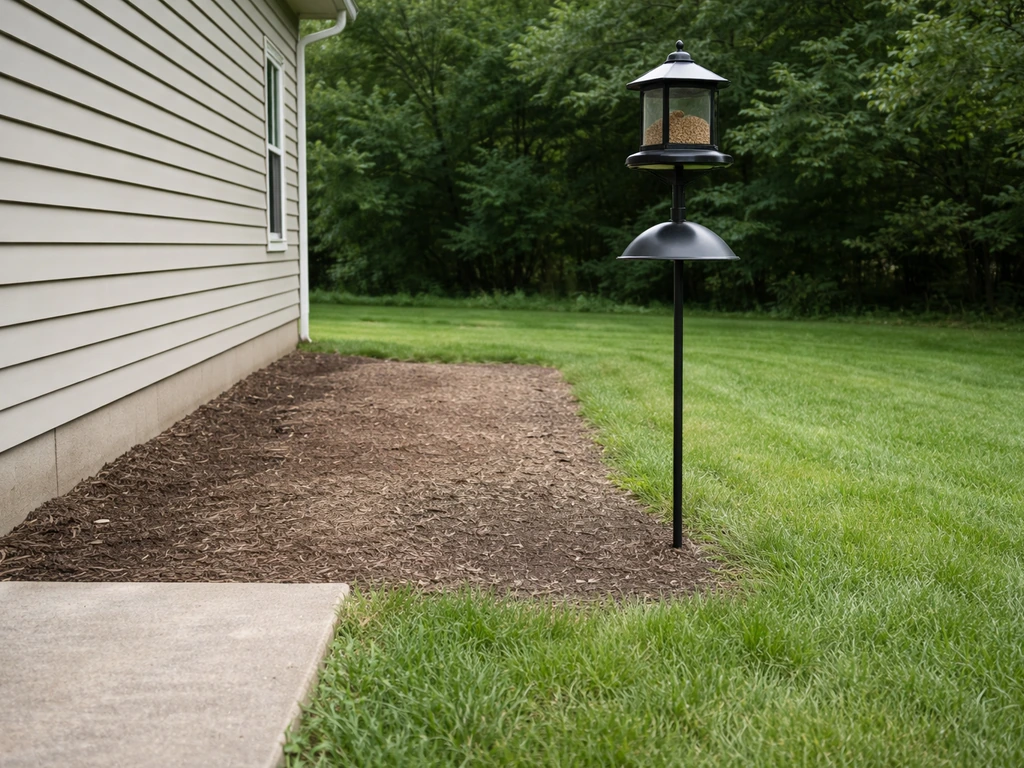
Move your feeder at least 10 feet away from the house if you can. Feeders mounted on poles with a tray or baffle underneath are far better than platform feeders open to rain. A weather dome over the feeder keeps seed dry and dramatically reduces the wet-seed problem. Look for feeders with drainage holes in the tray so water cannot pool.
Portion control and overnight cleanup
Only put out as much seed as birds will eat in a day. In warm or humid weather, I aim to have the feeder nearly empty by early evening. Whatever is left on the ground by nightfall should be swept up before dark, because that is when roaches are most active. Leaving seed out overnight in a roach-prone area is the fastest way to make the problem worse.
Ground cleanup routine
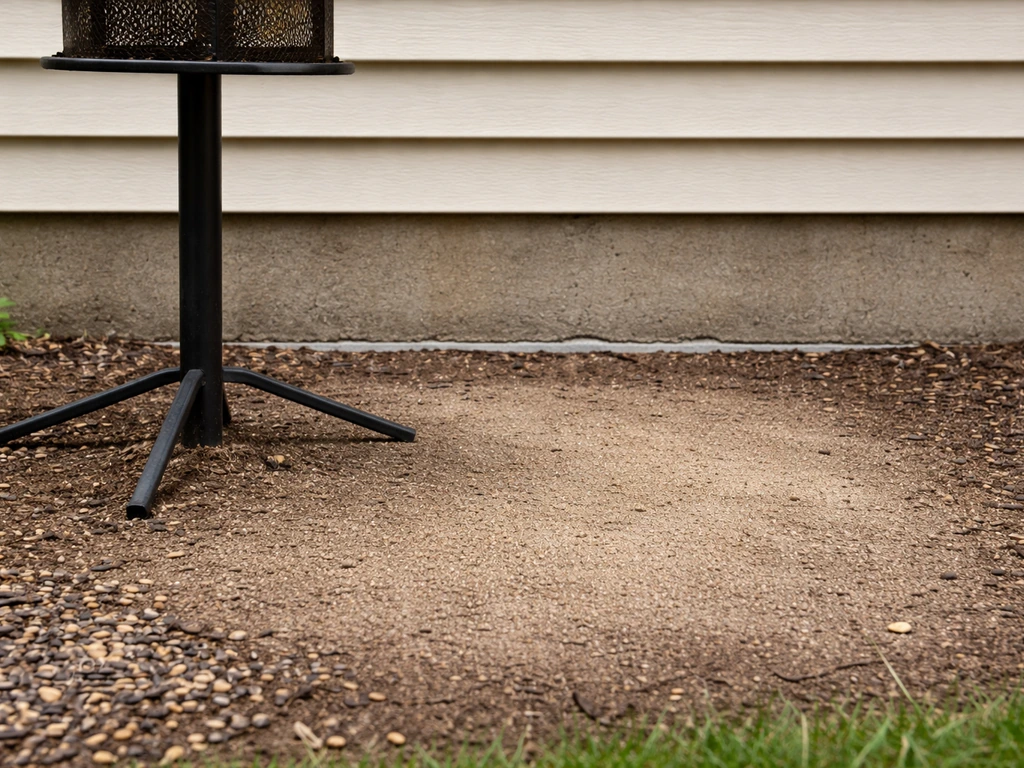
Sweep or rake under feeders every one to two days. During wet weather, do it daily. You are looking to clear hulls, broken seed, and any clumped or dark-colored seed that has started to decompose. For feeder sanitation, Penn State Extension specifically recommends removing moldy or wet residue and cleaning thoroughly, since wet or moldy seed buildup can drive disease risk and attract pests. Bag the debris and dispose of it away from the house rather than composting it near the foundation.
Storage and handling practices that cut off roach access
How you store seed between fills is just as important as what happens at the feeder. Roaches can easily chew through paper bags and thin plastic, so the container matters. Using tight-sealed containers and limiting accessible food sources helps prevent cockroaches from getting to stored food, which is relevant to controlling access to bird seed the container matters.
- Transfer seed from paper bags or thin sacks into rigid, airtight containers with locking lids. Metal garbage cans with tight-fitting lids, or heavy-duty plastic bins rated for food storage, are both solid choices.
- Store containers off the floor on a shelf or pallet. Roaches tend to stay low, and elevating containers also lets you spot any spills underneath.
- Keep storage areas dry. A dehumidifier in a garage or shed can make a real difference in humid climates during summer months.
- Do not use corrugated cardboard boxes for seed storage or as shelving near the seed. Roaches can live inside the fluting and breed undisturbed.
- Label containers with the date you opened the bag. Bird seed stored more than one to two months after opening, especially in warm conditions, is at higher risk of going stale, moldy, and attracting pests.
- Wash your hands after handling seed and before going inside. Brush off any seed stuck to clothing or shoes at the door.
Cleanup and prevention around the house
Even if the feeder is outside, roaches that are feeding near the foundation will look for ways in, especially as temperatures change. A few targeted steps around the house itself will cut off that pathway.
Seal entry points
Roaches can squeeze through gaps as small as about 1.5 millimeters for German cockroaches, or around 3 millimeters for larger species. Seal cracks along the foundation, gaps around utility pipes, and any space under exterior doors with a door sweep. Pay particular attention to the door or wall closest to where you store seed or park your feeder.
Indoor floor and tray hygiene
Sweep or vacuum the area near your seed storage weekly at minimum. Roaches leave fecal matter, cast skins, and shed egg cases in areas they frequent, and these residues can trigger allergic reactions in sensitive people. A thorough vacuum along baseboards, into corners, and under shelving removes both the debris and potential harborage material. Clean feeder trays with a 10 percent bleach solution or hot soapy water before refilling, and let them dry completely before adding fresh seed.
Eliminate other attractants nearby
Bird seed rarely operates in isolation. If you are wondering does bird seed attract bears, the same idea applies: food left out too long can draw in animals. This guide also helps answer the common question, “does bird seed attract flies,” since food left out can draw multiple types of insects.
If you also have pet food left out overnight, uncovered garbage cans near the house, or kitchen grease and crumbs that need cleaning up, roaches have multiple reasons to stay around. Removing all of those together is far more effective than targeting just the seed. This is also worth keeping in mind if you are managing other pest concerns around feeders like rats, mice, or ants, since many of the same sanitation steps apply across the board.
If you are also wondering why are bees attracted to bird seed, the key is that many of the same outdoor food-and-cleanup dynamics can draw in multiple insects. The same cleanup and storage steps that reduce roaches can also help if you are wondering whether bird seed attracts ants near your feeder.
If you are wondering whether bird seed attracts mice, use the same sanitation and storage steps to reduce food access for them as well does bird seed attract mice. Bird seed can attract other pests too, including rats, especially when seed is spilled and left accessible outdoors or in storage areas.
When roaches persist: safe escalation steps
If you have cleaned up the feeder area, improved storage, and sealed entry points but are still seeing roaches after two to three weeks, it is time to escalate. Start with nonchemical and low-risk options before reaching for sprays, especially if birds or other wildlife are in the area.
Nonchemical first steps
- Sticky monitoring traps: Place these along baseboards and in corners near the seed storage area to confirm roach activity and identify which species you are dealing with. The number caught in 24 to 48 hours tells you how heavy the infestation is.
- Bait stations: Cockroach gel baits placed in cracks, corners, and along roach travel routes between their shelter and food source are highly effective and low risk. Keep bait well away from bird feeders and seed storage to avoid contamination.
- Vacuuming cracks and crevices: A thorough vacuuming of roach hiding areas removes egg cases and live roaches physically. Empty the vacuum outside and into a sealed bag immediately.
- Reduce harborage: Remove any clutter, stacked materials, or debris near the seed storage area that roaches could hide inside or under.
What to avoid near feeders
Do not spray broad-spectrum insecticides around feeders or seed storage areas. Residues can contaminate seed and harm birds directly or through secondary exposure. If you use any pesticide product as part of an Integrated Pest Management plan, follow label directions exactly, remove bird feeders and seed from the treatment zone before applying, and keep them out until the area is fully dry and ventilated. Never treat inside a feeder or apply anything to seed itself.
When to call a professional
If you are finding egg cases indoors, seeing roaches in multiple rooms, or the population is not responding after three to four weeks of consistent sanitation and baiting, call a licensed pest management professional. Let them know you have bird feeders and active feeding areas so they can recommend bird-safe treatment approaches and placement strategies. In a related question, people often wonder whether bird seed also attracts moths, and the answer depends on how moist and accessible the seed is. A professional can also confirm whether the seed storage area is the primary source or whether there is a separate indoor infestation that needs to be addressed independently.
| Problem | Likely cause | Fix today | Long-term prevention |
|---|---|---|---|
| Roaches under feeder at night | Spilled seed and hulls accumulating on the ground | Sweep up all fallen seed and hulls before dark | Daily sweeping in warm months, feeder tray with drainage |
| Wet or moldy seed in feeder | Open feeder exposed to rain or overfilling | Empty and scrub feeder, dry completely before refilling | Add weather dome, reduce fill amount to one-day supply |
| Roaches near seed storage | Open bags or thin containers in warm storage area | Transfer seed to rigid airtight container | Store off floor, keep area dry, date opened bags |
| Roaches entering the house | Gaps near foundation, doors, or utility penetrations | Seal visible cracks and add door sweep | Inspect and caulk annually, especially around storage entry points |
| Roaches persisting after cleanup | Established indoor population with multiple harborage sites | Deploy sticky traps and gel bait stations | Consult a pest professional for targeted IPM treatment |
FAQ
Can roaches come into my house from an outdoor bird feeder?
Yes, if seed is left out overnight or stored in a way that stays accessible, you can see roaches inside even when the feeder is outdoors. Focus on indoor storage points (seed in closets or cabinets, baseboards near the entry wall) and seal the specific gap closest to where the seed is kept, not just where the feeder sits.
I saw roaches after I cleaned around the feeder, does that mean the problem isn’t fixed?
A few sightings after cleaning usually mean you disturbed a hiding place, not that your cleanup failed. The key is the trend over time, if droppings, cast skins, or egg cases keep appearing after you start removing wet or spilled seed daily and storing seed in sealed containers, then you likely have an additional harborage spot.
What part of the seed area matters most for stopping roaches?
Spilled hulls and clumped, dark seed are the highest-risk material because they hold moisture and create microharborage. Quick tip, use a shop vacuum for under-fence areas and corners, then immediately dispose of the debris bag away from the foundation rather than dumping it on the compost side.
What’s the best way to store bird seed so it does not attract roaches?
Storing seed in airtight, hard plastic bins with a tight lid reduces access compared with paper bags, thin plastic bags, or open buckets. Also check for roaches already inside, if the bin smells musty or you find skins inside, empty it completely and wash the bin before refilling.
Will roaches still be attracted if the feeder is covered?
Yes, but only when seed or feeder materials are allowed to get damp. If you use a covered feeder with drainage and you bring wet seed in for drying or disposal, the attractiveness drops sharply, but leaving a wet tray of seed for days can still draw roaches.
Do pole-mounted feeders or baffles prevent roaches?
Feeder baffles and pole-mounted designs help, but they do not fully solve the issue if seed spills onto mulch or ground cover. For best results, remove fallen seed daily and keep the area under the feeder clean, even if birds land and feed heavily.
What if I do not see roaches or droppings outside the feeder area?
If you have roach activity but cannot find obvious droppings outside, inspect inside pantry or cabinet edges where seed is stored, and behind any kitchen appliances that share the same wall. Roaches often establish indoors first, then you notice them near the feeder because that is where food residue is present.
Is it safe to spray around bird feeders to kill roaches?
You should not treat seed or feeder areas with broad-spectrum sprays. If you do use any product, remove feeders and seed from the area during application, follow the label on when to return items, and keep birds out of the treatment zone until it is fully dry and ventilated.
Could pet food or trash be the real reason I’m seeing roaches near the feeder?
Yes, pet food and uncovered garbage can significantly increase roach pressure, even if the bird seed is managed well. For troubleshooting, pause pet food access overnight and keep garbage sealed, then compare roach sightings for 2 to 3 weeks after improving sanitation.
What entry points should I seal first if roaches are tied to the feeder?
German cockroaches can hide very close to walls and entry points, so sealing is most effective when you pair it with sanitation. Use your observations to prioritize sealing near the feeder storage wall and any utility pipe openings, then keep cleaning under the feeder daily until you stop seeing fresh signs.
When should I call a pest professional instead of continuing cleanup?
If you see egg cases indoors, roaches in multiple rooms, or no improvement after consistent cleanup and baiting-style monitoring for several weeks, escalate to a licensed pest management professional. Include details like the feeder location, seed storage area, and what you have already cleaned to help them choose bird-safe options.