Safflower seed and nyjer (thistle) are the two seeds starlings consistently avoid or struggle with most. Peanuts in the shell also deter them because starlings can't crack the hard outer hull. If you switch your feeder today to safflower only, you'll likely see a noticeable drop in starling visits within a few days, while cardinals, chickadees, and nuthatches keep coming. That's the core answer. Everything below helps you build on it.
What Bird Seed Starlings Don’t Like and What to Use Instead
Maya Collins
12 May 2026
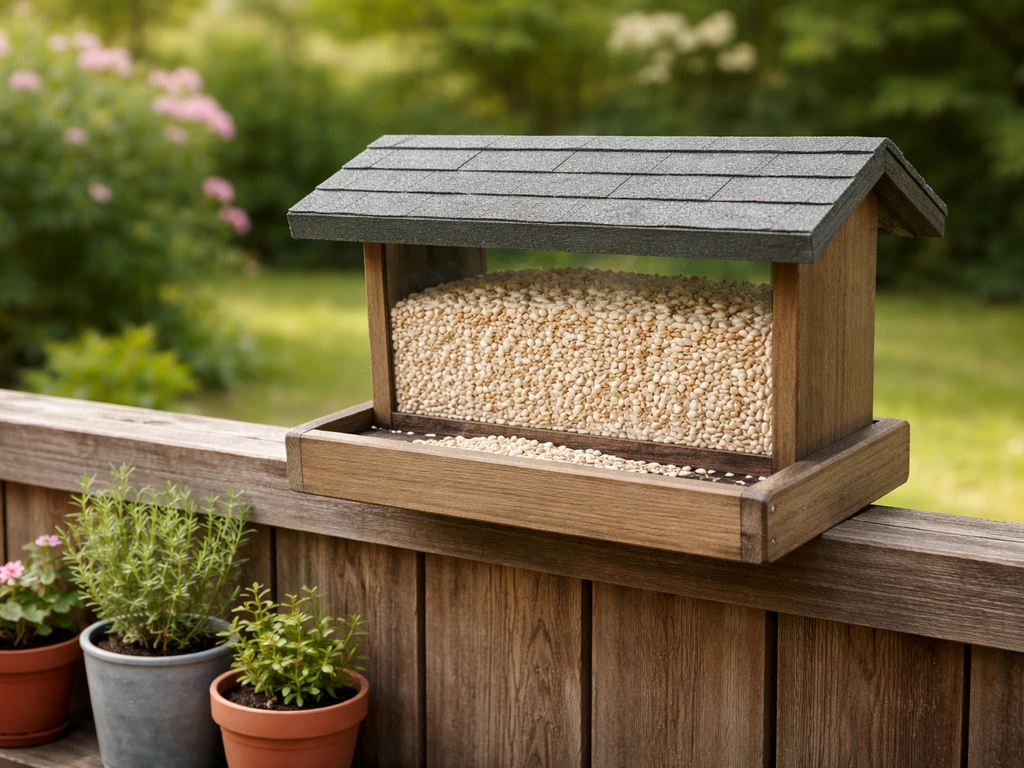
Seeds and foods starlings avoid (and why)
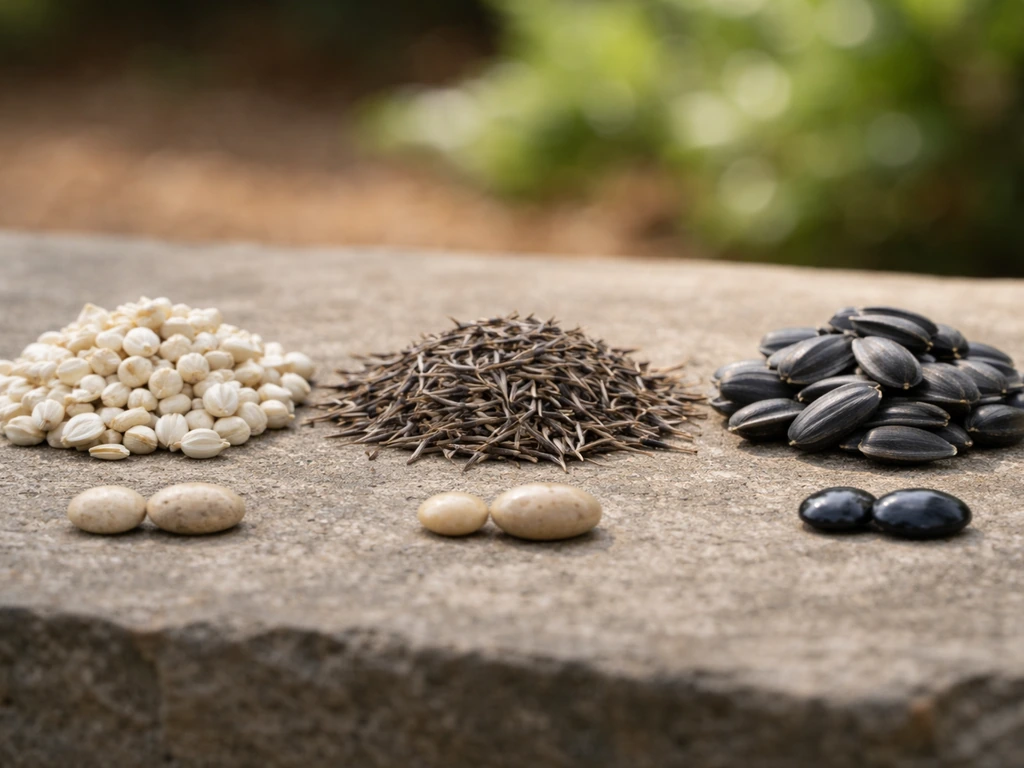
Starlings are soft-billed birds. Their bills are built for probing and scooping, not cracking hard seeds. That physical limitation is the reason certain seeds work as a deterrent, not just a matter of taste. The Alaska Department of Fish and Game recommends filling feeders with striped sunflower, safflower, peanuts in the shell, and nyjer/thistle, describing these as seeds that either can't be eaten by starlings or are generally unappealing to them.
| Seed or Food | Starling Attraction Level | Notes |
|---|---|---|
| Safflower | Low | Hard shell; disliked by starlings and grackles; favored by cardinals and finches |
| Nyjer / thistle | Low | Tiny seed requiring a specialized feeder with small ports; starlings can't access it efficiently |
| Peanuts in the shell | Low | Starlings can't crack the hull; woodpeckers and jays can |
| Striped sunflower | Low to moderate | Harder shell than black-oil; starlings may pick at it but less efficiently |
| Black-oil sunflower (shelled/chips) | High | Soft, easy to swallow; starlings love it |
| Cracked corn | Very high | One of starlings' top preferred foods |
| White millet | High | Soft and easy to eat; attracts sparrows and starlings alike |
| Suet with corn or nuts | High | Especially attractive to starlings in winter |
| Shelled peanuts / peanut butter | High | Soft and calorie-dense; starlings eat freely |
| Mealworms | High | Among the most attractive foods for starlings |
It's worth noting that 'not like' means slightly different things depending on the seed. If you're also dealing with crows, you'll want to use a seed they don't prefer what bird seed do crows not like. With nyjer, it's mostly an access problem: the ports on a proper thistle feeder are too small and the seeds too fine for starlings to feed efficiently. With safflower, it's more about palatability. Maryland DNR specifically lists safflower as a seed that feeder hogs like grackles and starlings tend to avoid. There's a regional caveat though: in some areas, starlings have apparently acquired a taste for safflower over time, so if your flock is particularly persistent, safflower alone may not be a complete fix.
What to stop using right away
Most cheap grocery-store or big-box birdseed mixes are essentially a starling magnet. They're typically loaded with cracked corn, white millet, milo, and sometimes shelled sunflower chips, which together hit nearly every item on the starling's preferred menu. If you're using a general 'wild bird mix,' that's almost certainly the first thing to swap out.
- Cracked corn: one of the top starling attractants and also the seed most vulnerable to aflatoxin contamination, especially when it gets wet
- Shelled sunflower chips or kernels: soft, calorie-rich, and easy for starlings to swallow whole
- White millet: a soft seed starlings eat readily, especially on platform or ground feeders
- Milo / sorghum: commonly used as filler in cheap mixes; attracts starlings, grackles, and pigeons
- Suet cakes containing corn, peanut butter, or mixed nuts: these are a particular problem in winter
- Mealworms (live or dried): almost irresistible to starlings
- Bread, kitchen scraps, or any human food: avoid entirely
The mix problem also creates a mess issue. When you put out a mixed seed blend, the birds you actually want, like cardinals or finches, often toss aside the millet and corn to get to the sunflower. That discarded seed piles up on the ground below your feeder and becomes a prime food source for starlings, grackles, sparrows, and rodents. Switching to a single-seed approach (safflower or nyjer) largely eliminates this secondary feeding problem.
How to switch your seed safely today
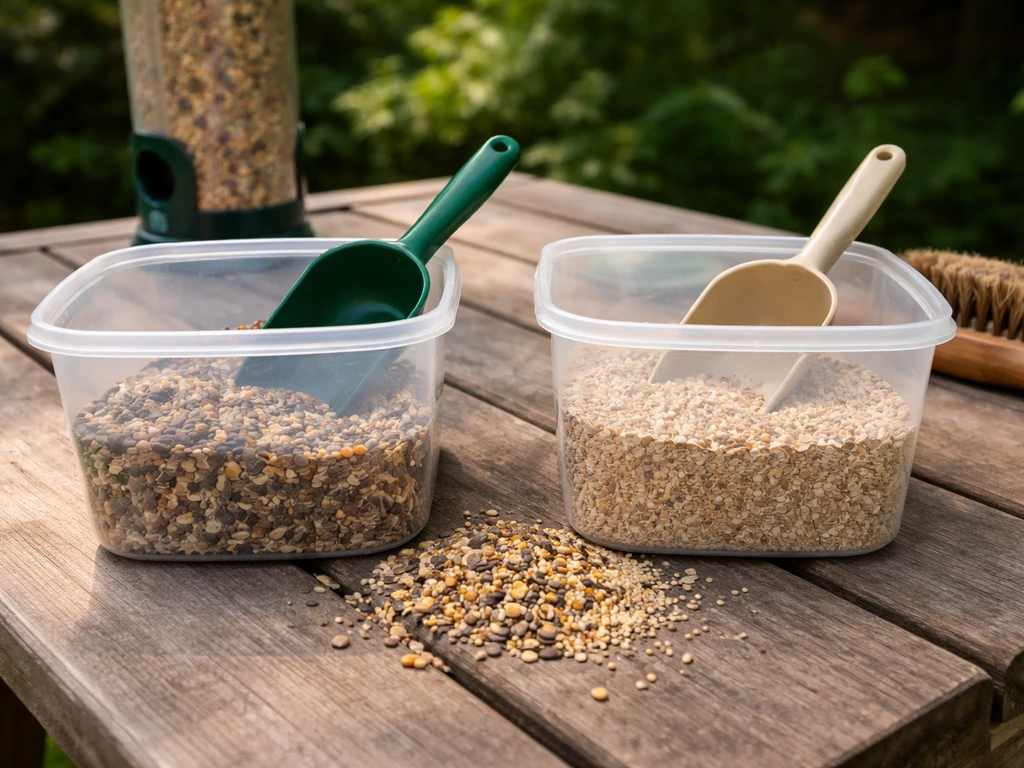
You don't need to do a dramatic overnight overhaul. A gradual switch over 5 to 7 days reduces the risk of confusing your regulars and lets you see which birds adjust to the new seed. Here's a practical way to do it:
- Empty and clean your feeder before making any switch (see the cleaning section below). Residue from old seed can harbor mold or pests that mask whether your new seed is working.
- Start with a 50/50 blend of your current seed and safflower. Fill the feeder and observe over 2 to 3 days. You should see starling visits start to decline while other species continue feeding.
- Move to 100% safflower or nyjer after 3 to 5 days. Buy a small 5 lb bag first to test before committing to a larger quantity.
- If you have a suet feeder, replace corn-heavy or nut-heavy suet with plain suet or suet with hot pepper added (more on that below). Woodpeckers love plain suet but starlings strongly prefer the enriched kinds.
- Remove any platform or ground feeders temporarily. Starlings, like grackles and pigeons, are ground and platform feeders by nature. Eliminating those feeding surfaces takes away a major advantage they have over other birds.
- Watch for 7 to 10 days. If starlings are still coming heavily, the issue may be feeder design rather than seed choice. Move to the feeder section below.
A note on hot pepper seed
Hot pepper (capsaicin)-coated seed or suet is sometimes sold as a starling deterrent. Birds don't have the receptors that make capsaicin feel hot, so your target birds aren't bothered by it. Starlings and other mammals (squirrels, rodents) are deterred. It's a reasonable option to add alongside safflower if you're dealing with a stubborn flock, though it costs more and needs to be stored carefully so the coating doesn't degrade.
Feeder designs that work with your seed choice
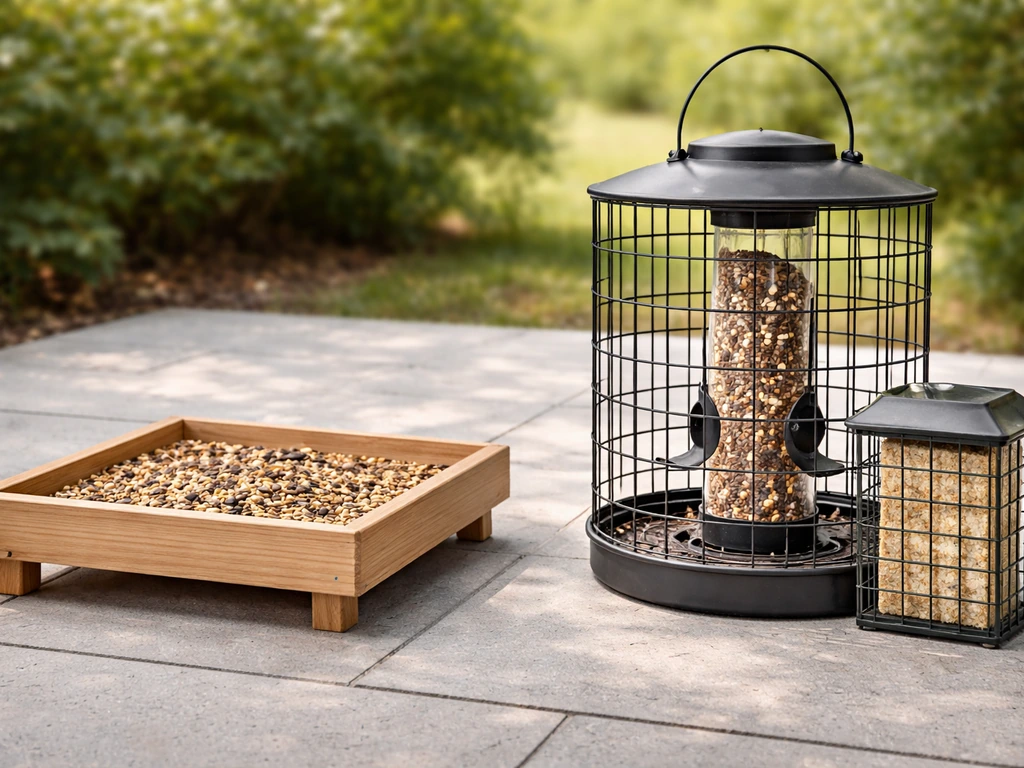
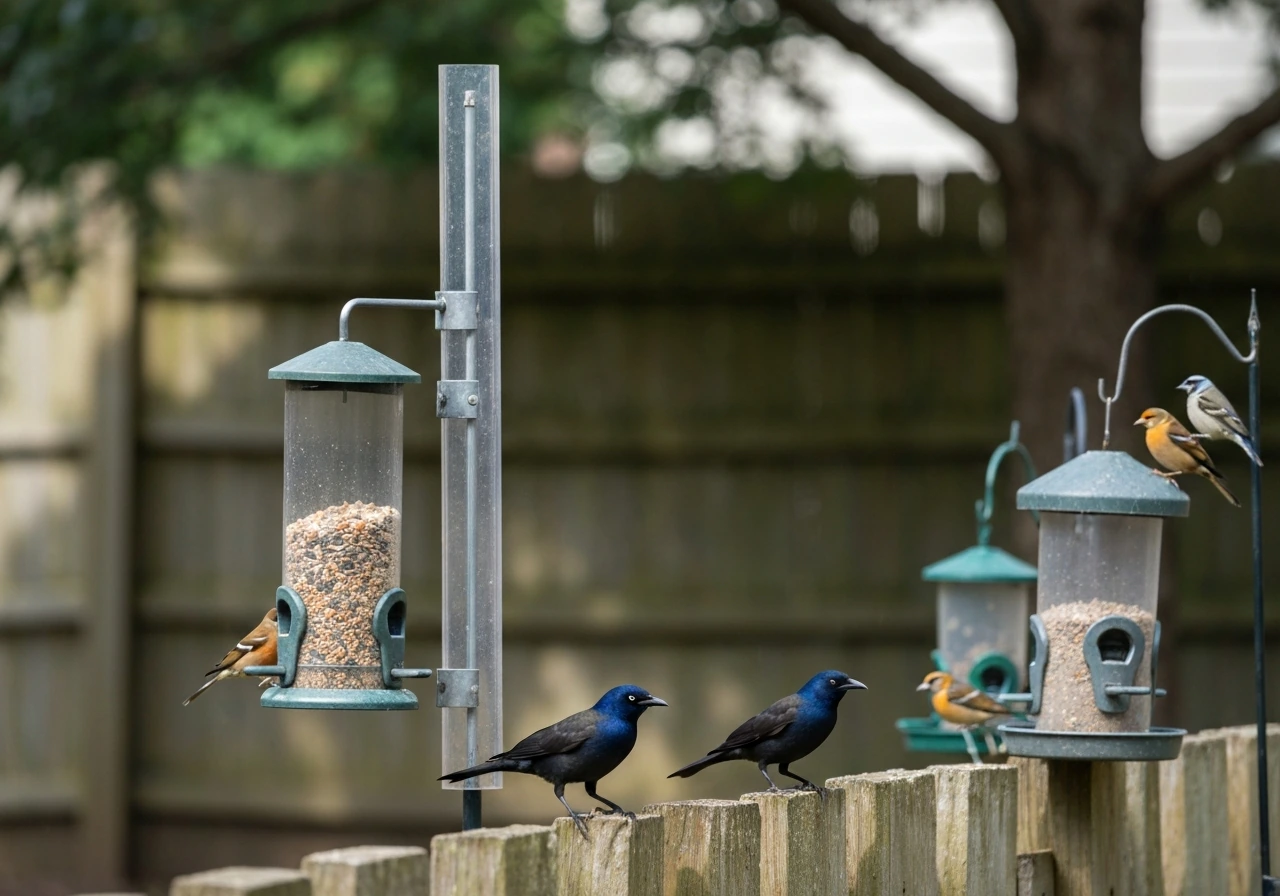
Even the right seed in the wrong feeder can attract starlings. Starlings are bulky, bold birds that do best on open platform feeders, wide-ledge tube feeders, and standard suet cages. Switching the feeder design alongside your seed gives you a much stronger result.
- Caged tube feeders: A wire cage surrounds the feeder with openings large enough for small songbirds (chickadees, finches, nuthatches) but too small for starlings. These are one of the most effective structural barriers. Alaska DFG specifically recommends this design for starling exclusion.
- Weight-sensitive feeders: These have perches that close the feeding ports when a bird over a certain weight lands. Set the threshold to allow cardinals and finches but exclude the heavier starling (which typically weighs 2.5 to 3.5 oz). Most adjustable models let you dial in the exact weight limit.
- Upside-down suet feeders: Woodpeckers are comfortable feeding hanging upside down; starlings are not. An inverted suet feeder dramatically reduces starling access to suet without eliminating woodpecker visits. Fill with plain suet, not corn-enriched.
- Nyjer sock or thistle tube feeders: The small ports and fine seed naturally exclude starlings. Use a tube with ports no larger than 1/8 inch for best results.
- Avoid: open platform feeders, wide-tray feeders, and any feeder with a large open landing area. These are essentially designed for the kind of bold, social feeding that starlings thrive on.
Placement matters too. Starlings tend to prefer feeders in open, visible areas where the whole flock can land and feed together. Moving a feeder closer to shrub cover or under a tree canopy can subtly reduce starling comfort while your target songbirds, which are more comfortable near cover, keep visiting.
Keeping seed dry to avoid bigger problems
Wet or clumped seed is more attractive to pests and creates a whole secondary problem: mold. Starlings, like grackles, pigeons, and sparrows, are opportunistic feeders. Those same kinds of seed deterrents can also help answer what bird seed pigeons do not eat pigeons not eat. If wet or sprouted seed is sitting in or below your feeder, it's a second invitation even after you've switched to a seed they'd normally avoid. Staying on top of seed moisture is a non-negotiable part of this fix. Maryland DNR also recommends using tube bird feeders to help keep seed clean and dry, and it mentions safflower as part of higher-end seed strategies blank" rel="noopener noreferrer">tube bird feeders to help keep seed clean and dry and mentions safflower as part of higher-end seed strategies.
- Check seed moisture every 2 to 3 days in summer and rainy periods. If seed is clumping, sticky, or darker than normal, remove and discard it immediately.
- Never refill a feeder on top of old or damp seed. Even a small amount of moldy seed at the bottom of a tube feeder contaminates fresh seed added on top.
- Buy seed in quantities you'll use within 1 to 2 weeks. A 5 lb bag of safflower used quickly is safer than a 25 lb bag sitting in a garage for months.
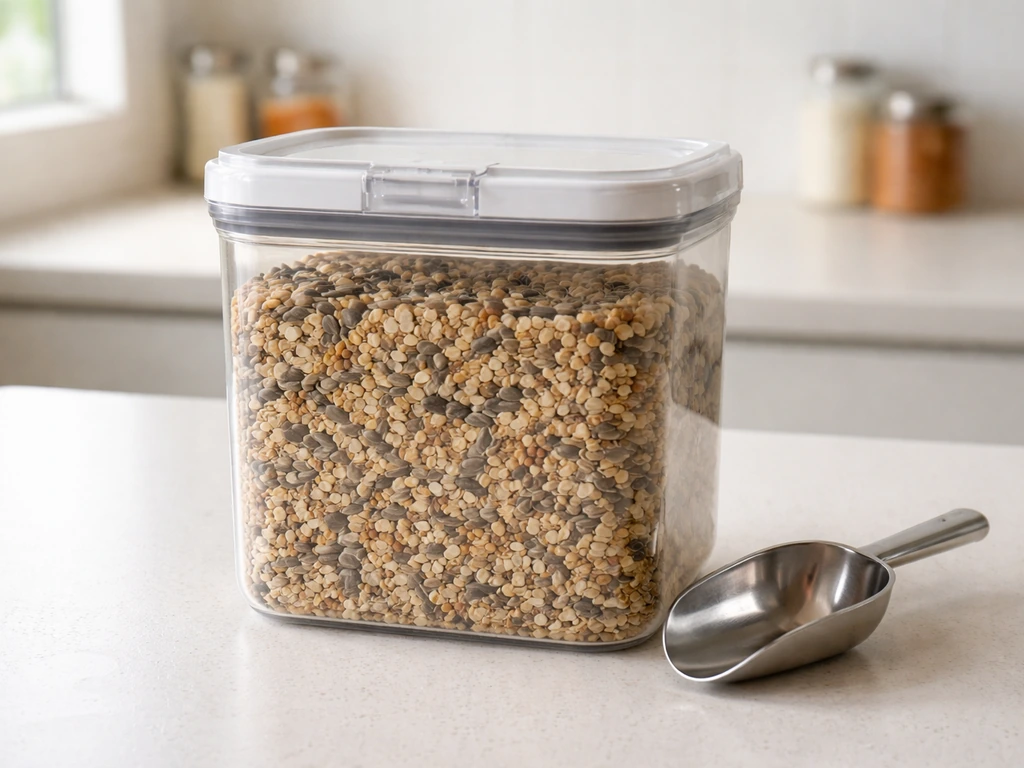
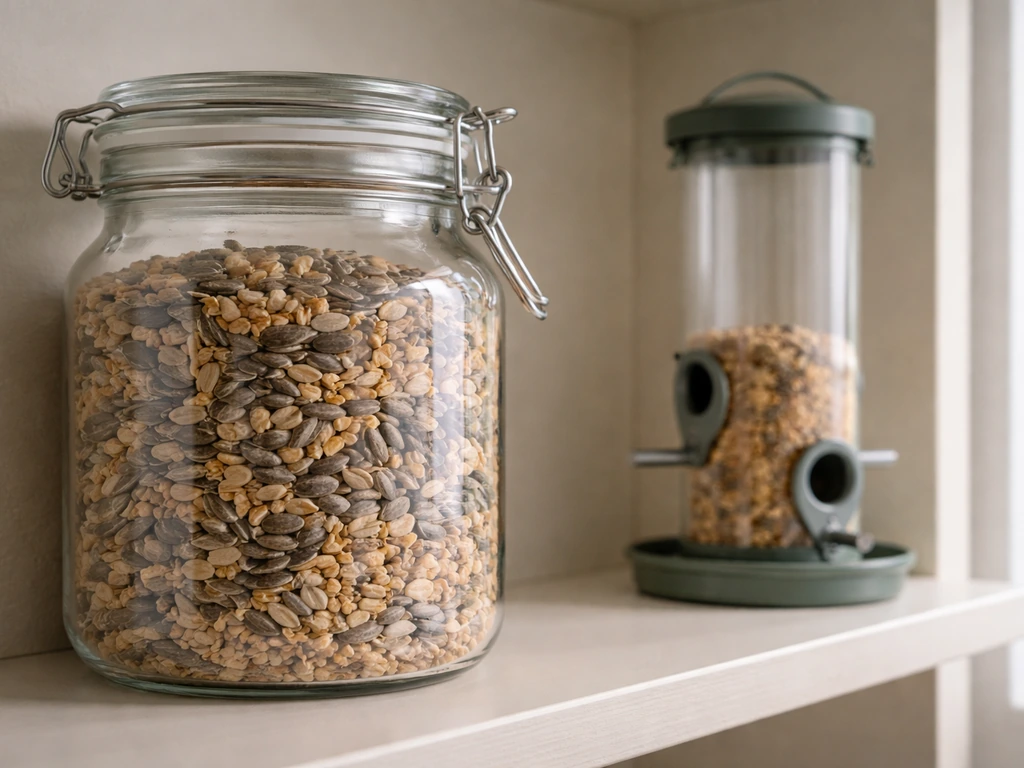
- Store seed in a sealed, airtight container, ideally metal to deter rodents, in a cool and dry location. Keep it off concrete floors where moisture can wick up through the container.
- Corn especially: if you're still using any corn in a mix, know that it's the seed most susceptible to aflatoxin contamination. Aflatoxins can be present even when there's no visible mold and are extremely toxic at low levels. Switching away from corn entirely removes this risk.
- In hot, humid climates (the Southeast and Gulf Coast especially), clean feeders every 3 to 5 days in summer. Seed can go bad in under a week.
Cleaning your feeder the right way
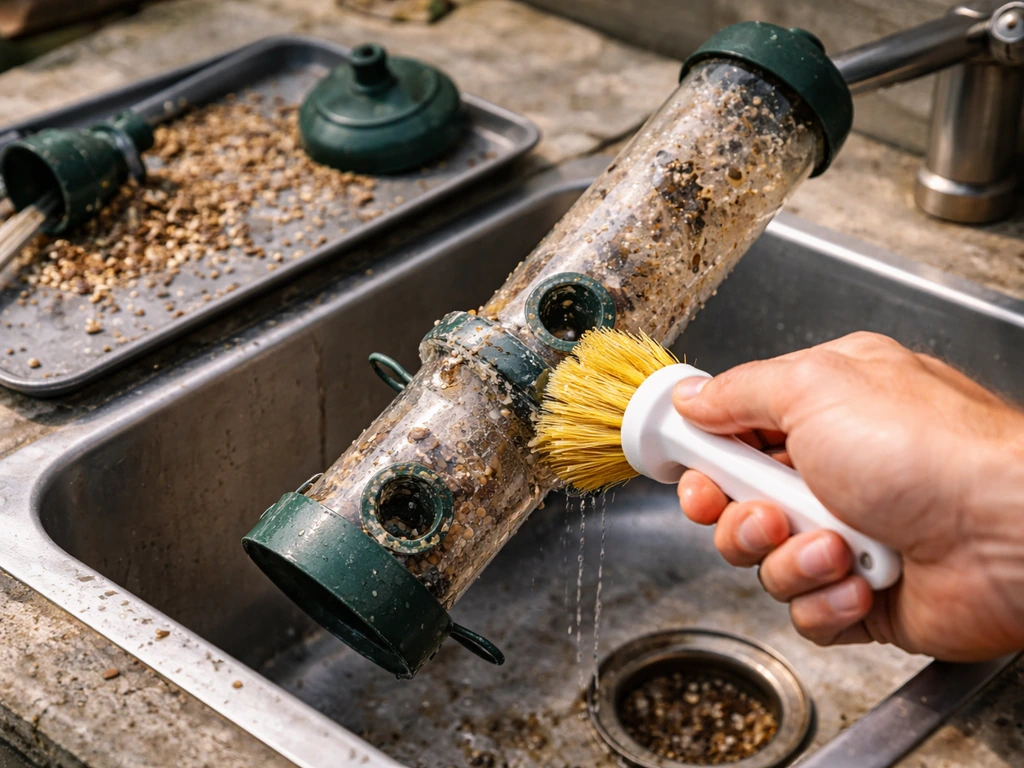
A dirty feeder undermines everything else. Disease, mold, and old seed residue attract problem birds and can harm your target species. Here's the cleaning process recommended by Cornell Lab's Project FeederWatch and Audubon: Project FeederWatch recommends disinfecting bird feeders with a diluted bleach solution, for example one part bleach to nine parts water a diluted bleach solution (one part bleach to nine parts water).
- Remove all old seed and debris before cleaning. Dump, shake out, or use a brush to clear everything out. Don't skip this step: cleaning solution can't penetrate through a layer of crusted seed.
- Prepare a 10% bleach solution: 1 part bleach to 9 parts water. This is the standard recommendation from both Audubon and Cornell-affiliated sources for feeder disinfection.
- Soak the feeder in the solution for 2 to 3 minutes, then scrub all surfaces with a bottle brush or old toothbrush. Pay attention to seams, perch holes, and the base where moisture collects.
- Rinse thoroughly with clean water. Bleach residue can harm birds, so rinse until there's no detectable smell.
- Air-dry completely before refilling. This is the step most people skip and it matters most. A damp feeder creates the exact conditions mold needs to start growing within 24 to 48 hours.
- Clean frequency: every 1 to 2 weeks in cool dry weather, every 3 to 5 days in hot or humid weather, and immediately any time you see black residue, mold, or sick birds near the feeder.
Ongoing maintenance to stop starlings from coming back
The seed switch and feeder change will reduce starling visits significantly, but ongoing habits are what keep them from returning. Starlings are persistent and social. If they find food, they'll be back the next day with the whole flock. The goal is to make your yard consistently unrewarding for them.
- Clean up spilled seed on the ground every 1 to 2 days. Even safflower, which starlings avoid in a feeder, can attract them on the ground when they're hungry enough. A leaf blower or stiff broom takes 2 minutes.
- Don't leave feeders full overnight if you're seeing heavy starling activity. Starlings are daytime feeders, so this won't affect your songbird visitors much, and an empty or near-empty feeder at dusk gives the flock less reason to return at dawn.
- Dispose of old or uneaten seed in the trash, not on the ground. Dumping old seed below a tree or in a garden bed is a direct invitation for ground-feeding problem birds.
- Monitor after any mix change. Give each change 7 to 10 days before concluding it's not working. Starling flocks can be persistent for a week before moving on to easier food sources.
- Watch for pattern changes by season. Starlings tend to be worst in late fall and winter when food is scarce and flocks are larger. You may need to tighten up your feeder setup more in December through February than in summer.
- If starlings are still a problem after switching seed and feeder design, consider taking feeders down entirely for 1 to 2 weeks. The resident flock often moves on, and your songbird regulars typically return within a day or two of feeders going back up.
How this compares to other problem birds
The seed choices that deter starlings overlap quite a bit with what deters grackles and pigeons. Safflower, for instance, is also disliked by grackles and most pigeons, so switching to it often helps with more than one problem at once. Sparrows are a different case: they actually eat safflower and nyjer, so those seeds don't serve as a sparrow deterrent the way they do for starlings. If your feeder problem involves multiple species, it's worth identifying which birds are causing the most disruption before choosing your seed strategy, since the fixes are similar but not identical across species.
FAQ
Will safflower or nyjer stop starlings completely, or just reduce them?
In most yards it reduces visits and makes feeders less rewarding, but complete elimination is uncommon. If starlings have many alternate food sources nearby, they may still scout and return in smaller numbers. Persistence matters, keep the seed switch, feeder style, and cleaning consistent for at least a few weeks to judge results.
Do I need to use a specialized thistle feeder for nyjer, or will any feeder work?
Nyjer works best in a true thistle feeder with small ports sized for fine thistle seed. In larger holes or open trays, starlings can sometimes access the seed more easily, which weakens the deterrent effect.
Are cracked versions of safflower or mixed “safflower blends” still effective against starlings?
Effectiveness depends on how the seed is prepared. If a “wild bird mix” is still present, it reintroduces favored items like millet or cracked corn. Use a mostly single seed product, and avoid blends where other seed types make up more than a small fraction.
What if starlings keep showing up even after switching to safflower only?
Two common reasons are regional adaptation and leftover attractants. Some areas report starlings that have learned to eat safflower, and mixes or scattered dropped seed can keep them coming. Remove all mixed seed, clean up seed below the feeder, and consider adding a feeder design change (open platform and wide-ledge tube feeders tend to be worst for them).
Can I mix deterrent seeds like safflower and nyjer together, or should I choose just one?
You can combine them, but choosing one first makes it easier to confirm what is working. A two-seed approach may still deter starlings, yet if you see other birds change behavior you will have a harder time diagnosing the cause. If starlings remain stubborn, try single-seed for 1 to 2 weeks before adjusting.
Do hot pepper (capsaicin) coated products affect the birds I want to attract?
Most targeted bird species do not respond to capsaicin the way mammals do, so they are usually not bothered. However, coatings can degrade in heat and humidity, so follow storage guidance and keep the feeder dry. Also avoid using it as your only strategy if moisture and feeder cleanliness are not controlled.
Is it safe to use peanuts in the shell to deter starlings, and will other birds still eat them?
Peanuts in the shell are a decent deterrent for starlings because their bills are not built for cracking hard hulls. Other birds may still take advantage depending on their feeding style and local behavior, but larger seed-cracking birds (like some woodpeckers) can sometimes benefit. If your goal is songbirds, consider pairing deterrent seeds with feeder types that favor your target species.
What feeder types make starlings harder to manage, and what should I avoid?
Starlings often do best on wide open access feeders and certain suet setups. Avoid feeders that are easy to land on and access from many angles, such as open trays. Instead, use designs that are more selective for your target birds, and keep the station consistent so you can evaluate changes.
How often should I clean the feeder if I’m trying to deter starlings?
Clean on a schedule that prevents buildup, especially if you have wet weather or spilled seed on the ground. If you notice mold, clumping, or a strong residue layer, clean sooner rather than later. Regular cleaning reduces disease and also removes the “secondary feeding” attractant from old seed.
Why do I sometimes see starlings at the feeder only after rain?
Wet, clumped, or sprouted seed can become easier for more opportunistic birds to exploit, and it increases mold risk. After storms, discard compromised seed, wipe the tray or ports, dry the feeder, and replace with fresh, dry seed to restore the deterrent effect.
Do sparrows and other ground-feeders change the plan when I’m using safflower or nyjer?
Yes. The article notes starlings avoid safflower and nyjer, but sparrows and some other species may eat them, so the deterrent is not universal. If sparrows are the main problem, you may need a different seed strategy and focus more on feeder placement and type rather than relying on seed alone.
What should I do about seed that starlings drop on the ground?
Dropped seed keeps them coming even when the feeder seed is correct. Use a feeder that reduces spillage, sweep or rake under the station regularly, and consider placing the feeder where cleanup is easy. Removing fallen seed also reduces rodents and other opportunistic birds.