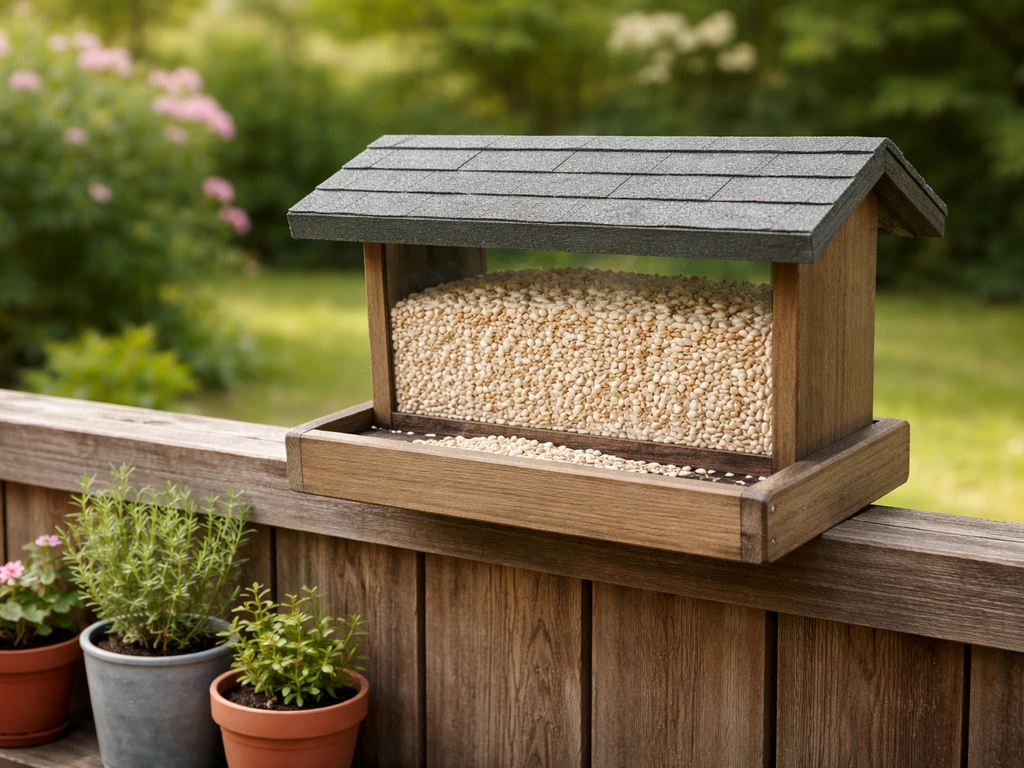
Sparrows eat bird seed readily, and they have clear preferences: white proso millet is their top pick, followed by black oil sunflower seeds and cracked corn. House sparrows will visit hoppers, platforms, and ground feeders and eat most common seed types. Song sparrows and many other sparrow species prefer to forage on the ground or from a low platform rather than clinging to a tube feeder. If you put out white millet on a tray or scattered on the ground, sparrows will find it.
What Bird Seed Do Sparrows Eat Best and How to Offer It

Maya Collins
28 May 2026
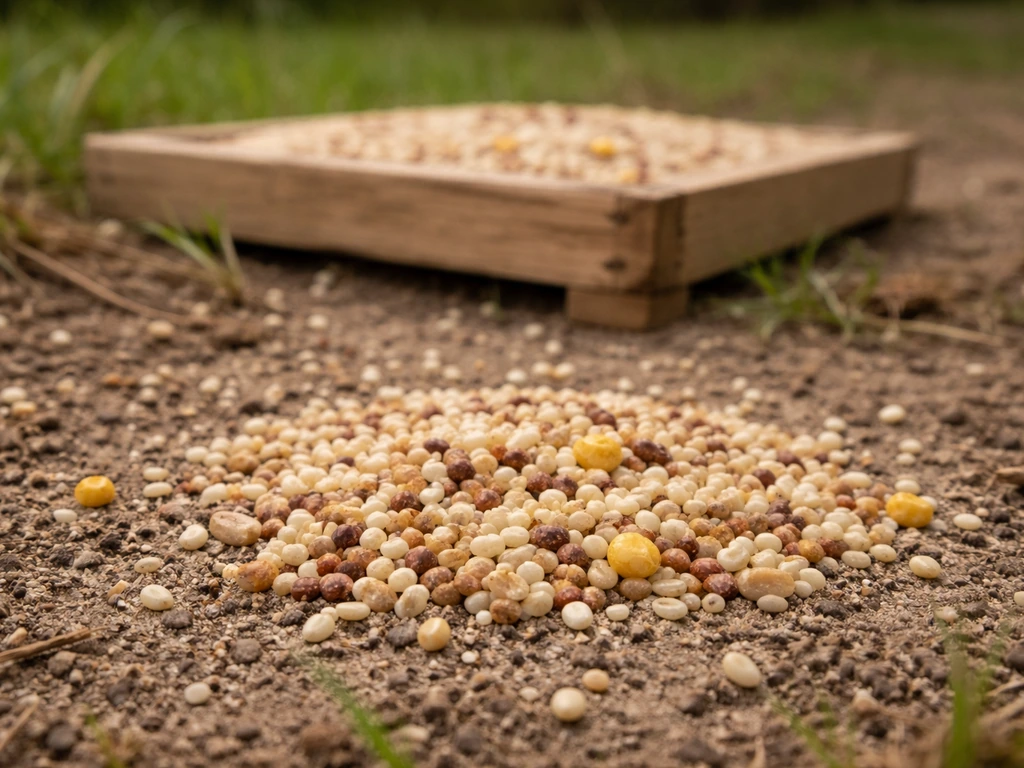
The seeds sparrows actually want
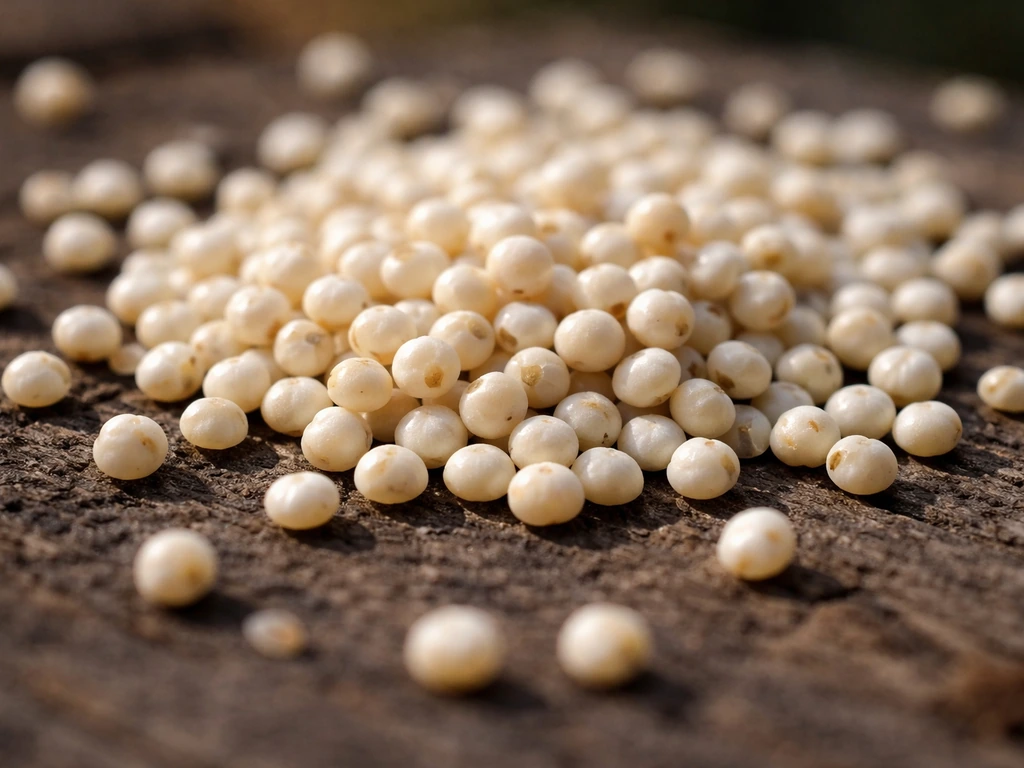
Sparrows are small-billed, ground-foraging birds, so they gravitate toward small, easy-to-crack seeds. White proso millet is the single best seed to offer. It's small, round, and matches what sparrows naturally forage for. Black oil sunflower seed is a close second and attracts the widest range of backyard birds overall, including house sparrows. Cracked corn rounds out the trio and works especially well when mixed with millet for a scattered ground feeding setup.
- White proso millet: top choice for sparrows and most other ground-feeding birds
- Black oil sunflower seed (in the shell): widely accepted, easy to find, works in trays and hoppers
- Cracked corn: good mixed with millet for ground or platform feeding, but handle carefully (more on that below)
- Milo/sorghum: some sparrow species will eat it, particularly in the West; if your mix has a lot of small red seeds, confirm they're milo, not red millet, which most birds ignore
- Nyjer/thistle: not a sparrow staple, leave this for finches
One thing worth noting: red millet looks similar to white proso millet in some mixes but is far less attractive to birds. If you're buying a budget mix that seems heavy on small red seeds, check the label to confirm it's milo (sorghum) rather than red millet. Birds will kick the red millet out, leaving you with a mess on the ground.
Mixes vs. single seeds: what to look for in a bag
A good sparrow-friendly mix should have white proso millet as the first or second ingredient. If the bag leads with filler seeds like red millet, oats, or wheat, put it back. Mixes that combine white millet, black oil sunflower, and cracked corn in roughly equal proportions give you the most flexibility and attract the broadest group of sparrows.
That said, single-seed feeding is often cleaner and less wasteful. If you put out straight white proso millet, nearly everything sparrows touch gets eaten. Mixed bags can result in birds picking out favorites and scattering the rest on the ground, which invites rodents and mold. If you go with a mix, buy smaller bags more often rather than a large bag that sits around, because seed quality drops with time and exposure to moisture.
When picking a store-bought bag, look for seeds that are clean, dry, and smell neutral, not musty. Avoid any bag with visible clumping, fine dust (which can indicate insect activity), or an off smell. A bag of straight black oil sunflower or white millet from a wild bird supply store is usually better quality than a budget mix from a general retailer.
How to set up feeders so sparrows can actually use them
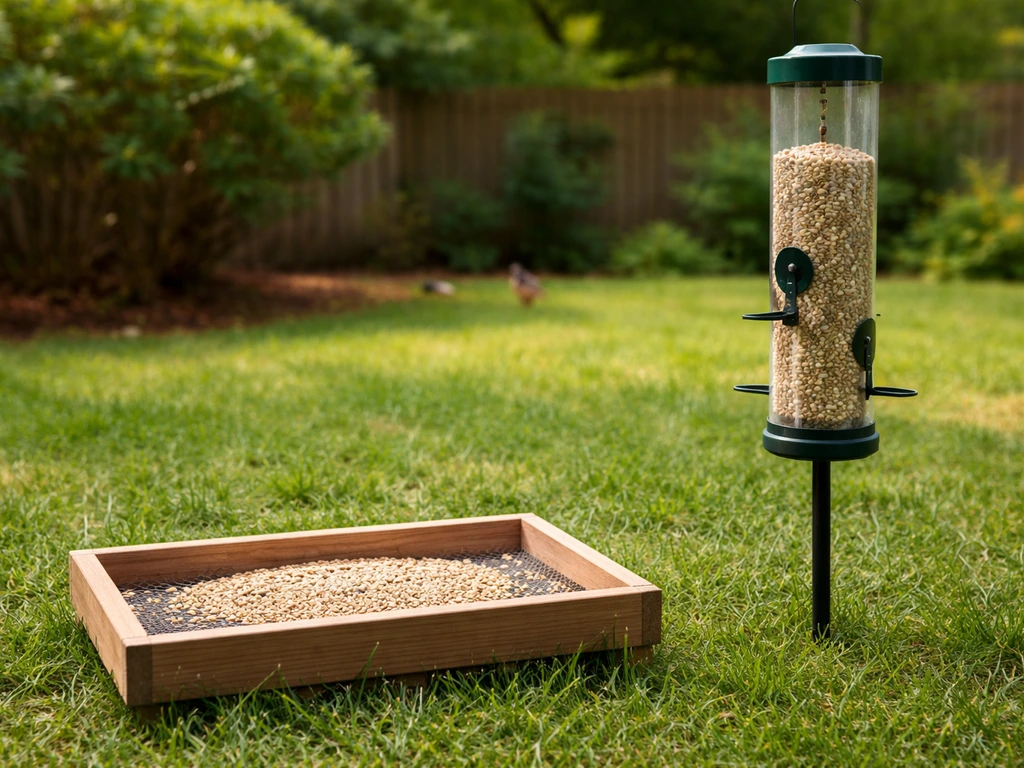
Feeder type matters a lot for sparrows. House sparrows will use large tube feeders, hoppers, and platform feeders. Song sparrows and many other sparrow species rarely land on a feeder at all and instead prefer to eat from seed that has fallen to the ground beneath one. A platform or tray feeder set low to the ground, or seed scattered directly on the ground, is the most reliable way to attract the full range of sparrow species.
| Feeder Type | Works for Sparrows? | Best Seed to Use | Notes |
|---|---|---|---|
| Ground scatter | Yes, best for most species | White millet, cracked corn | Only scatter what birds can eat in a day |
| Platform/tray feeder (low, 6–18 inches) | Yes, excellent | White millet, mixed seed, cracked corn | Easiest for ground-foraging sparrows; raises seed off damp soil |
| Hopper feeder | Yes, house sparrows especially | Black oil sunflower, mixed seed | Good all-around option; less accessible for shyer sparrow species |
| Large tube feeder | Partial (house sparrows) | Black oil sunflower | Song sparrows and others will eat what drops below |
| Finch/Nyjer tube feeder | No | Nyjer/thistle | Wrong seed and port size for sparrows |
If you want to attract the widest variety of sparrows, the most practical setup is a platform feeder or low tray placed on or near the ground, filled with white proso millet. You can supplement with a hopper feeder stocked with black oil sunflower for house sparrows and other species that prefer elevated feeding. Placing feeders near shrubs or brush piles gives sparrows cover to retreat to, which makes them feel safer and more likely to stay.
Cutting down on waste, hulls, and mess
The biggest source of mess around sparrow feeders is hulled seed accumulating on the ground. Sunflower hulls are allelopathic, meaning they suppress plant growth, so a thick layer under your feeder will leave a dead patch in your lawn. You can reduce this by switching to hulled (shell-free) sunflower chips for part of your offering. Sparrows eat them just as readily, and there are no shells to accumulate.
Portion control is the most effective mess-reduction strategy, especially for millet and cracked corn on the ground. Put out only what birds can eat in a single day. Leftover seed on the ground gets wet, starts to rot, and quickly attracts rodents and insects. A small daily scoop beats a large weekly dump every time, both for hygiene and for keeping birds coming back consistently.
- Use hulled sunflower chips instead of in-shell seed to eliminate hull buildup
- Scatter only a day's worth of millet or cracked corn at a time
- Place a tray or platform feeder to catch spilled seed rather than letting it hit wet soil directly
- Rake or remove uneaten seed from the ground each evening, especially during wet weather
- Avoid corn-heavy mixes in humid climates where corn spoils quickly
Storing seed so it stays fresh and pest-free
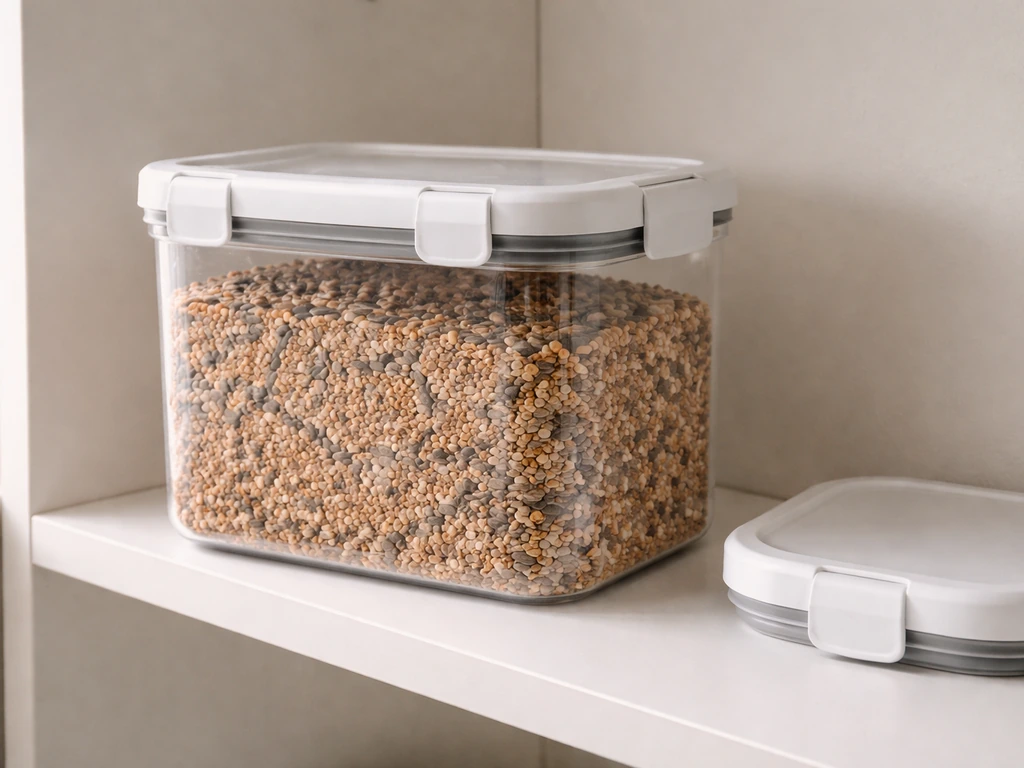
Seed storage is where most backyard bird feeding setups go wrong. Mold grows on grains under cool, wet conditions, and corn is particularly vulnerable to aflatoxin contamination, which is toxic to birds even at low concentrations. The basics: store seed in a sealed, hard-sided container in a cool, dry location. Metal trash cans with locking lids or purpose-built seed bins work well. Avoid plastic bags or cardboard boxes, which rodents chew through easily.
- Transfer seed from the bag into a sealed, rigid container immediately after purchase
- Store in a cool, dry place: a garage, shed, or basement works if it stays under 70°F and low humidity
- Keep the container off the ground to reduce moisture wicking and rodent access
- Buy smaller quantities more often rather than large bags that sit for months
- Check stored seed every few weeks: if it smells musty, feels clumped, or shows any visible mold, discard the whole batch
- Never mix new seed into old seed at the bottom of a container; empty and wipe down the container first
If seed has gotten damp or is starting to sprout in your feeder, remove it immediately. Sprouting means the seed has been wet long enough that mold may already be growing on parts you can't see. Don't try to dry it out and reuse it. Toss it, clean the feeder, and refill with fresh dry seed. It's not worth the risk to the birds.
When sparrows don't show up
If you've set up a feeder with the right seed and sparrows still aren't coming, run through these common reasons before giving up. Crows can be harder to discourage, so you may also want to learn what bird seed do crows not like to reduce unwanted visitors.
- Timing: it can take two to four weeks for birds to discover a new feeder, especially in a yard without an established feeding history; be patient
- Feeder placement: too exposed with no nearby cover; move the feeder within 10 feet of shrubs, a brush pile, or a fence line
- Neighborhood pressure from other species: grackles, starlings, or pigeons dominating the feeder can push sparrows out; a smaller platform or tray feeder positioned lower and away from the main feeder can give sparrows a quieter spot
- Wrong feeder height: if you're targeting song sparrows or other ground-foraging species, a feeder mounted high won't help; go low or scatter seed directly
- Old or poor-quality seed: stale seed loses scent cues that attract birds; fresh seed works noticeably better
- Weather: during extreme heat or cold, sparrows may shift feeding times to early morning; check your feeder at dawn if you're not seeing activity mid-day
- Season: sparrow populations shift through migration; some species are only present in your area during certain months
It's also worth knowing that dominant feeder visitors like grackles and starlings actively discourage sparrows. If those birds are taking over, switching to a smaller feeder with shorter perches or feeding millet on the ground in a less visible spot can help tip the balance back toward sparrows. Species-specific management at feeders is a real consideration in many yards. If you are also dealing with starlings, choose seed that they do not like to help steer them away from your feeder what bird seed starlings do not like.
Keeping the feeding area clean and sanitary
A dirty feeder is one of the fastest ways to spread disease among your backyard birds. The standard recommendation from ornithological sources is to clean seed feeders every two weeks under normal conditions, and more frequently in hot, wet weather when mold grows faster.
- Empty the feeder completely and shake out any seed debris
- Scrub with warm soapy water to remove seed residue and droppings
- Soak in a solution of 1 part bleach to 9 parts water for about 15 minutes
- Rinse thoroughly with clean water until no bleach smell remains
- Allow the feeder to dry completely before refilling; a wet feeder will spoil fresh seed quickly
For the ground or platform area underneath feeders, rake up old seed hulls and droppings at least weekly. Seed debris on the ground is a magnet for rodents, insects, and mold. If you're using a tray feeder, wipe it down with the same dilute bleach solution each time you clean the main feeder. Clean bird feeders, waterers, and baths on a regular schedule using about a 10% bleach solution about once each month, and make sure the feeder is dry before refilling dilute bleach solution. A quick rinse and air-dry goes a long way.
If you notice sick or lethargic birds at your feeder, take the feeder down, clean it with the bleach solution, and wait a few days before putting it back up. This is especially important during any reported local outbreak of bird disease. It's a simple precaution that protects both the birds and keeps your feeding station viable long-term. Pigeons are picky too, but they typically do not eat certain small grains and seeds that other backyard birds enjoy pigeons do not eat.
What to do today to start attracting sparrows
- Buy a bag of white proso millet and, optionally, black oil sunflower seed; check that the seed smells fresh and looks clean
- Set up a platform or tray feeder positioned low to the ground (6 to 18 inches) near a shrub or brush pile, or scatter a small amount of millet directly on the ground
- Put out only as much seed as birds can eat in a day, especially for millet and cracked corn
- Transfer remaining seed into a sealed, rigid metal or hard plastic container stored in a cool, dry spot
- Mark your calendar to clean the feeder with a 1: 9 bleach-to-water solution in two weeks, and to rake the ground area weekly
- Give it two to four weeks before adjusting; birds need time to find a new food source
FAQ
Can sparrows eat mixed bird seed, or do I need a specific type?
Yes, sparrows will eat mixed seed, but they often sort it by preference. If your goal is maximum sparrows per visit, offer a tray or small scatter of straight white proso millet first, then only add black oil sunflower or cracked corn as a supplement.
How can I tell if a store-bought mix will actually attract sparrows?
Use a mix that does not rely on red millet as the main seed. If the bag lists red millet or oats first, it usually means you are paying for filler that sparrows reject, so you will see more waste and less feeder traffic.
What should I avoid in the bag if I want sparrows to keep coming?
Avoid putting out stale or damp seed. White proso millet and cracked corn should smell neutral and stay dry, if you notice mustiness, clumping, or insect dust, remove it and replace with a fresh, clean bag to prevent mold and avoid discouraging birds.
What feeder setup works best if I am trying to attract multiple sparrow species?
Start with a low platform or ground-level tray, and place it where birds can retreat into cover, like near shrubs. A tall tube feeder mostly serves species that cling, sparrows often prefer seeds that have fallen to the ground beneath it.
Why is my yard getting bare patches under the feeder, and what can I do?
Yes. If sunflower hulls are piling up under the feeder and leaving dead patches, switch part of your offering to shell-free sunflower chips or hulled sunflower. Sparrows eat them readily, and there are no hulls to accumulate.
How much seed should I put out so it does not become messy?
Do daily portion checks for ground feeding, especially with millet and cracked corn. Once seed gets wet, it can rot and attract rodents and insects, a small daily scoop is cleaner than leaving a large layer for days.
How often should I clean the seed area under a ground feeder?
Clean-up timing matters, rake up old debris and droppings at least weekly. For hygiene, also wipe trays and platforms during routine feeder cleaning, so sprouting and mold do not build up in corners.
What should I do if the seed in my feeder gets damp or starts to sprout?
If you see moldy or sprouting seed, remove it immediately and discard it, do not try to dry it and reuse it. Then clean the feeder thoroughly and refill with fresh dry seed before putting it back out.
My sparrows are not showing up, but other birds are, what should I adjust first?
If crows, starlings, or grackles are dominating, sparrows may avoid the area even if the seed is correct. Try feeding millet on the ground in a less open spot, use a smaller feeder with shorter perches, and reduce visibility to tipping points like open lawns.
How frequently should I clean my feeder to keep sparrows healthy?
A dirty feeder is a common reason sparrows slow down or stop visiting. Clean feeders about every two weeks under normal conditions, and more often during hot, wet weather when mold grows faster.
What is the safest approach if I hear about bird disease in my area?
If local outbreaks happen, remove the feeder, clean it with the bleach solution, and wait several days before reopening feeding. This reduces the chance of spreading disease through shared seed and surfaces.
Next Article
What Bird Seed Starlings Don’t Like and What to Use Instead
Discover which bird seed starlings avoid and the best alternatives, plus feeder and hygiene tips to reduce them safely.