
To make bird seed last longer, store it in an airtight container in a cool, dry spot, buy only what you can use in 6 to 8 weeks, and keep your feeders and trays clean so moisture and mold don't cut that window short. Most seed problems, mold, rancidity, sprouting, and pest infestations, come down to heat, humidity, and exposure to air. Get those three things right and your seed will stay fresh and your birds will stay healthy.
How to Make Bird Seed Last Longer: Storage and Fixes

Maya Collins
16 Jun 2026
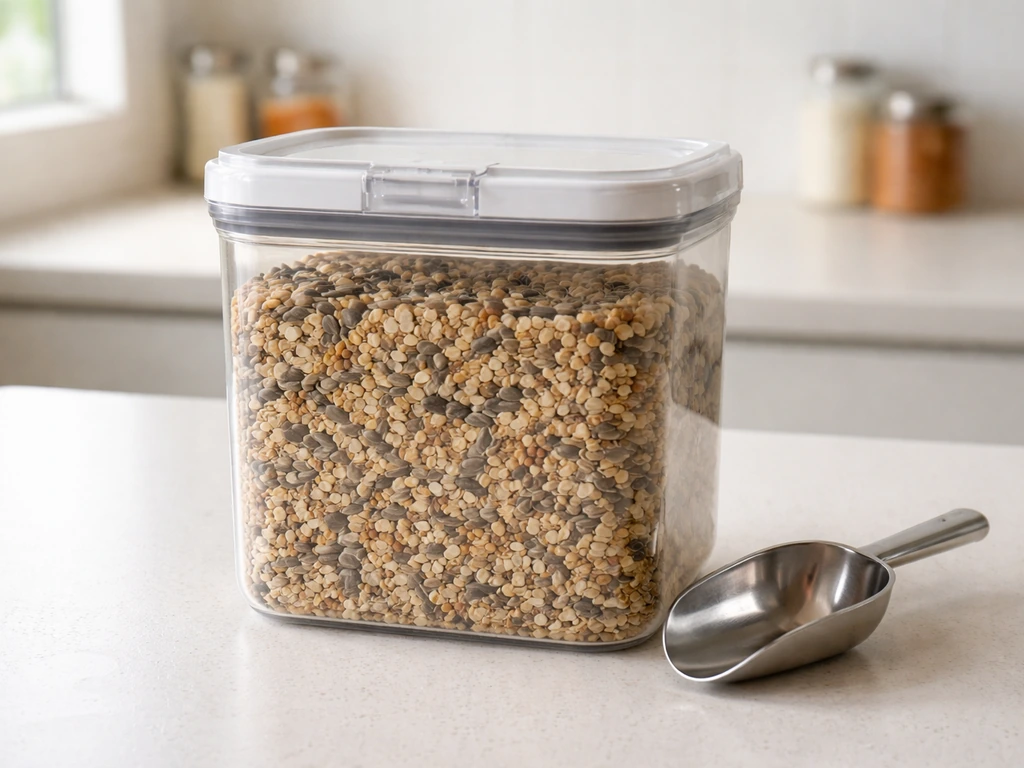
How long bird seed actually lasts (and what ruins it early)
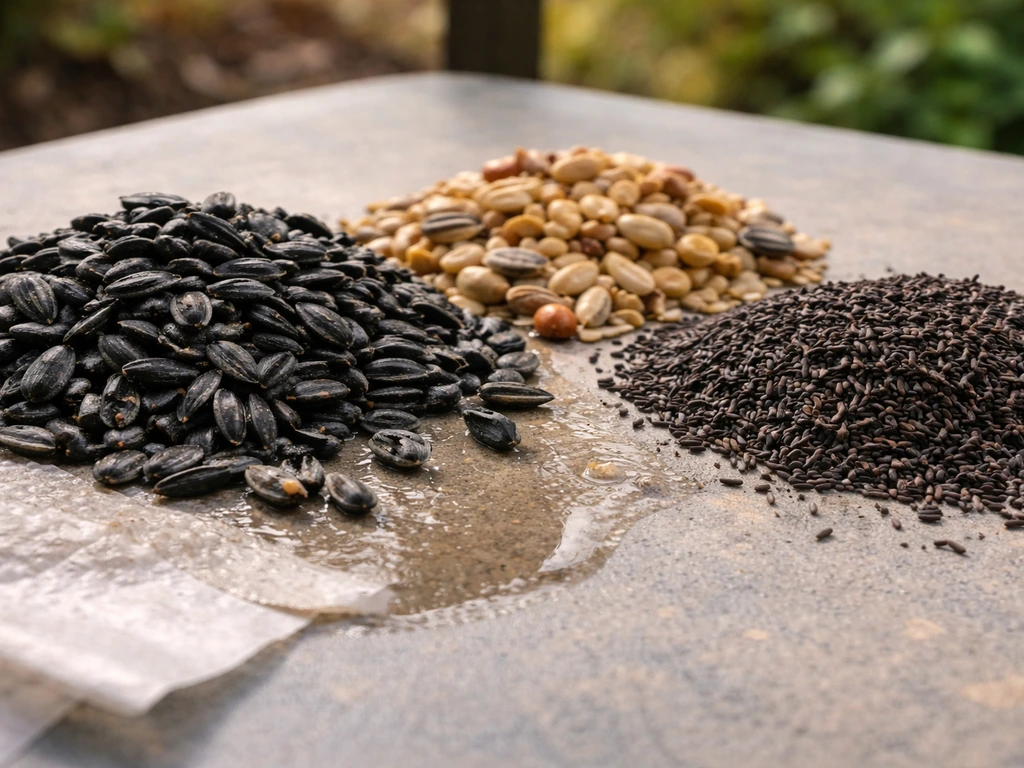
Black oil sunflower seed and sunflower-peanut mixes last about 6 to 12 months under ideal storage conditions. One commonly cited guideline is that black oil sunflower seed has an estimated shelf life of about 6, 12 months when stored properly black oil sunflower seed has an estimated shelf life of about 6–12 months. Niger (nyjer) seed, which is heat-sterilized to prevent sprouting, holds up for roughly 3 to 6 months. In practice, most people aren't storing seed under ideal conditions, so I'd treat those numbers as ceilings rather than guarantees.
The enemies of bird seed are moisture, heat, light, and air. Moisture triggers mold and allows sprouting. Heat accelerates rancidity, especially in oil-rich seeds like sunflower and peanuts, you'll notice this as a sour or paint-like smell. Exposure to air speeds up both rancidity and insect activity. The practical fix is to keep your on-hand supply tight: aim to store no more than a 6 to 8 week supply at a time. That way seed cycles through fast enough that quality loss rarely becomes an issue.
Best storage setup for longer-lasting seed
Choose the right container
Airtight is non-negotiable. Plastic bins with locking lids, galvanized metal cans with tight-fitting lids, or food-grade buckets with gasket lids all work well. I prefer galvanized metal because it's rodent-resistant and doesn't absorb odors over time. Avoid cardboard boxes or loosely closed bags, both let in moisture and give insects easy entry. If you're reusing a container, wash and dry it completely before adding new seed.
Location, temperature, and humidity
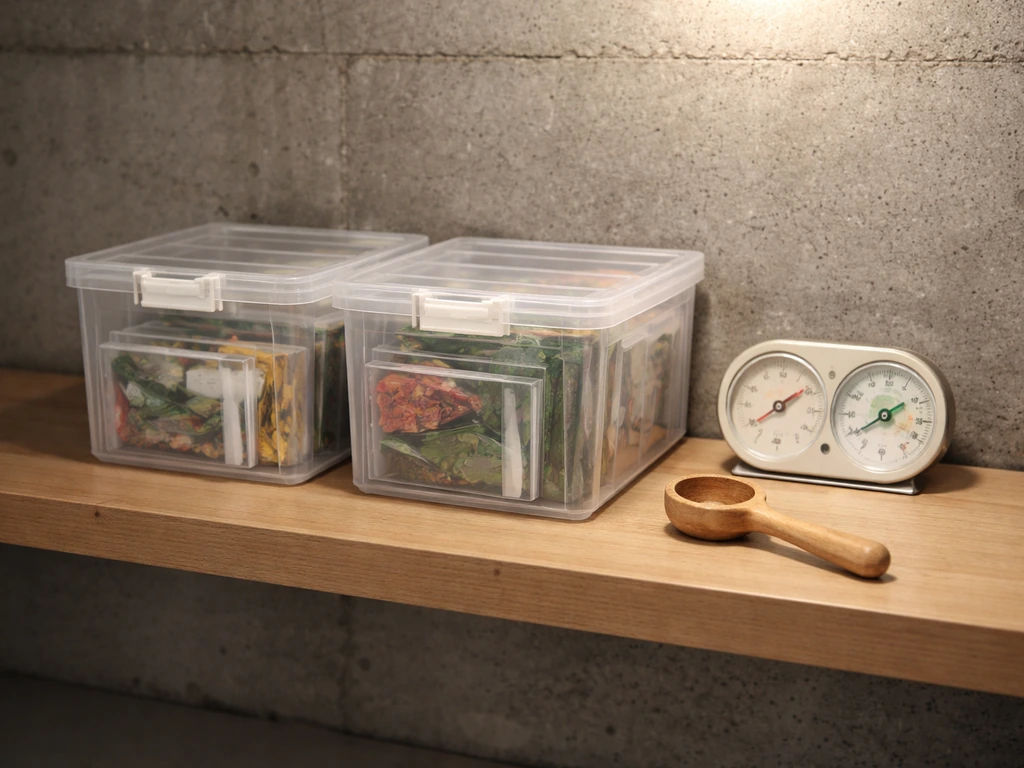
Store seed somewhere consistently cool and dry. A garage, basement, or shed works if it stays below roughly 70°F and doesn't get humid in summer. Avoid spots that heat up, a shed baking in direct summer sun can hit temperatures that quickly turn oily seed rancid. If you live somewhere hot and humid (southeastern US, coastal areas, or anywhere with a wet rainy season), consider moving a portion of your supply indoors to climate-controlled space.
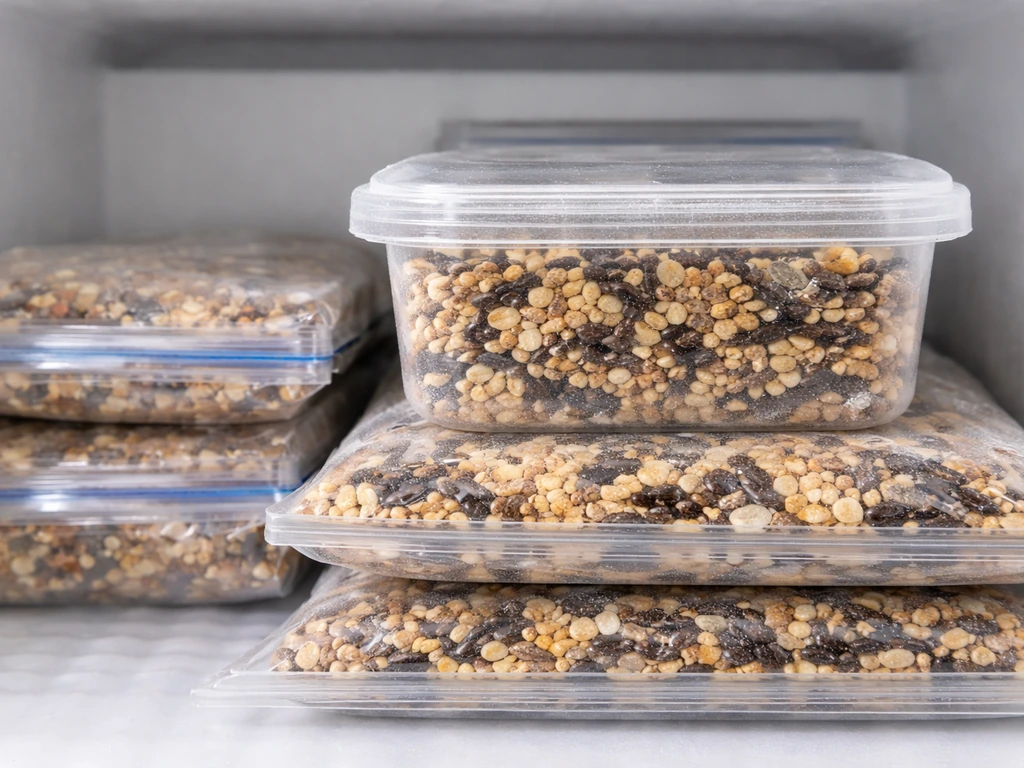
A cool pantry or even a refrigerator works for smaller quantities. Freezing is an option for long-term storage and also kills pest eggs on contact, a 3 to 7 day freeze before putting seed into regular storage is a useful precaution if you've bought in bulk.
Buy in portions, not in bulk
Buying a 50-pound bag feels like a deal, but if it takes four months to use and you're in a humid climate, you'll likely lose the back half of it to mold or insects. Buy what you can use in 6 to 8 weeks, or buy larger and immediately freeze what you won't use within that window. Rotate properly: always use older seed first before opening new stock.
Hulled vs. in-shell seed
Hulled or shelled seed mixes are more convenient for birds and produce no waste shells, but they spoil faster once exposed to moisture. In-shell sunflower seed has the hull as a protective layer and holds up a little longer. If you're using hulled mixes, put out smaller amounts more frequently rather than loading up the feeder and letting it sit.
What to do with wet, sprouted, or moldy seed
Wet seed
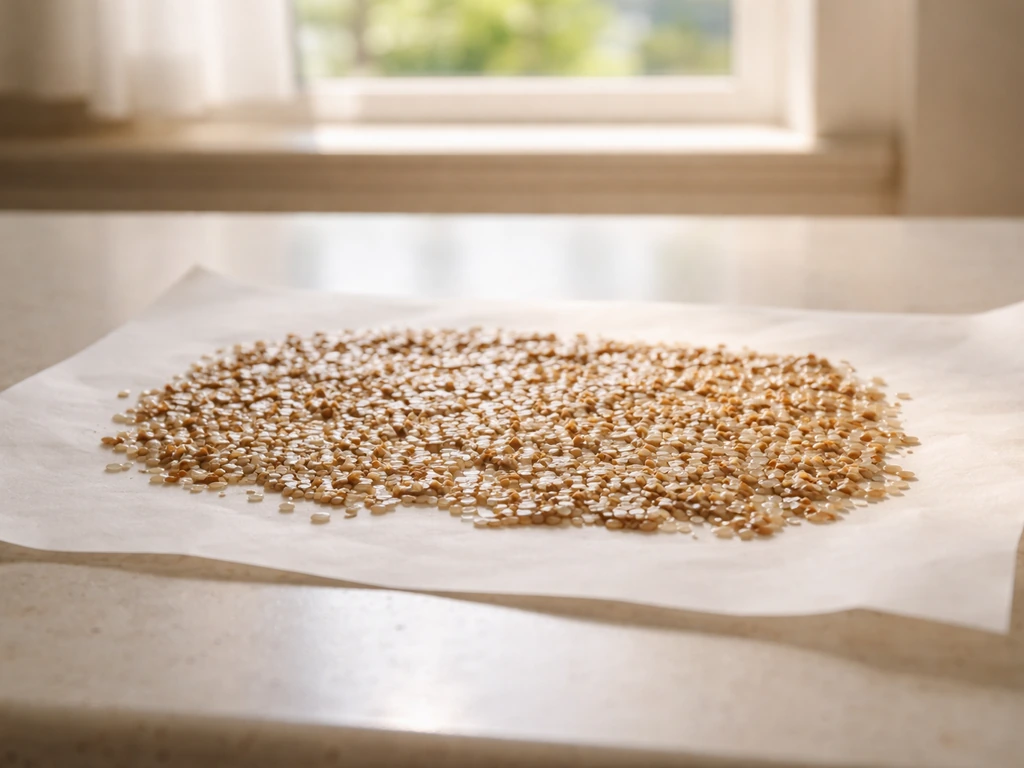
If seed got wet from rain or a spill but hasn't started molding yet, spread it thinly on a clean tray or sheet and let it dry completely in a warm, ventilated spot, outdoors in dry weather works well. Keeping bird seed from sprouting depends on controlling moisture, so dry it thoroughly before it ever goes back into storage keep bird seed from sprouting. Once fully dry (no clumping, no damp smell), it can go back into storage. Don't rush this step; seed that goes back into a container while still damp will mold within days.
Sprouted seed
Sprouted seed isn't automatically dangerous, but it means the seed has been consistently moist, and where there's sprout activity, mold is usually close behind. Some people try freezing seed to kill insect eggs and larvae, but it is only helpful if you thaw and dry it properly before storing it again how long to freeze bird seed to kill bugs. Small amounts of sprouting in an otherwise dry batch can be picked out and discarded.
If a large portion of the batch is sprouting, discard the whole thing. It's not worth the risk to birds, and moldy seed can cause aspergillosis, a serious respiratory infection in birds. Preventing sprouting in storage comes down to moisture control, and some people sterilize seed before storage specifically to prevent this.
If you want to sterilize bird seed, focus on moisture control first, then use a safe method to prevent sprouting and mold during storage sterilize seed before storage.
Moldy seed
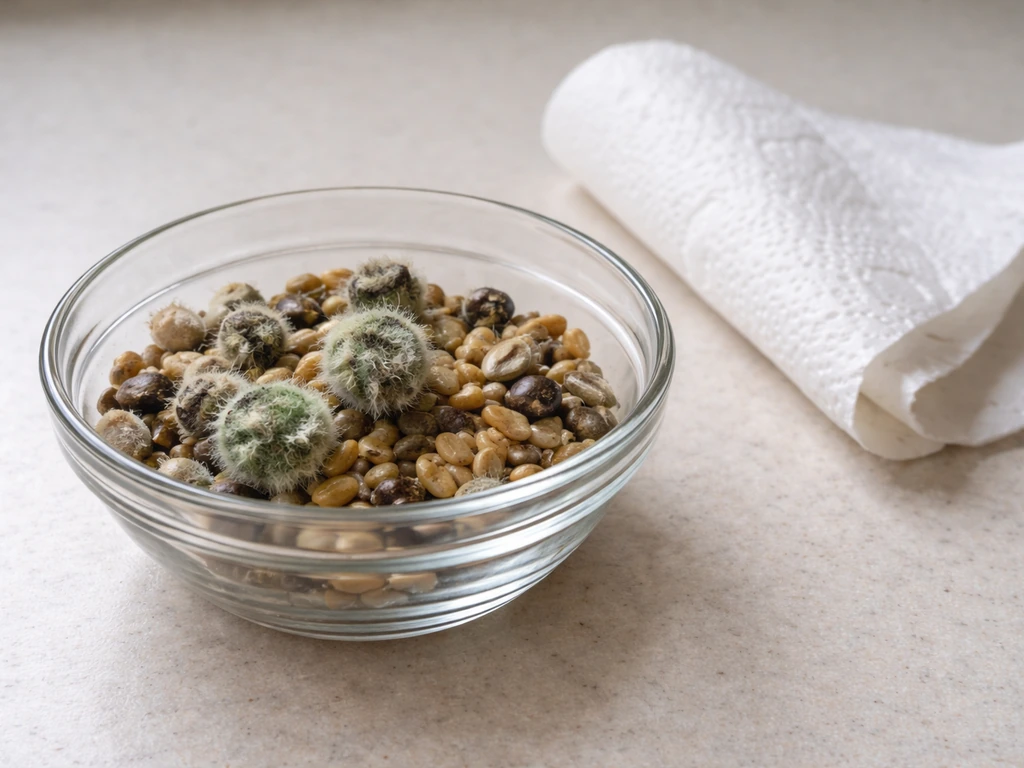
Discard any seed with visible mold, don't try to scoop out the bad parts and save the rest. Mold spreads throughout a batch before it's visible on the surface, and mycotoxins from certain molds are genuinely harmful to birds. Bag it and throw it in the trash (not in a compost pile where it may attract rodents). After discarding, clean the container thoroughly before refilling.
Stopping pests before they start
The two main pest categories for stored bird seed are rodents and insects. Both are opportunistic, they'll move in if the seed is accessible and conditions favor them.
Insects: moths, beetles, and weevils
Indianmeal moths (Plodia interpunctella) are the most common insect pest in stored bird seed. They lay eggs in grain and seed, and the larvae feed inside the batch, spinning silky webbing as they go. Beetles and weevils follow a similar four-stage lifecycle: egg, larva, pupa, adult. Because stored-product pests can breed continuously and produce multiple generations annually, a small infestation can become a big one fast. UMN Extension notes that Indianmeal moth adults can keep flying for up to three weeks after the infested food has been discarded, suggesting residual emergence even once the source is removed Indianmeal moths can continue flying for up to three weeks after the infested food has been discarded. Don't wait to act.
- Freeze new bulk purchases for 3 to 7 days before putting them into storage — this kills eggs and larvae already present in the seed.
- Store seed in sealed metal or hard-plastic containers that insects can't chew through.
- Inspect seed regularly, especially in warm months — look for webbing, larvae, or flying moths around the storage area.
- If you spot an infestation, discard all affected seed, thoroughly clean the container, and check surrounding stored food. Moths can spread to other dried pantry goods.
- Don't be surprised if you still see adult moths flying for up to three weeks after the infested seed is gone — that's normal as remaining adults emerge, but the source is eliminated.
Rodents: mice and rats
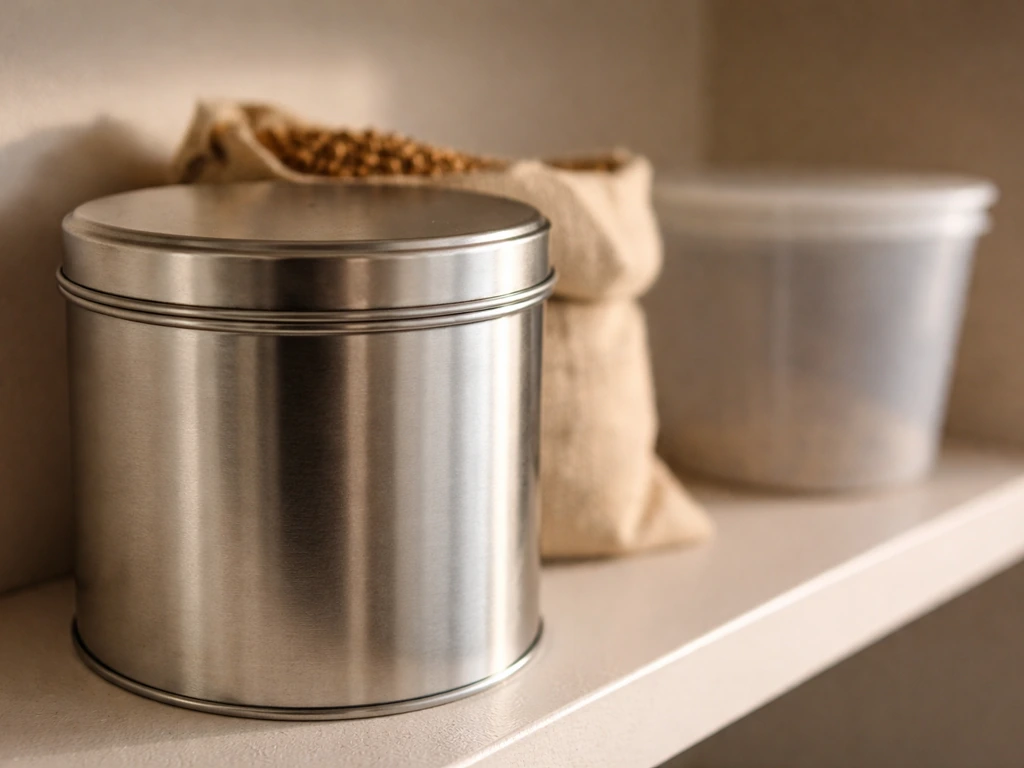
Rodents are drawn by the smell of seed long before they find it. The best exclusion strategy is a metal storage container with a tight-fitting lid, mice can chew through plastic bins given enough time and motivation. Keep storage areas tidy and check for gnaw marks or droppings regularly. Avoid storing seed directly on the ground; raise containers on shelving. Spilled seed on the floor of a garage or shed is a standing invitation, so clean it up promptly.
Ants
Ants typically target the feeder rather than stored seed. If you have an ant problem at the feeder, an ant moat (a small water-filled cup that mounts above the feeder) is the most effective physical barrier. Keep the area below feeders clear of spilled seed, which is their main ground-level food source.
Feeder and tray setup to cut waste and spoilage
How you set up your feeder matters almost as much as how you store your seed. A poorly designed or positioned feeder turns perfectly good seed into a soggy, moldy mess within hours of rain.
Use the right feeder for the seed type
| Seed type | Best feeder type | Spoilage notes |
|---|---|---|
| Black oil sunflower (in-shell) | Hopper or platform feeder with drainage | Hulls accumulate and trap moisture — clean regularly |
| Hulled sunflower / mixed no-mess | Tube or tray feeder | Spoils faster when wet; use small fills in humid climates |
| Niger (nyjer) | Finch sock or tube feeder with small ports | Clogs when wet; replace more often in rainy weather |
| Suet | Cage-style suet feeder in shade | Melts and goes rancid fast in heat above 70°F — switch to no-melt suet in summer |
| Peanuts (in-shell or halves) | Platform or open mesh feeder | Mold risk is high when wet; limit quantities in rainy weather |
Keep moisture out of the feeder
A feeder with a roof or dome cover makes a real difference. Seed sitting in an uncovered tray or platform feeder gets soaked every rain event and will mold within 24 to 48 hours in warm weather. Trays should have drainage holes, if they don't, drill a few. After heavy rain, check the feeder, stir or replace the seed if it's clumped, and let the feeder dry before refilling if possible.
Fill less, fill more often
This is the simplest fix most people overlook. Topping up a large feeder once a week means seed sits exposed to weather for days. Instead, put out only as much seed as birds eat in 1 to 2 days. Yes, it means more frequent refills, but you'll waste far less seed and your birds will be eating fresher food. In humid climates or during rainy stretches, this is especially important.
Cleaning feeders, trays, and storage areas
A clean feeder is a huge part of making seed last longer, old hulls, feces, and wet seed residue contaminate fresh seed the moment you add it. Aim to clean your feeders at least once a month, and more often during hot or wet weather.
How to clean a feeder properly
- Empty all remaining seed out of the feeder completely.
- Rinse with hot water to loosen residue and seed hulls.
- Scrub with a stiff brush using hot soapy water or run it through a dishwasher on the hot cycle if the feeder is dishwasher-safe.
- Disinfect with a 10% bleach solution: 1 part household bleach to 9 parts water. Soak for a few minutes.
- Rinse thoroughly with clean water to remove all bleach residue — this is critical before refilling.
- Allow the feeder to dry completely (air dry in sun if possible) before adding fresh seed. Filling a damp feeder seeds mold instantly.
Deal with ground spillage
Spilled seed under and around feeders is one of the biggest drivers of rodent and insect problems. It also sprouts and molds, creating a hygiene issue over time. Rake up spilled seed regularly, every few days if you have heavy feeder activity. Consider using a no-mess mix (hulled seeds or seeds with no shells) to reduce the accumulation of hulls on the ground. A tray catcher attached to the feeder pole can collect fallen seed before it hits the ground, reducing waste and pests at the same time.
Sanitize storage containers between refills
Don't just pour new seed on top of old seed residue in your storage bin. Every time you finish a batch, wipe or rinse the container out, check for any signs of moisture, pest activity, or mold, and let it dry before refilling. If you've had a moth or beetle infestation, wash the container with hot soapy water, rinse with the same dilute bleach solution you'd use on a feeder, and let it dry completely. This breaks the pest lifecycle and prevents re-infestation from eggs or pupae left in the container.
A quick troubleshooting guide
| Problem | Most likely cause | Fix | Prevention |
|---|---|---|---|
| Seed molding in feeder within days | Moisture from rain or humid air | Empty, dry, and clean feeder; refill in smaller amounts | Use a covered feeder; fill every 1-2 days in wet weather |
| Seed smells rancid or sour | Heat-induced oxidation of oils | Discard affected batch | Store in cool spot; don't buy more than 6-8 weeks' supply |
| Seed sprouting in storage or tray | Moisture getting in | Discard sprouted seed; dry out the container | Airtight container; check lid seals; reduce feeder fill amount |
| Webbing or larvae in stored seed | Indianmeal moth infestation | Discard all affected seed; clean container with bleach solution | Freeze new seed for 3-7 days before storage; use sealed metal containers |
| Rodents raiding storage | Plastic container or loose lid | Switch to galvanized metal container with locking lid | Keep area clean; raise containers off floor; clean up spills promptly |
| Ants at feeder | Ground spillage; no physical barrier | Add ant moat above feeder; clean up spilled seed below | Use ant moat consistently; switch to no-mess mix to reduce spillage |
| Niger seed clumping or not being eaten | Wet seed, or seed past its 3-6 month freshness window | Replace seed; dry or clean the feeder ports | Buy in smaller quantities; clean finch feeders every 2-3 weeks |
Regional notes: adjust for your climate
If you're in a dry climate (mountain west, desert southwest), seed storage is relatively forgiving, your biggest concern is heat, not humidity. Keep storage out of direct sun and your seed will last close to its stated shelf life. In humid climates (southeast, gulf coast, mid-Atlantic, Pacific Northwest in winter), you need to be more aggressive: smaller purchases, more frequent feeder cleaning, and possibly indoor or refrigerated storage for a portion of your supply. During rainy seasons anywhere, treat feeder maintenance as a near-daily task rather than a weekly chore.
FAQ
How can I tell if my bird seed has gone rancid even if it looks normal?
Rancid seed often shows no visible mold. Check the smell (sour, paint-like, or overly oily) and look for an odd, dusty clumping texture. If the batch smells off or birds start avoiding it, toss it rather than “hoping it’s fine.”
Is it safe to use seed that has sprouted but not grown mold?
Small sprouting patches can be removed, but sprouting usually means the seed was repeatedly exposed to moisture. If you see any webbing, fuzzy spots, or a damp odor, discard the whole batch. If there is no visible mold, spread out to fully dry, then store only after it is completely moisture-free and returns to normal texture.
Can I microwave or oven-dry seed that got damp?
You can dry seed, but heating it too aggressively can damage seed oils and increase rancidity risk, especially for sunflower and peanut mixes. Use low, warm, ventilated drying (spreading thin) and wait until it shows no clumping, no damp smell, and no soft spots before sealing it again.
How long should I freeze seed, and should it be frozen before I store it normally?
Freezing is most useful as a short “pest kill” step for bulk purchases. After freezing, thaw in sealed packaging so condensation does not form, then only store once the seed is fully dry and normal-smelling. If thawing creates moisture, dry again before sealing.
What’s the best way to store seed after opening a bag, if I don’t have a metal can right away?
Use the most airtight option you have immediately, such as a food-grade bucket with a gasket lid or a heavy-duty freezer bag inside an airtight bin. Keep the container off the floor, keep it away from exterior walls that may sweat, and transfer to a long-term container once you can.
Should I store different seed types together, like sunflower and niger?
It’s better to store types separately when possible because oil-rich seeds spoil faster and strong seed odors can transfer. Separate containers also make it easier to remove only the affected portion if you find dampness, odor change, or insect activity.
How do I clean a container to prevent reinfestation if I saw moths or beetles before?
Empty the bin completely, scrape out any webbing or residue, then wash with hot soapy water. After that, sanitize and fully dry before refilling, and inspect the lid seal for gaps. Even one damp spot can restart mold, and eggs can remain in tiny crevices.
Do I need to clean the feeder every day if it’s raining a lot?
Not daily if it dries properly, but during wet stretches treat it as frequent maintenance. Check after heavy rain, stir or replace clumped seed, and remove wet residue. If you consistently see soggy trays or rapid clumping, increase cleaning frequency until you stop the wet buildup.
What feeder setup reduces waste without increasing spoilage?
Use a covered feeder plus a drainage solution. Trays with drainage holes, a roofed design, and putting out only 1 to 2 days of food reduce how long seed sits wet. If your feeder is open-bottom or platform-style, expect faster spoilage after rain and plan tighter refill routines.
Is a refrigerator necessary in humid climates, or is it only for bulk storage?
Refrigeration is most helpful for parts of your supply that you will not cycle through quickly, or for hot-and-humid periods when your storage spot swings with weather. For smaller amounts, a cool, dry airtight container in a pantry or closet may be enough, as long as humidity stays low and the container seal is solid.
What’s the correct way to rotate seed once I start using a new batch?
Open older stock first, refill from the back so the oldest batch is always closest to the “used” portion, and avoid topping off a feeder with seed that sat exposed to weather. In storage bins, empty and wipe when switching batches rather than adding new seed on top of residues.
Should I discard the entire bag if I find a few moth larvae or webbing?
If you find larvae or webbing in storage, discard that batch or container contents because pests can spread through the mix before it is obvious. Never try to scoop out a “clean-looking” section, since eggs and contaminating material can be distributed throughout the seed.
How far off the ground should I place seed storage containers?
Raise containers on shelving and keep them away from direct contact with walls or damp floors. The goal is to reduce exposure to stray moisture and to make it harder for rodents and insects to access spills or track into the bin.
Next Articles
How to Keep Bird Seed Fresh and Stop It From Molding
Stop birdseed mold with smart storage: dry handling, right container, moisture control, bag cleanup, and feeder sanitizi
How Long to Freeze Bird Seed to Kill Bugs: Time Guide
Exact freezing time and safe steps to kill beetles, moths and weevils in bird seed, plus thaw checks and storage.
Can You Freeze Bird Seed? How to Freeze and Thaw Safely
Yes, you can freeze bird seed. Learn how to freeze, prevent clumping and moisture, and thaw safely by seed type.