Bird seed is food prepared for wild birds, typically a mix of seeds, grains, and sometimes nuts or dried fruit sold in bags and used to fill backyard feeders. It is not one single seed or ingredient. The term covers everything from a basic single-seed product like straight black-oil sunflower seed to complex "wild bird" blends containing six or more ingredients. If you want to understand why bird seed matters for backyard feeding and whether it is worth using, the short answer is: yes, when used correctly, it reliably attracts a wide variety of native birds. But choosing the wrong mix, storing it poorly, or letting it sit too long creates real problems for birds and your yard.
What Is Bird Seed? Ingredients, Types, and Safe Storage
Maya Collins
3 Apr 2026
Bird seed vs bird seeds: what people actually mean
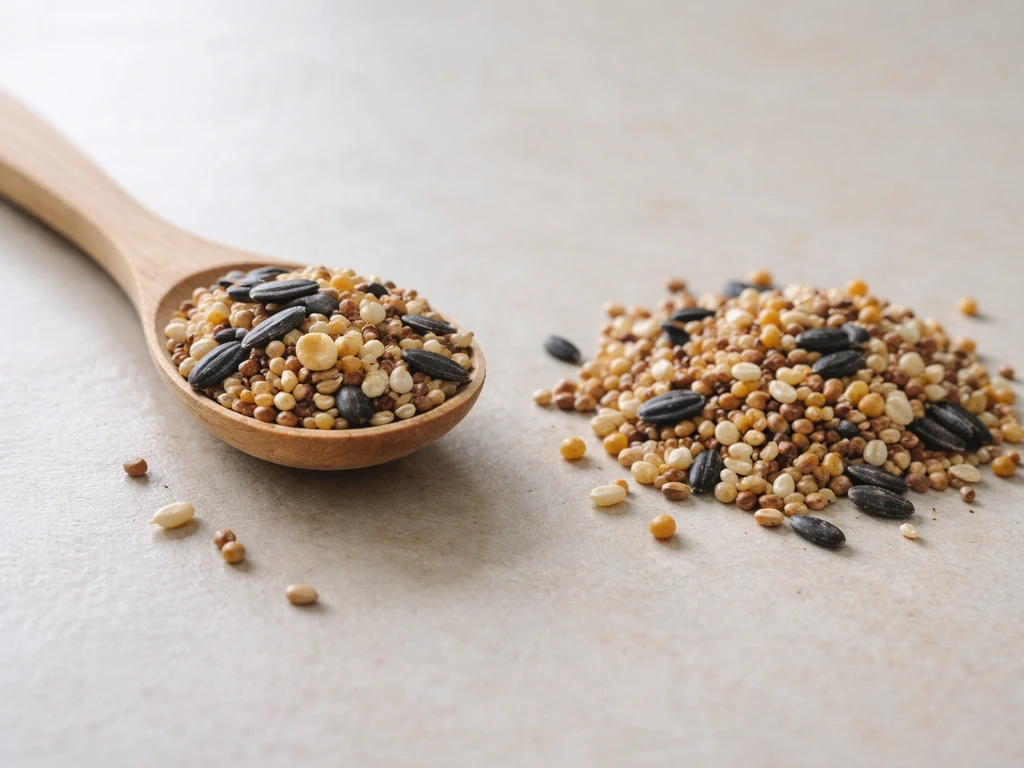
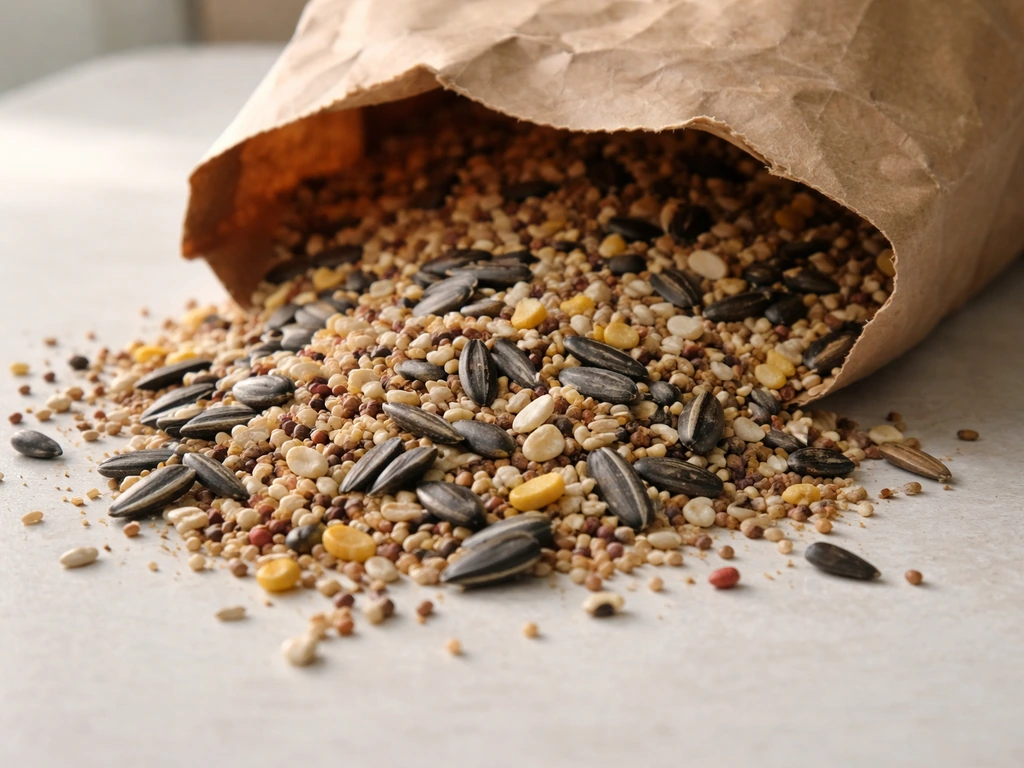
Technically, "birdseed" (one word) is the dictionary definition: seed used as food for birds. In everyday use, people say "bird seed" or "bird seeds" interchangeably and mean the same thing, which is the bagged food product you buy for feeders. When someone says "bird seed," they usually mean a ready-to-use mix rather than a raw agricultural crop. The distinction matters when you are shopping because products labeled "wild bird seed" or "wild bird mix" are blended for variety, while products labeled by a single ingredient ("sunflower seed," "millet") give you more control over which species you attract. Both count as bird seed.
What is actually inside bird seed
Most commercial bird seed products contain some combination of sunflower seeds, millet, cracked corn, safflower, and occasionally milo (sorghum), wheat, or oats. The role each ingredient plays differs significantly. If you want a full breakdown of what bird seed is made of at the ingredient level, there is a lot of detail worth knowing, but here is the practical summary.
| Ingredient | Form | What it attracts | Notes |
|---|---|---|---|
| Black-oil sunflower seed | Whole, in shell | Cardinals, chickadees, finches, nuthatches, jays | Thin shell, high fat content; the most universally preferred seed |
| Striped sunflower seed | Whole, in shell | Larger birds like jays and cardinals | Thicker shell; smaller birds often skip it |
| White proso millet | Whole, small round grain | Sparrows, juncos, doves, towhees | Ground feeders love it; often the bulk filler in cheap mixes |
| Cracked corn | Cracked/broken kernels | Doves, jays, ducks, ground birds | Goes stale quickly when wet; attracts rodents |
| Safflower seed | Whole seed | Cardinals, doves, house finches | Squirrels and starlings tend to leave it alone |
| Milo (sorghum) | Round whole grain | Some ground-feeding birds in the West | Eastern birds largely ignore it; molds rapidly when wet |
| Nyjer (thistle) | Tiny whole seed | Goldfinches, pine siskins, redpolls | Requires a special fine-mesh feeder |
| Peanuts/nuts | Whole or halved | Jays, woodpeckers, nuthatches | High energy; attracts squirrels |
The ingredients in a mix determine both which birds visit and how much waste ends up on the ground. Cheap bulk mixes often load up on milo, wheat, and oats because they are inexpensive to source. Most backyard birds in the eastern U.S. will not touch milo, so it just piles up underneath the feeder and rots. If you have ever wondered where bird seed comes from in terms of its agricultural origins, most of it is grown domestically as a crop, then cleaned, sorted, and blended by manufacturers before packaging.
How to read a bird seed label and pick the right mix
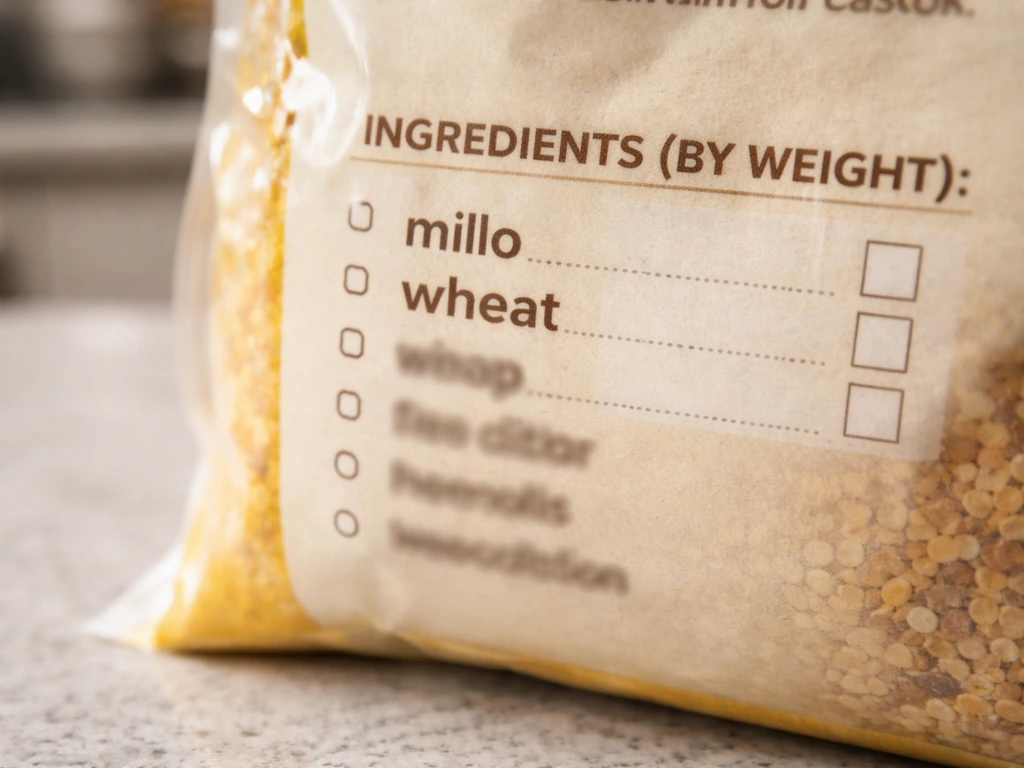
The ingredient list on a bag of bird seed works like any food label: ingredients are listed by weight from most to least. If milo or wheat is first on the list, that mix is mostly filler. Look for black-oil sunflower seed or white proso millet near the top. The fewer low-value fillers in the mix, the less waste you will deal with under the feeder.
Match the mix to the birds you actually have in your region. A few practical rules:
- For the widest variety of songbirds in the eastern U.S.: choose a mix where black-oil sunflower and white millet are the first two ingredients.
- For goldfinches and siskins specifically: buy straight nyjer seed and use a dedicated nyjer feeder.
- For cardinals without a squirrel problem: try straight safflower, which most squirrels dislike.
- For woodpeckers and jays: add shelled or halved peanuts alongside your seed mix.
- If you live in the western U.S.: milo is more accepted by local species like doves and some sparrows, so it is less of a waste concern there.
- Suet is a separate product entirely. As Mass Audubon notes, most birds that eat suet will not eat whole seeds, so suet and seed feeders serve different audiences.
For households sourcing seed through a subscription or bulk delivery service, knowing who delivers bird seed and what options they carry can make it easier to order single-ingredient products instead of generic mixes.
Storing bird seed so it actually lasts
Store bird seed in a cool, dry place, sealed tightly. A properly sealed bag in a dry location can remain usable for well over a year. The problems start when moisture gets in. Heat speeds up oil degradation in sunflower seeds, making them go rancid. Humidity causes mold, clumping, and sprouting. A metal or hard plastic container with a tight lid, kept in a garage or shed away from direct sun and off the ground, is the standard setup.
- Never store opened seed bags loosely folded or in a paper bag outdoors.
- Use a container with a locking lid to deter rodents and insects.
- Buy in quantities you can use within 1 to 2 months during warm or humid weather.
- In summer or wet climates, buy smaller bags more frequently rather than large bulk quantities.
- Check stored seed before each refill. If it smells musty, looks discolored, or is clumping together, do not use it.
Troubleshooting bad seed: wet, moldy, sprouted, and clumped
Bad seed is one of the most common problems backyard feeders run into, and it is also one of the most serious for bird health. Here is how to identify each type of problem and what to do about it.
Wet or clumped seed
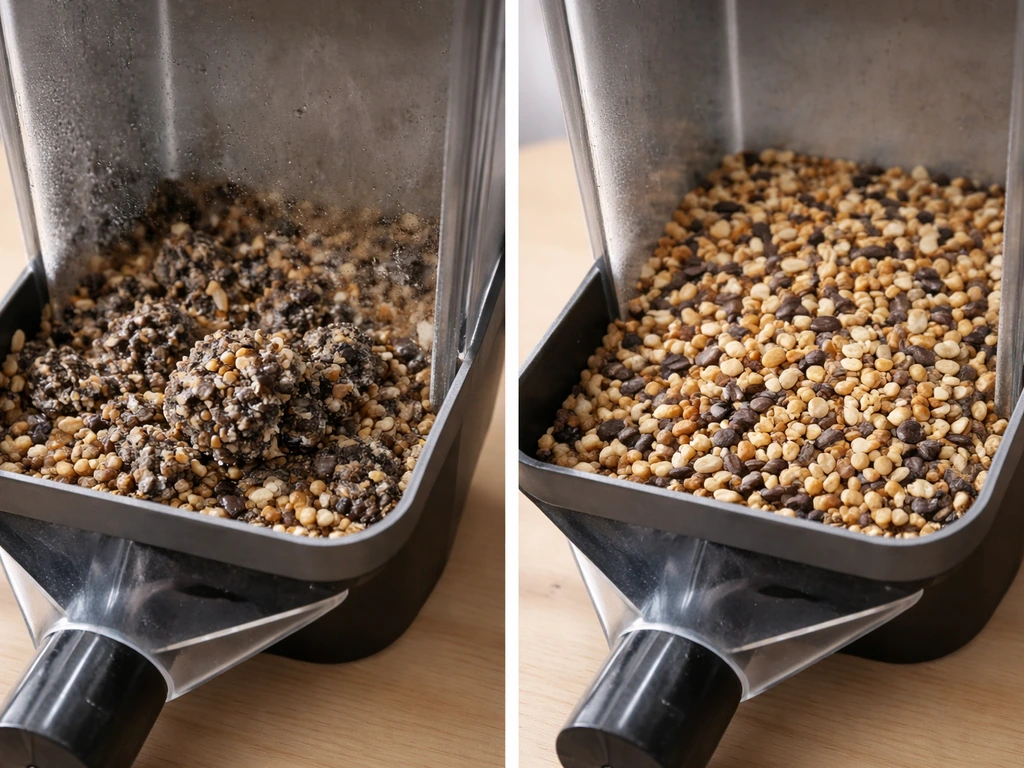
If seed in a feeder or storage container feels damp or has clumped into solid chunks, moisture got in. Remove all of the seed immediately. Do not just scoop the wet parts out and leave the rest; moisture spreads through a batch. Discard the seed, clean the feeder (details below), dry it completely, and refill with fresh, dry seed.
Moldy seed
If you see any fuzzy growth, gray or black discoloration, or smell a musty or sour odor, the seed has mold. Do not use it under any circumstances. Aspergillus is a fungal mold that grows on damp seed and is fatal to birds, causing a respiratory disease called aspergillosis. There is no effective treatment once a bird contracts it, which is why prevention through clean, dry seed is the only real option. Discard moldy seed in a sealed bag in the trash, away from areas where birds forage.
Sprouted seed
Millet and sunflower seed can germinate if they stay moist long enough. Sprouted seed is not automatically dangerous, but it signals the conditions are already right for mold to follow. Remove sprouted seed from feeders promptly and clean the tray or feeder before refilling. If sprouts are appearing regularly under or in your feeder, reassess your feeder placement (shade retains moisture), feeder design (good drainage holes prevent pooling), and how often you are refilling (smaller, more frequent portions in wet weather).
Rancid seed
Old sunflower seed with high oil content can go rancid without visible mold. If the seed smells sharp, bitter, or oily in an unpleasant way, it has degraded. Birds may reject it outright, or eat less of it than usual. Discard it and rotate stock more frequently during warm months.
Pests, wildlife, and disease risk around feeders
Every feeder is a food source, and food sources attract more than just birds. Being realistic about this is part of using bird seed responsibly.
Rodents
Cracked corn, millet, and mixed seed dropped from feeders are major attractants for mice and rats. Seed that accumulates on the ground under feeders is the primary driver of rodent activity near homes. Use a feeder tray to catch dropped seed, switch to no-waste mixes (hulled seeds, shelled peanuts), or rake and dispose of ground debris every few days. Storing seed in sealed metal containers, not in bags in an attached garage, also reduces the chance of rodents accessing your supply.
Squirrels
Squirrels will eat nearly any seed, but they particularly target sunflower and peanuts. Physical baffles on feeder poles, weight-sensitive feeder mechanisms, and switching to safflower seed (which squirrels tend to avoid) are the most reliable deterrents. Hot-pepper-coated seed products work for some people and not others. Cage-style feeders that physically exclude large animals are effective but limit which birds can access the feeder.
Insects
Stored seed can develop grain moth larvae or weevils, particularly in warm weather. If you open a bag and see small insects, webbing, or larvae, discard the entire bag. Do not return it to a shelf near other stored food. Buying seed in smaller quantities and using it within 4 to 6 weeks during summer reduces insect infestation risk significantly.
Disease risk between birds
Feeders concentrate birds that would not normally interact closely, which accelerates the spread of diseases. Audubon identifies several diseases that spread at feeders: house finch eye disease (mycoplasmal conjunctivitis), salmonellosis, aspergillosis, avian pox, and avian flu. Droppings, contaminated seed, and bird-to-bird contact at tight feeder spaces are the primary transmission routes. If you see sick or dead birds at your feeder, stop feeding immediately, clean and disinfect the feeder, and consider stopping for two weeks to let the local bird population disperse.
Cleaning up spills and maintaining feeders
Clean seed feeders at least once every two weeks during normal conditions. In warm, humid, or rainy weather, weekly cleaning is better. The goal is to remove hull debris, droppings, and any clumped or damp seed before they create a mold or disease problem. Ornithology.com also notes that damp or contaminated seed and hull material under and near feeders can contribute to common feeder-associated illnesses such as aspergillosis and salmonella-related illness, so removing and preventing buildup is key clumped or damp seed.
Basic cleaning steps
- Empty the feeder completely. Discard any remaining seed if it looks or smells off.
- Rinse the feeder with hot water to remove loose debris and hull buildup.
- Scrub all surfaces with a stiff brush, paying attention to corners, seams, and drainage holes where mold starts.
- Disinfect using a diluted bleach solution: 1 part bleach to 20 parts water. Soak the feeder for at least 15 minutes.
- Make a fresh bleach solution each time you clean. Diluted bleach loses effectiveness after 24 hours, so do not reuse a batch from a previous session.
- Rinse thoroughly with clean water to remove all bleach residue.
- Let the feeder dry completely (air dry or towel dry and then air dry) before refilling. Moisture left inside defeats the purpose of cleaning.
- Refill only with dry, fresh seed.
Dealing with ground spills and hull buildup
The area under a feeder accumulates hulls, uneaten seed, and droppings quickly. Rake or shovel this material up regularly, especially after rain when wet organic matter molds fast. If the debris is visibly wet, moldy, or mixed with droppings, bag it and discard it rather than composting it. Do not leave wet piles of hulls sitting on soil or mulch; the aspergillus mold responsible for aspergillosis in birds can grow there as readily as it does in a feeder.
A concrete or patio stone placed under the feeder makes cleanup significantly easier than raking out of soil or mulch. Feeder trays that catch seed before it hits the ground reduce scatter and speed up cleanup. If rodent activity is already a problem near the feeder, consider stopping feeding for a few weeks, deep-cleaning the area, and then restarting with a no-waste hulled seed mix and proper ground hygiene.
A note on climate and timing
In humid southern climates, or anywhere during a rainy stretch of weather, seed in open tray feeders can go bad within days, not weeks. Tube feeders with covered ports and weather guards slow this down. During summer in humid regions, reduce feeder fill levels so you are putting out only what birds will eat in two to three days, then refilling fresh. In drier western climates or winter conditions, seed stays fresh longer and you can be less aggressive about rotation frequency. Adjust your routine to conditions rather than following a fixed calendar.
FAQ
Is “bird seed” the same thing as raw grain I can buy for farming or cooking?
Not usually. “Bird seed” on a bag typically means a ready mix or a single-ingredient product that is intended for feeders, with formulations selected for bird appeal and practical feeding. Raw agricultural grain may include contaminants, different processing, or inconsistent particle size, so it can create more waste and higher contamination risk in feeders.
Can I feed birds straight sunflower seeds without mixing anything else?
Yes, but it depends on what birds you want to attract. Straight black-oil sunflower seeds tend to draw many common backyard species and produce less waste than many filler-heavy mixes. If you switch entirely to one seed type, some birds that prefer other foods may visit less, so consider region-specific preferences or rotate a second single-ingredient option.
How can I tell if my bird seed contains too much “filler” before I buy it?
Check the ingredient order. If low-value ingredients such as milo, wheat, or oats appear near the top (first or second), the mix is likely mostly filler by weight. Another practical clue is product value and consistency, very inexpensive blends often include more filler, which increases waste under the feeder.
What should I do if I accidentally put wet seed back out, even if it looks mostly okay?
Remove all of it immediately and discard it if it has clumped, feels damp, or smells off. Even if only part looks affected, moisture can have spread through the batch. After discarding, clean the feeder and tray thoroughly, let everything dry completely, and refill with fresh dry seed.
Is sprouted seed safe for birds?
Sprouted seed is not automatically dangerous, but it is a warning sign that moisture and warmth were present, which can quickly lead to mold. Remove sprouted pieces promptly, clean the feeder, and address the moisture source, such as shade, lack of drainage, or overfilling.
How long can I keep bird seed once it’s opened?
If it stays sealed, cool, and dry, it can remain usable for well over a year. The risk grows quickly after opening if the bag is repeatedly exposed to humidity, heat, or air movement. For best results, transfer opened seed into a tight container and avoid storing bags directly on concrete floors or near sunlight.
What’s the safest way to clean a feeder after mold or a bird illness scare?
After removing the seed, clean out hulls and droppings first, then disinfect the feeder and tray surfaces and allow them to dry fully before refilling. Moldy seed should never be returned to a feeder, and you should treat the surrounding area as part of the “food source” cleaning process.
Do I need to stop feeding the moment I see sick or dead birds?
Yes. Stop feeding immediately, clean and disinfect the feeder, and consider pausing feeding for about two weeks to let birds disperse. Also check for nearby moisture and waste buildup under the feeder, because contaminated droppings and debris are major transmission routes.
Why are mice or rats showing up, even if I’m using a feeder?
Dropped and accumulated seed is the key attractant. Use a seed-catching tray, rake or bag debris regularly, and switch to no-waste options like hulled seeds or shelled peanuts to reduce litter. Also store your seed in sealed metal or hard plastic containers to limit access to your supply.
How do I reduce squirrel theft without blocking access for the birds I want?
Use physical baffles or weight-sensitive mechanisms that prevent large animals from reaching the food while still allowing small birds to feed. Another option is switching some seed to safflower, which squirrels typically avoid. Cage-style feeders can work but may reduce which species can access the food.
What should I do if I find bugs like weevils or grain moths in stored seed?
If you see small insects, webbing, or larvae, discard the entire bag and do not return it near other stored food. To reduce future infestations, buy smaller quantities and rotate use, especially in warm weather, since infestation risk increases in summer.
Does the “best” bird seed change by season?
Yes. In humid or rainy periods, seed in open trays can spoil within days, so reduce fill levels to what birds will eat in 2 to 3 days and refill with fresh seed. In drier or colder conditions, you can rotate less aggressively, but you still need to watch for moisture, clumping, and rancid smells.
Next Articles
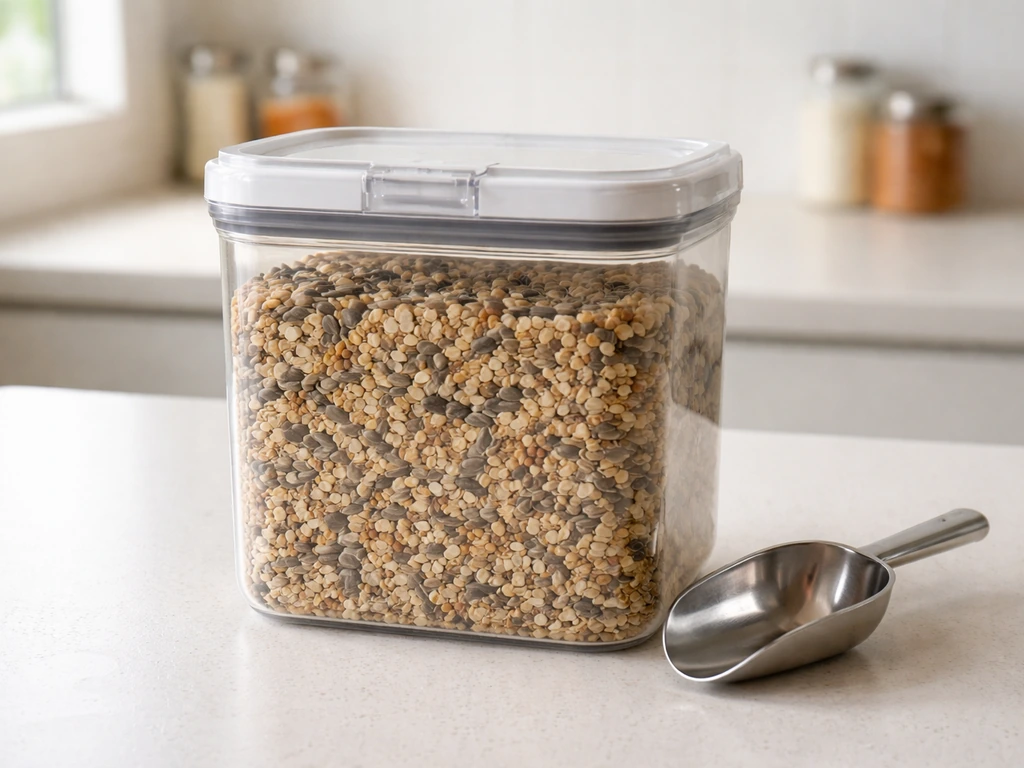
How to Make Bird Seed Last Longer: Storage and Fixes
Learn how to make bird seed last longer with proper storage, humidity control, pest prevention, and fixing wet or moldy
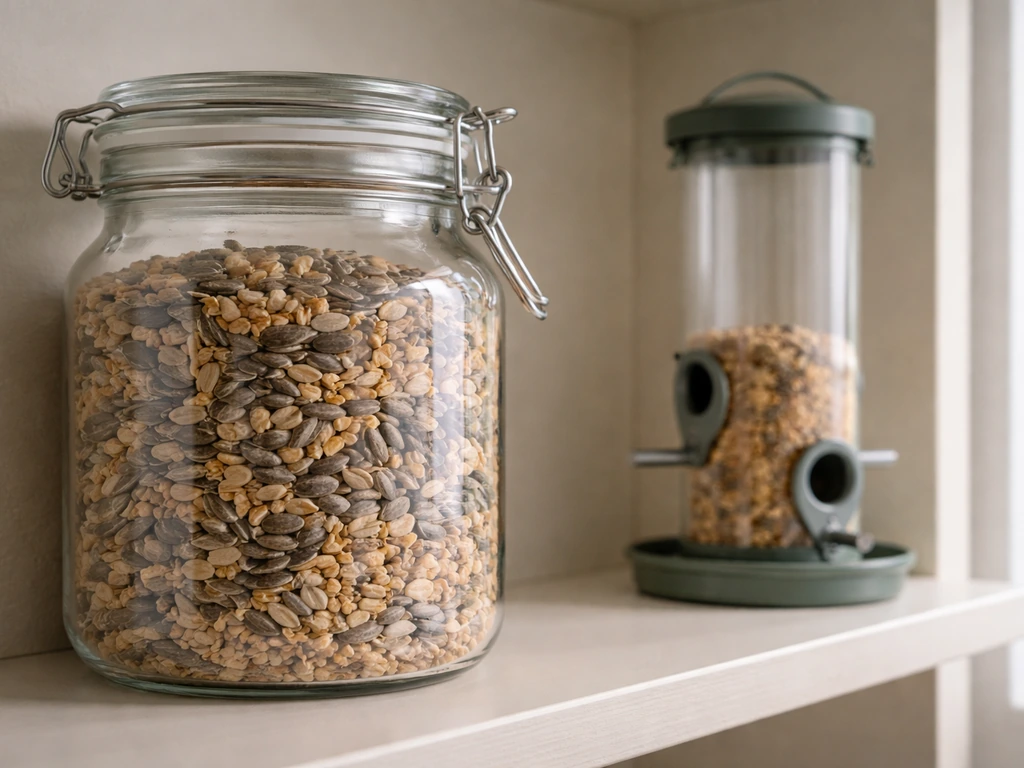
How to Keep Bird Seed Fresh and Stop It From Molding
Stop birdseed mold with smart storage: dry handling, right container, moisture control, bag cleanup, and feeder sanitizi
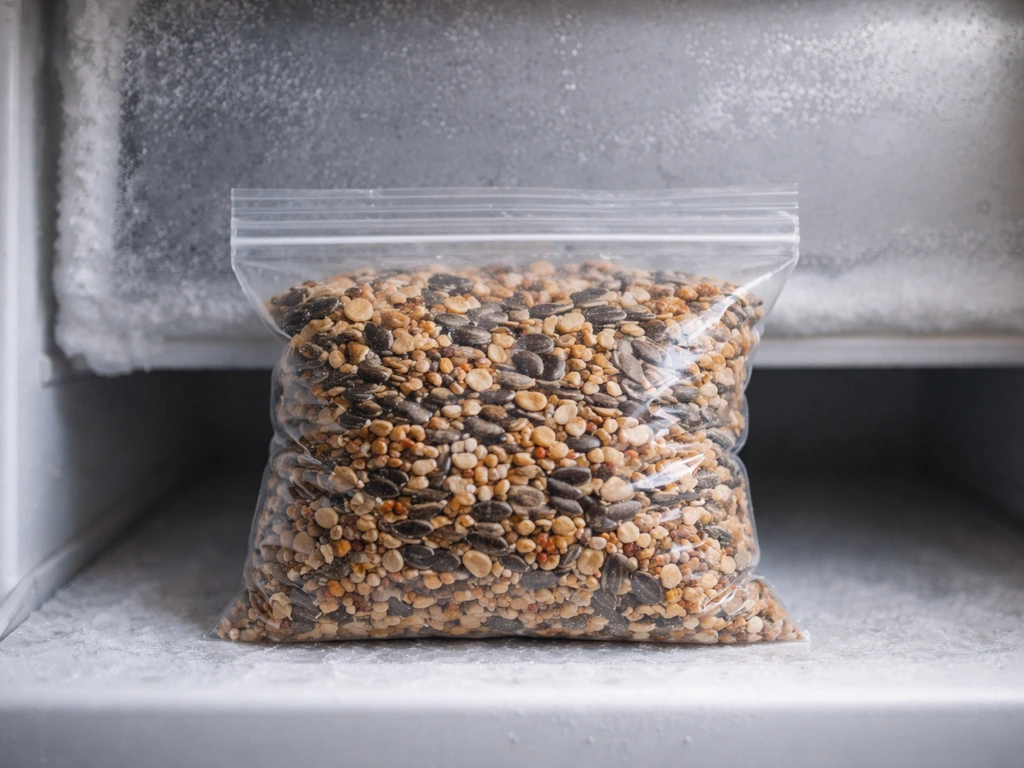
How Long to Freeze Bird Seed to Kill Bugs: Time Guide
Exact freezing time and safe steps to kill beetles, moths and weevils in bird seed, plus thaw checks and storage.