Most wild bird seed lasts 6 months to 1 year when stored properly in a cool, dry place. Black oil sunflower seed, the most common staple, holds up well for 6 to 12 months under good conditions. Nyjer (thistle) seed is more delicate and is best used within 3 to 6 months. Mixed blends vary because of what's in them, but plan to use them within 6 months of opening. The clock moves fast once you open a bag, and storage conditions matter far more than the date printed on the label.
How Long Does Wild Bird Seed Last and How to Tell
Maya Collins
12 May 2026
How Long Each Seed Type Actually Lasts
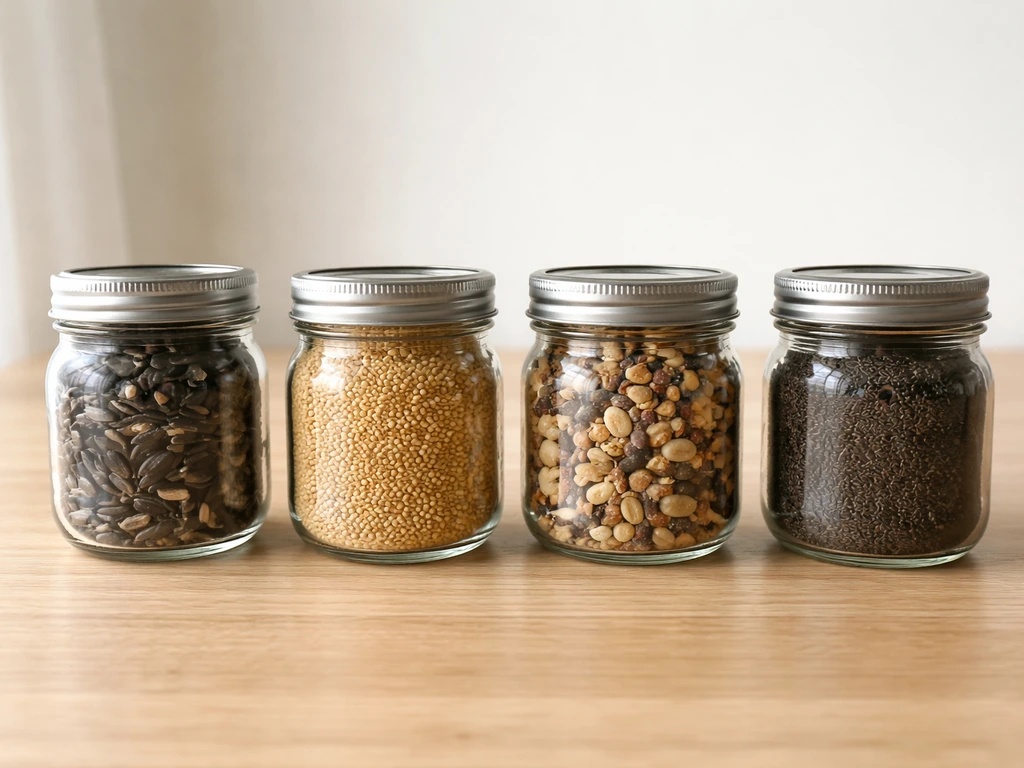
Different seeds have very different shelf lives, mostly because of their oil content and how they're processed. Here's a practical breakdown by type:
| Seed Type | Unopened Shelf Life | After Opening | Notes |
|---|---|---|---|
| Black oil sunflower | Up to 1 year | 6–12 months | High oil content; goes rancid in heat |
| Striped sunflower | Up to 1 year | 6–12 months | Thicker hull offers some protection |
| Nyjer (thistle) | Up to 6 months | 3–6 months | Oils go stale quickly; birds reject old nyjer fast |
| White millet | Up to 1 year | 6–12 months | Lower oil content; holds up better than oily seeds |
| Safflower | Up to 1 year | 6–12 months | Similar to sunflower in storage needs |
| Mixed blends | 6–12 months | Up to 6 months | Lifespan set by the shortest-lived ingredient |
| Suet-style seed mixes | Varies (check label) | 1–4 weeks (once exposed) | Animal fat content shortens life significantly in warm weather |
The numbers above assume reasonable storage. Nyjer is the one that consistently trips people up: birds will stop visiting a nyjer feeder not because the feeder is empty, but because the seed has gone stale. If your finch traffic drops off suddenly, stale nyjer is usually the first thing to check. Seed that sits unopened in ideal conditions can sometimes stretch toward the upper end of these ranges, and there's more detail on unopened seed lifespan worth knowing if you tend to buy in bulk.
How Storage Conditions Change Everything
Temperature and moisture are the two variables that will make or break your seed. Grain storage research from university extensions consistently points to moisture as the main driver of spoilage: once seed absorbs enough moisture to push above roughly 12% moisture content, mold growth accelerates fast. That's why a bag of sunflower seed left in a humid garage in July behaves nothing like the same bag stored in a cool basement.
Heat
Heat speeds up the oxidation of oils in seeds, which is what causes rancidity. A garage that hits 90°F (32°C) on summer afternoons can push oily seeds like sunflower or nyjer past their useful life in just a couple of months. If you're in a hot climate, treat those shelf-life ranges as the best-case scenario and cut them roughly in half for summer storage outdoors or in uninsulated spaces.
Humidity and Moisture
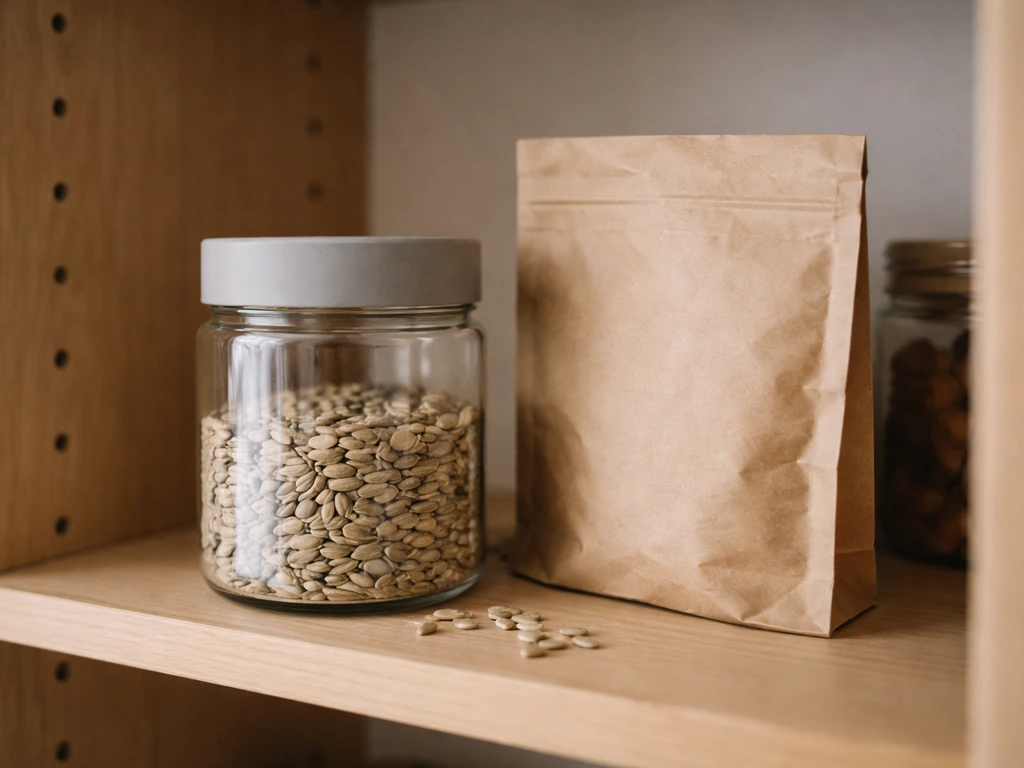
High humidity is the fastest path to mold. Even seeds that look fine can be absorbing moisture from the air if they're stored in an open bag or a breathable container in a damp space. Ground contact makes it worse: a bag sitting directly on a concrete floor will wick moisture from below. Always keep bags and containers up off the floor, ideally on a shelf or pallet.
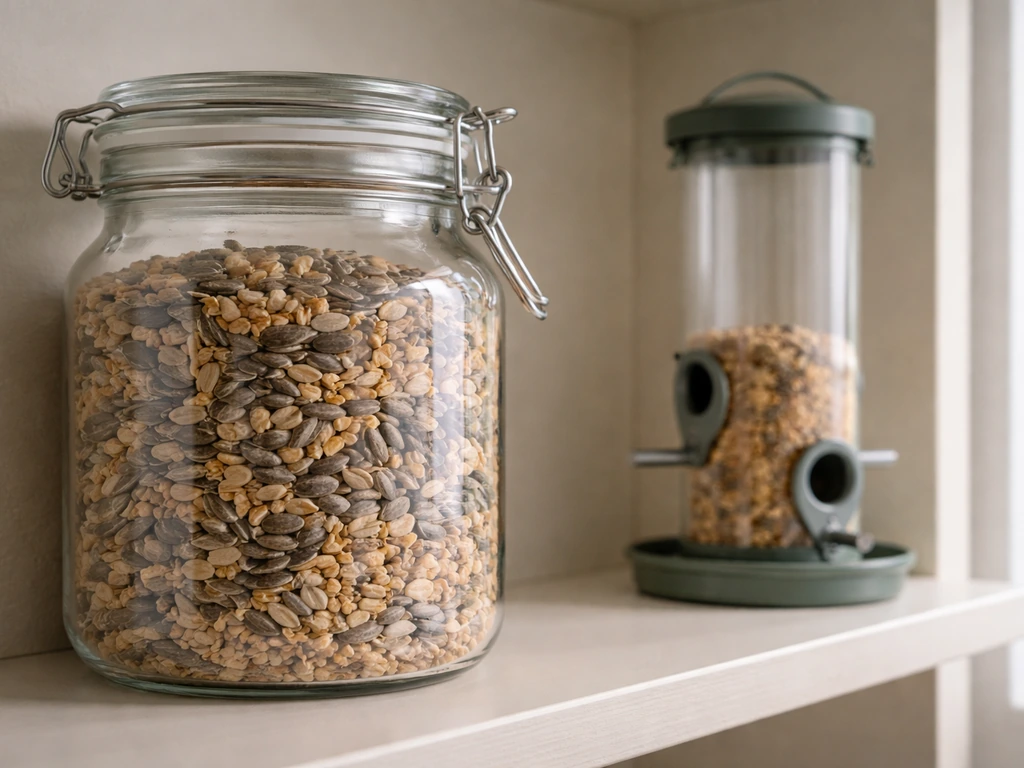
Cool and Dry Storage
A cool, dry interior space is the standard recommendation from Penn State Extension and other land-grant university resources. If you have the freezer space, seed stores extremely well frozen: the cold halts both oil oxidation and mold growth. Let frozen seed come to room temperature before filling feeders so it doesn't draw condensation when it warms up outside.
What Bad Seed Looks and Smells Like
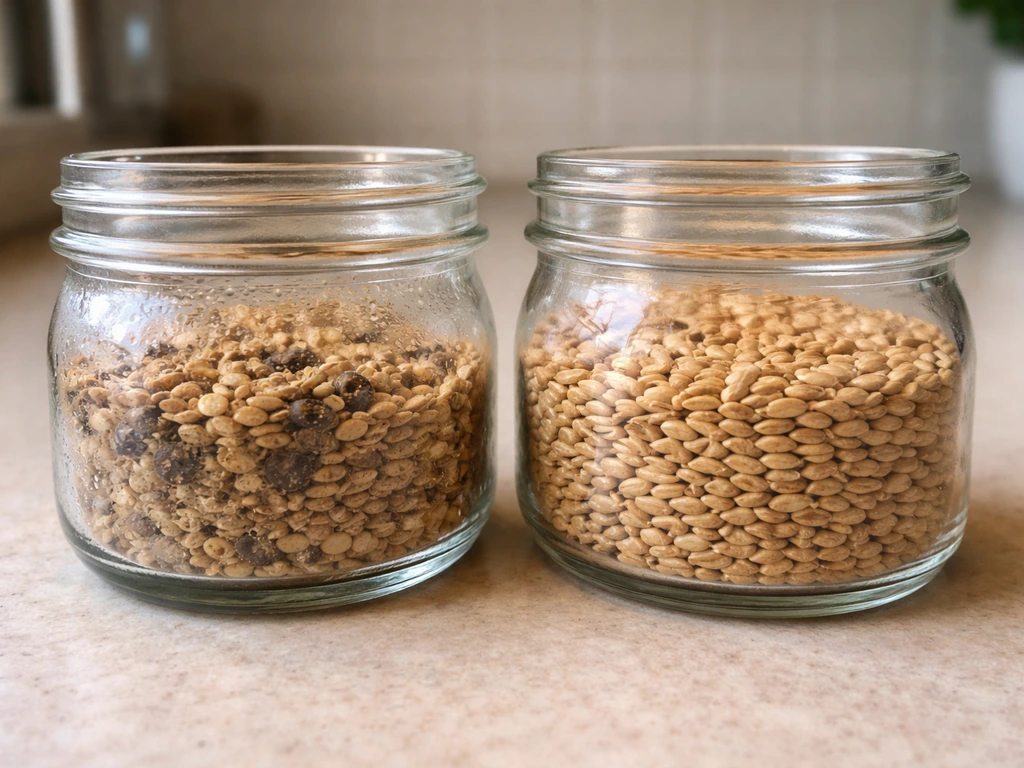
You don't need a lab to know if seed has turned. Your nose and eyes will tell you almost everything. Here are the clearest signs to look for:
- Musty or sour smell: the single most reliable sign. Fresh seed smells nutty or neutral. If it smells like a damp basement, it's compromised.
- Rancid or paint-thinner smell: specific to oily seeds like sunflower or nyjer. Oxidized oils produce a sharp, unpleasant smell. Birds often refuse rancid seed.
- Visible mold or fuzzy growth: any white, green, gray, or black fuzzy patches mean the seed is unsafe. Don't try to pick out the moldy parts.
- Clumping: seed that sticks together in chunks has absorbed moisture. Even if mold isn't visible yet, clumped seed is on its way to spoiling.
- Insect activity: webbing, larvae, small beetles, or moths inside the bag mean a stored-product pest infestation. Discard the seed and clean the container.
- Rodent evidence: droppings, gnaw marks on the bag, or nesting material mixed with seed. Contaminated seed is a hygiene risk, not just a freshness issue.
- Sprouting: seed that has germinated has taken on water. It's not automatically toxic, but sprouted seed won't keep and can mold quickly.
One thing worth knowing: birds themselves are a good indicator. If you're seeing dramatically fewer visitors to a feeder you know is well-placed and regularly stocked, the seed quality is often the reason. Birds, especially finches at nyjer feeders, are sensitive to rancid oils.
Can You Use Old Seed? Here's How to Decide
Old seed isn't automatically unsafe, but you need to run through a quick check before putting it in a feeder. The concern isn't just nutrition: moldy seed can carry fungi like Aspergillus, which can cause serious respiratory illness in birds. blank" rel="noopener noreferrer">Penn State Extension is blunt about it: if seed is moldy, do not use it.
- Smell it first. If it smells off, musty, or rancid, stop there and discard.
- Look for mold. Check the surface and dig into the middle of the bag. Mold often starts in the interior where moisture pools.
- Check for clumping or webbing. Either means moisture or pests have gotten in.
- Look at the seeds themselves. Shriveled, discolored, or hollow seeds have dried out past the point of nutritional value.
- If it passes all four checks and smells fresh, it's likely fine to use, even if it's been stored for several months.
The safety question is closely related to whether old seed is truly safe for birds, which comes down to the same mold and rancidity checks above. The line between 'old but fine' and 'old and harmful' is usually obvious once you know what to look for. When in doubt, the cost of a fresh bag is trivial compared to the risk of sickening the birds visiting your yard.
What to Do When Seed Gets Wet, Sprouts, or Grows Mold
These are the 'today' problems most backyard birders run into, and each one has a clear fix.
Wet Seed
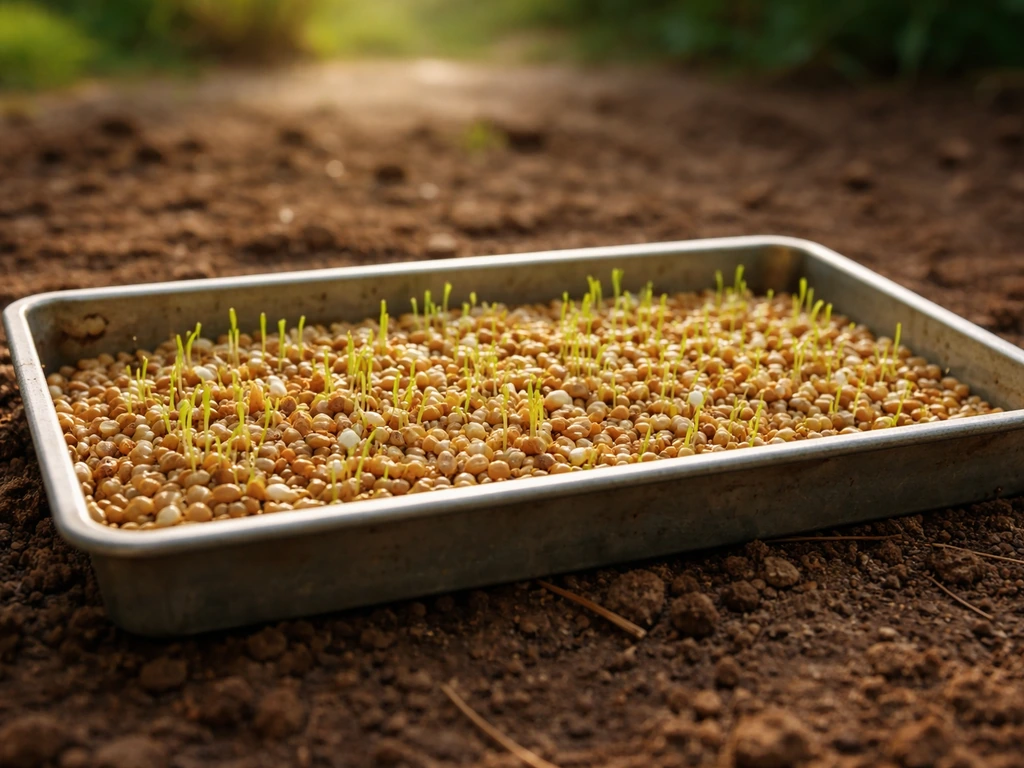
If seed got wet but shows no mold, spread it in a thin layer on a clean tray or baking sheet and let it dry completely in a warm, well-ventilated spot out of direct sun (which can speed up oil oxidation). If you are trying to fix a moisture problem quickly, you should not microwave bird seed, because heat can speed up rancidity spread it in a thin layer. Stir it occasionally.
If it dries out cleanly with no smell, it can be used within a day or two. If you see any clumping or smell anything off as it dries, discard it. Don't put wet seed back in a sealed container or a feeder: you're just creating a mold incubator.
Sprouted Seed
Sprouted seed in a feeder tray or on the ground is a sign the seed absorbed water and started germinating. Small sprouts aren't acutely toxic to birds, but sprouted seed decays quickly and will mold. Remove it from the feeder, discard it, and clean the tray or the ground area beneath where it fell. If seed is sprouting inside a storage bag, that entire batch is compromised and should go.
Mold in the Feeder or Storage Container
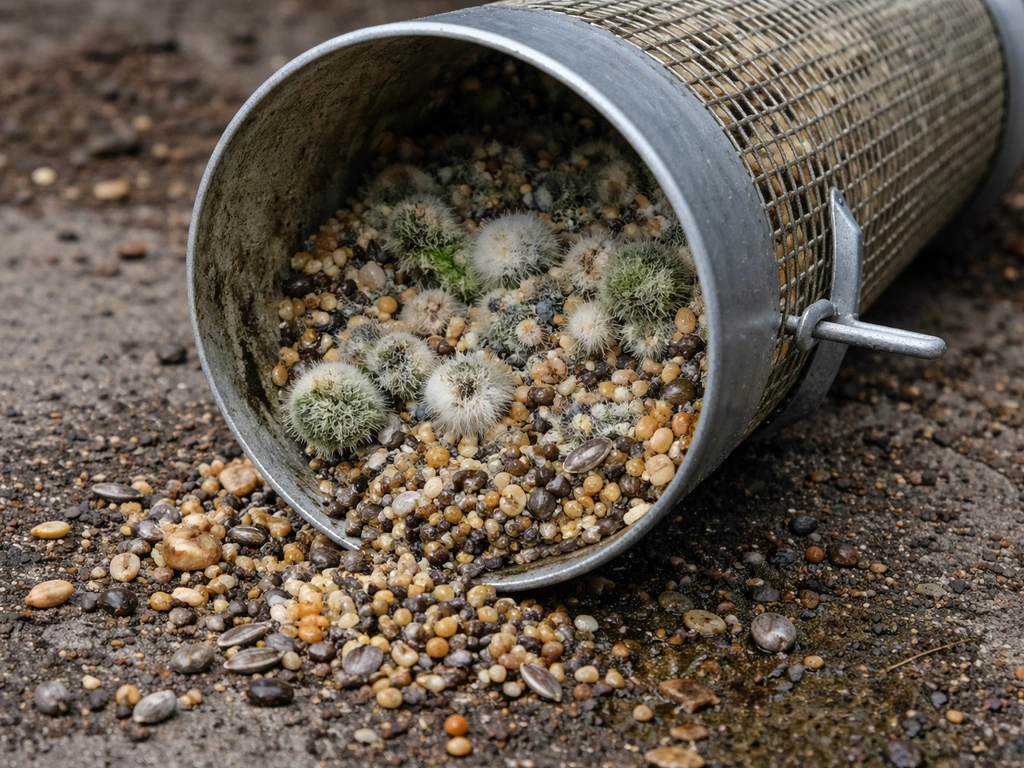
Discard all the seed. Don't scoop out the moldy section and use the rest: mold spores spread through the whole batch before you can see them. Once the seed is out, clean the feeder or container thoroughly. Project FeederWatch, Audubon, and Cornell Lab's All About Birds all recommend the same approach: scrub with soap and hot water to remove debris, then [soak in a solution of 1 part bleach to 9 parts water](https://www.
allaboutbirds. org/news/how-to-clean-your-bird-feeder/) for at least 10 to 15 minutes. Rinse thoroughly and let it air dry completely before adding new seed. The Minnesota DNR recommends a slightly different concentration for tube feeders (about 2 oz of bleach per gallon of water), which is roughly equivalent.
The key point across all of them is the same: soap removes the physical gunk, bleach kills pathogens and spores.
Also clean up the area below the feeder. Wet hulls and spilled seed on the ground can harbor mold and bacteria that sick birds then contact or that attracts pests. Rake or scrape the debris and dispose of it rather than leaving it to break down in place.
How to Make Your Seed Last Longer
Good storage habits make a significant difference, and none of them are complicated. Bird seed ornaments are typically just seed mixes in a molded form, so their safe lifespan depends on moisture control and whether the seed stays dry and un-rancid. Most spoilage is preventable.
Buy Only What You'll Use in 4 to 6 Weeks
This single habit eliminates most seed spoilage problems. Buying in large quantities only makes sense if your storage situation is excellent: airtight containers in a cool, dry location. Pennington's bird food care guidance suggests buying only what you'll use in a month or two, and that's good practical advice for most backyard setups. The savings from a bulk bag evaporate fast if half of it goes moldy.
Use Airtight Containers
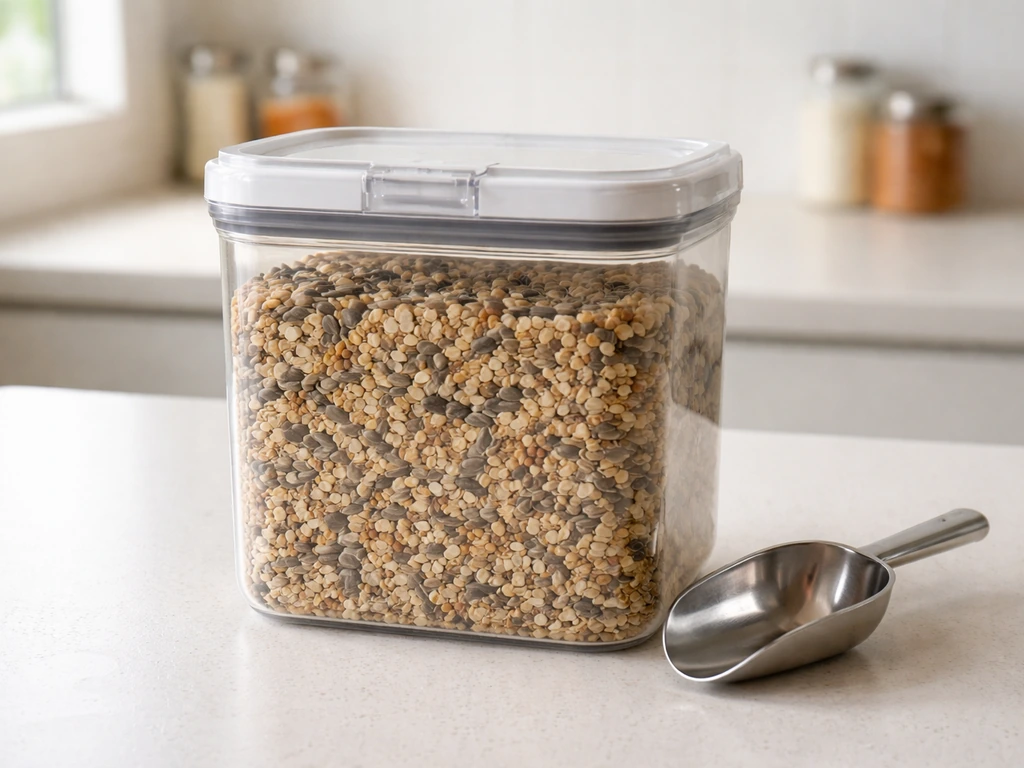
Transfer seed from paper or thin plastic bags into hard-sided, airtight containers: metal trash cans with locking lids, heavy-duty plastic bins, or food-grade buckets with gasket lids all work well. The goals are to block moisture, exclude pests, and slow oil oxidation. Keep containers off the ground: a concrete floor can conduct both moisture and cold in ways that affect seed quality and attract condensation inside the container.
Rotate Your Stock
First in, first out. When you add a new bag of seed, use up the older seed before opening the new bag. This sounds obvious, but it's easy to dump a new bag on top of old seed, which means the bottom layer can sit for months past its prime.
Keep Feeders Clean and Don't Overfill
Project FeederWatch recommends cleaning feeders about every two weeks under normal conditions, and more frequently during warm or wet weather. That schedule exists because even good seed can get contaminated in a dirty feeder: wet seed stuck in seams and ports is a mold hotspot. Filling feeders to only a two- to three-day supply keeps seed moving through and reduces the chance of it sitting long enough to absorb moisture or get contaminated by bird droppings.
Use Trays and Covers Strategically
A tray feeder with drainage holes (not a solid-bottomed one that pools water) and a roof or baffle to block direct rain goes a long way toward keeping seed dry in the feeder itself. In regions with heavy summer humidity or frequent rain, this setup matters more than in dry climates. Empty and rinse trays every few days during wet weather.
Consider the Freezer for Long-Term Storage
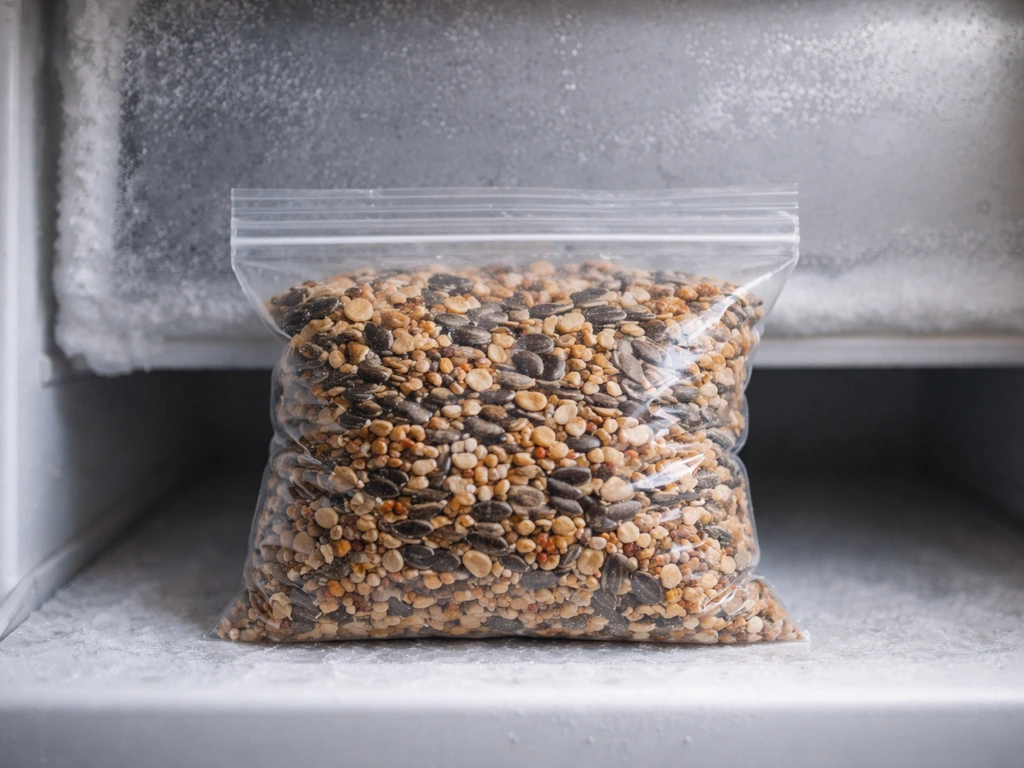
If you buy seed in bulk or live somewhere with hot summers and no climate-controlled storage, the freezer is genuinely the best option for extending shelf life. Portion seed into zip-lock bags or airtight containers, freeze them, and thaw one portion at a time. Let it reach room temperature before filling feeders to avoid condensation forming on the cold seed. This approach works especially well for nyjer, which is the most temperature and humidity sensitive of the common seed types.
FAQ
How can I tell if my wild bird seed is past its “best by” date but still okay to use?
Use a three-part check: look for any clumping, webby or dusty spots, or discoloration, then smell for rancid or sour odors, and finally do a short feeder test (place a small amount on the tray and watch for normal take-off within a day). If you see any moldy appearance or detect an off smell, discard it, even if the date isn’t far behind.
Does putting wild bird seed in the refrigerator help, or is freezing better?
Refrigeration slows oxidation but does not stop moisture uptake as reliably as freezing. If your main risk is humidity, freezing is the safer choice. For fridge storage, keep seed in a fully airtight container and minimize door openings to reduce condensation cycles.
Can I reuse seed that’s been sitting in a feeder for weeks?
Sometimes, but it depends on feeder conditions. Seed can absorb moisture from rain, dew, or spilled hulls beneath the feeder, which speeds spoilage even when the bag itself was fresh. If the feeder is under cover, you use a small 2- to 3-day supply, and there’s no visible dampness, it may be fine. If you notice wet hulls, clumping, or a stale smell, remove and discard.
Is it safe to feed moldy-looking seed if I remove the moldy portion?
No. Mold can spread through a batch before it’s visibly obvious. If any portion is moldy, discard the entire batch, then scrub and disinfect the feeder and any surfaces where that seed contacted.
What should I do if the seed bag has absorbed moisture but seems to have no mold?
Dry it in a thin layer with good airflow in a warm, ventilated area out of direct sun, stirring occasionally. Do not microwave it. If it dries with no off odor and no clumping, use it quickly within a day or two, and do not reseal it until it is fully dry.
Will rancid seed make birds sick, or is it just less attractive?
Rancid seed mainly reduces feeding and bird traffic, but it is not risk-free. Birds are sensitive to stale oils, and bad seed can also coincide with moisture problems that lead to mold. If birds stop visiting suddenly, especially at nyjer feeders, treat stale seed as a quality issue and remove it rather than continuing to refill.
How long does opened wild bird seed last if I keep it in a garage?
A garage often swings through hot and humid periods, which can cut usable time well below “within 6 months of opening.” Opened seed should be moved to a sealed, hard-sided container stored indoors or in a consistently cool, dry spot. Without that, expect the mix to degrade faster and nyjer to be the first to go stale.
What’s the safest way to thaw frozen seed before filling feeders?
Thaw only what you will use right away, and let it reach room temperature while still sealed until condensation risk is minimal. Then fill feeders promptly. This reduces the chance that warm, moist air will condense on the cold seed and create a damp environment for mold.
Can I freeze seed that has already been opened and partially used?
Yes, as long as the seed looks dry and there is no visible mold. Portion it into airtight containers or sealed zip bags, freeze, and thaw one portion at a time. If the seed ever got wet in the bag, drying and inspection come first, because freezing does not reverse mold growth.
How often should I clean feeders to prevent old seed problems from coming back?
During warm or wet weather, clean more frequently than under normal conditions, because droppings, wet stuck seed, and moisture in ports can contaminate even fresh seed. A practical approach is to align cleaning with your “small supply” strategy, and if you see wet residue or smell any mustiness, clean immediately before refilling.
Do tube feeders and hopper feeders change how long seed stays usable?
Yes. Tube feeders with ports that collect dampness and debris can turn seed faster, especially after rain or heavy humidity. Use drainage-friendly tray setups when possible, keep seed under cover, and shorten the refilling window. If your setup has no protection from wet weather, reduce the seed amount per fill.
Does the “seed type” estimate change for cheap mixed blends or bulk lots?
Mixed blends can spoil sooner than expected because different components have different oil levels and processing histories. The best rule is not the printed range but your storage reality, especially after opening. If you notice clumping or a rapid drop in bird activity, treat it as an early warning and switch to a fresher blend.