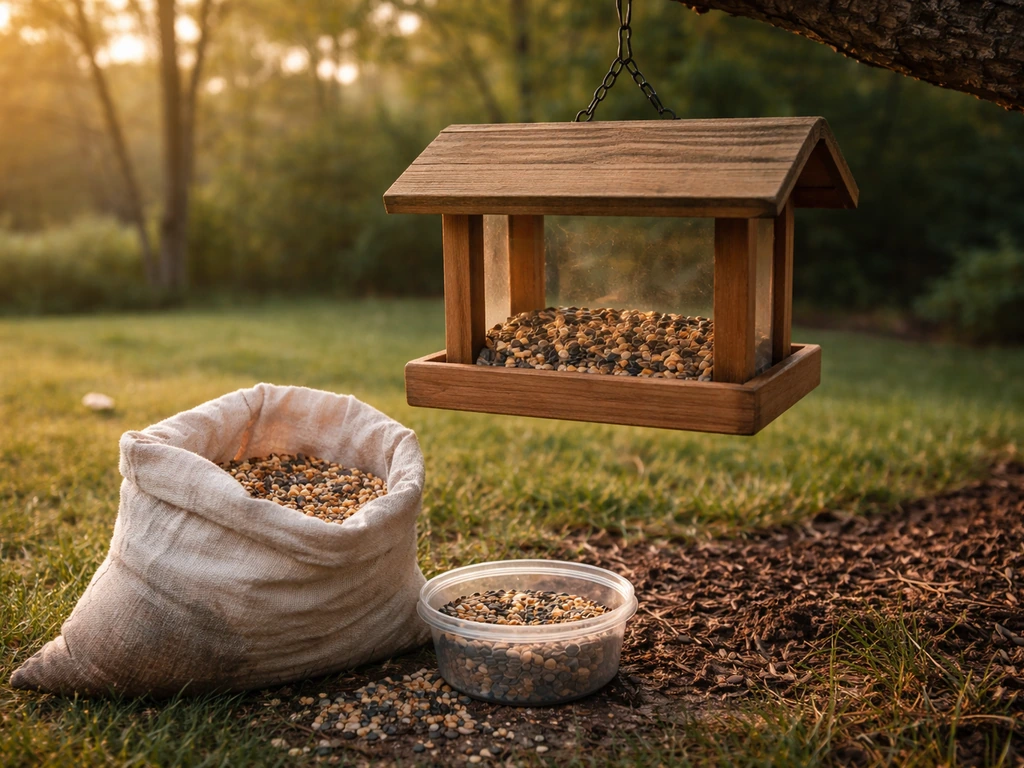
Old bird seed is not automatically unsafe, but it can be, and the difference depends on how it was stored, how long it has been sitting, and what has happened to it since. Dry seed stored in a sealed container in a cool spot can stay usable for up to a year or more. Seed that has gotten wet, clumped, smells musty, shows any mold, or is crawling with insects should be thrown out immediately. The risk is real: moldy seed can carry mycotoxins and bacteria like salmonella that harm birds, and handling degraded seed exposes you to mold spores and attracts pests into your home. This guide walks you through every scenario so you can make the call today.
Is Old Bird Seed Safe? A Safety Checklist and Next Steps
Maya Collins
28 May 2026
What 'old' bird seed actually means
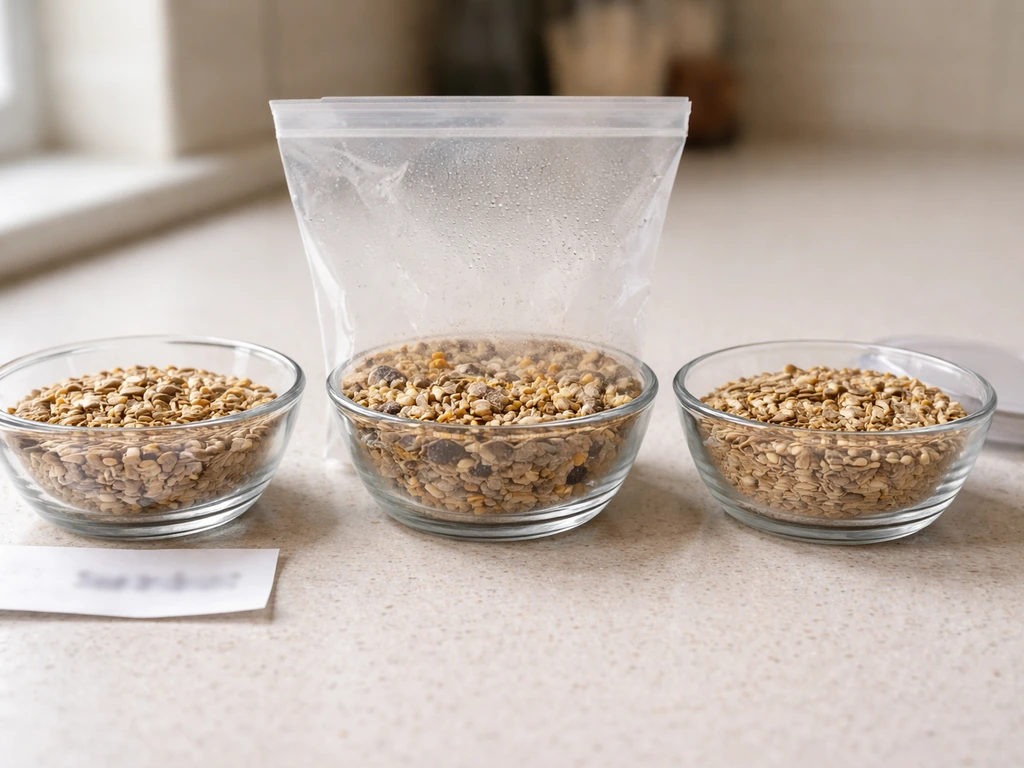
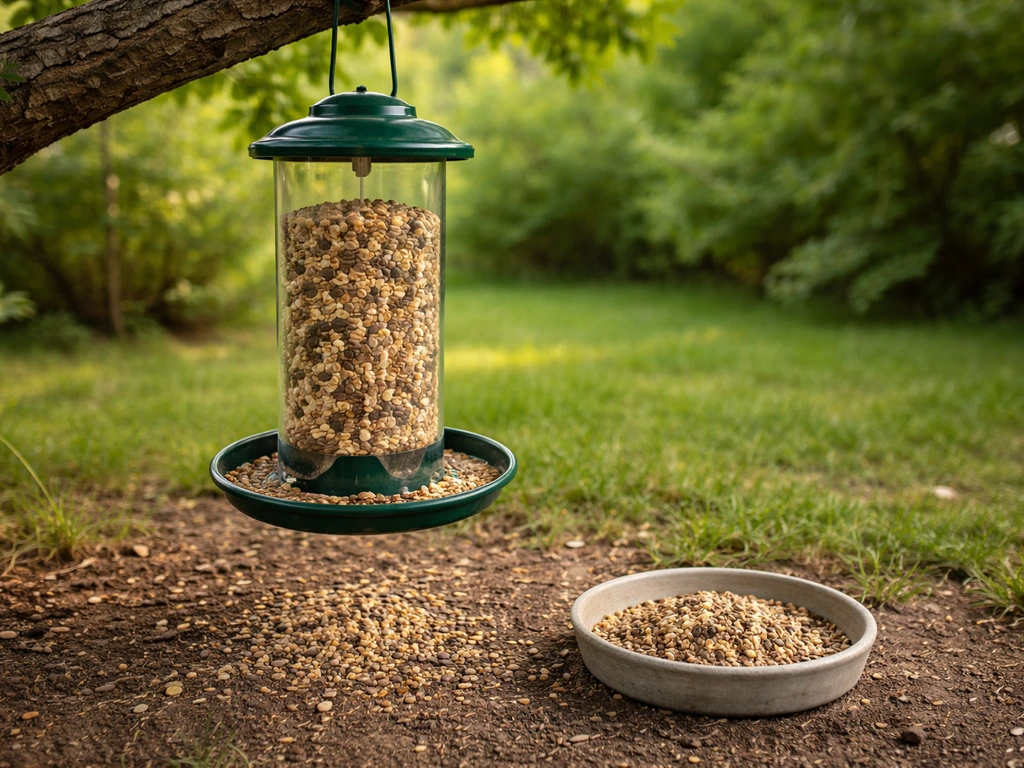
When people ask whether old bird seed is safe, they usually mean one of several different things, and they carry different levels of risk.
- Aged but dry seed: Seed that has been stored correctly in a cool, dry place but is past a best-by date or has been around longer than a season. This is the least concerning scenario.
- Improperly stored seed: Seed kept in an open bag, a garage with temperature swings, or anywhere humid. Even if it looks okay, nutritional quality degrades and mold risk rises.
- Wet or rained-on seed: Seed left in an open feeder or tray that got soaked by rain or a spill. Mold and bacteria can begin forming within 24 to 48 hours in warm conditions.
- Sprouted seed: Seed with visible shoots or roots. Sprouting itself is not toxic, but it signals the seed has absorbed enough moisture to begin decomposing, which invites mold.
- Moldy or infested seed: Seed with visible mold growth, a musty or rancid smell, clumped masses, webbing, or live insects. This is the highest-risk category and should never be fed to birds.
Age alone is not the deciding factor. A bag of sunflower seeds sealed and stored at 50 to 70°F in low humidity can remain nutritionally sound for 12 months or longer. The same bag left in a warm, damp shed can go bad in a few weeks. The condition of the seed matters far more than the date on the package.
Health risks to birds from bad seed
Moldy, wet, and contaminated seed is genuinely dangerous to the birds you are trying to help. The Minnesota DNR specifically warns that moldy birdseed and unclean feeders can make birds sick, and that wet weather accelerates mold and bacterial growth on seed both in feeders and on the ground. There are a few specific pathways worth understanding.
Mycotoxins from mold
Molds produce toxins called mycotoxins, and USGS has documented that mycotoxin poisoning in free-ranging migratory birds is real, including aflatoxicosis and fusariotoxicosis. The problem with mold is that toxins can spread throughout the seed beyond the visible patch of fuzz, which is why the USDA advises a discard-first approach rather than trying to pick out the bad bits. Even seed that looks mostly fine next to a moldy clump may already carry toxin load.
Bacterial contamination
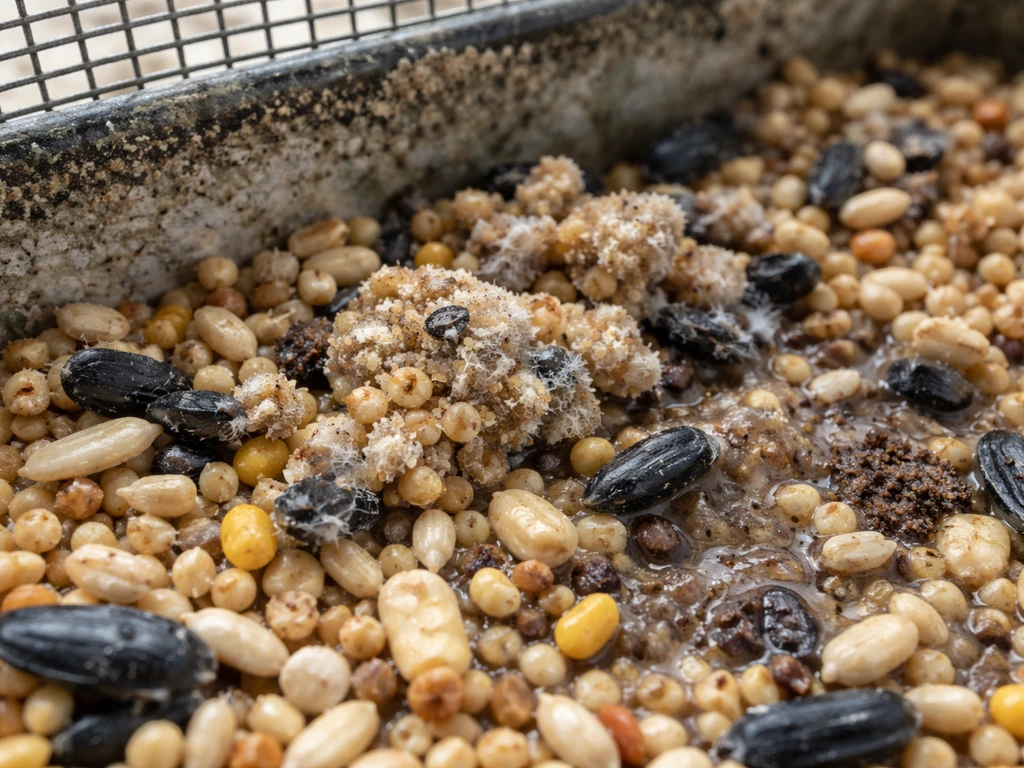
The U.S. Fish and Wildlife Service explicitly states that salmonella can grow in moldy, wet seed and bird droppings. A feeder that has accumulated wet, decomposing seed becomes a disease transmission point: a sick bird visits, contaminates the seed with droppings or saliva, and the next bird picks it up. This is especially concerning during warm, damp months when bacterial growth is faster.
Poor nutrition from degraded seed
Even seed that is not visibly moldy but has been improperly stored for a long time loses nutritional value. Fats in seeds oxidize and go rancid, reducing the energy birds get from each visit. During high-energy periods like winter, migration, or nesting, this matters. Feeding birds nutritionally depleted seed is not helpful and frees up feeder space that could hold fresh, useful food.
Household risks: pests, allergens, and hygiene
Old and degraded seed is not just a problem for birds. It creates real problems inside your home and around your yard if it is stored or handled carelessly.
Pest infestations
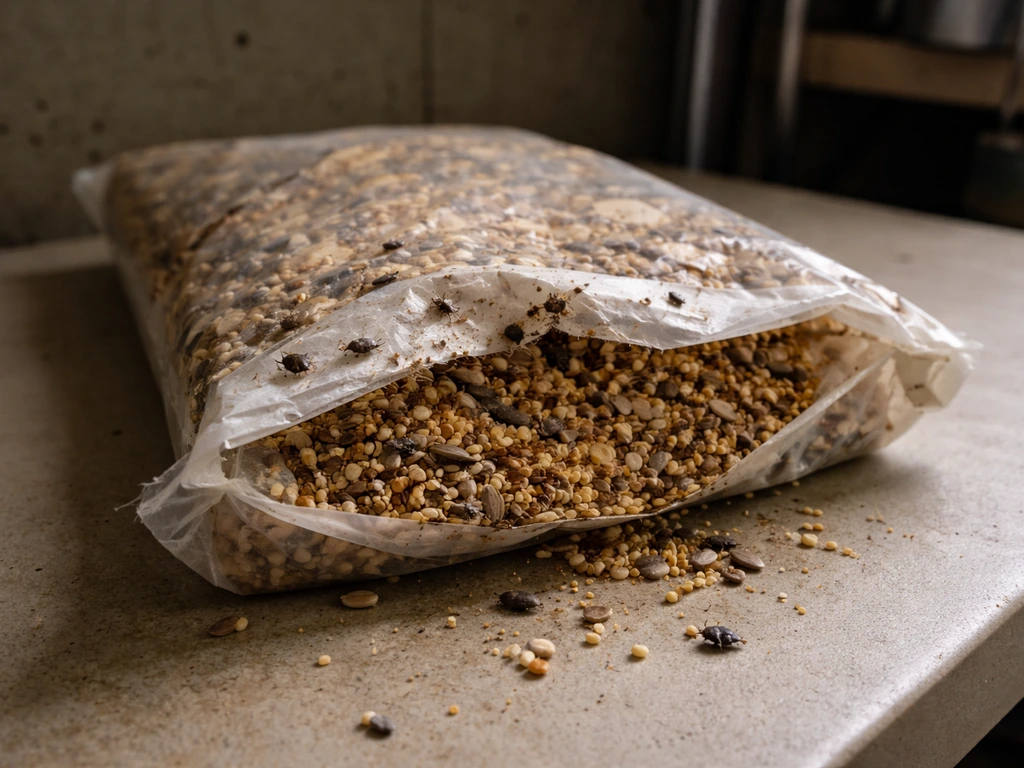
Stored seed is a prime target for pantry pests including flour weevils, grain beetles, and moth larvae. These insects lay eggs in bags and crevices, and by the time you see webbing or tiny bugs in a seed bag, the infestation is already well established. Worse, King County Public Health warns that bird seed attracts rodents, and Project FeederWatch notes that scattered seed and hulls on the ground are a direct draw for rats and mice. Old seed stored in open or flimsy bags in a garage or shed is especially vulnerable.
Mold spores and allergens
When you open a bag of moldy seed or scoop from a moldy feeder, you disturb and aerosolize mold spores. The EPA links mold exposure to allergic reactions, asthma flare-ups, and respiratory complaints. The CDC connects indoor mold to coughing and wheezing, and its cleanup guidance specifically warns against stirring up contaminated material without protection. If you have asthma, allergies, or a compromised immune system, handling moldy seed without a mask and gloves is genuinely risky.
General hygiene
Handling bird seed, even seed that seems fine, puts you in contact with material that has been near bird droppings, bacteria, and dust. Lowe's feeder cleaning guidance specifically calls out washing your hands thoroughly after handling or cleaning feeders. If you are dealing with old or suspect seed, wear gloves and wash your hands with soap and water when you are done. Do not handle moldy seed in an enclosed space without ventilation.
How to check whether your seed is still safe
Use this checklist to assess a bag of seed, a feeder load, or seed you found in a tray or on the ground. Work through it in order, and stop as soon as you hit a fail condition.
- Smell it first. Fresh seed smells neutral or faintly nutty. If it smells musty, sour, rancid, or like mildew, discard it immediately. This is the single fastest indicator.
- Look for visible mold. Check for fuzzy growth in any color: white, green, black, or gray. Look inside clumps, not just on the surface. If you see any mold, discard the entire batch.
- Check for clumping and moisture. Dry seed flows freely. If seeds are stuck together in clumps, the seed has absorbed moisture and is at high risk for mold even if you cannot see it yet.
- Look for insect activity. Webbing, small beetles, moth larvae, or fine dusty residue mixed into the seed are all signs of infestation. Discard the seed and inspect any nearby stored food.
- Check the color and appearance. Seeds should look like they did when you bought them. Shriveled, discolored, or unusually dusty seeds that were not like that before are a warning sign.
- Optional germination check. If the seed passes all the above but you are still unsure about viability, place 10 seeds between two damp paper towels and leave them at room temperature for 5 to 7 days. If fewer than 5 out of 10 sprout, the seed has degraded significantly and is not worth using. Note: this test tells you about nutritional viability, not about whether mycotoxins are present, so it does not override a mold or smell failure.
Greenwood Wildlife Rehabilitation Center sums it up cleanly: discard any food that is wet, musty, looks moldy, or shows fungal growth. If you are second-guessing yourself, that hesitation is usually the answer. Fresh seed is inexpensive compared to a sick bird or a pest infestation.
Discard, salvage, or restart: what to do with questionable seed
Not every situation is a hard discard, but the bar for keeping seed should be high. Here is how to think through the decision.
| Scenario | Decision | Action |
|---|---|---|
| Any visible mold, any amount | Discard immediately | Bag it, seal it, and throw it in the outdoor trash. Do not compost moldy seed. |
| Musty or rancid smell | Discard immediately | Same as above. Smell is a reliable toxin and bacterial indicator. |
| Clumped but no visible mold or smell | Borderline: discard if warm weather | In cool dry conditions, spread a small amount and check closely. If it dries out and smells fine, you may be able to use it quickly outdoors. In warm or humid weather, discard. |
| Sprouted seed | Salvage only if otherwise clean | Sprouted seed is not toxic on its own. If there is no mold or bad smell, you can put it out immediately in a tray feeder. Do not store sprouted seed; use it or lose it within a day. |
| Insect infestation | Discard immediately | Seal in a bag and discard. Inspect any nearby stored food for cross-infestation. |
| Dry, no smell, no mold, just old | Safe to use | Run the germination check if you want to be sure, but otherwise this seed is fine. Rotate it to the front and use it first. |
| Rained-on seed in a feeder | Discard and clean the feeder | Per BirdNET guidance: empty wet feeder contents into the trash, clean the feeder before refilling. |
A note on salvage: some sources suggest separating the good-looking seed from a partly contaminated batch. Given what the USDA says about mold toxins spreading beyond the visible affected area, this approach carries real risk. Unless the contamination is clearly isolated (for example, one corner of a large, mostly dry batch that got slightly damp with no mold and no smell), it is usually not worth the effort or the gamble.
How to store bird seed so this does not happen again
Good storage is the most effective thing you can do to prevent wasted seed, sick birds, and pest problems. The Wild Bird Feeding Institute notes that even small amounts of humidity can cause clumping and spoilage, and that certain seed types like nyjer (thistle) are especially moisture-sensitive.
Container and location
- Use a hard-sided, airtight container, such as a metal or thick plastic bin with a locking lid. This keeps out moisture, insects, and rodents. Flimsy plastic bags, even sealed ones, are not sufficient for longer-term storage.
- Store seed at 50 to 70°F, away from direct sunlight, heat sources, and temperature swings. A cool pantry or basement is better than a garage or shed in most climates, especially in summer.
- Keep the container off the ground to reduce moisture wicking and pest access.
- Label the container with the purchase date so you can track how long it has been stored.
Rotation and quantity
- Buy only what you will use within 4 to 6 weeks during warmer months, or within 2 to 3 months in cool, dry storage conditions.
- Use a first in, first out approach: when you add new seed to a container, use the older seed first rather than pouring new seed on top.
- Do not top off a container with new seed before the old seed is gone. Empty and inspect the container between refills.
- For nyjer seed especially, buy smaller quantities more frequently, as it goes stale and unappealing to birds relatively quickly even when stored correctly.
Feeder setup to prevent spoilage
- Use feeders with drainage holes or a hopper or fly-through design that sheds rain rather than letting seed pool in standing water.
- Fill feeders only with as much seed as birds will eat in a few days, especially in hot or rainy weather. Partially empty feeders are easier to keep clean.
- Position feeders under a roof or baffle where possible to reduce direct rain exposure.
- In humid climates or during wet seasons, check feeders every 1 to 2 days and remove any wet or clumped seed before it molds.
Cleaning feeders and surfaces after questionable seed
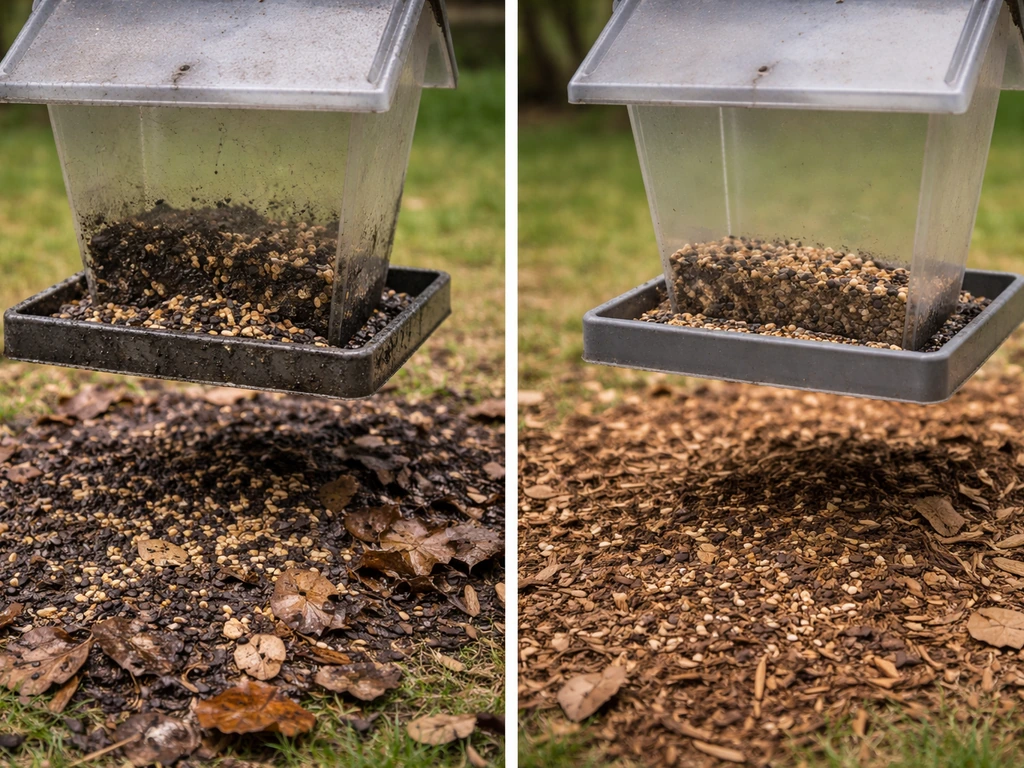
If you have been feeding with old or contaminated seed, or if your feeder has accumulated wet, moldy residue, cleaning before refilling is not optional. Project FeederWatch recommends cleaning seed feeders about every two weeks, more often in warm and damp conditions. Iowa DNR recommends cleaning bird feeders and waterers about once each month using a 10% bleach solution, and making sure the feeder is dry before refilling with seed cleaning seed feeders about every two weeks. Here is how to do it properly.
Step-by-step feeder cleaning
- Empty the feeder completely. Discard all remaining seed in an outdoor trash bin, not a compost pile.
- Disassemble the feeder as much as possible. Remove trays, perches, and any removable parts.
- Scrub all surfaces with hot water and dish soap to remove seed residue, hulls, droppings, and visible mold.
- Mix a disinfecting solution: 1 part household bleach to 9 parts water (roughly 2 ounces of bleach per gallon of water per Minnesota DNR guidance, which is approximately this ratio). Both Audubon and Cornell Lab's All About Birds recommend this dilution.
- Soak or thoroughly wipe down all feeder surfaces with the bleach solution. Let it sit for a few minutes.
- Rinse thoroughly with clean water until no bleach smell remains. Bleach residue can harm birds.
- Allow the feeder to air dry completely before refilling. A wet feeder will immediately begin spoiling fresh seed.
- Wash your hands thoroughly with soap and water when finished.
Ground and tray cleanup
Seed hulls, droppings, and old wet seed that accumulates under and around feeders is a disease and pest risk. The U.S. Fish and Wildlife Service and Audubon both specifically recommend sweeping or raking up old, moldy, and discarded seed under feeders and throwing it away. Do this every time you clean the feeder. The Vermont Fish and Wildlife Department notes that remaining moisture under feeders can lead to mold that contaminates seed before birds even eat it.
When to stop feeding temporarily
If you have found evidence of serious contamination or mold, the responsible move is to stop feeding entirely until you can complete a thorough cleaning and start fresh with new seed. This is especially true if you have seen sick birds at your feeder. A pause of a few days does not harm healthy wild birds, but continuing to feed at a contaminated station can spread disease through an entire local population. Once the feeder is clean, dry, and filled with fresh seed, you can restart confidently.
Personal protective hygiene during cleanup
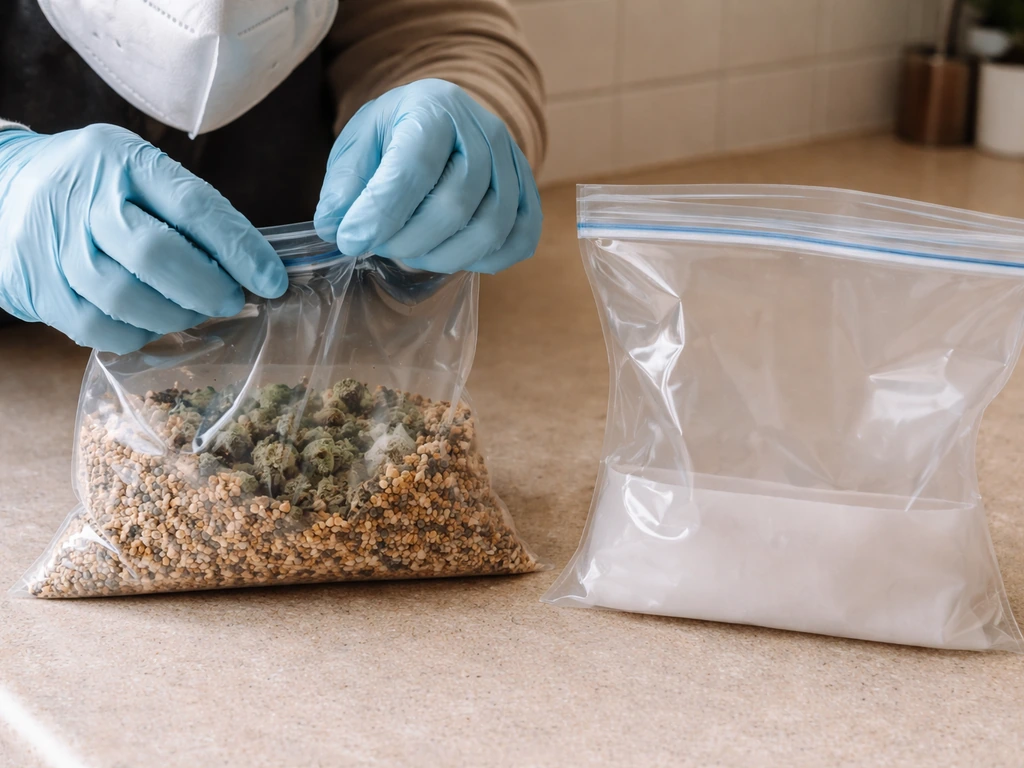
Wear disposable gloves when handling moldy seed or scrubbing contaminated feeders. If you are scooping or pouring dry, dusty, or moldy seed, wear a dust mask or N95 to avoid inhaling spores and particulates. Work outdoors or in a well-ventilated area. The CDC specifically advises avoiding stirring up dust and bird waste without protection during cleanup of contaminated bird-related areas. Do not mix bleach with ammonia-based cleaners or other household products.
Your next steps today
Here is what to do right now if you searched this question because you have seed or a feeder you are worried about. If you are trying to fix a kitchen mishap or sterilize seed, check whether you can microwave it and follow a safe time like a few seconds per small portion how long to microwave bird seed.
- Go check your seed. Smell it and look at it closely using the checklist above. If it fails any step, bag it and throw it out.
- Check your feeder. Look for wet residue, black spots, clumped seed, or droppings inside. If it has not been cleaned in more than two weeks, clean it today regardless of what the seed looks like.
- Check under the feeder. If there is a pile of hulls, old seed, and debris, rake it up and bag it for trash.
- Check your storage container. If seed is stored in an open bag or a non-airtight container, transfer remaining good seed to a proper sealed bin and note the date.
- If you found mold or contamination, stop feeding for a few days, complete a full cleaning with bleach solution, let the feeder dry completely, and refill with fresh seed.
- Buy only as much new seed as you will use in the next 4 to 6 weeks, and store it in a cool, dry, airtight container.
The underlying principle is simple: when in doubt, throw it out. Fresh seed is cheap. If you want to know how long does wild bird seed last, the safest approach is to use older seed only when it has been kept dry and sealed, and to discard anything that shows moisture, odor, or mold Fresh seed is cheap.. Treating a feeder-related bird illness outbreak in your yard is not something you can fix, and a pest infestation in your home is far more expensive and time-consuming to deal with than a discarded bag of seed. Staying on top of storage, rotation, and cleaning every two weeks keeps this problem from coming back. If you are using seed ornaments, the same storage and mold-prevention habits are what help them last longer.
FAQ
Is old bird seed safe to use if it is past the printed expiration date?
If the seed is simply old but still dry, sealed, and odor-free, it is usually reasonable to use it. Before refilling, spread a small amount on a clean surface and look for any dust clumping, musty smell, visible mold spots, or live insects. If any of those appear, discard the whole batch rather than trying to “pick out” only the bad kernels.
Can I salvage bird seed that got slightly damp or wet after it was opened?
Do not wash or rinse seed to “save” it. Adding water can spread spoilage through the bag, encourage clumping, and create the wet conditions mold and bacteria need. The safer approach is to discard any seed that has gotten wet and start fresh.
What if the seed looks normal but smells musty or off?
Visually clean seed with a musty or sour odor should be treated as unsafe. Mold toxins and contamination can be present even when fuzz is not obvious, so smell is an important fail condition.
Is bird seed safe if I only see a few insects or webbing in the bag?
Yes, pests are a red flag even if the seed appears dry. If you see tiny bugs, webs, or grain beetle activity, assume the infestation is already established and discard the bag. Also vacuum and wipe the area where the bag sat, and inspect nearby pantry items to prevent spread.
Is old bird seed still safe if it has been sitting in my feeder for a while?
A feeder loaded with old seed becomes riskier than the seed bag itself because birds add droppings and saliva, and wet decomposing material builds up. If the feeder has residue that looks damp, smells bad, or has hardened clumps, discard the contents and clean thoroughly before refilling with fresh dry seed.
How risky is handling old or moldy seed for people with allergies or asthma?
If you have asthma, allergies, or immune issues, the safer move is to avoid handling questionable seed with bare hands and without respiratory protection. Use gloves, work outdoors or with strong ventilation, and consider wearing an N95 when scooping dusty or potentially moldy seed. If you feel symptoms during cleanup, stop and get medical advice.
Can I microwave old bird seed to make it safe again?
Microwaving or any heating method is not a reliable “sterilization” plan for moldy seed. Even if you kill microbes, you may not remove mycotoxins, and moisture patterns can be uneven. Treat mold, musty odor, and wetness as discard-only conditions.
What should I do if I see sick birds at my feeder after using old seed?
If you notice sick birds, stop feeding until you can fully clean and dry the feeder and remove accumulated seed and hulls under it. A short pause is typically not harmful to healthy wild birds, and continuing to feed can amplify disease spread at that same station.
Is it safe to reuse old seed hulls or sweepings under the feeder?
For home safety, sweep or rake under feeders, then bag and throw away residue, do not compost it. If there is visible mold or heavy droppings, wear gloves and a dust mask, and avoid dry brushing that kicks up particles. Finish by washing hands thoroughly with soap and water.
Do some types of bird seed go bad faster than others, and what should I do differently?
Yes, switching to moisture-sensitive seed types can help prevent spoilage, but storage still matters. Nyjer or other moisture-sensitive seed should be kept sealed and dry, and feeders should be refilled only when the hopper and tray are clean and fully dry to prevent rapid clumping.
Next Article
How Long Does Wild Bird Seed Last and How to Tell
Learn how long wild bird seed lasts, spot mold or pests, and know when to discard or safely save wet, sprouted seed.