
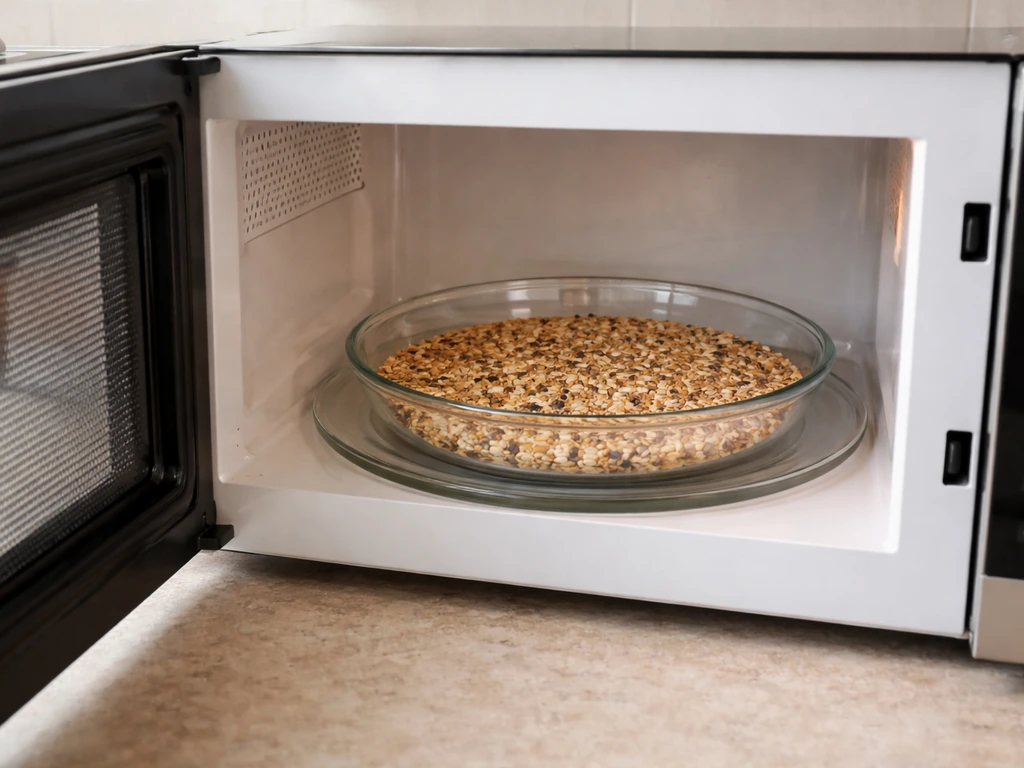
For a standard 1-2 cup portion of dry bird seed, microwave at medium power (around 50% or 400-500W) for 90 seconds to 2 minutes, stirring halfway through. Damp or wet seed needs 2-4 minutes at the same power level, again with a stir at the halfway point. Those times are enough to push the seed above 55-60°C, which is the temperature range where most stored-product insects like weevils and larvae die within one to a few minutes. That said, microwaving is not a magic fix for every bird seed problem, and there are a handful of situations where you should skip the microwave entirely and just bin the seed.
How Long to Microwave Bird Seed Safely and Effectively
Maya Collins
8 Jun 2026
When microwaving bird seed is (and isn't) the right fix
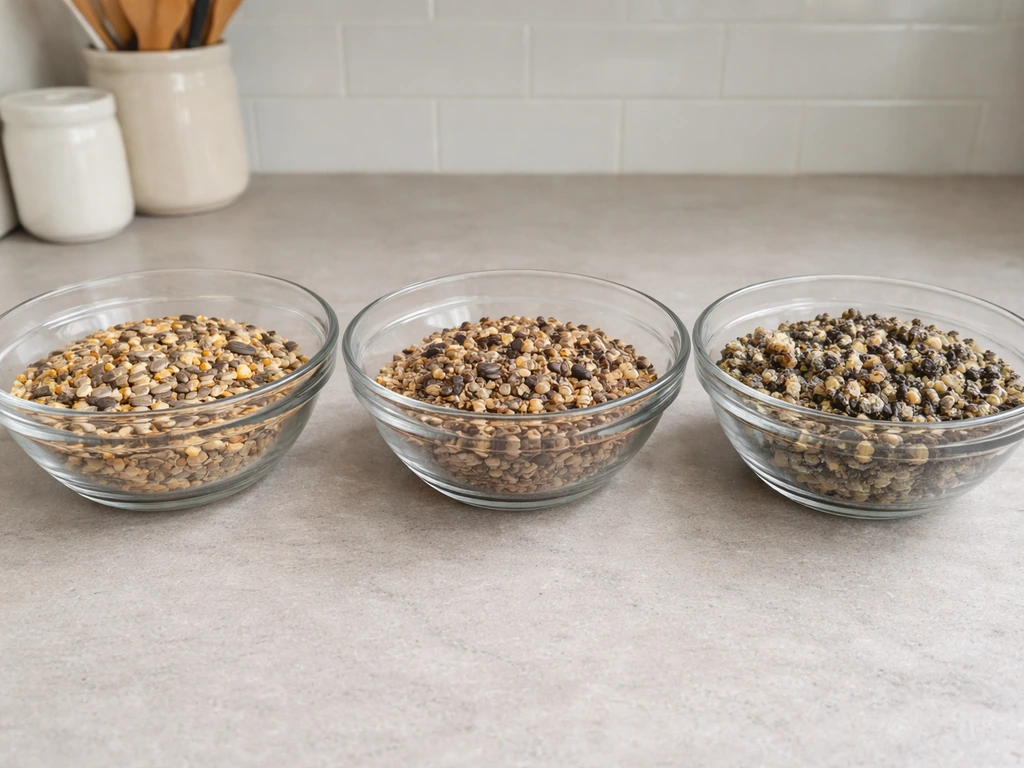
Microwaving bird seed makes sense in a narrow set of situations. The most common one is finding live insects in a bag of seed you just opened or pulled from storage. Weevils, moth larvae, and grain beetles are the usual suspects, and they really do die quickly at modest heat. Research on stored-product pests consistently shows that most species cannot survive more than a minute or two at 55°C, and 60°C kills even the tougher ones in under five minutes under controlled conditions. If the seed smells fine, looks otherwise clean, and the infestation is limited to crawling adults or small larvae, a microwave treatment is a reasonable first response.
Microwaving is also worth doing when seed has gotten slightly damp, say from a leaky storage container or a humid shed, but has not yet developed visible mold. Drying it out quickly in the microwave stops the moisture from climbing above that critical 13-14% threshold where storage molds take hold.
Where microwaving is not the right fix: if you can see gray, white, green, or black mold on the seed, throw it out. Microwaving mold-covered seed does not make it safe. Mycotoxins produced by storage fungi are heat-stable, meaning they do not break down at microwave temperatures. The USDA is clear that visibly mold-covered food should be discarded, and that guidance applies to bird seed too. Feeding moldy seed to birds can cause respiratory disease and death, as confirmed by multiple wildlife agencies. Similarly, if seed smells rancid, musty, or sour, the problem is already beyond what heat can fix.
- Good candidates for microwaving: dry seed with live crawling insects, slightly damp seed with no visible mold, seed that got briefly wet and needs fast drying
- Not good candidates: seed with visible mold (any color), seed with a musty or rancid smell, sprouted seed, seed that has been wet for more than a day or two
- Microwaving will not: sterilize all pathogens, neutralize mycotoxins, reverse rancidity, or eliminate mold that has already colonized the seed
Exact microwave time guidance by seed type, quantity, and moisture level
The biggest variables are how much seed you are heating, how moist it is, and your microwave's actual wattage. Most home microwaves run between 700 and 1200W. Use medium power (50%, which puts a 1000W unit at around 500W effective) rather than full power. Full power scorches the outside of seeds before the center heats enough, leaves cold spots, and risks sparks from the small metallic-looking oils in some seed hulls.
| Seed quantity | Moisture condition | Power setting | Time (stir halfway) | Notes |
|---|---|---|---|---|
| 1 cup (approx. 100-150g) | Dry, live insects present | 50% / ~400-500W | 90 seconds | Stir at 45 sec; check temp if possible (target 60°C) |
| 2 cups (approx. 200-300g) | Dry, live insects present | 50% / ~400-500W | 2 minutes | Stir at 1 min; spread in single layer |
| 1 cup | Damp (no mold) | 50% / ~400-500W | 2 minutes | Stir at 1 min; repeat 30-sec intervals if still damp |
| 2 cups | Damp (no mold) | 50% / ~400-500W | 3-4 minutes | Stir every 60-90 sec; check for dryness before stopping |
| 3+ cups | Any | 50% / ~400-500W | Work in batches of 2 cups max | Thick layers heat unevenly; >20mm depth risks cold spots |
Seed type matters too. Sunflower seeds (especially in-shell) are denser and hold moisture longer in the center, so they need to sit on the higher end of the time range. Fine-seeded mixes with millet or nyjer heat through faster because the individual seeds are small. Mixed bags that include cracked corn or peanut pieces fall somewhere in between. If you have a food thermometer, use it: you want the seed to reach at least 60°C in the center, and ideally hold there for 1-2 minutes. That temperature is well above the survival threshold for virtually all stored-product insects.
One important research-backed caveat: a layer depth of more than about 20mm creates real heating inconsistencies due to how far microwaves can penetrate. Spreading seed no more than an inch deep in the container and stirring halfway through are non-negotiable steps, not optional ones. Studies on microwave disinfestation of grain found that complete mortality only occurred reliably at a limited seed layer thickness, and thicker layers left survival pockets.
Safe microwaving steps and fire and mold precautions
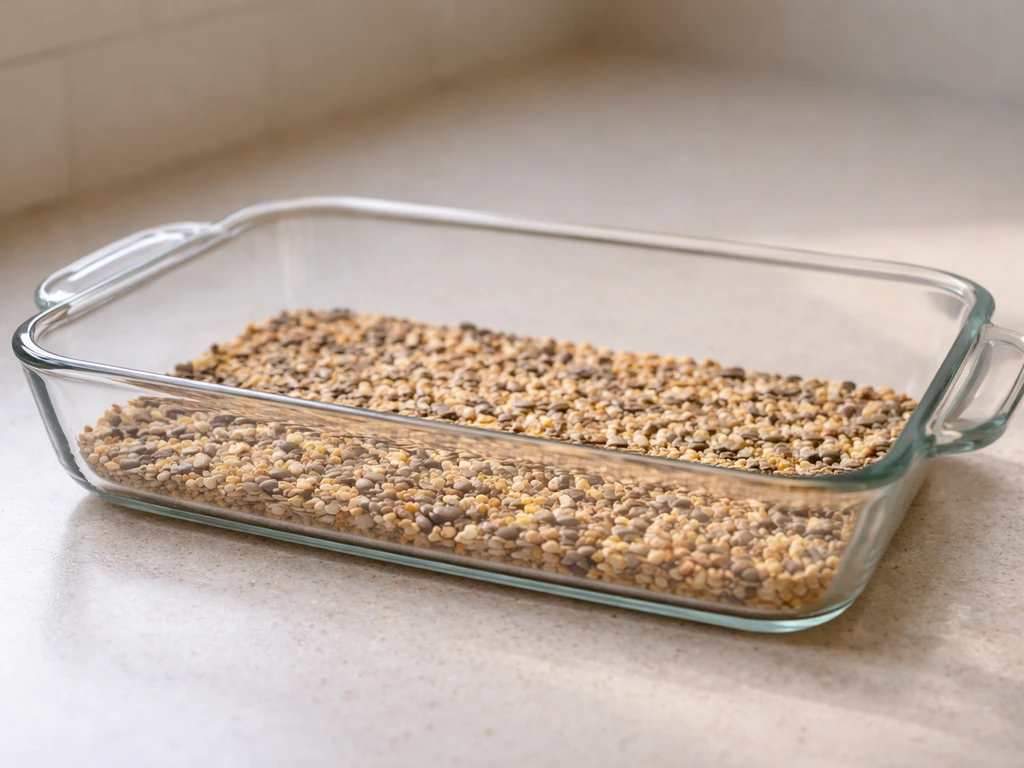
- Use a microwave-safe glass or ceramic dish, not plastic bags or metal containers. A wide, shallow baking dish or large ceramic bowl works well.
- Spread the seed in a single, thin layer no more than 1 inch (about 20mm) deep. This is critical for even heating.
- Cover loosely with a microwave-safe paper towel. This catches any popping (some seeds and hulls can pop at high heat) and contains any stray insects.
- Set power to 50% (medium). Do not use full power.
- Heat for the first half of your target time, then remove and stir thoroughly, redistributing cold spots from the edges to the center.
- Continue heating for the second half of the time.
- Let the dish sit in the microwave for 30 seconds after stopping before opening. Some insects knocked unconscious by heat will finish dying in this resting period.
- Remove and stir again. If seed still feels cool in the center, add 30-second intervals at 50% power until it feels uniformly warm throughout.
- Never walk away from the microwave while heating seed. Stay close and watch for smoke, sparks, or unusual smells.
Fire precautions deserve a direct warning: dry hulls, thin seed shells, and woody plant material in mixed seed can catch fire at high power or after prolonged heating. Always use medium power, and if you see or smell any smoke, stop the microwave immediately, leave the door closed for a minute to deprive the space of oxygen, then carefully open and check. Do not use the microwave again until you are sure nothing is smoldering. Cleaning your microwave interior afterward with a damp cloth removes any insect debris, oils, or food particles that could cause problems next time.
On the mold side: if you microwaved slightly damp seed, the goal is to drive off moisture, not just heat it. If after 3-4 minutes of heating and stirring the seed still feels or smells damp, stop and reassess. At that point the moisture content may be high enough that the seed quality is genuinely compromised. Spreading it out on a baking sheet and air-drying at room temperature for several hours is a safer option than continuing to microwave.
What to do after microwaving: cooling, storage, and bird-safe handling
After microwaving, spread the seed out on a clean, dry surface and let it cool completely to room temperature before doing anything else. This usually takes 20-30 minutes for a 2-cup batch. Do not bag warm seed, and do not put it straight into a feeder. Sealing warm seed traps residual moisture as condensation on the inside of the container, which can push moisture content back above the mold threshold within hours.
While it is cooling, sift or hand-sort through it briefly. Look for any dead insects (remove them), any clumped or discolored seeds, and anything that looks cracked or crushed beyond the normal. Microwaving can crack some seed coats, particularly thin-hulled varieties, which accelerates oil oxidation and makes the seed go rancid faster. Cracked seed should be used within a few days rather than re-stored.
For re-storage, use an airtight container in a cool, dry location. A sealed plastic bin or glass jar in a basement, cool pantry, or refrigerator is ideal. Avoid garages or sheds with large temperature swings, since condensation forms on cold seed when warm air hits it. Properly dried and cooled microwaved seed can be stored again for weeks, but if the original bag had a heavy infestation, it is worth checking daily for any signs that eggs survived. Insect eggs can be harder to kill than adults or larvae, so a second microwave pass 2-3 days later is a reasonable precaution with heavily infested batches.
When filling feeders, handle the seed normally. Microwaving at the temperatures and times described here does not make the seed toxic or unsafe for birds. However, if the seed was heavily cracked, dried out, or smells at all off after treatment, birds may reject it, which leads to the next section.
Troubleshooting: pests or mold still present, or birds won't eat it
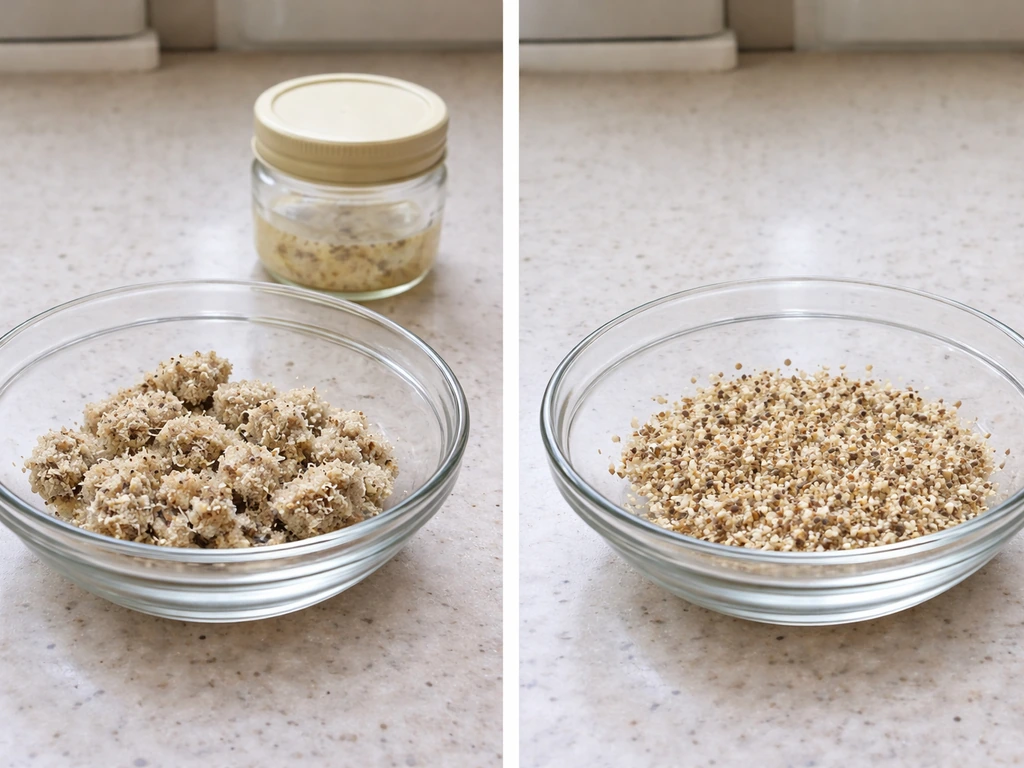
If you still see live insects after microwaving, the most likely culprit is uneven heating from too thick a layer or insufficient stirring. A second treatment in a thinner layer almost always solves it. Research on granary weevils found that short exposure at 60°C only achieved 60-70% mortality in some tests, meaning a single quick pass is not always enough for a heavy infestation. Two passes separated by a day also catches any late-hatching larvae from eggs that survived the first round.
If you see mold returning within a day or two of microwaving, the seed moisture content was too high to begin with and the microwave treatment did not fully dry it. At that point, discard the batch. Do not try to keep rescuing the same seed through repeated treatments.
If birds are refusing microwaved seed, there are a few possible reasons. Overheating can crack hulls and accelerate rancidity of the oils inside, changing the smell and taste. Some birds are extremely sensitive to seed quality changes. Try mixing the microwaved seed 50/50 with fresh seed to ease the transition. If birds still avoid it, the seed is likely too degraded in flavor or smell to be worth using. In that case, composting or discarding it is the right call. Old bird seed that is questionable in quality is a related topic worth considering alongside this one.
- Still seeing live insects: reheat in thinner layer (max 1 inch depth), stir more frequently, check that microwave is reaching target wattage
- Mold returns quickly: seed was too wet to save; discard and sanitize storage container
- Seed smells off after microwaving: oils oxidized from overheating or pre-existing rancidity; compost or discard
- Birds avoid treated seed: mix with fresh seed at 50/50 ratio; if still rejected, discard
- Eggs hatching after treatment: do a second microwave pass 2-3 days later with a thin layer and longer time
Cleaning feeders and trays and preventing reinfestation going forward
Treating the seed is only half the job. If pests or mold colonized your feeder or storage container, they will reinfest clean or treated seed quickly. Cleaning feeders should be part of a monthly routine regardless, but it is especially important after any infestation event.
The standard approach recommended by multiple extension programs is a 1:9 bleach-to-water solution (one part bleach to nine parts water). For feeder cleaning, UNH Extension recommends a 1:9 bleach-to-water soak and notes a 15-minute immersion time for disinfection 1:9 bleach-to-water solution. For tube or hopper feeders, disassemble them fully, scrub off debris with a stiff brush, then soak all parts in the bleach solution for at least 15 minutes. Rinse thoroughly for at least 10 seconds under running water to remove chemical residue, then let everything air-dry completely before reassembling and refilling. A feeder that is even slightly damp inside creates exactly the conditions mold needs to get started.
For storage containers that housed infested seed, wash with the same bleach solution, rinse well, and let them air-dry for several hours before reusing. Any fabric bags, cardboard boxes, or loosely sealed containers that held infested seed should be discarded rather than cleaned, since insect eggs can hide in seams and folds.
Prevention is far easier than treatment. Buy seed in quantities you will use within 4-6 weeks. Store it in an airtight hard-sided container in a cool, dry place. Keep seed moisture content below 13% by avoiding warm, humid storage spots. In humid climates (the Southeast and Gulf Coast especially), consider freezer storage for large quantities, as freezing also kills insects without any of the fire risk of microwaving and without altering seed quality. Inspect new bags before buying when possible, looking for webbing, frass (insect droppings), or small exit holes in seeds, all of which indicate an infestation that started at the supplier.
Species- and seed-mix-specific tips for common backyard birds
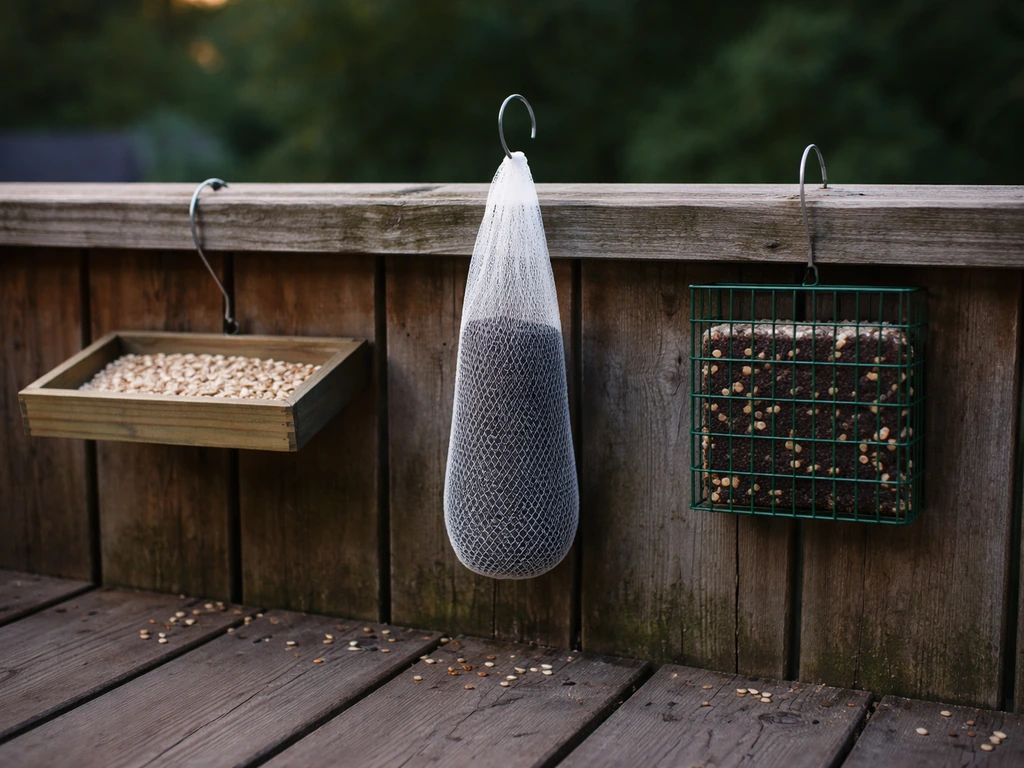
Different birds eat different seeds, which means a pest or moisture problem in one part of a mixed bag affects some species more than others. A typical well-rounded mix might contain roughly 50% sunflower seed, 35% white proso millet, and 15% cracked corn. Each component behaves a bit differently under heat stress and pest pressure.
Sunflower seeds are the staple for cardinals, chickadees, nuthatches, finches, and grosbeaks. They are relatively resistant to mold because of their lower moisture content and oil-rich hulls, but they are a common target for seed moths and weevils. Microwaving works well on sunflower seed, both in-shell and hulled (chips), but hulled chips crack and go rancid faster after heat exposure, so use them within a few days of treatment rather than re-storing.
White proso millet is preferred by ground-feeding birds like juncos, doves, and native sparrows. Millet has a thin seed coat and picks up moisture easily, making it one of the faster-sprouting seeds in a damp storage scenario. If your millet has sprouted, do not microwave it. Sprouted seed has already changed chemically and heat will not restore it. Replace it. Dry millet with insects responds well to microwave treatment since the small seed size heats evenly.
Cracked corn attracts jays, doves, and squirrels but also molds faster than whole seeds due to its broken surface area. Corn is especially susceptible to aflatoxin-producing molds (Aspergillus species), which are dangerous to birds. If the corn portion of a mix shows any discoloration or musty smell, treat the entire batch as a discard, not a microwave candidate.
Nyjer (thistle) seed, popular for finches and siskins, is typically heat-treated by the supplier before sale to prevent germination. It is a fine, oily seed that can go rancid fairly quickly in warm storage. If your finches stop visiting after you switch to a new batch, rancidity or a previous microwave treatment that over-dried the oils is a likely cause. Fresh nyjer from a sealed, recently purchased bag is almost always the better fix than trying to rehabilitate old stock.
In colder northern climates, seed stored in an unheated garage or shed through winter is usually fine because the cold suppresses both insects and mold. The risk window is spring, when temperatures warm up and humidity rises before most people think to check their stored seed. In warm southern or coastal climates, summer is the problem season, and seed can go from fine to heavily infested in just a couple of weeks if stored in a warm shed.
Regional storage habits, how long bird seed lasts overall, and when to consider a new bag rather than treating an old one are all worth keeping in mind as part of your routine. Unopened bird seed can also lose freshness over time, so if you are wondering how long it lasts, the storage conditions and seed type matter how long bird seed lasts overall.
How long bird seed ornaments last depends on how well the seed stays dry and sealed, plus the temperature and humidity where they are displayed Regional storage habits, how long bird seed lasts overall, and when to consider a new bag rather than treating an old one. If you are also wondering how long wild bird seed lasts before it goes stale or attracts pests, track age, storage conditions, and moisture levels.
FAQ
Can I microwave bird seed longer than the recommended time to make sure all insects die?
Do not use a longer time to compensate for a messy microwave setup. Instead, keep the seed in a thin layer (no more than about 20 mm deep) and stir halfway, because thick piles create cold spots that insects can survive. If you suspect underheating, use a second pass after the first, but only with the seed spread thinner.
What should I do if I do not have a thermometer to confirm the seed reached 60°C?
If you do not have a thermometer, rely on method, not guesswork. Use medium power and the full stirring interval, and spread the seed shallow. For denser seeds like in-shell sunflower, plan on using the higher end of the time range, but still stay within the safety window, then cool fully before storage.
Is it safe to microwave frozen bird seed, and does it change how long to microwave?
Yes, but only if it is truly dry and not sprouted. Frozen seed usually reheats safely, but microwave heating can be uneven if the batch is clumped or icy. Spread it thin, microwave on medium, stir halfway, and after treatment confirm it no longer feels cold or damp.
What if the seed is damp but I do not see mold yet, can I just microwave it until it is dry?
Stop and discard if you see visible mold or if the odor is musty, sour, rancid, or otherwise off, because heat will not neutralize stable mycotoxins. For “slightly damp” seed without mold, microwave up to the point where it no longer smells or feels damp after stirring, then switch to air-drying rather than continuing to cook it.
Can I microwave bird seed and put it straight into my feeder or storage bag?
You should not microwave seed directly in the feeder, or leave it in a sealed container while it is hot. The safe workflow is microwave, cool completely at room temperature, then only afterward fill feeders or re-bag for storage. Sealing warm seed is a common reason moisture returns quickly.
If I still see live insects after microwaving, when is the right time to do a second treatment?
For heavily infested batches, a second treatment 2 to 3 days later is most effective when you also correct the cause of survival, usually uneven heating. Re-microwave in a thinner layer with medium power and proper stirring, then cool and re-check for any return of activity over the next day or two.
Can I microwave seed that has started to sprout?
Do not treat if the seed has already sprouted. Sprouting has triggered chemical and enzymatic changes, and microwaving will not “reverse” it. Replace sprouted millet and any obviously sprouted components rather than trying to disinfect by heat.
How do I adjust microwave time if I am treating more than 2 cups of seed?
The key is batch size, not just total time. Larger portions need the same microwave power but a thinner, more even distribution, so use smaller batches if your microwave-safe container forces a deeper pile. If you cannot keep it shallow, reduce the amount per run.
Does seed mix type change the microwave time, especially for in-shell sunflower or cracked corn?
Yes, but it changes heating behavior. In-shell sunflower and some thicker components heat more slowly and can leave inner cold pockets, so use the higher end of the time range and stir carefully. Fine mixes heat faster, so do not automatically apply the longest timing to every blend.
How can I account for differences between microwave wattages when timing the treatment?
Yes. Some microwaves cycle power differently, so the “same time” can underheat on lower-watt units or overheat on higher-watt units. Use medium power consistently, and if you do not see drying progress after the first suggested window, reassess layer depth and moisture handling before extending time.
What should I do if I see sparks or smoke while microwaving bird seed?
Use medium power as stated, then stop immediately if you see smoke or detect burning. Leaving it on longer after smoke is a fire risk, even if it feels like you are “finishing the job.” After a smoke event, let the area settle with the door closed for a minute, then inspect before using again.