
Yes, you can freeze bird seed, and it works well for two main purposes: killing off stored-product insects like weevils and grain beetles, and extending shelf life when you have more seed than you can use quickly. The key is keeping moisture out before, during, and after freezing. Done right, freezing causes no meaningful harm to seed quality and birds will eat it just as readily after thawing.
Can You Freeze Bird Seed? How to Freeze and Thaw Safely

Maya Collins
7 May 2026
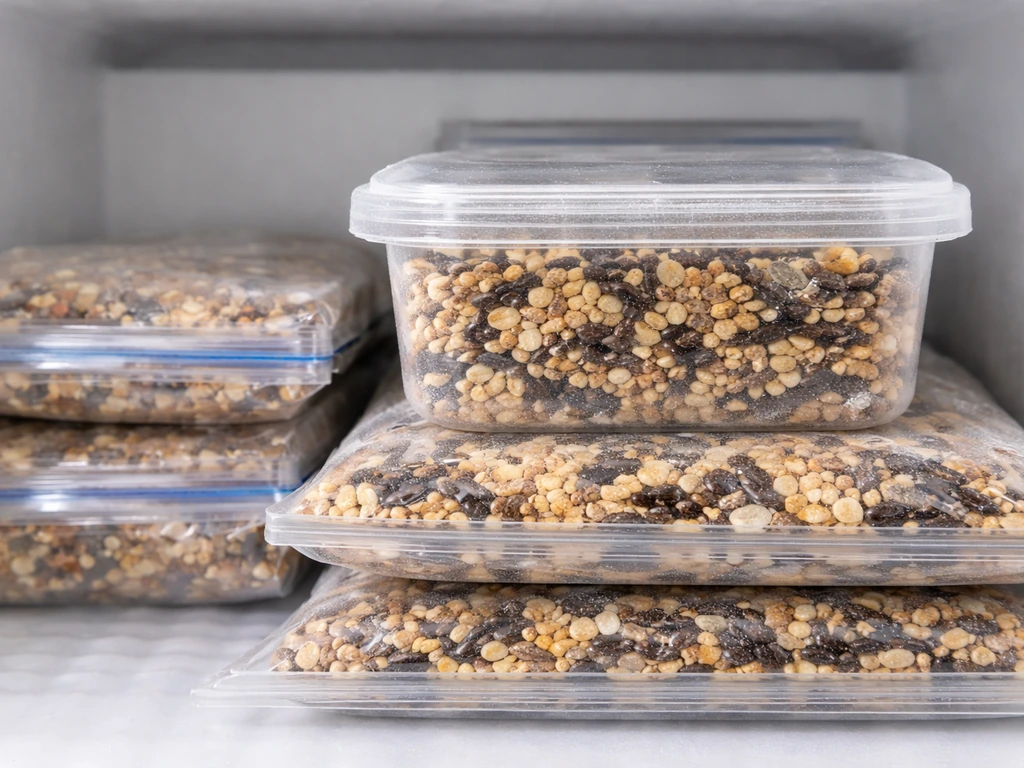
What freezing actually does to bird seed
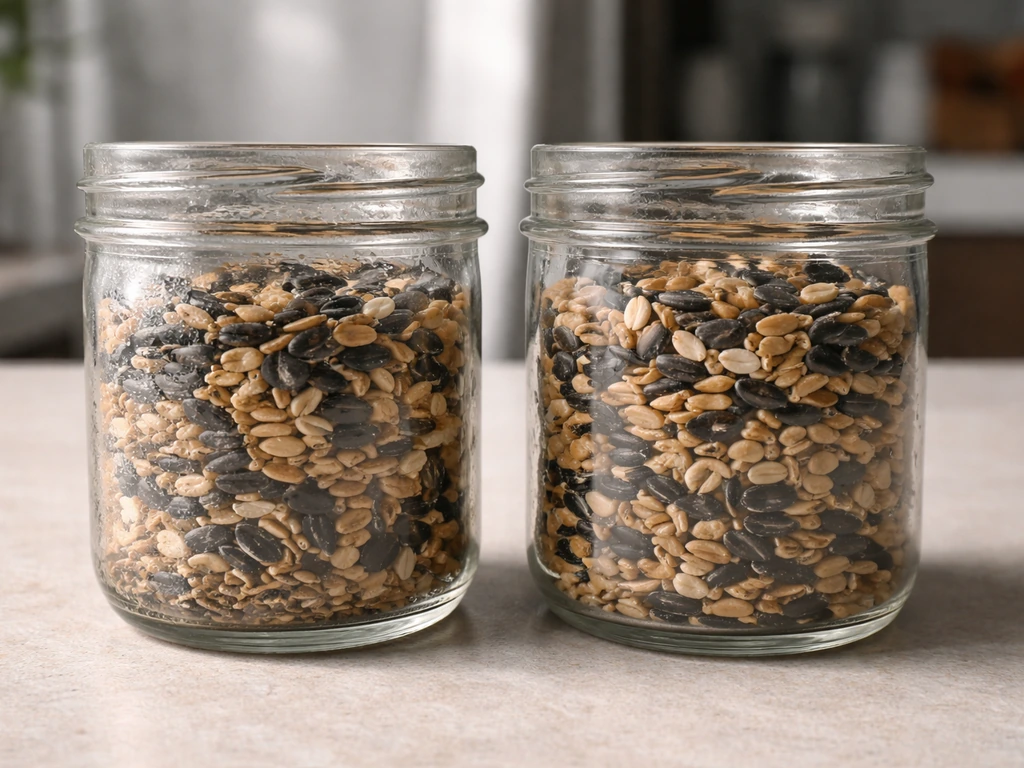
Freezing does not ruin bird seed. The oils in sunflower seeds, nyjer, and safflower remain stable at freezer temperatures, and the nutritional value holds up well. The main thing that changes is germination viability: seed stored at freezer temperatures for extended periods is less likely to sprout when it lands in the yard, which is actually a benefit if you want to keep seed from becoming a weed problem under your feeders.
For pest control, the cold works by disrupting insect development. Most stored-product insects that get into bird seed (sawtoothed grain beetles, rice weevils, red flour beetles, and their relatives) cannot survive sustained exposure to 0°F. The catch is that the seed itself acts as a buffer, so the insects at the center of a large, dense package may not reach the target temperature as fast as those near the surface. This is why packaging size matters, which I'll cover in the next section.
One thing freezing does not fix is mold. If seed already has moisture and visible mold when it goes in, freezing pauses the problem but does not eliminate it. Cold-tolerant molds can still be present after thawing and the mycotoxins they produce are not destroyed by low temperatures. Freezing is a preservation tool, not a remediation one.
How to freeze bird seed the right way
Portion it before you freeze
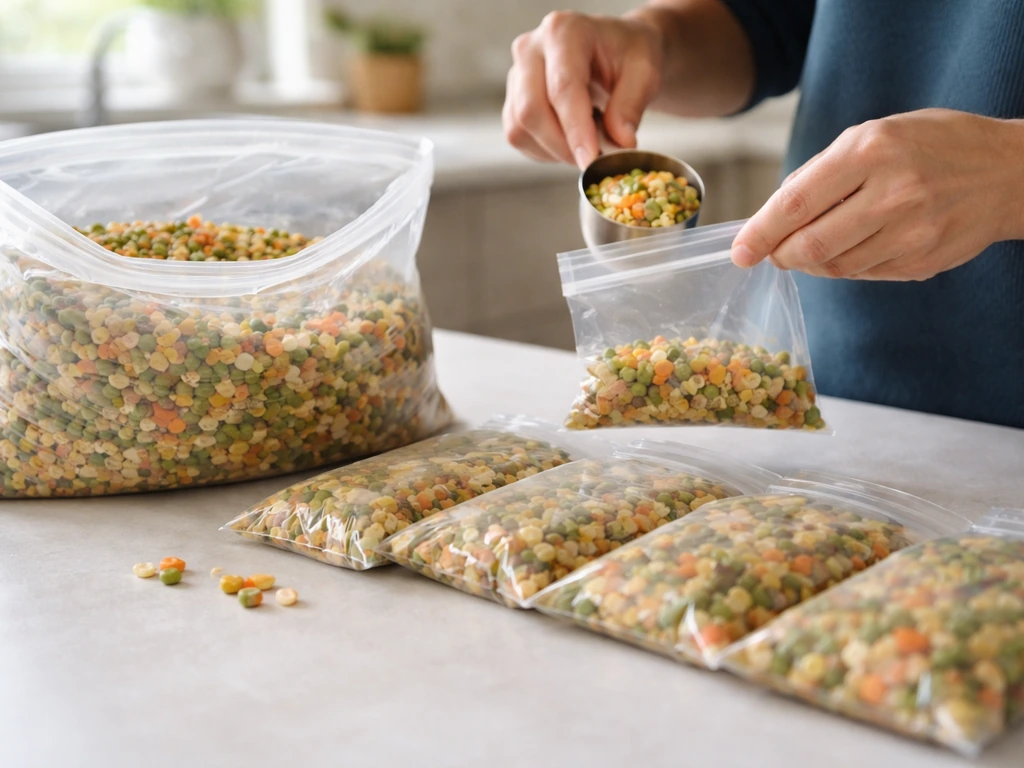
The single biggest practical tip: divide a large bag of seed into smaller portions before freezing. Smaller packages freeze faster and more uniformly, so insects throughout the package actually reach lethal temperatures. One to five pound portions work well for most households. A week's worth of feeding per bag is a useful target.
Packaging to use
Use airtight, moisture-proof containers. Heavy-duty zip-lock freezer bags with the air pressed out work fine. Rigid airtight containers (plastic or glass) are even better because they prevent the seed from picking up any freezer odors and are easier to stack. Avoid thin grocery bags or loosely closed containers because condensation will work its way in during temperature transitions. Label each bag or container with the seed type and the date you froze it.
How long to freeze for pest control
For small packages (one to two pounds), four days at 0°F is the commonly cited minimum. For larger packages up to about five pounds, extend that to six days at 0°F to -2°F. If your freezer runs warmer than 0°F, add extra days or split the seed into smaller portions. Some extension guidance notes that a single freeze cycle may not catch all eggs that hatch after thawing, so if you have a persistent infestation, repeating the freeze after a few days at room temperature can help catch newly hatched larvae.
Thawing without creating condensation problems
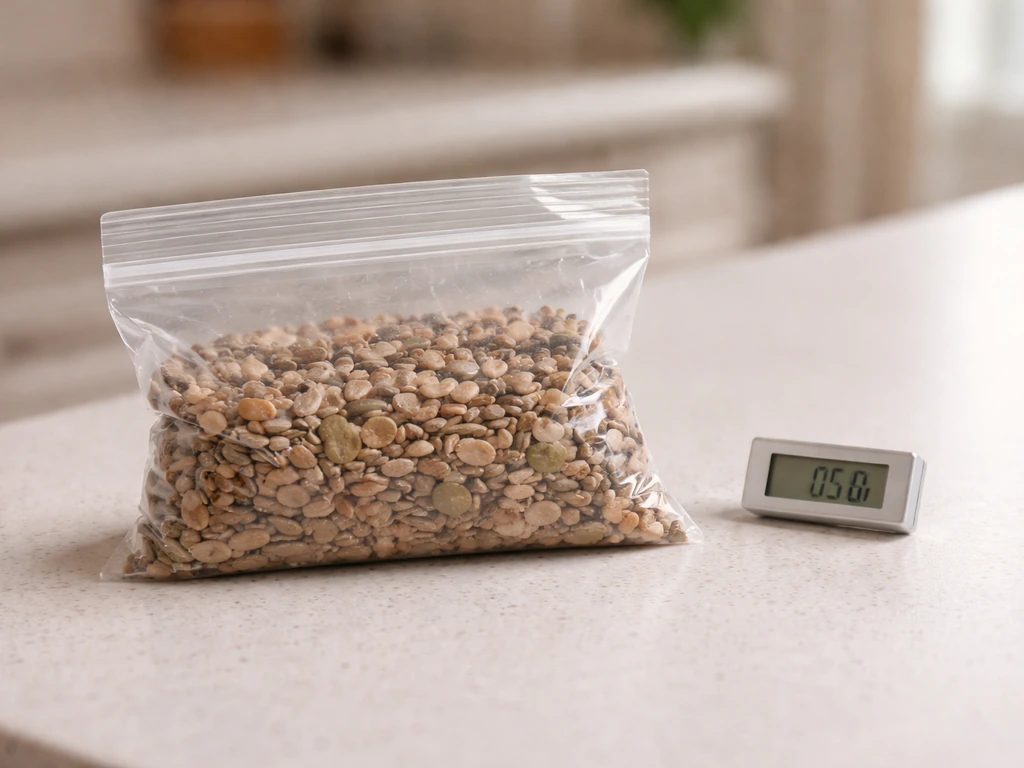
This step is where most people accidentally cause damage. When frozen seed is brought into a warm, humid room, moisture condenses on the cold seed surface, which is exactly the kind of dampness that triggers mold and clumping. The right way to thaw is to leave the sealed bag or container on a counter and let it come up to room temperature slowly before you open it, usually two to four hours for a small bag. Do not open the container while the seed is still cold. Once the outside of the container feels close to room temperature, then open it and check that the seed is dry and flowing freely before putting it in a feeder.
When freezing is actually worth it (and when it is not)
Freezing earns its place in two main situations. First, when you buy seed in bulk and cannot use it within a month or two, freezing keeps it fresh far longer than leaving it in a garage or shed. Second, when you notice signs of insects (webbing, fine powder, moving specks, or live beetles) in a bag you just opened, freezing is a fast way to stop the infestation before it spreads.
In winter, outdoor temperatures in colder climates can drop to 0°F or well below, which naturally suppresses insect activity in stored seed. If you store seed in an unheated garage or shed in a climate like that, you are essentially already doing this, just without the controlled conditions of a freezer. That is worth keeping in mind: in mild climates or warm storage areas, insects and mold thrive year-round, so freezer storage is more valuable there.
Freezing is not worth the effort for seed you plan to use within one to two weeks, seed you store in a properly sealed airtight container in a cool dry area, or seed that has already shown signs of moisture or mold. If you are trying to sterilize bird seed to deal with insects or contamination, freezing is one option to consider before you use the seed seed you plan to use within one to two weeks. For everyday storage, a cool dark location in an airtight metal or hard plastic container is sufficient and simpler. If you want to keep bird seed fresh longer, the goal is the same: store it sealed and keep it in a cool, dry spot to limit moisture. Can you store bird seed in the fridge? If your goal is to slow insects and moisture issues, refrigeration can help in the short term when the seed is sealed and kept dry.
Risks and downsides to know before you freeze
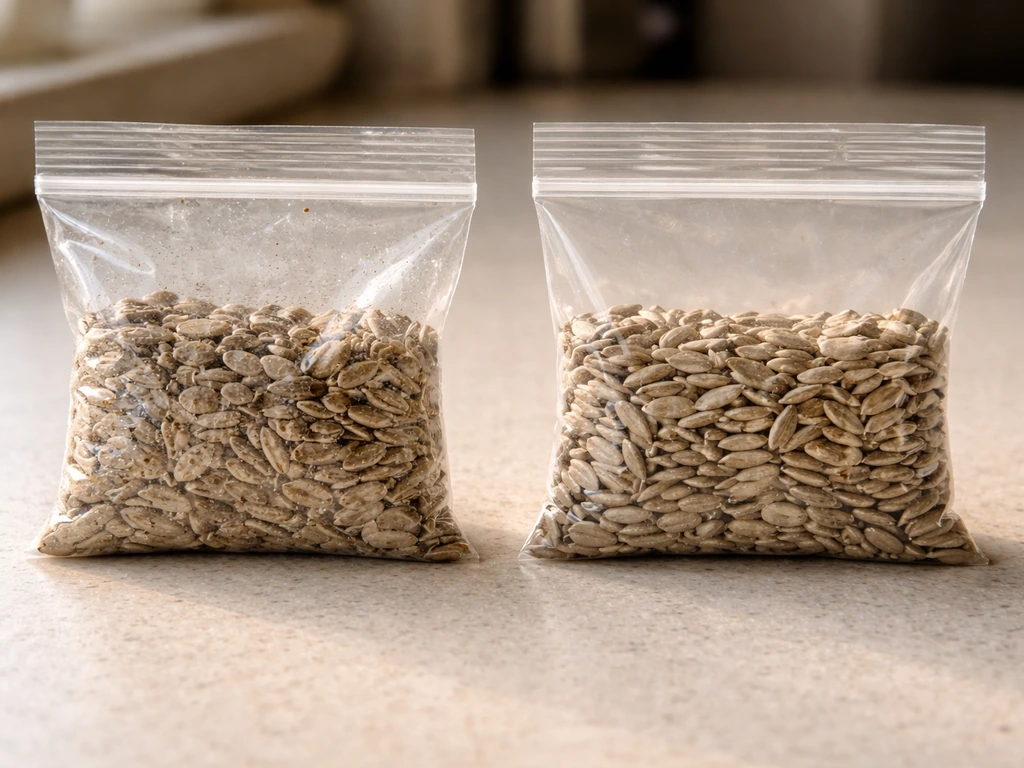
- Moisture contamination: Any gap in your packaging allows freezer condensation in. Even small amounts of moisture lead to clumping and create conditions for mold once the seed thaws.
- Freezer burn: Seed stored in thin or loosely sealed bags for several months can dry out unevenly or absorb off-odors, which reduces palatability for birds.
- Incomplete pest kill: Insects at the center of a large, dense package may not reach lethal temperature if the package is too big or the freeze time too short. The grain acts as insulation.
- Mold survival: Freezing does not kill existing mold spores or destroy mycotoxins already present in the seed. Contaminated seed that goes in contaminated comes out contaminated.
- Condensation on thawing: Opening frozen seed in a warm humid environment coats the seed in moisture within minutes. This is the most common mistake and the most avoidable.
- Repeated freeze-thaw cycles: Every cycle that involves a temperature swing and an open container is another opportunity for moisture to enter. Freeze in use-sized portions so you never have to refreeze a partial bag.
Shelf life and handling after freezing
Well-packaged bird seed can be frozen for up to a year without meaningful quality loss. Once thawed and opened, treat it like any other seed: use it within four to six weeks if stored in a sealed container in a cool, dry location, or within one to two weeks if stored in a warm area. Do not put thawed seed back into the freezer unless you are confident it is still completely dry.
After thawing, the practical rules for preventing sprouting and mold are the same as for fresh seed: keep it dry, keep it sealed, and only put small amounts in feeders at a time so seed does not sit exposed to rain and humidity for days. Wet seed in a feeder is a health hazard for birds regardless of how the seed was stored before. Preventing sprouted seed under feeders is partly about not overfilling, since excess seed falls to the ground and germinates.
| Storage method | Best for | Shelf life | Key risk |
|---|---|---|---|
| Airtight container, cool dry location | Regular use, up to 1-2 months of supply | 1-3 months | Insects if not pest-free at purchase |
| Refrigerator | Small quantities, short term | 1-2 months | Moisture absorption, odor transfer |
| Freezer (properly sealed) | Bulk storage, pest control | Up to 12 months | Condensation if opened cold |
| Outdoor shed/garage (winter, cold climate) | Large quantities in cold regions | Season-dependent | Temperature swings, rodent access |
Troubleshooting old or freezer-aged seed
How to evaluate seed before feeding
When you pull seed out of the freezer after a long stretch or find a bag that has been sitting for months, run through this quick check before putting anything in a feeder.
- Let the sealed container fully reach room temperature before opening it.
- Open and smell it first. Fresh seed has a mild, neutral, or slightly nutty smell. A sour, musty, or rancid smell means discard it.
- Look for clumping. Seed that clumps together in damp masses has had moisture exposure. Break a clump apart and check inside for gray or white mold. If you see or smell mold, discard the whole batch.
- Check for live insects. If the seed was frozen correctly, insects should be dead. If you see movement or fresh webbing, the freeze may not have been effective and you should inspect closely.
- Look for excessive dust or fine powder, which can be frass (insect excrement) from an active infestation. A little dust from shell fragments is normal; a thick layer of powder is not.
- If the seed looks clean, smells fine, and flows freely, it is good to use.
Sorting and cleaning questionable seed
If only part of the batch looks questionable, you can sort out the clearly moldy or clumped portions and use the rest, but be honest about what you are seeing. Spread seed on a clean light-colored tray and look it over in good light. Remove any discolored, shriveled, or stuck-together seed. Rinse your hands after handling and clean your work surface afterward. Dead insects in the seed are not automatically harmful to birds, but large numbers suggest a poor storage history and it is reasonable to discard heavily infested batches.
When to discard and how to clean up
Always discard seed that is moldy, smells rancid, or is heavily contaminated with insect frass. Do not dump it on the ground near your feeding area because birds may still eat it and mold on the ground can spread to other seed. Seal it in a bag and put it in the trash. After handling compromised seed, wash the storage container with hot soapy water, rinse well, and let it dry fully before adding new seed. If the contamination involved visible mold, a dilute bleach rinse (one part bleach to nine parts water, fully rinsed off and dried) before reuse is a smart step. The same hygiene principle applies to your feeders: if you have been feeding seed that had early signs of mold or insects, give the feeder a thorough cleaning before refilling.
Deciding whether to feed or toss
When in doubt, the guiding rule is simple: if you would not eat it yourself based on smell and appearance, do not feed it to birds. Birds are vulnerable to the same mold toxins and bacterial contamination that make stored food unsafe for other animals. Clean, dry, odor-free seed that has been properly frozen and thawed is perfectly safe. Anything that fails that basic sensory check is not worth the risk.
FAQ
Can you freeze bird seed if the bag already got a little damp or looks clumpy?
Only if it is not visibly moldy and you can confirm it is dry inside. If the seed feels damp or has a musty odor or sticky clumps, freezing will not remove mold and it can still produce mycotoxins after thawing, so it is safer to discard it and avoid trying to “salvage” questionable seed.
Do you need to thaw bird seed before putting it in a feeder?
Yes, thaw sealed seed slowly at room temperature until the container is no longer cold to prevent condensation from forming on the seed. Once thawed, check that the seed is dry and flowing freely before filling a feeder, then refill with small amounts so rain and humidity do not sit on the seed for days.
What is the safest way to deal with a freezer bag after thawing, can I open it while still cold?
Do not open it while the seed is still cold. Keeping it sealed while it warms helps prevent moisture from the air condensing onto the seed surface, which reduces mold risk and helps prevent clumping.
If I thaw a container and only use some of the seed, can I refreeze what is left?
Refreezing is not recommended unless you are confident the seed stayed completely dry after thawing. Once a package is opened and exposed to room humidity, it can pick up moisture, so treat thawed seed like fresh seed and use it promptly.
Will freezing kill every insect life stage, including eggs?
Freezing is very effective against stored-product insects, but a few newly hatched individuals can appear after you thaw, especially when the package is large and warms slowly. If you still see active infestation after a thawed bag is set up, repeating the freeze cycle after a short period can help with newly hatched larvae.
Does freezing damage specific types of seed like sunflower, safflower, or nyjer?
Generally no meaningful quality loss, the oils in many common seeds stay stable at freezer temperatures. The main drawback is reduced germination viability, which is usually a benefit for preventing sprouting under feeders.
How do I know whether my freezer temperature is cold enough for pest control?
If your freezer runs warmer than 0°F, you should compensate by splitting seed into smaller portions and increasing the freeze duration. A practical step is to place an inexpensive freezer thermometer inside and verify it actually reaches the target temperature before you rely on freezer storage for insect control.
What should I do if I forgot to freeze a bag of seed quickly after spotting insects?
Act as soon as you can: isolate the bag from other stored seed, seal it airtight, and freeze it in smaller portions if possible to reach lethal temperatures faster. Continue monitoring after thawing, and clean the storage area so you do not transfer pests to other seed.
Can I freeze seed in bulk without dividing it first?
It is possible, but less reliable for pest control because the center of a large package warms and cools more slowly. Dividing into 1 to 5 pound portions helps ensure the insects throughout the package experience sustained lethal cold and reduces uneven thawing issues.
Is it okay to freeze seed in paper or thin grocery bags?
Avoid it. Thin or not-fully sealed bags allow moisture and odors to transfer during temperature changes, which can lead to condensation and clumping. Use airtight moisture-proof containers, heavy-duty freezer bags with air pressed out, or rigid airtight containers.
After thawing, how long can I store bird seed before it becomes risky?
Once opened or after thawing, use it within the normal window for your storage conditions: about 4 to 6 weeks if kept sealed in a cool, dry place, and 1 to 2 weeks if kept warm. Treat warm indoor storage as higher risk because it encourages moisture uptake and mold growth.
Can I dump “questionable” seed onto the ground under feeders to use it up?
No. If seed is moldy, rancid, or heavily contaminated, do not feed it and do not dump it near your feeding area because birds may still eat it and mold can spread to other seed. Seal it and discard it, then clean the container and feeders before refilling.
Next Articles
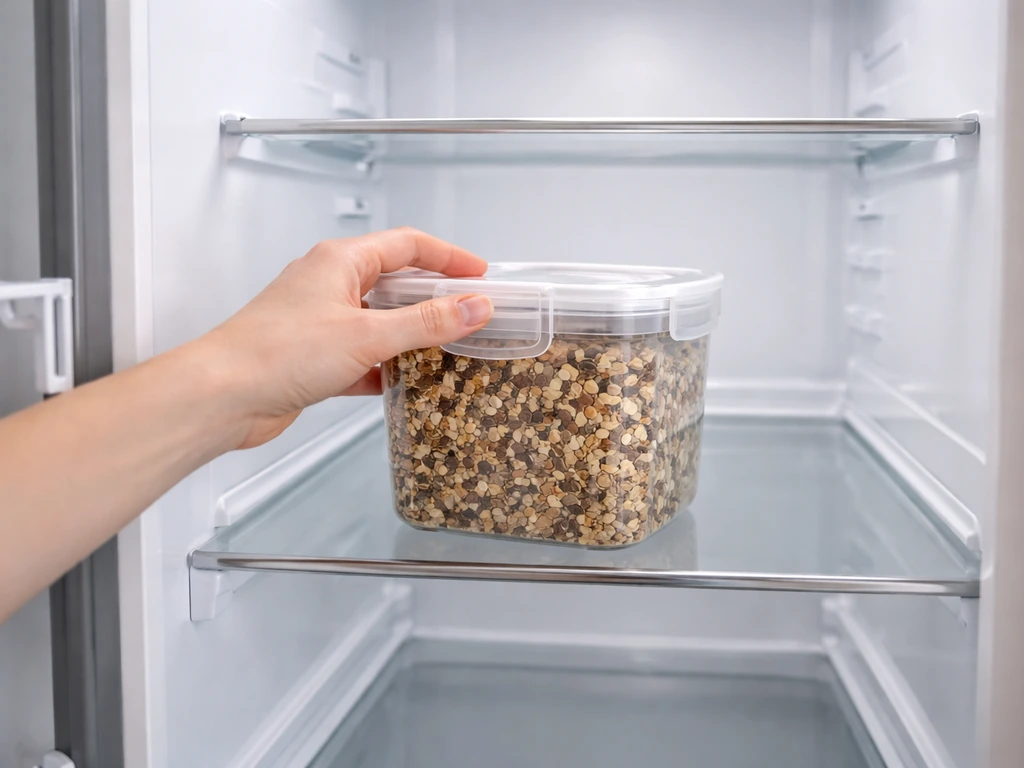
Can You Store Bird Seed in the Fridge Safely?
Get a clear answer on storing bird seed in the fridge, with airtight steps, moisture prevention, spoilage checks, and pe
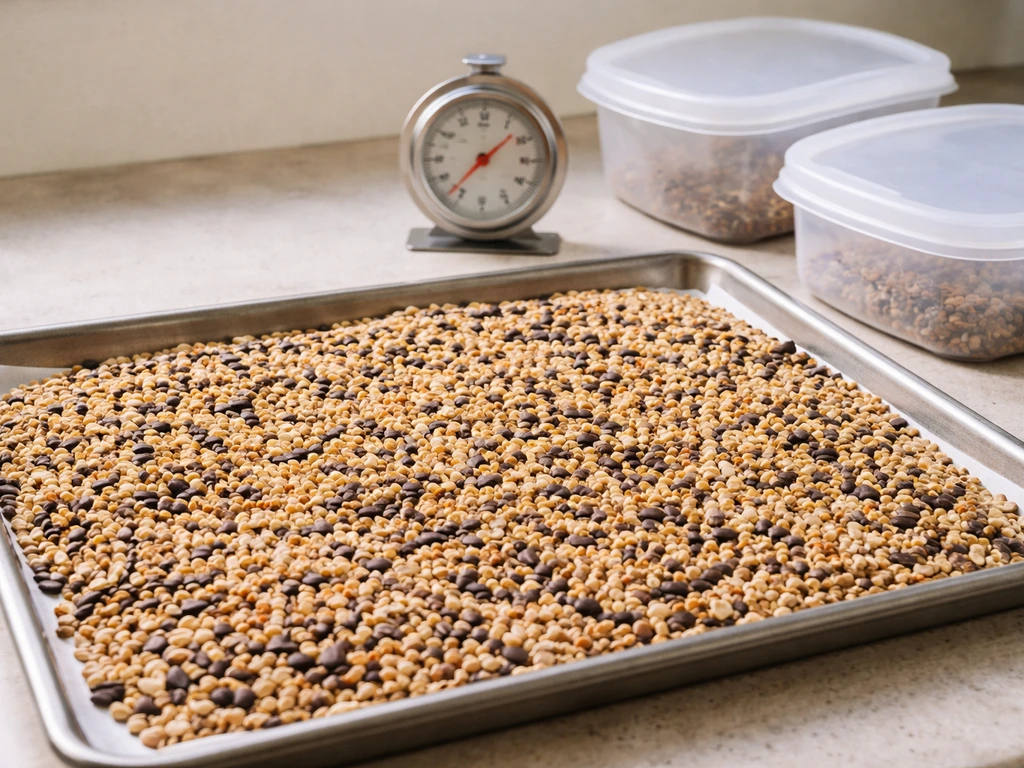
How to Sterilize Bird Seed: Safe Steps for Clean Seed
Learn how to sterilize wild bird seed step by step, safely drying and storing it, plus cleaning feeders to prevent mold
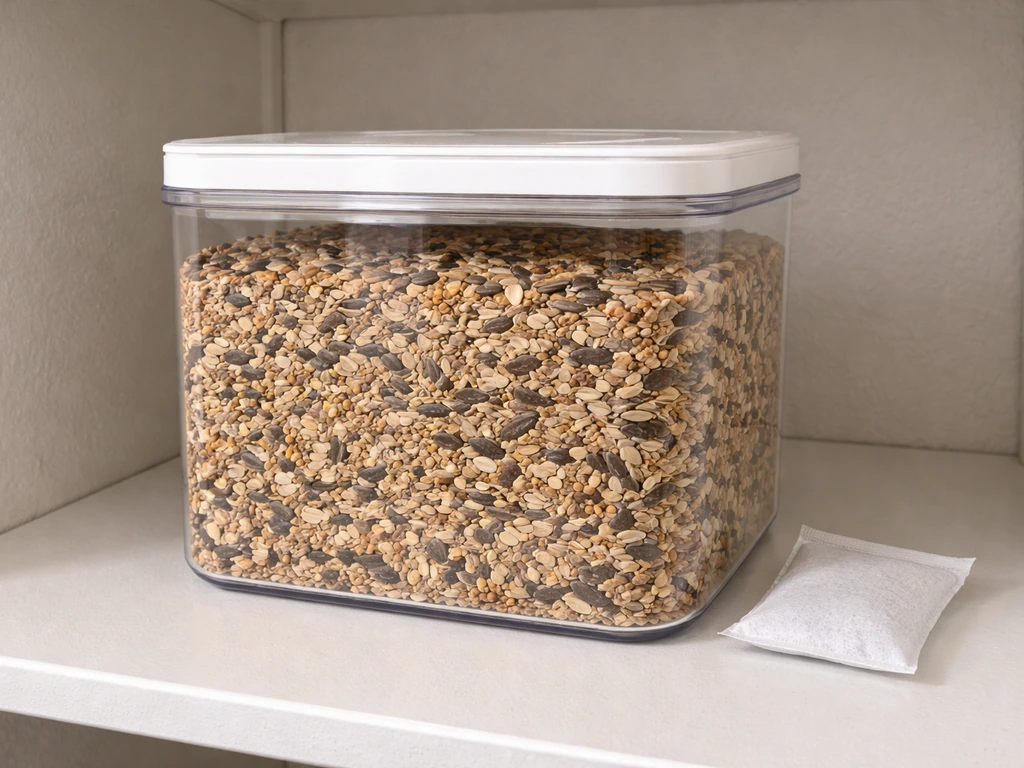
How to Keep Bird Seed From Sprouting: Fix Damp, Wet Seed
Stop bird seed sprouting by fixing damp storage, cleaning spills under feeders, and keeping seed dry and cool.