Millet bird seed is exactly what it sounds like: small, round grass seeds from the millet plant, sold either on their own or mixed into wild bird blends. The term shows up on bag labels, ingredient lists, and feeder guides constantly, but it actually covers a handful of different plant species and seed colors. Here is everything you need to know to identify it, use it well, and keep your feeder setup clean and pest-free.
What Is Millet Bird Seed? Look, Use, Storage Tips

Maya Collins
13 Apr 2026
Millet basics: the crop and why it ends up in bird seed
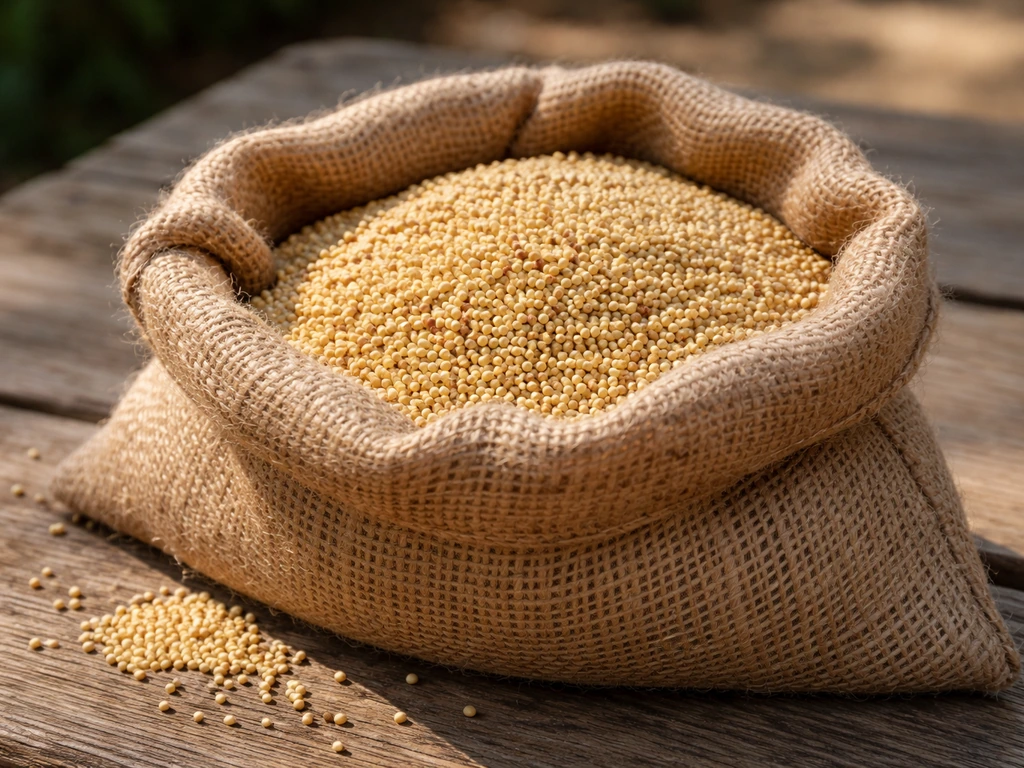
Millet is a collective name for several fast-growing grass crops grown around the world for food, forage, and cover. The three types you will most often encounter in bird seed are proso millet (Panicum miliaceum), foxtail millet (Setaria italica), and pearl millet. They are all annual grasses, they all produce small starchy seeds, and they are all inexpensive to grow, which is why seed companies love them.
Proso millet is the workhorse of wild bird blends. It is easy to hull, nutritious, and highly attractive to a wide range of ground-feeding and platform-feeding birds. Pearl millet has real potential as a food for songbirds, especially in higher-yielding grain varieties. Foxtail millet takes a slightly different commercial path: it is often harvested as whole seed heads and sold as "spray millet" for caged birds like parakeets, giving them something to pick at naturally rather than eating loose seed from a dish.
How to tell if a bag actually contains millet
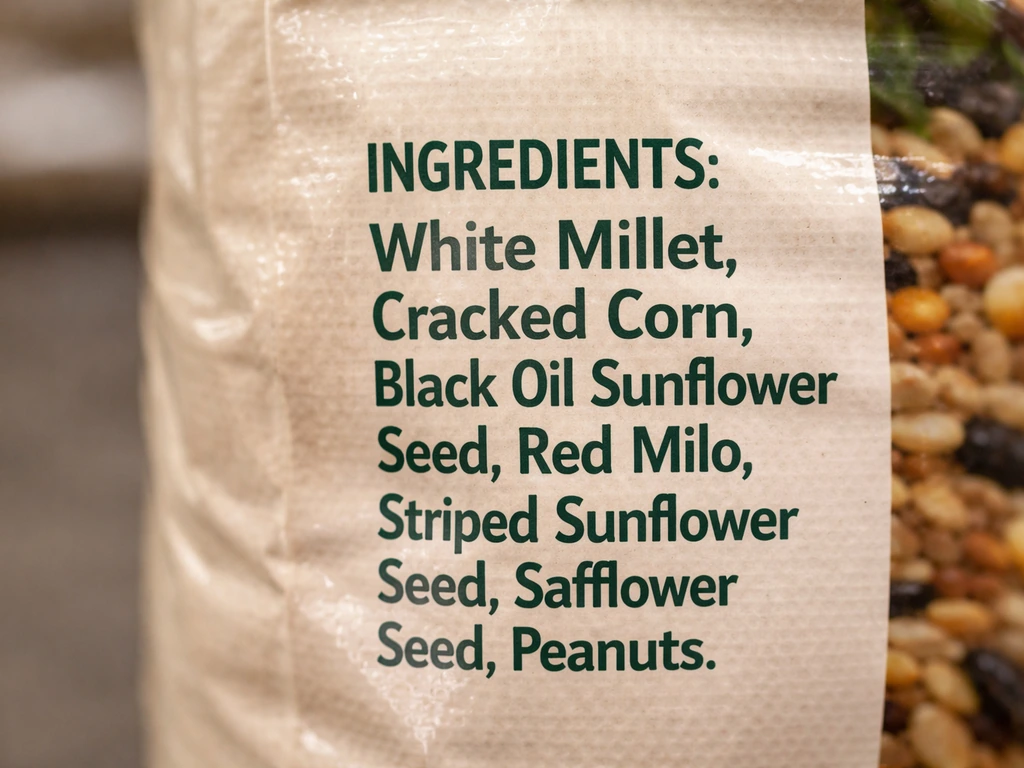
Start with the ingredient label on the back or side of the bag. In the US, wild bird food is subject to feed labeling rules, and millet has to be listed by name if it is present. You might see it called "Millet," "White Millet," "Red Millet," or even have multiple millet types listed separately, for example "Millet, Red Millet" appearing alongside other ingredients like milo or cracked corn. If the label says only "grain products" or uses a vague collective term without naming millet specifically, you cannot be sure it is in there.
If you already have a bag open and want to check visually, look for the small, round, pale seeds described in the next section. A good-quality wild bird mix listing millet as one of its first few ingredients will have a noticeable volume of those tiny round beads compared to the larger sunflower seeds or corn pieces in the same bag. If millet is listed near the bottom of the ingredient list, it may be only a minor component of the blend.
What millet bird seed looks like in the bag
Proso millet seeds are small, round, and smooth, roughly 2 mm in diameter, and they come in white, yellow, or red depending on the variety. White proso millet is the most common type you will find in commercial wild bird mixes, and it has a creamy or pale ivory color. Red millet is similar in shape but has a reddish-brown hull. Foxtail millet seeds are even tinier, around 1.5 to 2 mm long, with a thin papery hull. If you pour a handful of a typical wild bird blend into your palm, the millet seeds will be the smallest, roundest items in the mix, noticeably tinier than sunflower seeds or safflower, and rounder than elongated nyjer seed.
In a bag that contains multiple millets, you may notice a slight color variation among the small round seeds. The creamy-white ones are white proso millet, the darker reddish-brown ones are red millet. Both will look uniform and smooth, without the ridges or elongated shape you see with milo (sorghum), which is another common blend filler. If you want a deep dive on the differences, the article on what milo is in bird seed explains how to visually separate those two ingredients.
Is millet bird seed good for birds?
Yes, with some caveats. White proso millet is widely considered the most attractive millet type to wild birds, and it draws a solid variety of backyard species. Ground feeders and platform feeders will give you the best results because many of the birds that love millet naturally forage close to or on the ground.
Here is what you can generally expect millet to attract to a typical backyard setup:
- Sparrows (native sparrows like song sparrows, white-throated sparrows, and chipping sparrows are reliable visitors)
- Juncos (especially in winter months)
- Doves (mourning doves and Eurasian collared-doves will clean up dropped seed from the ground)
- Towhees (eastern and spotted towhees scratch for it under feeders)
- Finches and buntings (indigo buntings and house finches will pick millet from trays)
- Parakeets, cockatiels, lovebirds, and canaries (for captive or caged bird setups)
The limitation worth knowing: many of the birds people most want to attract (chickadees, nuthatches, woodpeckers, cardinals) largely ignore millet. Cardinals prefer black-oil sunflower seed, and woodpeckers want suet or peanuts. Millet is not a bad seed; it just has a specific audience. You will get the most out of it if you offer it in a low tray feeder or sprinkle it on the ground to target ground-feeding sparrows and juncos, especially in winter. In warmer months, scattered millet can attract a less desirable crowd if it sits too long, which is something the troubleshooting section covers.
If you are specifically trying to figure out whether a particular millet variety in your bag is pulling its weight, the article on what white millet bird seed is breaks down the variety differences and which birds respond to which types.
How to use millet bird seed safely
Storage: keep it cool and dry
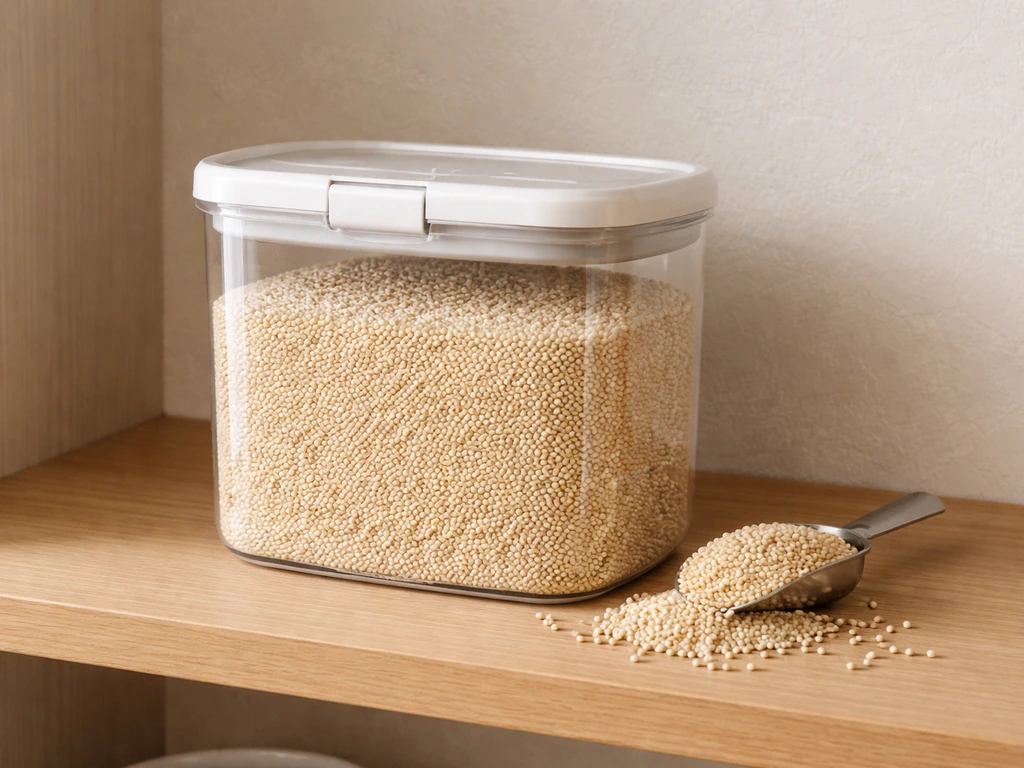
Millet is a dry grain, and it stores well when conditions are right. Keep your bag or bin in a cool, dry location. A temperature around 65°F (18°C) or below will significantly reduce insect activity in stored seed. Avoid garages or sheds that get hot and humid in summer, because heat and moisture are the two fastest ways to ruin a bag of seed. Airtight containers (metal or thick plastic with locking lids) are better than leaving seed in the paper bag it came in, which insects and rodents can chew through easily.
What to do if the seed gets wet
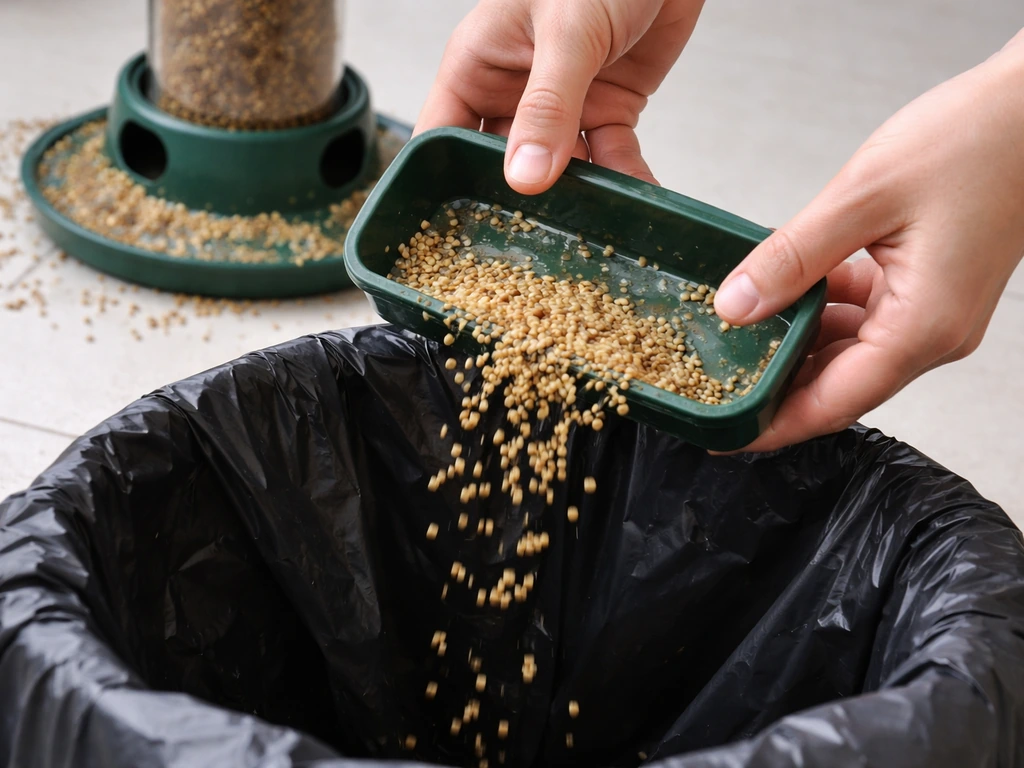
If seed in a feeder or bag gets wet, do not just let it dry out and keep using it. Penn State Extension recommends storing bird seed in a cool, dry place and discarding it if it becomes moldy discard wet seed instead of continuing to use it. Wet millet can develop mold within a day or two in warm weather. Empty wet seed into the trash, clean the feeder or container thoroughly before refilling, and let it dry completely before adding fresh seed. Any seed that smells sour, musty, or otherwise off should be discarded immediately. Bacteria and mold that grow in wet seed are genuinely harmful to birds, so this is not just a housekeeping preference.
Sprouting: what to watch for
Millet is a viable seed, which means it can sprout if it gets enough moisture. This happens most often under feeders where spilled seed sits on damp soil, or in a tray feeder that collects rain. Sprouted seed is not automatically dangerous to birds at the very early stage, but it creates the kind of damp, decomposing organic material that mold and pests love. Whether millet bird seed sprouts and under what conditions is worth understanding if you keep finding green shoots under your feeder. The short answer: yes, it will sprout if the conditions are right, so keeping spilled seed swept up is the most reliable prevention.
Some people find the sprouting angle interesting rather than annoying. Millet seed sold for birds is real, viable grain, which is why there is crossover curiosity about uses like whether you can use bird seed for microgreens or sprouting bird seed for chickens. Both are legitimate uses for fresh, uncontaminated millet seed, but the seed has to be clean and untreated to be safe for consumption.
Feeder cleaning schedule
Clean seed feeders at least once a month under normal conditions, and step that up to every two weeks (or more often) in hot, humid weather or if the feeder sees very heavy traffic. Scrub with a mild soap and water solution, rinse thoroughly, and let the feeder dry completely before refilling. Under feeders, sweep up old or discarded seed regularly because damp seed piles on the ground are a primary mold and pest risk.
Troubleshooting: pests, waste, and mess
Insects in the seed bag
The most common insects you will find in stored millet or wild bird blends are Indian meal moths, Mediterranean flour moths, and grain weevils. These are stored-product pests, and they often hitch a ride home inside the seed bag you bought at the store. If you open a bag and see webbing, larvae, or small moths flying out, the seed is infested and should be discarded outside immediately. Do not leave it in your kitchen or pantry. UGA research on stored-product pests points out that infested bird seed brought into the home is a common source of pantry moth problems in households.
To prevent bringing infested seed into your home, inspect the bag before buying (look for small holes or webbing), store seed in a sealed hard-sided container rather than the original bag, and keep storage areas clean of spilled seed. To prevent future insect problems, the University of Alaska Fairbanks Cooperative Extension advises examining dried food packages in-store for breakage or insects and then storing them in clean containers with tight-fitting lids such as metal, glass, or hard plastic inspect the bag before buying and store seed in a sealed hard-sided container. Vacuuming up any spilled seed from shelves, floors, and storage areas removes the food source that lets an infestation spread. If you find moths or weevils inside the house, check all stored grain products (not just bird seed) because they spread.
Wasted seed and mess under feeders
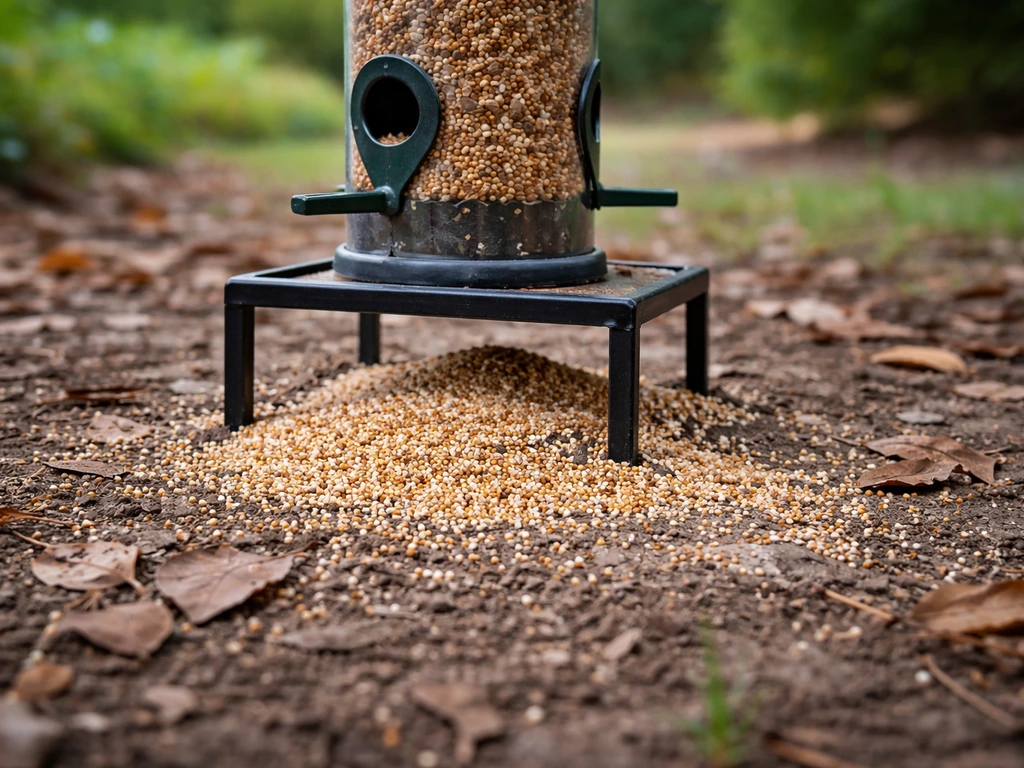
Millet is a small, lightweight seed, and birds will kick it out of a tube feeder looking for sunflower seeds. If you are finding piles of millet under a tube feeder that birds are ignoring, that waste has several causes and fixes:
| Problem | Likely Cause | Fix |
|---|---|---|
| Millet piling up under tube feeder | Birds prefer other seeds in the mix and toss millet aside | Switch to a tray or platform feeder, or offer millet separately on the ground |
| Sprouting under the feeder | Spilled wet millet on bare soil | Sweep up spilled seed weekly; use a catch tray or seed mat under the feeder |
| Mold under or in the feeder | Wet seed not removed promptly | Discard wet seed immediately, clean feeder, and add drainage holes to trays if needed |
| Rodents or squirrels at ground level | Fallen millet attracting mammals overnight | Rake up uneaten ground seed before dusk; consider a no-mess hull-free blend |
Bad odors from seed
A sour or musty smell from a feeder or seed bag almost always means mold. Millet that has absorbed moisture and started to ferment or mold will smell noticeably off. If the odor is coming from a stored bag, discard it outside. If it is coming from a feeder, empty it, scrub it with soapy water, rinse well, and dry it completely before refilling. Never try to mix moldy seed with fresh seed to use it up; moldy seed should go straight in the trash.
Humid climates and rainy seasons make all of this worse. If you live somewhere with consistently wet summers, consider smaller feeder fills so seed turns over faster, and check feeders every few days rather than once a week. Unusually wet or slow-traffic periods are the fastest way to end up with spoiled seed, so adjusting your fill quantity to match bird activity is one of the most practical habits you can build.
FAQ
How can I tell if the millet in bird seed is safe for birds, not treated or coated?
Not usually. If a bag is labeled with millet by name (for example, “Millet” or “Red Millet”), it is typically plain seed for feeding. However, you should avoid “coated,” “treated,” or “planting” grain that is not intended for pet or wildlife use, because those can include preservatives or other additives you do not want around birds.
Where should I put millet bird seed to get the best results (tray, ground, or tube feeder)?
Use low trays or ground scattering if your goal is sparrows and juncos, because many millet specialists are ground foragers. For tube feeders, millet often gets displaced when sunflower is available, so if you use a tube feeder, consider a mesh or low-slinger style setup and mix millet with seeds birds prefer to reduce spillage.
If I buy a mixed wild bird seed, how do I know whether millet is actually a major ingredient?
A strong sign is that millet is the smallest, roundest ingredient in the mix. If millet sits near the bottom of the ingredient list, it is probably a minor filler, meaning birds may take it only incidentally. If you want millet to be a main attractant, choose blends where millet is in the first few listed ingredients.
What are the early warning signs that a millet bag has started to get infested?
Do not rely on a one-time inspection. Reseal and store the seed immediately after opening, then periodically check the container for webbing, clumping, or tiny insects, especially during warm months. If you see any flying moths when you pour, assume the whole bag is compromised and discard it.
How do I adjust millet feeder refills in hot or humid weather?
Temperature can matter even before the seed spoils. In very hot weather, smaller, more frequent refills reduce the chance that moisture exposure or slow turnover will let mold establish in the feeder. As a rule of thumb, if you routinely have leftovers sitting for more than a few days, reduce the fill size.
Is it safe to leave spilled millet under a feeder, and what should I do if it starts sprouting?
Yes, millet can sprout and become a damp, decomposing patch, which also attracts pests. Sweep up spilled seed under feeders regularly, and prevent rain pooling in trays. If green shoots appear, remove the area and dry it out before refilling.
Why do my favorite backyard birds ignore millet, and how should I pair it with other seeds?
Millet is different from sunflower kernels, and it is often less favored by many common “backyard favorites” like cardinals and woodpeckers. If those species are your priority, use millet as a targeted supplement rather than the main seed, and pair it with seeds they prefer (for example, black-oil sunflower for cardinals, suet or peanuts for woodpeckers).
If my millet feeder got wet due to rain, can I dry the seed and keep using it?
If only a small amount got wet, the safest approach is to discard the wet portion, not dry it and reuse. Mold can start internally, so “drying later” does not reliably make it safe again. Clean the feeder and fully dry it before adding fresh seed to prevent mold spores from carrying over.