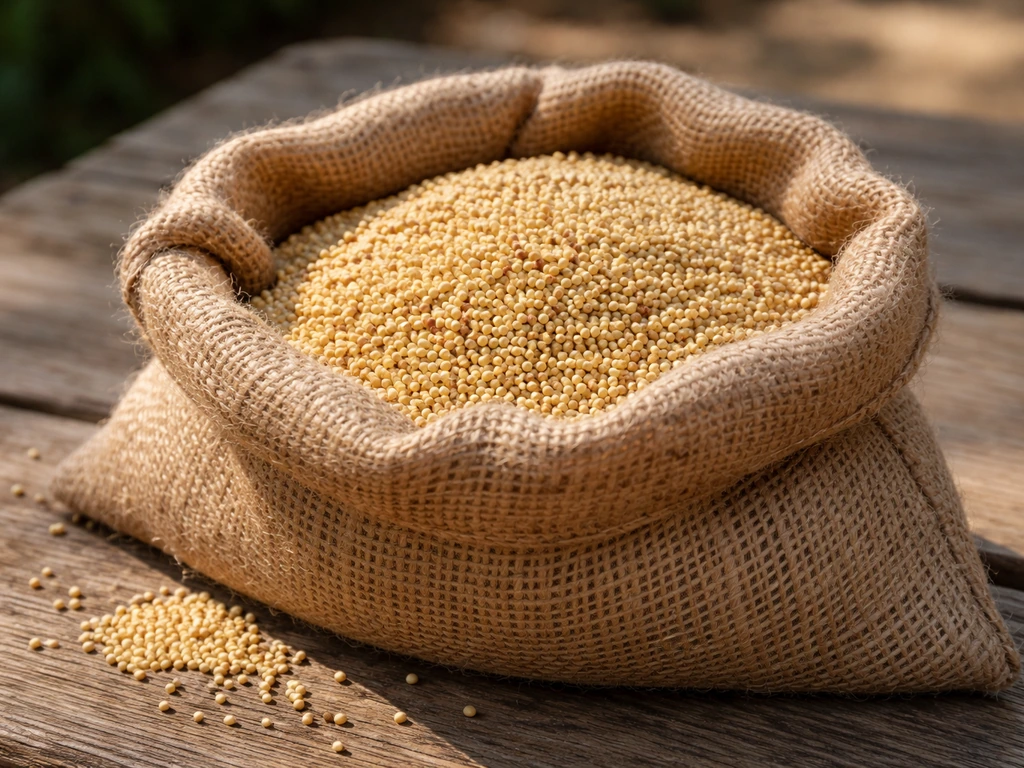
Milo in bird seed is grain sorghum, full stop. The small, round, reddish-white seeds you see in most economy wild bird mixes come from Sorghum bicolor, a cereal grain crop grown widely for livestock feed and ethanol production. In the bird seed world, the name "milo" and "sorghum" are used interchangeably, and you'll often see it listed on bags as "milo," "grain sorghum," or simply "sorghum." It's one of the most common filler ingredients in cheap blends, which is exactly why it's worth understanding before you buy.
What Is Milo in Bird Seed, and Is It Good?

Maya Collins
18 Apr 2026
What milo actually is
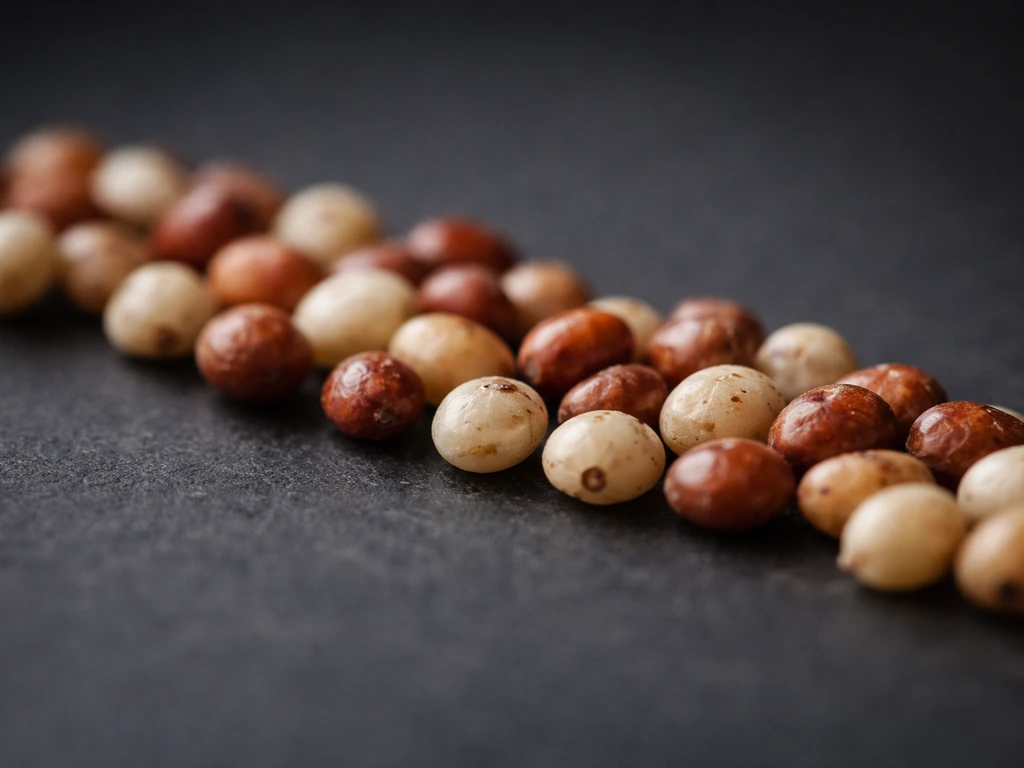
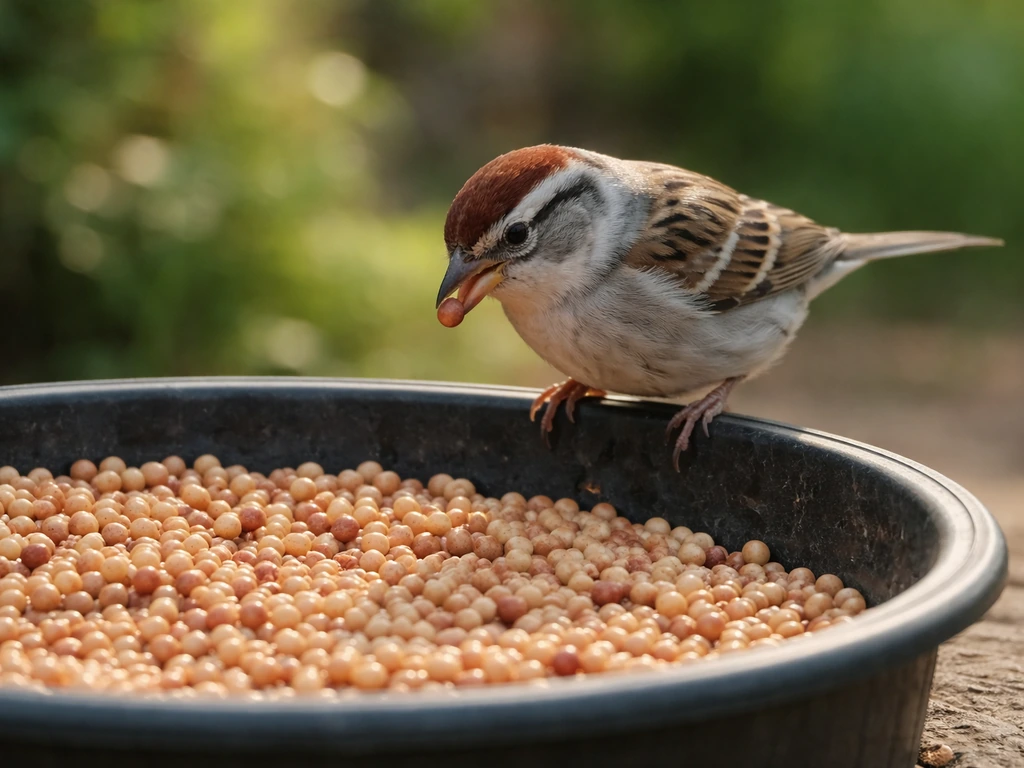
Milo is a grain from the sorghum plant (Sorghum bicolor). It comes in white and reddish varieties, and at a feeder, you'd describe it as a small, hard, round seed about the size of a BB pellet. The hard seed coat is one of its defining features: in livestock production, it has to be ground or flaked before animals can properly digest it. In bird seed blends, it's sold whole. Cornell Lab and Project FeederWatch testing has repeatedly found milo to be one of the least preferred seeds among the birds most backyard feeders are trying to attract, and the U.S. Fish & Wildlife Service has similarly noted that cereal grains like milo are "not favorites" of common feeder visitors. That said, it does have real uses depending on which birds are in your yard, so it's not worthless, just misunderstood.
How to spot milo on a label
Ingredient labels on bird seed bags list seeds by weight, so the higher up milo appears, the more of it you're paying for. Here's what to look for:
- "Milo" or "milo seed" listed in the ingredient list
- "Grain sorghum" or "sorghum" used as an alternate name
- "Red milo" specifically (this is the variety most commonly called a filler)
- Small round reddish or white seeds visible through a clear bag window
Project FeederWatch recommends avoiding blends where milo or other low-preference cereal grains make up a large percentage of the mix. If milo is the first or second ingredient on the bag, you're essentially buying a budget blend padded with a seed most songbirds will push out of the tray and leave on the ground. Flip the bag over before you buy, and treat a high milo content as a red flag unless you're specifically targeting doves or ground-feeding birds.
It's also worth knowing how milo compares visually to millet, since both are small round seeds that show up in mixes. Milo seeds are noticeably larger and harder than millet, and the reddish ones have a distinctly darker color. If you want to go deeper on the difference, what is millet bird seed covers millet's appearance, nutritional profile, and feeder use in detail.
Which birds will actually eat milo
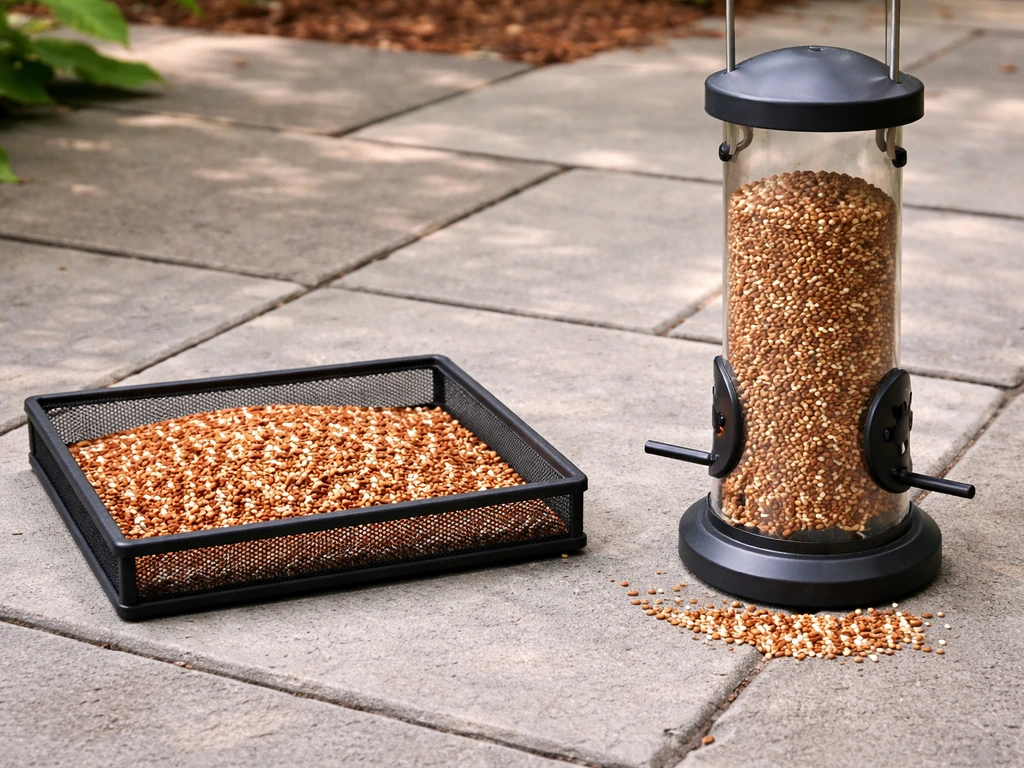
Here's the honest breakdown: most common songbirds ignore milo. Cornell Lab's feeding-preference studies found that house sparrows and brown-headed cowbirds largely passed on milo. The Chicago Ornithological Society's guidance flat-out recommends against red milo in mixes because "these are not preferred by birds." So if your goal is attracting chickadees, finches, nuthatches, or woodpeckers, milo won't help you.
Where milo does earn its place is with ground-feeding birds, especially in the South and Southwest. Mourning doves readily forage grain sorghum in field conditions, and extension research on dove field management confirms that grain sorghum is an attractive food source for doves. Quail, turkeys, and ducks will also eat sorghum seeds in a supplemental wildlife feeding context. If you're in a region where these birds visit your yard, a low tray feeder or scatter feeding on the ground with milo makes more sense than it does in a standard tube or hopper setup aimed at songbirds.
| Bird | Eats Milo? | Notes |
|---|---|---|
| Mourning dove | Yes | Readily forages grain sorghum on the ground |
| Quail | Yes | Will eat in ground/tray feeding setups |
| Turkey | Yes | Uses sorghum as supplemental wildlife food |
| House sparrow | Rarely | Cornell Lab tests show low preference |
| Brown-headed cowbird | Rarely | Largely ignored in feeding studies |
| Chickadees / nuthatches | No | Will skip it in favor of sunflower or suet |
| Finches (goldfinch, house finch) | No | Strong preference for nyjer or sunflower chips |
| Ducks | Occasionally | Will eat in field/ground feeding contexts |
Is milo actually good bird seed? Honest pros and cons
Milo is cheap, and that's the main reason it ends up in so many mixes. It's not inherently bad seed, but it's frequently misused. Here's how to think about it practically:
| Factor | Pros | Cons |
|---|---|---|
| Cost | Very affordable per pound | Low value if birds reject it and it piles up |
| Bird appeal | Good for doves, quail, ground feeders | Ignored by most common songbirds |
| Sprouting risk | Whole milo can sprout if it gets wet | Hulled seed is less likely to sprout, but harder to find |
| Dust and debris | Relatively clean as a large grain | Rejected seeds pile under feeders, attracting pests |
| Blend filler risk | Useful as a small portion in ground-feed mixes | Dominates cheap blends, reducing overall mix quality |
The bottom line: if you're buying a mixed bag and milo is listed first or second, you're overpaying for a seed your target birds probably won't touch. If you're deliberately feeding doves or quail on the ground, a bag of straight milo or a blend with modest milo content can work well and keeps costs down. Use it intentionally, not by default.
One thing to watch: the small reddish round seeds in your mix might be milo, but they could also be red millet, which is a different seed. Confusing the two is easy. What is white millet bird seed explains the difference and why white millet is generally far more attractive to songbirds than either red millet or milo.
Storing milo to prevent mold, pests, and spoilage
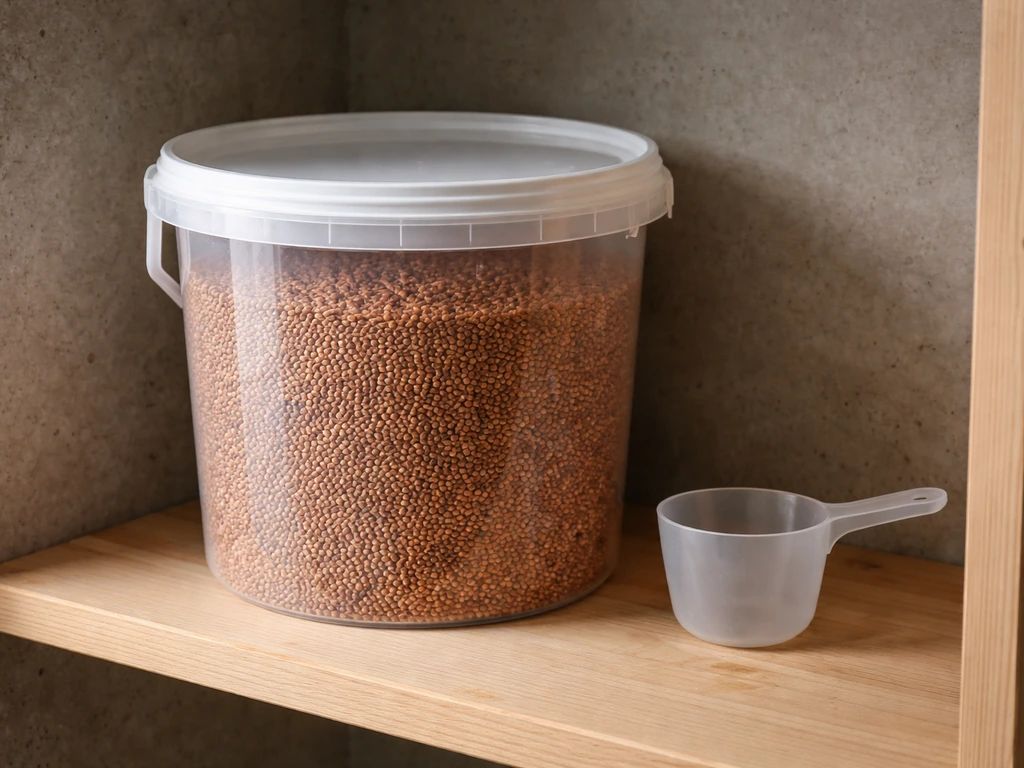
Milo is a grain, and like all stored grains, it goes bad when it gets wet or warm. Moisture is the main enemy. Grains stored at elevated moisture content create the exact conditions that support mold growth and stored-product pests like granary weevils. University of Georgia CAES grain sorghum storage guidance also cautions that moisture migration can create wet zones in stored sorghum, raising mold risk moisture migration create wet zones in stored sorghum. For reference, extension guidance on stored grain safety puts oil sunflower seed at 8% moisture or less for safe storage, and hard grains like sorghum need to be kept similarly dry. The practical rule: if the seed feels damp, clumps, or smells musty, it's already compromised.
Here's how to store milo (or any seed containing milo) correctly:
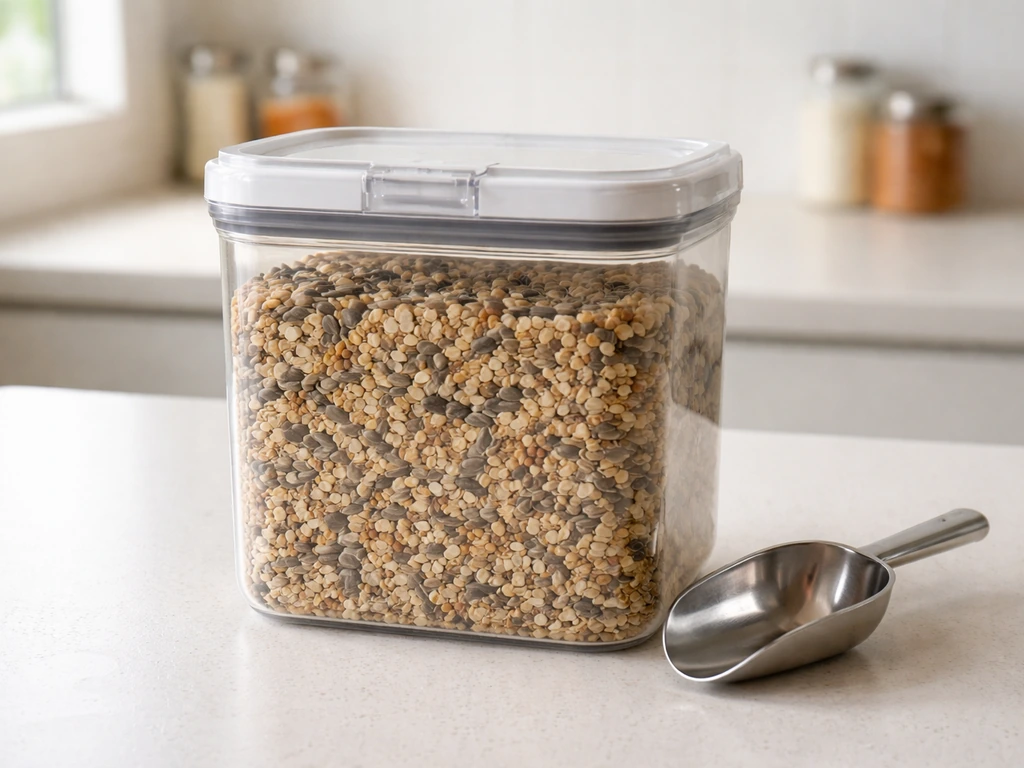
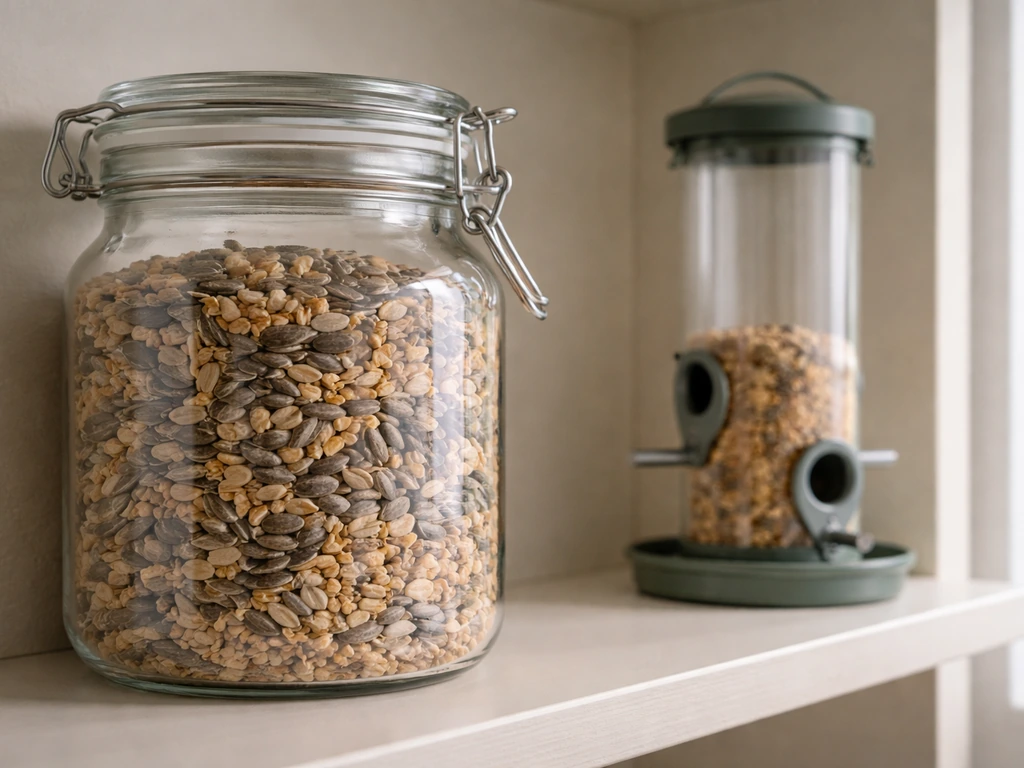
- Transfer seed from paper or thin plastic bags into a rigid, airtight container, ideally metal or hard plastic, as soon as you get home. Paper bags won't keep moisture or pests out.
- Store the container in a cool, dry location, such as a garage, shed, or basement. Cooler temperatures slow insect development significantly.
- Keep stored seed off the ground to prevent moisture wicking up from concrete.
- Check your supply every couple of weeks. If you spot clumping, off smells, or any signs of webbing or insects, discard the affected seed in a sealed garbage bag.
- Never top off old seed with new seed. Empty and inspect the container first, then refill.
If you're buying milo in bulk for ground feeding or dove plots, buy only what you can use within four to six weeks. Seed sitting in storage longer than that, especially through humid summers, is a mold and pest risk. University of Georgia guidance specifically recommends storing seed dry in a secure container to keep out mice and insects, which is especially relevant for a ground-feeder setup where you might be storing larger quantities.
Setting up feeders and trays with milo
What type of feeder works best
Milo doesn't belong in tube feeders or hopper feeders aimed at songbirds. It'll just pile up, get wet, and create a mold problem. For the birds that actually eat it, a low tray feeder or direct scatter on bare ground is the right approach. Place the tray where doves, quail, or other ground feeders have clear sight lines and can approach from multiple directions. Keep it close to cover (a shrub or brush pile works) but not so close that it becomes a cat ambush spot.
How much to put out at once
Put out only as much as your target birds will eat in a day or two. Milo left sitting in a tray exposed to rain or morning dew will absorb moisture quickly and start to break down. Overfilling a tray is one of the most common mistakes, and it leads directly to the sprouting and mold issues covered below. A shallow layer, maybe half an inch, is enough to start. If it's all gone by afternoon, add more. If it's still sitting there after two days, cut back.
Reducing waste and mess
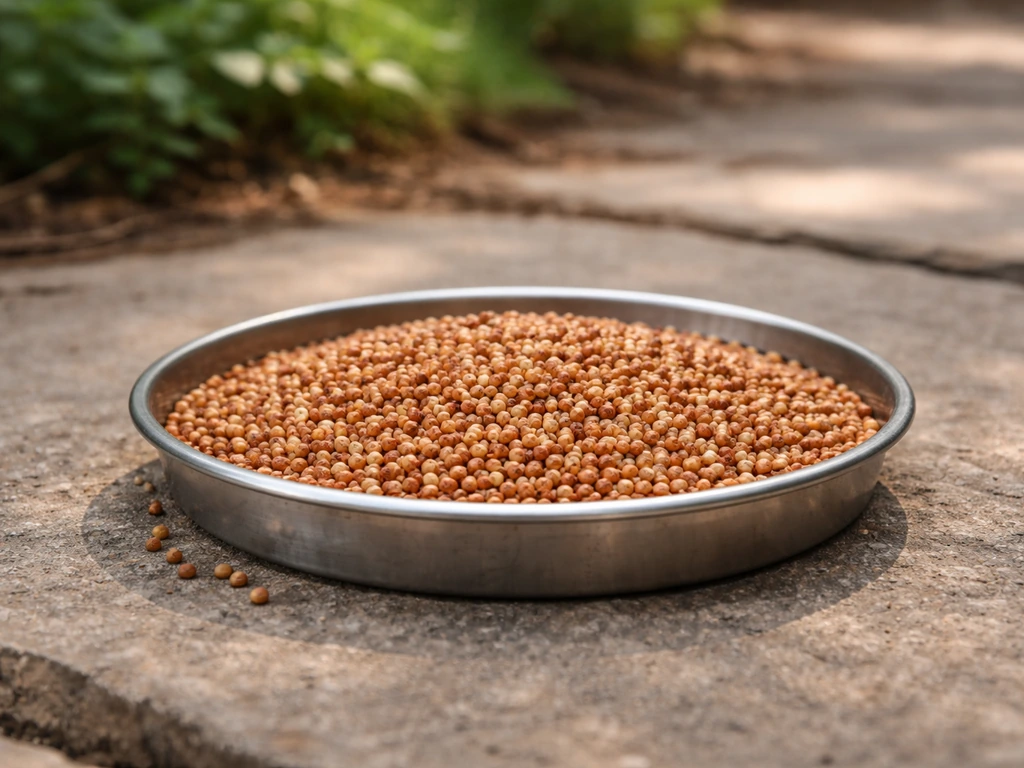
Since many birds in a mixed-species yard will kick milo out of a tray to get at other seeds, place milo in a dedicated separate tray rather than mixing it into a feeder with higher-value seeds. This reduces waste and keeps the area cleaner. Sweep or rake under any feeder or tray weekly. Accumulated rejected seed on the ground is a rodent attractant and a sprouting problem waiting to happen.
Troubleshooting wet, sprouted, or moldy milo
Wet seed
If milo in your tray or feeder gets wet from rain, remove it immediately. Extension guidance from Mississippi State University is direct on this: discard wet seed into a garbage receptacle. Don't try to dry it out and reuse it. Wet seed that sits even briefly can begin fermenting or growing mold, and moldy or sour-smelling seed can make birds sick. Rinse the tray, let it dry fully, and refill with dry seed.
Sprouted seed
Milo, being a whole unhulled grain, can sprout when it gets wet and warm. You'll notice small green shoots emerging from seeds that have been sitting on damp ground or in a wet tray. Rake up sprouted seed and remove it from the feeding area. Georgia's Department of Natural Resources recommends raking up moldy or sprouted seed and then soaking the soil area with a diluted bleach and water solution to kill mold spores or bacteria left behind. For bare-ground feeder areas, a 9:1 water-to-bleach solution applied to the soil and allowed to dry is a reasonable follow-up. Hulled milo seeds are less likely to sprout than whole ones, which is worth keeping in mind if this becomes a recurring issue, as noted by University of Florida IFAS. If you've been wondering about sprouting more broadly, does millet bird seed sprout walks through the same dynamic for millet, which behaves similarly.
Moldy seed
Never put moldy seed back into a feeder. Clumped, discolored, or foul-smelling milo in a feeder or tray needs to go straight into the trash. Then clean the feeder or tray before refilling. The standard cleaning process: scrub with soap and water to remove debris, then soak all parts in a 9-parts-water-to-1-part-bleach solution for 10 minutes, rinse thoroughly, and let air dry completely before adding new seed. Clemson University extension guidance recommends this same bleach soak as the baseline feeder sanitation method. Do this at least every two weeks under normal conditions, and after every wet or rainy stretch.
Pest problems from accumulated milo
Milo that birds reject tends to pile up under feeders, and that accumulation draws rodents and insects. Rake under feeders weekly, and if you're finding seed sitting untouched for more than a day or two, scale back how much you're putting out or stop offering milo altogether in that setup. Stored milo inside the house or garage can harbor granary weevils and other stored-product insects if it gets even slightly damp. Inspect stored seed regularly and discard anything that shows signs of insect activity.
When milo just isn't working for your setup
If you're finding that milo is consistently being rejected, piling up, sprouting, or causing cleanup headaches, the fix is straightforward: stop buying blends that contain it, or at least stop buying blends where it's a primary ingredient. Seek out blends that lead with black oil sunflower seed, white millet, or safflower. Those attract a much wider range of common backyard songbirds and produce less waste.
There are actually creative alternative uses for leftover whole grain seeds like milo. Some people experiment with sprouting or growing bird seeds as greens. If you're curious whether something like that applies to your leftover seed, can you use bird seed for microgreens covers what's realistic there. Similarly, if you keep backyard chickens and want to sprout grain seeds as a feed supplement, can you sprout bird seed for chickens is worth a read before you try it with milo.
The takeaway: milo is grain sorghum, it's cheap, and it fills a lot of economy bird seed bags. Most common songbirds ignore it, but doves, quail, and some ground feeders will eat it when it's offered correctly. If it's in your mix and your birds aren't touching it, you already know what to do. Buy better seed, store it dry, clean your feeders every two weeks, and don't let rejected milo sit long enough to sprout or mold.
FAQ
Can I buy milo on its own, or does it only make sense in mixed bird seed?
Yes. If you want milo specifically for ground-feeding birds, you can offer it in a dedicated tray or scatter it on bare ground where doves and quail can access it easily. Just avoid tube and hopper feeders, and keep the portion small so it doesn't sit wet overnight.
How can I tell whether the seed in my mix is really milo and not something else like red millet?
Treat the reddish-white “milo” look as a clue, not proof. Red millet, grain sorghum (milo), and some other sorghum-type seeds can look similar in blends, so check the label name (milo, grain sorghum, sorghum) and, if possible, compare seed size and hardness before you decide it is being rejected for the wrong reason.
Will milo sprout in my feeder, and what should I do if it starts to?
Whole milo is harder and more likely to be ignored by many songbirds, but more importantly it is more prone to sprouting when it gets damp. If you keep seeing germination and moldy smells, the best “fix” is to reduce exposure to moisture, shorten the time it sits out, and consider switching to hulled seed if your supplier offers it (hulled milo is less likely to sprout).
What should I do if my milo gets wet in the tray after rain or morning dew?
If clumps form, the seed feels damp, or there is a musty or sour odor, discard it. Do not try to dry it out for reuse, because fermentation and mold growth can continue after it has started. Then clean the feeder or tray and refill with dry seed only.
Is it safe to keep using my bird seed mix if the milo section looks clumped or smells bad?
Most backyard birds will not eat moldy seed, and moldy seed can make birds ill. Remove all clumped or discolored kernels, throw them away, then sanitize the tray or feeder (soap and water first, then a bleach-water soak) before adding any fresh seed.
How long should I leave milo out before removing the leftovers?
Feeding time matters. Milo left out longer than a day or two is more likely to absorb moisture, start breaking down, and attract pests. Offer only what your target birds will consume within 24 to 48 hours, and increase only after you confirm they are actually taking it.
Why am I seeing rodents or bugs around my feeder when I include milo?
Yes, especially if seed accumulates beneath feeders. Milo that birds reject can pile up, attract rodents and insects, and create a sprouting and sanitation problem. Rake or sweep under feeding areas weekly, and cut back if you notice significant untouched kernels after a day.
What is the best way to store milo so it doesn't get infested or moldy?
If you are storing bulk seed, humidity is the main risk. Keep it dry, store it in a secure container that limits pests, and avoid keeping a large quantity through humid summer conditions. Also inspect stored grain regularly for webbing, small insects, or pellet-like debris.
My birds ignore the milo in the mix. Should I change the blend or the feeder setup?
If milo consistently gets pushed aside, wasted, or causes cleanup problems, stop buying blends where it is a top ingredient. Replace it with seed bases that attract more common songbirds, such as black oil sunflower, white millet, or safflower, and keep milo only for targeted ground-feeding where it is intentional.
When is milo most likely to work in my yard (and when should I avoid it)?
Milo can be more useful in regions where doves, quail, and other ground foragers are regular visitors. If you rarely see these birds, you will likely get mostly waste. A quick decision aid is to watch for ground feeding at your location for several days, then decide whether milo belongs in your routine.
Should I mix milo with other seeds in the same feeder, or keep it separate?
Yes, and it can be a practical way to reduce waste. Keeping milo in a separate tray makes it easier to remove quickly if it gets wet, and it also prevents less-preferred seed from contaminating a high-value feeder area that you want to keep consistently clean and attractive to songbirds.
Would using hulled milo reduce sprouting compared with whole milo?
Whole-grain sprouting is more likely with whole kernels, warm temperatures, and damp conditions. Hulled milo and shorter “out time” both reduce sprouting. If sprouting becomes frequent, switch to hulled seed if available, use a dedicated low tray for faster removal, and keep the feed shallow.