
White millet bird seed is white proso millet (Panicum miliaceum), a small, round, pale yellow-to-cream colored grass seed that ground-feeding birds genuinely prefer over most other seeds. What is millet bird seed? It usually refers to white proso millet (Panicum miliaceum) sold specifically for ground-feeding birds. It is one of the most effective and affordable seeds you can put out for sparrows, juncos, mourning doves, towhees, and cardinals, but it needs to be used and stored correctly or it will mold, sprout, or pull in pests faster than almost any other seed you can buy.
What Is White Millet Bird Seed and How to Use It Safely

Maya Collins
19 May 2026
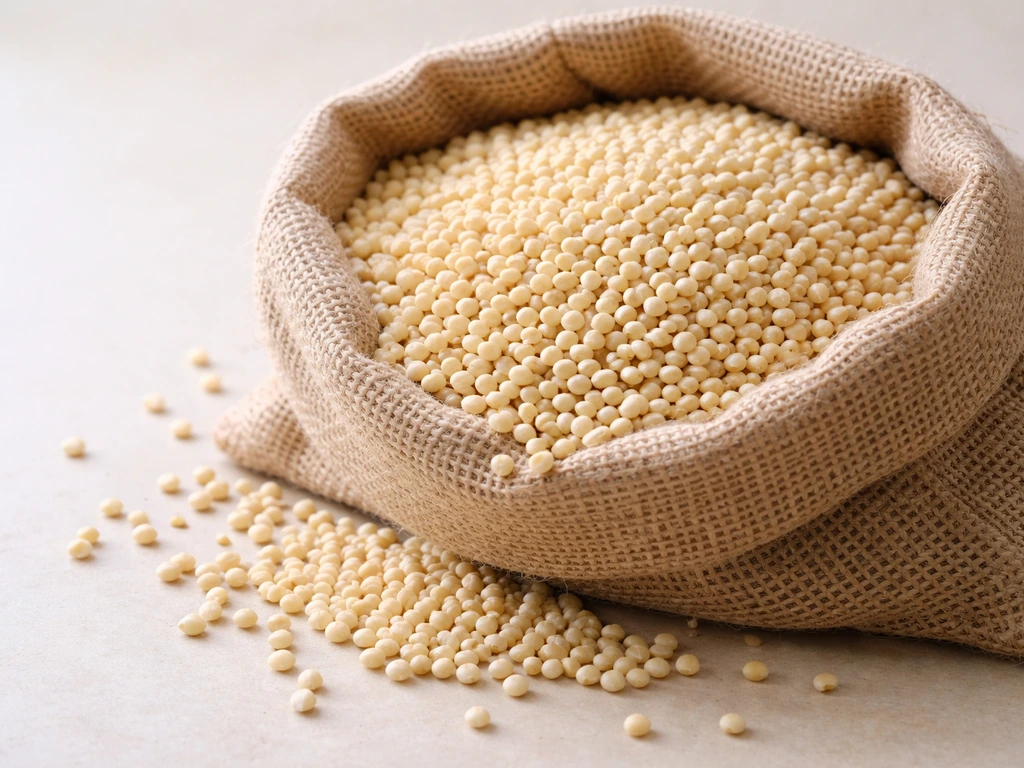
What white millet actually is (and what's in the bag)
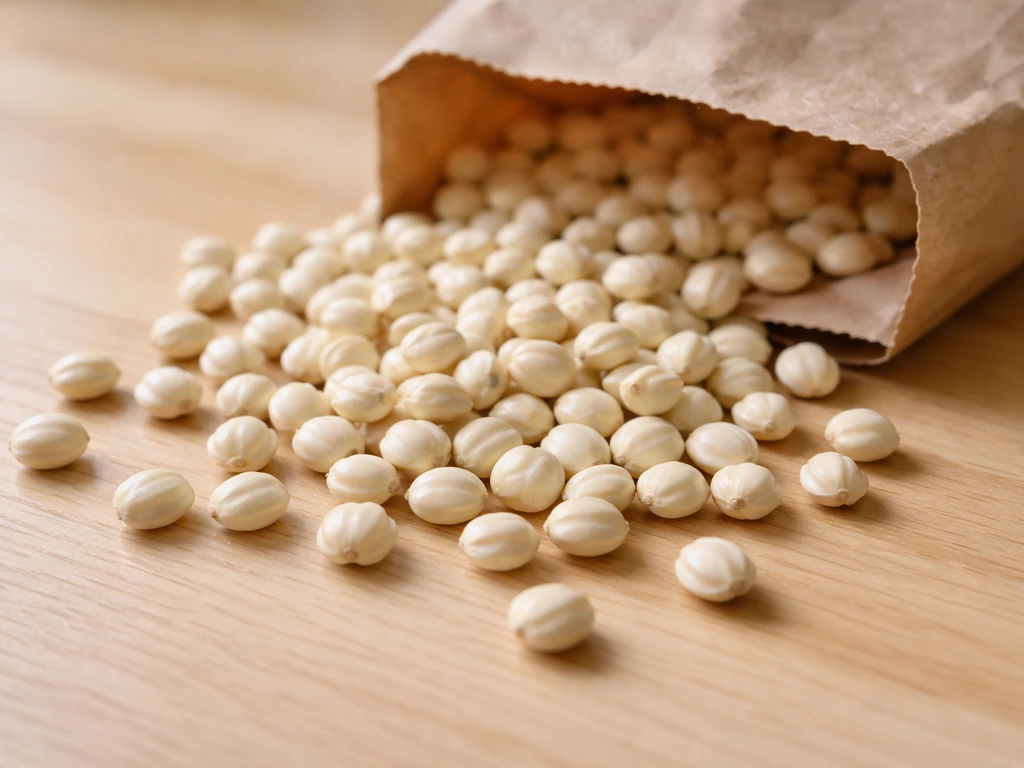
Proso millet is a warm-season grass crop grown commercially across the Great Plains and parts of Europe. The seeds are threshed, cleaned, and sold as-is, still in the hull. The "white" part refers to the color of the outer hull (called the pericarp), which makes white proso millet visually distinct from red millet, which has a reddish-brown hull from the same plant species. Both are Panicum miliaceum, but birds strongly prefer the white variety over red.
When you buy a bag labeled "white millet" for birds, you should be getting exactly that: cleaned white proso millet seed. The problem is that many mixed birdseed bags use it as a filler alongside black-oil sunflower seeds, cracked corn, safflower, and milo (grain sorghum), and the proportions vary a lot by brand. Many birdseed mixes include white or red proso millet along with components like black-oil sunflower seeds, cracked corn, safflower, and milo (grain sorghum). If white millet is the reason you're buying a mix, check the ingredient list. White proso millet should appear near the top, and it should say "white millet" or "white proso millet," not just "millet" (which could mean red millet) and definitely not milo, which is a completely different seed often mistaken for millet. Milo is grain sorghum, a different seed than white millet, so mixed bags can be misleading.
Pure white millet bags exist and are the smarter buy if you want control over what you're offering. They let you portion it precisely, avoid filler seeds that attract the wrong birds, and manage waste much more effectively.
Who it attracts (and who shows up that you didn't invite)
White proso millet is specifically a ground-feeder seed. The birds that go after it hardest are chipping sparrows, dark-eyed juncos, mourning doves, song sparrows, white-throated sparrows, eastern towhees, and cardinals. Spring and fall migration windows are the highest-activity periods, when sparrow diversity spikes and demand for this seed peaks. If you scatter millet near a brush pile or hedge edge during migration, you will get results within a day or two in most parts of the country.
The downside is that white millet on the ground, or in a low tray, is also extremely attractive to birds and animals you probably don't want: house sparrows, European starlings, rock pigeons, and brown-headed cowbirds all eat it readily. On the mammal side, squirrels, chipmunks, and rats will take it without hesitation. If you already have a house sparrow or pigeon problem at your feeders, adding white millet on the ground will make it worse. In that case, a low platform feeder with a weight-sensitive perch, or limiting scatter to brief morning sessions, gives you more control.
How to feed it effectively
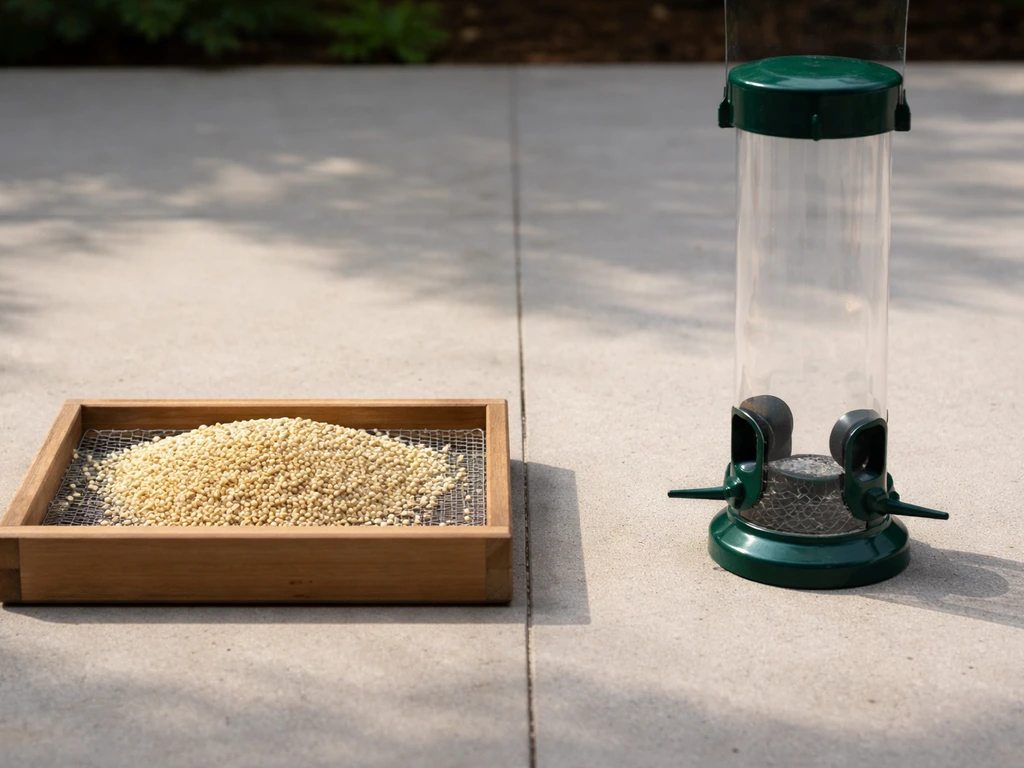
Best feeder types for white millet
White millet works best on the ground or in a low, open platform feeder. Avoid tube feeders entirely for millet, because the ground-feeding birds that prefer it won't use a tube feeder effectively, and the seed sits in the ports where it gets wet, compacts, and molds quickly. A simple wooden or mesh tray feeder set 6 to 12 inches off the ground is the practical sweet spot: accessible to ground-feeders, easier to clean than the ground itself, and with enough airflow to slow moisture buildup.
Hopper feeders can work if they have a wide enough tray beneath them, but the hopper itself is usually too enclosed for millet to flow and dry properly. If you use a hopper, put the millet in the tray, not the hopper reservoir.
Placement and portioning
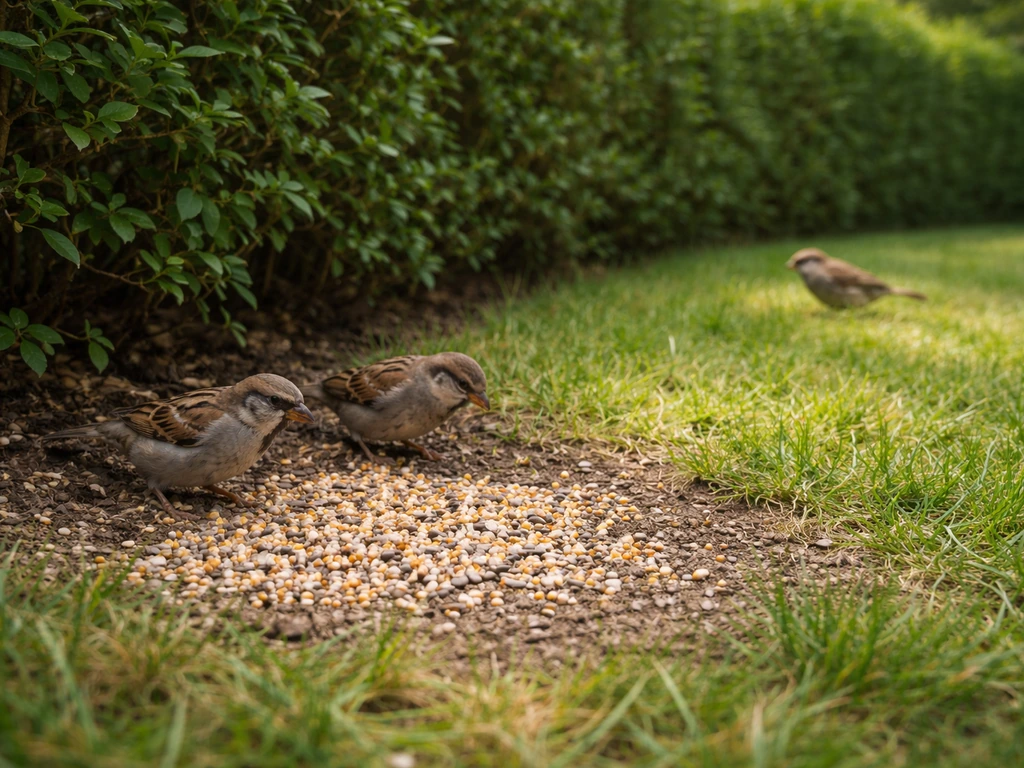
Place feeders or scatter sites within 10 feet of a shrub, hedge, or brush pile. Ground-feeding birds feel exposed in open yards and will avoid millet that's placed in the middle of a lawn. Keep the feeding area small and defined, which makes cleanup much easier. Scatter or fill only what birds will eat in a day, especially in humid climates or during wet weather. A good starting portion is a quarter to half cup per feeding session, adjusted based on how fast your local birds clean it up.
Storage, handling, and shelf life
White millet in a sealed bag under good conditions will stay viable for 6 to 12 months. Once opened, the clock speeds up significantly. Heat and humidity are the two biggest enemies. Grain moisture above 12 percent encourages mold growth and chemical breakdown, and storage temperatures above 60°F accelerate both. In most homes, that means summer storage on a garage shelf or in a garden shed is not a good idea unless the space is air-conditioned or consistently cool.
Transfer opened millet into a hard-sided, airtight container as soon as you get it home. A food-grade plastic bin or metal trash can with a tight lid both work well. Keep it in a cool, dry indoor location, ideally below 60°F. If you buy in bulk for the winter season, a chest freezer at 0°F will preserve the seed for a full year or more and also kills any weevil eggs that came in the bag. Let frozen seed come to room temperature in the sealed container before opening it, so condensation forms on the outside rather than inside.
Rotate your stock: use older seed first, and don't pour fresh seed on top of old seed at the bottom of a bin. That old seed sitting at the bottom is where mold and pests start.
Wet or sprouted seed: what to do right now
White proso millet germinates readily when it gets wet, which is one of the reasons a sibling topic on this site covers whether millet bird seed sprouts. If you want to prevent unwanted sprouting, focus on keeping seed dry, storing it correctly, and removing any clumped or wet millet right away sibling topic on this site covers whether millet bird seed sprouts. If you are wondering can you sprout bird seed for chickens, the safest approach is to use only clean, controlled methods and remove anything that starts to mold or clump. You can apply the same careful moisture and sanitation rules to microgreens, because mold and damp conditions are the main problems to avoid can you use bird seed for microgreens. If you find clumped, soft, or actively sprouting millet in your feeder or on the ground, remove it immediately. Wet millet creates the perfect environment for bacteria and fungal growth within 24 to 48 hours in warm weather, and sick birds can spread disease through a feeding station quickly.
Don't try to dry out and reuse wet seed. Discard it, clean the feeder or ground surface, and let everything dry completely before putting out fresh seed. For ground-scatter areas, rake up the wet material and dispose of it in a sealed bag in the trash rather than composting it, since sprouting millet in a compost pile can become an invasive weed issue depending on your region.
If you notice millet sprouting regularly under your feeder, that's a sign you're putting out more than the birds are eating each day, or that the area isn't draining well. Reduce portion size and consider placing a tray feeder with drainage holes over the problem spot to intercept fallen seed before it reaches the ground.
Mold, weevils, rodents, and ants: practical prevention
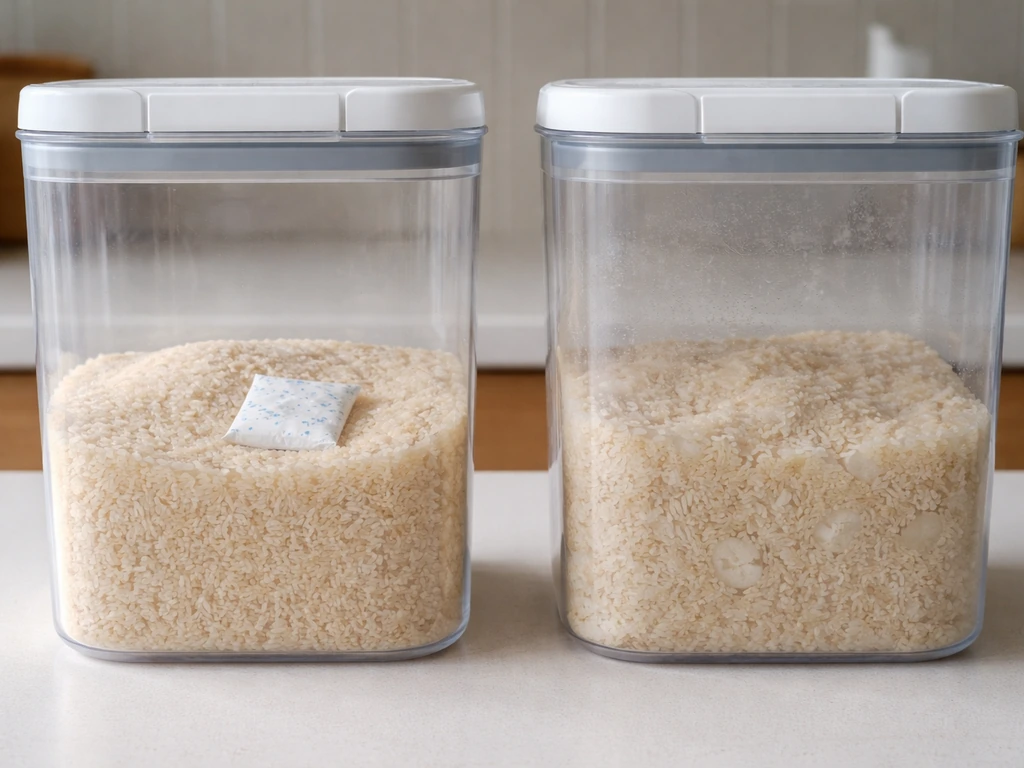
Mold
Mold in white millet almost always traces back to moisture, either from rain, dew, or condensation in the storage container. The fix is the same in every case: reduce humidity at every stage. Keep storage containers sealed, keep feeders covered or sheltered where possible, and never fill feeders so full that seed sits for more than a day or two. During wet weather, switch to daily small fills rather than topping off every few days.
Weevils and grain larvae
Weevil infestations in stored millet come from eggs already present in the seed when you bought it, or from adult weevils entering a container that isn't truly airtight. If you open a bin and see tiny beetles, webbing, or clumped seed with a dusty residue, the batch is infested. Discard it outside, scrub the container with hot soapy water, rinse well, and let it dry before storing new seed. To prevent reinfestation, freeze new seed for at least 72 hours at 0°F before moving it to a storage bin, which kills eggs. Use hard-sided containers with gasket lids, not thin plastic bags or cardboard boxes.
Rodents and squirrels
White millet on the ground is a rodent magnet, especially at night. Keep feeding areas small and clean up spilled or uneaten seed before dusk. Store all seed in metal containers with tight lids, since rodents chew through plastic bins easily. If you have a rat or mouse problem near your feeders, switch to a pole-mounted platform feeder with a baffle and stop all ground scatter until the rodent activity drops.
Ants
Ants are attracted to spilled seed and the sugar content in millet hulls. A simple ant moat, a water-filled cup that the feeder pole passes through, stops most ant species from reaching platform feeders. For ground scatter areas, keeping scatter sessions short and cleaning up daily is the most effective deterrent.
Keeping things clean: hulls, feeders, and the ground beneath
Hull and spill cleanup
White proso millet is a whole seed, so birds eat the entire kernel, hull included, which means less husk buildup than sunflower seeds. However, dropped and uneaten millet accumulates under feeders and creates a damp, moldy mat that attracts pests and can sicken birds. Rake or sweep the area under your feeder at least once a week, more often in wet weather. Bag the debris and dispose of it in the trash rather than spreading it in garden beds.
Feeder sanitation routine
Clean your feeder at least once a month, and more frequently during humid summer months or after wet weather. The standard and widely recommended solution is 1 part bleach to 9 parts water (roughly 2 ounces of bleach per gallon of water). Disassemble the feeder, scrub all surfaces with a brush, soak the parts in the bleach solution for 10 minutes, rinse thoroughly with clean water, and let everything air dry completely before refilling. A feeder that goes back up wet is one that will have mold problems within days.
If you notice birds acting lethargic or sick near a feeder, take the feeder down immediately, clean it with the bleach solution, and leave it down for a week or two. Moldy and contaminated seed can spread salmonella and other pathogens through a feeding flock quickly. It's also worth washing your hands after handling feeders or bags of seed, and avoiding cross-contamination between feeder equipment and food-prep surfaces indoors.
When to stop feeding and replace seed
Discard seed that smells musty, looks clumped or discolored, has visible mold, or contains insects. Don't try to pick out the bad parts and use the rest. Once mold or weevils are present, the entire batch is compromised. On the storage side, if seed has been open for more than six months in a warm environment, treat it as suspect and replace it even if it looks fine. Fresh seed is cheap compared to the cost of sick birds or a pest infestation that spreads to your kitchen.
| Issue | What to look for | What to do |
|---|---|---|
| Wet or clumped seed | Soft texture, seed sticking together, off smell | Discard immediately, clean feeder, let dry before refilling |
| Sprouting millet | Green shoots at feeder base or on ground | Remove and bin it, reduce daily fill amount, improve drainage |
| Mold | White/gray/green fuzz, musty odor | Discard batch, bleach-clean feeder (1:9 bleach:water), let dry fully |
| Weevils/larvae | Tiny beetles, webbing, dusty clumps in storage | Discard infested seed, scrub bin, freeze new seed 72+ hours before storing |
| Rodent activity | Gnaw marks on bin, droppings near feeder | Switch to metal storage, use pole baffle, stop ground scatter |
| Ants | Trails leading to feeder or scatter area | Add ant moat, clean up spills daily, keep scatter sessions short |
How to identify true white millet on a bag (quick checklist)
- The ingredient list says "white proso millet" or "white millet," not just "millet"
- The seed is small, round, and pale yellow to cream-colored in the bag, not reddish-brown (that's red millet) and not irregularly shaped or larger (that's likely milo/grain sorghum)
- For a pure millet bag, white proso millet should be the only or first-listed ingredient
- In a mix, it appears near the top of the ingredient list, above fillers like milo or cracked corn
- The bag has no signs of moisture damage: no clumping visible through the packaging, no condensation inside the bag
White millet is one of the most practical seeds you can add to a backyard feeding setup, but only when it's handled well. Buy it fresh, store it cold and sealed, feed it in amounts birds clear in a day, and clean your feeder monthly. Do those four things consistently and you'll get reliable visits from the best ground-feeding birds in your area with minimal waste, pests, or hygiene headaches.
FAQ
How can I tell if a bag labeled “white millet” is actually white proso millet?
Look for “white millet” or “white proso millet” on the ingredient label. If “millet” is listed without the word “white” or “proso,” or if “milo (grain sorghum)” appears, the bag may contain red millet or a different seed altogether.
Can I offer white millet in a tube feeder or will birds avoid it?
Yes, some birds will eat it from platform-style trays even if you scatter some. Tube feeders are usually a poor fit because millet tends to sit in the ports and stays damp, which can lead to mold and less usage by true ground-feeders.
What’s the right amount of white millet to put out so it doesn’t spoil?
Use only what you can expect birds to finish in about a day, then top up the next day. In humid or rainy weather, smaller daily portions reduce clumping and keep wet seed from sitting long enough to sprout or grow mold.
What should I do if my white millet starts clumping or sprouting in the feeder?
Remove clumped, soft, or visibly sprouting millet immediately. Then clean the surface or tray (and the feeder) and let everything dry fully before refilling, because wet millet can create bacterial and fungal conditions within 24 to 48 hours in warm weather.
Can I pick out moldy pieces and keep using the rest of the bag?
If you suspect it, don’t “rescue” the batch. Discard seed that smells musty, has visible mold, shows weevil activity, or has discoloration or dusty residue, because the entire lot can be compromised even if only part looks bad.
How do I prevent weevils in stored white millet?
Yes. If you buy bulk, freezing is a strong preventive step. Freeze the seed at about 0°F for at least 72 hours, then store in a hard-sided airtight container to prevent new weevil entry.
What’s the safest way to store opened white millet to stop mold and spoilage?
Keep it sealed and cool, ideally below 60°F. Avoid summer storage in warm, humid areas like garages or sheds unless the space is reliably cool, and transfer opened seed into a tight container soon after purchase.
My backyard has rats or mice, will white millet make it worse, and what can I do?
Rodent pressure increases when there is easy access to seed on the ground. Keep feeding areas small, clean up before dusk, and store seed in metal containers with tight lids; if activity persists, pause ground scatter and switch to a pole-mounted platform with a baffle.
How do I reduce ants and other bugs around a white millet feeding setup?
Ants often target spilled seed. For platform feeders, an ant moat on the feeder pole blocks most ant access, and for ground scatter, the most effective control is short feeding windows and daily cleanup.
Why is my white millet sprouting outdoors even though I’m trying to keep it dry?
If you see millet sprouting under the feeder repeatedly, it usually means you are overfilling or the area isn’t draining well. Reduce portions, clean up fallen seed more often, and consider a tray feeder that has drainage or stays off the wetest ground.
Should I choose pure white millet or a mixed seed blend?
Yes, you can feed multiple seed types, but avoid mixing unknown filler seeds with millet if millet is your goal. Pure white millet lets you manage what’s actually being offered and helps you predict which birds you’ll attract.
How often should I clean up fallen white millet and husks?
Rake or sweep under the feeder regularly and dispose of the husk and fallen seed. Uneaten millet can form a damp, pest-attracting mat, so cleaning at least weekly (more in wet weather) matters for bird health and hygiene.