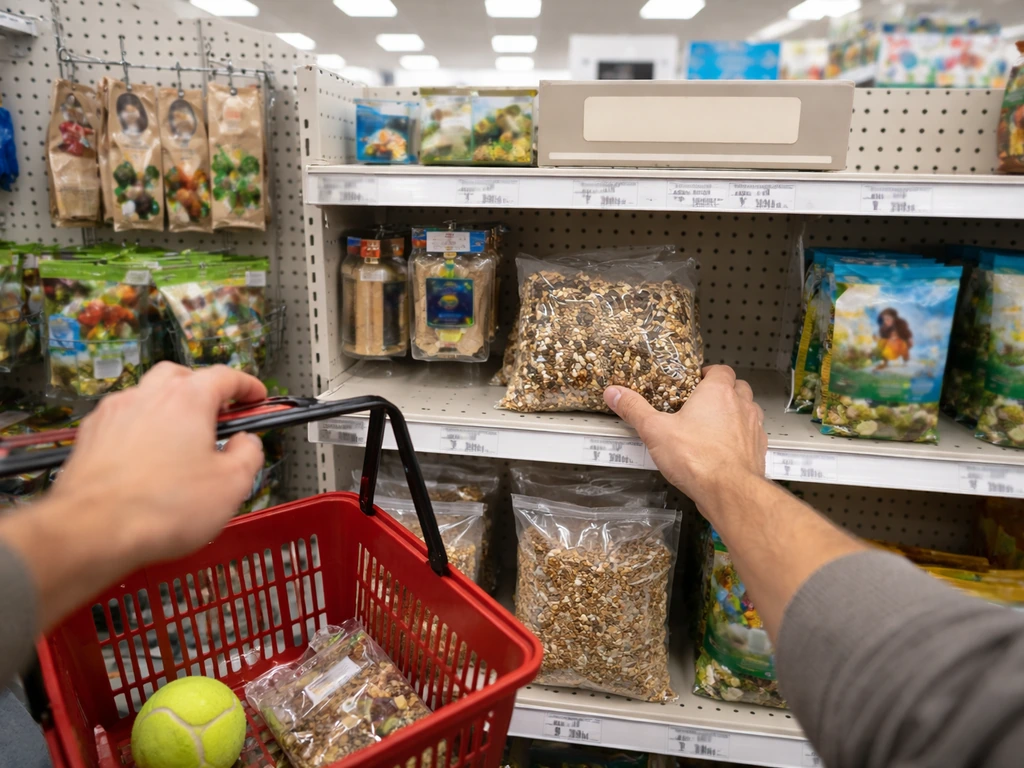
CVS does sell bird seed online, but in-store availability is hit or miss. The CVS website lists products like Brown's Birdlover's Blend Songbird Deluxe Birdseed and Brown's Wild Bird Food Value Blend Select in 20-pound bags under its Small Pet Supplies category. CVS’s product listings include Brown’s Wild Bird Food Value Blend Select in a 20-pound bag, with a specific online SKU Brown's Wild Bird Food Value Blend Select in 20-pound bags. Whether your local store actually stocks them on the shelf is a different story, since CVS availability varies by location. The fastest move is to check CVS.com or the app right now before making a trip.
Does CVS Sell Bird Seed? How to Find It Today
Maya Collins
11 May 2026
How to quickly check if your CVS has bird seed today
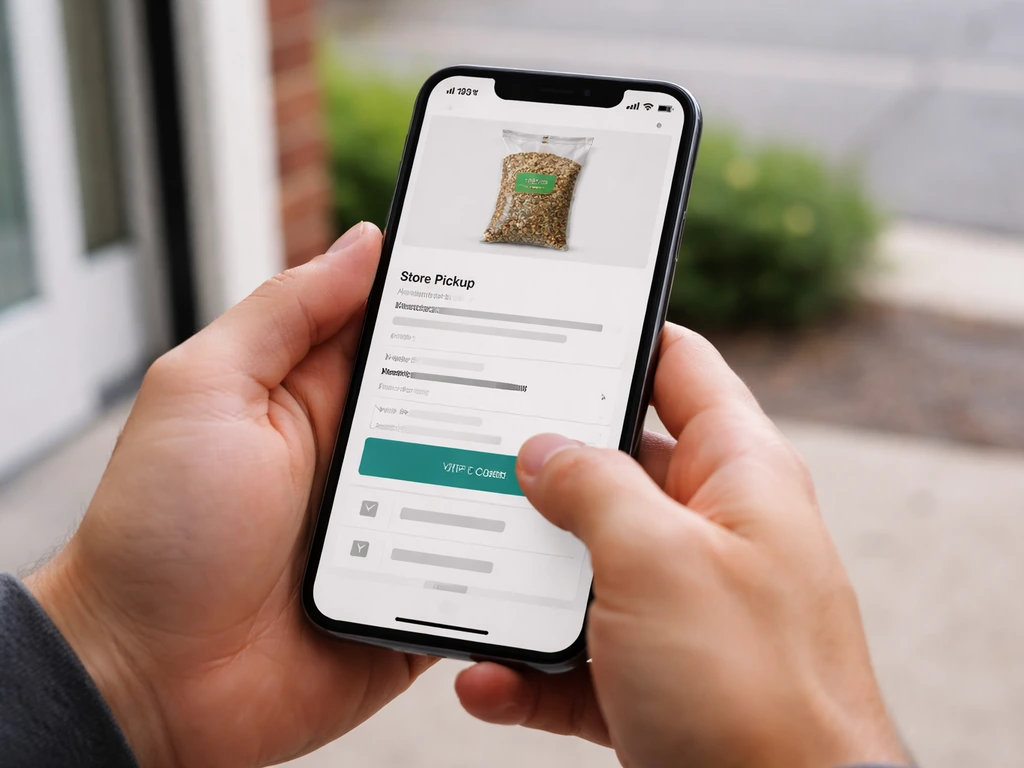
CVS uses a Buy Online, Pick Up In Store (BOPIS) system, which means the easiest way to confirm what your specific store has is to check the website or app and enter your ZIP code. Here's how to do it in under two minutes:
- Go to CVS.com and navigate to Household > Pet Supplies > Small Pet Supplies, or just search 'bird seed' in the search bar.
- Click on a product you want (like the Brown's Wild Bird Food Value Blend 20 lb bag).
- Select 'Pick Up' and enter your ZIP code to see if your nearest CVS has it in stock.
- If no pickup option appears or it says 'not available at this location,' that store isn't carrying it right now.
- You can also use the CVS app and do the same ZIP code lookup directly from your phone before you leave the house.
Don't just drive over and hope. CVS stocks bird seed selectively, and many locations won't carry it at all. The BOPIS tool is the only reliable way to confirm same-day availability without a wasted trip.
What to look for in CVS listings: seasonal and brand clues
Bird seed at CVS tends to be seasonal and limited in variety. When browsing the Small Pet Supplies section, look for these signals that tell you whether it's worth ordering or picking up:
- Brand: CVS currently lists Brown's brand products. These are reputable wild bird food brands sold at many retailers, so quality is generally fine.
- Blend type: 'Songbird Deluxe' blends typically contain black-oil sunflower, millet, and sometimes safflower, which works for a wide range of backyard birds. The 'Value Blend' usually leans heavier on millet and cracked corn.
- Bag size: The 20 lb bag is a practical size. Avoid tiny 2–5 lb bags if you're feeding regularly, as the cost-per-pound is much higher.
- Seasonal stocking: CVS is more likely to carry bird seed in fall and winter, aligned with peak bird-feeding season. In spring and summer, the shelf space often shifts to other seasonal items.
- Online-only listings: Some CVS bird seed products may appear online but are listed as ship-to-home only, not available for in-store pickup. Read the fulfillment options carefully before assuming you can grab it today.
If CVS doesn't have it: where to get bird seed the same day
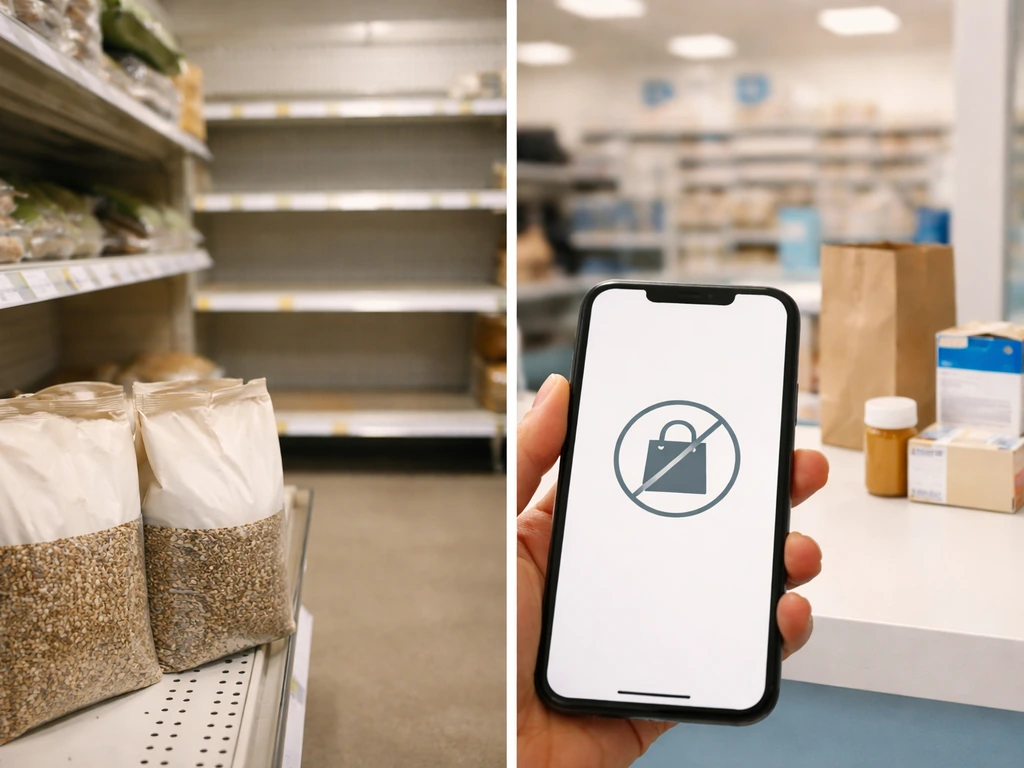
If your local CVS is out of stock or doesn't carry bird seed at all, you've got several solid same-day options. If you need to know whether you can buy bird seed with food stamps, check the payment and eligible item rules at the store you plan to visit. PetSmart is one of the most reliable, with a full bird seed and bird food section both online and in-store. Petco is another good option with a dedicated wild bird seed selection. For bulk or value, big-box stores like Walmart, Target, and Home Depot almost always carry at least a few wild bird seed blends year-round. Hardware stores like Ace Hardware often stock seed seasonally too, especially in fall. Garden centers and farm supply stores (Tractor Supply Co. in particular) usually have the widest variety and the best prices per pound for larger bags.
Chewy and Amazon are worth considering for next-day delivery if you're not in a rush, but for today, stick to a physical store. Chewy also sells wild bird seed, so it can be a good option if you are willing to wait for delivery does Chewy sell wild bird seed. If you're comparing retail options, places like Walgreens (a close CVS sibling) are in a similar boat: they may carry bird seed occasionally but it's not a core category, so don't count on it. If you are asking, “does Walgreens sell bird seed,” the answer is that they may stock it occasionally, but availability varies by location Walgreens (a close CVS sibling).
Picking the right seed when you get there
If you're not sure what to buy, black-oil sunflower seed is the safest choice for almost any backyard bird setup. OSU Extension specifically recommends it as a top pick for attracting the widest variety of birds, including chickadees, nuthatches, finches, and cardinals. If you want a mix, a blend of roughly 50% black-oil sunflower, 25% white proso millet, and 25% cracked corn covers most common feeder birds well. Avoid mixes loaded with fillers like red milo or oats, which most songbirds ignore and which just create messy waste under your feeder.
| Seed Type | Best For | Notes |
|---|---|---|
| Black-oil sunflower | Chickadees, cardinals, finches, nuthatches, woodpeckers | Best all-around choice; high fat content |
| White proso millet | Sparrows, juncos, doves, towhees | Good ground feeder option |
| Cracked corn | Jays, doves, squirrels (if you want to attract them) | Use sparingly; attracts pests if overdone |
| Safflower | Cardinals, chickadees, house finches | Squirrels and starlings tend to avoid it |
| Nyjer (thistle) | Goldfinches, pine siskins | Requires a specialized thistle feeder |
Inspect the seed before you use it
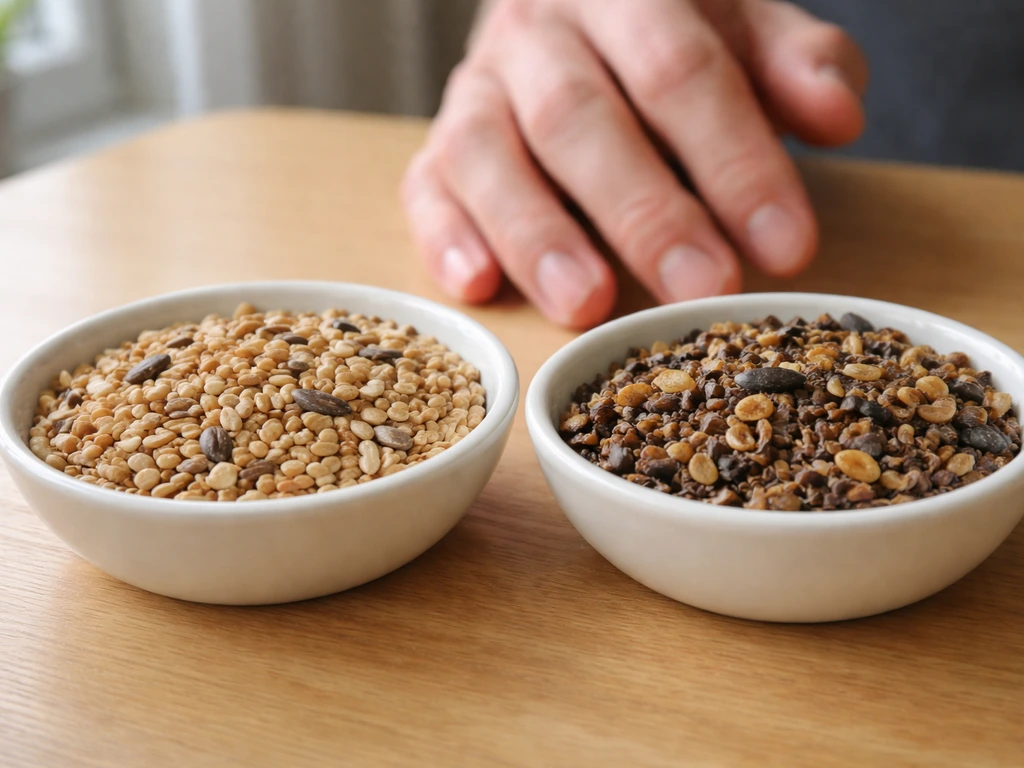
Whether you buy bird seed at CVS, a pet store, or a farm supply shop, take 60 seconds to check it before you fill your feeder. Bad seed can make birds sick and attract pests you really don't want around.
- Smell it first: Fresh seed smells nutty or neutral. A musty, sour, or rancid smell means moisture has gotten in and mold or bacterial growth has likely started. Don't use it.
- Look for clumping: Seeds that stick together in clumps have absorbed moisture. Even if you can't see visible mold yet, clumped seed is on its way to spoiling.
- Check for visible mold: Gray, green, black, or white fuzzy patches are obvious signs. Discard the whole bag if mold is widespread.
- Look for insects or webbing: Small beetles, weevils, or moth larvae (plus fine webbing between seeds) mean the bag is infested. This is more common in seed that's been warehoused for a long time.
- Check the packaging date: Seed doesn't always have a clear 'best by' date, but if you can find one, seed older than 12 months is past its prime, especially for high-oil seeds like sunflower.
Storing bird seed to keep it fresh and pest-free
Most bird seed stays fresh for six to twelve months when stored properly, but high-oil seeds like sunflower and nyjer can go rancid faster than grains like millet. The storage setup matters a lot. Keep seed in a cool, dark, dry place in an airtight container, ideally a metal or hard plastic bin with a tight-fitting lid. A galvanized metal trash can with a locking lid is a popular choice because it keeps out both moisture and rodents. Avoid storing seed in a garage or shed that gets very hot in summer, since heat accelerates rancidity.
- Use an airtight container: Zip-top plastic bags and the original paper bags are not rodent-proof or moisture-proof for long-term storage.
- Keep it off the ground: Elevate the container on a shelf or pallet to reduce moisture wicking from concrete floors.
- Buy only what you'll use in 4–6 weeks: Smaller, more frequent purchases mean fresher seed and less waste.
- Store suet separately in the freezer: Suet cakes can be frozen to extend their life significantly. Let them thaw at room temperature before putting them out so they're not rock-hard when birds try to eat them.
- Label your containers: Note the purchase date so you know how old the seed is.
What to do if seed gets wet or starts to sprout
Wet seed is one of the most common bird-feeding problems, especially in rainy seasons or if your feeder doesn't have adequate drainage. Here's how to handle it:
- Remove the wet seed immediately. Don't just top it off with fresh seed. Wet seed at the bottom of a feeder will contaminate fresh seed added on top, and the whole load can go moldy within 24–48 hours in warm weather.
- Discard moldy or clumped seed. Don't try to dry it out and reuse it. The Minnesota DNR notes that mold and bacteria can form rapidly on wet seed and can make birds seriously ill.
- Clean the feeder before refilling. Use a 9: 1 water-to-bleach solution (nine parts water to one part bleach), scrub the feeder thoroughly, rinse it well, and let it dry completely before adding fresh seed.
- For sprouted seed on the ground: Rake it up and dispose of it in the trash, not your compost pile. Sprouted seed can harbor mold at the stem and draws rodents.
- Fix the drainage issue: Drill small holes in the bottom of tube or hopper feeders if water is pooling. Covered or roofed feeders also help in rainy climates.
Keeping your feeding area clean and pest-resistant
The area under your feeder needs as much attention as the feeder itself. Seed hulls, droppings, and uneaten bits pile up fast and are the main reason backyard feeding setups attract rodents, ants, and flies. Project FeederWatch (Cornell Lab) recommends cleaning feeders about every two weeks under normal conditions, and more often in warm or humid weather when mold grows faster.
- Rake or sweep under feeders at least weekly: Seed casings and droppings on the ground are the primary rodent attractant. OSU Extension pest-management guidance specifically recommends keeping seed off the ground to reduce rat and mouse activity around feeding stations.
- Dispose of ground debris in a sealed bag: Don't leave raked-up hull piles nearby. Bag them and put them in your trash.
- Use a tray catcher under tube feeders: A seed-catcher tray reduces ground mess and makes cleanup easier, but empty and clean the tray regularly so it doesn't become a wet seed problem itself.
- Clean the feeder with 9: 1 bleach solution every two weeks: This is the same solution recommended by both Audubon and PetMD. Rinse thoroughly and dry fully before refilling.
- Move the feeder location occasionally: If a particular spot is consistently drawing pests, shifting the feeder a few feet can help break the pattern.
- Don't scatter loose seed on the ground unless you're specifically attracting ground-feeding birds like sparrows or doves, and only put out amounts they'll eat within a day.
Your action checklist for today
Here's the short version of everything above so you can move fast:
- Check CVS.com or the CVS app: Go to Small Pet Supplies, search 'bird seed,' and use the ZIP code tool to confirm in-store pickup availability at your nearest location.
- If CVS is out: Head to PetSmart, Petco, Walmart, Home Depot, or Tractor Supply Co. for the most reliable same-day selection.
- Buy black-oil sunflower seed or a mix that's mostly sunflower and millet: Skip bags with lots of red milo or filler grains.
- Inspect the bag before using: Check for smell, clumping, mold, and insects.
- Store in an airtight metal or hard plastic container in a cool, dry spot: Only buy what you'll use in four to six weeks.
- Clean your feeder every two weeks with a 9: 1 water-to-bleach solution, and rake under the feeder at least once a week to keep rodents and pests away.
FAQ
If CVS shows bird seed online, will my local store have it for same-day pickup?
Yes, CVS may sell bird seed through its Small Pet Supplies listings online even when your local store does not stock it. However, same-day pickup still depends on BOPIS inventory tied to your specific ZIP code, so check the CVS app or website first and look at the pickup availability for your chosen store.
What is the quickest way to verify bird seed availability at the CVS near me?
Use the in-app or website BOPIS picker, enter your ZIP code, then select the exact CVS location you plan to visit. If the product shows “pickup not available” for that store, it typically means you will not find it on the shelf there that day.
Why does CVS sometimes have only limited bird seed choices (like finch food or nyjer)?
CVS bird seed tends to be more limited in selection and availability, so you may see only a few bagged blends during peak periods. If you need a specific type like nyjer for finches, plan for it by checking multiple stores’ pickup options in the app, or switch to a specialized retailer if CVS does not list that item at your location.
If CVS is sold out, what nearby stores are the most reliable for getting bird seed today?
If your nearest CVS is out of stock, your best immediate alternatives are stores that consistently carry seed year-round or have dedicated pet and wild bird sections. PetSmart and Petco are usually the most reliable nearby, while big-box stores like Walmart or Target often stock at least a few blends depending on season.
Does CVS carry bird seed in larger bags (like 20 lb), or only small sizes?
CVS does not always carry the same seed formats everywhere. If you need a particular bag size, check the online product listing for the exact weight (for example, 20-pound bags) and confirm pickup availability, since your store may carry only one size or none at all.
What should I check on the bag when I buy bird seed from a retail store?
Bird seed you buy today may still be fine, but you should avoid bags with signs of moisture or clumping. When you arrive, inspect the packaging for tears, heavy dust, or a stale, rancid smell, since improper storage can shorten freshness even if the bag is not expired.
How do I prevent bird seed from going rancid after I buy it?
Rancidity risk is higher for high-oil seeds like sunflower and nyjer, especially if the store storage area was hot. Once you get home, move seed to an airtight container and keep it in a cool, dry place, a hot garage or direct sunlight can make seed spoil faster.
What should I do if the bird seed gets wet before or after I put it out?
Wet seed can happen if rain hits uncovered feeders or if the feeder traps moisture, and it can also promote mold inside seed that is left damp. Use a feeder with drainage, keep the tray clean, and bring seed indoors if it gets wet so you do not reload a moisture problem.
Next Articles
How to Make Bird Seed Last Longer: Storage and Fixes
Learn how to make bird seed last longer with proper storage, humidity control, pest prevention, and fixing wet or moldy
How to Keep Bird Seed Fresh and Stop It From Molding
Stop birdseed mold with smart storage: dry handling, right container, moisture control, bag cleanup, and feeder sanitizi
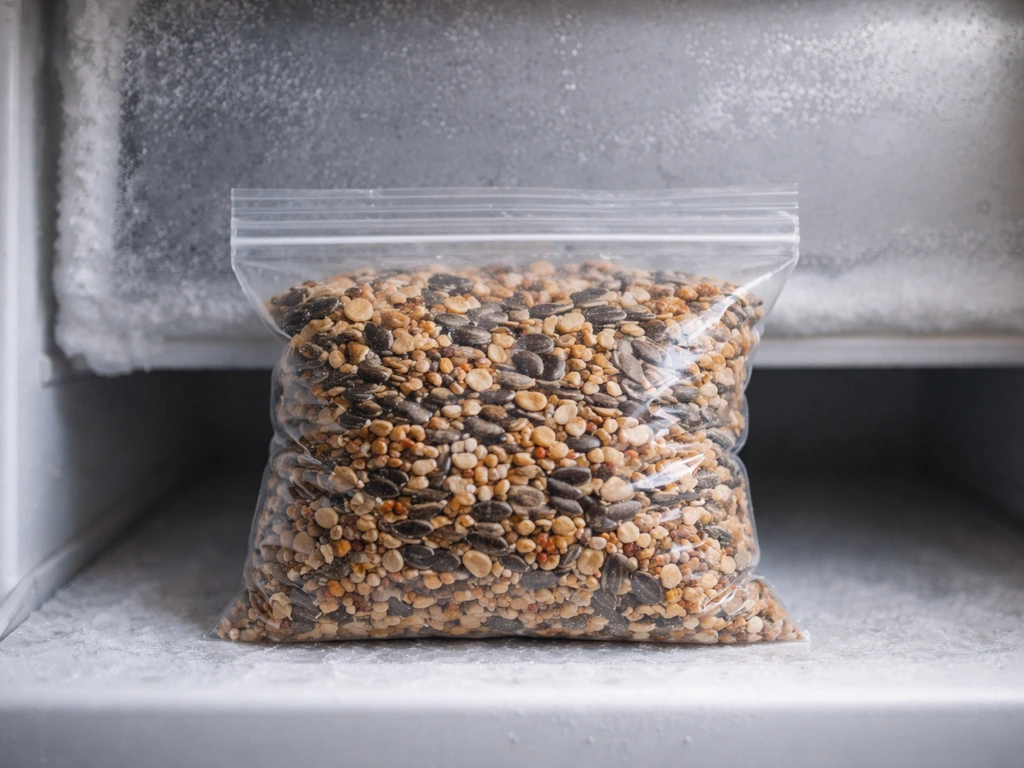
How Long to Freeze Bird Seed to Kill Bugs: Time Guide
Exact freezing time and safe steps to kill beetles, moths and weevils in bird seed, plus thaw checks and storage.