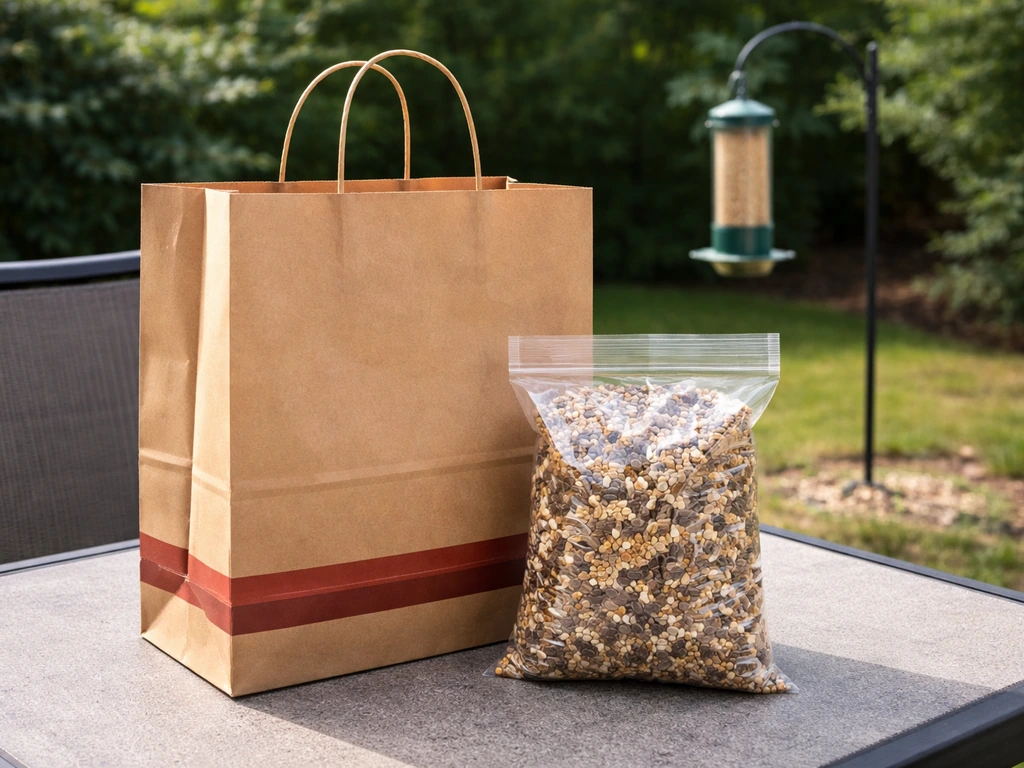
Yes, Chewy sells wild bird seed. Chewy product pages for specific items, such as the Audubon Park Wild Bird Food 20-lb bag, use the product title to identify the exact wild bird food and bag size Chewy sells wild bird seed. It has a dedicated category for it called "Wild Bird Seed" (browse path birdseed-11893) plus a broader "Wild Bird Food" section that includes seed blends, suet, nyjer, peanuts, and seed cakes. You can order online and have bags shipped directly to your door, with options ranging from small 5-lb bags up to 20-lb bulk bags from brands like Wagner's, Kaytee, Lyric, and Audubon Park.
Does Chewy Sell Wild Bird Seed? What to Buy and How
Maya Collins
24 May 2026
How to find wild bird seed on Chewy without getting lost
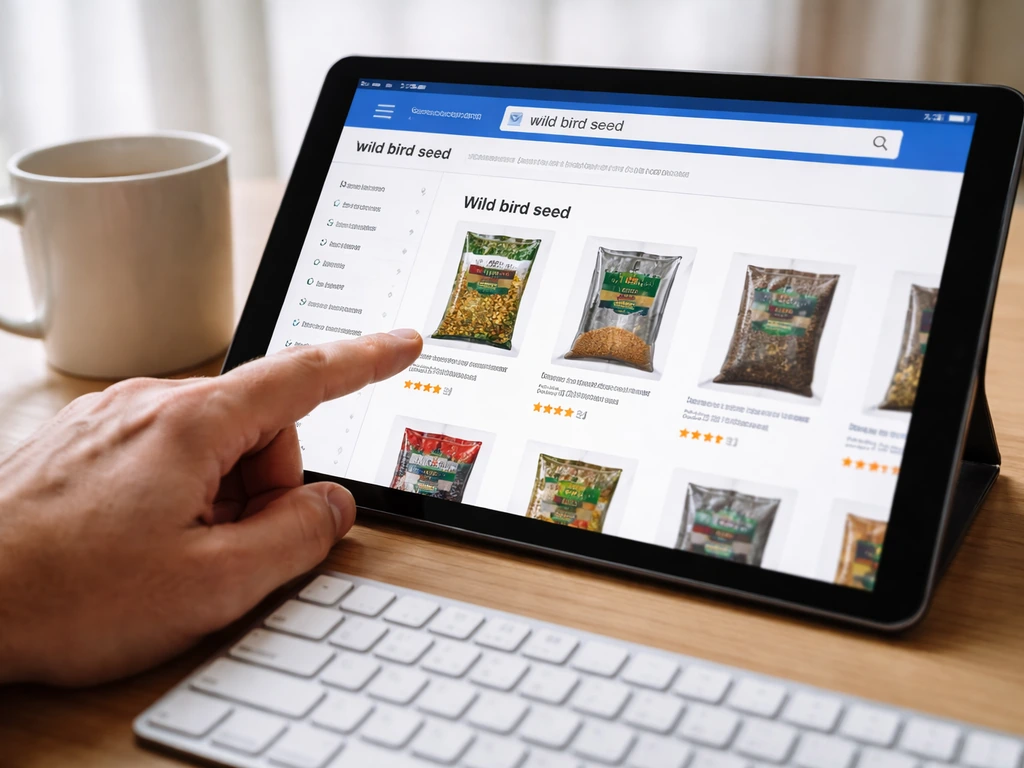
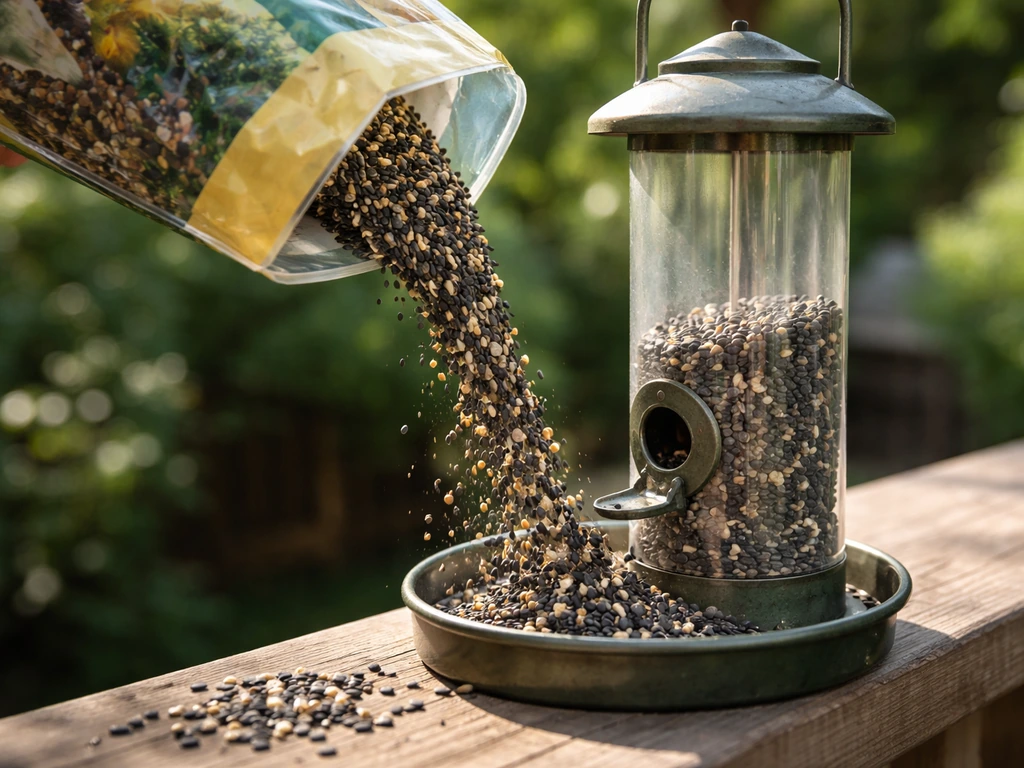
Chewy's navigation can be a little layered, so here's the fastest route. From the homepage, go to the "Bird" section under pets, then look for "Wild Bird Supplies." Inside that, you'll see "Wild Bird Food" as a subcategory, and under "Shop by food type" you can click "Bird seed" to filter directly to seed products. Alternatively, searching "wild bird seed" in the search bar pulls up the dedicated birdseed listing page immediately.
A few search tips that will save you time:
- Use "wild bird seed" or "wild bird food" rather than just "bird seed" — the latter can pull in parrot, parakeet, and canary mixes that are totally different formulations.
- Try "wildlife blend" if you want mixes designed for broader backyard wildlife including squirrels and ground feeders alongside birds.
- Filter by food type on the left sidebar: options include "No-mess bird seed," "Thistle & Nyjer," "Peanuts," and "Suet" so you can narrow to exactly what your feeder setup needs.
- Filter by bag size if you're managing storage space — 5-lb and 7-lb bags are easier to rotate through before they go stale, while 20-lb bags save money if you go through seed quickly.
Each product page on Chewy includes an "Ingredient Information" section with a full ingredient list and a Guaranteed Analysis covering crude protein, fat, fiber, and moisture. Read these before buying, they tell you exactly what's in the bag and give you a baseline for quality.
What a good wild bird seed blend should actually contain
Not all "wild bird food" is equal. Cheap economy mixes are often padded with red millet, wheat, and oats that most backyard songbirds toss aside or ignore. Those fillers end up on the ground, get wet, and mold faster. A quality blend should lead with seeds birds actually eat.
Here's what a solid wild bird seed blend looks like. The Lyric 20-lb bag sold on Chewy, for example, lists its ingredients in this order: cracked corn, white proso millet, black oil sunflower seed, black striped sunflower seed, shelled peanuts, and safflower seed. No fillers, just those six. That ingredient order matters because it reflects proportion by weight, so you can see what dominates the mix.
| Ingredient | Why it matters | Birds it attracts |
|---|---|---|
| Black oil sunflower seed | Thin shells, high fat — the most universally accepted seed | Cardinals, chickadees, finches, nuthatches, jays |
| White proso millet | Small and easy to eat; preferred by ground feeders | Sparrows, juncos, doves, towhees |
| Cracked corn | Energy-dense carbohydrate; attracts a wide variety | Jays, doves, blackbirds, ground feeders |
| Safflower seed | Bitter taste deters squirrels and starlings | Cardinals, chickadees, doves |
| Shelled peanuts | High protein and fat; excellent winter food | Woodpeckers, jays, titmice, nuthatches |
| Nyjer (thistle) | Tiny oil-rich seed; needs a special thistle feeder | Goldfinches, siskins, redpolls |
When reading a Chewy product label, also check the Guaranteed Analysis moisture line. A moisture max of 12% is the benchmark you'll see on quality blends like the Lyric bag. Anything noticeably higher when you open the bag (seed feels damp, clumps, or smells musty) is a red flag before you even fill a feeder.
Shipping, storage, and keeping seed fresh after it arrives
Chewy ships seed in the original manufacturer bags, which is generally fine for transit. Once the package arrives, how you store it determines how long it stays safe and effective. Seed stored poorly can develop mold, attract pests, and produce aflatoxins, mycotoxins from Aspergillus fungus that are genuinely harmful to birds. Research has found measurably elevated aflatoxin levels in wild birdseed that was improperly stored, and the mechanism is straightforward: Aspergillus needs moisture and the natural sugars in grain to produce toxins.
Storage setup that actually works
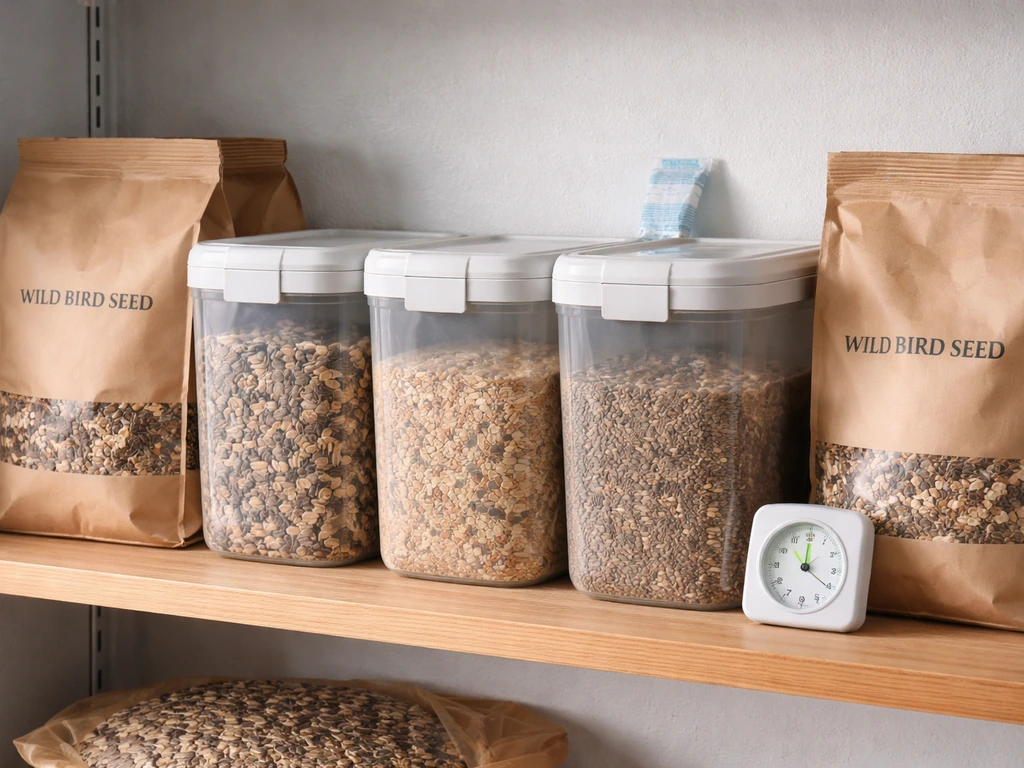
- Store seed indoors in a cool, dry location — a garage, basement, or pantry works well. Avoid sheds that get hot and humid in summer, which accelerates mold growth.
- Use a clean, airtight container with a tight-fitting lid. A metal or heavy-duty plastic bin with a gasket seal is ideal and keeps rodents out.
- Place the entire original bag inside the container rather than pouring seed directly into it. This keeps the lot number and ingredient info with your seed and reduces contamination from residue in the container.
- Don't mix new seed on top of old seed. Use up what's in the container before adding a new bag — this prevents old seed from sitting at the bottom indefinitely.
- In humid climates (Gulf Coast, Pacific Northwest, anywhere with regular summer humidity above 70%), consider buying smaller bags more frequently rather than stockpiling a 20-lb bag that may sit for weeks.
Shelf life on a properly sealed, dry wild bird seed blend is typically up to a year from the manufacture date. Once opened, plan to use it within two to three months if stored at room temperature. If your storage area is air-conditioned year-round, you can stretch that a bit longer, but sniff and visually inspect the seed every time you refill, any musty smell, visible white or green fuzz, or clumping is a signal to discard the whole batch.
Feeder setup and matching seed to the birds you want
The seed blend you buy needs to match your feeder type and the birds in your yard. A standard tube feeder works well for sunflower and safflower seed. A platform or tray feeder is better for millet and cracked corn because ground-feeding birds like sparrows and juncos prefer to eat off a flat surface. A hopper or hooded feeder handles mixed blends cleanly and protects seed from rain better than an open tray. Chewy's product pages actually include "Feeding Instructions" for each blend that tell you exactly which feeder types the manufacturer recommends, it's worth reading before you fill up.
Species-by-species feeder guide
- Cardinals and chickadees: Sunflower seed in a tube or hopper feeder. Adding safflower actively discourages European starlings and house sparrows without bothering cardinals.
- Goldfinches and siskins: Nyjer (thistle) seed in a dedicated thistle sock or tube feeder with small ports. Standard mixed blends won't draw them reliably.
- Sparrows, juncos, and doves: White proso millet on a platform tray or scattered on the ground. These birds are ground feeders and won't use a hanging tube well.
- Woodpeckers and jays: Shelled peanuts in a wire mesh peanut feeder, or a suet cage. These birds need a perching surface and something to grip.
- Nuthatches and titmice: Sunflower or mixed blends in a hopper feeder; they'll also work suet cakes alongside woodpeckers.
Regional note: if you're in the southern US, you'll see more Carolina wrens and painted buntings, which prefer millet and fine seeds on a low tray. In the Pacific Northwest, you'll attract varied thrushes and dark-eyed juncos more reliably with a ground-level platform than a hanging feeder. Adjust your feeder height and style to match what's actually in your yard.
Troubleshooting: pests, wet seed, sprouting, and cleanup
Wet or sprouted seed
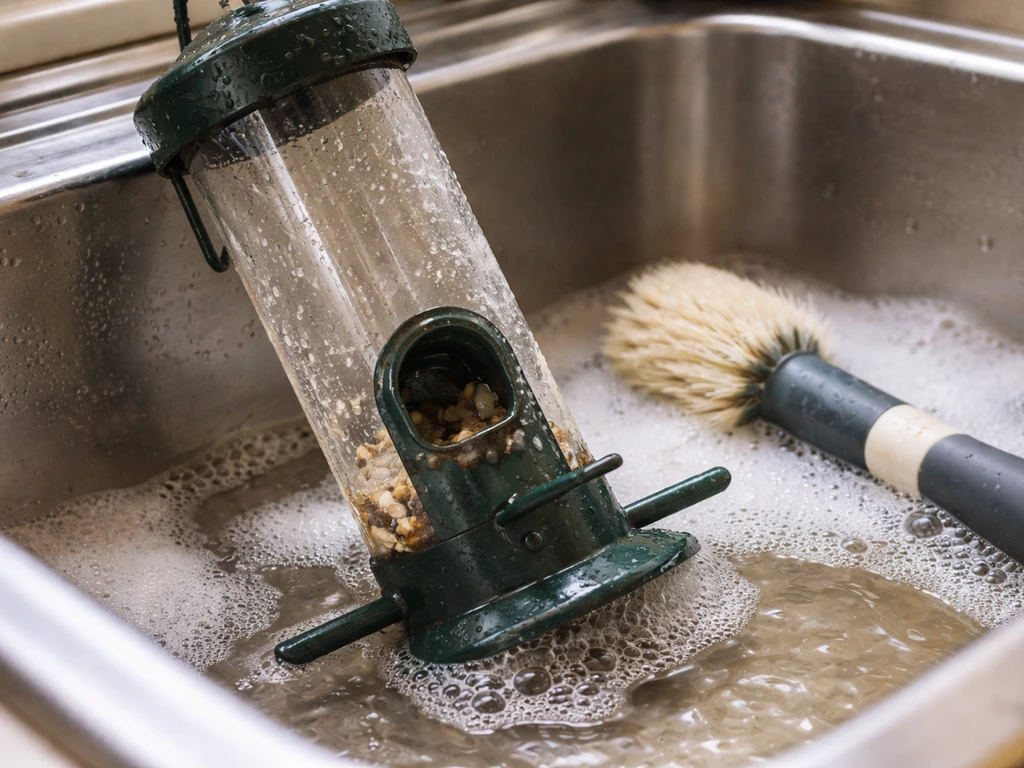
If your feeder gets rained on or the seed inside clumps and starts to sprout, do not just top it off with dry seed. Audubon recommends cleaning feeders and bird baths with a bleach solution of nine parts water to one part bleach, then drying the feeder after cleaning cleaning bird feeders with a bleach solution of nine parts water to one part bleach and drying the feeder after cleaning. Empty the feeder completely into the trash, not on the ground, which spreads disease and attracts rodents. Wet seed is a mold incubator, and moldy seed can harbor Aspergillus spores that are harmful to birds when inhaled. The CDC identifies aspergillosis (a respiratory disease caused by breathing Aspergillus spores) as a genuine risk, and birds are far more susceptible to it than humans. Handle clumped or visibly moldy seed with gloves and avoid stirring it in a way that releases dust.
Cleaning the feeder
- Empty the feeder completely — discard all remaining seed.
- Scrub the feeder with a brush and warm soapy water to remove seed hulls, droppings, and residue.
- Rinse thoroughly, then soak or wipe down with a solution of one part bleach to nine parts water. This is the Audubon-recommended ratio for killing mold and pathogens.
- Rinse again with clean water and allow the feeder to dry completely before refilling. A damp feeder will cause fresh seed to clump within days.
- Aim to clean every other week under normal conditions. If you've had heavy rain, sick-looking birds, or visible mold, clean immediately before the next refill.
Unwanted visitors and ground mess
If you're getting rats, mice, or squirrels, the ground below the feeder is usually the problem. Hulls, dropped seed, and spilled millet accumulate fast and are a direct food source for rodents. Rake or sweep below the feeder at least weekly. Discard moldy hulls in the trash rather than composting them. If you're in an area with persistent rodent pressure, switch to a no-mess blend (hulled sunflower, shelled peanuts) that leaves almost no debris, or mount the feeder on a baffle pole so ground access is limited.
For pest birds like European starlings and house sparrows that mob feeders and dominate resources, switching to safflower-heavy blends or straight nyjer seed can make a significant difference without removing the feeder entirely. Both seeds are largely ignored by those species but remain attractive to the songbirds most backyard feeders want to see.
How Chewy compares to other places to buy bird seed
Chewy is one of the more convenient options for buying wild bird seed because of home delivery, a wide brand selection, and the detailed ingredient and analysis information on every product page. If you are wondering whether you can buy bird seed with food stamps, the rules depend on your location and the store's eligibility can you buy bird seed with food stamps. If you're trying to choose the right blend, being able to read the full ingredient list before buying beats guessing from a shelf tag. That said, it's worth comparing: other pet-focused retailers like Petco also carry wild bird seed in-store and online, and some shoppers prefer picking up a bag locally to check condition and packaging before buying. Petco often has wild bird seed in-store and online as well, so it is worth checking their current availability Petco also carry wild bird seed in-store and online. Pharmacy and grocery chains occasionally carry basic mixed seed, though selection is usually limited and turnover is slower, which raises the risk of buying older stock. If you’re wondering whether Walgreens sells bird seed, it may carry some basic options depending on location. If you are wondering whether CVS sells bird seed, it may be limited to basic mixed seed and store availability can vary wild bird seed.
If you want the specific seed type (like straight nyjer or safflower) rather than a pre-made blend, Chewy's filtered categories make it easy to find exactly that without wading through irrelevant results. For most backyard feeders buying in quantities of 10 to 20 lbs, Chewy's delivered-to-door model is practical and the pricing on larger bags is competitive.
FAQ
How do I confirm a specific seed type, like straight nyjer or safflower, is actually included in a “wild bird food” product on Chewy?
Open the product page and check the ingredient order and ingredient names, not the category label. Some mixes include small amounts of restricted seeds, so verify the exact items listed in the ingredient section and look for the dominant ingredient appearing first.
If I buy a 20-lb bag, how much of it should I realistically use before it goes stale or gets risky from storage?
Plan to use large bags faster than you might think. Even when the bag is sealed at delivery, once opened you generally want to finish within about two to three months at room temperature, and longer only if your storage area stays consistently cool and dry.
What’s the best way to tell if seed has gone bad before feeding it, beyond checking the moisture number?
Use your senses. A musty smell, visible clumping, damp patches inside the bag, or any white or green fuzz are strong indicators to discard. Also check for stuck seed grains, which can suggest moisture intrusion.
Can I feed wet or clumped seed while waiting for my next order?
No, empty the feeder and don’t top off with the wet or clumped portion. Mixing fresh dry seed into a contaminated feeder can keep mold spores and damp conditions around, and it can worsen aflatoxin or aspergillosis risk.
How should I clean my feeders if I had moldy seed or aspergillus concerns?
Remove all seed and debris, then scrub feeder surfaces thoroughly and rinse well before refilling. Let the feeder dry completely, since leftover moisture can sustain mold growth even if you add new seed.
What should I do if I’m getting mold or pests even though I store the seed indoors?
Recheck storage conditions and container quality. Store in an airtight, pest-resistant container, keep it away from humid areas like near exterior doors or laundry rooms, and don’t pour used seed back into the original bag.
Do Chewy’s product “Guaranteed Analysis” numbers help me compare blends for bird health?
Yes, but treat them as a baseline, not a complete nutrition plan. Compare protein, fat, fiber, and moisture together, and still rely on ingredient order and moisture limit cues, since fillers and moisture are often the biggest practical quality issues.
Which feeder type should I use for millet or cracked corn versus sunflower-based blends?
Match the seed to how birds eat. Tube feeders usually work better for sunflower and safflower. Platform or tray feeders are typically better for millet and cracked corn because ground-feeding birds use open surfaces more naturally.
How can I reduce seed waste under the feeder without sacrificing bird activity?
Use a feeder with a design that limits spillage, sweep or rake under the feeder at least weekly, and consider switching to cleaner, lower-waste options like hulled sunflower or shelled peanuts if rodent pressure is high.
What’s the most effective way to manage starlings or house sparrows without removing the feeder?
Switch to safflower-heavy blends or straight nyjer, since those are generally less preferred by those pest birds. Keep the feeder in place so songbirds can still use it, but you change the food incentive.
Does Chewy ship seed in manufacturer bags that are suitable for storage right away?
Chewy typically ships seed in the original manufacturer packaging, which is generally okay for transit. Still, the arrival condition matters, if the bag looks or smells damp, don’t assume it is safe, transfer immediately to an airtight container and inspect the seed.
Next Article
Does Walgreens Sell Bird Seed? How to Check Today
Find out if Walgreens sells bird seed, how to check real stock fast, plus buying tips, storage, and pest prevention.