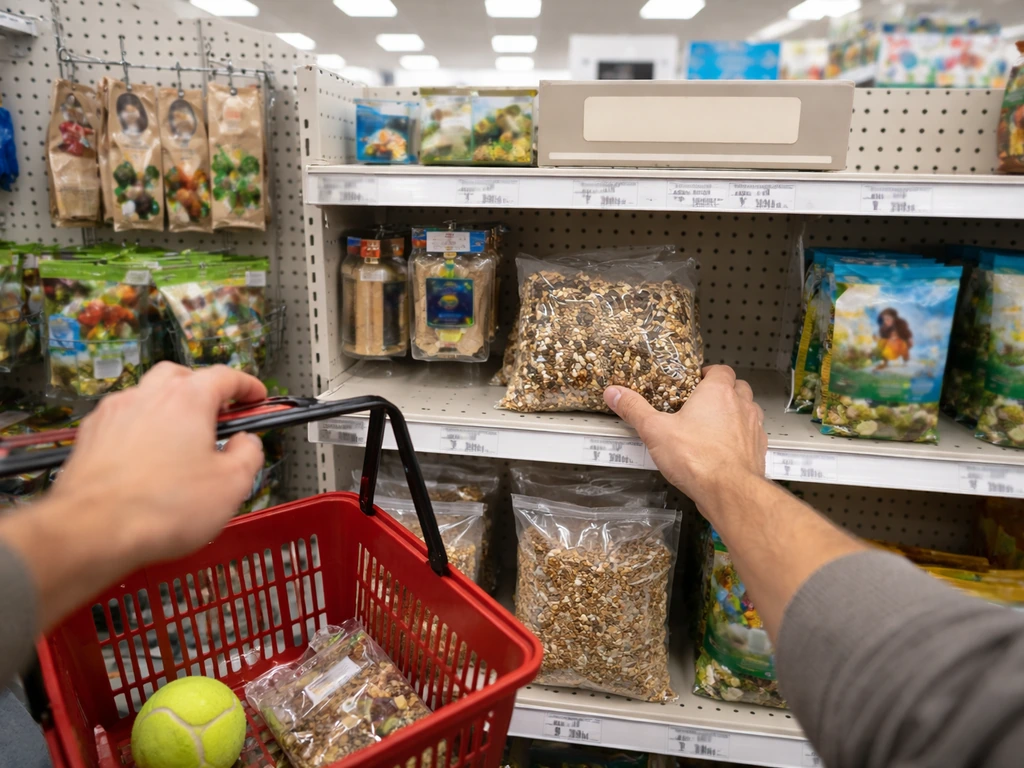
Walgreens does sometimes carry bird seed, but it's hit or miss depending on the location and season. Some stores stock a basic wild bird seed mix in the pet or outdoor living section, while others carry nothing at all. Can you buy bird seed with food stamps? It depends on your state and what store you shop at, but some retailers and eligible purchases may qualify. Your fastest move is to check Walgreens. If you're asking whether Chewy sells wild bird seed, the answer is to check their seed and bird supply listings for what ships to you Chewy wild bird seed. com or the Walgreens app right now, search for 'bird seed' or 'wild bird food,' and use the 'Available for In-Store Pickup' filter to see what's actually at your nearest store before you drive over.
Does Walgreens Sell Bird Seed? How to Check Today
Does Walgreens actually carry bird seed, in-store and online?
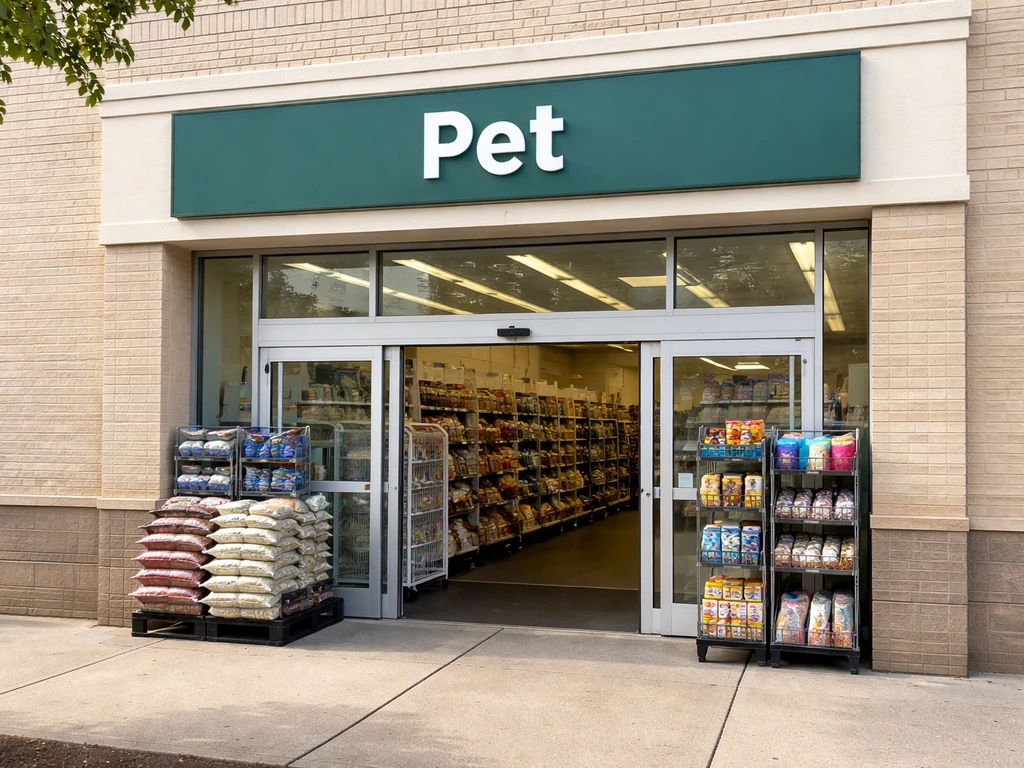
Walgreens has a Pet Products category on its website that lists birds as one of the pet types it serves, so bird-related products are at least part of its catalog. In practice, what you'll find varies a lot. Some Walgreens locations stock a single basic wild bird seed mix alongside other pet supplies, often in the seasonal or outdoor living aisle. Others carry nothing at all. Stock also shifts seasonally: you're more likely to find it in fall and winter when backyard bird feeding peaks.
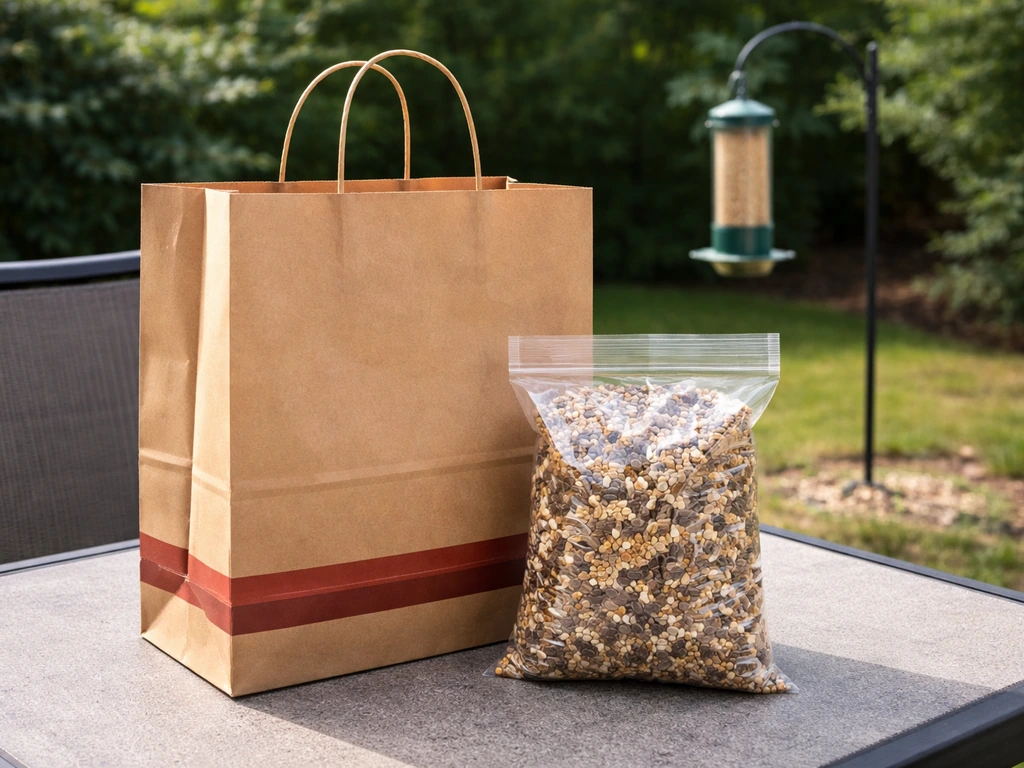
Online is a slightly different picture. Walgreens.com and the Walgreens app do list pet products including bird-related items, and some can be ordered for same-day delivery (in as little as one hour between 9 a. Walgreens also notes that to guarantee same-day curbside pickup, orders must be received by 5pm local time for select eligible products same-day delivery. m. and 9 p.m. at most stores) or shipped to your door. The catch Walgreens itself calls out: price and inventory can vary significantly between the website and what's physically on the shelf. Don't assume online availability means the store near you has it.
How to check real availability fast
Skip calling the store. Use Walgreens' own digital tools instead, they pull live inventory and save you the trip if it's a dead end.
- Go to Walgreens.com or open the Walgreens app and search 'bird seed' or 'wild bird food.'
- On the results page, apply the 'Available for In-Store Pickup' filter. This narrows results to items your selected store actually has in stock.
- If a product shows 'Not sold at your store,' tap 'Check other stores' to see nearby locations that do carry it.
- To use the 30-minute pickup option, place your order at least one hour before your store closes (or by 5 p.m. local time if you want curbside pickup).
- For same-day delivery, order before 9 p.m. through the app and confirm your address is in the delivery zone.
The store locator on Walgreens.com is your starting point for picking the right location. Once you've selected your store, the inventory filter does the heavy lifting. If nothing comes up for bird seed at your location, that's your answer: Walgreens isn't the right stop today, and you'll want to move to one of the alternatives below.
What to buy: picking the right seed at a retail store
If Walgreens (or any convenience-style retailer) does have bird seed, you'll likely be choosing from one or two generic mixes rather than a specialty lineup. Here's how to make a good pick quickly.
Read the ingredient list first
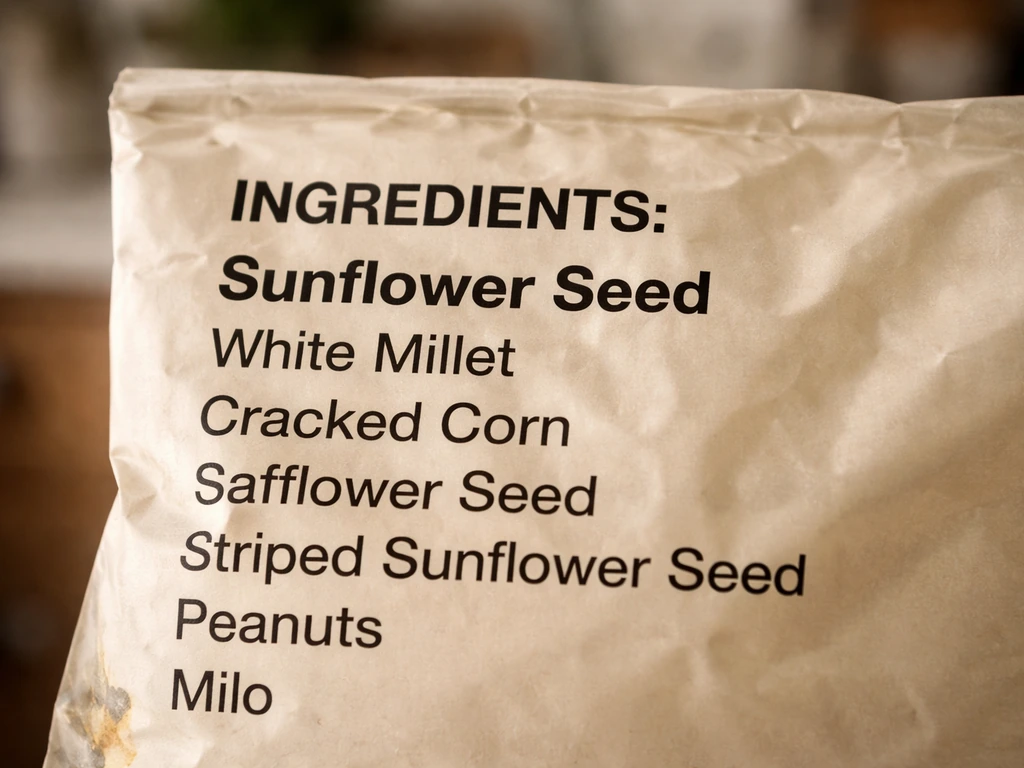
Bird seed ingredients are listed in descending order by weight, same as human food. The first ingredient is the dominant seed. A bag that leads with sunflower seeds (black oil sunflower is the gold standard) is a solid all-purpose choice that attracts a wide range of backyard birds including chickadees, finches, nuthatches, and cardinals. A bag that leads with milo, wheat, or red millet is lower quality: most songbirds ignore those fillers and kick them to the ground, which creates a mess and invites pests.
Match the seed to the birds you want
| Seed Type | Best For | What to Avoid |
|---|---|---|
| Black oil sunflower | Cardinals, chickadees, finches, nuthatches, jays | Nothing major; widely accepted |
| Safflower | Cardinals, house finches, doves | Squirrels and starlings tend to avoid it (a plus for many) |
| Nyjer (thistle) | Goldfinches, pine siskins, redpolls | Needs a specific thistle feeder with small ports |
| Mixed wild bird seed (quality) | General songbird mix; good if sunflower leads the list | Bags where milo or wheat are the first ingredient |
| Peanuts (in shell or pieces) | Blue jays, woodpeckers, nuthatches | Check for freshness; peanuts go rancid faster than seed |
Check for freshness before you buy
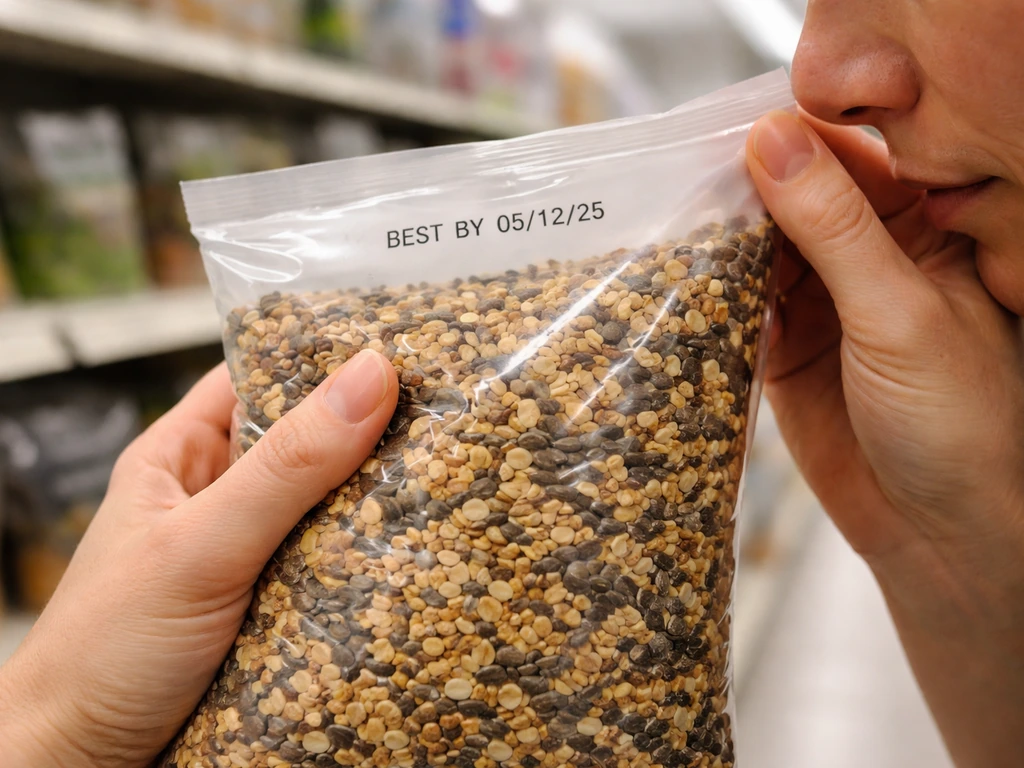
Look for a 'best by' date on the bag. Smell it through the bag if you can: fresh seed smells nutty and mild. A sour, musty, or rancid smell means it's already going bad. Squeeze the bag to check for clumping, which indicates moisture got in. A retail store with slow turnover can easily have seed sitting too long, so this quick check matters.
If Walgreens doesn't have it: quick alternatives nearby
Walgreens is a convenience option at best for bird seed. Petco is another common option for shoppers looking for wild bird seed convenience option. If it's not in stock, you have much better options without going far.
- Walmart and Target: Almost always stock multiple wild bird seed brands (Pennington, Wagner's, Kaytee) at competitive prices. These are your fastest same-day fallback.
- Home Depot and Lowe's: Carry large bags of black oil sunflower seed and premium mixes in the garden center. Often the best value per pound.
- Grocery stores: Many carry a basic wild bird mix near the pet aisle. Quality varies but works in a pinch.
- Petco: Stocks wild bird seed alongside its broader pet supplies. Worth checking for specialty seed like nyjer.
- Chewy and Amazon: Best for bulk orders and specialty seed (nyjer, safflower, no-mess mixes) delivered to your door if you're not in a rush.
CVS is in a similar situation to Walgreens as a pharmacy chain that occasionally carries basic pet supplies but isn't a reliable bird seed source. For anything beyond a generic mix, a hardware store or dedicated pet retailer will serve you better.
Storage and handling once you get it home
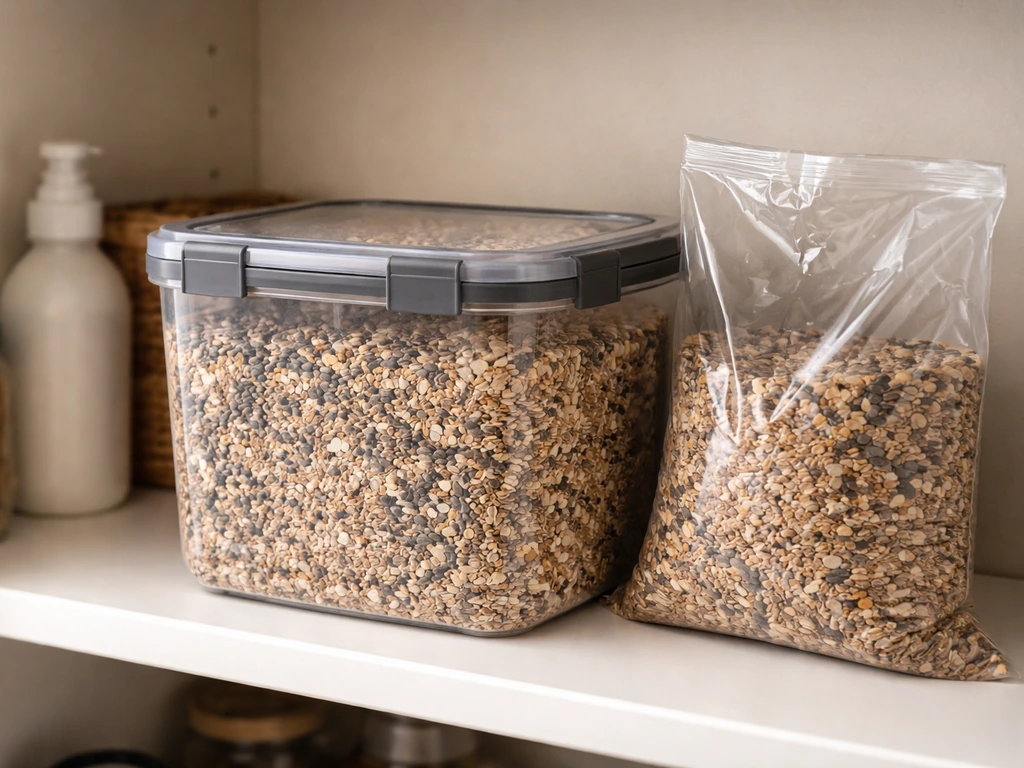
How you store bird seed matters more than most people realize. Improperly stored seed goes bad fast, and moldy or rancid seed actively harms birds. The good news is that proper storage is simple.
Keep it dry and sealed
Transfer seed from the paper or thin plastic bag into a hard-sided, airtight container as soon as you get home. A metal garbage can with a locking lid, a food-grade plastic bin, or a dedicated seed storage container all work well. Metal is better than plastic if squirrels or rodents are a concern in your storage area. Store the container in a cool, dry spot: a garage, shed, or basement. Avoid storing seed in a hot car, direct sun, or anywhere humidity runs high.
Know the shelf life
- Dry sunflower seed and most mixed seed: 6 to 12 months stored properly in a sealed container.
- Nyjer (thistle) seed: oils go rancid faster, closer to 3 to 6 months. Buy smaller quantities more often.
- Peanuts and peanut pieces: 3 to 6 months max before oils degrade. Check frequently for rancid smell.
- Suet cakes: follow package dates; they can go rancid quickly in warm weather. Refrigerate or freeze extras.
In hot climates or during summer, shorten these timelines by about a third. Heat accelerates oil breakdown in seeds, which is what makes them go rancid and unappealing to birds.
Common problems after purchase
Wet or clumped seed
If seed gets wet, either from rain in the feeder or moisture in storage, it clumps together and starts to mold within 24 to 48 hours. Spread it on a clean tray in a dry, warm spot to see if it can be salvaged. If it smells sour or shows any visible mold, discard it. Do not put wet seed back in the feeder. The BC government's wildlife health guidance puts it plainly: do not give moldy or damp seed to birds. It can make them seriously ill.
Mold in the feeder
Mold grows fast in feeders, especially in humid conditions or when seed sits too long. If you see black or white fuzz, or the seed smells musty, empty the feeder completely. Throw away all the seed inside. Don't just top it off. You'll need to clean and disinfect the feeder before refilling (see the cleaning steps below).
Pest problems: squirrels, rodents, and insects
- Squirrels: Use a baffle on feeder poles, hang feeders at least 5 feet off the ground and 10 feet from any launching point, or switch to safflower seed (most squirrels dislike it).
- Rodents: Never leave seed on the ground overnight. Store all seed in metal containers with tight lids. Keep the area under feeders raked clean of hulls and fallen seed.
- Insects and weevils: These hatch from eggs already in the seed. Freezing seed for 48 hours after purchase kills larvae before they hatch. Store seed in airtight containers to prevent reinfestation.
Sprouting seed under the feeder
Seed that falls to the ground can sprout into weeds, especially millet and sunflower. Rake or sweep the area under your feeder every week. You can also switch to a no-mess mix where seeds have been hulled or sterilized so they can't germinate. These cost a bit more but eliminate the sprouting problem entirely.
Safety, cleanup, and keeping birds healthy
How often to clean feeders
Clean your feeder at least once a week with hot water and a bottle brush to scrub out debris and old seed. Cornell Lab's All About Birds recommends this frequency as a baseline. During wet weather or high summer heat, clean more often since mold grows faster in those conditions. The Minnesota DNR links dirty feeders directly to birds getting sick, and it's not an exaggeration: salmonella and aspergillosis (a fungal lung disease) are real risks at contaminated feeders.
Deep cleaning with a bleach solution
- Empty the feeder completely and discard all remaining seed.
- Rinse the feeder with hot water to remove loose debris.
- Mix a disinfecting solution: either 9 parts water to 1 part bleach (PetMD's recommendation) or 2 ounces of bleach per 1 gallon of water (Minnesota DNR's formula). Both work effectively.
- Soak the feeder parts in the solution for a few minutes, then scrub all surfaces with a brush.
- Rinse thoroughly with clean water until no bleach smell remains.
- Allow the feeder to air-dry completely before refilling. Putting seed into a damp feeder immediately starts the mold cycle again.
Cleaning under the feeder
The ground beneath the feeder collects wet hulls, droppings, and fallen seed, all of which can harbor bacteria and attract rodents. Rake or sweep this area weekly. If you see bird droppings heavily concentrated in one spot, consider moving the feeder temporarily and raking up the debris. PetMD specifically flags the area under the feeder as part of the cleaning task, not an afterthought.
Household hygiene when handling seed
Bird seed can carry bacteria and mold spores that are harmless to you if you take basic precautions. Wash your hands thoroughly after filling feeders, handling seed, or cleaning feeder equipment. Don't handle seed near food prep areas. If a family member is immunocompromised, have someone else manage feeder maintenance, or wear disposable gloves and wash hands after. Keep children from handling seed directly without supervision. These habits keep feeding birds a safe, enjoyable activity rather than a hygiene issue.
What to do if you see sick birds at your feeder
If you notice birds acting lethargic, puffed up, or dying near your feeder, take the feeder down immediately. Clean and disinfect it using the bleach method above, discard all seed, and let things sit for a week or two before putting the feeder back up. This is exactly what US Fish and Wildlife Service guidance recommends when there's a sign of disease at a feeding site. It feels drastic but it genuinely helps stop the spread.
FAQ
Can I buy bird seed with food stamps/SNAP at Walgreens?
Yes, but eligibility is state-specific and depends on what qualifies as an eligible food item versus a pet supply. If your goal is bird feed bought with SNAP, check your state’s rules first, then confirm Walgreens store policies for that category before going.
What should I do if Walgreens.com shows bird seed but my store pickup filter shows nothing?
If you do not see bird seed results when you enable the “Available for In-Store Pickup” filter, assume the specific store does not have it on that day. The website’s general listings can include items that are not stocked locally, so filter by your exact store location to avoid a wasted trip.
Should I call the Walgreens store to confirm bird seed availability?
Call the specific store only after you have confirmed the app or site shows “in stock” for that location, because staff can still be dealing with live inventory that changes during the day. If the digital tools show not available, a call usually leads to disappointment rather than a clear workaround.
What ingredient clues help me pick a better bird seed mix at Walgreens?
Look for seed mixes that list sunflower as the first ingredient, since it is the dominant attractant for many common backyard birds. Avoid blends that start with milo or wheat because many songbirds drop those fillers and you end up with more mess and waste.
How can I tell if the bird seed bag at Walgreens is fresh enough to use?
Yes, fresh seed can smell mild and nutty, while rancid seed smells sour, musty, or unpleasant. If you can’t smell through the bag, check the “best by” date and look for clumping, which often indicates moisture exposure.
What should I do if the bird seed I bought got wet or smells moldy?
Don’t feed it. If the seed has visible mold or smells musty and sour, discard it and do not put it in the feeder, even if some seeds look fine. Moisture exposure can lead to mold growth quickly and it can harm birds.
My feeder looks dirty, can I just add more seed instead of cleaning it?
If you see fuzz or a musty odor in the feeder, empty it completely, throw away the seed inside, and clean and disinfect the feeder before refilling. Topping off can spread mold and bacteria because the feeder interior stays contaminated.
Why do weeds grow under my bird feeder, and how do I stop it?
Seed can sprout after it falls to the ground, especially hulled versus unhulled mixes, and some types like millet are notorious for this. If weeds are a problem, sweep or rake weekly and consider a no-mess mix designed to reduce germination.
What’s the best way to store bird seed to keep it from going bad?
Yes. Many people store seed in the same container they use for other dry goods, which can trap moisture or pests. Use a dedicated airtight container, keep it in a cool, dry area, and if rodents are a concern, metal storage is often more secure.
What should I do if birds look lethargic or die near my feeder?
If birds seem sick or are dying nearby, stop feeding immediately, remove the feeder, and discard all remaining seed. Then clean and disinfect the feeder thoroughly and wait before restarting, since contaminated seed and feeder surfaces can keep the problem going.
Does CVS Sell Bird Seed? How to Find It Today
Quick yes and steps to find bird seed at CVS, verify stock online, or get a same-day alternative.