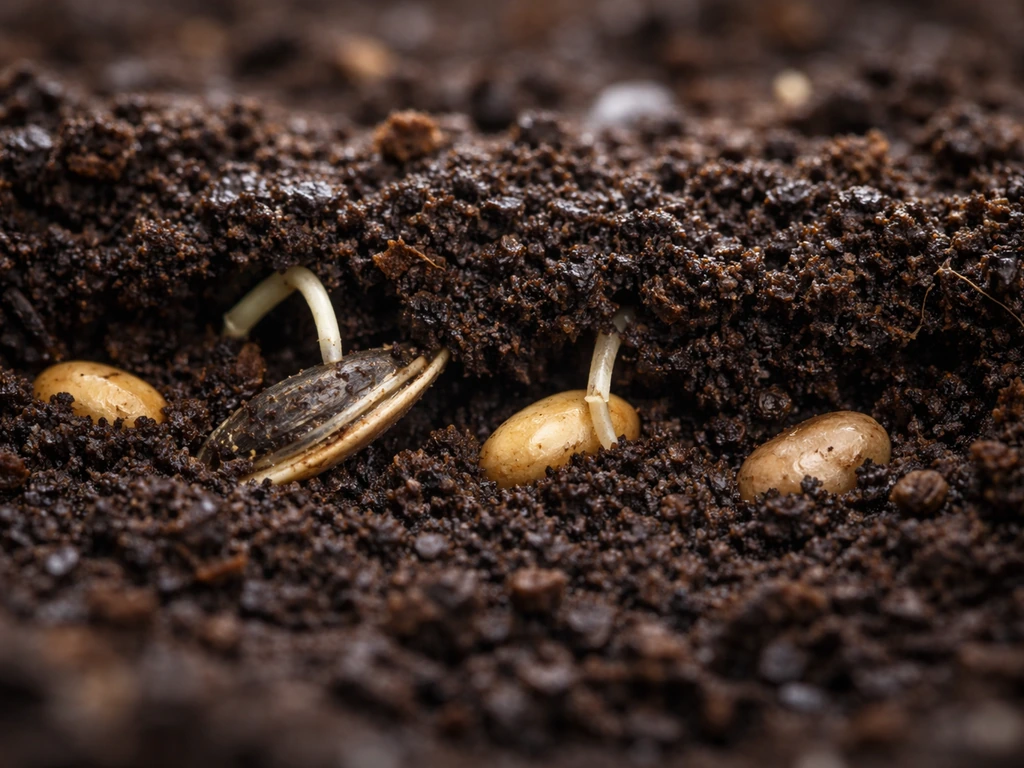
Yes, safflower bird seed can sprout, but it usually needs the right combination of moisture, warmth, and time to actually do it. If you are trying to choose between safflower vs sunflower bird seed, the sprouting behavior can be a deciding factor safflower bird seed. Under controlled conditions, blank" rel="noopener noreferrer">safflower germinates in about 10 to 14 days at temperatures around 68 to 72°F (20 to 22°C). In your feeder or on the ground, that window opens up fast the moment seed gets wet and stays wet. That said, not all safflower seed germinates equally: bird-collected or commercially packed seed can have germination rates anywhere from 4% to 30% depending on source, age, and how it was stored. So sprouting is a real risk, but it is not inevitable if you stay on top of moisture and storage. Yes, but if you want to actually plant safflower bird seed, you need to follow planting-grade methods so it does not just sprout in your feeder or on the ground.
Will Safflower Bird Seed Sprout? Germination Fixes
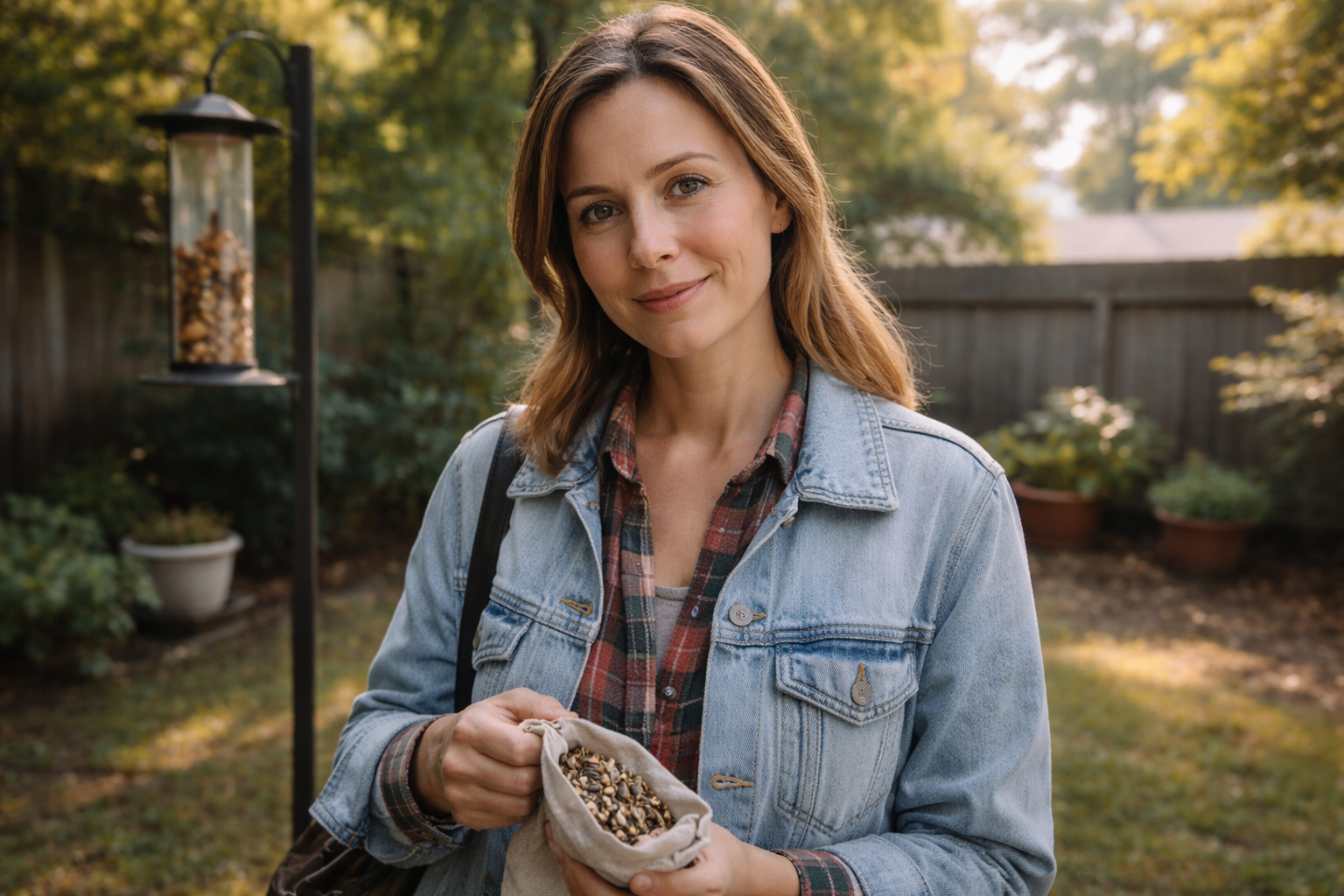
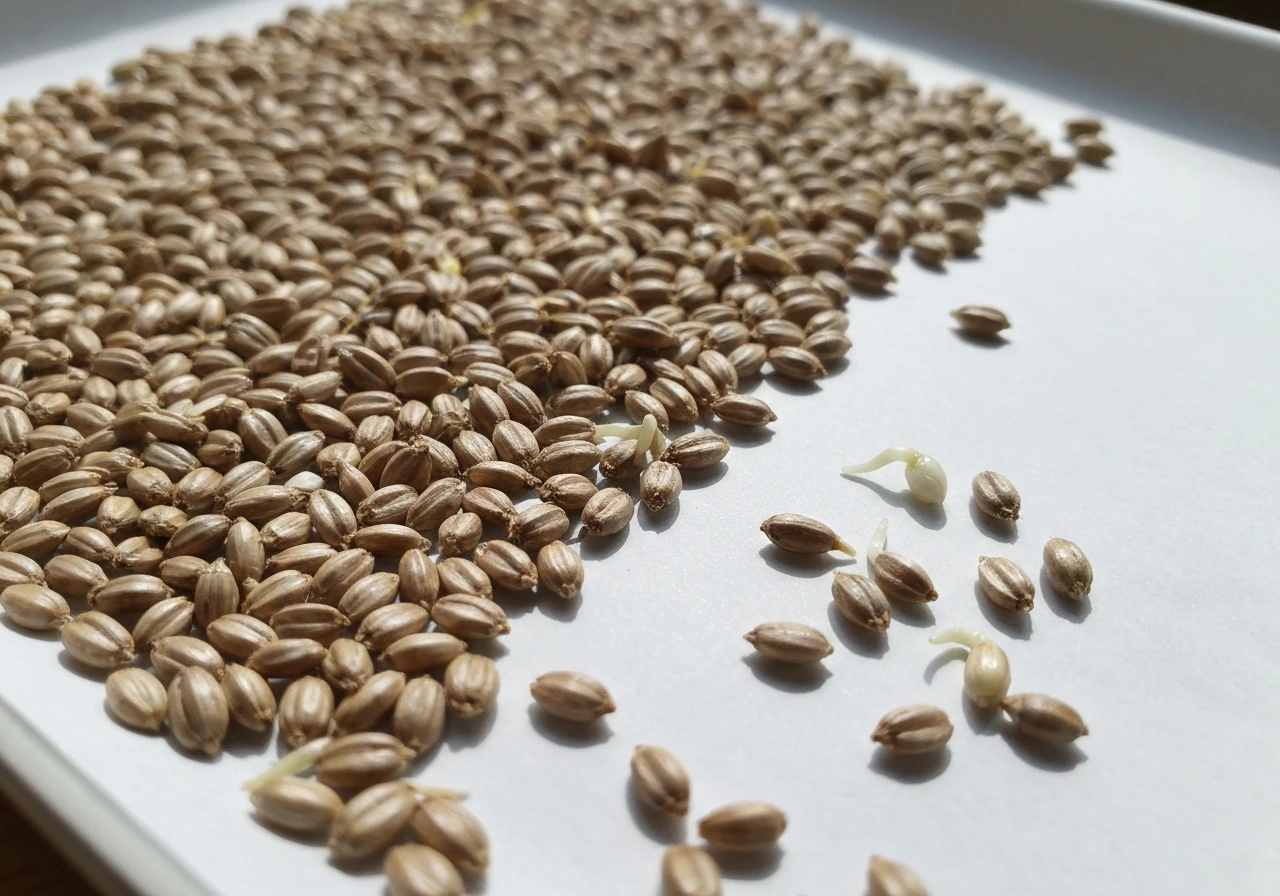
What actually determines whether safflower sprouts
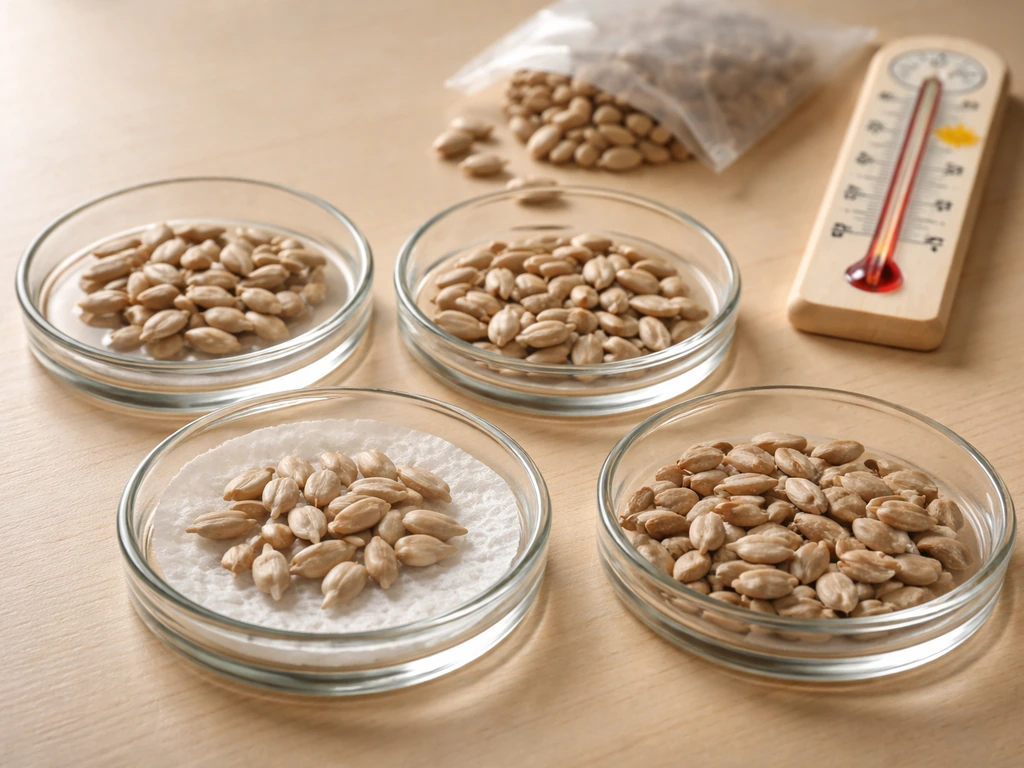
Four factors control germination in practice: seed viability, moisture, temperature, and seed condition. Get all four aligned and you will see sprouts. Break one of them and you probably will not.
Seed viability and age
Fresh, properly stored safflower seed has the highest germination potential. As seed ages or sits in humid conditions, viability drops. A good rule of thumb from seed storage research: every 1% rise in seed moisture content (actual moisture in the seed, not just humidity around it) cuts seed longevity roughly in half. That means seed stored in a damp garage or an unsealed bag loses viability fast, but it also means that partially degraded seed can still germinate if conditions line up before it fully dies. Commercial bird seed is not packaged to planting-grade standards, so viability varies widely from bag to bag.
Moisture and temperature working together
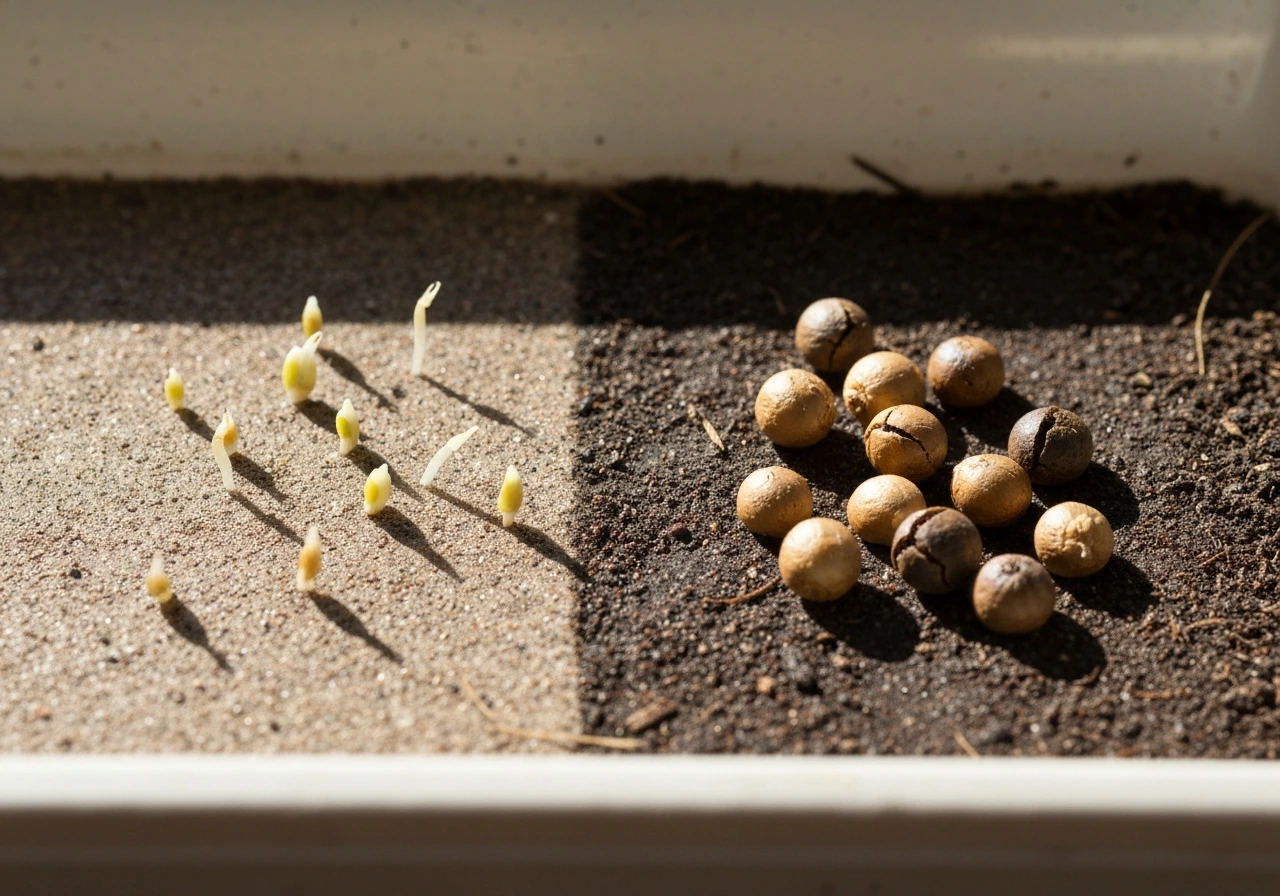
Safflower needs both water and warmth to germinate. Research on safflower emergence shows that germination rates actually decrease as temperatures climb above about 77°F (25°C), so a hot summer day can paradoxically slow things down even if seed is wet. The sweet spot is roughly 68 to 72°F with consistent moisture contact. That matches late spring and early fall conditions in most of the U.S. perfectly, which is exactly when sprouting complaints tend to peak. In cool climates or during winter, wet seed is much less likely to germinate but much more likely to mold instead.
Cracked, damaged, or treated seed
Physically damaged seed (cracked hulls, broken kernels) almost never germinates because the embryo is compromised. Some commercial bird seed suppliers also treat seed to reduce germination, typically with heat or mild chemical treatment, though this is not universal. If you are seeing active sprouting in your feeder, your seed is likely untreated and intact. If germination is your top concern and you want to plant intentionally rather than prevent it, there is a separate question worth exploring about whether bird seed is viable for planting at all.
Sprouting vs. mold vs. clumping: how to tell the difference
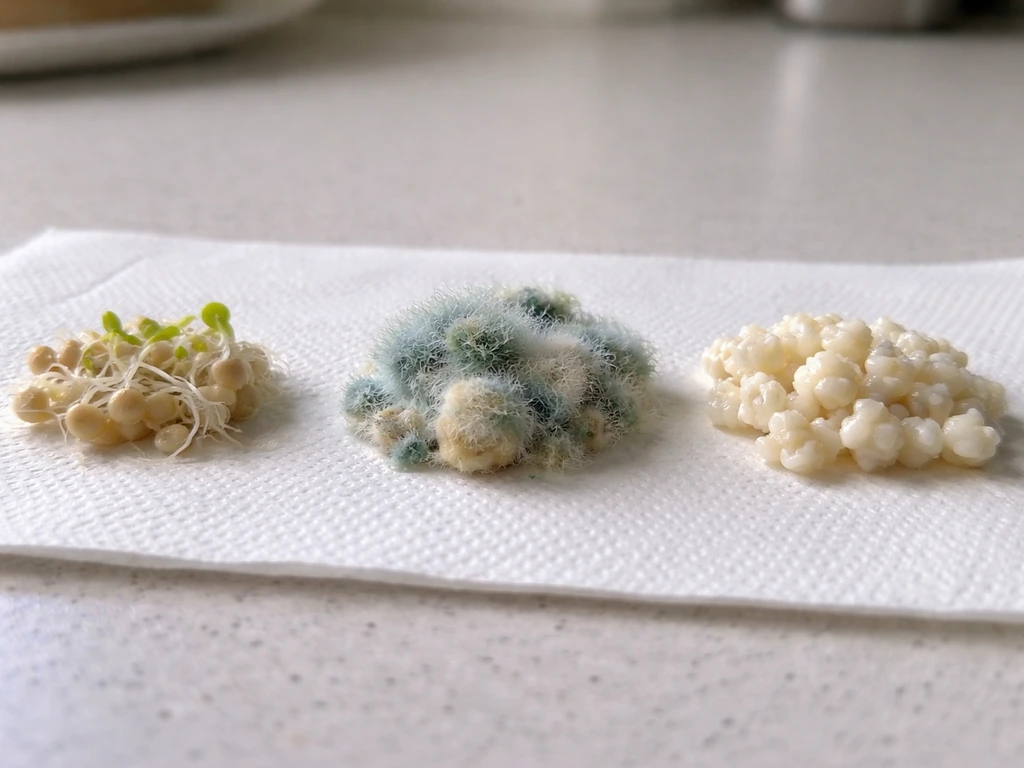
These three things can look similar at first glance and they call for completely different responses, so it is worth knowing what you are actually dealing with before you do anything.
| What you see | What it likely is | What to do first |
|---|---|---|
| Small white or green root tips emerging from seed | Active germination (sprouting) | Remove and discard; dry the area |
| Seeds stuck together in a clump with no visible growth | Moisture clumping, possible early mold | Break apart and smell; check for mustiness |
| Gray, blue-green, or black fuzzy coating on seed | Mold (Aspergillus or similar) | Discard entire affected batch immediately |
| Seed darkened or slimy but no fuzz | Bacterial rot from prolonged wetness | Discard; sanitize feeder or tray |
| Seeds with thin white threads connecting them | Early fungal growth (mycelium) | Discard; do not attempt to dry and reuse |
The sniff test is genuinely useful here. Fresh wet seed smells earthy or slightly sweet. Moldy seed smells musty or sour. Rotting seed smells sharp and unpleasant. If you are unsure, err on the side of discarding. The cost of tossing a cup of seed is far lower than the cost of sick birds or a mold problem spreading through your storage containers.
What to do right now if your seed got wet or is already sprouting
Act quickly. Once seed is wet, the clock is running. Here is what to do based on how far along things are.
Seed got damp but shows no sprouting or mold yet
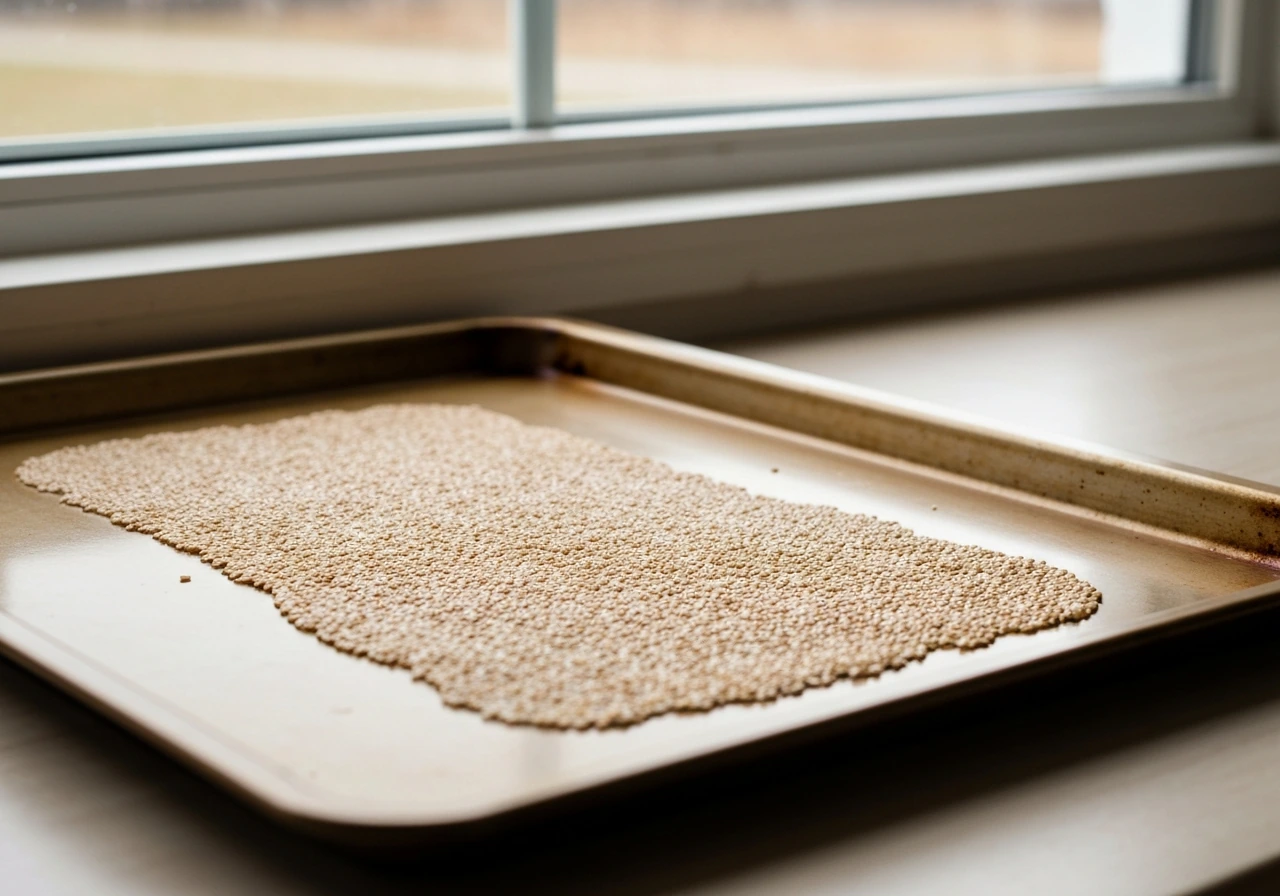
- Spread the seed in a single thin layer on a clean, dry surface: a baking sheet, a piece of window screen, or clean cardboard works well.
- Place it in a warm, well-ventilated area out of direct rain. Indoors near a fan is ideal. Avoid direct strong sunlight, which can cause uneven drying and drive moisture deeper into the seed pile.
- Stir or turn the seed every few hours to expose all surfaces to airflow.
- Allow at least 24 to 48 hours of drying before returning seed to storage or a feeder.
- After drying, check for any off smell or discoloration before reusing. When in doubt, discard.
Seed is actively sprouting
Once you see root tips or shoots, that seed is done as bird food. Sprouted seed has different nutritional content and texture, and it creates a moisture-rich environment that encourages mold. Remove all sprouted seed from feeders and trays, bag it, and compost or discard it. Do not just toss it on the ground nearby because it will continue to grow, and you will end up with safflower plants in your yard along with a seed deposit that attracts pests. Clean the feeder or tray with a dilute bleach solution (one part bleach to nine parts water), rinse thoroughly, and let it dry completely before refilling.
Mold is present
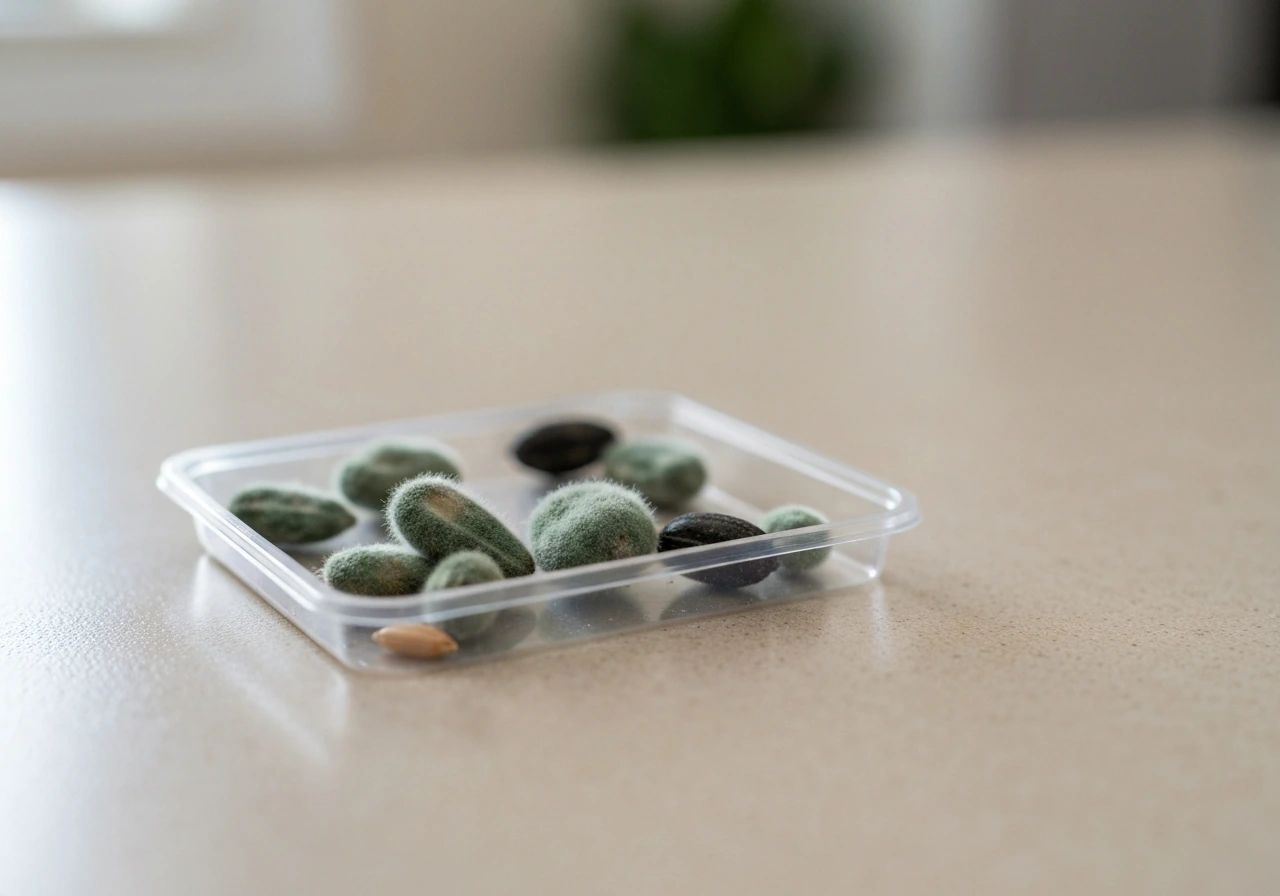
Mold means discard everything in that batch, no exceptions. Aspergillus mold, which is common in damp bird seed, produces aflatoxins that are harmful to birds. Merck Veterinary Manual notes that predisposing factors for aspergillosis include moldy bedding or feed Aspergillus mold, which is common in damp bird seed, produces aflatoxins that are harmful to birds.. Do not try to sort out the non-moldy portion because mold spores spread invisibly through an entire container before visible fuzz appears. Discard in a sealed bag, clean all storage containers with bleach solution, and let them dry fully before adding fresh seed.
How to store safflower seed so it does not sprout
Storage is where most sprouting problems start. The fix is almost always about keeping moisture out and keeping quantities reasonable so seed does not sit too long.
Container and location
- Use airtight containers: hard-sided metal or thick plastic bins with gasketed lids work best. Avoid thin plastic bags or open buckets.
- Store in a cool, dry location. A garage works if it does not get humid. A basement or pantry is better in most climates. Avoid storing near a water heater, washer, or dryer.
- If you live in a humid climate (Gulf Coast, Pacific Northwest, Florida summers), consider adding a food-safe desiccant packet to the container to absorb ambient moisture.
- Do not store seed outdoors or in sheds that experience temperature swings, as condensation inside the container will wet the seed.
How long safflower seed lasts
Properly stored safflower seed in an airtight container in a cool, dry space stays viable and fresh for about 6 to 12 months. After that, viability drops and the seed becomes more susceptible to pest infestation and mold even if it still looks fine. Buy in quantities you will use within that window. A 20-pound bag bought in spring should be gone well before the following spring. If you buy in bulk, split seed into smaller airtight containers and work through them in rotation.
Managing feeders and the ground to prevent sprouting and pests
Sprouting seed on the ground under feeders is one of the most overlooked pest and hygiene problems in backyard birdwatching. Germinated safflower creates a moist seed mat that draws rodents, insects, and mold, and the plants themselves can become a weed problem in landscaped areas. If you plant bird seed, you can also get unexpected sprouting and weeds depending on the seed type and conditions what happens if you plant bird seed.
Feeder design and drainage
- Use feeders with drainage holes or mesh bottoms so rain passes through instead of pooling around the seed.
- Avoid platform trays without drainage in rainy weather. If you use a tray feeder, dump and dry it after any significant rain.
- Fill feeders with only as much seed as birds will consume in 1 to 2 days in warm, humid months. In dry or cold conditions you can extend that to 3 to 4 days.
- Position feeders under a roof overhang or use a weather guard (a dome baffle above the feeder) to minimize direct rain exposure.
Ground cleanup and rotation
- Rake or sweep seed hulls and dropped seed from the ground under feeders at least once a week in warm months, more often during rainy stretches.
- Rotate where you place ground-level feeders or seed trays every few weeks to prevent seed buildup and sprouting in one spot.
- Consider placing a hard surface (flagstone, pavers, or a rubber mat) under hanging feeders to make cleanup easier and prevent seed from contacting soil where it can germinate.
- If sprouted safflower is already growing in the ground, pull the plants before they set seed to avoid a larger patch the following season.
Pest prevention tied to sprouting
Wet, sprouting seed is a magnet for mice, rats, and insects because it is softer, more aromatic, and easier to access than dry seed. If you find sprouting at ground level, treat it as a rodent risk signal. Clear the area, remove seed debris, and check nearby storage for any signs of gnawing or entry. Keeping the area under feeders clean and dry is more effective than any trap or repellent.
When to save seed and when to throw it out
This is the practical question that most people actually want answered. Here is a simple framework.
| Seed condition | Safe to use? | Action |
|---|---|---|
| Dry, smells fresh, no clumping | Yes | Store or use normally |
| Slightly damp, no smell, no visible growth | Probably yes | Dry thoroughly for 24-48 hours, then reassess |
| Clumped but no mold or sprouts, mild earthy smell | Use caution | Break apart, dry fully, smell again before using |
| Sprouting (root tips visible) | No | Discard; compost or bag and bin |
| Any visible mold (fuzz, discoloration) | No | Discard entire batch immediately |
| Slimy, dark, or foul-smelling | No | Discard; sanitize container |
| Stored more than 12 months even if dry | Questionable | Check smell and appearance; replace if uncertain |
For bird health specifically, the biggest risks are Aspergillus mold and bacterial contamination from wet seed. Birds that eat moldy or rotting seed can develop aspergillosis, a serious respiratory disease. You cannot always see or smell early-stage contamination, which is why the 1 to 2 day fill cycle in warm weather is such a practical safeguard. It is better to waste a little seed than to put sick seed in front of the birds you are trying to help.
Your quick troubleshooting checklist
If you found this article because you have a sprouting or wet seed problem right now, work through this list in order.
- Identify what you are dealing with: sprouting, mold, clumping, or just dampness. Use the table above to decide your next step.
- Remove all affected seed from feeders and trays immediately.
- If seed is only damp with no visible growth or smell, spread it thin and dry it for 24 to 48 hours before deciding whether to reuse it.
- If mold or sprouting is present, discard the batch in a sealed bag. Do not compost in areas where you want to prevent wild safflower growth.
- Clean all affected feeders, trays, and storage containers with a 1: 9 bleach-to-water solution. Rinse well and dry completely.
- Check your storage setup: is the container airtight? Is the location cool and dry? Fix the root cause before refilling.
- Adjust your fill frequency: in warm, humid weather, fill feeders to last only 1 to 2 days.
- Clean the ground under feeders and remove any sprouted plants before they establish.
Safflower is one of the better seed choices for backyard feeders because many pest species like squirrels and starlings tend to avoid it, while birds like cardinals, chickadees, and doves actively seek it out. Keeping that seed dry and fresh is what keeps it working well. The sprouting risk is real but entirely manageable once you have the right containers, a good fill routine, and a habit of checking for moisture after rain.
FAQ
If my safflower seed is already sprouting in the feeder, can I dry it and reuse it?
Usually no. Once sprouts or root tips start, the seed has already spent moisture and is more likely to develop mold during re-drying. The safer approach is to remove all sprouted seed, discard or compost it, then clean the feeder and refill with fresh, dry seed.
How can I tell whether sprouting is happening from normal humidity versus a real moisture problem?
Check after heavy dew or rain by feeling for clumping and looking for dark or swollen kernels. Humidity alone typically does not cause consistent swelling and root tips. If you see wet pads, repeated clumping within 24 to 48 hours, or musty odor, treat it as a moisture failure in the feeder, not just weather.
Does sprouted safflower seed attract more pests than dry safflower?
Yes. Germinated seed creates a moist, aromatic surface that is easier for mice, rats, and insects to access, and it can also seed plants in the yard. Even if the sprouts are small, treat the batch as a pest and hygiene risk.
Is aflatoxin risk only from visible mold, or can it be present before I see fuzz?
It can be present before you see obvious mold growth. The article notes that sorting is unreliable because spores can spread invisibly. If any portion of a container shows mold, discard the entire batch rather than trying to separate “good” kernels.
Can I reduce sprouting without throwing away all my seed every time it gets wet?
You can reduce losses by tightening your refill routine: use smaller fill amounts, empty and wipe the feeder promptly after wet weather, and store remaining seed in airtight containers in a cool, dry area. Drying spilled seed crumbs under feeders also helps because debris can stay damp and germinate.
What’s the safest way to clean a feeder if there are wet or moldy seeds in it?
Remove all seed first, then wash with a dilute bleach solution (one part bleach to nine parts water), rinse thoroughly, and let everything dry completely before refilling. Incomplete drying is a common reason mold returns even after cleaning.
Should I avoid safflower entirely in winter if it tends to sprout less but mold more?
Not necessarily. In colder weather sprouting slows, but wet conditions can still encourage mold. The key is to prevent standing water and keep the fill cycle short, so seed does not sit damp for long periods.
Is it better to buy smaller bags of safflower, or can I keep a large bag longer?
Smaller is usually easier to manage because it shortens the time seed sits open to fluctuating humidity. If you buy in bulk, split into smaller airtight containers and use them on rotation, since viability drops after several months even when seed looks fine.
Can cracked or damaged safflower kernels be the main reason I see sprouts?
Cracks can contribute, but they more often reduce successful germination because damaged embryos may not sprout. If you are seeing sprouts, the bigger drivers are moisture contact and adequate warmth, plus seed viability and whether the seed is untreated.
What Happens If You Plant Bird Seed: Germination, Mold, and Fixes
Learn what happens after planting bird seed, from germination and mold to weeds, pests, and quick fixes.