If you plant bird seed in your yard or a planter, you'll most likely get a patchy mix of sprouting millet, sunflower seedlings, and a few weedy grasses within 5 to 10 days, but you'll also face a real risk of mold, rot, and pest attraction if the soil stays too wet or the seeds were already old or heat-treated. The outcome depends almost entirely on what's in your mix, how fresh the seed is, and how well you manage moisture in the first week.
What Happens If You Plant Bird Seed: Germination, Mold, and Fixes
Maya Collins
29 Apr 2026
What happens right away after planting bird seed

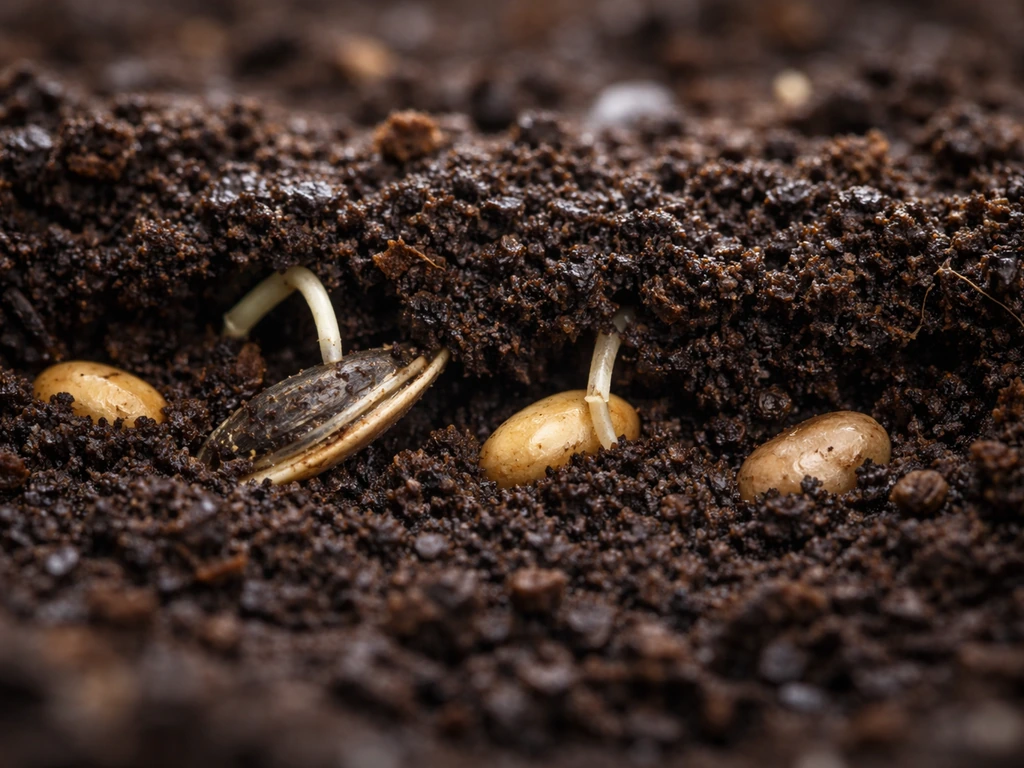
In the first 24 to 48 hours, not much is visible above the soil surface, but a lot is happening underneath. Seeds start absorbing water, which triggers the germination process if the seed is viable. What you'll notice at the surface level is that the soil darkens and may crust slightly. If you used a lot of seed in a small area, the seeds can form a dense mat, which traps moisture and reduces airflow. That's where the trouble starts.
Within 3 to 4 days in warm weather (soil temperatures above 60°F), you'll typically see the first pale shoot tips poking through. Millet is usually the fastest mover in a mixed bag. Sunflower seeds take a little longer, often 7 to 10 days. Nyjer (thistle) is very slow and inconsistent because most commercial nyjer is sterilized before sale, so germination rates are low. If the weather is cool and the soil is wet, you may instead see a gray or white fuzzy coating on seeds that haven't moved at all. That's mold, not germination, and it means the seed is rotting rather than sprouting.
Will it germinate? Seed types, timelines, and real odds
Not all bird seed is created equal from a germination standpoint. The mix in a typical bag sold at a garden center or hardware store is designed to attract birds, not to grow a garden. Some seeds in that bag have been heat-treated, dried aggressively, or stored for months, which cuts germination rates significantly. Here's a realistic breakdown:
| Seed Type | Germination Likelihood | Typical Sprout Timeline | Notes |
|---|---|---|---|
| Proso millet (white or red) | High (60–80%) | 5–7 days | Most reliable sprouter in mixed bags |
| Black oil sunflower | Moderate to high (50–75%) | 7–10 days | Germination drops if seeds were stored hot |
| Striped sunflower | Moderate (40–60%) | 7–10 days | Thicker hull slows water absorption |
| Nyjer (thistle) | Very low (under 10%) | 10–14 days if viable | Most commercial nyjer is sterilized |
| Safflower | Moderate (40–65%) | 7–14 days | Viable seed can produce a decent plant |
| Milo (sorghum) | Moderate (50–70%) | 7–10 days | Common filler seed; will sprout readily |
| Cracked corn | Will not germinate | N/A | Cracked grain cannot sprout |
| Peanut pieces/chips | Will not germinate | N/A | Fragments lack the embryo needed |
Safflower is worth calling out specifically: it has a reasonable germination rate when the seed is fresh and untreated, and it can grow into a 2 to 3 foot branching plant with white or orange thistle-like flowers. If you are wondering what birds eat safflower bird seed, safflower is known for drawing in finches and other seed-eating birds Safflower is worth calling out specifically. If you're curious whether your safflower seed will actually sprout, the variety and freshness matter a lot. If you want to be sure, look for will safflower bird seed sprout based on how fresh and untreated your seed is safflower seed will actually sprout.
What you're likely to grow (and why it varies so much)

Even if germination goes well, what you end up with in the garden isn't necessarily pretty or useful. Millet grows into a tall, sprawling grass-like plant that most people consider a weed in a yard context. Sunflowers can actually be attractive and wildlife-friendly, but they take 60 to 80 days to mature, so planting from seed in late spring or summer limits how much benefit you'll see. Milo produces sorghum plants that are coarse and shrubby. Mixed together in the same bed, you'll get a chaotic tangle of plants with wildly different growth habits competing for the same space.
The other big variable is weed seed contamination. Lower-quality bird seed mixes often contain weed seeds that aren't listed on the label, including common culprits like foxtail, pigweed, and wild grasses. Plant a cup of cheap mixed bird seed and you may spend the next several weeks pulling weeds that have nothing to do with birds. Purpose-grown wildflower mixes or native plant seeds are a much cleaner route if your goal is attracting wildlife to the yard.
Regional climate makes a difference too. In warm, humid climates like the Southeast or Gulf Coast, seeds will germinate faster but mold pressure is higher. In cooler northern states or at higher elevations, germination is slower and you'll have a longer window where seeds are just sitting in wet soil waiting to rot.
Problems to watch for: mold, rot, pests, and weeds
Mold and damping-off

The biggest threat to germinating bird seed is a group of soil-borne pathogens, including Pythium, Rhizoctonia, and Fusarium species, that cause a condition called damping-off. Pythium in particular is a water mold that thrives in cool, wet, poorly drained soil. It attacks seeds before they even break the surface, causing pre-emergence rot where the seed simply turns to mush underground. Above the surface, you'll see nothing at all where sprouts should be, or you'll see young seedlings that collapse at the soil line within a day or two of emergence. Cornell notes that post-emergence damping-off symptoms like seedlings collapsing at the soil line are commonly associated with Rhizoctonia blank" rel="noopener noreferrer">young seedlings that collapse at the soil line within a day or two of emergence. Dense planting, compacted soil, and overwatering all make damping-off worse. Damping-off is caused by soil-borne fungi and water molds, including Rhizoctonia spp., Fusarium spp., and the water mold Pythium spp., and keeping germinating materials very wet increases the risk blank" rel="noopener noreferrer">Dense planting, compacted soil, and overwatering all make damping-off worse.. It's not a fixable problem once it starts on a given seed. Your job is to prevent it before it takes hold.
Pest attraction
Bird seed in the ground is essentially a buffet signal to rodents. Mice and rats can detect buried seed and will dig it up within a day or two of planting. Squirrels are equally efficient. Ants will also move in on moist seed clusters, especially in warm weather. If you've planted seed in a planter near the house or in a raised bed close to your foundation, you're increasing the risk of rodent activity near your home significantly.
Weeds and invasive plants
Some of what sprouts from bird seed is classified as invasive or noxious in certain states. Millet in particular can naturalize in disturbed areas. Before letting bird-seed sprouts go to seed themselves, check your state's noxious weed list, especially if you're near a natural area, riparian zone, or agricultural land.
How to troubleshoot in the next few days: sprout vs. rot

By day 4 to 6 after planting, you should be able to tell whether you're getting germination or rot. Here's how to read what you're seeing:
| What You See | What It Means | What To Do |
|---|---|---|
| Pale white or cream-colored shoot tips emerging | Normal germination, looking good | Keep soil lightly moist, ensure good light |
| Fuzzy gray or white coating on seeds at surface | Surface mold (Botrytis or similar), not yet rotting | Improve airflow, reduce watering, thin seed density |
| Seeds are soft, slimy, and smell sour or musty | Rot from Pythium or bacterial decomposition | Remove affected seed immediately, let soil dry |
| Seedlings emerge then collapse at the soil line | Classic damping-off (Pythium or Rhizoctonia) | Remove affected plants, reduce irrigation, improve drainage |
| No activity at all after 10+ days in warm weather | Seed is not viable (heat-treated, too old, or too deep) | Scratch soil surface gently to check for underground rot |
| Seed is gone but nothing sprouted | Eaten by birds, rodents, or insects before germination | Cover area with 1/4 inch of fine soil or use a row cover |
If you're in a cool, damp stretch of weather (below 55°F at night, consistent rain), the single most helpful thing you can do is hold off on watering entirely and scratch up the surface a little to improve airflow around the seeds. You can't speed up germination in cold soil, but you can absolutely prevent rot by keeping conditions less hospitable for Pythium and Fusarium.
Moisture management in practice
- Water once at planting, then wait 2 to 3 days before checking moisture levels again.
- Press a finger 1 inch into the soil. If it's still damp, don't water.
- If you're in a rainy period, cover the planted area loosely with a burlap layer or row cover to reduce direct rain impact while still allowing airflow.
- For planters, make sure drainage holes are not blocked. Sitting water beneath the seed zone is the fastest route to Pythium rot.
- Thin seeds to no more than one layer deep if you can. Stacking seed creates pockets of moisture and zero airflow at the center.
How to clean up and prevent pests if things go wrong
If you've got a mat of rotting seed, a planter full of mold, or evidence of rodent digging, act the same day. Moldy or decomposing seed left in place will attract more pests and create a smell problem quickly, especially in warm weather.
Step-by-step cleanup for rotting or moldy planted seed
- Wear gloves. Moldy seed can irritate skin and lungs, and you don't want to be spreading fungal spores around your yard bare-handed.
- Use a trowel or hand cultivator to scoop up the top 1 to 2 inches of seed-contaminated soil into a sealed bag. Do not compost moldy seed: the pathogens survive composting at home temperatures.
- Dispose of the bagged seed and soil in the trash, not in a yard waste bin that feeds back into garden mulch.
- If using a planter, scrub it with a 1: 10 bleach-to-water solution (roughly 1 tablespoon bleach per cup of water), rinse thoroughly, and let it air-dry completely before reusing.
- For in-ground beds, rake the area, let it dry out for several days, and consider a top dressing of coarse sand or perlite mixed into the top inch to improve drainage before replanting anything.
- If you had rodent activity, check the area for burrow entrances and remove any remaining seed from the surface. Don't use rodenticide bait near bird feeders or in areas where pets, children, or wildlife can access it.
Dealing with sprouted seed you didn't want
If you've got healthy sprouts but you don't actually want them growing in that spot, pull them early. Millet and milo seedlings come out easily in the first two weeks. Sunflower seedlings have a deeper taproot and should be cut at the soil line rather than pulled if they're near other plants you want to keep. Don't let any of them go to seed, especially millet, or you'll be managing this volunteer crop for years.
Safer alternatives: wildlife benefits without the mess
If your goal was to support backyard birds or other wildlife, planting bird seed directly in the ground is honestly one of the less efficient ways to do it. Here's what actually works better:
Use feeders, not the ground
Tube feeders, platform feeders, and hopper feeders all deliver seed to birds without putting it in contact with soil, which eliminates the mold and pest-attraction problem almost entirely. The seed stays dry, airborne pests have less access, and you control how much is available at once. A feeder raised 5 to 6 feet off the ground on a baffle-equipped pole keeps squirrels and rodents from getting to the seed efficiently.
Plant purpose-grown wildlife plants instead
If you want to grow something that feeds birds, grow it from seed chosen specifically for that purpose. Black-eyed Susan, purple coneflower (Echinacea), native sunflowers, and native grasses all produce seed that birds eat while also being genuinely attractive in a garden context. These plants are adapted to your region, less likely to become invasive, and won't attract rodents in the same way raw bird seed in the ground does. Your local cooperative extension office can point you to a native plant list for your state.
Managed ground feeding with hygiene controls
If you prefer ground feeding, use a dedicated tray or platform at ground level that you can clean regularly, rather than scattering seed directly on soil. Offer only what birds can consume in a day, clean the tray every 2 to 3 days with the bleach solution mentioned above, and move the tray location every week or two to prevent a buildup of seed debris and droppings in one spot.
A note on safety for pets and children
Moldy seed can contain mycotoxins, which are toxic to dogs in particular. If you've had a significant mold event in a planter or bed that a dog has access to, fence it off until you've fully removed the affected material. Kids digging in soil near rotting seed can also transfer fungi and bacteria to their hands and mouths, so treat cleanup as you would any contaminated garden area: gloves, handwashing, and bagged disposal.
The myth: bird seed makes a cheap wildflower garden
It's a common idea, but the reality rarely matches the expectation. Bird seed is optimized for bird palatability and storage life, not for growing in a garden. The seeds are often old, sometimes treated, and always mixed in ratios that make no horticultural sense. What you get is an unpredictable, weedy tangle rather than a pollinator meadow. Purpose-grown wildflower seed costs a few dollars more and produces dramatically better results, both visually and for wildlife. If you're interested in whether specific seeds like safflower can be grown successfully from bird seed sources, that's a more targeted question worth exploring separately, since safflower and sunflower have higher viability in general than the average mixed bag. If you're comparing safflower vs sunflower bird seed, the seed freshness and whether it has been heat-treated matter just as much as planting conditions safflower and sunflower.
FAQ
How can I tell if the seeds are germinating or just molding before I disturb them a lot?
Look for changes in the seed surface and soil crusting. Germination usually comes with soil darkening and then tiny shoot tips in a few days (warmer weather), while rot often shows gray or white fuzzy growth on seeds that never sprout and the surrounding area stays wet. If you see fuzz, don’t keep watering it to “help,” instead improve airflow and remove affected clumps if possible.
Should I water bird seed after planting to help it germinate faster?
Use a light, controlled approach. If the area stays consistently wet, it increases damping-off risk, especially in cool weather. A good rule is to keep the top layer from drying out, but avoid saturating, and stop added watering as soon as seedlings begin to appear, unless your local conditions are truly dry.
What if my bird seed was heat-treated, dried, or stored for months, will it still sprout?
It can sprout, but germination rates can be dramatically lower, leading to patchy, uneven stands that are easier for mold and pests to take advantage of. The practical next step is to test viability by germinating a small sample on a damp paper towel for several days, then decide whether the rest of the bag is worth planting.
Can I fix a mold problem without removing the planter or bed soil?
Often you can limit spread, but you usually cannot “undo” rotting seed reliably. Scratch the surface to increase airflow, reduce watering, and consider replacing the top few inches of heavily affected seed material in planters. In beds, remove visible decomposing seed clumps the same day to reduce ongoing pathogen and odor pressure.
Will planting bird seed in a planter be safer than planting directly in the ground?
It can be safer for rodents and drainage, but it depends on moisture. Planters with poor drainage can still develop damping-off and mold quickly, especially if you overwater or plant densely. Ensure drainage holes are clear, use a lighter potting mix, and avoid thick seed layers that trap moisture.
How do I reduce rodents digging up the seed after I plant?
Even though feeders are better than soil for wildlife, if you keep planting, reduce detectability and exposure. Plant smaller amounts, keep seed depth shallow enough for emergence but not easily accessible, and consider covering the soil surface with lightweight mesh or a temporary barrier until seedlings establish. Remove stray seed promptly so it does not become an ongoing food source.
Do bird seed plants count as invasive, and what should I do if millet or sunflower starts spreading?
Some bird-seed species can naturalize in disturbed ground, and millet is a common volunteer crop. If seedlings are unwanted, pull early before they set seed, or cut back at the soil line for tap-rooted types like sunflower. Also check your state’s noxious weed list if you are near natural areas, waterways, or farmland.
What’s the best way to decide whether to pull sprouts or leave them?
Separate aesthetics and risk. If you want that spot clean, remove millet and milo seedlings within the first couple of weeks, because they establish quickly and are difficult to eradicate once they mature. If you keep sunflower or native-looking volunteers, monitor for seed set and manage them before they spread.
If my goal is birds, is there a way to plant something edible without the mold and weed mess?
Yes. Use a feeder system instead of seed in soil, and keep seed off the ground to reduce mold and rodent attraction. If you prefer ground feeding, use a dedicated tray you can clean and relocate regularly, offering only what birds consume in a day.
Is bird seed in contact with soil risky for pets or kids?
Yes, moldy seed can be a concern, especially for dogs that might chew material in planters or beds. Fence off affected areas until you remove contaminated material, and during cleanup wear gloves and wash hands thoroughly, since rotting seed and soil can carry fungi and bacteria.
Next Article
How to Make Bird Seed Last Longer: Storage and Fixes
Learn how to make bird seed last longer with proper storage, humidity control, pest prevention, and fixing wet or moldy