Cardinals are the headline act with safflower, but they are far from the only ones. The downloadable “Audubon Guide to Birdseed” includes safflower in a species-by-seed compatibility matrix as a suitable seed for multiple species, including cardinals blank" rel="noopener noreferrer">Cardinals are the headline act with safflower. blank" rel="noopener noreferrer">Chickadees, titmice, house finches, nuthatches, mourning doves, and grosbeaks all eat safflower seed regularly. The catch is that safflower has a thick shell and a slightly bitter taste, so it takes some birds a few days to commit to it, and the wrong feeder or wet seed can kill interest fast.
What Birds Eat Safflower Bird Seed How to Attract Them Today

Maya Collins
23 May 2026
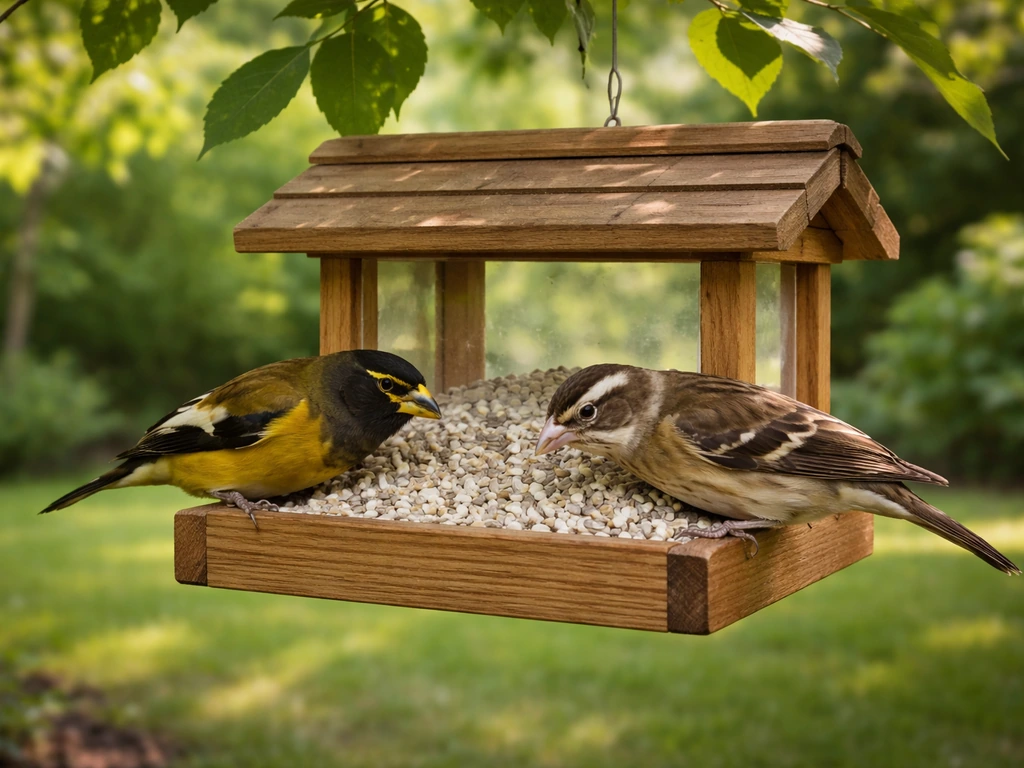
Which birds prefer safflower seed
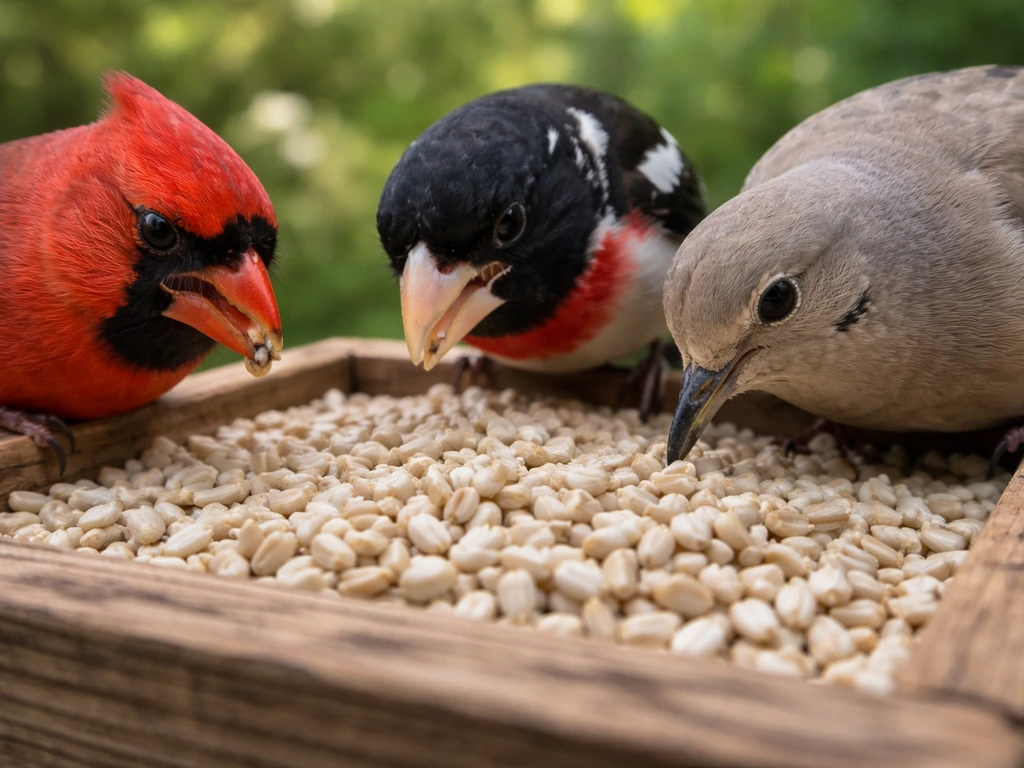
Safflower is not a universal crowd-pleaser, but it has a loyal fan club. The birds most reliably attracted to it are ones with strong, thick bills that can crack the shell without much effort. Here is who to expect at a safflower feeder:
- Northern Cardinals (both male and female) — the most consistent safflower visitors; they will often switch from sunflower to safflower once they recognize it
- Black-capped and Carolina Chickadees — smaller bills but they hammer through the shell one seed at a time
- Tufted Titmice — quick learners that follow chickadees to new food sources
- House Finches and Purple Finches — steady safflower eaters, especially at tube feeders
- White-breasted and Red-breasted Nuthatches — they cache safflower seeds in bark, so they take seed even when not visibly feeding
- Mourning Doves and Eurasian Collared-Doves — they pick up fallen seed from below feeders and ground trays
- Rose-breasted and Black-headed Grosbeaks — occasional but enthusiastic visitors when passing through on migration
- Goldfinches — less common than at nyjer feeders, but they do take safflower mixed with other small seeds
One practical side benefit: house sparrows, European starlings, and most squirrels typically avoid safflower or lose interest quickly because the shell and bitter coating make it more work than it is worth. That makes safflower one of the best species-filtering seeds you can use if pest birds have taken over a feeder.
Why safflower gets ignored at first
If you put out safflower and nothing is touching it, that is completely normal for the first few days. Safflower looks different from sunflower seed (it is smaller, white, and teardrop-shaped), it smells different, and the slightly bitter outer coating puts birds off until they associate it with food. That recognition process can take anywhere from two days to two weeks depending on what birds are already visiting your yard. The recognition process for safflower can take anywhere from two days to two weeks depending on what birds are already visiting your yard, and if you are also curious about what happens if you plant bird seed, sprouting conditions are a helpful comparison point.
Beyond unfamiliarity, there are a few other common reasons safflower sits untouched:
- Wrong feeder type: safflower offered in a thin tube feeder port is hard for cardinals to access because they need a wide perch and a large port opening
- Wet seed: safflower clumps when it absorbs moisture, and birds reject compacted, damp seed immediately
- Competition from sunflower: if you offer both seeds side by side, most birds will take sunflower first every time, and safflower gets ignored by default
- Old or stale seed: safflower's oils go rancid faster than you might expect, especially in summer heat, and birds can detect the difference
- Feeder placed too close to foot traffic or predator pressure, which discourages shyer birds like cardinals from lingering
Feeder setup and seed presentation to attract safflower-eaters
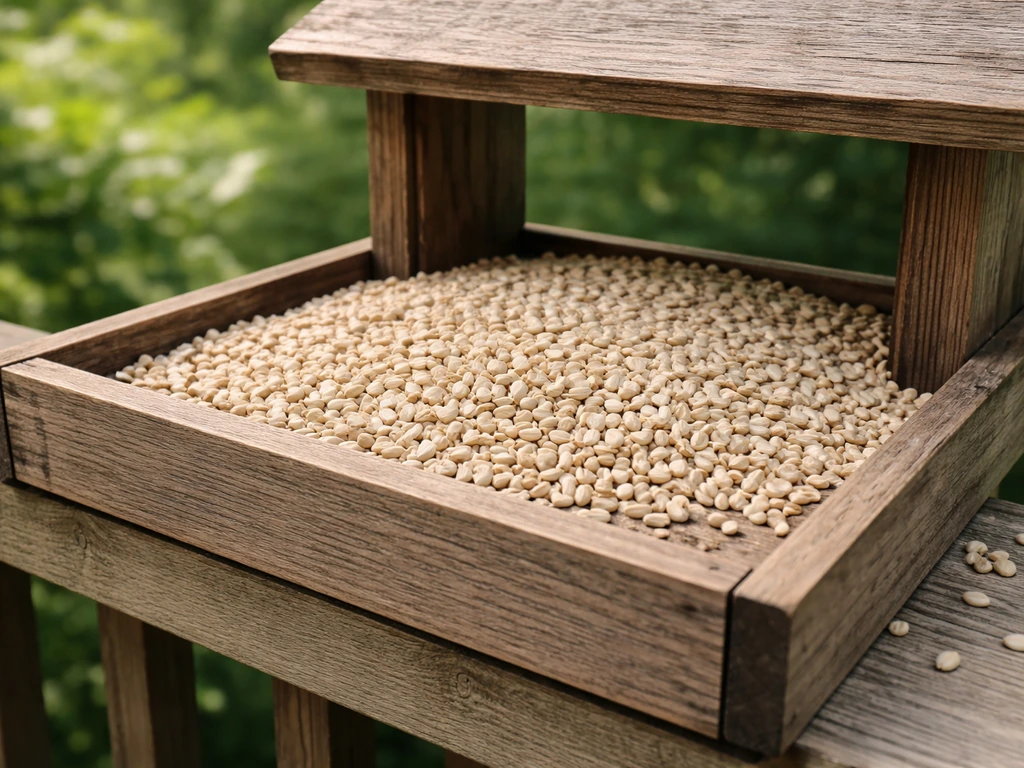
Getting the right birds to safflower is mostly a feeder placement and seed presentation problem. The species that love it most (cardinals, doves, grosbeaks) all prefer roomy feeding surfaces and some cover nearby. Here is what actually works:
Choose the right feeder style
Hopper feeders and platform trays are your best options. Cardinals in particular need a flat surface and a wide opening they can perch on comfortably. A hopper feeder with a tray beneath it handles both the perching birds and the doves that clean up spillage. Tube feeders work for chickadees, titmice, and finches if the ports are at least 3/8 inch wide and the perches are long enough to hold a bird while it cracks the shell.
Transition birds from sunflower to safflower
If your birds are already coming to sunflower, the easiest way to introduce safflower is to mix it in gradually. Start with a 75/25 sunflower-to-safflower ratio for about a week, then flip it to 25/75, then switch to pure safflower. This avoids the sudden change that causes birds to abandon the feeder. If you want to use safflower as a pest-bird filter, dedicate one feeder entirely to safflower and keep sunflower in a separate feeder in a different spot.
Placement matters more than most people think
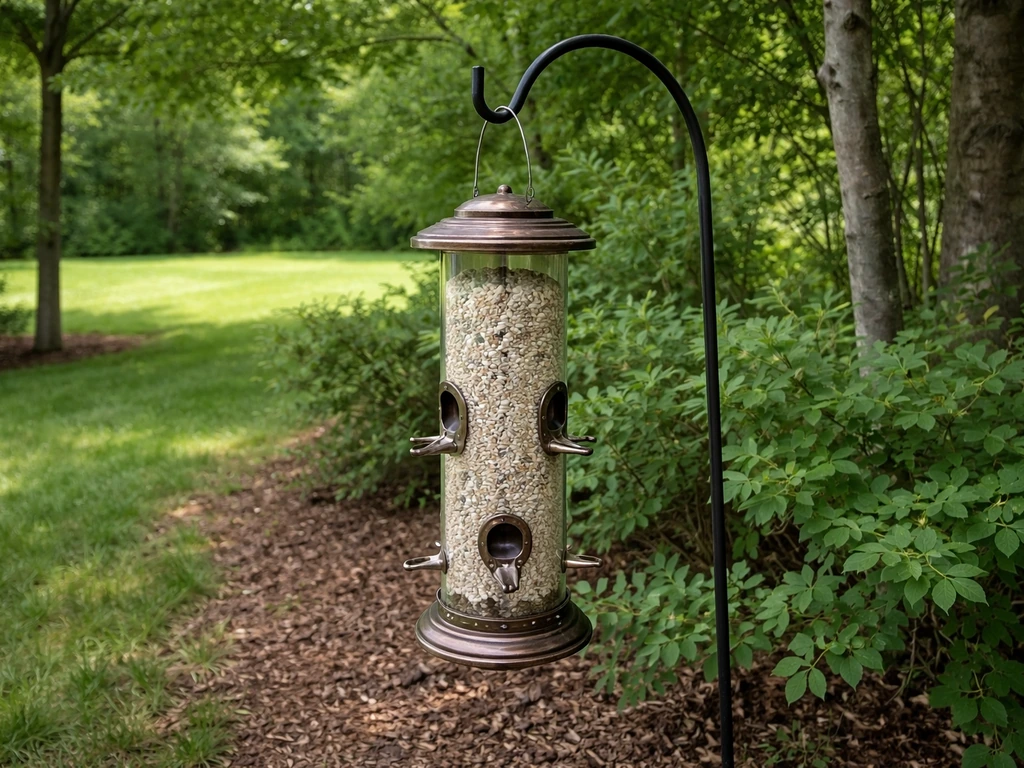
Put safflower feeders within 10 to 15 feet of shrubs or tree cover. Cardinals are skittish and will not commit to an exposed feeder in open lawn. At the same time, keep the feeder at least 5 feet off the ground to limit access from ground predators and raccoons. Avoid placing it directly under a deck or roof overhang where water drips and pooled humidity will wet the seed faster.
Species-specific tips for getting the most out of safflower
| Bird | Preferred Feeder Type | Landing Style / Notes |
|---|---|---|
| Northern Cardinal | Hopper or platform tray | Needs wide perch; often feeds with a mate nearby; prefers lower feeder heights (4-6 ft) |
| Chickadee | Tube or hopper | Grab-and-go feeder; takes one seed at a time and flies to a branch to crack it |
| Tufted Titmouse | Hopper or tube | Follows chickadees; slightly more cautious; benefits from nearby dense shrubs |
| House / Purple Finch | Tube or hopper | Flocks up; will displace smaller birds at tube ports; wide ports reduce competition |
| Nuthatch | Hopper or suet-style cage | Climbs headfirst down feeder; caches seed; does not need long perch |
| Mourning Dove | Platform tray or ground scatter | Ground feeders by nature; catch spillage under hopper feeders; flocks of 5-20 typical |
| Grosbeak | Platform or large hopper | Seasonal visitor; large bill; will displace other birds at small feeders during migration |
One regional note: in the southern and southwestern US, Pyrrhuloxia (a desert cardinal relative) will also eat safflower readily and behaves much like a Northern Cardinal at the feeder. In the Pacific Northwest, you may see fewer cardinals but spotted towhees and dark-eyed juncos will sometimes pick up safflower from ground trays.
Troubleshooting low visits: pests, mold, sprouting, and bad storage
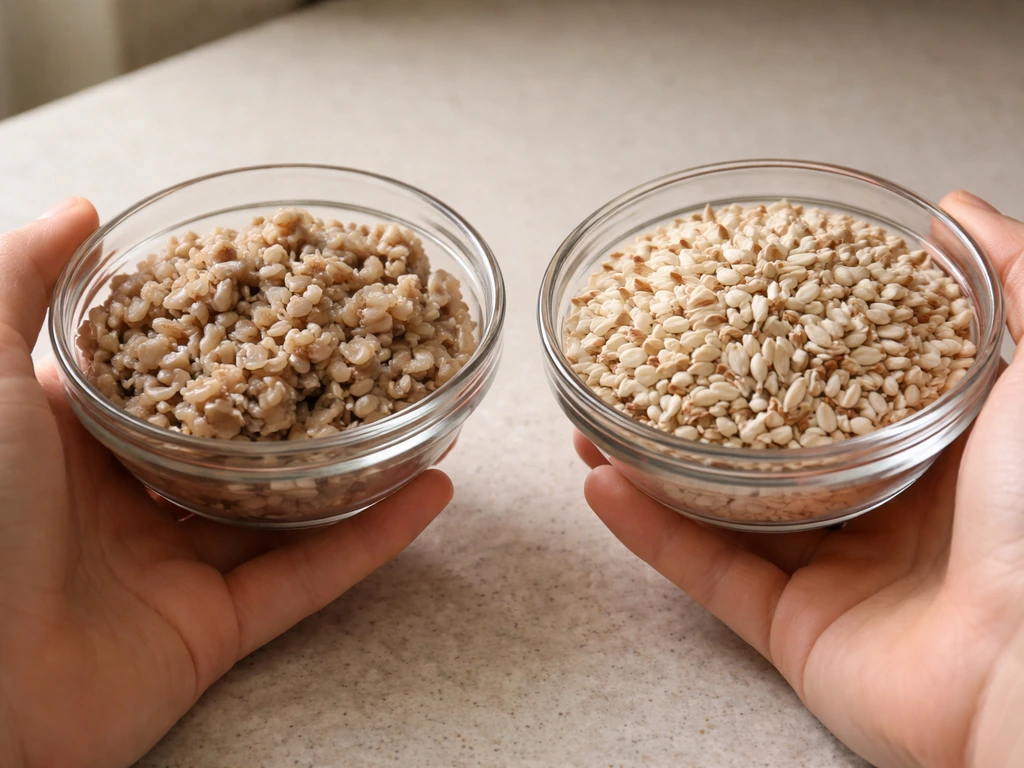
If birds found your safflower and then suddenly stopped coming, the seed is almost always the problem. Here is a cause-and-fix breakdown for the most common issues:
Wet and moldy seed
Safflower exposed to rain or humidity clumps together and develops mold within 24 to 48 hours in warm weather. Birds detect this and walk away. If you press your finger into the seed and it holds the shape of a dent, it is too wet. Remove the seed entirely, scrub the feeder with a 10-percent bleach solution (1 part bleach to 9 parts water), rinse thoroughly, and let it dry completely before refilling. Adding a weather baffle above the feeder and using a feeder with drainage holes in the tray reduces how often this happens.
Sprouting seed
Safflower can sprout if it stays moist long enough, particularly in a ground tray or under a feeder where soil contact happens. To prevent unwanted sprouting, keep safflower dry and remove any seed that stays moist for too long will safflower bird seed sprout. Sprouted seed is not toxic to birds, but it signals that your seed is sitting too long and conditions are too wet. If you are seeing sprouts, reduce the amount you put out so birds clean up the feeder within one to two days. Safflower's sprouting behavior is worth knowing about separately if you have ever wondered whether the seed will take root in your yard.
Rancid or old seed
Safflower has a shelf life of roughly 6 to 12 months when stored properly in a sealed, airtight container in a cool, dry space. In summer heat (above 80 degrees Fahrenheit), oils in the seed oxidize faster and the seed can go rancid in as little as 4 to 6 weeks if left in a hot garage or shed. Rancid seed smells faintly sour or stale. Birds avoid it. When in doubt, do a smell test: fresh safflower has almost no odor; bad safflower has a faint but noticeable off smell.
Pest pressure reducing bird visits
Squirrels and raccoons do not love safflower the way they love sunflower, but they will still raid feeders out of habit or opportunism. If mammals are regularly disturbing a feeder, birds will stop visiting even if the seed is fine. Use a pole-mounted feeder with a squirrel baffle (a smooth metal cone at least 17 inches in diameter) placed at least 4.5 feet off the ground and 10 feet away from any jump-off point. If rodents are getting into stored seed bags, move storage to a lidded metal trash can or a dedicated sealed seed bin.
Feeder hygiene and cleanup
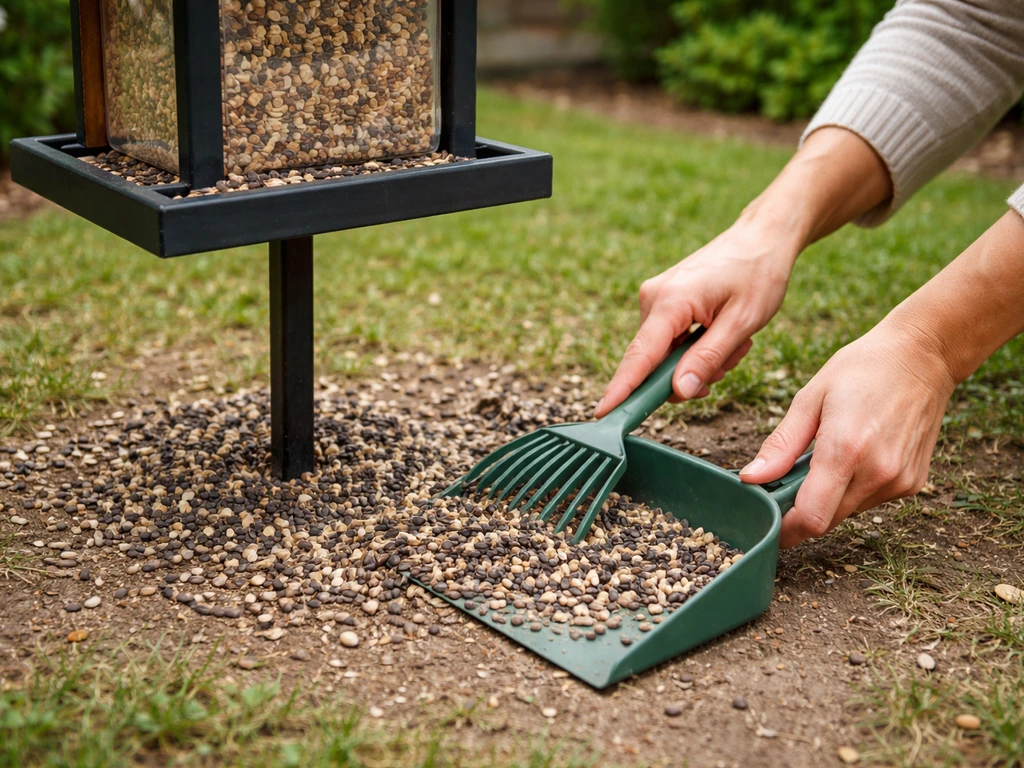
Seed hulls and bird droppings accumulate under feeders and in feeder trays fast, and that debris hosts bacteria and fungi that can make birds sick. Rake or scoop up seed debris under feeders at least once a week. Wash the feeder itself every two to four weeks with the bleach solution described above. If you see any bird acting lethargic near your feeder, pull the feeder down immediately, clean it, and do not refill for at least 48 hours.
How much safflower to offer and when to rotate it
The right amount depends on your bird traffic, but a useful starting rule is to fill your feeder only enough that birds empty it within two days. That keeps the seed fresh and prevents the wet-and-mold cycle from starting. For a standard hopper feeder, that is typically about one to two cups of safflower seed per fill for a yard with moderate cardinal and finch traffic. A platform tray for doves might need a half cup scattered daily.
For rotation: if seed has been sitting in the feeder for more than three days in warm weather, or more than five days in cooler weather, dump it out even if it looks fine. Mix old-but-not-rancid seed into the bottom of a fresh fill so it gets eaten first rather than sitting at the bottom of the feeder indefinitely.
When buying in bulk, store safflower in a sealed container (a metal or thick-walled plastic bin with a locking lid works best) away from direct sun and heat. Write the purchase date on the container. Plan to use a bag within three months if you live somewhere with hot summers, or within six months in cooler climates. Comparing safflower to sunflower seed storage, the two are similar in lifespan, but safflower's bitter coating gives it a marginal edge against insect pests in storage.
Quick next steps to take right now
- Check your current feeder type: if it is a thin tube feeder, switch to or add a hopper or platform tray to accommodate cardinals and doves
- Smell your safflower: if it has any sour or stale odor, replace it before putting it out
- If you already have sunflower in the same feeder, start the 75/25 transition mix today so birds begin recognizing safflower as food
- Position or move your feeder within 10 to 15 feet of shrubs or tree cover, ideally 4.5 to 6 feet off the ground
- Set a two-day refill rule: only put out what birds will finish in 48 hours, especially now in late May when temperatures are climbing and seed spoils faster
- Clean the feeder with a 10-percent bleach solution if you have not done it in the past two weeks, rinse well, and let it dry fully before the first safflower fill
FAQ
Will finches and chickadees eat safflower if they already ignore it?
Yes, but they usually need the feeder to make shell cracking easy. Use a tube feeder with ports at least 3/8 inch wide and long perches, then introduce safflower gradually if you are switching from sunflower. Give it a full 2 weeks before declaring it a failure, since recognition and trust takes time.
Do safflower seed mixes work, or should I use plain safflower?
Plain safflower is best if your goal is specific species attraction or pest filtering. In mixed blends, many birds will pick out sunflower or other favorites and leave safflower untouched, which can defeat your plan and increase waste under the feeder.
Can I feed safflower on the ground, and what birds will it attract?
Ground trays can work in some areas for towhees and juncos, but they raise the risk of moisture and sprouting because the seed stays in contact with damp surfaces. If you use a ground setup, use a smaller amount so it is cleaned up in 1 to 2 days, and avoid spots where rain or irrigation runs onto the tray.
Why do birds start using the feeder and then stop after a week?
The most common causes are moisture, mold, or rancid seed. Check for clumping (press a finger into the seed), clean and dry the feeder if it got wet, and smell-test for a sour or stale odor. Also confirm the feeder is not shifting into a more exposed location or getting more squirrel and raccoon traffic.
What is the best feeder height and distance from cover for cardinals?
Place feeders about 5 feet off the ground to reduce ground predator access, and set them within 10 to 15 feet of shrubs or tree cover so skittish birds feel protected. Avoid direct placement under decks or roof edges where dripping water will wet seed faster.
How do I prevent mold when the weather is humid or rainy?
Use a feeder design that sheds water, add a weather baffle if you get frequent misting, and do not let seed sit too long. Rotate out seed when it exceeds the time window for your conditions, then wash the feeder and tray during wet spells rather than waiting for routine schedules.
Is rancid safflower dangerous, or will birds just refuse it?
It is usually not an immediate toxicity issue, birds simply avoid it when oils oxidize and the seed smells off. Still, remove and discard rancid seed because it contributes to odor and poor feeder activity, then refill with a fresh batch stored away from heat.
Can safflower cause sprouting, and should I remove sprouted seed?
Sprouting can happen if safflower stays moist long enough, especially in ground trays or in areas where humidity lingers under the feeder. Sprouted seed is not toxic to birds, but it signals the feeder is staying wet too long, so remove it and reduce the refill amount to improve cleanup speed.
Do squirrels and raccoons ever eat safflower if birds are feeding on it?
They may raid feeders out of habit, especially if they have learned the location. If mammals disturb the area repeatedly, birds often stop visiting too. Use a pole-mounted feeder with a squirrel baffle sized for effective blocking (smooth metal cone at least 17 inches in diameter) and place it away from jump-off points.
How often should I clean a safflower feeder to keep birds healthy?
Plan on weekly cleanup of seed hulls and droppings under the feeder, since debris can grow bacteria and fungi. Wash the feeder every two to four weeks with the bleach solution mentioned in the article, and pause refilling for at least 48 hours if you notice a bird acting lethargic near the feeder.
What amount of safflower should I put out so I do not waste seed?
A practical target is filling only enough that birds empty it within about two days. This keeps seed fresher, reduces mold risk, and limits sprouting. If birds do not empty it quickly, reduce the amount and refill more often instead of topping off.
Will safflower attract birds in winter, or is it mainly a warm-season seed?
Safflower can work year-round, but winter success depends on keeping the seed dry and preventing rancidity, since hot storage problems still occur even if outdoor temperatures are cold. Also consider using a feeder placement that stays accessible during bad weather, and rotate out seed based on your local cool or warm conditions.
How can I tell whether safflower is failing because of feeder choice versus bird behavior?
Do a two-step check: first confirm the feeder format matches the birds you want (flat, wide opening for cardinals, suitable ports for small seed-eaters, roomy tray surface for doves). Second, give it the full recognition window of up to two weeks, since many birds need time to associate the slightly bitter seed and different look with food.