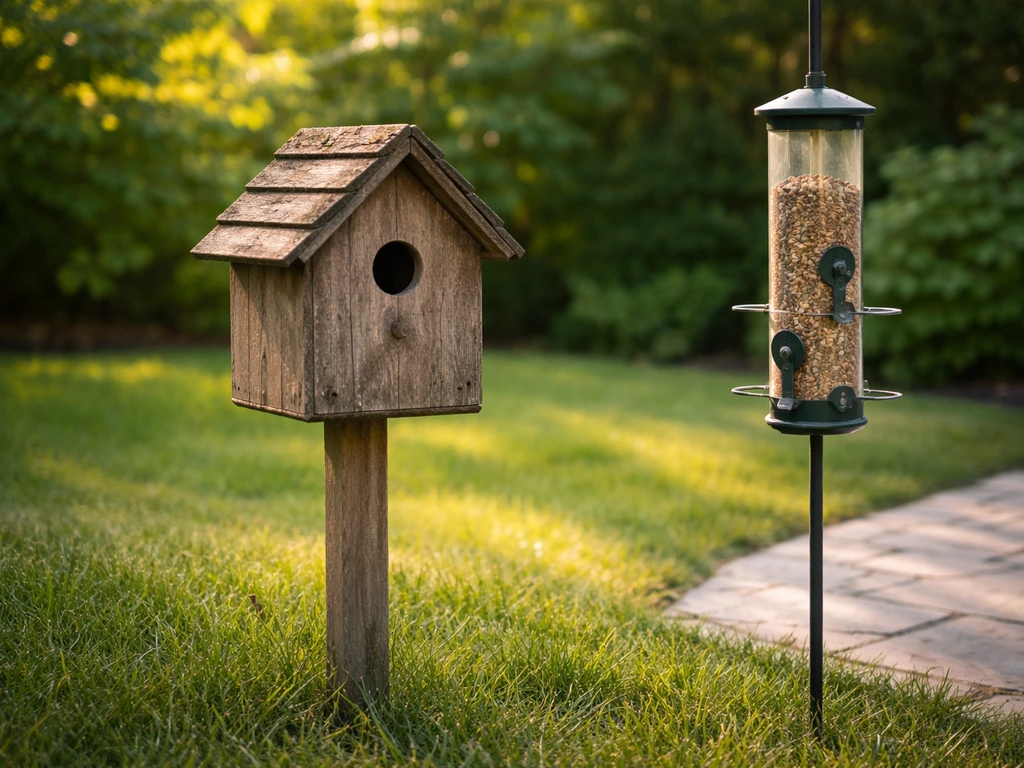
For most backyard feeders, blank" rel="noopener noreferrer">put out only as much seed as your birds can finish in a single day. That's the clearest rule you'll find, and it comes directly from Penn State Extension and Mass Audubon. In practice, that means starting with about 1/4 to 1/2 cup of seed per feeding session for a small group of songbirds, scaling up to 1 to 2 cups for a busy hopper with heavy traffic, and adjusting from there based on what's actually getting eaten. The goal is an empty or nearly empty feeder by dusk, not a heap of leftovers sitting overnight.
How Much Bird Seed to Put Out: Exact Amount Guide
Maya Collins
2 May 2026
Quick rule-of-thumb amounts by feeder type
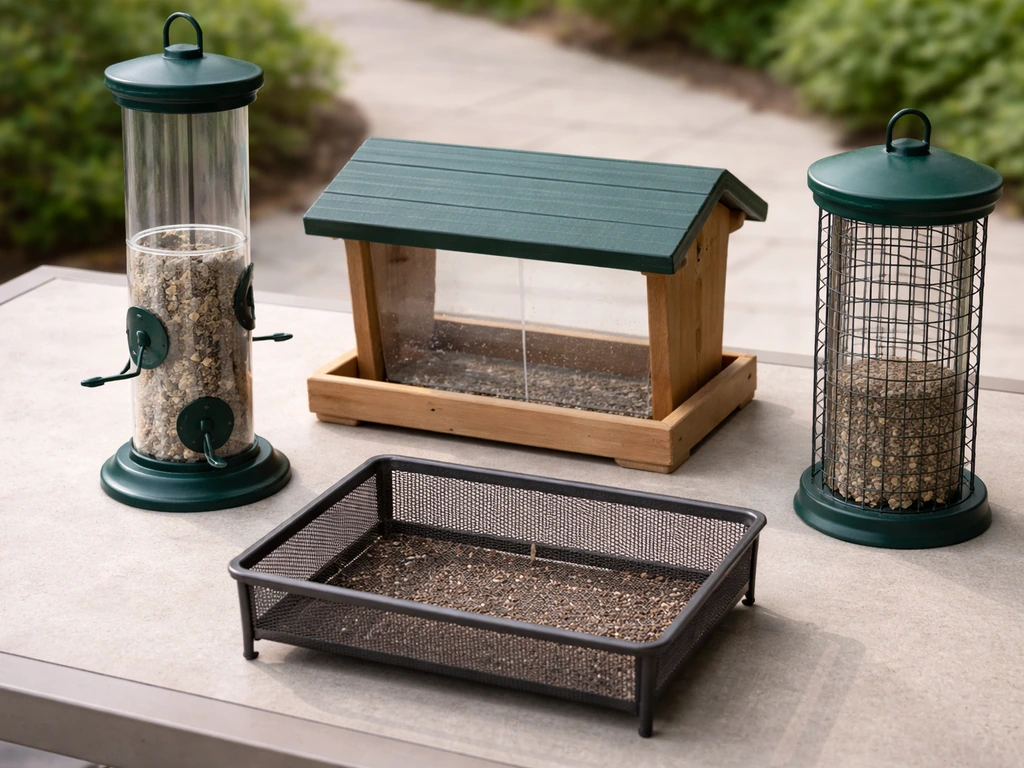
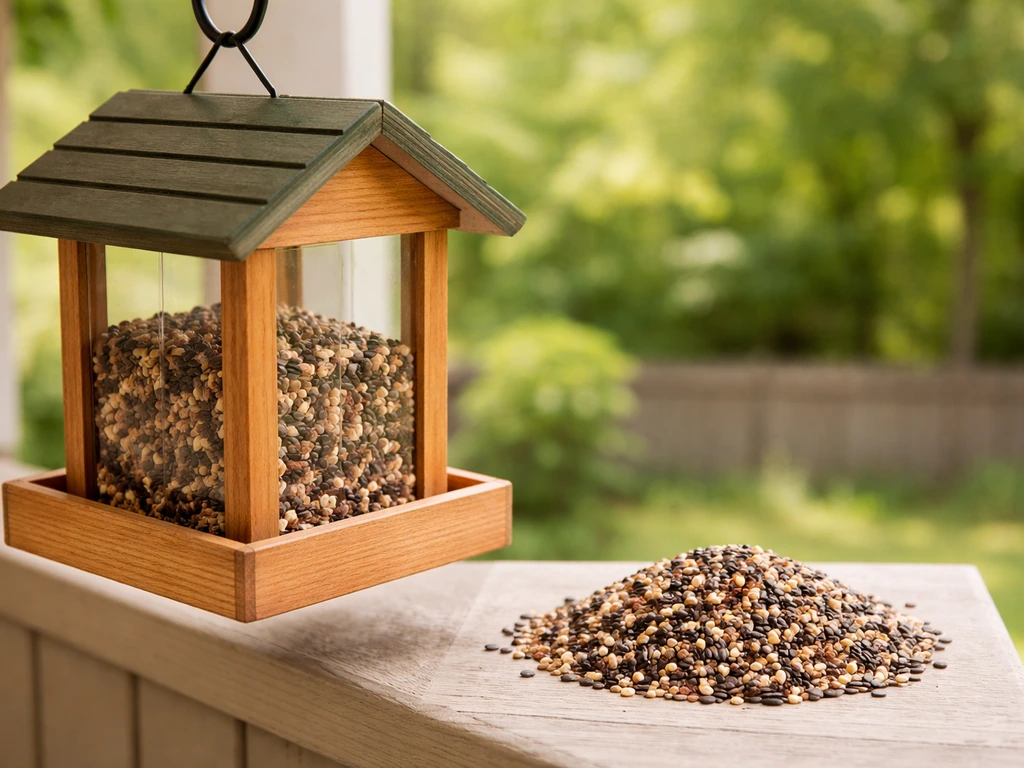
Different feeder designs hold and dispense seed differently, so the starting amounts vary. Here's a practical baseline for each common type:
| Feeder Type | Starting Amount Per Fill | Max Fill Recommendation |
|---|---|---|
| Tube feeder (small, 1-2 ports) | 1/4 to 1/2 cup | Fill ports only, not the full tube |
| Tube feeder (large, 4-6 ports) | 1/2 to 1 cup | Half to two-thirds full |
| Hopper/house feeder | 1 to 2 cups | Fill to half capacity at first |
| Platform or tray feeder | 1/4 to 1/2 cup per session | Only what birds can eat in one day |
| Ground tray or open dish | 1/4 cup or less per session | Scatter lightly, replenish as needed |
Platform and tray feeders deserve extra caution. Because seed sits exposed to weather, Penn State Extension is explicit: put out only what birds can eat in a single day. In a birdhouse, the same rule applies: put out only as much seed as birds can finish in a day to prevent spoilage and pests put out only what birds can eat in a single day. If you load a platform feeder heavily in the morning and it rains by noon, you're left with a soggy, spoiled mess. Start conservative and refill small amounts rather than dumping a large batch all at once.
Tube feeders are more forgiving because the seed is partially protected, but they aren't weatherproof. Don't fill them to the brim every day unless you're seeing fast, reliable consumption. A half-full tube that empties cleanly is far better than a full tube where the bottom third gets damp and clumps.
Calculating the right amount based on flock size, timing, and refill schedule
Flock size is the biggest variable. A feeder visited by 3 to 5 small birds a few times a day needs maybe 1/4 to 1/2 cup total. A feeder with 15 to 20 active birds cycling through all morning can blow through 1 to 2 cups before lunch. Here's a simple way to estimate before you dial it in with observation:
- Count the approximate number of birds you see at your feeder during a typical morning peak (usually 7 to 10 a.m.).
- Multiply that number by about 1 to 2 teaspoons per small bird (chickadees, finches, sparrows) or 1 to 2 tablespoons per larger bird (jays, cardinals, doves).
- That estimate gives you a rough daily consumption target. Start there and observe.
- If you refill once a day, put out that full estimated amount in the morning. If you refill twice, split it into two smaller fills.
- Adjust weekly based on what's actually being eaten. If there's seed left at dusk, you're putting out too much. If the feeder is empty by mid-morning, add a little more or refill midday.
Time of day matters more than most people realize. Bird feeding activity peaks in early morning and again in late afternoon. A midday refill is often wasted because birds aren't as active during the hottest part of the day, and seed sits in the heat longer. If you're doing one fill per day, do it at dawn. If you're doing two, target early morning and late afternoon.
Species-specific portions: small songbirds vs. larger birds vs. wildlife
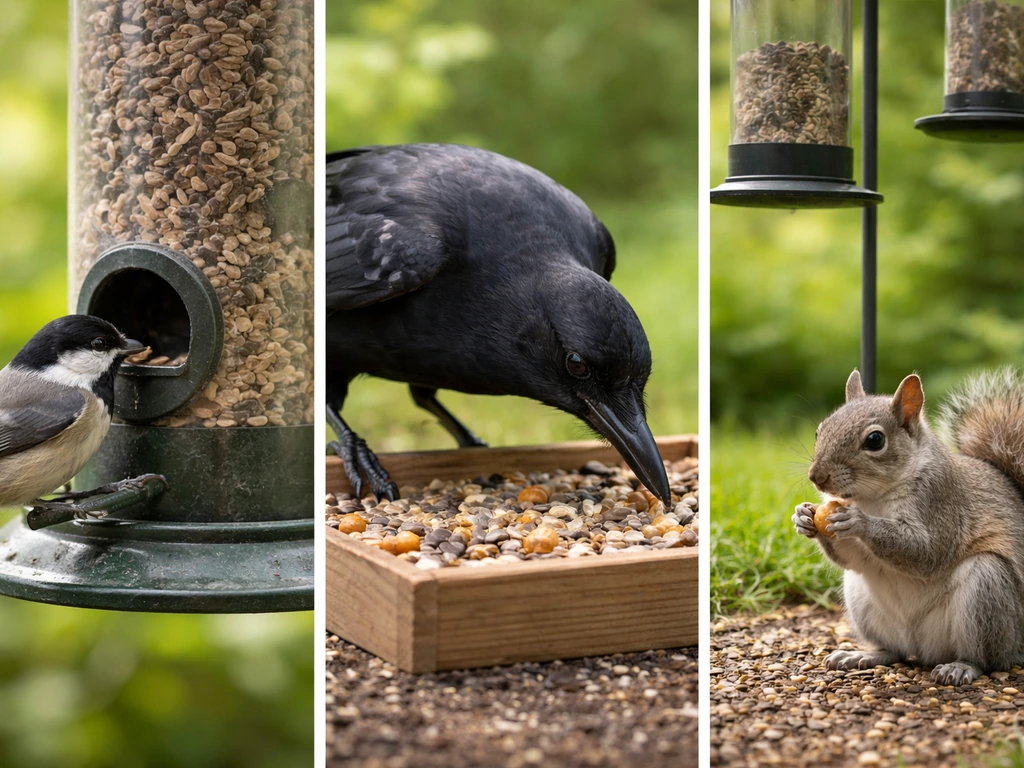
Small songbirds like chickadees, finches, nuthatches, and sparrows eat very little per visit. They grab a seed, fly off, crack it open, and return. A busy group of 10 of these birds might only consume 1/4 to 1/3 cup over a few hours. Larger birds change the math quickly. Mourning doves, blue jays, and red-winged blackbirds eat more per visit and can empty a platform feeder in minutes if you have a large flock.
| Bird Type | Approx. Consumption Per Bird Per Day | Notes |
|---|---|---|
| Small songbirds (chickadees, finches, sparrows) | 1-2 teaspoons | High frequency visits, low volume per bird |
| Medium birds (cardinals, woodpeckers) | 1-3 tablespoons | Less frequent but take larger seeds |
| Large birds (jays, doves, blackbirds) | 3-5 tablespoons | Can dominate feeders and displace smaller birds |
| Squirrels | 1/4 to 1/2 cup or more per visit | Will eat continuously if given access |
Squirrels deserve their own calculation because they're not casual visitors. A single squirrel can empty a platform feeder or hopper faster than a flock of songbirds. If squirrels have access to your feeder, you're essentially feeding them first. The practical fix isn't to put out more seed to compensate. Instead, use a pole-mounted feeder with a squirrel baffle, which prevents access without harming the animals. Audubon and the U.S. Fish and Wildlife Service both support baffles as the most effective and lowest-conflict solution. Once squirrels are excluded, your seed quantity estimates become far more predictable.
If you intentionally want to feed squirrels or other wildlife alongside birds, set up a separate ground station away from your main feeders and put a small, fixed amount there (about 1/4 cup of corn or mixed seed). This keeps them off your bird feeders and makes consumption more manageable and predictable.
Why overfeeding causes real problems (and how to prevent them)
Putting out too much seed doesn't just waste money. It creates a chain of problems that can harm the birds you're trying to help and turn your yard into a pest magnet. The main issues are mold, wet seed, and rodents.
Wet or uneaten seed sitting in a tray or on the ground ferments and molds within 24 to 48 hours in warm or humid weather. Moldy seed can make birds sick, and it attracts insects and bacteria. In cooler, dry weather, seed lasts longer, but it still goes stale and loses nutritional value after a few days of exposure.
Spilled seed under your feeder is the biggest rodent risk. K-State Extension research specifically identifies excessive spilled seed as a primary driver of mice, voles, and rat activity near feeders. Rodents don't need much invitation: a consistent pile of seed on the ground is enough to establish a regular visit. Once they're comfortable near your feeder, they'll start looking for other food sources nearby, including your house.
Filler-heavy mixed seed compounds this problem. Audubon notes that cheap mixes containing milo, oats, or wheat often get picked over by birds, leaving large quantities of unwanted seed on the ground. Switching to a species-specific seed (like straight black oil sunflower, nyjer, or safflower) means less waste, less mess, and less rodent attraction.
Practical prevention comes down to a few habits:
- Fill feeders to the amount birds can finish in one day, not to capacity.
- Use a baffle or tray catch under feeders to contain spilled seed.
- Rake or vacuum spilled seed from the ground daily or every other day.
- Switch to no-mess or hulled seed blends to reduce shell debris on the ground.
- Avoid placing feeders directly against fences, walls, or structures that give rodents easy climbing access.
How seed freshness and condition affect how much to put out
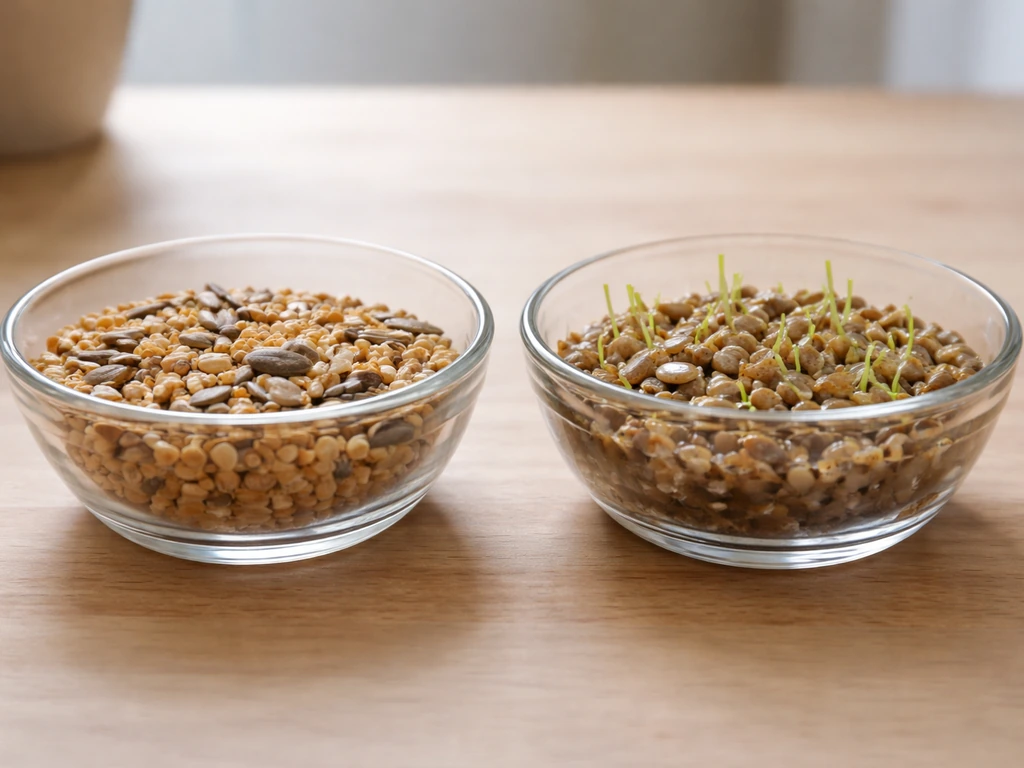
Seed quality changes how much you should dispense at once. Fresh, dry seed stored properly can be put out in slightly larger quantities because it stays viable longer if birds don't finish it immediately. Old, damp, or improperly stored seed should be put out in very small amounts (or discarded entirely) because it deteriorates faster once exposed.
Sprouting seed is a sign you're putting out too much, too fast. When seed sits on a wet tray or damp ground long enough to germinate, it means it's been sitting out for days without being eaten. Sprouted seed is still technically edible for birds in some cases, but it signals a mismatch between how much you're putting out and how much is being consumed. Cut your fill amount by half until the pattern corrects.
Storage matters here too. Seed stored in a sealed container in a cool, dry place stays fresh for 6 to 12 months for most varieties. Seed left in a bag in a hot garage or shed can go rancid in weeks, and birds will often avoid it. If you're putting out seed that birds seem to be ignoring, smell it. Fresh sunflower seed has a mild, nutty smell. Rancid seed smells sharp or musty. If it smells off, toss it and start fresh rather than trying to force birds to eat it.
Keeping seed dry from the moment you fill to the moment it's eaten is the single biggest factor in quality. Covered hopper feeders help. Tube feeders with weather guards help even more. On rainy days, reduce your fill amount by half, or skip a fill entirely and let birds finish what's already there before you add more.
How to adjust your amounts day to day
The first week of feeding is really just data collection. You're trying to understand your specific flock's appetite, which varies by season, weather, time of day, and what else is available in your yard or neighborhood. Don't expect to nail the amount immediately.
A simple monitoring routine makes this easy. Check your feeder at the same two times every day: once in the morning before you fill it, and once at dusk before it gets dark. At dusk, note how much is left. You want the feeder close to empty (not bone dry, but not more than a quarter full). If it's still half full at dusk, reduce your morning fill by about 25 percent the next day. If it was empty by noon, increase by about 25 percent or add a midday refill.
Seasonal shifts will change your baseline. Birds eat more in cold weather because they need more calories to stay warm, so your winter fill amounts will likely be higher than your spring or summer amounts. Migration seasons (spring and fall) can bring sudden spikes in activity as transient birds pass through. Don't panic and overfill during a migration surge. Add a small extra fill midday if needed rather than doubling your morning amount.
A good refill cadence for most backyard setups is once per day in the morning, with an optional small top-off in late afternoon during cold snaps or peak activity periods. Avoid refilling in the middle of the night or at odd hours since this mostly benefits nocturnal animals, not the birds you're feeding.
If you're thinking about whether to put out seed year-round or only seasonally, or how frequently you should be changing seed that's been sitting, those decisions tie directly into how much you put out each time. Feeding during times of low bird activity means seed sits longer, which means you should put out even smaller amounts per fill.
Cleanup when seed spills or goes bad
Even with the best habits, seed spills and goes bad sometimes. Knowing how to clean it up quickly is just as important as knowing how much to put out in the first place.
For spilled seed on the ground, clean it up within 24 hours if possible. Rake or sweep it into a bag and dispose of it. Don't compost birdseed since it can harbor mold and attract the same pests you're trying to avoid. If seed has been sitting on the ground in a pile for more than a day or two, check for signs of mold (white or grey fuzz, clumping, or a musty smell) before attempting to remove it. Wear gloves when handling moldy seed and wash your hands thoroughly afterward.
For seed inside a feeder that has gone bad, empty the feeder completely. Use a stiff brush and warm soapy water to scrub the inside, including all ports and perches. Rinse thoroughly and let it dry completely before refilling. A 10 percent bleach solution (one part bleach to nine parts water) applied briefly and rinsed off works well for disinfecting a feeder that has had moldy seed. Never refill a feeder that is still damp inside since moisture will accelerate spoilage in the fresh seed immediately.
Feeder cleaning frequency should scale with how much seed you're moving through. A busy feeder should be cleaned every one to two weeks. A slow feeder that holds seed for several days should be cleaned more often, not less, since seed sits in place longer and has more time to accumulate moisture, droppings, and bacteria.
If you're finding consistent wet seed, mold, or mess under your feeder, that's a signal your fill amounts are too large for your current bird traffic, not just a weather problem. Scale back to half your current fill, step up your cleaning routine, and rebuild from there.
FAQ
What if my feeder is still mostly full at dusk, even after I follow the usual 1/4 to 1/2 cup range?
Reduce the next day’s fill more aggressively, by about 40 to 50% instead of 25%. Also check whether the seed you’re using matches your visitors (for example, try black oil sunflower for finches and sparrows), because low consumption from “wrong” seed can look like you’re overfilling.
How do I adjust the amount if birds feed on a schedule, like they only show up in the morning?
If visitation is clustered, treat it like a single “burst” feeding day. Put out only enough to be nearly empty by early afternoon, then refill only if you see active birds again later, rather than keeping a steady supply all day.
Is it okay to leave seed out overnight to reduce waste?
It’s usually better not to. The risk is moisture, mold, and attracting rodents overnight, especially in warm or humid weather. If you must leave it, switch to a covered feeder setup and still aim for no more than a quarter full at dusk.
What should I do if it rains but I already filled the feeder?
Remove or discard seed that got visibly wet, then wait until birds are actively visiting before refilling. For platform and tray feeders, reduce your next fill by at least half, because rain often causes clumping and leftover seed can ferment even after the feeder dries.
How much seed should I put out when I see squirrels or other animals eating everything first?
Don’t compensate by adding more seed to the same feeder. Exclude them with a baffle or separate station, then adjust bird amounts based on what the birds actually finish. Otherwise, you’ll increase waste and rodent activity without improving bird access.
Do different birdseed types change how much I should put out at once?
Yes. Mixed blends that include fillers birds ignore will remain on the ground longer, so you should use smaller fills if your mix creates lots of leftover husks or unpicked kernels. Species-specific seed generally lets you use the same starting range with less waste.
Should I reduce the amount when I notice sprouting seed in the tray or around the feeder?
Yes, cut your fill amount by about half and extend the observation period before making another increase. Sprouting means the seed is staying wet long enough to germinate, so smaller, more frequent refills are usually safer than continuing the same dose.
What’s the safest approach if I’m feeding during hot weather but want to keep birds returning?
Use smaller fills, switch to feeders that keep seed covered, and avoid midday refills. If you see seed dampening or a strong odor by late morning, stop topping off and let birds use what remains, then restart with a lower amount the next day.
How often should I change or top off seed if I only have time once per day?
Do a single dawn fill and then watch the dusk level. If the feeder is still half full at dusk, reduce tomorrow’s fill by 25% to 50%. If it empties by noon, add a small late morning top-off only if birds are actively present.
Can I compost spilled or uneaten birdseed to reduce waste?
Avoid composting. Spilled or mold-prone seed can carry mold or attract pests, and those risks persist when seed is incorporated into compost systems. Bag it and dispose of it instead.
What cleaning and drying steps matter most if I suspect mold?
Empty completely, scrub ports and perches, then let the feeder dry fully before refilling. If any moisture remains inside, fresh seed can spoil faster immediately, so drying time is a key part of preventing repeat mold.
How quickly should I clean up spilled seed under the feeder?
Aim to clean within 24 hours if possible. Even one night of spilled seed can raise rodent activity, so prompt removal is a practical way to break the “food trail” that mice and voles follow.
If birds are ignoring my seed, does that always mean I’m putting out too much?
Not necessarily. Ignoring seed can mean the seed is stale or rancid, or it’s not appealing to your local species. Smell the seed and switch varieties before increasing quantities, since larger fills just leave more unwanted seed in place longer.
Next Article
Do You Put Bird Seed in a Birdhouse? Safe Setup Guide
Find out if bird seed belongs in a nesting birdhouse, plus safe steps for feeding, storage, hygiene, and cleanup