Thistle bird seed is almost always nyjer seed, a tiny black seed from the plant blank" rel="noopener noreferrer">Guizotia abyssinica, which is native to Africa and has nothing to do with the North American thistle plant. The name 'thistle' stuck because finches that love nyjer also love native thistle plants, so sellers used the label to attract buyers. The Wild Bird Feeding Institute even trademarked the name 'Nyjer' in 1998 specifically to reduce that confusion. What you're actually buying is a high-oil, high-calorie seed that's sterilized before import and prized by small finches above almost anything else.
What Is Thistle Bird Seed? Uses, Birds, Setup, and Tips
Maya Collins
2 May 2026
What thistle bird seed actually is
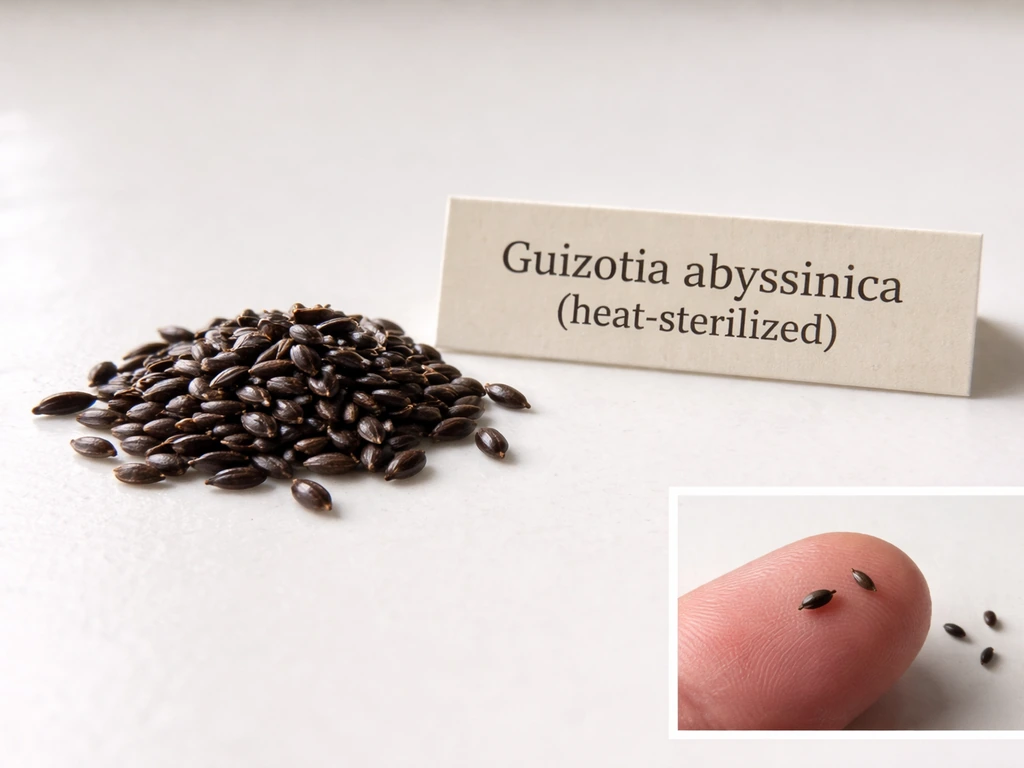
Nyjer (Guizotia abyssinica) is a flowering plant from Ethiopia and other parts of East Africa. Its seeds are harvested, heat-sterilized to prevent germination and invasive spread, and then imported in bulk for the bird feeding market. The seeds are tiny, roughly 3/16 of an inch long, and look like small black or dark brown slivers. Nyjer is described by the blank" rel="noopener noreferrer">Wild Bird Feeding Institute as a small, thin, black or brown seed from the African daisy plant Guizotia abyssinica. They're dense with oil, which is exactly why finches are so drawn to them. The high fat content makes nyjer an efficient energy source, especially during cold months when birds need the most calories per bite.
The sterilization process is worth understanding because it directly affects how you store the seed and how long it lasts. Because the seeds are heat-treated, they can go rancid faster than untreated seeds if stored poorly. You're not dealing with a raw agricultural product that has natural oils sealed in by a live seed coat. Fresh nyjer smells faintly nutty and oily. Old or spoiled nyjer smells musty or flat, and finches will ignore it almost immediately.
Which birds eat thistle seed and which ones skip it
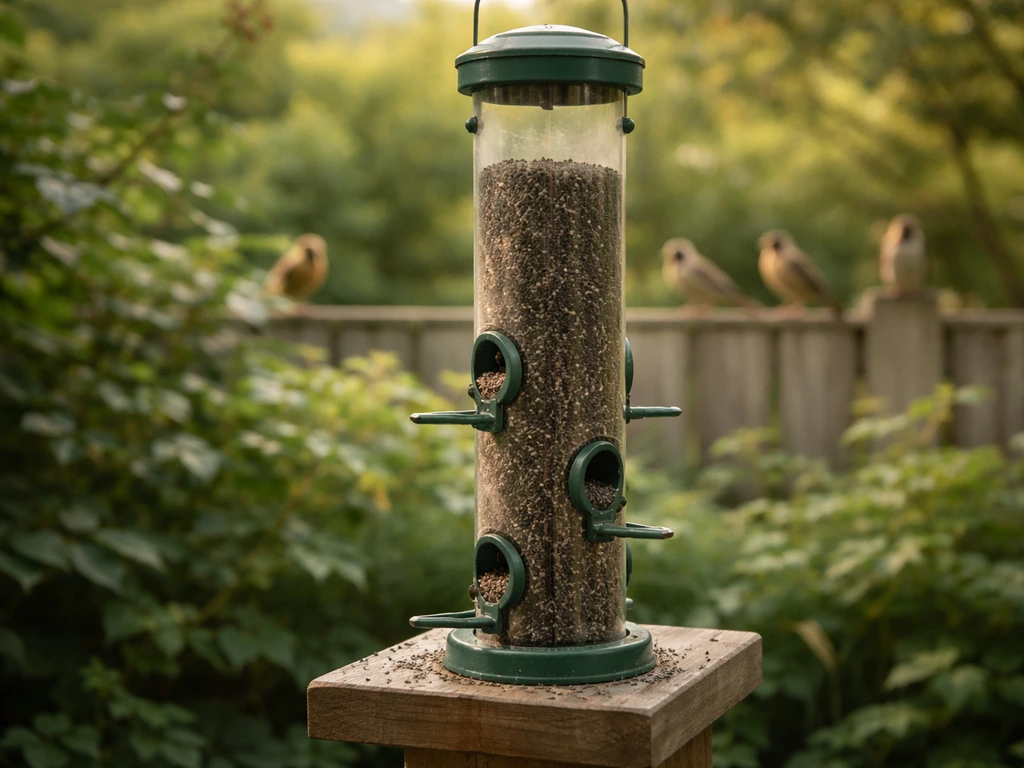
Nyjer is highly targeted. It attracts a short list of small-billed finch species and isn't especially interesting to most other backyard birds. That selectivity is actually a selling point: you spend money on seed that goes specifically to the birds you want and doesn't attract every opportunistic feeder in the yard.
The birds most reliably drawn to nyjer feeders include American Goldfinches, Pine Siskins, Common and Hoary Redpolls, Lesser Goldfinches (in western North America), and occasionally House Finches and Purple Finches. American Goldfinches are the headline species most people are targeting, and in much of the US and Canada they'll show up in numbers once you get the setup right. Pine Siskins often travel with goldfinches in winter flocks. Redpolls are northern species, so if you're in the southern US, don't expect them.
Larger birds like sparrows, jays, cardinals, and starlings generally ignore nyjer. They can't grip the small ports on a nyjer feeder well, and the seed itself is too small and low-calorie per unit for their feeding style. That said, House Sparrows will occasionally pick up spilled nyjer from the ground, which is one reason keeping the area under the feeder clean matters.
| Bird | Eats Nyjer? | Region / Notes |
|---|---|---|
| American Goldfinch | Yes, eagerly | Across most of US and southern Canada |
| Pine Siskin | Yes | Follows goldfinch flocks, year-round in West |
| Common Redpoll | Yes | Northern US and Canada, winter irruptions |
| Lesser Goldfinch | Yes | Western and southwestern US |
| House Finch | Sometimes | Prefers sunflower but will use nyjer feeders |
| Purple Finch | Sometimes | Less consistent than goldfinches |
| Northern Cardinal | No | Prefers sunflower and safflower |
| Blue Jay | No | Too large for nyjer feeders, prefers peanuts |
| House Sparrow | Rarely | May scavenge spilled seed from ground |
Setting up the right feeder for nyjer seed
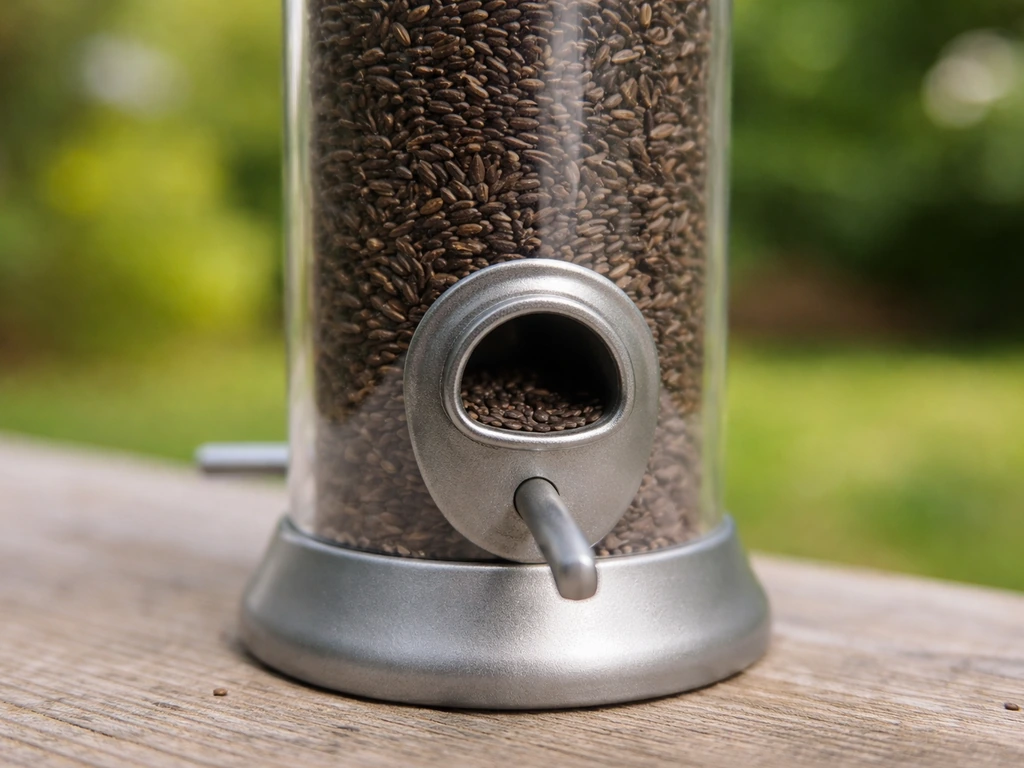
Because nyjer seeds are so small, they require a feeder with very fine ports or mesh. A standard bird feeder with typical-sized holes will let nyjer pour straight through and onto the ground. You have two main feeder options that actually work.
Tube feeders with small ports
Dedicated nyjer tube feeders have elongated vertical ports that are just wide enough for a finch to extract seeds one at a time. These are the most common option and work well for goldfinches, which cling vertically. Look for feeders specifically labeled for nyjer or thistle seed. The ports on a standard sunflower tube feeder are too large and will dump seed out in the wind.
Mesh or sock feeders
Fine-mesh nyjer feeders, sometimes called 'thistle socks,' are made from a porous mesh fabric or a rigid metal mesh cylinder. For example, Home Depot lists a Kaytee nyjer finch “fabric mesh sock” feeder in 26 oz. Finches cling to the outside and pull seeds through the mesh. These feeders are inexpensive, easy to fill, and great for locations where you want to attract a lot of finches at once. The downside is that mesh socks can be harder to clean and hold moisture after rain, which speeds up spoilage. Rigid metal mesh tube feeders are more durable and easier to sanitize.
Placement tips that actually help
- Hang nyjer feeders 5 to 6 feet off the ground, away from dense shrubs where predators can hide.
- Place feeders in a visible, open area so finches can spot them easily during flyovers.
- Keep feeders at least 10 feet from the nearest window to reduce collision risk, or within 3 feet to eliminate dangerous strike speed.
- In hot climates, partial shade in the afternoon slows seed rancidity inside the feeder.
- Expect a delay of days to a few weeks before goldfinches find a new feeder. Be patient.
How to identify the right seed and avoid common mix-ups
The most common confusion at the store is buying a generic 'wild bird mix' and assuming it contains enough nyjer to attract finches. Most wild bird mixes are dominated by millet, milo, and cracked corn, which goldfinches don't want. If the bag says 'finch mix,' check the ingredient list. You want nyjer (Guizotia abyssinica) listed as the primary or only ingredient. If you recently noticed a change in trill bird seed, double-check the ingredients and freshness to make sure you are still getting true nyjer trill bird seed has changed. Some finch mixes also include fine sunflower chips, which is fine, but the base should be nyjer.
You may also see products labeled 'thistle seed' without any mention of nyjer. In practice, these are almost always the same product because true North American thistle seeds aren't commercially harvested and packaged for retail sale. If a bag says 'thistle seed' and the seeds inside are tiny, black, and slender, you have nyjer. If the seeds look like fluffy plant fibers or something else entirely, put the bag back.
Fresh nyjer has a slightly oily sheen and a faint nutty smell when you open the bag. It should feel dry and free-flowing, not clumped or dusty. Clumping usually means moisture has already gotten in. Dustiness can indicate the seeds are old and dried out past their useful shelf life.
One question that comes up often is whether nyjer seed will sprout in your yard. Because it's sterilized before import, it almost never germinates, which is a genuine advantage over other seeds that create weedy messes under feeders. That said, sterilization quality varies between suppliers, and there are occasional reports of sprouting, especially with budget brands.
Storing nyjer to prevent mold and rancidity
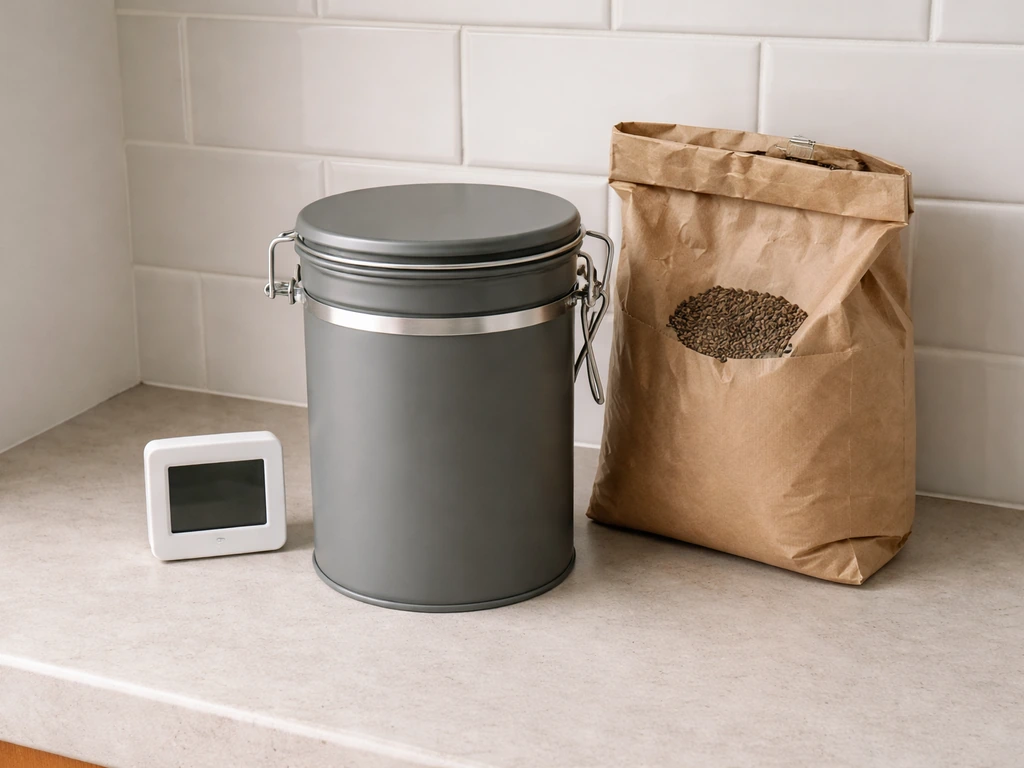
Nyjer goes bad faster than most birdseed because the heat sterilization process compromises the natural oils in the seed coat. Sunflower seed, for comparison, can last a year or more in decent storage conditions. Nyjer is more like 3 to 6 months in ideal conditions, and considerably less if you live somewhere hot and humid.
Storage best practices
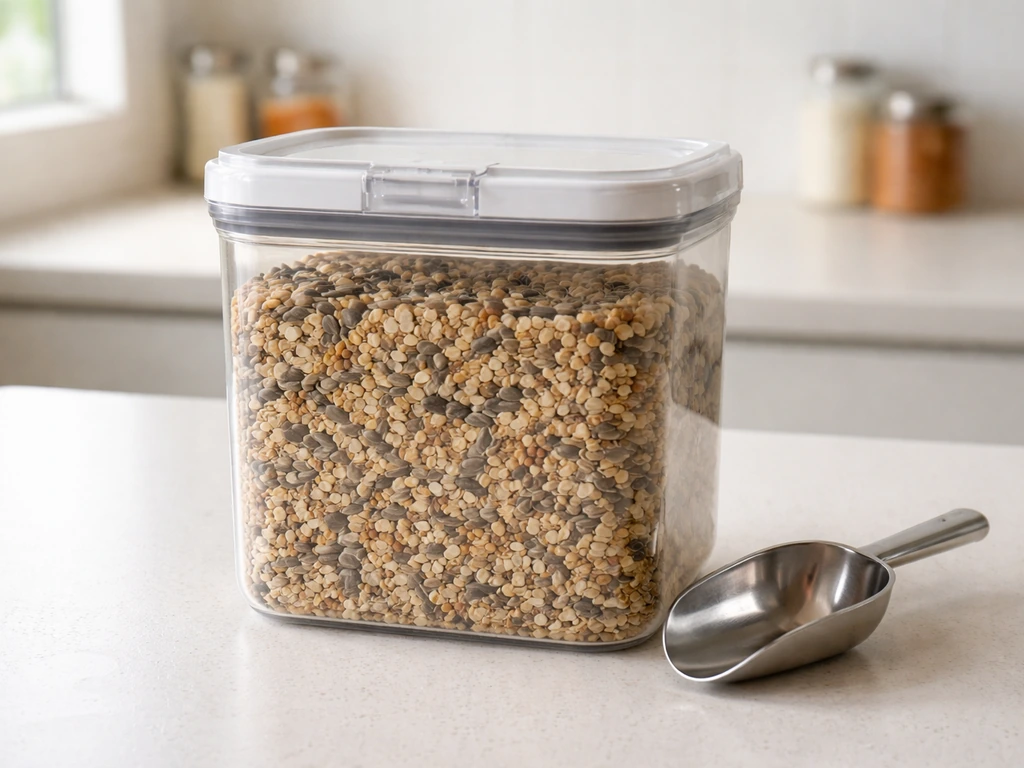
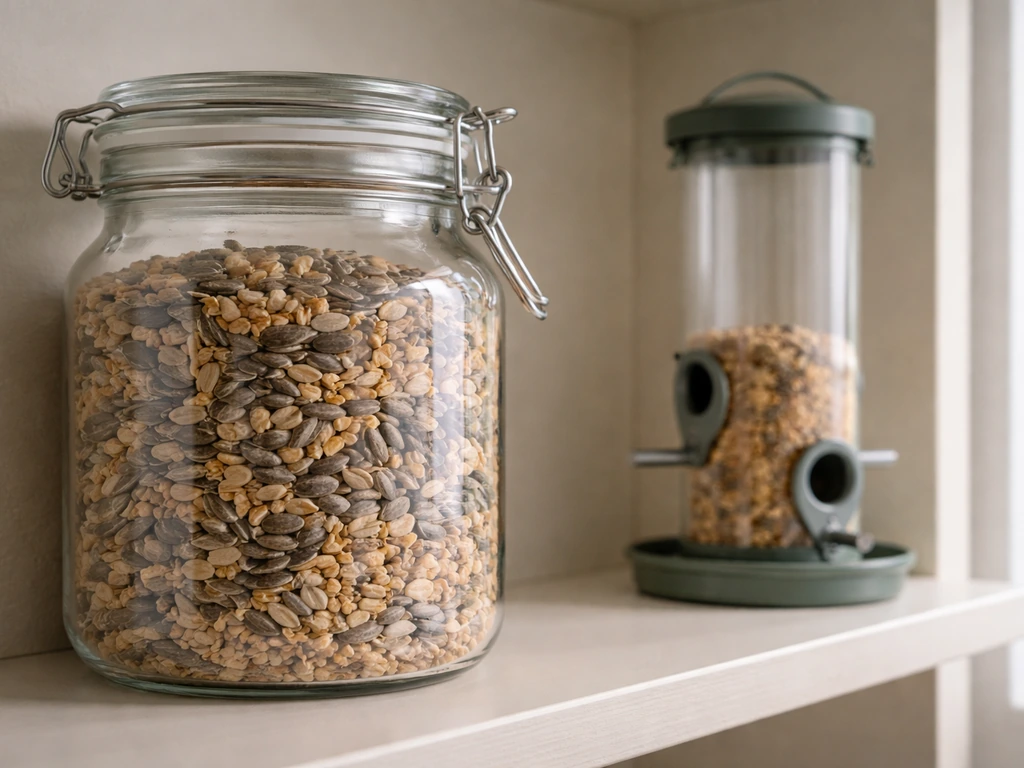
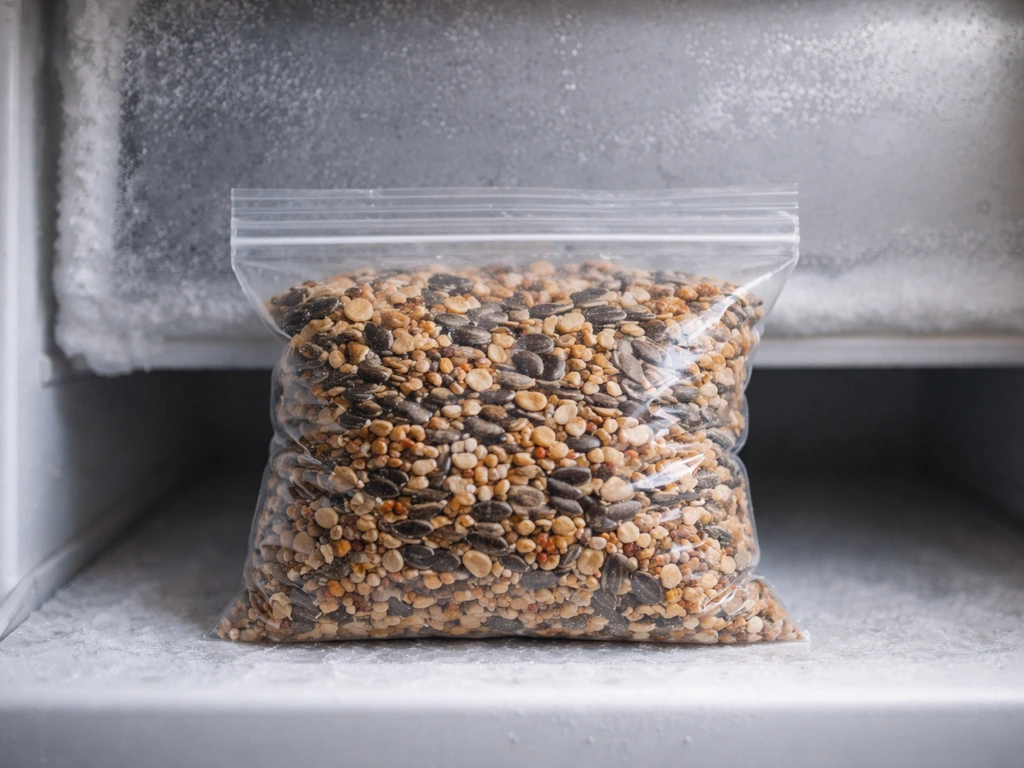
- Store nyjer in a sealed, airtight container, not the original bag. Metal containers are better than plastic in warm climates because they stay cooler.
- Keep storage out of direct sunlight and away from heat sources. A cool garage, basement, or pantry shelf works well.
- Don't mix new seed into a container with old seed. Empty and rinse the container between batches.
- Buy in smaller quantities unless you're going through seed quickly. A 5-pound bag every 4 to 6 weeks is often more cost-effective than a 20-pound bag that goes stale.
- Write the purchase date on the container so you can track freshness.
If you live in a particularly hot or humid region (the Gulf Coast, Florida, or the Pacific Northwest in wet season), plan on using nyjer within 6 to 8 weeks of purchase and inspect it regularly. In dry, cooler climates like the northern plains or high-altitude areas, you'll get closer to the 6-month mark.
Troubleshooting: wet seed, sprouting, and birds that aren't showing up
Seed got wet in the feeder
Wet nyjer clumps together and molds quickly, sometimes within 48 hours in warm weather. If seed gets soaked in a rainstorm, don't wait and hope it dries out. Empty the feeder completely, discard the wet seed (don't compost it), rinse the feeder with a 9-to-1 water-to-bleach solution, let it dry fully in the sun, and refill with fresh seed. A weather guard (a dome baffle above the feeder) prevents most rain exposure and is worth the investment if you're dealing with repeated wet seed issues.
Seed appears to be sprouting
If you're seeing germination, the sterilization on that batch may have been incomplete. Discard any seed that's visibly sprouting, since the germination process changes the chemical composition and makes the seed less palatable to birds. Switch brands or suppliers, and check whether the seed was stored somewhere too warm or moist before you bought it (warehouse or store conditions matter).
Birds aren't coming to the feeder
This is the most common complaint and it usually comes down to three things: wrong feeder, stale seed, or wrong timing. First, confirm you're using a feeder with ports designed for nyjer, not a standard tube or platform feeder. Second, smell the seed. If it smells flat or musty, replace it. Goldfinches will often test a new feeder and leave if the seed quality isn't fresh. Third, be patient. It can take 1 to 3 weeks for finches to discover a new feeder, especially if you're in an area without an existing local flock. Placing the feeder near flowering plants or in sight of other feeders can speed up discovery.
Seasonal timing also matters. In much of the US, goldfinch activity at feeders peaks in late fall and winter when natural food sources are lower. If you set up a feeder in July and see few birds, don't give up. The same feeder may be packed with birds by November.
Pests, mold, and keeping the feeding area clean
Insects in the seed
Small moths and weevils can infest nyjer seed, particularly in warm weather or if the seed was already compromised before purchase. If you see tiny insects moving in your storage container or in the feeder, discard all affected seed, sanitize the container and feeder with the bleach solution mentioned above, and buy fresh seed from a different supplier. Storing seed in a sealed metal container significantly reduces insect infiltration compared to plastic bins or the original paper or plastic bags.
Mold on seed or feeder surfaces
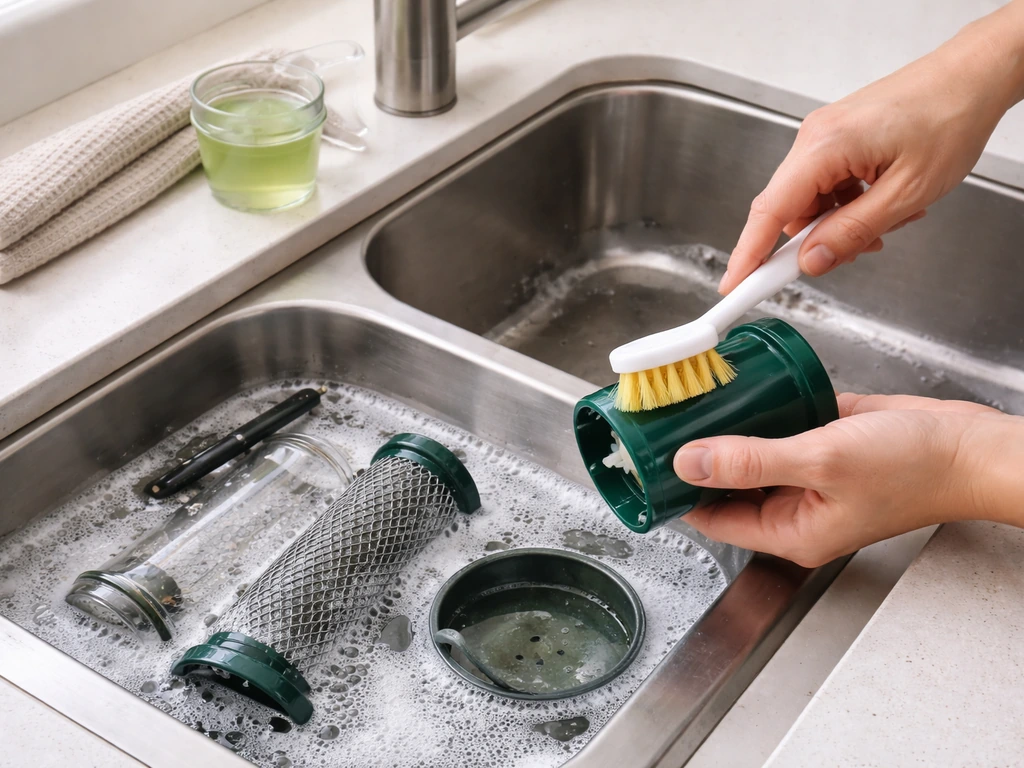
Mold in a nyjer feeder is a genuine health risk to birds and should be taken seriously. You'll usually spot it as a grayish or greenish coating inside the feeder tube or on clumped seed. Remove all seed, scrub the feeder with the 9:1 bleach solution, rinse thoroughly, and allow to air dry completely before refilling. Never just top off a feeder that has mold at the bottom. Clean the whole thing. If your feeder molds repeatedly, consider switching to a metal mesh design that allows better airflow and dries faster after rain.
Rodents and ground scavengers
Nyjer isn't a top target for squirrels (they generally prefer sunflower and peanuts), but spilled seed on the ground can attract mice, voles, and ground-feeding sparrows. Keep the area under the feeder raked and clean. A tray or seed catcher hung below the feeder helps contain spillage and makes cleanup easier. Don't let spilled seed sit and accumulate, especially in wet weather, since decomposing seed on the ground can grow mold and attract rodents over time. Spilled seed, including any from other foods you try, can attract rodents, so only offer foods that fit the feeder and clean up any mess right away.
Monthly feeder cleaning routine
- Empty all remaining seed from the feeder.
- Disassemble the feeder as much as possible (remove caps, perches, and trays).
- Soak or scrub all parts in a 9: 1 water-to-bleach solution for at least 10 minutes.
- Rinse thoroughly with clean water until no bleach smell remains.
- Dry completely in the sun before reassembling, ideally for 2 to 3 hours.
- Refill with fresh seed and note the refill date.
In summer heat or rainy climates, clean every 2 to 3 weeks rather than monthly. In dry, cool weather, monthly is usually sufficient. The feeder cleaning schedule is honestly the single biggest factor in whether nyjer feeding goes well or becomes a frustrating cycle of birds ignoring the feeder and seed going to waste.
Your practical next steps
If you're starting from scratch: buy a bag of pure nyjer seed (Guizotia abyssinica) from a reputable birding retailer or a store with high turnover, pick up a tube or mesh feeder specifically labeled for nyjer or thistle, hang it in an open area 5 to 6 feet off the ground, and give it 2 to 3 weeks before judging results. If birds are ignoring a feeder you already have, replace the seed first (smell it), then confirm the feeder has properly sized ports. If you're dealing with mold or wet seed, clean the feeder with bleach solution, add a dome baffle, and consider moving to a metal mesh feeder for better airflow. Keep storage cool, airtight, and dated, and plan to use each bag within 6 to 8 weeks. That combination of fresh seed, the right feeder, and a clean setup is what actually gets goldfinches to show up and stay.
FAQ
Can I feed “thistle bird seed” to squirrels or will they steal it?
Nyjer is less attractive to squirrels than sunflower or peanuts, but they can still take spilled seed. If you want to reduce theft, use a dome baffle (or a squirrel baffle) and keep the tray area clean, so there is less accessible seed on the ground.
Is it safe for other birds besides finches to eat small amounts of nyjer?
Some other finches may sample it, but most larger seed-eaters ignore it because they cannot grip the tiny seed ports. If you mix nyjer with other seed types, expect more mess and more opportunists, and prioritize keeping nyjer dedicated to nyjer-labeled feeders.
How do I tell if the bag has gone rancid before I hang it?
Fresh nyjer usually has a faint nutty, oily smell and flows freely, not clumping. Rancid seed tends to smell flat, musty, or “off,” and it may look dull, clump together, or leave a residue inside the container.
What should I do if I notice small weevils or moths after the seed is already at home?
Do not just remove visible insects and keep using it. Discard the affected seed, sanitize the feeder and storage container with the bleach solution approach described in the article, then start fresh from a different batch. Also clean surrounding areas, since adult pests can re-infest.
Why are no finches coming, even though I have a nyjer feeder?
The two most common causes are stale or low-nyjer content seed, and waiting too little time after installing. Replace the seed with a fresh bag first (check smell), confirm the feeder ports are correct for tiny seeds, then give it 1 to 3 weeks for local discovery.
Will nyjer harm my yard or create invasive plants?
In most cases, sterilized nyjer does not germinate, so it should not create a weedy spread under feeders. Still, sterilization quality varies, so if you ever see actual sprouts, stop using that batch and discard it.
Can I store nyjer longer than the 6 to 8 week window?
You can sometimes stretch it in dry, cool storage, but heat-treated oils degrade faster than with many other seeds. If you extend storage, keep the bag date-labeled, seal it airtight, and monitor smell and clumping, since rancid seed can cause birds to abandon the feeder.
Is it better to use a tube feeder or a mesh “thistle sock” in rainy weather?
In rainy or humid conditions, tube or rigid metal mesh feeders usually perform better because they dry and sanitize more easily and do not hold moisture in fabric. If you use socks, clean more frequently and expect them to spoil faster after repeated wetting.
Do I need to rinse or sanitize the feeder every time it rains?
If only a light amount of rain hit the feeder, you can often keep going, but if the seed is wet and clumped, empty it and replace it. For recurring wet seed issues, use a dome baffle and increase cleaning frequency in summer, otherwise mold risk rises quickly.
What is the safest way to clean a nyjer feeder without leaving residues?
After scrubbing with a diluted bleach solution, rinse thoroughly and allow complete air-drying before refilling. Never “top off” over mold, since the remaining material can seed new growth quickly even after partial cleaning.