Yes, Tractor Supply sells bird seed. They carry a solid range of wild bird seed online and in most stores, including black oil sunflower seed, nyjer (thistle), safflower, sunflower hearts, suet cakes, and several mixed blends targeting specific bird species. You can shop at TractorSupply.com or check your local store's availability right from a product page by entering your ZIP code.
Does Tractor Supply Sell Bird Seed? Online and In-Store Options
Maya Collins
23 Apr 2026
Tractor Supply vs. other retailers for bird seed
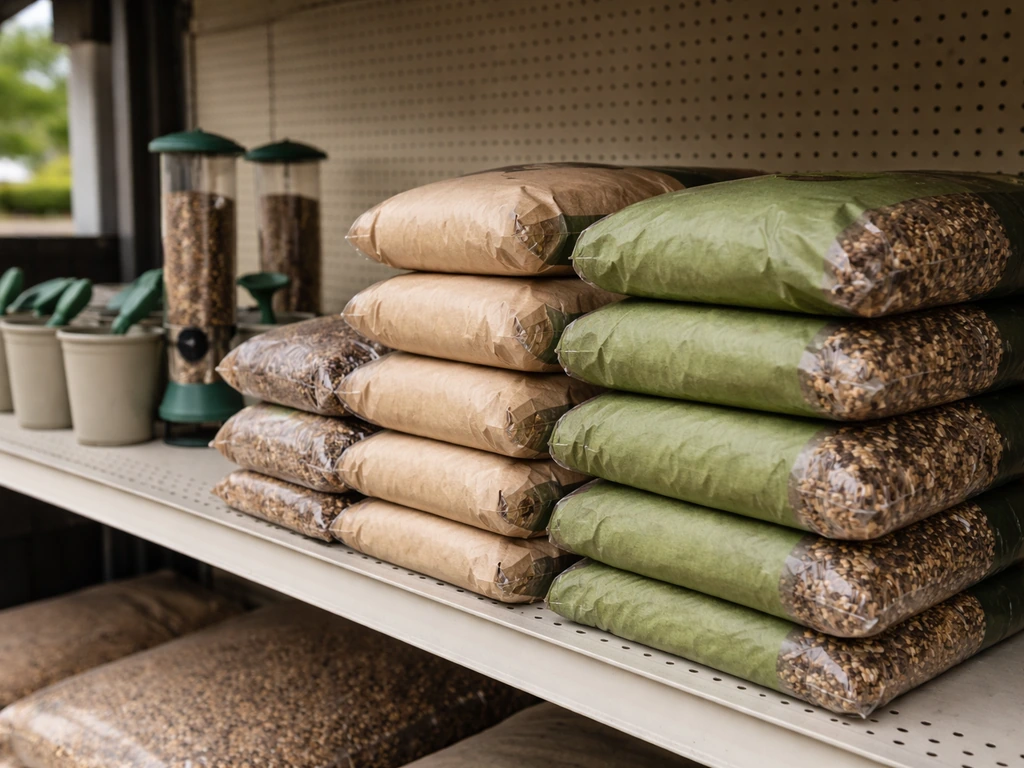
Tractor Supply is one of the better places to buy bird seed, especially if you need larger bag sizes or specialty seed like nyjer or safflower. Their house brand is Royal Wing, and they also carry Lyric and Happy Wings. Compared to a big-box store like Walmart, Tractor Supply tends to stock more variety in single-species seeds and labeled species-specific blends (cardinal mixes, woodpecker mixes, chickadee/nuthatch blends). If you are wondering how much is bird seed at Walmart, compare the price per pound for the closest bag size to what you plan to buy Compared to a big-box store like Walmart. If you're weighing price per pound across stores, it's worth checking how much bird seed is at Tractor Supply versus competitors, since bulk bags (20 lb and 25 lb) often bring the cost per pound down significantly. For tips on comparing bird seed prices across retailers, make sure you look at the price per pound and the bag size you are actually buying compare bird seed prices. To get an accurate answer to how much is bird seed at Tractor Supply, check the current price per pound for the exact bag size you plan to buy how much bird seed is at Tractor Supply. They also sell bird seed storage containers and scoops in-store, which is a practical bonus when buying larger quantities.
How to check what's in stock today
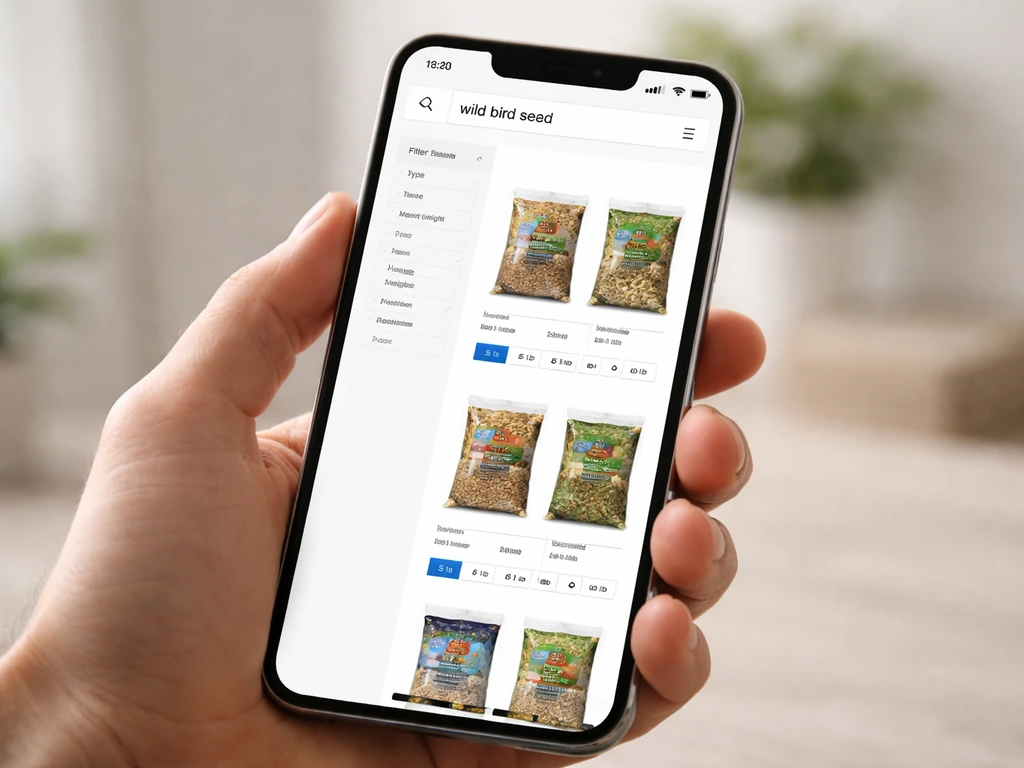
The fastest way to confirm availability is to go to TractorSupply.com and search "wild bird seed" or browse their dedicated Wild Bird Seed, Suet, and Treats catalog section. Every product page has a fulfillment widget where you enter your ZIP code to see Pickup or Delivery options for your nearest store. If the pickup option is greyed out or unavailable, the seed is likely out of stock at that location.
- Go to TractorSupply.com and type "wild bird seed" in the search bar.
- Filter by type: mixed blends, sunflower, nyjer, safflower, suet cakes, or no-waste mixes.
- Open any product page and enter your ZIP code to see in-store Pickup availability.
- If your store shows "Pickup" as an option, the item is confirmed in stock near you.
- You can also call your local store directly and ask staff to check a specific SKU.
What kinds of bird seed Tractor Supply carries
Their selection covers most of what backyard bird feeders need. Here's a breakdown of the main categories and what birds they attract:
| Seed Type | Common Birds Attracted | Notes |
|---|---|---|
| Black oil sunflower seed | Cardinals, chickadees, finches, nuthatches, jays | Most versatile seed; available in 20 lb bags under Royal Wing brand |
| Sunflower hearts / shelled kernels | Same as above, plus ground feeders | No shells to clean up; Lyric 25 lb and Royal Wing 35 lb available |
| Nyjer (thistle) | Goldfinches, pine siskins, redpolls | Needs a tube feeder with small ports; sold in 1 lb and 8 lb bags |
| Safflower | Cardinals, grosbeaks, chickadees | Squirrels typically avoid it; Lyric 12 lb available |
| Mixed blends (cardinal, songbird, woodpecker) | Varies by blend target | Species-labeled mixes from Lyric and Happy Wings; check ingredient list |
| Suet cakes | Woodpeckers, nuthatches, chickadees, wrens | Royal Wing mealworm and standard suet cakes in 9-11 oz sizes |
| No-waste mixes | Woodpeckers, mixed songbirds | Shelled seeds, nuts, dried fruit; eliminates hull waste under feeders |
Choosing the right seed for your birds
Black oil sunflower seed is the best starting point for most backyard setups. It has a thin shell that small birds can crack, and nearly every songbird will eat it. If you're buying a mixed blend, flip the bag and read the ingredient list. Blends that lead with milo, wheat, or oats tend to create a lot of waste because most backyard birds kick those fillers out of the feeder. Look for blends where black oil sunflower, sunflower kernels, safflower, or nyjer are in the top two or three ingredients.
If you're dealing with hull mess under your feeder, sunflower hearts or a no-waste blend eliminate the cleanup problem. Happy Wings black oil sunflower seed also comes in a heat-treated "No Grow" version, which prevents any dropped seeds from sprouting in your lawn. That's a genuinely useful feature if you have a tidy garden or feed over a patio. For attracting finches specifically, nyjer is worth the investment, but you need the right feeder since standard feeders have ports too large to dispense it cleanly.
One more tip: if squirrels are raiding your feeder, switching to safflower is one of the simplest deterrents. Squirrels strongly dislike the bitter taste, so a straight safflower fill or a cardinal-targeted safflower blend can cut squirrel activity without any extra hardware.
Storing your seed after you bring it home
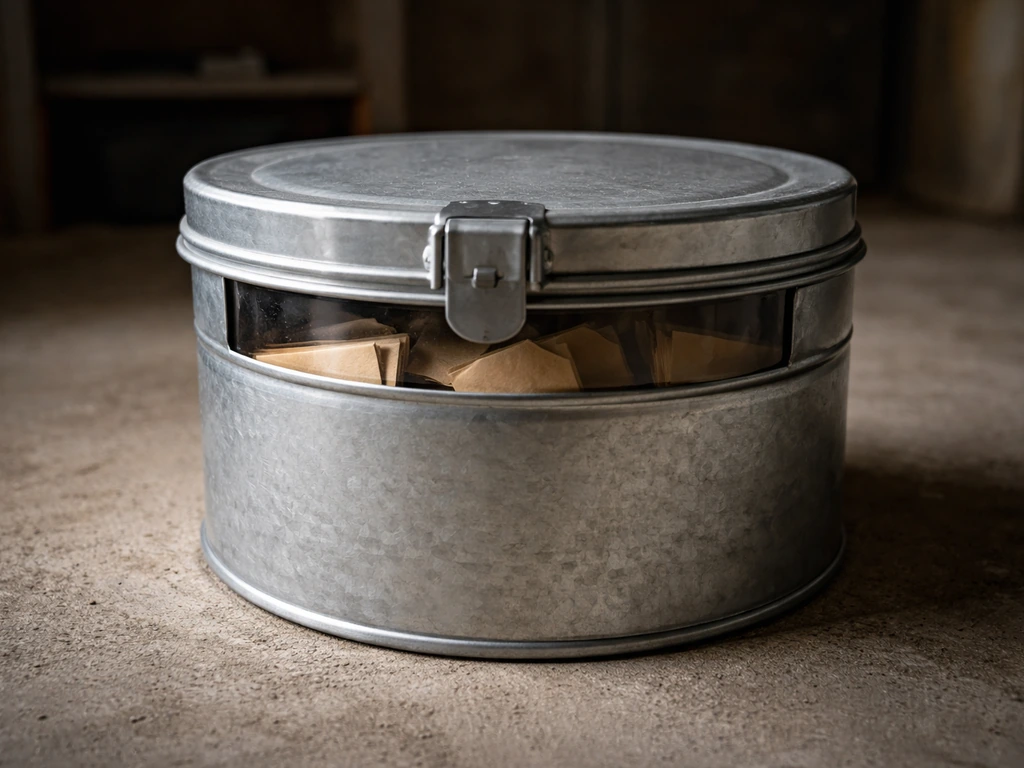
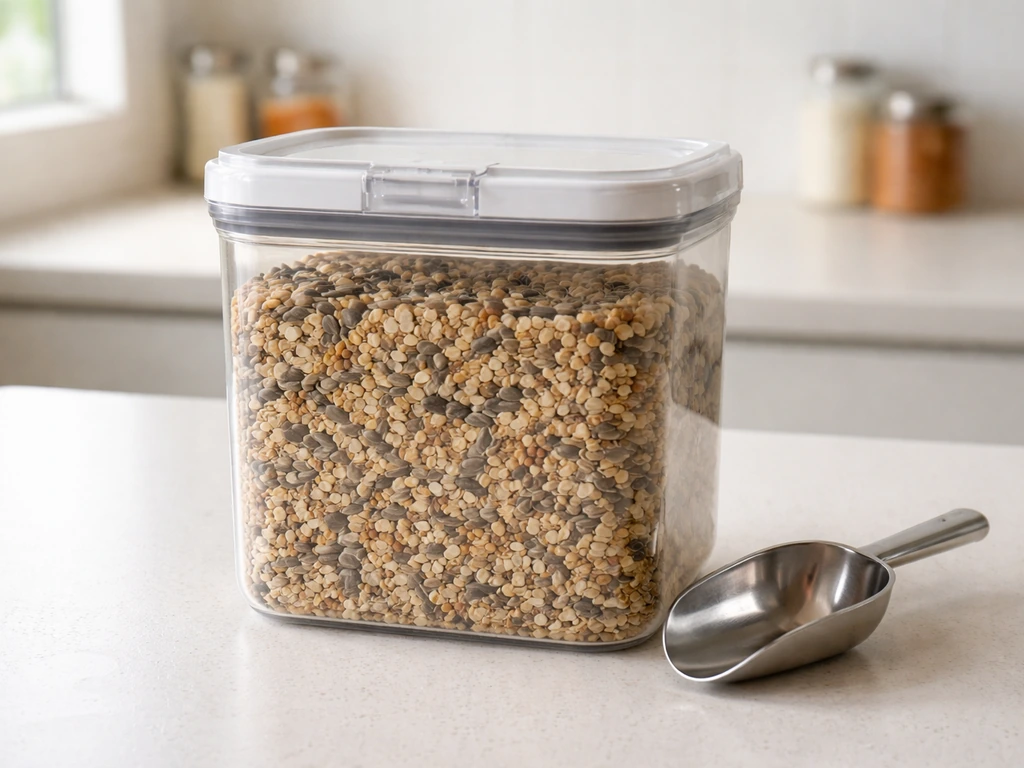
Storage is where most people run into problems. Seed stored in its original paper or thin plastic bag in a garage or shed can become a moisture and pest magnet within weeks, especially in warm or humid climates. The rule is simple: transfer seed into a rigid plastic or metal container with a secure lid, and keep it in a cool, dry place out of direct sunlight. Tractor Supply even prints this on their Royal Wing sunflower bags. Humidity and heat are the two main drivers of mold and rancidity.
- Use a metal or heavy-duty plastic bin with a tight-fitting lid to block moisture and rodents.
- Store in a cool, dry location: a climate-controlled basement, utility room, or shaded shed is ideal.
- Keep seed away from direct sunlight and heat sources, which accelerate oil breakdown.
- Don't mix new seed on top of old seed in the bin. Empty and check the bottom before refilling.
- Buy only what you'll use in 4 to 6 weeks during warmer months; seed goes stale and moldy faster in summer.
- Tractor Supply sells seed containers and scoops, so you can pick up a suitable bin in the same trip.
Troubleshooting: wet seed, sprouting, pests, and mold
Wet or clumped seed in the feeder
Wet seed clumps inside feeders when rain gets in or condensation builds up. If you see clumped or damp seed, remove it and discard the whole batch. Don't try to dry it out and reuse it. Wet seed grows mold within 24 to 48 hours in warm weather, and moldy seed can carry salmonella that harms birds. Before refilling, clean the feeder with a diluted bleach solution (1 part bleach to 9 parts water), rinse thoroughly, and let it air dry completely before adding fresh seed. Audubon also recommends cleaning feeders and birdbaths regularly to help prevent mold and keep birds healthy clean the feeder with a diluted bleach solution. Never refill a damp feeder.
Sprouting seed under the feeder
Millet and unhulled sunflower seed dropped from feeders will sprout in garden beds or lawn areas if conditions are right. The fix is either switching to a no-waste blend or using a heat-treated seed like the Happy Wings No Grow black oil sunflower. You can also rake or sweep under the feeder every week to remove fallen seed before it germinates. Virginia DWR specifically recommends regular cleanup under feeders because leftover waste also attracts rodents and other unwanted animals.
Mold at the feeder
Black spots or a cloudy film inside the feeder tube or tray means mold has taken hold. Discard all the seed in that feeder immediately. Cornell Lab's Project FeederWatch recommends cleaning feeders roughly every two weeks as a baseline, but more often during warm or wet weather. Penn State Extension and Audubon both emphasize that moldy seed shouldn't be offered to birds under any circumstance. Once you scrub and disinfect the feeder and let it dry fully, you can refill with fresh seed.
Rodents and other pests
If you're seeing mice, rats, or squirrels raiding seed on the ground or in the bin, the seed storage container is the first fix. Paper bags and thin plastic sacks are easy for rodents to chew through overnight. A galvanized metal can with a locking lid solves this. For the feeder itself, use a baffle above or below the pole to block squirrels, and sweep up hull waste daily if rodent pressure is high. Switching to shelled (no-hull) seed also reduces ground debris, which is the main attractant. If you're in a region with bears, bring feeders in at night or switch to bear-resistant feeder setups from May through November.
Feeder hygiene schedule
- Every 1 to 2 weeks: empty remaining seed, scrub feeder with a bottle brush and diluted bleach solution, rinse well, and air dry completely before refilling.
- After any rain event: check seed for clumping or dampness and discard if wet.
- Weekly: rake up seed hulls and waste on the ground beneath the feeder.
- Monthly: inspect your storage bin for moisture, insect activity, or off smells, and discard any compromised seed.
FAQ
Does Tractor Supply sell bird seed online, or only in stores?
You can, but the fastest check is to use a product page and enter your ZIP code to confirm Pickup or Delivery at your nearest store. If pickup is greyed out, it usually means that location is out of stock even if the item appears online.
Do they have specialty seed like nyjer and safflower, or just generic mixes?
Yes. If you want nyjer (thistle) or safflower, plan to buy exact single-species seed rather than generic mixes, then verify the ingredient order on the back of the bag. Species-specific blends often still include fillers, and the top two or three ingredients determine what your birds actually eat.
What should I buy if squirrels keep emptying my feeder, and will it work with any feeder?
Squirrel-deterrent safflower is often the simplest option, but you will get the best results by using a feeder that is compatible with the seed type. For nyjer, you typically need smaller ports or a finch-friendly feeder so the seed can dispense properly.
If my bird seed got a little wet, can I dry it and use it again?
If the seed bag feels dry but the feeder shows clumps or dampness, treat it as contaminated. Wet seed should be discarded, not dried and reused, because mold can start quickly (especially in warm weather).
How do I know when mold is in the feeder versus just seed dust?
Yes, and the key is doing it based on condition. If you see black spots, a cloudy film, or any mold smell inside the feeder, empty the feeder and discard the remaining seed. Then clean, disinfect, rinse well, and let the feeder fully air dry before refilling.
Are Tractor Supply’s larger bag sizes worth it, or is smaller cheaper in practice?
Bulk bags are usually cheaper per pound, but the real decision is whether you can store it safely. If you do not have a secure, airtight container and a cool, dry spot, a smaller bag can be the more economical choice because it reduces waste from moisture or pests.
What should I look for on a mixed bird seed label to avoid a lot of waste?
Watch for seed “filler” ingredients like milo, wheat, or oats, especially if they are near the top of the ingredient list. Blends that start with black oil sunflower, sunflower kernels, safflower, or nyjer generally produce less waste and attract more of the intended birds.
My yard has lots of sprouted seedlings from dropped seed, what can I change?
If you have seed sprouting in your yard, switch to a no-waste blend or use heat-treated “no grow” seed. Also, sweep or rake under the feeder weekly so fallen seed does not have time to germinate.
What’s the best way to stop mice or rats from getting into bird seed?
A locking metal can with a tight lid is usually the best defense, especially if you have rodents. Thin paper bags and light plastic sacks are easy to chew through, so upgrading storage is often the quickest fix.
Do they sell bird seed storage containers and tools to make storage easier?
Yes. Buying storage containers, scoops, and feeder cleaning supplies from the same store can make it easier to follow proper storage and cleaning steps consistently, especially when you are buying larger quantities.
Next Article
How to Make Bird Seed Last Longer: Storage and Fixes
Learn how to make bird seed last longer with proper storage, humidity control, pest prevention, and fixing wet or moldy