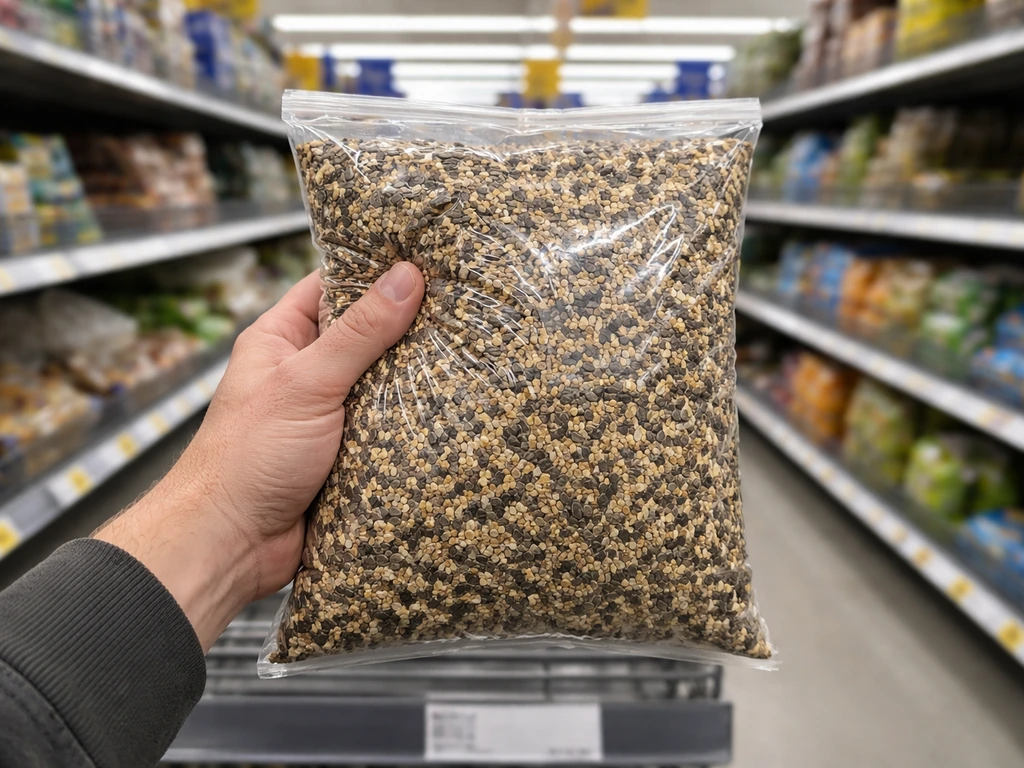
Walmart bird seed prices range from about $5.47 for a 5-lb bag of Pennington Classic Wild Bird Feed up to $26–$34 for specialty seed like Nyjer or premium safflower. The biggest factor is which seed type you choose and how large a bag you buy. A 20-lb bag of Vibrant Life Economy Blend runs just $11.44, while a 5-lb bag of Kaytee Safflower costs $24.21, nearly the same price for a fraction of the weight. Knowing what you actually need before you shop will save you real money.
How Much Is Bird Seed at Walmart? Prices and Value
Maya Collins
30 Apr 2026
Walmart bird seed prices by type and bag size
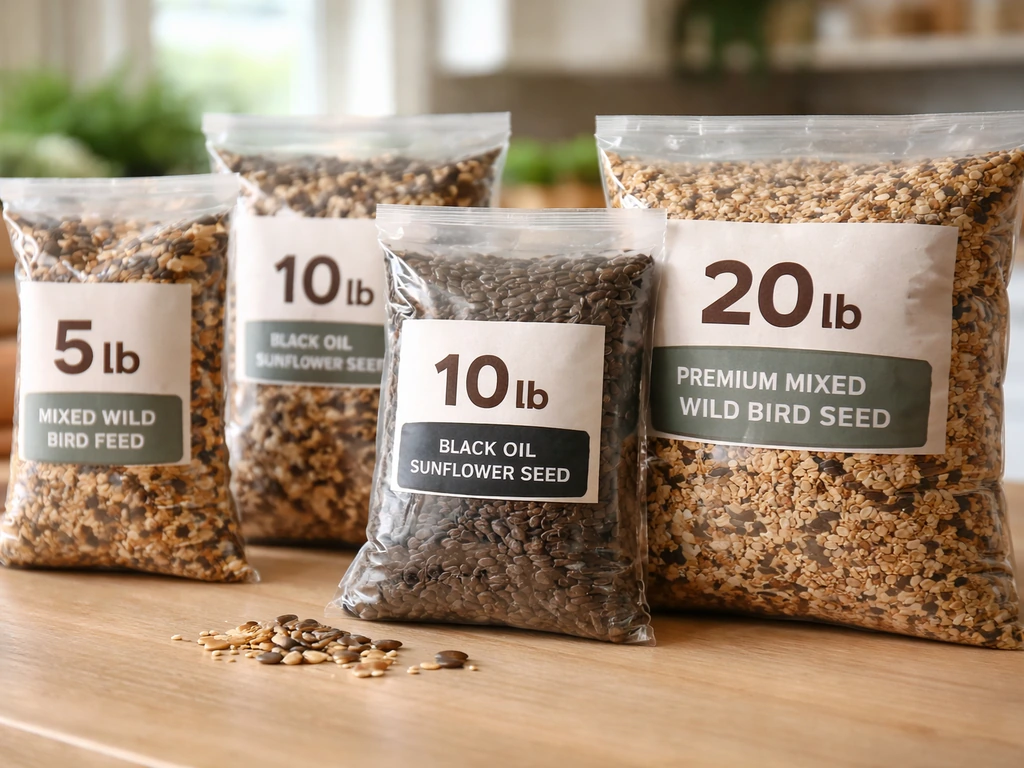
Here is a snapshot of what Walmart.com currently lists across the main seed categories. Prices shift frequently, so treat these as a reliable baseline rather than a guarantee.
| Product | Size | Price | Per Pound |
|---|---|---|---|
| Pennington Classic Wild Bird Feed | 5 lb | $5.47 | ~$1.09/lb |
| Vibrant Life Midwest Blend Wild Bird Seed | 5 lb | $6.48 | $1.30/lb |
| Harvest Seed & Supply Safflower Seed | 5 lb | $7.98 | $1.60/lb |
| Pennington Select Black Oil Sunflower Seed | 10 lb | $10.94 | $1.09/lb |
| Vibrant Life Economy Blend (Black Oil Sunflower) | 20 lb | $11.44 | ~$0.57/lb |
| Kaytee 5-lb Safflower Seed | 5 lb | $24.21 | ~$4.84/lb |
| Red River Commodities Black Oil Sunflower Seed | 10 lb | $23.26 | ~$2.33/lb |
| JRK/True Value Black Oil Sunflower Seed | 20 lb | $39.30 | ~$1.97/lb |
| Global Harvest Foods Wild Finch Feast (Nyjer/Sunflower) | 5 lb | $23.81 | ~$4.76/lb |
| Happy Wings Thistle/Nyjer Seed | 5 lb | $26.97 | ~$5.39/lb |
| Audubon Park Nyjer Seed | 15 lb | $33.58 | $2.24/lb |
| Pennington High Energy Suet Cakes (8-pack) | 11.75 oz x 8 | $9.84 | $1.23/cake |
The standout deal in that table is the 20-lb Vibrant Life Economy Blend at roughly $0.57 per pound. That is an unusually low per-pound cost and makes it one of the better value purchases you will find at Walmart for a general feeder. Black oil sunflower seed from Pennington at $1. Walmart lists Pennington Select Black Oil Sunflower Seed (10 lb) with a current price of $10.94, or $1.09 per pound Black oil sunflower seed from Pennington at $1.. 09 per pound in the 10-lb bag is also solid. On the other end, the Kaytee safflower and specialty Nyjer options in small bags are expensive on a per-pound basis and are worth buying only if you have a specific reason for them.
How to find the exact current price right now
Prices change faster than any article can keep up with, so here is how to get today's actual number in under two minutes.
Checking online
- Go to Walmart.com and type the exact product name and bag size into the search bar (example: "Pennington black oil sunflower 10 lb"). Being specific returns far cleaner results than just "bird seed."
- Look at the seller label before assuming the price is final. Walmart shows "Sold and shipped by Walmart" for their own inventory, but many bird seed listings come from third-party Marketplace sellers. Marketplace prices can be significantly higher, and Walmart does not price-match those items.
- Check whether Walmart+ free shipping applies. Items "sold by Walmart" or "shipped by Walmart" ship free with Walmart+, which affects your real delivered cost compared to a Marketplace seller charging separate shipping.
- Note the per-pound figure Walmart sometimes displays beneath the price. If it is not shown, divide the price by the bag weight yourself before deciding.
Checking in-store
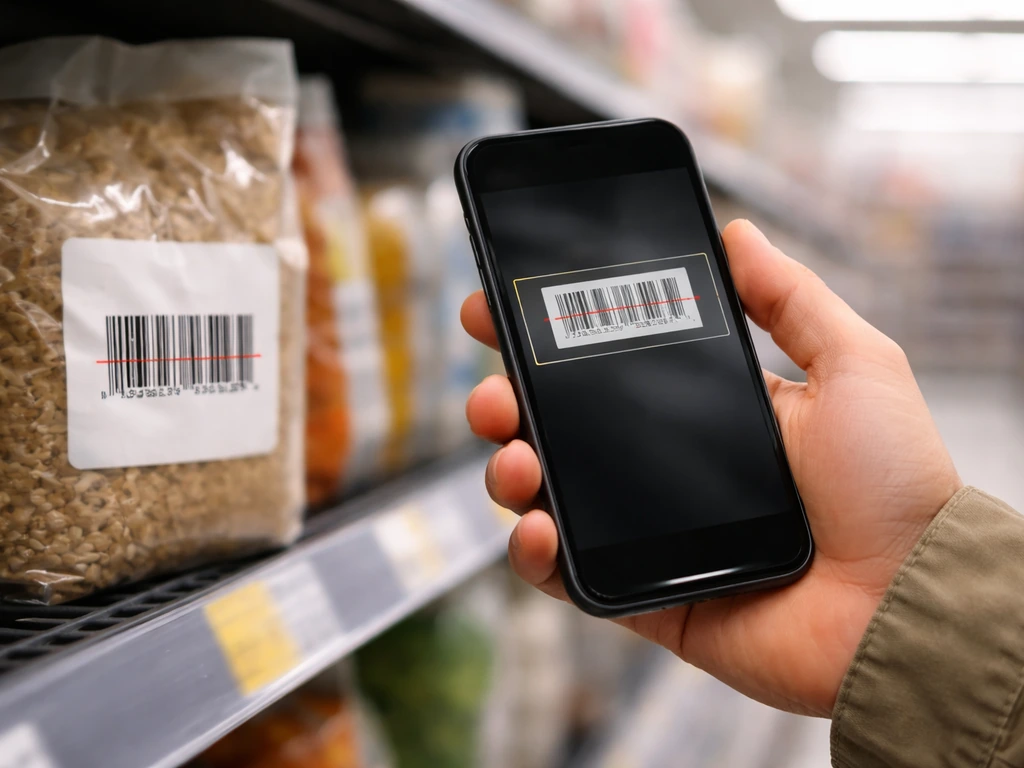
- Open the Walmart app on your phone.
- Tap the barcode/scanner icon.
- Scan the product's barcode on the bag. The app pulls up the in-store price at your specific location.
- Note that in-store prices sometimes differ from Walmart.com prices, and Walmart's own policy is that store-level price matching differs from online matching rules.
If you are standing in the aisle without your phone, any Walmart associate can scan the barcode at a price-check station or register. This is the most reliable way to confirm what you will actually pay at checkout.
Comparing brands and bag sizes: value per pound
The single most common mistake people make buying bird seed at Walmart is grabbing a small bag because the sticker price looks low. A 5-lb bag of black oil sunflower might cost $7, but if the 20-lb bag costs $11, you are paying almost double per pound for the small one. Always do the quick math: price divided by pounds.
Within the same seed type, brand differences can be dramatic. Look at safflower: Harvest Seed & Supply sells 5 lbs for $7.98 (about $1.60/lb), while Kaytee's 5-lb safflower costs $24.21 (nearly $4.84/lb). The birds do not care about the brand. Both bags contain safflower seed. Unless there is a documented quality or treatment difference, pay for the seed, not the label.
Also watch for Marketplace sellers bundled into Walmart search results. A 10-lb sunflower bag from Red River Commodities listed at $23.26 sits right next to Pennington's $10.94 option for the same weight of similar seed. The cheaper one is sold directly by Walmart; the pricier one is a third-party seller. Scrolling past the first result often reveals better value.
For comparison shoppers: other retailers like Tractor Supply and regional farm stores carry many of the same brands, and checking who has bird seed on sale at any given time can occasionally beat Walmart's everyday price, especially on large bags. But for most suburban shoppers buying a 10- to 20-lb bag of common seed, Walmart's pricing on their own inventory is competitive.
Best seed choices for common backyard birds
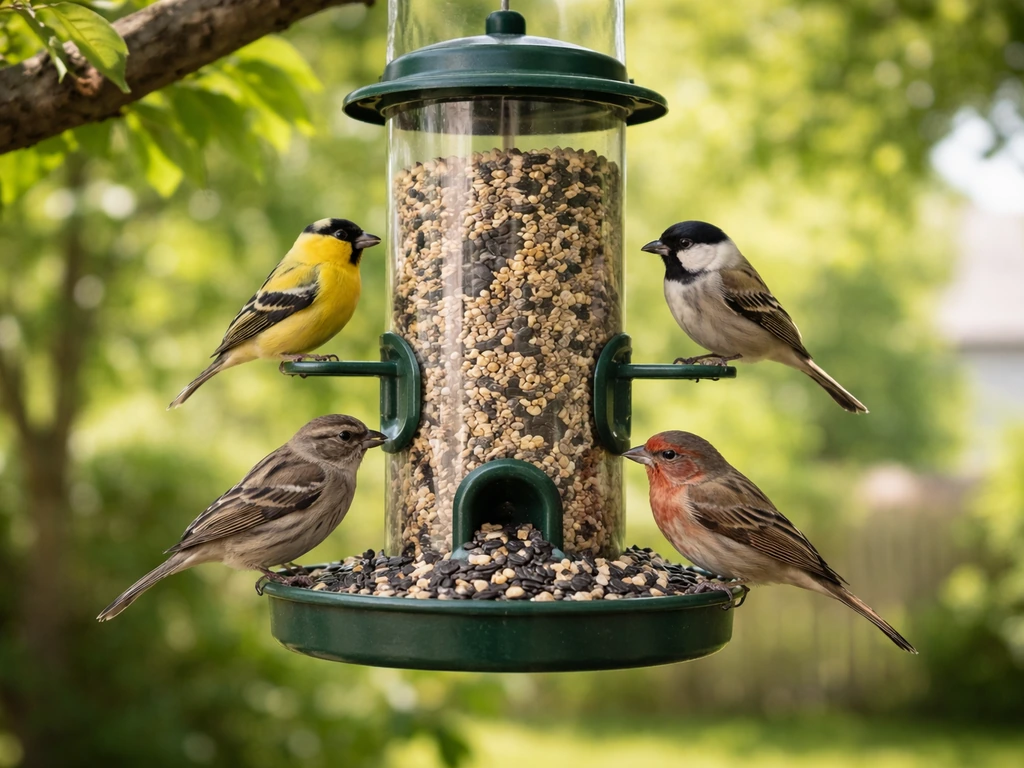
You do not need a different seed for every bird species. A few smart choices cover the vast majority of backyard visitors.
| Seed Type | Birds It Attracts | Best Format | Walmart Price Range |
|---|---|---|---|
| Black oil sunflower | Cardinals, chickadees, nuthatches, finches, jays | 10–20 lb bags | $10–$12 (own inventory) |
| General blend (sunflower-based) | Mixed species, general feeders | 20 lb bag | $11–$13 |
| Safflower | Cardinals, chickadees, doves; squirrels typically avoid it | 5–10 lb bags | $8–$25 (brand matters hugely) |
| Nyjer/Thistle | Goldfinches, siskins, redpolls | Tube feeder, 5–15 lb bags | $24–$34 |
| Suet cakes | Woodpeckers, nuthatches, wrens | Suet cage, multi-pack | $9–$10 for 8-pack |
Black oil sunflower seed is the closest thing to a universal bird seed. The thin shell is easy for small birds to crack, the kernel is high in fat and protein, and almost every feeder bird in North America will eat it. If you buy only one seed type, buy this one in the largest bag that makes sense for your storage situation.
Nyjer (thistle) is worth buying only if you are specifically targeting goldfinches or siskins and have a tube feeder with small ports. It is expensive, goes stale faster than sunflower seed, and most mixed-seed birds ignore it. Do not buy a 15-lb bag unless you have a dedicated finch feeder and know you will use it within a few months.
Suet cakes are excellent for winter feeding when birds need high-calorie food. The Pennington 8-pack at $9.84 works out to about $1.23 per cake, which is reasonable. In summer, suet can melt and go rancid quickly in warm climates, so check that you are buying a "no-melt" or high-temperature formula if you plan to feed year-round.
Storage and handling: don't waste what you buy
Buying a large bag saves money per pound, but only if the seed stays fresh long enough to use it all. Seed stored poorly goes rancid, grows mold, or attracts pests within weeks, and birds will reject stale seed.
How to store bird seed correctly
- Transfer seed into an airtight metal or hard plastic container immediately after opening the bag. Rodents chew through paper and thin plastic bags easily.
- Store in a cool, dry location. A garage or shed works well in most climates. Avoid areas that get above 80°F for extended periods, as heat accelerates rancidity in oily seeds like sunflower.
- Keep containers off the ground to reduce moisture contact and slow rodent access.
- Label the container with the date you opened or purchased the seed. Black oil sunflower and most blends stay fresh for roughly six months when stored properly. Nyjer seed has a shorter shelf life of about three to four months before birds start refusing it.
- Buy only as much seed as you can realistically use within that window. The savings on a 40-lb bag disappear if you throw out 15 lbs of rancid seed.
What to do if seed gets wet
Wet seed is a fast track to mold and aflatoxin, which can kill birds. If seed in your feeder or storage container got rained on or absorbed moisture, spread a thin layer on a clean surface in a dry, ventilated area and let it air dry for 24 to 48 hours. If you see any clumping, discoloration, or a musty smell, discard it. The risk to birds is not worth the few dollars saved.
Dealing with pests, mold, and sprouting
These three problems are almost universal if you feed birds long enough, but all of them are manageable with the right habits.
Mold in the feeder
Mold grows when seed sits wet and warm. The fix is cleaning the feeder every one to two weeks with a 9:1 water-to-bleach solution, rinsing thoroughly, and letting it dry completely before refilling. Only fill feeders with as much seed as birds will eat in two to three days during humid or rainy weather. Tube feeders with drainage holes at the bottom help a lot. If mold keeps returning despite cleaning, the feeder design is probably trapping moisture and it is worth replacing it.
Sprouting seed under feeders
Dropped seed sprouts in the soil under feeders, which can become a persistent lawn problem and attract additional pests. The cleanest solution is to switch to a no-grow or sterilized bird seed blend (Walmart carries some options labeled "no mess" or "no grow"). Alternatively, place a tray or catch basin under the feeder and empty it every few days. For existing growth, pull the sprouts by hand or use a hoe and then lay a layer of coarse gravel or a rubber mat under the feeder to discourage future germination. Avoid using herbicide directly under a feeder where birds forage on the ground.
Rodents and squirrels
- Cause: Spilled seed and accessible storage bags attract mice, rats, and squirrels quickly.
- Fix: Seal all stored seed in metal containers with tight-fitting lids. Clean up spilled seed from the ground daily or use a tray feeder with a catch basin.
- Prevention: Mount feeders on baffled poles at least five feet off the ground and at least ten feet from any structure a squirrel can leap from. Safflower seed is a natural deterrent since most squirrels dislike its bitter taste, though some individuals learn to eat it anyway.
- Cleanup: If rodents have gotten into a storage container, discard any contaminated seed, disinfect the container with the bleach solution above, and allow it to air dry fully before reuse.
Insects in stored seed
Grain moths and weevils can hatch from eggs already present in seed at the time of purchase. If you open a bag and see webbing, tiny worms, or flying moths, discard the entire bag in an outdoor bin immediately and do not bring it inside. To prevent this, freeze new seed for 48 hours after purchase before transferring it to your storage container. The cold kills any eggs present without harming the seed's nutritional value.
Your practical next steps
Start with the Walmart app or Walmart. You can usually find current bird seed pricing at Tractor Supply by checking the specific seed type and bag size on their product pages or in-store. com to look up the specific seed type and bag size you want, confirm it is sold directly by Walmart rather than a Marketplace seller, and check the per-pound figure before adding it to your cart. If you want to find who has bird seed on sale right now, start with the Walmart listing for your exact bag size and compare the per-pound price look up the specific seed type and bag size you want. For most backyard feeders, a 10- to 20-lb bag of black oil sunflower seed in the $10–$12 range is the best all-around purchase. Pick up an 8-pack of suet cakes if you have woodpeckers or it is winter. Transfer everything to sealed containers the same day you get home, and plan to use it within six months. Those four steps will get you better results than any fancy specialty blend at twice the price.
FAQ
How do I calculate the best value when Walmart has different bag sizes for bird seed?
Use per-pound pricing (price divided by pounds) for the exact bag size you will buy. Also compare “like for like” within the same seed type, for example black oil sunflower versus mixed blend, because their typical weights and bird acceptance differ even when the bag size looks similar.
Is the price I see online the same price I will pay in-store at Walmart?
Not always. In-store prices can differ from Walmart.com, especially if a local promo applies. The fastest check is to scan the barcode at a price-check station or at the register right before checkout, then compare that to the online per-pound figure you planned to use.
What if the cheapest-looking listing is a Marketplace seller on Walmart.com?
Confirm the seller is Walmart (not a third party) before you decide based on the lower price. Marketplace listings can also change quickly, and shipping can affect your true per-pound cost once added to the total.
Should I buy the biggest bag if it is cheaper per pound?
Only if you can store it dry and use it within a reasonable time. Even if the per-pound rate is lower, large bags can go stale faster if they sit warm or are opened repeatedly. A practical rule is to buy a size you can consume within about six months, stored sealed.
How can I tell if bird seed has gone bad before feeding it to birds?
Watch for clumping, discoloration, a musty or rancid smell, or visible webbing and insects after opening. If you suspect moisture damage, spread the seed thin to air dry 24 to 48 hours, but if you still notice musty odor or mold, discard it rather than trying to “salvage” it.
I bought seed but my birds ignore it. Does that mean I wasted money?
Sometimes it is storage or contamination rather than seed quality. If the seed was exposed to moisture, it can be rejected. Also check feeder type and seed choice, for example nyjer is mainly for finches in tube feeders with small ports, while sunflower is the broad, easy option.
What is the safest way to store bird seed I bought at Walmart?
Transfer it to airtight containers the same day you bring it home, keep it in a cool dry spot, and avoid storing it in damp garages or near exterior walls. For moth and weevil prevention, freezing new seed for 48 hours after purchase can reduce the chance of eggs hatching.
How much bird seed do I actually need to avoid waste at my feeder?
Aim to refill feeders with what birds will finish in about two to three days during humid or rainy weather. This reduces the time seed sits exposed to moisture and pests, which lowers waste and helps you avoid buying more seed sooner due to spoilage.
Is it worth buying expensive specialty seed like nyjer if I do not have finches?
Usually no. Nyjer is costly per pound and often ignored by most common backyard birds unless you have goldfinches or siskins and a tube feeder sized for small seed. If you are unsure what birds visit, start with black oil sunflower as the default.