
At Tractor Supply right now, bird seed prices range from around $1.00 per pound for basic filler mixes up to $3.20 per pound for premium no-waste blends, with most everyday mixes landing between $1.00 and $1.50 per pound. A 20 lb bag of a standard mix typically costs $11 to $24 depending on the brand and seed type. For example, Tractor Supply lists its blank" rel="noopener noreferrer">Lyric Delite No Waste Bird Food Mix (shell-free nuts and seeds) at $3.20 per pound for the 5 lb bag and $2.65 per pound for the 20 lb bag (Item #1323738). The fastest way to get today's exact price is to check tractorsupply.com directly, search the product name or item number, and confirm the shelf tag when you arrive in store. Tractor Supply lists Lyric Woodpecker No Waste Bird Seed with Nuts, Dried Fruit and Shelled Seeds at $3.20 per pound for the 5 lb bag and $2.45 per pound for the 20 lb bag (Item #1894060).
How Much Is Bird Seed at Tractor Supply? Prices

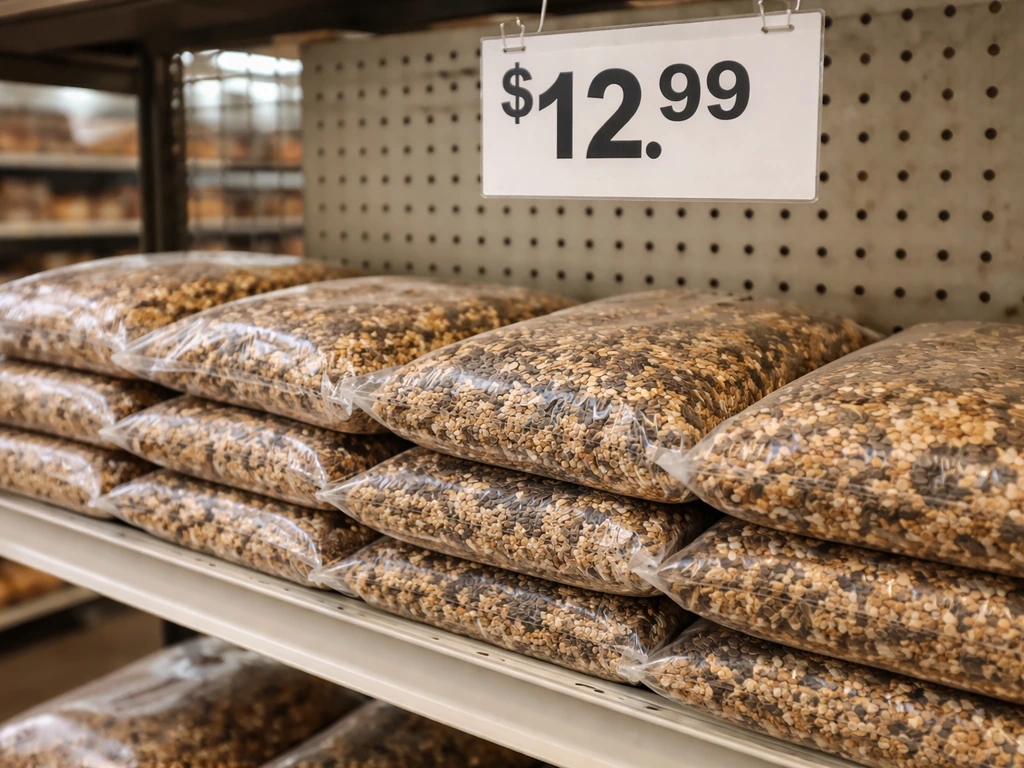
What bird seed actually costs at Tractor Supply right now
Prices shift with seasons and inventory, so treat these as real reference points pulled from current product pages rather than permanent numbers. Here is a breakdown by seed type so you can quickly compare what you are looking at on the shelf.
| Product | Bag Size(s) | Listed Price | Per-Pound Cost |
|---|---|---|---|
| Royal Wing Farm Mix (milo, corn, millet, BOSS) | 10 lb / 20 lb | $9.99 | ~$1.00/lb |
| Country Lane Wild Bird Value Mix | 20 lb / 35 lb | $11.29 | ~$0.56/lb (35 lb) |
| Kaytee Basic Blend | 10 lb | $12.49 | $1.25/lb |
| Royal Wing Black Oil Sunflower | 6 lb / 20 lb / 40 lb | $14.99 | varies by size |
| Royal Wing Classic Mix | 20 lb / 40 lb | $23.99 | ~$0.60–$1.20/lb |
| Royal Wing Select Finch Mix | 10 lb | $19.99 | ~$2.00/lb |
| Lyric Woodpecker No Waste Blend | 5 lb / 20 lb | varies | $3.20/lb (5 lb) / $2.45/lb (20 lb) |
| Lyric Delite No Waste Mix (shell-free) | 5 lb / 10 lb | varies | $3.20/lb |
| Country Lane Power Blend Suet Cake | 10 oz (0.6 lb) | single cake | $1.65/lb |
| Happy Wings Nyjer (Thistle) Seed | ~0.76 lb | small pack | $13.14/lb |
A few things stand out here. Nyjer thistle is by far the most expensive per pound, which is normal because it is a specialty finch seed with a short shelf life once opened. No-waste blends (hull-free mixes like Lyric's line) cost two to three times more per pound than standard mixes, but you get less mess under feeders, which matters if you are dealing with sprouting or rodent pressure. Basic farm mixes are the cheapest entry point, though they contain a lot of milo and cracked corn that many songbirds will toss aside.
How to check today's exact price before you drive to the store
Prices on the shelf do not always match what you remember from last month, so a two-minute check online before you go saves frustration. Here is the straightforward process.
Check online first
- Go to tractorsupply.com and type the product name (for example, 'Royal Wing Black Oil Sunflower') into the search bar.
- On the product page, use the bag size selector to pick the weight you actually want. The displayed price updates when you switch sizes.
- Note the item number listed on the page (for example, Item #685883399 for Royal Wing Black Oil Sunflower). This is the same SKU used in store.
- Enter your zip code to confirm the item is in stock at your local store. Online listings sometimes show products that a particular location does not carry.
- If the online price differs from what you find in store, show the store associate the online listing. Tractor Supply generally matches its own website pricing.
Confirm the shelf tag in store
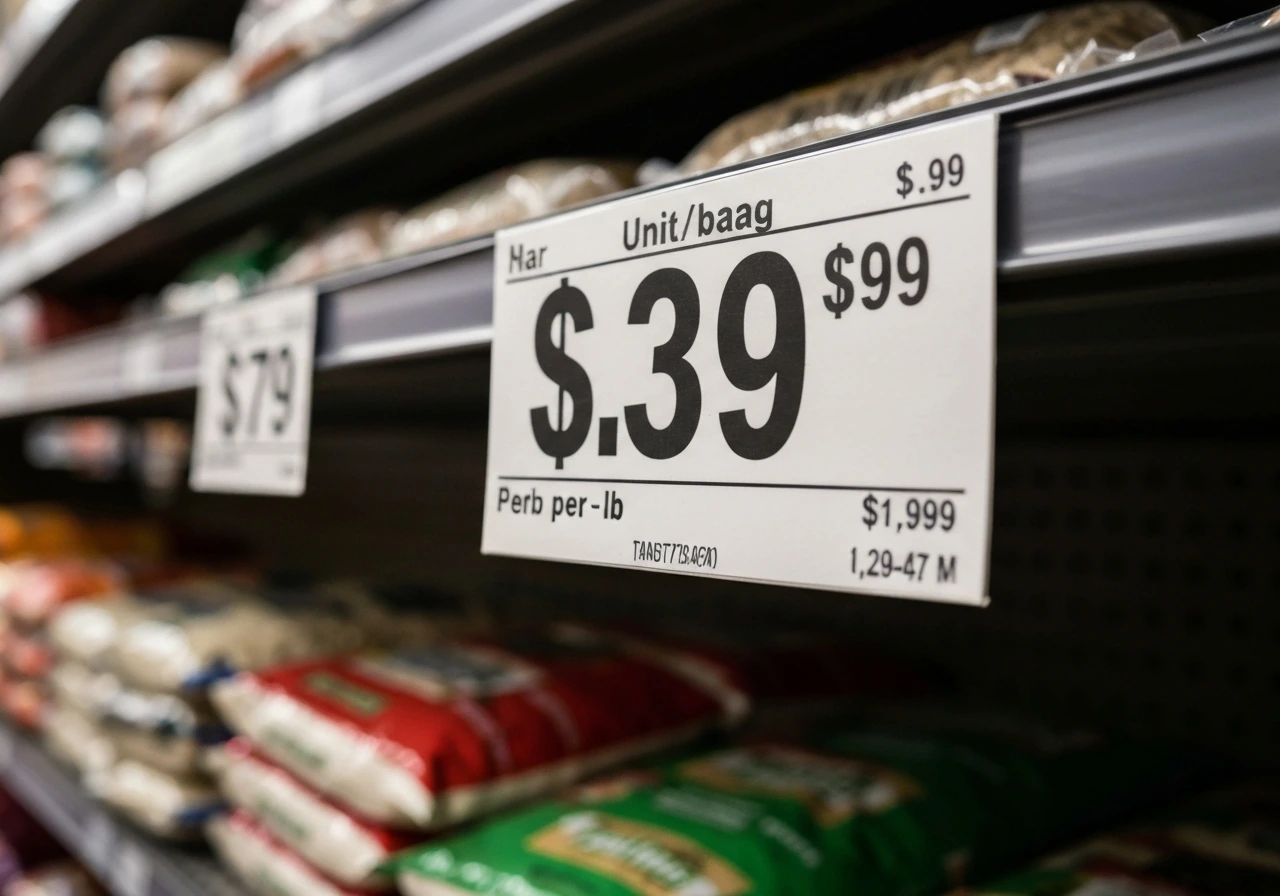
Shelf tags at Tractor Supply show both the unit price and the per-pound price in smaller type. Always look at the per-pound figure, not just the bag price, so you can compare a 20 lb bag against a 40 lb bag without doing the math in your head. If a shelf tag is missing or the price seems off, scan the barcode with the Tractor Supply app or ask someone at the register to look it up by item number.
Picking the right bag size and getting the best value per pound
Bigger bags almost always cost less per pound, but only if you can use the seed before it goes bad. For most backyard feeders, that window is about four to six weeks after opening if you store the seed properly. Buying a 40 lb bag of black oil sunflower to save a few cents per pound makes sense if you have multiple feeders running all season. It is a waste of money if half the bag goes stale or gets into by rodents.
As a rough guide: a single hopper feeder serving a moderate number of birds will go through roughly 5 to 10 pounds of seed per week in active seasons. Use that to estimate how quickly you will move through different bag sizes. If you are feeding a yard full of birds in spring and fall migration, a 40 lb bag is a reasonable buy. If you are maintaining a single tube feeder through a slow summer, stick with the 20 lb or even the 10 lb option.
| Bag Size | Best For | Watch Out For |
|---|---|---|
| 5–10 lb | Single feeder, specialty seed (nyjer, no-waste), trial runs | Highest per-pound cost |
| 20 lb | 1–2 feeders, most households, good balance of cost and freshness | Fine for most setups |
| 35–40 lb | Multiple feeders, heavy feeding season, serious backyard setups | Needs proper sealed storage container to stay fresh |
Sales, coupons, and ways to pay less
Tractor Supply runs seasonal promotions on bird seed, and prices tend to dip noticeably in late summer and early fall when retailers are stocking up for peak feeding season. Post-holiday clearance (January through February) is another window where overstocked seasonal items can drop in price. Spring is when you are most likely to pay full price because demand is high.
Neighbor's Club rewards
Tractor Supply's free loyalty program, Neighbor's Club, earns you one point per dollar spent on eligible purchases. Points accumulate into rewards that function like store credit. If you are buying bird seed regularly, signing up takes two minutes and adds up over a season. Higher membership tiers earn bonus points, so frequent buyers benefit more.
Smart Supply subscription
Tractor Supply's Smart Supply auto-delivery program gives you a flat 5% discount on eligible subscription orders and free delivery on orders over $49. If you buy the same 40 lb bag of black oil sunflower every month, this is an easy, no-effort way to cut the cost. The subscription is free to set up, and you can skip or cancel a shipment if you still have seed left.
Buying in bulk and comparing stores
It is worth doing a quick comparison when prices matter to your budget. To compare bird seed prices the right way, focus on the per-pound cost and check current shelf tags or online listings before you buy quick comparison. Tractor Supply is typically competitive with farm-store pricing, though Walmart and warehouse clubs occasionally undercut it on basic mixes. Specialty and premium blends (no-waste mixes, finch blends, suet) tend to be where Tractor Supply stands out because of its wider selection. If you are hunting for deals, checking who has bird seed on sale in a given week can save a real amount over a season. If you track weekly deals and compare per-pound pricing, you can spot the lowest-cost mixes for your feeders faster who has bird seed on sale.
Storing seed after you bring it home
The single biggest reason bird seed goes bad early is moisture. Once humidity gets into a bag, mold follows within days, and damp peanut-containing seeds can develop aflatoxins, which are toxic to birds. The bag the seed comes in is fine for short-term use but is not sealed against moisture or pests for multi-week storage.
The right container matters
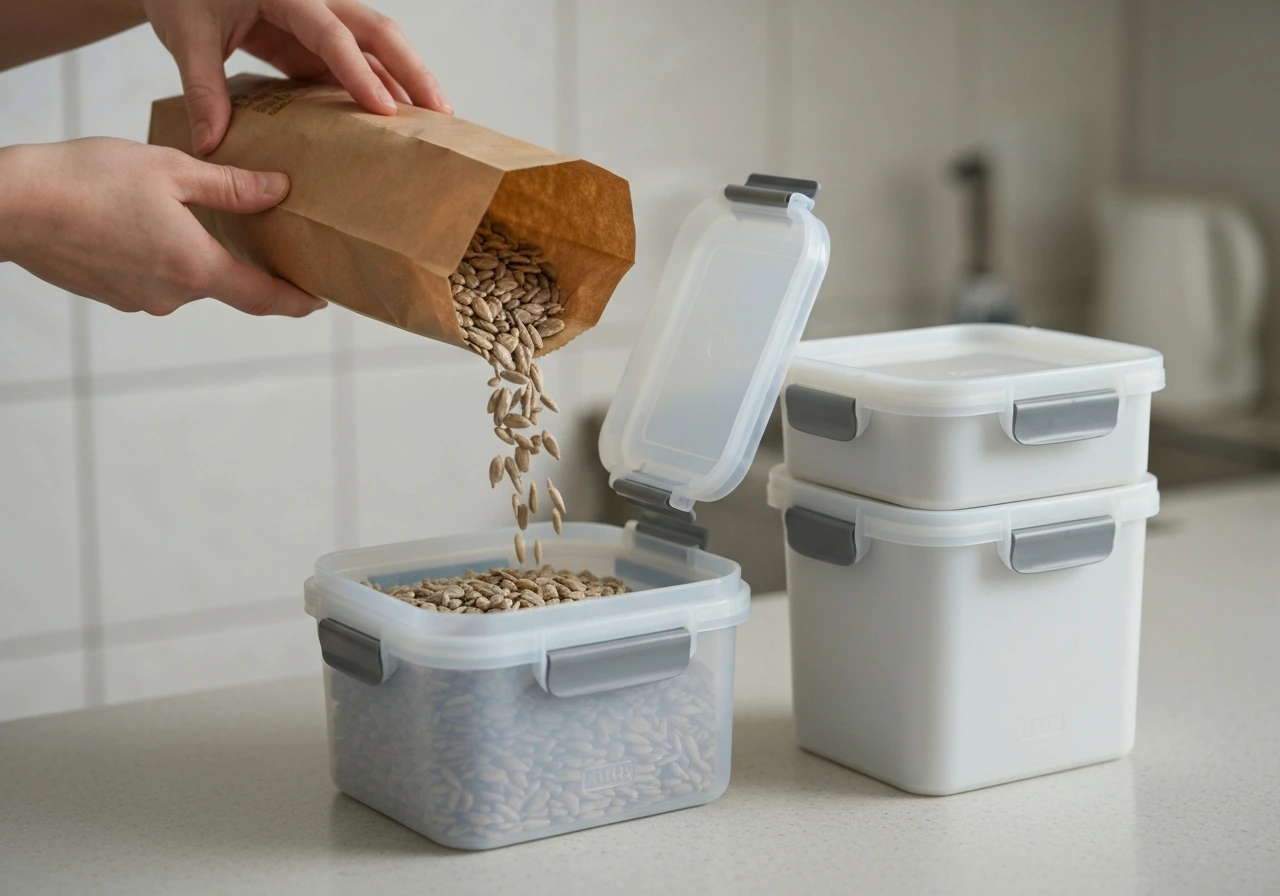
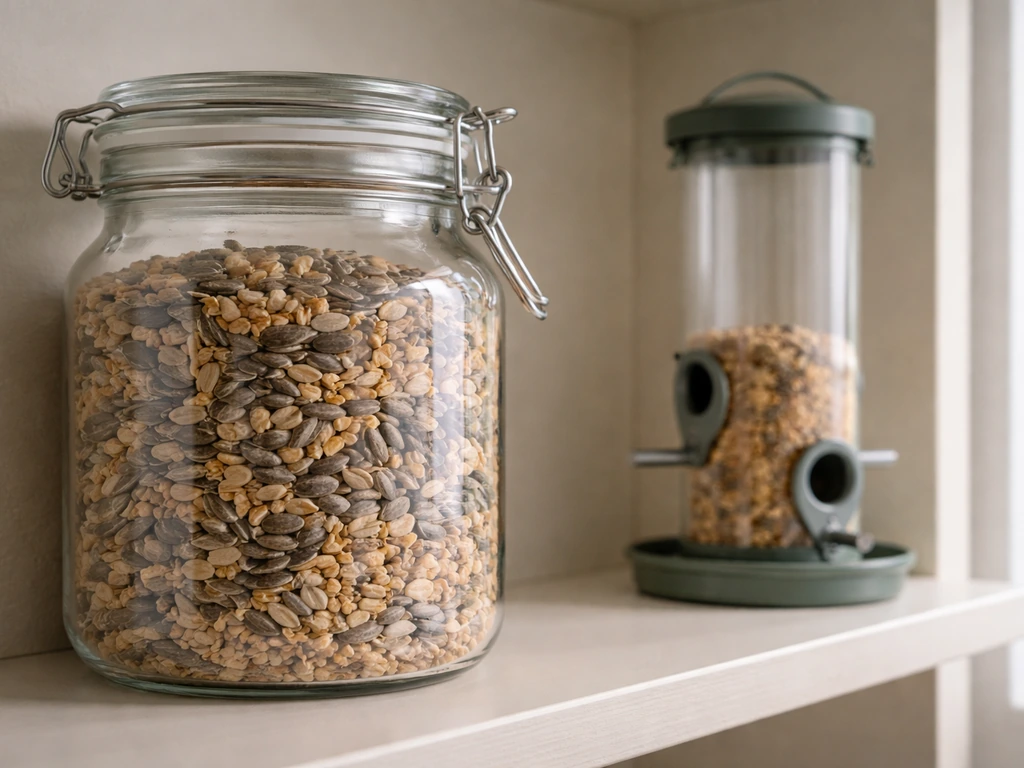
Transfer seed into a hard-sided, sealable container as soon as you open the bag. Metal or thick plastic containers work well, and a 10-gallon seed storage can (like the Royal Wing option Tractor Supply sells) holds roughly 40 lb of sunflower seed. Metal is better than plastic in areas with serious rodent pressure because mice and squirrels can chew through plastic bins. Keep the container in a cool, dry place, ideally indoors or in a covered, ventilated space like a garage. Avoid leaving containers directly on concrete floors where condensation can build underneath.
How long stored seed stays fresh
- Sunflower seeds and most dry mixes: up to 6 months in a sealed container in a cool, dry space
- Nyjer (thistle) seed: 1 to 3 months before oils go rancid; buy smaller quantities and rotate often
- No-waste hull-free mixes: 2 to 3 months sealed; more vulnerable to spoilage once oils are exposed
- Suet cakes: 1 to 2 weeks at room temperature; refrigerate or freeze extras for later use
- Opened bags left unsealed: 2 to 4 weeks before quality noticeably drops
What to do when seed goes bad: wet, sprouted, or moldy seed
Bad seed is a real problem, and it is worth knowing how to spot it quickly so you are not accidentally poisoning the birds you are trying to help. Here is what to look for and what to do.
Wet or clumped seed
If seed is wet or clumped together, it has been exposed to moisture. Smell it: musty or sour means mold has already started. Do not try to dry and reuse clumped seed from a feeder. Toss it, clean the feeder, and identify where the moisture came from, usually a leaking feeder lid, a feeder placed where rain can drive water in sideways, or condensation in a poorly sealed storage container.
Sprouted seed in or under the feeder
Sprouting means seed has been sitting in damp conditions long enough to germinate. A small amount of sprouting in the feeder is a sign to clean it out and reduce how much seed you load at one time. Sprouting under the feeder is normal if seed is falling on damp ground, but a thick mat of sprouts means you are putting out more seed than birds are eating. Reduce fill amounts, use a no-waste hull-free mix (hulls in the shells are what sprout), or add a tray catcher under the feeder to collect and dispose of fallen seed.
Moldy seed
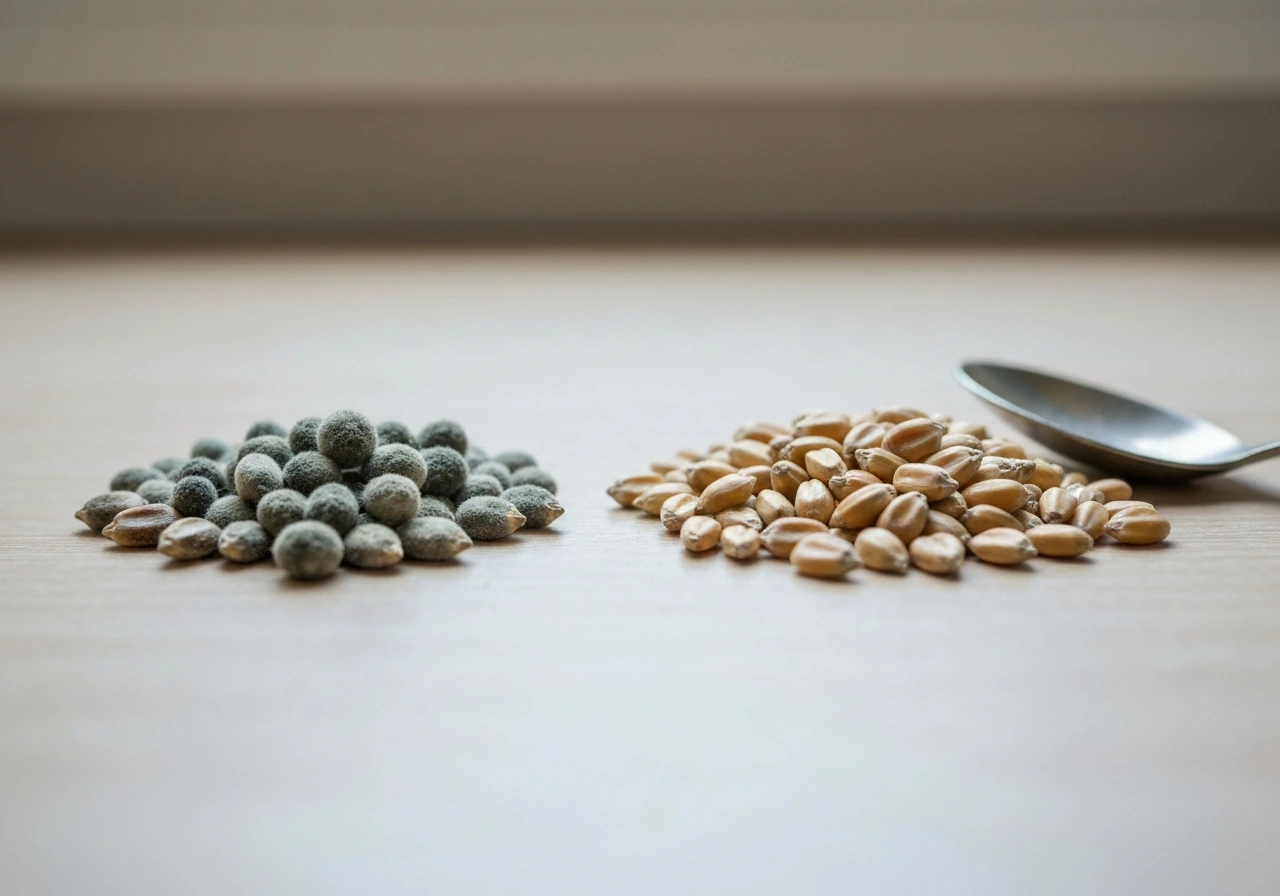
Visible mold (grey, green, or black fuzz on seeds) means the seed is unsafe for birds. Discard the affected seed and do not add fresh seed on top of moldy residue. Clean the feeder before refilling. For damp peanut-containing mixes, be especially careful: aflatoxins produced by mold on peanuts are toxic even when you cannot see obvious mold growth. If a peanut mix smells off or has been in humid conditions, replace it.
Cleaning contaminated feeders
Scrub the feeder with hot water and dish soap first to remove debris, old seed, and droppings. Then disinfect with a dilute bleach solution: 1 part household bleach to 9 or 10 parts water. Soak the feeder for about 10 minutes in the bleach solution, then rinse thoroughly with clean water and let it air dry completely before refilling. Do not use undiluted bleach or ammonia-based cleaners, both can leave residue that harms birds. Rinsing until there is no bleach smell and fully drying before refilling are the two steps people most often skip.
Dealing with pests around your feeders and seed storage
Rodents, squirrels, and insects are attracted to bird seed, and the storage and feeder setup decisions you make directly affect how much of a problem they become.
- Store seed in sealed metal or hard plastic containers with locking lids. Rodents that can chew through thin plastic cannot get through metal.
- Do not leave open bags of seed in a garage or shed. Even a small opening is an invitation.
- Clean up spilled seed under feeders regularly. A pile of seed on the ground is a direct attractant for mice and rats.
- If you see evidence of rodent activity near storage (gnaw marks, droppings), switch to a galvanized metal container immediately.
- Grain moths (small moths flying around the seed area) mean larvae have gotten into the seed. Discard the affected batch, vacuum out the container, and freeze new seed for 48 hours before storing it to kill any eggs.
- In humid climates (Gulf Coast, Southeast, Pacific Northwest), rotating seed more frequently (every 3 to 4 weeks) dramatically reduces mold and insect problems compared to waiting until the bag is empty.
Buying the right amount of seed at the right price is only half the equation. Getting that seed from the store to the feeder and into birds rather than mold or rodents is where most people lose money. A good sealed container, a routine feeder cleaning schedule every two to four weeks, and buying quantities you can actually use before they spoil will stretch your bird seed budget further than any sale or coupon.
FAQ
Is the “per-pound” price on Tractor Supply shelf tags the best number to compare across bag sizes?
Yes, but also compare the seed type and blend. Two bags can both show a similar per-pound price, one may be hull-free or have more sunflower, and that changes waste and how fast birds go through it.
Why does the online bird seed price sometimes differ from what I see on the shelf?
Store shelf pricing can lag behind web updates and promotions. Bring up the product page or the item number, and if the shelf tag differs, confirm the price at the register or scan the barcode in the app to lock in the correct SKU.
Do Tractor Supply bird seed prices include any special blends like no-waste mixes or finch seed?
Those specialty mixes are usually priced much higher per pound than basic farm mixes. If you are trying to stay near the lower $1.00 to $1.50 range, make sure you are not accidentally selecting finch blends, no-waste hull-free options, or seeds known to have shorter shelf life.
What is the cheapest bird seed option if I mainly feed ground or tray feeders?
Cheaper filler mixes can look cost-effective, but they increase waste if birds drop a lot of hulls and debris. If you have a ground/tray setup, consider the lowest-waste mix you can afford, because the saved mess can offset the higher per-pound cost.
How much bird seed should I buy so I do not end up paying more after it goes bad?
Use your feeder run rate, then add a buffer for uneven bird activity. A common mistake is buying a large bag for “active seasons” and then underestimating how quickly mold risk rises if opened bags sit in humidity.
Is it safe to feed seed that smells slightly musty but is not visibly moldy?
Do not gamble. A musty or sour odor can indicate early mold, and damp peanut-containing mixes can be unsafe even when you do not see obvious growth. When in doubt, discard it and clean the feeder.
Can I extend shelf life by keeping the seed in the original bag?
Only for short-term use. The original bag is fine for brief storage, but it is not designed as a moisture and pest barrier for multi-week holding, so transfer it to a hard-sided, sealable container after opening.
Should I store seed indoors or in a garage, and what temperature matters?
Cool, dry, indoor or covered garage storage is best. Extreme heat and temperature swings can increase condensation risk, so avoid places that get humid or regularly warm and cool during the day.
What container size should I choose if I buy a 40 lb bag?
Pick a sealable container that fits most of the bag at once, because frequent opening increases exposure to humidity. A 10-gallon seed can typically holds around 40 lb of sunflower seed, and a tighter fit helps limit air exchange.
Does using a feeder tray catcher actually change my seed cost?
Often, yes. If many hulls or whole seeds fall and sprout or attract rodents, you are effectively paying twice. Collecting fallen seed lets you decide whether it can be reused safely, reduces mess, and helps you match the amount you load to what birds consume.
How often should I clean feeders to prevent mold and reduce spoilage?
A practical cadence is every two to four weeks, and sooner if you notice dampness, clumping, or sprouts. People commonly skip cleaning after rainy stretches, which is when hidden moisture issues start.
If one feeder gets moldy seed, should I discard all my remaining bag?
Not automatically. Discard the affected seed and clean that feeder, but also check your stored container for moisture intrusion. If the remaining seed smells musty, clumps, or you see any sign of dampness in the storage area, replace it.
Is a subscription or loyalty program worth it if I feed just one feeder?
It can still help, but only if you reliably buy the same eligible bag before it spoils. A frequent mistake is signing up and then delaying purchases, leaving an opened bag sitting longer than your storage window.
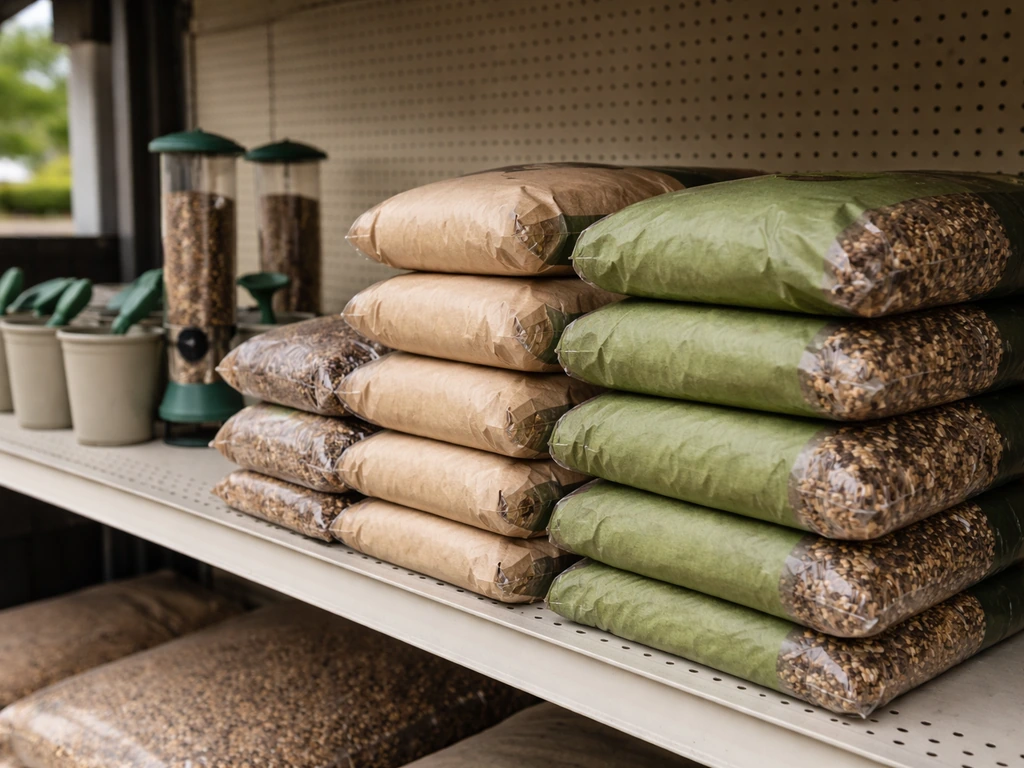
Find out if Tractor Supply sells bird seed, what types to look for, and tips to store, prevent mold, and deter pests.
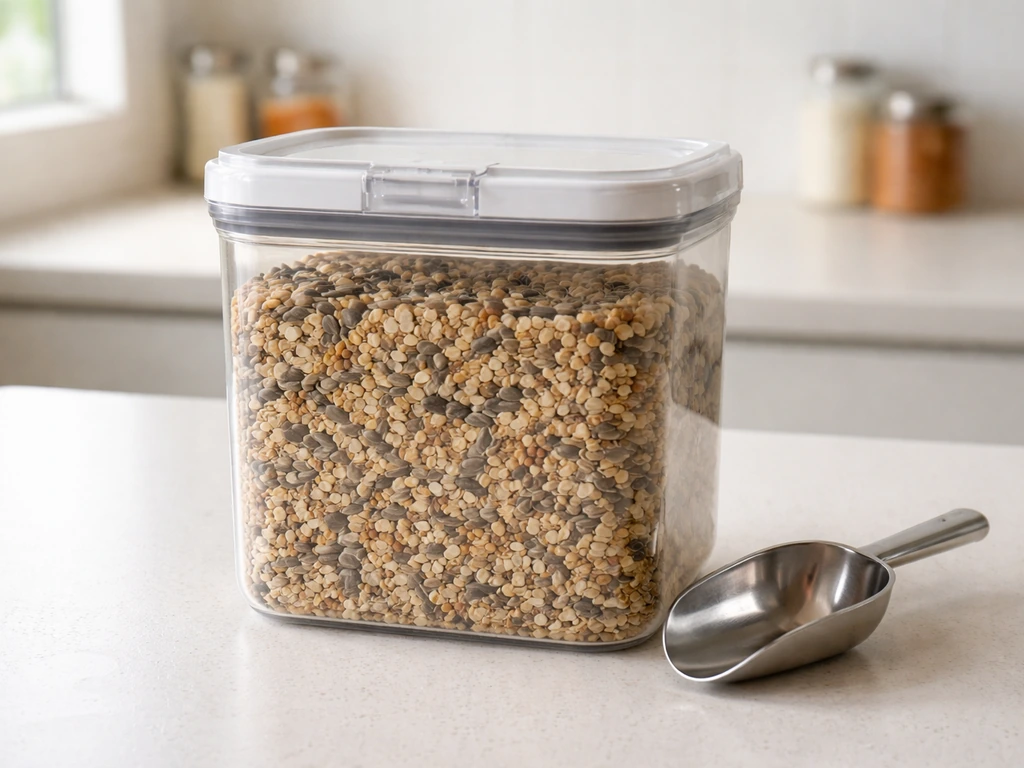
Learn how to make bird seed last longer with proper storage, humidity control, pest prevention, and fixing wet or moldy
Stop birdseed mold with smart storage: dry handling, right container, moisture control, bag cleanup, and feeder sanitizi