Right now, the most reliable places to find bird seed on sale are Walmart (check Rollback pricing online or in-store), Home Depot, Chewy, Tractor Supply, and PetSmart. Each of these runs promotions on bird seed regularly, and you can verify current deals in minutes using their websites or apps. The key is comparing unit price (price per pound), not just the sticker price on the bag, and making sure the discounted seed is actually fresh before you buy it.
Who Has Bird Seed on Sale: Quick Guide to Safe Deals
Maya Collins
4 May 2026
What bird seed should you actually buy
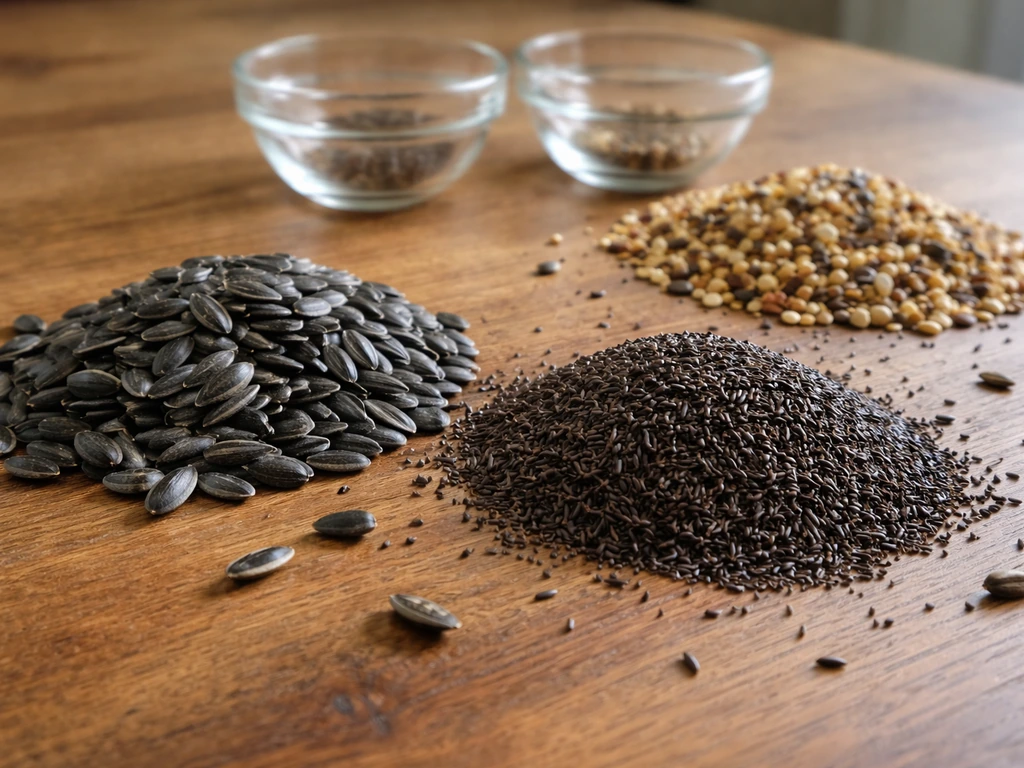
Before you chase a deal, know what seed your target birds actually eat. Buying a 40-pound bag of cheap mixed seed that goldfinches and cardinals ignore is not a bargain. Black oil sunflower seed is the single best starting point: it attracts the widest variety of backyard birds, delivers the most energy per pound of any common seed type, and works in virtually every hopper or platform feeder. West Virginia DNR calls it 'by far the most preferred' seed among backyard species, and that reputation is well-earned.
Beyond sunflower, match the seed to the birds you want. Nyjer (thistle) is almost exclusively for finches, especially American goldfinches, and requires a specialized feeder with tiny ports. White proso millet draws ground-feeding sparrows, juncos, and doves. Suet cakes bring in woodpeckers, chickadees, and nuthatches, and they are especially valuable in winter. Peanuts (shelled or halved) attract larger birds like jays, woodpeckers, and nuthatches. Safflower seed is a good alternative to sunflower and has the bonus of being generally ignored by squirrels and European starlings.
| Seed Type | Best For | Feeder Type |
|---|---|---|
| Black oil sunflower | Cardinals, chickadees, nuthatches, finches, many others | Hopper, platform, tube |
| Nyjer (thistle) | American goldfinches, house finches, pine siskins | Nyjer tube or mesh sock |
| White proso millet | Sparrows, juncos, doves, towhees | Ground or platform |
| Suet cakes | Woodpeckers, chickadees, nuthatches, wrens | Suet cage feeder |
| Peanuts (shelled) | Blue jays, woodpeckers, nuthatches | Wire mesh or peanut feeder |
| Safflower | Cardinals, chickadees, doves | Hopper or platform |
One practical note: generic mixed seed bags often bulk out with fillers like milo, wheat, and oats that most songbirds reject and toss to the ground. That wasted seed attracts rodents and creates a cleanup headache. If a sale bag is a mix, check the ingredient list and make sure sunflower seed or millet is listed first, not milo.
Where to look for bird seed on sale today
Big-box and home improvement stores
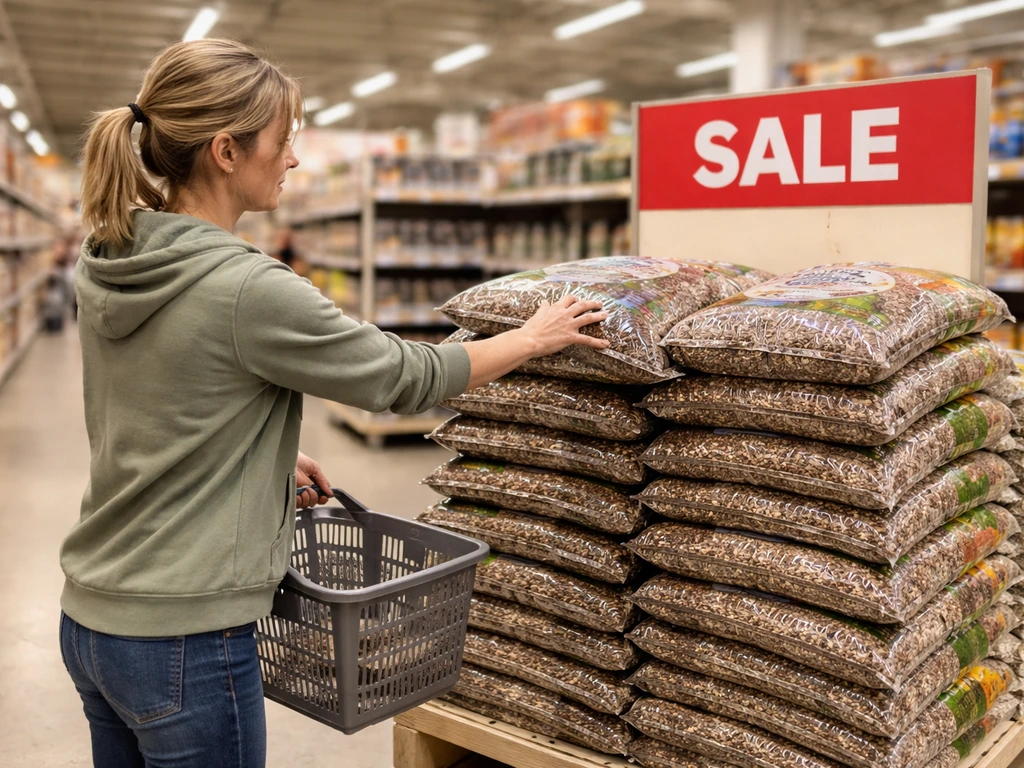
Walmart, Home Depot, and Lowe's are worth checking first because they carry large bags at competitive base prices, and their promotional pricing (Walmart's Rollback, Home Depot's weekly specials) can push those prices meaningfully lower. Home Depot's website has a 'blank" rel="noopener noreferrer">pick up today' availability filter specifically for bird seed and food, so you can confirm the sale item is actually in stock at your local store before driving over. Third-party clearance scanners like InStore Steals also pull live clearance data for Home Depot locations, which can surface deeply discounted inventory that isn't prominently advertised.
Pet supply and specialty stores
Chewy and PetSmart both run dedicated wild bird promotions and are worth checking regularly. Chewy's deals page for wild bird supplies shows both the current Chewy price and the original list price side by side, which makes it easy to see whether you're getting a real discount or just the everyday price with a label on it. PetSmart runs in-store promotions on seed and suet that don't always appear online, so it's worth checking their app or calling ahead. Chewy also lets you filter by seed type (sunflower, nyjer/thistle, suet, peanuts), which saves time when you know exactly what you need.
Farm, feed, and garden stores
Tractor Supply and regional farm/feed stores frequently offer some of the lowest per-pound prices on bulk bird seed, especially black oil sunflower in 25- to 50-pound bags. They often run seasonal promotions in spring and fall. Independent garden centers are another underrated option: they typically stock higher-quality mixes without cheap filler seeds, and end-of-season clearance can produce genuine deals on good-quality product.
Online options
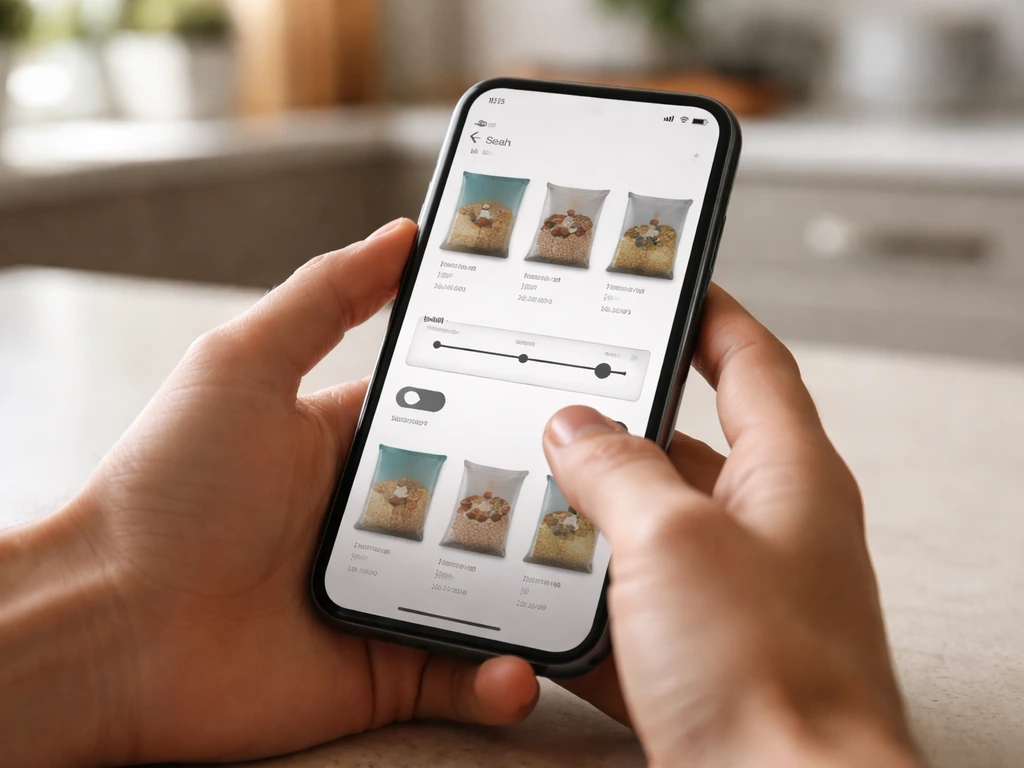
Beyond Chewy, Amazon and Target both list common bird seed brands and can be filtered by price or sorted by deals. Target's website lets you search 'bird seed' and filter by sale or clearance directly. Birding specialty sites like Wild Birds Unlimited sometimes run member promotions or bundle deals that beat big-box pricing on premium seed. For large quantities, buying directly from a feed or seed distributor online often beats retail on a per-pound basis, though you need to factor in shipping weight.
How to tell if it's actually a good deal
The only number that matters is the price per pound. A 20-pound bag at $18 ($0.90/lb) beats a 5-pound bag at $5 ($1.00/lb) every time, assuming the seed quality is comparable. Most product listings show total weight; just divide the price by the pounds. For suet cakes, compare price per cake. For nyjer seed, note that it is denser and more expensive per pound than sunflower by design, so compare nyjer to nyjer, not to sunflower.
Chewy's auto-ship subscription saves 5 to 35 percent on many bird food items, and you can cancel or skip shipments anytime. Chewy’s Autoship & Save advertises a 35% discount on the first Autoship order, up to $20, and positions Autoship as repeat deliveries to help you save on items you buy regularly 35% discount on the first Autoship order (up to $20). If you go through bird seed quickly, a subscription on black oil sunflower or nyjer can be your best ongoing discount. Combine that with a sitewide promo code and the savings stack. Walmart Rollback prices can shift mid-week, so if you see a price today, grab it rather than waiting to see if it drops further.
Bundle pricing deserves a closer look too. A 'buy two, get one free' offer on a brand you wouldn't otherwise choose is only a deal if you'll actually use all three bags before the seed expires or loses quality. Buying more than you can store safely usually costs you more in the end.
Coupon stacking tips
- Use the retailer's app coupon on top of a sale price (Walmart and PetSmart both allow this)
- Check cashback apps like Ibotta or Rakuten for bird seed categories before checkout
- Chewy sometimes stacks a new-customer discount with an auto-ship discount on the first order
- Home Depot's Pro Xtra and garden loyalty programs occasionally include outdoor/garden categories covering bird feed
Sale timing and checking stock before you go
Bird seed sales cluster around a few predictable times: late winter and early spring (when stores push new garden inventory), fall migration season (late September through October), and post-holiday clearance in January. Big-box stores rotate weekly ad pricing, so Tuesday and Wednesday are good days to check online circulars for new deals. If you're chasing a specific in-store sale price, call ahead or check the store's website inventory tool rather than assuming the ad price means it's in stock.
One important caution with clearance-priced seed: check the manufacturing or 'best by' date on the bag. Bird seed does not have a mandatory expiration date the way packaged food does, but oils in sunflower seed and suet go rancid over time, and nyjer seed loses viability and becomes unattractive to birds faster than most people expect. Clearance inventory is often old stock. If the bag has no date printed or the date is more than a year old, skip it regardless of the price.
Checking seed quality when it's discounted
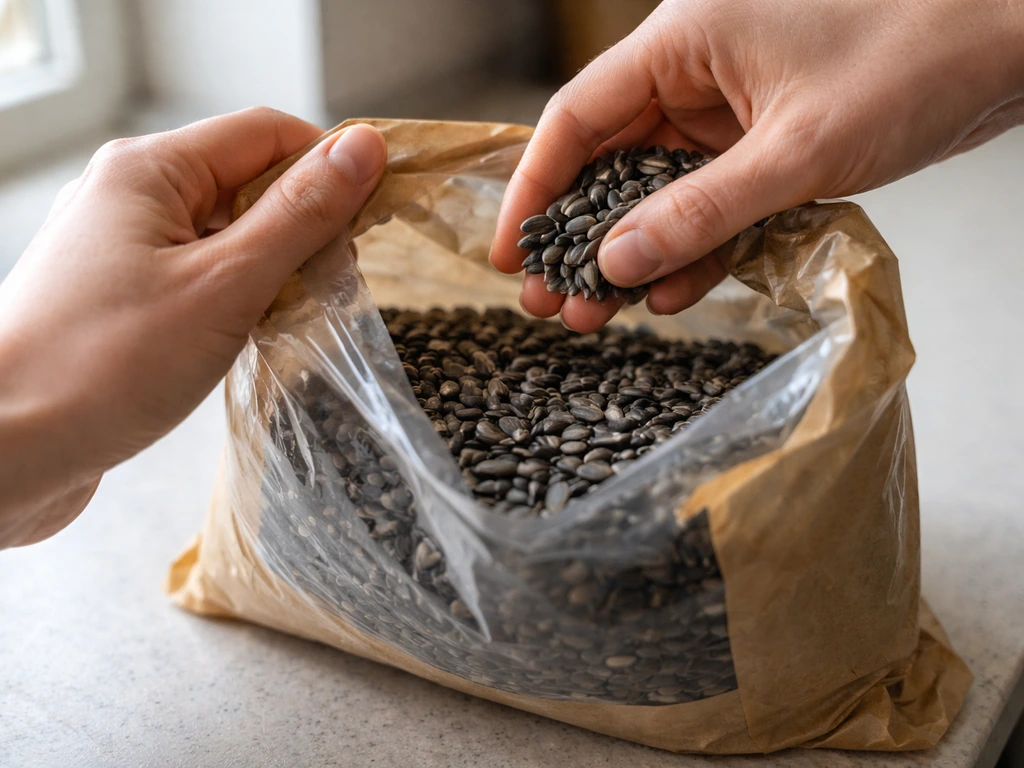
Discounted seed means higher risk of quality problems. Before you load it into your feeder, give it a quick inspection. Open the bag and smell it: fresh black oil sunflower has a mild, nutty scent. Any sour, musty, yeasty, or rancid odor is a warning sign and means the seed should be discarded rather than used. Those smells indicate mold or rancidity, and feeding birds moldy seed exposes them to mycotoxins, which are genuinely harmful.
Next, look at the seed itself. Good sunflower seed is mostly whole, dark, and dry with a slight sheen. Watch for clumping, which signals moisture exposure. Visible mold (gray, green, or black fuzzy patches) is an immediate discard situation. All About Birds is direct on this point: if you find mold on seed, get rid of it. Do not try to pick out the moldy sections and use the rest, because mycotoxins spread through a batch invisibly before visible mold appears.
For suet cakes, check that the cake holds its shape, smells like rendered fat (mild and slightly savory), and shows no white or gray surface mold. Rancid suet smells sharply unpleasant, similar to spoiled cooking fat. A discounted suet cake that smells off is not worth using.
Quick quality checklist before purchase or first use
- Check manufacturing or best-by date on packaging
- Feel the bag for hard clumps (sign of moisture exposure)
- Open and smell: reject anything musty, sour, yeasty, or rancid
- Inspect seed visually for mold, webbing (moth/weevil larvae), or unusual color
- For suet: press lightly to confirm firm texture and smell for rancidity
- For nyjer seed: pour a small amount and check that seeds are firm, not hollow or shriveled
Store it right the moment you get home
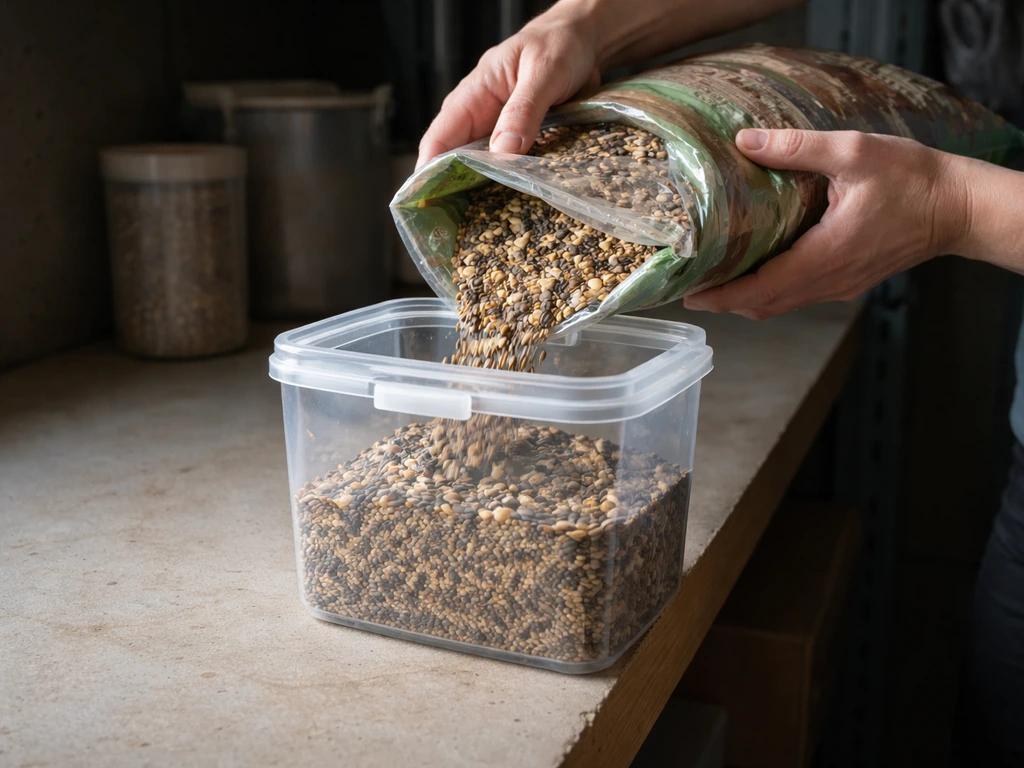
How you store sale seed in the first 24 hours matters more than most people realize, especially if you bought a large bag. Transfer seed from the original paper or thin plastic bag into a hard-sided airtight container as soon as possible. Metal trash cans with locking lids, food-grade plastic bins with tight seals, or dedicated seed storage containers all work. The goal is to cut off moisture and pest access simultaneously. Do not store seed in a garage or shed that gets hot and humid in summer, because heat accelerates rancidity in oily seeds like sunflower and suet.
A cool, dry location is the standard recommendation: a basement, cool closet, or shaded outbuilding. If you live in a humid climate (Gulf Coast, Pacific Northwest, much of the Southeast), storing seed indoors in an air-conditioned space during summer is not overkill, it is genuinely necessary to prevent mold. Clean your storage container between batches: old seed residue left at the bottom inoculates the new batch with whatever mold or insect eggs were already there.
If you suspect an insect infestation in a new bag (tiny moths, small beetles, or webbing when you open it), freezing the seed for 48 hours at 0°F kills eggs and larvae without harming the seed. After freezing, let the seed return to room temperature before moving it into your permanent storage container, then seal tightly.
Storage at a glance
| Seed Type | Shelf Life (stored correctly) | Key Risk |
|---|---|---|
| Black oil sunflower | Up to 1 year | Rancidity from heat/humidity |
| Nyjer (thistle) | 3 to 6 months | Loses viability quickly; birds reject old nyjer |
| White proso millet | Up to 1 year | Moisture clumping, mold |
| Suet cakes (unwrapped) | 2 to 4 weeks at room temp | Rancidity; melt in summer heat |
| Suet cakes (wrapped/frozen) | Up to 1 year frozen | Freezer burn if not sealed |
What to do if the sale seed turns out to be a problem
Wet or clumped seed
If the seed arrived wet or became damp during transport, spread it in a thin layer on a clean tray or sheet pan in a dry, well-ventilated area and let it air-dry completely before storing or using it. This only works if there is no mold yet. If the seed has been warm and wet overnight or has any musty smell, do not attempt to dry and salvage it. Discard it and clean any surface it touched. Mold develops fast in wet seed, and the risk to birds is not worth the savings.
Sprouted seed
A small amount of sprouting is not inherently dangerous, and some birds will eat sprouts. However, sprouted seed in a feeder tray creates a wet, decomposing layer that rapidly grows mold. If you notice sprouting in your feeder tray, remove and discard the sprouted seed, scrub the tray with hot soapy water, rinse thoroughly, and let it dry completely before refilling. Prevent future sprouting by putting out only as much seed as birds will eat in one to two days.
Pests in the seed
Indian meal moths, grain weevils, and seed beetles are the most common culprits in improperly stored bird seed. If you open a bag and see insects, webbing, or fine powdery frass mixed with the seed, freeze the batch for 48 hours to kill live insects and eggs, then assess whether the seed quality is still acceptable. If there is any odor or visible mold accompanying the infestation, discard the entire batch. Report the issue to the retailer for a refund or exchange: any reputable store (Chewy, Home Depot, Tractor Supply) will replace infested product.
Feeder and tray cleanup after problematic seed
Any feeder or tray that held moldy, wet, or pest-infested seed needs a proper disinfection before you refill it. Empty all remaining seed, then scrub the feeder with hot soapy water to remove residue. Soak the feeder for 10 minutes in a solution of one part bleach to nine parts water (a 10% bleach solution), then rinse thoroughly with clean water and allow it to dry completely, ideally in direct sunlight, before adding fresh seed. This ratio and method is consistent with guidance from Cornell, Project FeederWatch, and UNH Extension. Do not skip the drying step: a damp feeder refilled immediately will start the mold cycle over again.
Also rake up and remove any spilled or fallen seed below the feeder. Old seed on the ground attracts rodents, grows mold, and can reintroduce fungal contamination to your feeding area. Dispose of discarded seed in a sealed bag in the trash rather than composting it, especially if it showed any mold.
Your next steps right now
Start with Chewy's deals page and Home Depot's bird seed section today, compare the per-pound price against Walmart's current Rollback pricing, and check Tractor Supply if you want bulk quantities of plain black oil sunflower. If you already know your target birds, use the seed-to-species table above to make sure the sale item is actually what those birds eat. Once you get the seed home, move it into an airtight hard-sided container immediately, store it in a cool and dry location, and give it the smell and visual check before it goes into the feeder. That combination, right deal, right seed type, proper storage, and clean feeder, is what turns a sale into actual savings.
FAQ
Who has the best bird seed sale if I need it today, not later this week?
Check Walmart’s online and in-store Rollback pricing and Home Depot’s store availability filter first, because both let you confirm the sale item is actually stocked nearby. If you can’t verify stock, call the store using the exact product name and size, since bird seed promos sometimes apply only to specific bags or sizes.
Are bird seed “clearance” prices usually a good deal, or is it often old stock?
Clearance can be a great deal, but always check the manufacturing date or “best by” date. If the date is more than about a year old, skip it, because sunflower oils and suet fats can turn rancid faster than most people expect even if the seed looks fine.
What should I compare to know if I’m really getting a sale, price per pound or something else?
Use price per pound, but for nyjer compare nyjer-to-nyjer (not to sunflower) and for suet compare per cake. Also confirm the weight is net weight from the listing, not a “starter blend” that can include lighter fillers.
If a sale bag is a mixed seed, is it ever worth buying even if it includes milo or wheat?
It can be worth buying only if the ingredient list shows preferred seeds like sunflower or millet first. If milo is near the top, many songbirds will ignore it, you will get more waste, and rodents will be more likely to show up.
How can I tell quickly if seed is still fresh before putting it in my feeder?
Open the bag and smell it, fresh black oil sunflower should smell mild and nutty. If it smells sour, musty, yeasty, or rancid, discard it. Then check for clumping, which suggests moisture exposure, and look for any visible fuzzy mold patches.
Can I store sale bird seed in an opened bag to save money on containers?
It’s usually a mistake. Open bags allow moisture and pests to get in, which increases mold and insect risk. Transfer seed into an airtight hard-sided container soon after purchase, ideally within the first 24 hours.
What’s the fastest way to handle a bag that got damp during transport?
If there is no musty smell or visible mold, you can air-dry in a thin layer in a dry, well-ventilated area until fully dry, then store airtight. If it warmed and stayed damp overnight or smells musty, discard it, because mold can develop quickly and spread invisibly.
What if I see sprouting in the feeder tray but not in the bag?
Sprouts in the tray usually mean the feeder area is staying wet. Remove and discard the sprouted seed, scrub the tray with hot soapy water, rinse, and fully dry before refilling. Put out less seed, only what birds will eat in one to two days.
Do I need to disinfect feeders if I never saw mold myself?
If the seed was moldy, wet, or pest-infested, disinfect. Scrub with hot soapy water first, then use a 10% bleach soak (one part bleach to nine parts water), rinse thoroughly, and let it dry completely. If the feeder was clean and dry, you can skip disinfection and focus on regular cleaning.
What should I do if I buy seed on sale and insects show up after opening?
If you find moths, beetles, webbing, or fine frass, freeze the seed for 48 hours at 0°F to kill eggs and larvae. After freezing, reassess odor and visible mold, and if there is any mold or off smell, discard the batch and request a refund or replacement from the retailer.
Is a subscription deal from Chewy worth it for bird seed and not just other bird foods?
It can be, especially for consistent, high-turn items like black oil sunflower or nyjer. The key is whether you will use it before quality drops, and whether the timing matches your feed rate. You can also stack savings with promos, but make sure shipping interruptions do not leave you with too much seed stored too long.