Bird seed typically costs between $0.50 and $2.50 per pound depending on seed type, bag size, and where you shop. A 40 lb bag of black oil sunflower seed runs roughly $20 to $50 at major retailers, while specialty seeds like nyjer (thistle) cost more per pound but get consumed more slowly. That range is wide, so the rest of this guide breaks down exactly what drives the price, how much seed you actually need, and how to avoid throwing money away on spoiled or wasted seed.
How Much Is Bird Seed? Price Guide by Bag and Type
Maya Collins
22 Apr 2026
How to figure out what you're really paying per pound
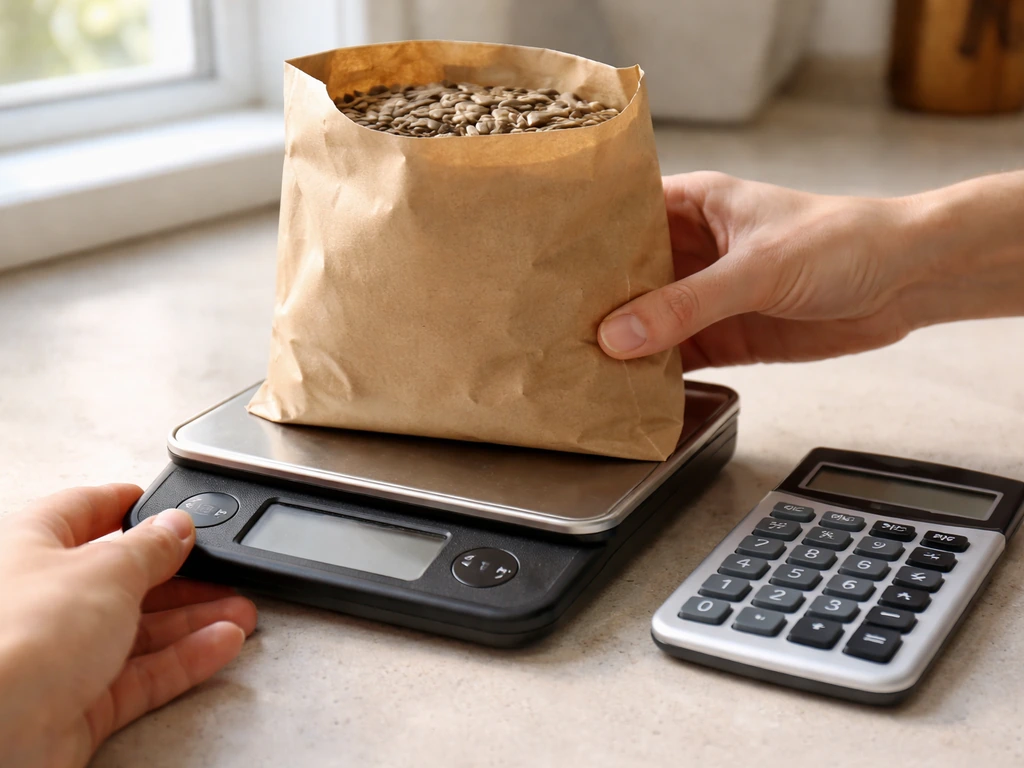
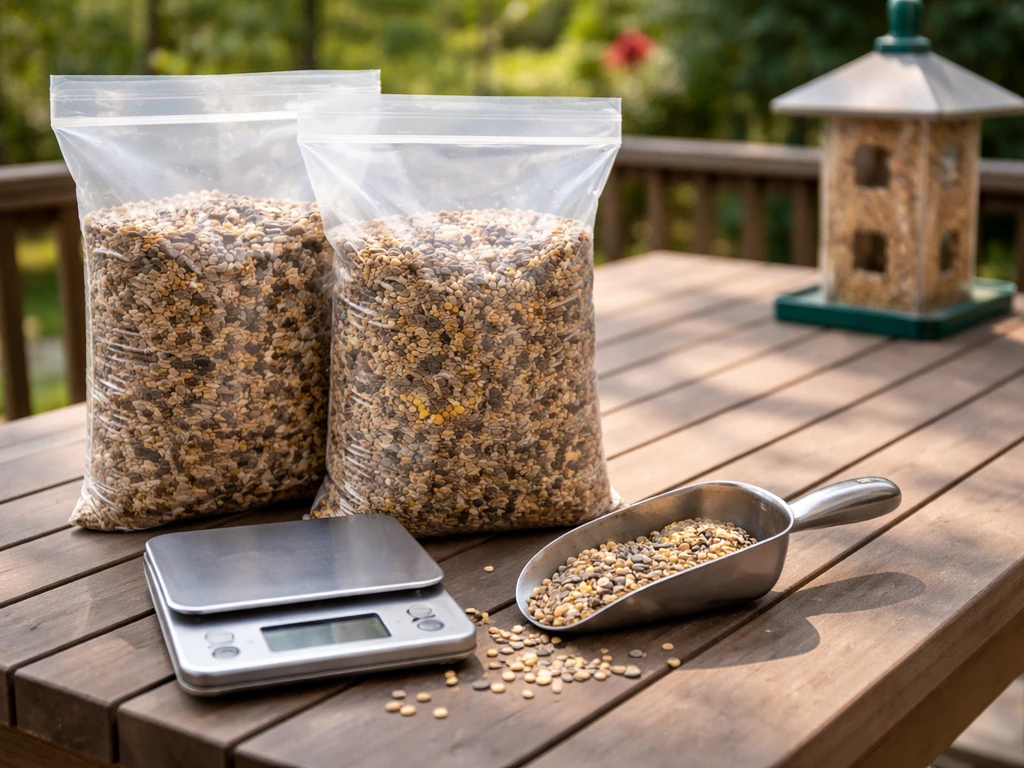
The sticker price on a bag tells you almost nothing useful. What matters is the price per pound (or per kilogram if you're buying in metric), because bag sizes vary wildly between retailers and brands. The math is simple: divide the total price by the number of pounds. A 25 lb bag of black oil sunflower at $31.00 works out to $1.24/lb. The same seed in a 40 lb bag at $49.00 comes to $1.23/lb. In this case the price per pound is nearly identical, so there's no big bulk discount, and you're better off buying whichever size you can store properly.
Nyjer (thistle) seed tends to run higher. A 5 lb bag from an Audubon chapter sale can cost $12 to $13, which is $2.40 to $2.60/lb. Wholesale tiers from a feed distributor (like ADM) drop that to as low as $1.18/lb on a 5 lb poly bag at the highest volume tier, but you typically need a commercial account to access those prices. Most backyard buyers land somewhere in the $1.50 to $2.50/lb range for nyjer.
When you're comparing options online or in-store, use this quick reference as a baseline for what's reasonable today:
| Seed Type | Typical Bag Size | Approximate Price Range | Approx. $/lb |
|---|---|---|---|
| Black oil sunflower | 40 lb | $20–$50 | $0.50–$1.25 |
| Black oil sunflower | 10–20 lb | $12–$28 | $1.00–$1.40 |
| Nyjer (thistle) | 5 lb | $10–$13 | $2.00–$2.60 |
| Nyjer (thistle) | 20–50 lb | $25–$60 | $1.20–$1.80 |
| Wild bird mix (basic) | 20–40 lb | $15–$40 | $0.50–$1.10 |
| Shelled peanuts | 5–10 lb | $12–$25 | $2.00–$3.00 |
These are ballpark figures based on current retail. Prices shift with commodity markets, fuel costs, and the season. The best move is to check Walmart, Tractor Supply, Bomgaars, or your local feed store right now and run the per-pound math yourself. It takes 30 seconds and is the only way to know what's actually cheapest in your area today.
What actually drives the price
Seed type matters most
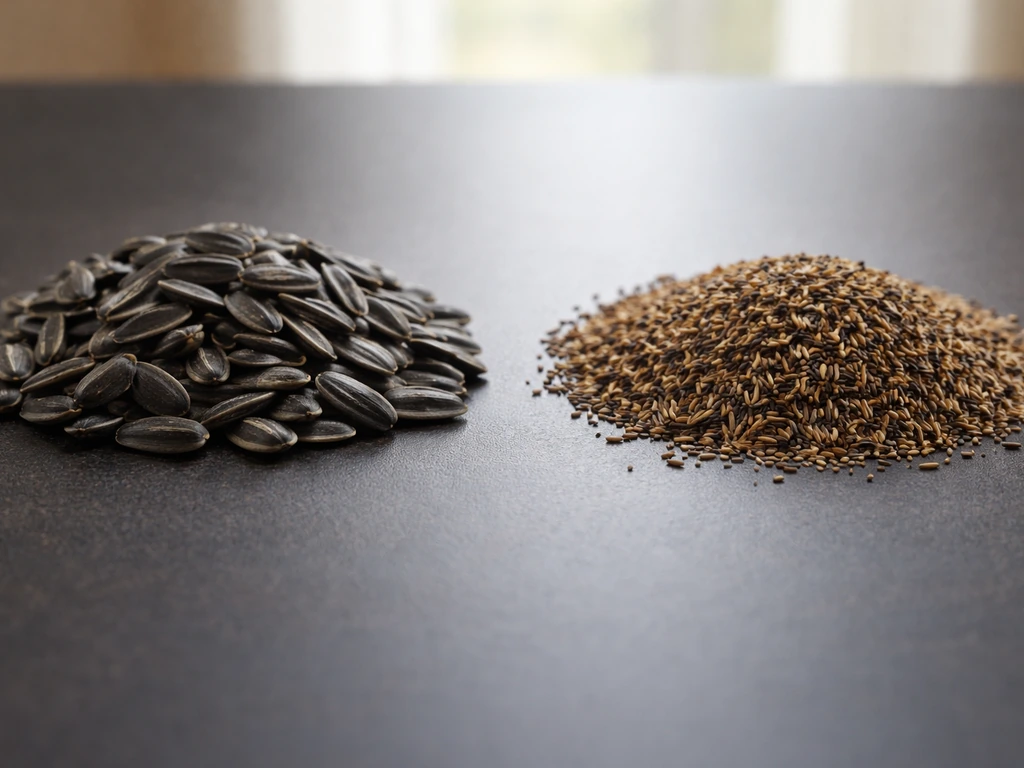
Black oil sunflower is the workhorse of backyard feeding. It's widely grown, easy to process, and eaten by a huge range of birds, which keeps the price competitive. Nyjer is imported and requires specialized handling, so it costs more per pound almost everywhere. Generic wild bird mixes are cheap per pound but often include fillers like milo, red millet, and wheat that most songbirds discard on the ground.
You end up paying for seed that becomes debris. Some commercial mixes also blend in small amounts of nyjer, which sounds like a value, but unless you have a nyjer-specific tube feeder, those tiny seeds pass right through standard feeders and get wasted. Shelled peanuts and safflower seed fall in the middle price range and attract specific species like woodpeckers, chickadees, and cardinals.
Bag size and where you buy
Bigger bags usually cost less per pound, but the savings can be smaller than you'd expect. The real savings come from buying at feed stores, farm co-ops, or Audubon chapter sales rather than from pet stores or garden centers. Big-box stores like Walmart and Tractor Supply tend to offer competitive pricing on 40 lb bags. Local feed stores sometimes beat everyone else on sunflower, especially if you're near sunflower-growing regions in the Midwest or Plains states. Specialty bird stores (like Wild Birds Unlimited franchises) charge a premium but often stock higher-quality, less-wasteful blends that can actually be worth the extra cost if you're dealing with a lot of filler waste.
Brand vs. store brand vs. bulk
Named brands like Pennington or Royal Wing aren't necessarily better quality than a store brand or bulk bin offering. For single-species seeds like black oil sunflower or nyjer, the seed is the seed. Brand premiums usually pay for packaging, marketing, and shelf positioning. For mixed blends, brand quality does vary more, since the ratio of high-value to filler seeds differs significantly between products. Read the ingredient list, not just the front-of-bag claims.
How much seed to buy for your setup
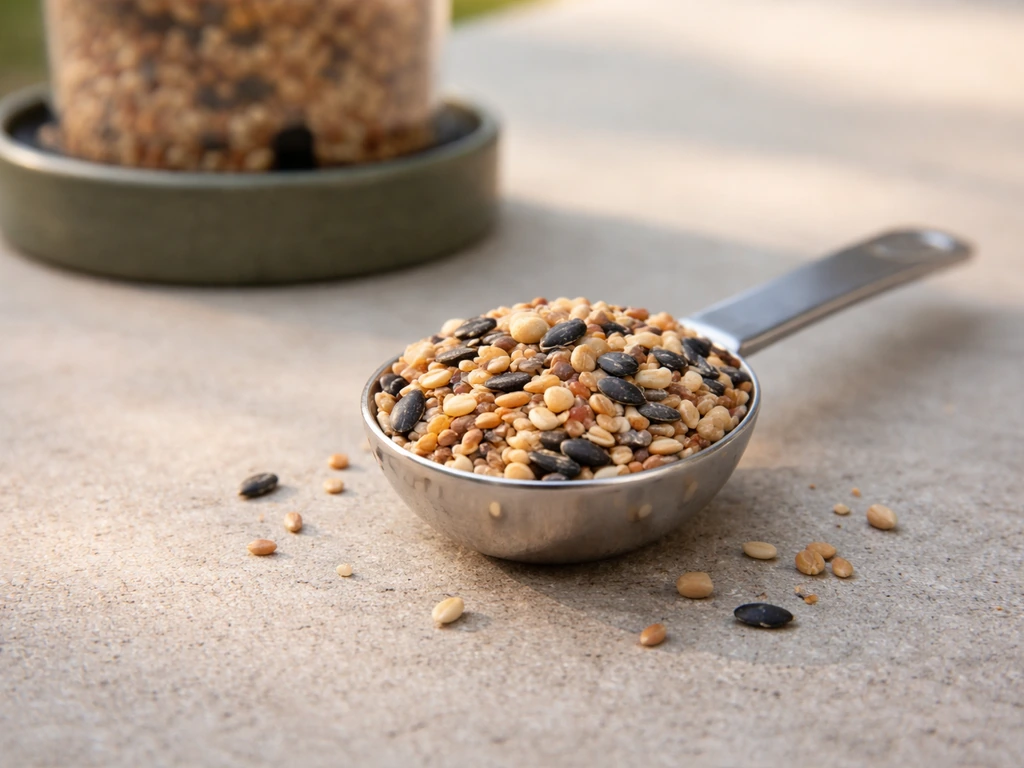
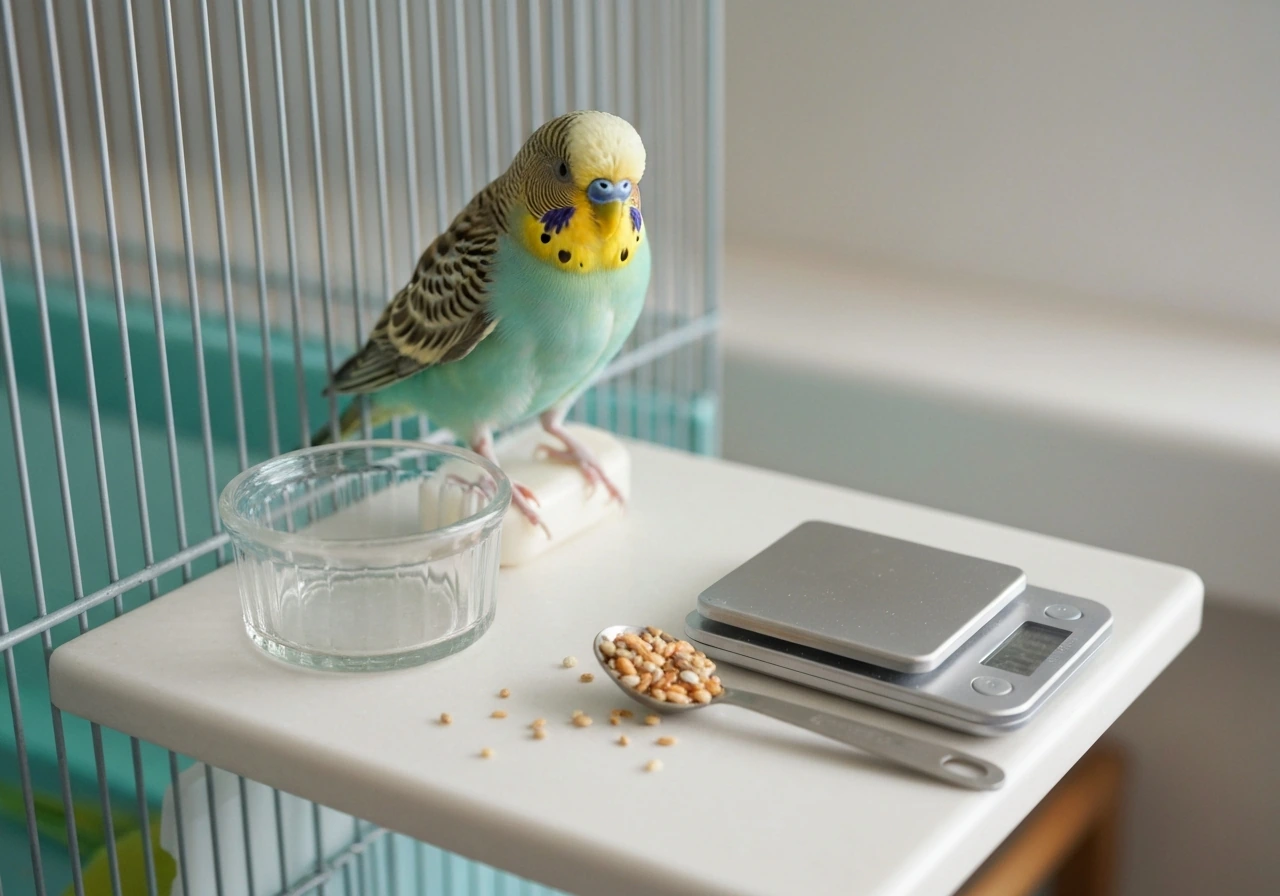
Small birds (finches, sparrows, chickadees) eat roughly 0. 5 to 1 ounce of seed per bird per day. For budgies, a common starting point is about 1 to 2 tablespoons of seed mix per day, then adjust based on how much is left after a consistent feeding schedule <a data-article-id="C78D9016-4B95-43F0-B0CF-35A170329F2C">0. 5 to 1 ounce of seed per bird per day.
</a>. A busy feeder with 10 to 15 birds visiting regularly can go through 6 to 10 ounces per day, which is about 3 to 4 pounds per week. For example, if you keep track of how much Stephanie uses, you can estimate whether she is feeding 7/8 pound of bird seed before the next purchase <a data-article-id="723C7ECC-EF0F-49B7-B658-8151887C3365">Stephanie has 7/8 pound of bird seed.
Scale that up or down based on how many feeders you run and how active your local bird population is. A single tube feeder in a quiet suburban yard might only need 1 to 2 pounds per week. A full setup with multiple feeder types in a high-traffic yard could easily go through 5 to 10 pounds weekly.
A practical rule: only fill feeders with a one- to two-day supply of seed at a time. This keeps seed fresh, reduces waste from spoilage, and gives you a real-world read on consumption before you commit to a big purchase. After a week of doing this, you'll have a solid daily number to work with.
Seasonal and regional adjustments
Consumption spikes in winter in colder climates (birds need more calories), and many birds shift to migration patterns in spring and fall, changing which species visit and how much they eat. In the South and Southwest, feeding can be lighter year-round since birds have more natural food sources in mild winters. In the upper Midwest, Northeast, and mountain West, plan for significantly higher winter consumption, sometimes double your summer baseline. In humid climates (Gulf Coast, Pacific Northwest), shorter storage windows and faster mold risk mean smaller, more frequent purchases make more sense than stocking up.
Budgeting by the month
If you're feeding 3 to 5 pounds of black oil sunflower per week at around $1.00/lb, that's roughly $12 to $20 per month in seed. Add a small tube feeder of nyjer at 1 pound per week ($2.00/lb) and you're looking at $20 to $30 per month total for a basic two-feeder setup. A more ambitious setup with four or five feeder types in a northern winter could run $50 to $100 per month. Knowing your per-pound costs makes it easy to budget forward once you know your actual consumption rate.
Storing seed so it doesn't cost you twice
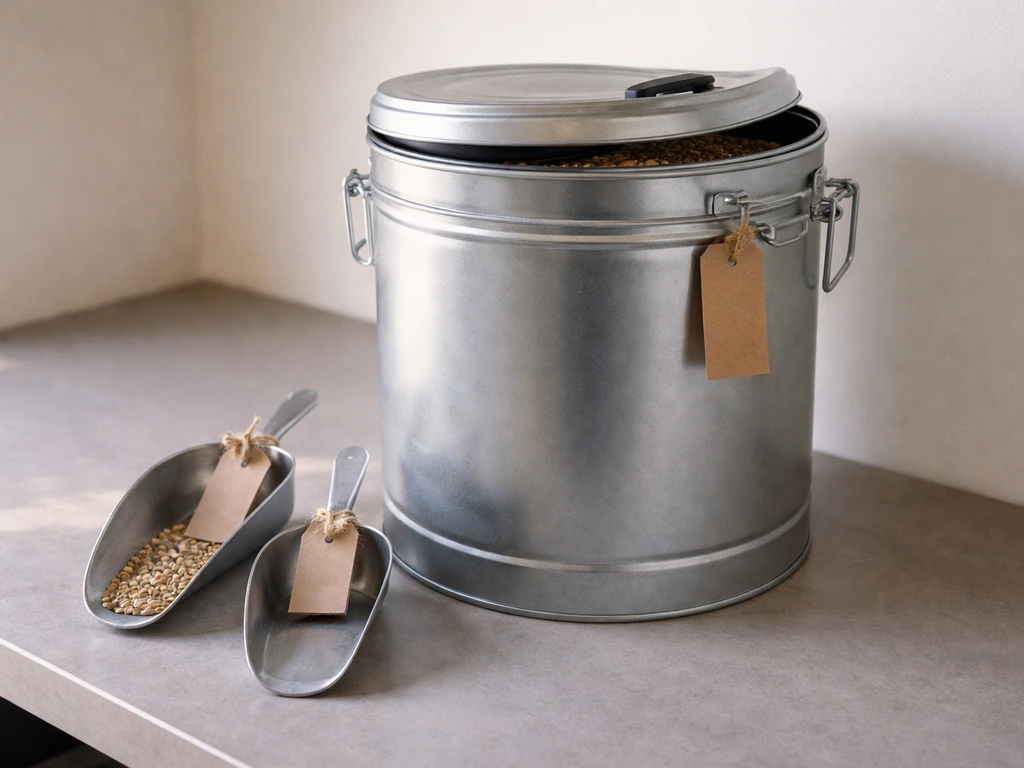
Proper storage is one of the highest-leverage things you can do to protect your bird seed budget. Seed stored correctly can stay safe for up to a year. Stored badly, it can go moldy, rancid, or buggy in a matter of weeks.
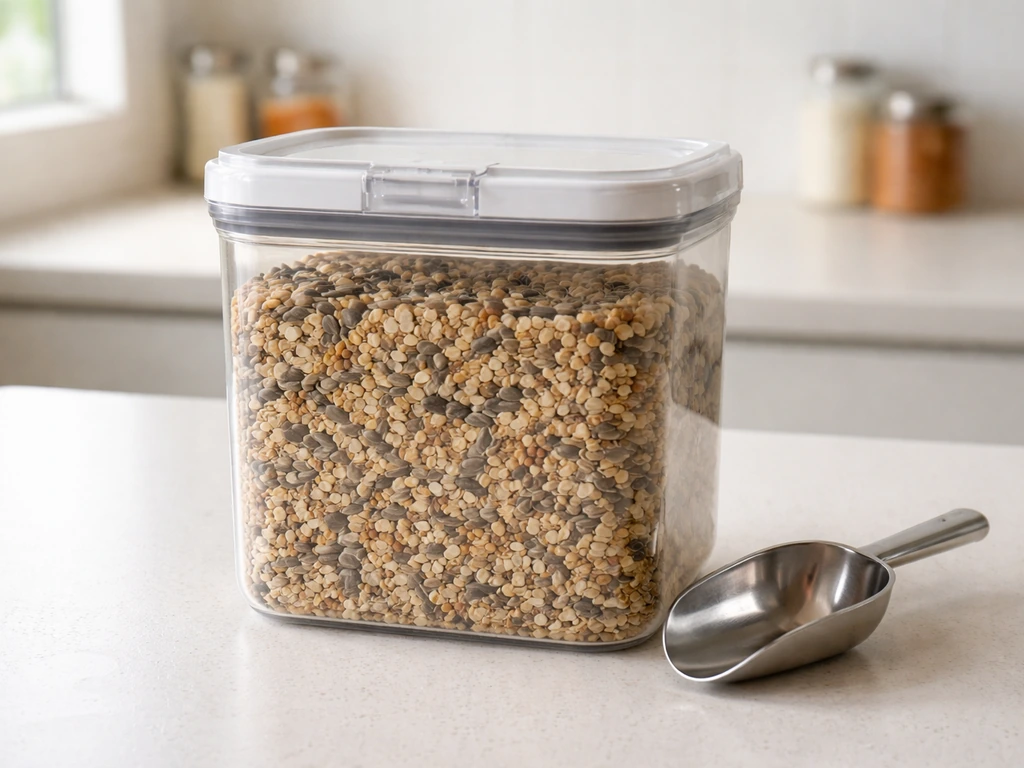
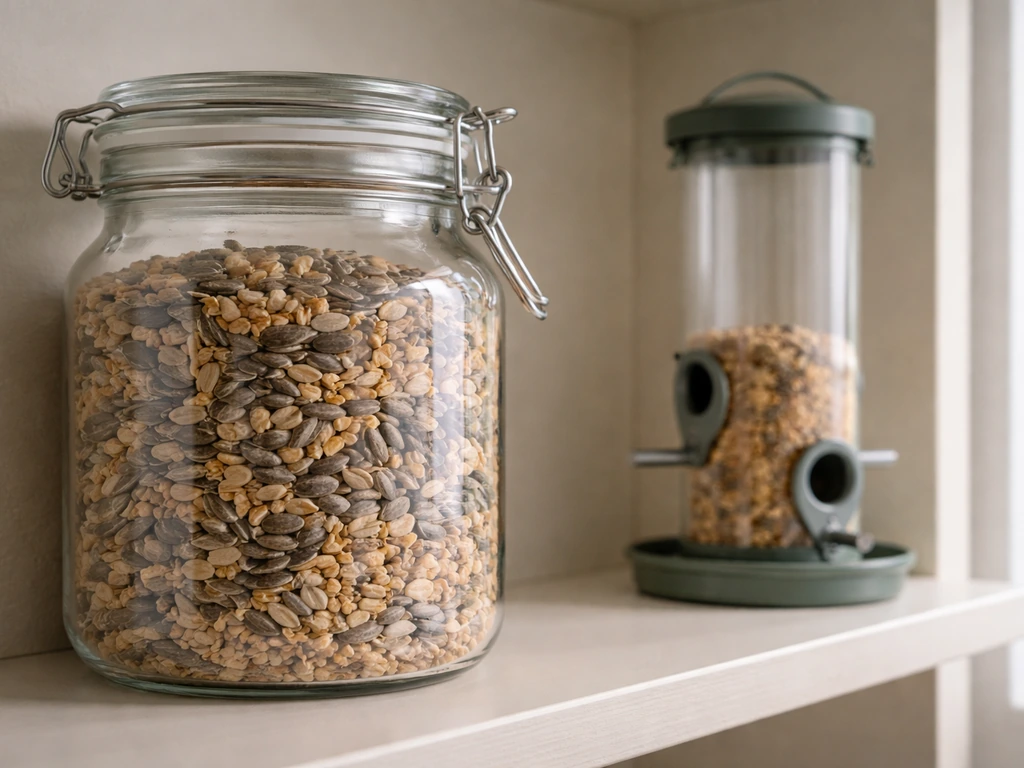
- Use a hard-sided, airtight container: a metal trash can with a locking lid or a heavy-duty plastic bin with a tight seal. Rodents can chew through thin plastic bags and even soft plastic bins.
- Store in a cool, dry location, ideally below 65°F (18°C). A garage, covered porch, or shed works well. Avoid storing seed inside the house, where warmth and humidity accelerate insect activity and mold.
- Keep the container off the ground on a shelf or pallet to improve airflow and reduce moisture wicking.
- Don't mix old seed and new seed in the same container without cleaning it first. Old residue transfers mold spores and insects to fresh seed.
- Label bags or containers with the purchase date so you use older stock first.
If you're buying a 40 lb bag but only go through 3 lbs a week, that bag will last over three months. That's fine if storage conditions are good. If you're in a hot, humid climate or storing indoors, consider buying 20 lb bags more frequently instead.
What to do when seed goes wrong
Wet or clumped seed
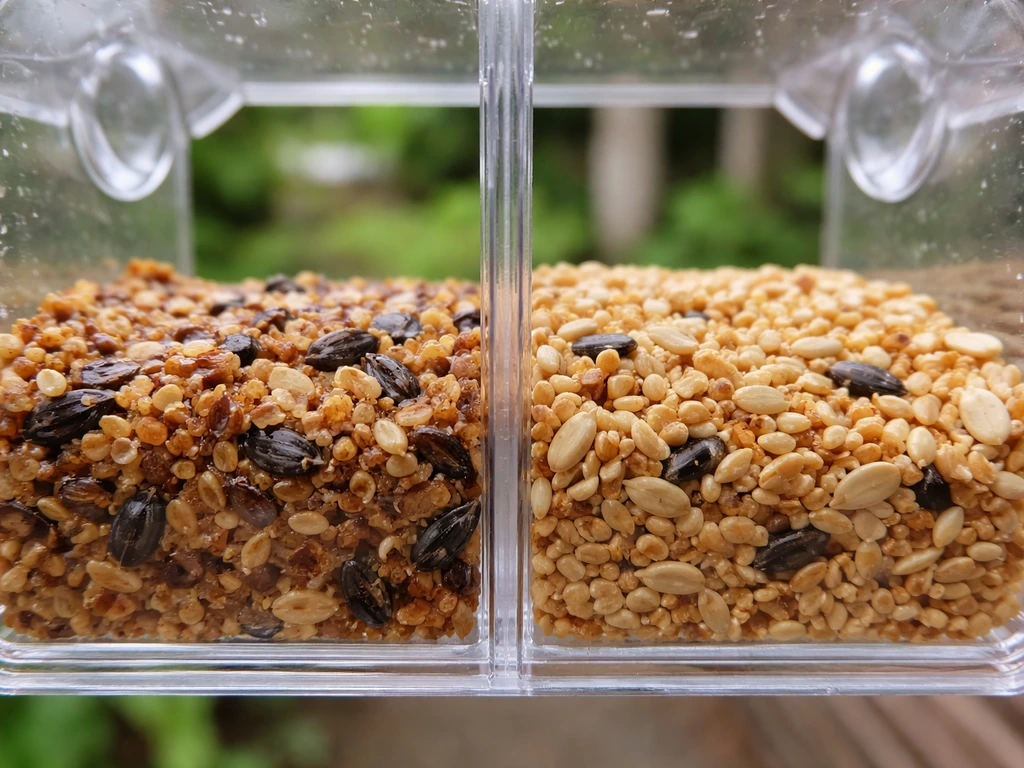
Seed that gets wet, whether from rain, morning dew, or a leaky feeder, needs to be removed promptly. Damp seed left in a feeder for a week or more dramatically increases the risk of mold and aflatoxin production, a fungal toxin that can kill birds. Remove it, spread it on a tray in a well-ventilated area if conditions allow drying, and inspect it closely before putting it back. If it smells musty or shows any discoloration, discard it. Don't leave wet seed in a feeder hoping it dries out on its own.
Sprouted seed
Sprouted seed isn't automatically dangerous, but it signals that conditions (moisture and warmth) are ripe for mold to follow. If seed is freshly sprouted and otherwise looks and smells clean, some birds will eat it. But monitor it closely. If any fuzz, discoloration, or off smell develops within a day, discard the whole batch. To prevent sprouting, avoid overfilling feeders and use a feeder with drainage holes or a weather guard dome to keep rain off the seed.
Moldy seed
If seed is visibly moldy, throw it out. Government wildlife health guidance and multiple wildlife organizations are consistent on this: do not give moldy or damp seed to birds. Moldy seed is not salvageable by picking out the bad bits. The toxins produced by mold are invisible and can spread through the batch before visible mold appears. Discard in a sealed bag in the trash so other wildlife can't access it.
Buggy or infested seed
Stored-product insects like granary weevils and Indian meal moths are common in bird seed. If you see small worms, webbing, or adult beetles in your seed, you have an infestation. You have two options: discard the seed or freeze it. Freezing at 0°F for at least four days (some guidance says up to a week for large containers) kills insects at all life stages. After freezing, sift out the dead insects and debris before using the seed. The seed itself is still nutritionally fine after freezing, and birds will eat it normally. Going forward, store seed in airtight containers and keep storage temperatures below 65°F to curtail insect activity before it starts.
Cleaning feeders and keeping pests away so you're not constantly re-buying
A dirty feeder is one of the fastest ways to waste seed money. Mold and bacteria build up in old seed residue and contaminate fresh seed almost immediately. Clean feeders also attract more birds, so you get better value from what you put in.
How to clean feeders
- Empty the feeder completely. Discard any old, wet, or clumped seed.
- Scrub the feeder with warm, soapy water using a brush to remove residue from all surfaces, ports, and crevices.
- Disinfect with a 10% bleach solution (roughly 1 part bleach to 9 parts water). Soak for a few minutes or scrub thoroughly.
- Rinse well with clean water to remove all bleach residue.
- Let the feeder dry completely before refilling. Putting seed into a wet feeder accelerates mold.
- Repeat this process at least once a month, and more often in hot, humid weather or if you've noticed sick birds at the feeder.
Project FeederWatch notes that a diluted vinegar solution is an alternative to bleach if you prefer, though bleach is more effective for disinfection. Either way, thorough rinsing and complete drying are non-negotiable before refilling.
Reducing ground waste and pest pressure
Seed that falls to the ground under feeders draws rodents, squirrels, and raccoons, and it also sits in moisture and becomes a mold source. Reduce spillage by using feeders that match the seed type (tube feeders for nyjer, platform or hopper feeders for sunflower) so birds aren't flicking seed out while foraging. Rake or sweep up ground debris every few days. A hardware cloth or tray catch below the feeder can make cleanup easier and keeps seed off the damp ground.
If rodents are a persistent problem, move feeders away from structures, use pole-mounted setups with baffles, and bring feeders in at night during high-pressure seasons. Squirrel-proof feeders or baffled poles reduce squirrel consumption, which can be substantial. A squirrel eating from a sunflower feeder can easily consume several ounces per day, which adds up fast on your per-month seed budget.
A quick note on buying smarter going forward
Once you know your weekly consumption rate and your cost per pound at local retailers, monthly budgeting becomes straightforward. If you're thinking about buying in bulk (say, a 40 lb bag), check that your storage setup can actually keep that quantity fresh for the weeks it'll take to use it. When Nellie is buying bird seed, that same bulk-buy tip helps her avoid paying extra if she cannot store the supply properly buying in bulk.
A 40 lb bag takes up roughly 4 to 5 gallons of container space for sunflower seed, so plan your storage container size accordingly. For reference, nyjer seed is denser and packs more tightly, at roughly 5 pounds per gallon, so a 20 lb bag fits in about a 4-gallon container.
To convert between gallons and pounds for your specific seed, use the pounds-per-gallon figure and apply the math the same way how many pounds of bird seed in a gallon. If you want to estimate it for your bags, use the pounds-per-gallon figure for your specific seed type and then convert pounds to gallons how many gallons is 20 lbs of bird seed.
The bottom line on cost: buy the seed type your target birds actually eat (not a filler-heavy mix), in the bag size that matches your realistic consumption and storage capacity, from the cheapest per-pound source you can find locally or online. Run the per-pound math every time. That single habit will save you more than any coupon or sale.
FAQ
Is “per bag” pricing for bird seed ever the best way to compare stores?
Usually no. Bag weights and net-fill vary a lot, so you get more accurate comparisons by converting everything to a per-pound (or per-kilogram) cost, then adding a storage reality check (if you cannot store a big bag properly, the “cheapest” bag can become wasted).
How do I calculate how much bird seed I need without guessing?
Do a one- to two-day feeder load, then weigh the leftover seed or subtract from the bag weight to measure actual daily use. Once you have a consistent daily number, multiply by 7 to get weekly pounds, then budget based on your per-pound price and how your birds change consumption in winter.
What is the cheapest bird seed per pound if I want the most birds and least waste?
Black oil sunflower is often the best value because it is widely eaten and tends to have lower waste than generic mixes with fillers. However, “cheapest” depends on your feeder type and target species, since some mixes or tiny seeds (like nyjer) can be wasted if you do not use the right feeder setup.
Why is my bird seed “cheap” online but not cheaper when it arrives?
Shipping and hazmat or oversized-item fees can erase the per-pound advantage. Also check the delivered net weight (some listings include packaging) and the seed type, because wild-bird “mixes” with fillers can look similar while delivering less usable food.
Do birds eat all seed equally, or should I adjust my budget by seed type?
You should expect different consumption and waste rates by seed type. Nyjer is consumed more slowly and requires a tube feeder, while sunflower is typically used more quickly and is more forgiving across feeder styles. Budget by how much you actually refill, not by bag label claims.
Is it okay to buy a larger bag and just store it longer to save money?
Only if your storage conditions prevent moisture, rancidity, and insects. In hot, humid climates, using smaller bags more frequently often costs less overall because spoilage risk is higher, and damp seed can become unsafe within days.
What should I do if my seed turns buggy or develops worms after I buy it?
If you see active infestation signs (webbing, worms, adult insects), freeze the seed at 0°F for at least four days to kill all life stages, then sift out debris before refilling. If the seed smells off or looks moldy, freezing is not a substitute for discarding.
Does freezing bird seed affect nutrition or bird acceptance?
Freezing mainly stops insect activity, it does not meaningfully “ruin” seed nutritionally. Birds will typically eat frozen-then-thawed seed normally, but you should remove dead insects and debris so you are not feeding contaminants.
Should I worry about moldy spots or can I remove the bad pieces?
Do not try to salvage moldy or damp seed by picking out visible bits. Mold toxins are not reliably removed by sorting, and the safest approach is to discard the entire batch in a sealed bag so other wildlife do not access it.
How do I estimate storage space when buying a 40 lb bag?
Check pounds-per-gallon guidance for your specific seed type, then plan your container volume based on that. Sunflower and nyjer pack differently, so do not use one conversion for every seed, and be sure the container seals tightly to limit moisture and bugs.
What feeder type changes my bird seed cost the most?
Mismatched feeder type increases waste. Use tube feeders for nyjer, and platform or hopper feeders for sunflower, because the wrong setup causes birds to flick more seed to the ground, where it becomes debris, mold risk, and rodent food.
How much does winter typically increase bird seed usage?
In colder northern climates, winter consumption can be about double your summer baseline because birds burn more calories. In milder southern regions, usage is often steadier, so adjust your per-pound budget by local weather and observed refill frequency.