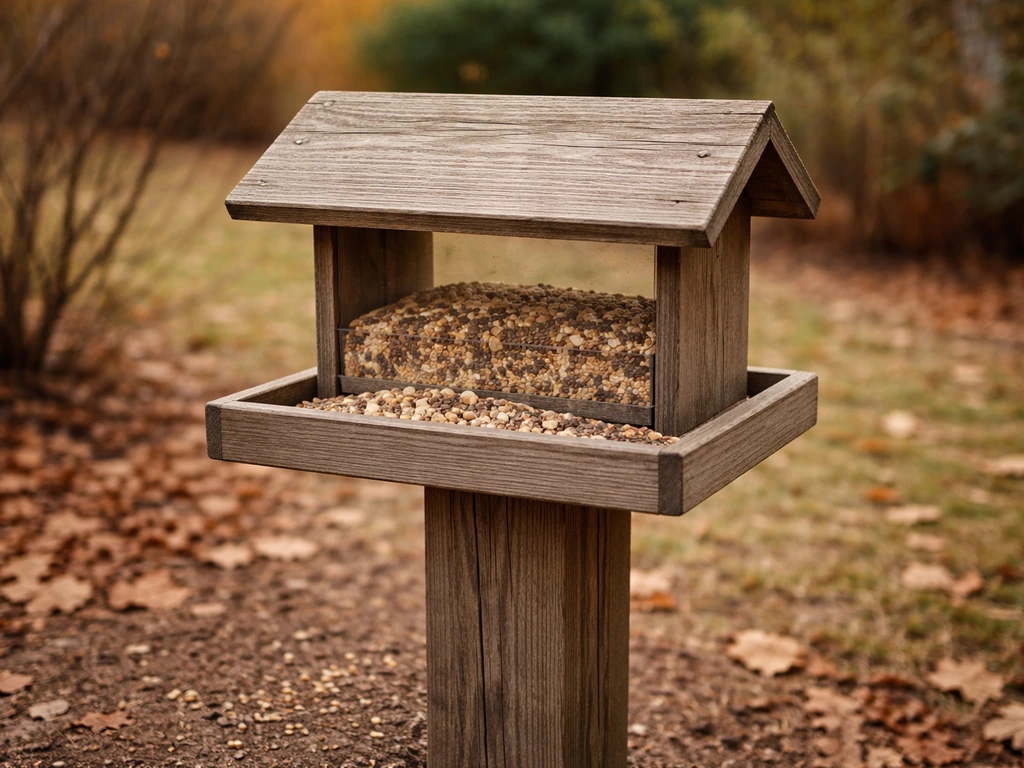
Yes, bird seed is safe to put out as long as it smells fresh, looks dry, and shows no signs of mold, clumping, or insect activity. If it passes a quick smell-and-look check, fill the feeder and go. If it smells musty, feels damp, has visible mold or webbing, or has been sitting in a wet feeder for more than a day or two, throw it out, clean the feeder first, and start fresh. The CDC recommends cleaning bird feeders to help keep both people and birds healthy, and it provides specific guidance on how to do it clean the feeder first. That's the real answer. Everything below helps you make that call faster and keep things safe week after week.
Is It Safe to Put Out Bird Seed? Quick Guide and Fixes
Maya Collins
14 Jun 2026
How to tell if seed is safe to put out right now
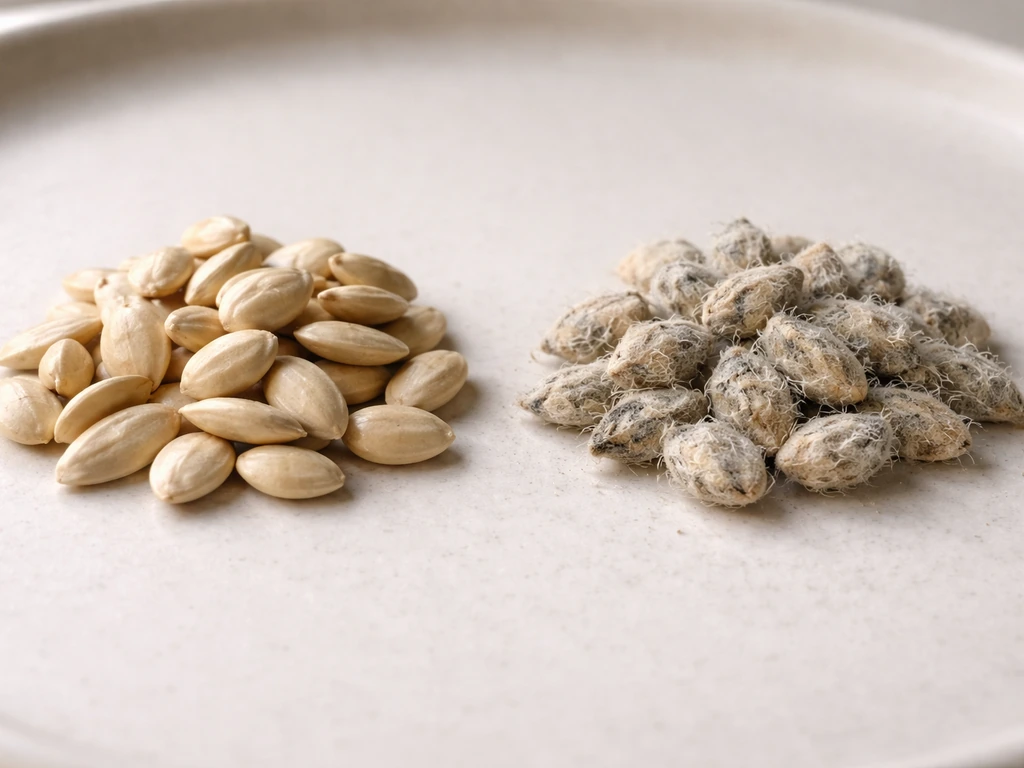
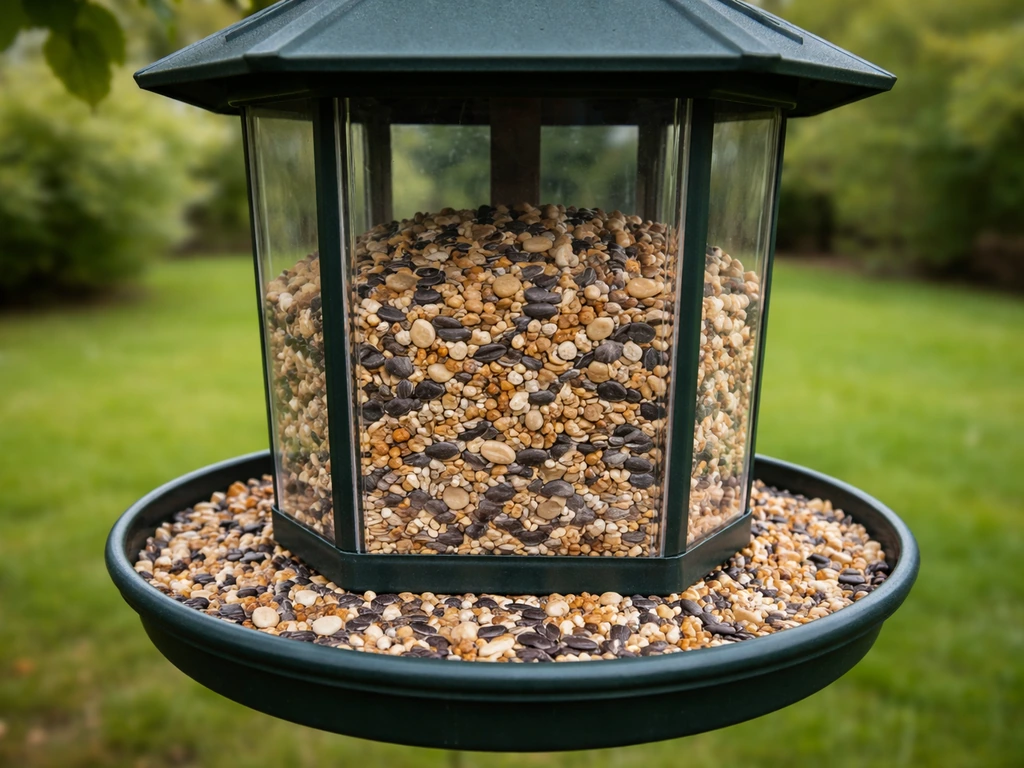
Fresh, safe seed has a mild, slightly nutty smell. It flows freely without clumping. The individual kernels look intact, not shriveled, dusty-white, or coated in anything fuzzy. Run through this quick check before putting any seed into a feeder or onto a tray.
- Smell it: musty, sour, or sharp chemical odors mean mold or rancidity. Toss it.
- Look at the texture: dry and free-flowing is good. Clumped, sticky, or matted seed has absorbed moisture and is at risk.
- Check for visible mold: white, gray, green, or black powdery patches are a hard no.
- Look for insect activity: fine webbing, tiny larvae, or small holes drilled into kernels (weevils) are signs of infestation.
- Check the color: kernels should look normal for their type. Faded, darkened, or shriveled seed is degraded.
- If it sprouted: a little sprouting in warm conditions is not automatically toxic to birds, but it signals the seed has been wet long enough that mold risk is real. Inspect carefully.
If any one of those checks fails, the seed goes in the trash, not the feeder. Mold spores from contaminated seed, particularly from the Aspergillus family, cause a serious respiratory disease in birds called aspergillosis. Young birds inhaling large numbers of spores is a documented concern, and contaminated seed on the ground puts birds and small mammals at risk even after you've refilled the feeder.
How long seed stays good: indoors vs. outside
Storage conditions are everything. Seed kept below 40°F and at a moisture content below about 8% stores well for six months to a year or more. Once seed is exposed to warmth and humidity, that window shrinks fast.
| Condition | Expected Safe Lifespan | Main Risk |
|---|---|---|
| Cool, dry indoor storage (sealed container, under 40°F) | 6 to 12+ months | Minimal if sealed |
| Room-temperature indoor storage (60-75°F, sealed) | 2 to 4 months | Gradual rancidity, occasional weevils |
| Room-temperature indoor storage (unsealed/bag rolled open) | 4 to 6 weeks | Insect infestation, moisture absorption |
| In a feeder outdoors, dry conditions | 1 to 2 weeks before refilling is good practice | Staleness, bird droppings contamination |
| In a feeder outdoors, humid or rainy conditions | 24 to 48 hours max before checking | Rapid mold growth, clumping |
| Loose on a tray or ground, dry weather | Same day, or clean up by next morning | Rodents, spoilage overnight |
| Loose on a tray or ground after rain | Discard immediately after rain | Mold, bacterial growth, rodents |
The key variable is relative humidity. Seed will pull moisture from humid air if it's not stored in a sealed, moisture-proof container, even indoors. Use airtight metal or heavy-duty plastic bins rather than the original paper or thin plastic bags. If you live somewhere with hot, humid summers, keep your main seed supply in a cool location like a basement or garage with climate control.
What to do when seed gets wet, freezes, or starts sprouting
Wet seed
Wet seed is your biggest day-to-day risk. Mold can establish within 24 to 48 hours in warm, wet conditions. If your feeder got rained on and the seed is damp but you caught it within a few hours on a cool day, you can spread it on a dry surface and let it air out, then inspect before reusing. If it has been sitting wet for more than a day, or it's warm and humid outside, throw it out and clean the feeder before refilling. Do not just top off a wet feeder with dry seed. The wet layer at the bottom will mold and contaminate everything above it.
Frozen seed
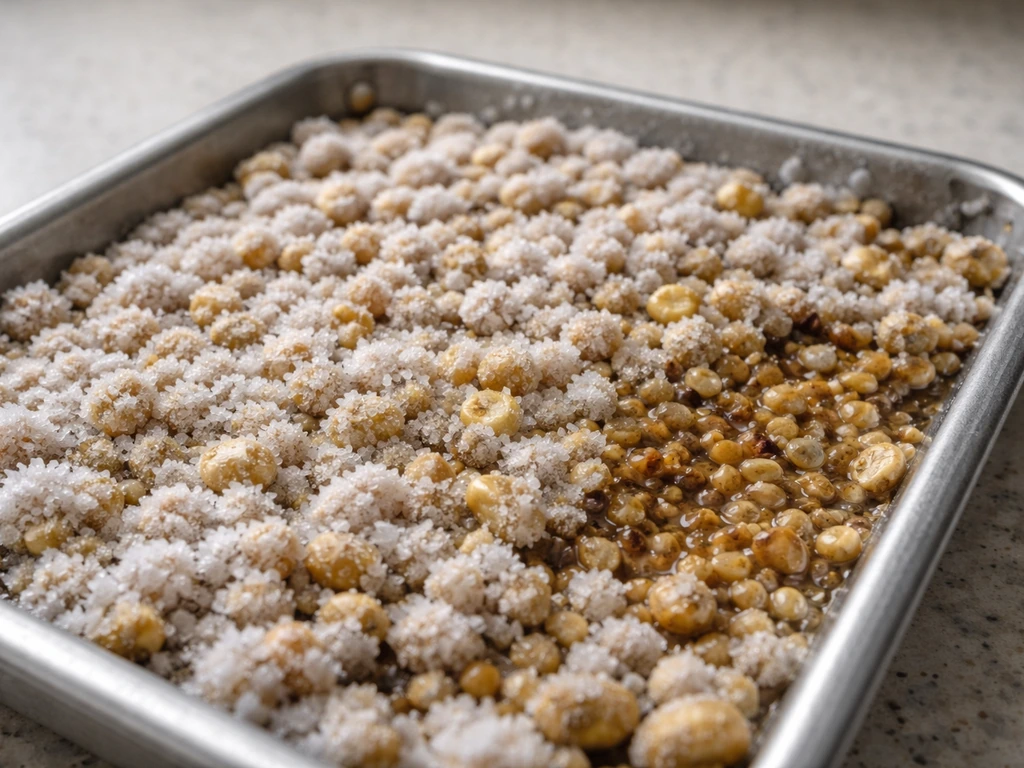
Freezing is actually gentler on seed than you might expect. Seed that freezes dry and thaws dry is generally still safe. The problem is freeze-thaw cycling with moisture: when seed freezes, thaws, absorbs condensation, and then sits wet, mold risk climbs. If your feeder seed froze solid overnight in winter, check whether it thawed to a clumped, wet mass or whether it's still dry and loose after thawing. Dry and loose after a freeze is fine. Wet and clumped after a thaw needs to be removed and the feeder cleaned.
Sprouted seed
Sprouting means the seed was wet long enough to germinate, which tells you it's been damp for at least 24 to 48 hours. The sprouts themselves are not toxic, but the moisture exposure that caused them is a mold flag. Remove the sprouted seed, check for any musty smell or visible mold, clean the feeder, and refill with dry seed. If you notice this happening repeatedly, the problem is usually feeder design or placement: a lack of drainage holes, a position that collects rain, or portion sizes too large for the birds to clear before moisture sets in.
Safer seed types and smarter feeding setups
Not all seed mixes carry the same risk. Inexpensive bulk mixes often include filler seeds like milo, wheat, or oats that most backyard birds ignore. Uneaten seed piles up, gets wet, and molds faster than seed birds actually eat. Using targeted, high-quality seed appropriate for your local birds means less waste and less spoilage risk.
- Black-oil sunflower seed: eaten by a wide variety of birds, low waste, and the shells are somewhat moisture-resistant compared to hulled options.
- Hulled sunflower (no-mess): birds eat it completely, so less accumulates, but hulled seed goes rancid faster and must be kept dry.
- Nyjer (thistle): low rodent attraction, but clogs and molds easily in damp feeders. Use feeders designed specifically for nyjer with small ports.
- Safflower: squirrel-resistant, eaten by many songbirds, holds up reasonably well in feeders.
- Straight mixes (no filler): avoid mixes with large amounts of milo, red millet, or oats unless you know the specific birds you're targeting eat them.
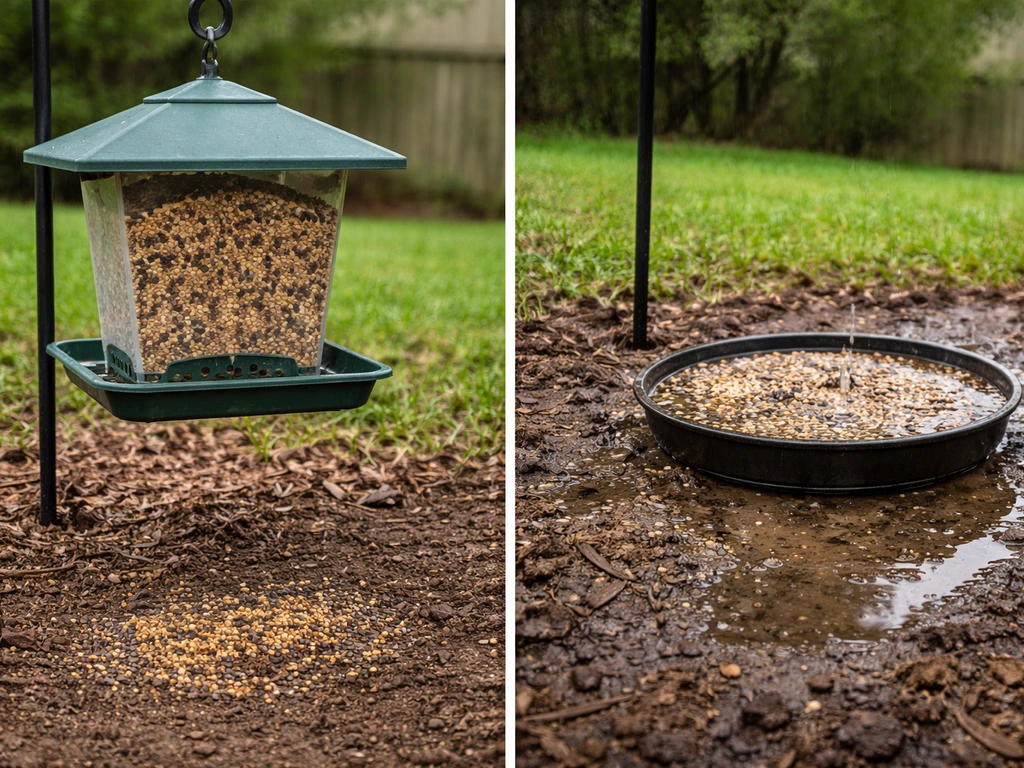
On feeder design: tube feeders with small ports and drainage holes at the base outperform open platform trays in wet weather. Platform and tray feeders are popular and useful, but they require much more frequent attention during rain because seed sits exposed. If you use platform feeders, Penn State Extension specifically recommends putting out only what birds can consume in one day, especially in exposed setups on decks or balconies. That single habit does more to prevent mold and disease transmission than almost anything else.
Avoid seed mixes or suets with artificial colors, preservatives, or additives you can't identify. There's no reason for them and no evidence they benefit birds. Also avoid whole peanuts in shell during very wet stretches unless you can remove uneaten ones daily, since they can develop aflatoxin mold faster than most seeds.
Pests and diseases linked to bird feeders
Mold and fungal disease
Aspergillosis is the main mold-related disease concern at feeders. It's caused by Aspergillus mold (the same genus that affects humans with respiratory issues) and infects birds' respiratory tracts. Damp grain, damp soil under feeders, and wet seed in feeders are the primary sources. Preventing it means keeping seed dry, removing wet seed promptly, and raking or sweeping up the ground under your feeders regularly.
Bacterial and parasitic disease spread between birds
Trichomoniasis (sometimes called canker) is a contagious upper digestive tract disease transmitted through food or water contaminated with saliva or feces from infected birds. It's strongly associated with feeders, particularly platform-style trays where birds with the infection leave saliva on seeds that healthy birds then eat. Doves and pigeons are commonly implicated in transmission. Keeping food and water fresh, removing accumulated droppings, and using feeder designs that limit direct contact between birds and the seed supply all reduce risk. If you see birds at your feeder that look lethargic, have trouble swallowing, or have visible swelling around the throat or beak, that's a warning sign. Pull the feeder, clean and disinfect it, and consider keeping it down for two weeks while you monitor.
Salmonella is another oral-fecal transmission disease to be aware of. Both salmonella and trichomoniasis are reasons Project FeederWatch specifically recommends retiring tray feeders if you suspect disease is circulating among your feeder visitors.
Rodents and insects
Spilled and ground-level seed is the main driver of rodent problems. Mice and rats are attracted by the accumulation under feeders, not usually by the feeder itself. Sweeping daily or every other day under feeders, using feeders with catch trays, and putting out smaller amounts that get consumed fully each day are the three most effective rodent deterrents. For stored seed, check opened bags and bins for grain weevils: look for small beetles, fine powder at the bottom of the container, or tiny holes drilled into kernels. If you find an infested bag, seal it in a trash bag and put it in an outdoor bin immediately. Do not store infested seed near other seed.
Cleaning and sanitation: what to do and how often
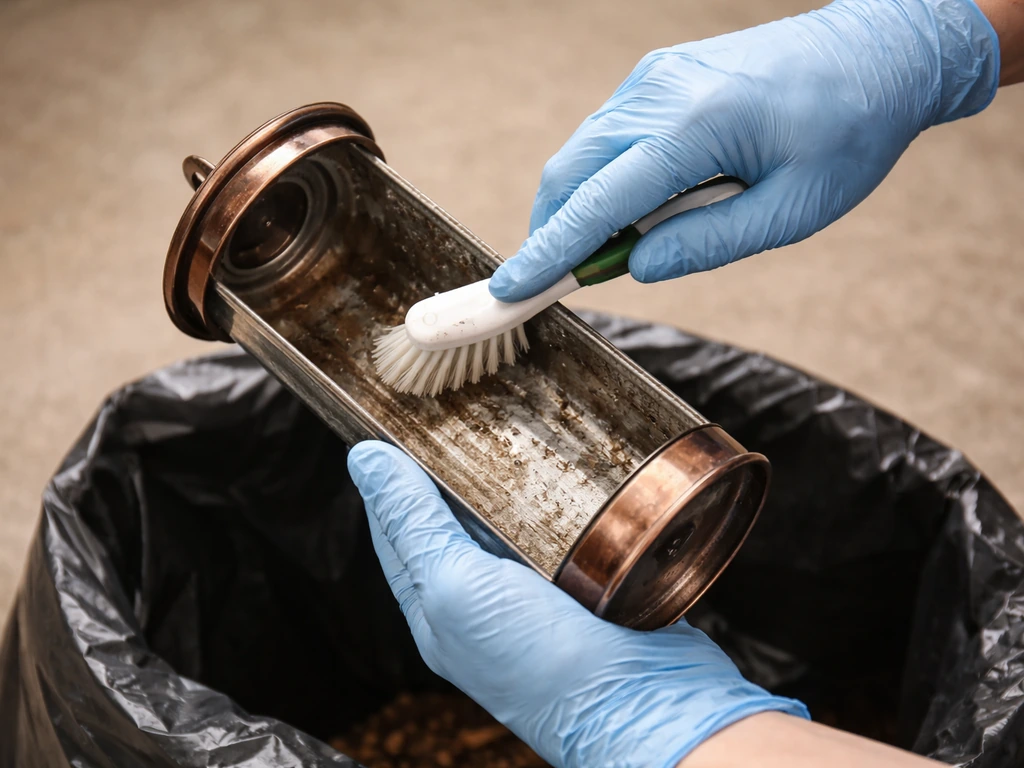
Cleaning feeders is one of the highest-impact things you can do for bird health, and the guidance from Cornell Lab, the CDC, Virginia DWR, and others lines up consistently: use a 9-parts water to 1-part bleach solution, soak for at least 10 minutes after scrubbing, rinse thoroughly, and let the feeder dry completely before refilling.
- Empty the feeder completely. Discard any remaining seed, especially if there's any moisture or visible contamination.
- Scrub all surfaces with a brush and hot soapy water to remove debris, droppings, and old seed husks.
- Prepare a 9: 1 water-to-bleach solution (9 parts water, 1 part household bleach).
- Soak the feeder in the solution for at least 10 minutes.
- Rinse thoroughly with clean water until no bleach smell remains.
- Allow to air dry completely before adding fresh seed. Refilling a wet feeder will immediately compromise the new seed.
- Wash your hands thoroughly after handling feeders, even if you wore gloves.
How often? Every two weeks is the standard recommendation for seed feeders during normal use. This timing helps you avoid seed getting wet and growing mold, which is the main reason seed needs replacing Every two weeks. Increase that to weekly during heavy use, wet weather, or if you have a lot of feeder traffic. If you suspect a disease outbreak in your local bird population, daily checks and a full clean every few days are warranted, along with considering whether to pull the feeder temporarily. Iowa DNR recommends at minimum a full clean once a month, but in practice, every two weeks is what most experienced feeders follow.
Ground cleanup matters just as much as feeder cleaning. Rake or sweep the area under your feeders every few days to remove shell debris, droppings, and any seed that has fallen and started to decompose. Cornell K-12 recommends cleaning up fallen or old seed and moving the feeder if needed, since accumulated seed waste increases risk raking or sweeping up fallen seed promptly. Moldy ground seed is a direct exposure risk for ground-feeding birds and other wildlife. If the ground under your feeder is persistently wet or muddy, consider moving the feeder or placing it above a gravel or paver surface that drains better.
Troubleshooting by scenario
You're setting up a new feeder and want to start safely
Start with a clean feeder (even if it's new, rinse it), fresh seed purchased within the last few months, and a portion that your expected bird traffic can finish within a day or two. Place it away from areas of standing water. Note when you filled it so you know how fresh it is.
You keep getting mold no matter what you do
Recurring mold usually points to one of three causes: the feeder has no drainage holes and water pools at the bottom, you're putting out more seed than birds consume before rain hits, or the feeder is in a low-air-circulation spot. Check for drainage holes and add them if possible. Cut your fill amount in half and see if birds clear it faster. Relocate the feeder to a more exposed, breezy location. Switch from a platform tray to a tube feeder with a weather guard dome for wet climates.
Heavy rain just hit and the feeder got soaked
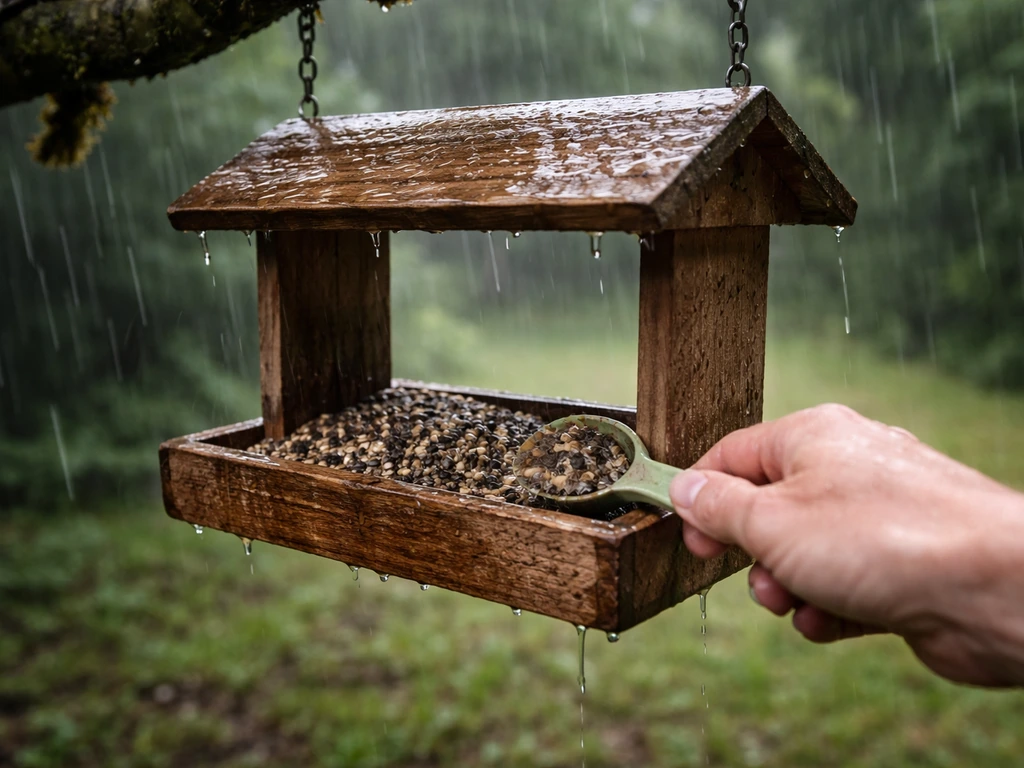
Check the seed within a few hours if you can. If it rained hard for more than a few hours and the feeder has no cover, assume the seed is compromised. Remove it, check for clumping or odor, and if it's anything other than slightly damp and otherwise normal, throw it out. Clean the feeder with soap and water (a full bleach soak can wait until your next scheduled clean unless it was already close to that), let it dry, and refill with a smaller amount. Project FeederWatch specifically recommends increasing cleaning frequency during wet weather, so treat a heavy rain event as a trigger for an early cleaning cycle.
You have very high feeder traffic and birds visit constantly
High traffic is great for birds but it also means more droppings on and under the feeder, faster seed turnover (good for freshness), and a higher chance of disease transmission if a sick bird is in the mix. Clean more frequently, every week instead of every two weeks. Keep multiple feeders spread out so birds aren't crowding into one spot, which reduces fecal contamination of seed and lowers stress-driven disease spread. Rake the ground under each feeder every other day.
Winter freeze-thaw cycles are causing problems
In cold climates, seed in feeders can freeze solid overnight and then thaw wet during the day. This repeated cycling creates mold conditions fast. Use smaller portions in winter so seed is consumed before it gets a chance to freeze and thaw repeatedly. Tube feeders with smaller reservoirs work better than large hoppers in freeze-thaw conditions. Late fall through late winter is generally a lower-risk period for disease transmission overall, but the mold risk from wet-thaw cycles is specific to that season, so check feeder contents daily during that stretch.
You're in a rainy climate (Pacific Northwest, Southeast, humid Northeast)
In persistently humid regions, the standard two-week cleaning cycle is not enough in spring and summer. Weekly cleaning, covered feeders or feeders with weather guards, smaller fill amounts, and daily ground raking are the baseline in these climates. Consider switching to no-mess hulled seed (which leaves less shell debris on the ground) and using feeders explicitly designed with drainage and ventilation. Keeping seed in a cool, sealed container indoors between fills matters even more when ambient humidity is high.
You've noticed sick or dead birds near your feeder
Stop feeding immediately. If you're wondering when to stop putting out bird seed, the safest rule is to pull it at the first sign of spoiled or contaminated conditions and reassess after cleaning Stop feeding immediately.. Take the feeder down and clean and disinfect it fully with the 9:1 bleach solution. Leave it down for at least two weeks while you monitor. Rake and discard all ground debris in the area. Do not handle sick or dead birds with bare hands. Contact your state wildlife agency if you see multiple sick or dead birds, as this can indicate a reportable disease situation. Resuming feeding after two weeks with a clean feeder and fresh seed is generally appropriate unless the situation was severe.
If you're thinking about when to start or stop feeding seasonally, or how much to put out on a given day, those decisions connect closely to the safety fundamentals covered here. Offering less seed more frequently is almost always the safer and cleaner approach, whatever time of year it is. Offering less seed more frequently is almost always the safer and cleaner approach, whatever time of year it is how much bird seed to put out.
FAQ
Is it safe to put out bird seed if it got rained on but still looks mostly dry?
Check for clumps and an odor, if you can stir a handful and the kernels stay loose it’s usually ok, but if you notice a damp layer at the bottom of the feeder or any musty smell, remove that seed and discard it, then clean the feeder before refilling.
Can I salvage seed that feels slightly damp instead of throwing it away?
You can only salvage if it’s lightly damp and you can spread it on a dry surface in a well ventilated spot to fully dry, then recheck smell and clumping before refilling, if it’s warm and humid where you live or it took more than a few hours to dry, it’s safer to discard.
How long can bird seed sit in a feeder before I should worry?
A good rule is to remove it promptly after any wet event, if the feeder has had standing moisture or wet seed for more than a day, assume mold risk is rising and discard the seed, clean and dry the feeder, then start fresh with a smaller portion.
Is it safe to keep refilling the feeder instead of emptying it?
It’s not a good plan if any portion of the seed has been wet, because the bottom layer can mold and contaminate the rest, for safety, empty the feeder if you see damp or clumped seed, clean, dry, and then refill with a reduced amount.
What should I do if I see a single moldy spot on the seed?
Treat it as contaminated, remove the moldy portion and any seed that contacted it, discard those seeds rather than trying to mix them back in, then clean the feeder and switch to a smaller fill so the seed turns over before it can stay wet.
Is it safe to put out seed on the ground if the area under the feeder is already dirty?
It’s safer to avoid adding new seed onto decomposing or moldy ground seed, rake or sweep debris first, replace with fresh feeder seed only, and if the ground stays muddy or wet, move the feeder or place it over gravel or pavers that drain.
Will freezing weather make seed safer instead of riskier?
Freezing itself is not the main problem, the issue is freeze thaw cycling with moisture, if a thaw leaves seed loose and dry it’s generally fine, if you see a clumped, wet mass after thawing, discard that seed and clean the feeder.
Is sprouted seed always dangerous?
The sprouts themselves are not the toxin, but sprouting indicates the seed was wet long enough for mold to start, remove sprouted seed, check for musty odor or visible mold, clean the feeder, and refill with dry seed.
Can I use generic bird seed if I don’t know exactly what’s in the mix?
Use caution with mixes that include filler seeds birds do not eat, uneaten piles absorb moisture and mold faster, if you can’t identify the ingredients, choose a simpler mix aimed at local species so turnover is quicker and waste is lower.
What’s the safest way to switch to a different seed brand or mix?
Start by offering a partial portion of the new mix after thoroughly cleaning the feeder, run a small test for a day or two so you can confirm there is no unusual smell, clumping, or spoilage, then scale up if the birds are consuming it promptly.
How should I handle seed after an outbreak of sick or dead birds near my feeder?
Don’t just stop briefly, pull the feeder, disinfect it fully, discard any seed that was in a possibly contaminated wet or spoiled state, leave the feeder down for monitoring, and consider contacting your state wildlife agency if multiple birds were affected.
Next Article
When Should I Stop Putting Out Bird Seed? Timing Guide
Know when to stop birdseed safely by season, weather, and region, plus mold, pests, storage, and cleanup tips.