
Most bird seed bags are not accepted in curbside recycling. The plastic ones, which make up the majority of what you'll find at garden centers and big-box stores, are plastic film or flexible plastic packaging. That material tangles sorting equipment at recycling facilities, so nearly every municipal program explicitly bans it from the bin. Your best option for those bags is a store drop-off program, provided the bag is clean and dry. Paper bird seed bags are a different story and are generally curbside-recyclable. Here's how to figure out exactly what you have and what to do with it.
Are Bird Seed Bags Recyclable? Plastic vs Paper Guide
Maya Collins
14 May 2026
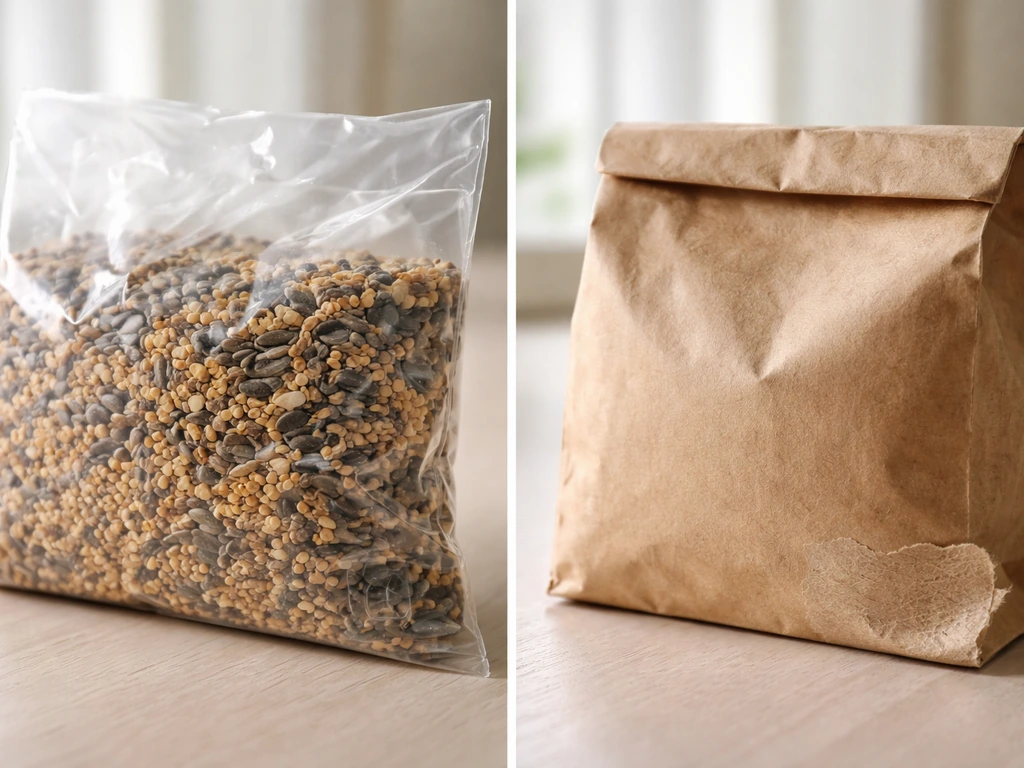
How to tell what your bag is made of
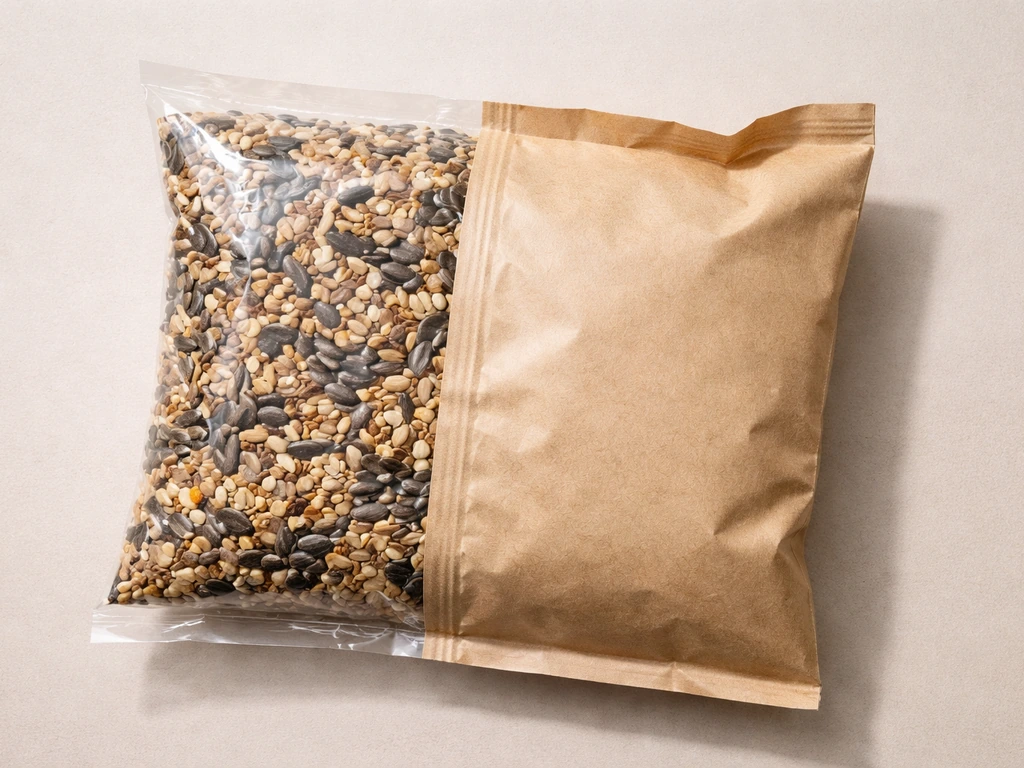
Before you do anything, spend ten seconds identifying the material. The handling rules are completely different depending on whether your bag is plastic film, rigid plastic, or paper.
The crinkle test
Scrunch a corner of the bag in your hand. If it crinkles, feels soft and flexible, and holds a crumpled shape, it's plastic film. That's the most common type for bird seed bags in the 5 to 50 pound range. It won't snap or hold a rigid form. If it does feel stiff and rigid, you might have a harder plastic container, but that's rare for seed bags.
Check the recycling label
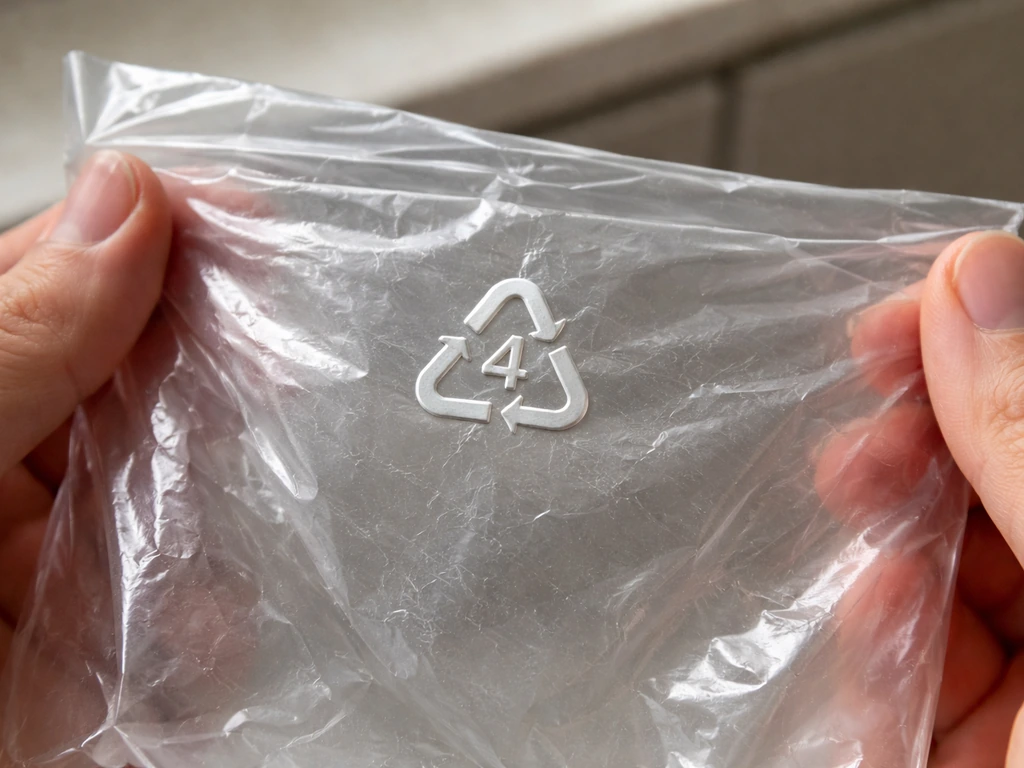
Flip the bag over and look for a recycling symbol with a number inside. For plastic film, you're typically looking for a blank" rel="noopener noreferrer">#2 (HDPE) or #4 (LDPE) label. Hennepin County notes that plastic #4 (LDPE) is commonly found as plastic film and that plastic bags and film are accepted for recycling in drop-off containers rather than curbside blank" rel="noopener noreferrer">#2 (HDPE) or #4 (LDPE) label. Either of those could make the bag eligible for store drop-off film recycling, not curbside. If you see a How2Recycle label on the bag, it will say one of three things: "Store Drop-off," "Curbside Recyclable," or "Not Yet Recyclable." Follow that label exactly. A generic chasing-arrows recycling symbol with no number or category does not mean the bag is curbside recyclable.
Paper vs plastic: a quick comparison
| Feature | Plastic Film Bag | Paper/Kraft Bag |
|---|---|---|
| Feel | Soft, crinkly, flexible | Stiff, fibrous, tears like paper |
| Common recycling label | #2 or #4 plastic | Cardboard/paper symbol |
| Curbside recycling | Almost never accepted | Usually accepted if clean and dry |
| Store drop-off eligible | Yes, if clean and dry (#2 or #4) | No (not needed; goes curbside) |
| Typical bird seed bag type | Very common (most brands) | Less common, smaller bags |
If your bag is paper or kraft-style cardboard, empty it fully, make sure it's dry, and put it in your curbside recycling or paper recycling bin. Wet or seed-contaminated paper bags should go in the trash or compost, not recycling. If you also want to know whether you can compost bird seed, focus on whether the seed is uncontaminated and how wet it is can you compost bird seed.
What to do if your local program accepts plastic film
A small number of municipal programs do accept plastic bags and film at the curb, and a few more have dedicated drop-off containers at transfer stations or eco-parks. If yours is one of them, here's the process to follow.
- Empty the bag completely. Shake out every last seed, including the fine dust and hull debris at the bottom.
- Wipe or brush out any remaining residue. Seed oil and moisture create contamination that can disqualify the whole load.
- Make sure the bag is fully dry before you drop it off. Wet film is rejected.
- Remove any paper labels, twist ties, or hard plastic closures if they're not attached (check your program's rules on this).
- Confirm your program actually accepts multi-layer or printed plastic film. Some counties with general film drop-off programs still exclude bags that have metallic layers or complex lamination.
The "empty, clean, and dry" rule is non-negotiable here. Even when the material type is technically eligible, seed residue inside the bag can contaminate other recyclables and get the whole batch rejected.
If recycling isn't an option: disposal and cleanup
For most people in most places, the plastic bird seed bag is going in the trash. That's not a failure. It's the correct call, and it's what programs like Cuyahoga County's recycling program explicitly say to do with bird seed bags. Here's how to handle it cleanly.
Emptying the bag without creating a mess
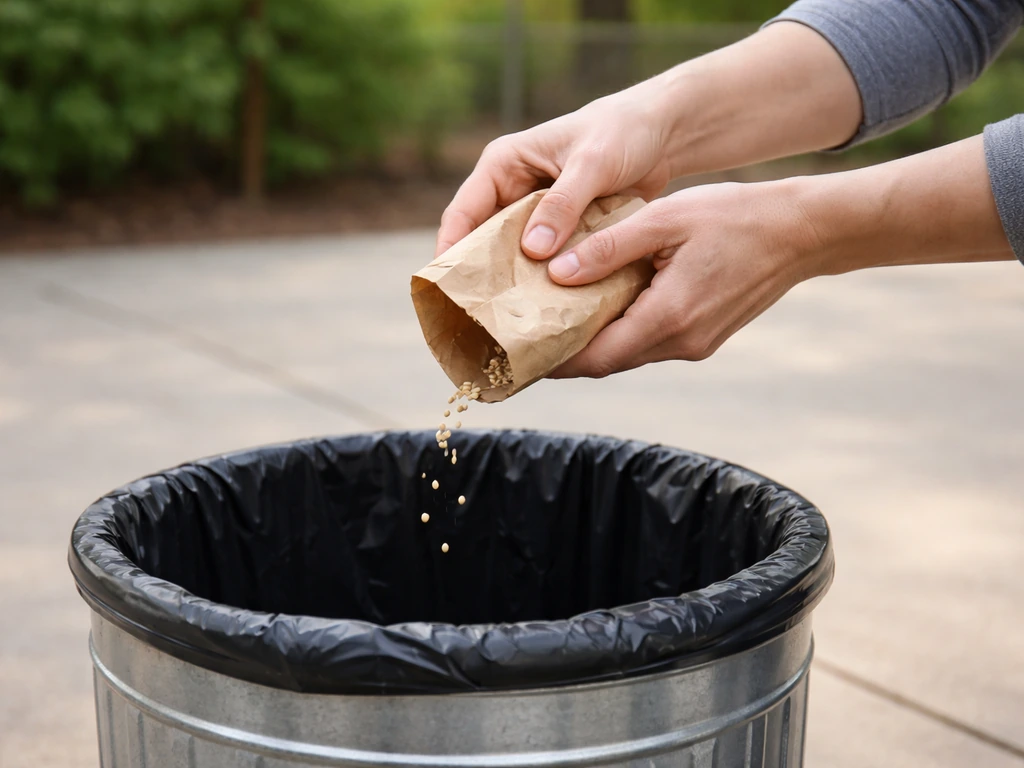
- Shake residual seed into your feeder or a sealed storage container before tossing the bag.
- Do this outdoors or over a trash can to avoid spilling seed on the floor where it attracts pests.
- If seed dust or fine debris is stuck to the interior, fold the bag inward (sealing the residue inside) before tying it off and tossing it.
- Don't leave an open, partially empty bag sitting outside or near a trash can. Squirrels and rodents will find it fast.
Dealing with bags that had wet or moldy seed
If the seed in the bag got wet and moldy, treat the bag as a hygiene issue, not just a recycling question. Seal the bag inside a second trash bag, tie it off, and put it directly in a covered outdoor trash bin. Don't shake moldy seed out loosely or leave the bag open. Mold spores can spread, and the material is definitely not recyclable at that point. This is the same approach recommended for other moldy materials: bag it, tie it, and keep it sealed until pickup.
Cleaning your trash bin afterward
Seed dust, oils, and hull debris left in a trash or recycling bin attract pests quickly, especially in warm weather. To reduce pest problems, remove as many hulls and seed bits as you can before using or disposing of the bag. If you've been storing bags in a bin or the seed leaked, rinse the bin with a dilute bleach solution (roughly 1 tablespoon of bleach per gallon of water), let it dry fully in the sun before the next use, and make sure the lid seals tightly.
Hygiene tips when handling bird seed bags
Bird seed and the bags that hold it pick up dust, husks, mold spores, and occasionally bird droppings if bags have been stored near feeders or in open sheds. Keeping things clean is as much about household hygiene as it is about recycling correctly.
- Wash your hands after handling bird seed bags, especially before touching food or your face.
- Wear gloves if you're dealing with a bag that looks or smells moldy.
- Store unused bags or partially used bags in a cool, dry place, sealed at the top, to prevent moisture getting in and mold developing.
- Keep seed bags off the ground in your storage area. Bags sitting on concrete absorb moisture from below.
- If you transfer seed to a storage container (a good habit for pest prevention), clean the container between refills to avoid residue buildup.
Seed residue inside a bag, even a small amount, can start to ferment or grow mold if the bag is left sealed in a warm area before trash day. That's another reason to empty and fold the bag soon after the seed is used up rather than letting it sit.
How to check your local rules and fix common confusion
Where to look up your specific program
Rules vary more than you'd expect from one county to the next. The fastest way to get a clear answer is to search for your city or county name plus "recycling guide" or "what goes in my bin." Most municipal programs have a material lookup tool or a printable A-to-Z list. Search for "plastic bags," "plastic film," or "flexible plastic" and see what it says. If your program has a dedicated drop-off site for film, it may be listed under "eco-park," "special materials," or "household hazardous waste" pages. You can also use Earth911 (earth911.com) to find nearby store drop-off locations for plastic film, or ask your local grocery or hardware store whether they have a film recycling bin near the entrance.
Common points of confusion
- "It has a recycling symbol, so it's recyclable curbside." Not necessarily. A chasing-arrows symbol just means the material is technically recyclable somewhere, not that your curbside program accepts it. A How2Recycle label with specific instructions is far more useful than a generic symbol.
- "It's #2 or #4 plastic, so it goes in my bin." Only if it's a rigid container, not a film or flexible bag. Plastic film with #2 or #4 is routed to store drop-off programs, not curbside bins.
- "Bird seed bags must be recyclable since they're just plastic bags." Programs like Cuyahoga County's explicitly call out bird seed bags as not accepted in curbside recycling. The seed residue makes them harder to clean, and many are multi-layer laminated bags that aren't eligible even for store drop-off.
- "Putting it in the recycling bin won't hurt anything." It can. Plastic film and flexible plastic bags tangle conveyor belts and sorting equipment at materials recovery facilities, causing equipment shutdowns. It also contaminates loads of otherwise good recyclables.
- "The bag is mostly empty so it's fine." Even a thin coating of seed oil or dust counts as contamination. Empty fully and check that it's dry before any drop-off attempt.
Store drop-off: what to expect
Many grocery stores, hardware stores, and big-box retailers keep a plastic film recycling bin near the front entrance. These accept clean, dry polyethylene film: things like bread bags, produce bags, dry cleaning bags, and some flexible plastic packaging. Your bird seed bag may qualify if it's #2 or #4 plastic, clean, dry, and not a multi-layer metallic laminate. If you want to know how to open a bird seed bag and get it ready for the right recycling option, follow the material and label checks in the guide store drop-off film recycling, not curbside. When in doubt, look for a How2Recycle "Store Drop-off" label on the bag or check the retailer's accepted materials list posted near the bin. If the bag has any seed residue or smells, it's not ready for drop-off yet.
One last thing worth keeping in mind: if you're composting leftover seed that didn't get used up, that's a separate disposal path for the seed itself, but the bag still needs to be handled through trash or a film recycling program. And if you regularly buy seed in bulk, switching to a brand that uses paper bags, or transferring to a reusable airtight storage container and buying in larger quantities, cuts down on how often you're dealing with this question.
FAQ
What if my bird seed bag has a recycling number, but it does not say “store drop-off” on the label?
If the bag only shows a generic chasing-arrows symbol or a number without an instruction category, it usually is not meant for curbside recycling. For plastic film, you generally need an explicit “Store Drop-off” (often via How2Recycle) or the retailer’s posted accepted-materials list to rely on drop-off. If you cannot find that wording, treat it as trash.
Can I cut or empty a plastic bird seed bag and then put just part of it in curbside recycling?
Usually no. Curbside programs that reject flexible plastic film are rejecting the material type and the whole contamination risk from seed residue, not just the bag as a whole. If your area bans flexible plastic curbside, cutting it up typically does not change that, because it can still tangle machinery and spread residue across loads.
How clean does the bag need to be for store drop-off recycling?
Clean and dry is the threshold, and “dry” matters as much as “clean.” Even a thin layer of seed dust can leave oils and hull debris, and moisture can carry mold spores. The safest approach is to empty fully, shake out debris outside, wipe if needed, then let the bag dry completely before drop-off.
What should I do if the bag is paper but has wet seed stuck to it?
If the paper is wet, seed-contaminated, or smells moldy, it should not go in paper recycling. Wet paper can break down and contaminate other paper streams. Put it in the trash, or compost only if the seed is uncontaminated and the material is appropriate for your compost system.
My local program has a material lookup tool. What should I search for to find the right rule for bird seed bags?
Search using the terms the program uses for flexible packaging, such as “plastic film,” “flexible plastic,” or “plastic bags,” and then confirm whether there is a separate category for store drop-off. Also check for “special materials” or “eco-park” rules, since film drop-off locations are often listed there rather than under curbside recycling.
Can I rinse a plastic bird seed bag and then recycle it?
Rinsing does not reliably solve the eligibility problem because the key issues are flexible-film acceptance and contamination. In many places, a plastic film bag will still be rejected even if it looks cleaner. If your program requires “clean and dry,” rinsing may also leave it damp longer, increasing the chance you miss the drying requirement.
What if my bird seed bag is a rigid plastic tub instead of a flexible bag?
Rigid containers are handled differently from plastic film. If it is a hard plastic container, check for a recycling symbol with a number and then confirm curbside acceptance in your area. Many rigid plastics have separate rules and are more often eligible than flexible film, but you still must remove residue and keep the item dry for best results.
Is it okay to recycle the bag if I compost the seed?
Composting the seed does not automatically make the bag recyclable. The bag still needs to go through the correct disposal path for its material type, which is usually trash for plastic film bags and curbside recycling for clean, dry paper bags. Treat the bag and the seed as two separate items.
What is the best way to prevent pests or mold when I am waiting to take the bag to the store drop-off?
Fold and seal the bag so residue does not spill, and store it in a covered, pest-resistant container if possible. Avoid keeping it in warm, humid areas until pickup, because seed residue can ferment or grow mold. If you notice wet or moldy seed, seal it inside a second trash bag and put it directly into covered outdoor trash.
Does the brand or whether the bag is “bio-based” change recyclability for plastic seed bags?
Not necessarily. Even if a bag is marketed as plant-based or bio-based, curbside acceptance still depends on whether your local program accepts that specific film type and contamination level. Look for an explicit “Store Drop-off” instruction and confirm the accepted-materials list for the film bin, rather than relying on marketing claims.