Yes, you can compost most bird seed, but the method matters a lot. Plain, dry seed with no chemical treatments goes into a hot compost pile just fine. The trouble starts when seed is moldy, soaked in droppings, or mixed with treated grain, and when you use a cold, slow pile that never gets hot enough to kill pathogens or weed seeds. Get those two things right and composting bird seed is a clean, genuinely useful way to deal with leftovers, spilled seed, and feeder cleanouts.
Can You Compost Bird Seed Safely? Do and Don’t Tips
Maya Collins
27 May 2026
What's actually in bird seed (and why it matters for compost)
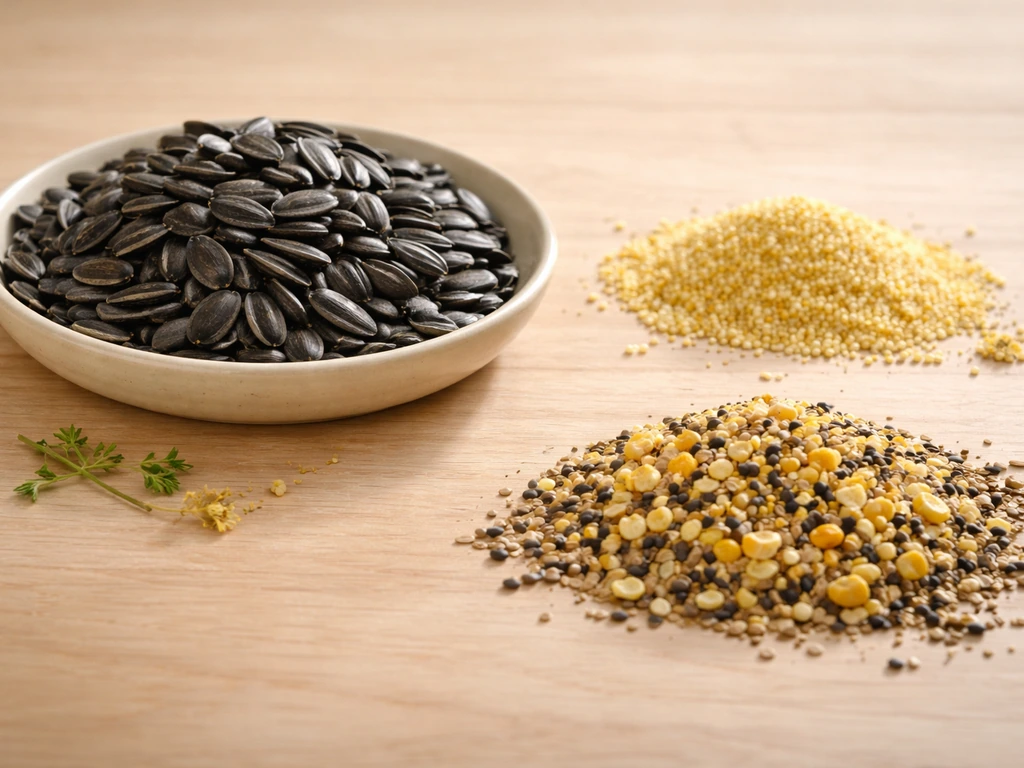
Most commercial bird seed mixes contain a handful of ingredients that behave very differently once they hit a compost pile. Knowing what you're working with helps you decide how to handle it.
| Ingredient | Compostable? | Key concern |
|---|---|---|
| Black oil sunflower seeds | Yes | Hulls decompose slowly; viable seeds can sprout |
| Millet (white/red proso) | Yes | Fast to break down; can sprout if not hot composted |
| Cracked corn | Yes | Breaks down well; high moisture can cause odor |
| Safflower seeds | Yes | Similar to sunflower; slow hull breakdown |
| Nyjer/thistle seed | Yes, with caution | Can be an invasive weed if seeds remain viable |
| Whole peanuts or peanut pieces | Yes | High fat content; attracts rodents, use sparingly |
| Sunflower hulls (shells only) | Yes | Very slow to break down; best chopped or mixed |
| Milo/sorghum | Yes | Can harbor mold; check before adding |
| Treated/coated seed | No | Fungicides or pesticide coatings; do not compost |
The biggest practical issue is viable seeds. Many seeds in a typical backyard mix are still capable of germinating, which means a slow, cold pile can turn into a weed nursery. Sunflower, millet, and nyjer are the main offenders. High-fat ingredients like peanuts and whole sunflower seeds also attract rodents if the pile doesn't heat up fast enough to break them down. Hulls and shells are carbon-rich but can take a very long time to fully decompose unless they're mixed well into the pile.
The real risks: mold, sprouting, weed seeds, and contamination
Mold
Moldy bird seed is the most common thing people want to compost, and it's also the thing that needs the most care. Mold spores in seed can include Aspergillus and other fungi that pose respiratory risks when disturbed. If you're handling visibly moldy seed, wear a mask and gloves. Moldy seed is compostable in a hot pile because the high temperature kills most fungal spores, but you don't want to breathe the dust while you're moving it. For guidance on what to actually do with seed that has gone moldy, there's a full breakdown covering moldy seed specifically.
Sprouting
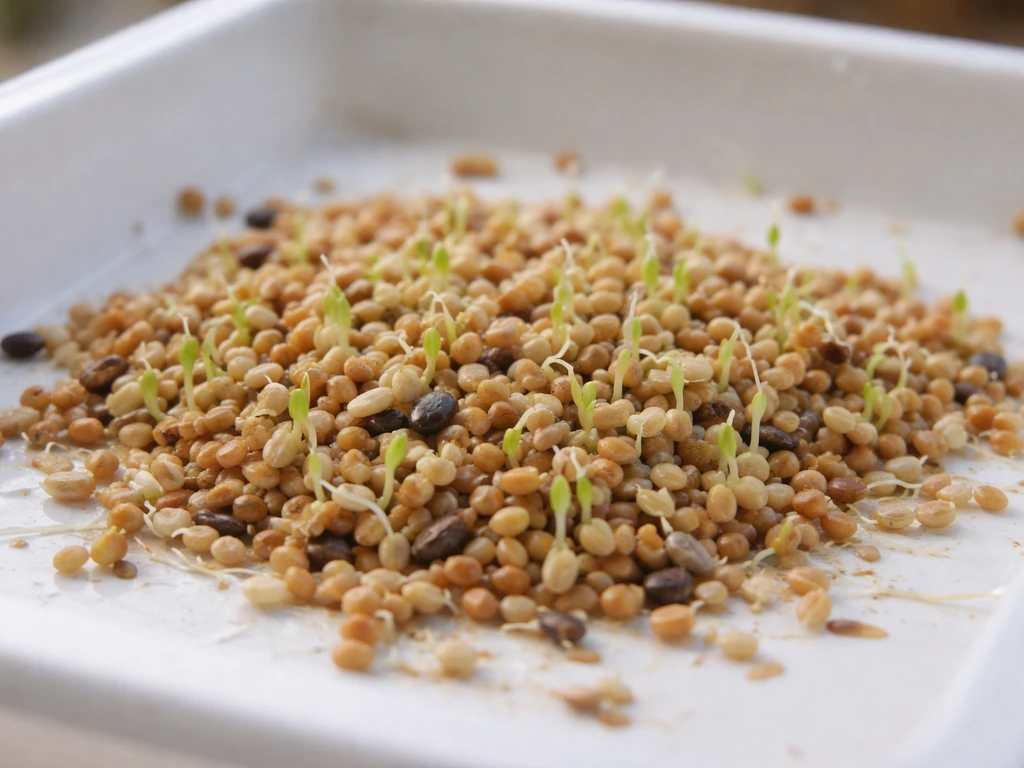
Seed that has already started sprouting is actually easier to compost than dry whole seed because germination has already broken down some of the seed coat. The real problem is seed that hasn't sprouted yet but could. Cold compost piles don't get hot enough to kill that germination potential, so you can end up with sunflower plants, millet, or thistle growing right out of finished compost you spread in your garden. Hot composting at 140°F or above takes care of this.
Weed seeds
Nyjer (thistle) seed deserves a special mention. It's typically sterilized during processing, so most commercial nyjer is fine. But millet, milo, and other small grains in cheap mixed seed can absolutely sprout. If you've ever had a weedy patch under a feeder, you've already seen this in action. NC State Extension is clear that a properly managed hot compost pile needs to reach about 140°F to reliably kill most weed seeds. Below that temperature, you're gambling.
Droppings and contamination
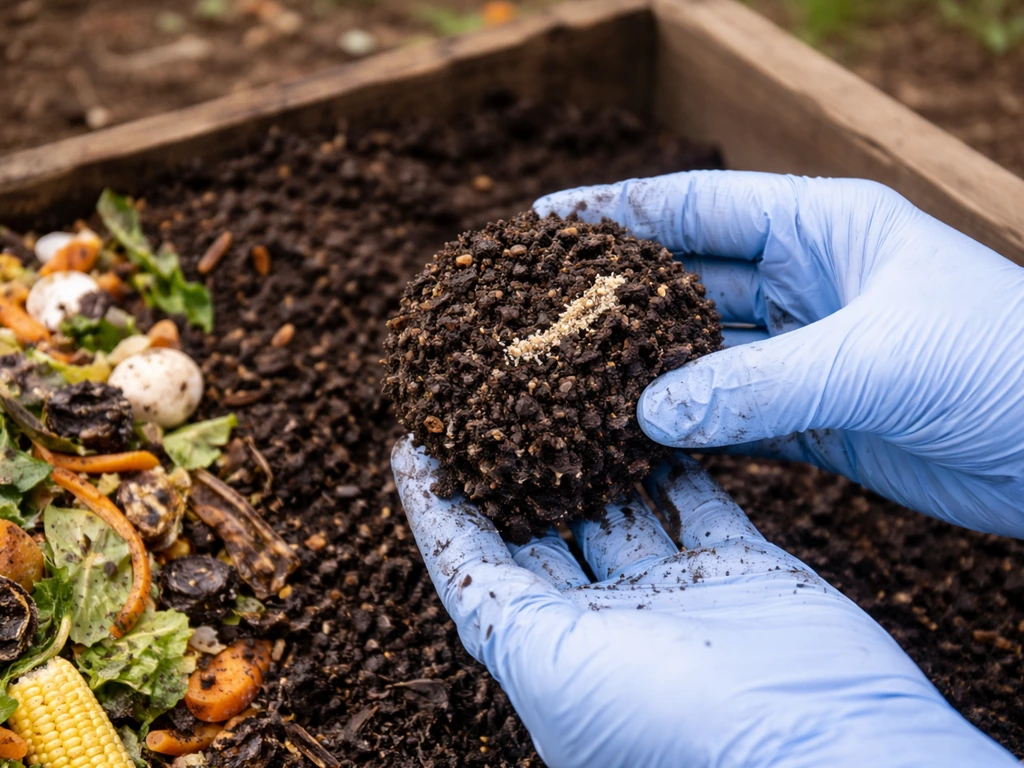
Seed mixed with bird droppings, insect frass, or rodent activity is the riskiest category. Bird droppings can carry Salmonella, Campylobacter, and other pathogens. The CDC recommends washing hands after touching birds, their droppings, or anything contaminated with them. The Illinois Department of Public Health also flags health hazards from bird droppings specifically. If the seed is heavily contaminated with droppings, hot composting is the safest route, but you need to be confident your pile is genuinely hitting temperature, not just feeling warm on the outside.
Treated seed: never compost this
The National Pesticide Information Center is explicit: do not compost treated seed. Treated seeds are coated with fungicides or pesticides (often dyed bright colors like pink, red, or blue) and are intended for planting, not feeding. If you've accidentally purchased treated grain or have leftover planting seed, it goes in the trash, not the compost pile. The chemicals don't break down harmlessly and can persist in finished compost.
Hot compost vs. cold compost: which one to use
This is the single most important decision you'll make when composting bird seed. Hot and cold composting are not equally safe for this material.
| Method | Temperature range | Kills weed seeds? | Kills pathogens? | Best for bird seed? |
|---|---|---|---|---|
| Hot compost (active turning) | 113°F–160°F, ideally 140°F+ | Yes, at 140°F+ | Yes, at 131°F+ | Yes, recommended |
| Compost tumbler | Can reach 140°F+ if managed well | Yes, if temperature is maintained | Yes, if temperature is maintained | Yes, good option for small batches |
| Cold/slow compost (passive) | Ambient to ~80°F | No | No | Not recommended for bird seed with droppings or weed seeds |
Hot composting works by building a pile large enough (typically at least 3 feet by 3 feet) to generate and hold internal heat. The Arizona DEQ's composting guidance puts the effective range at 113°F to 160°F, with parasite eggs potentially surviving up to around 135°F for several days, so you really want to sustain temperatures above that. UC IPM recommends hitting around 160°F and turning every one to two days for the most thorough pathogen control. Utah State University Extension adds an important practical note: turn the pile through at least two full heat cycles so material on the outside edges also experiences lethal temperatures, not just the hot core.
A compost tumbler is a solid option for smaller quantities of bird seed. It's enclosed, which reduces rodent access, and if you manage moisture and aeration properly it can reach the temperatures you need. Cold composting, by contrast, simply never gets hot enough. University of Nevada–Reno Extension is blunt about this: slow, cool composting is far less effective at killing weed seeds and pathogens than active methods. If cold compost is all you have and the seed is clean and dry (no droppings, no heavy mold), it's still better than nothing, but expect some sprouting and much slower breakdown.
How to prep and compost bird seed safely: step by step
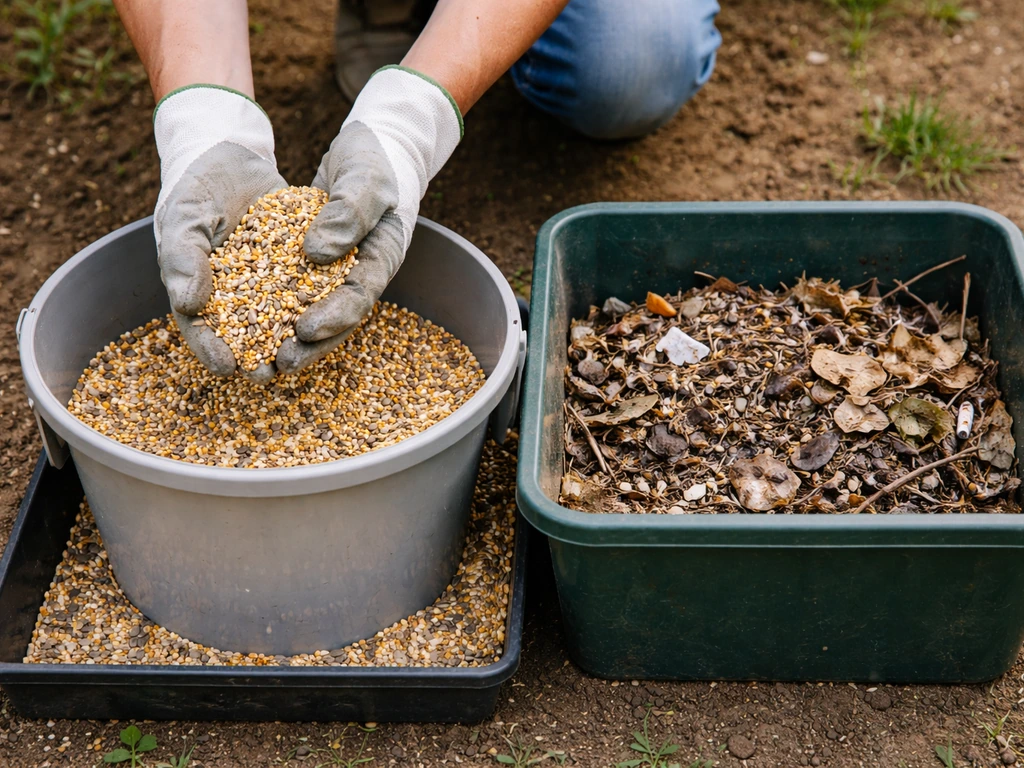
- Put on gloves before handling seed from feeders, trays, or ground cleanup. If the seed is visibly moldy, add a dust mask.
- Sort out non-compostables. Remove any treated seed (brightly colored), plastic mesh bags, zip ties, or other debris. Do not add these to your pile.
- Check for rodent activity or heavy insect infestation. Seed with rodent droppings or signs of pest activity (frass, webbing) should go into a sealed bag for trash rather than compost unless you have a reliable hot pile.
- Chop or crush seed lightly if you have large quantities of hulls, whole sunflower seeds, or peanuts. This speeds breakdown and reduces rodent attraction.
- Layer seed into the pile using the carbon-to-nitrogen ratio as your guide. Bird seed is mostly carbon. Mix it with nitrogen-rich material (grass clippings, vegetable scraps, coffee grounds) at roughly a 3:1 carbon-to-nitrogen ratio by volume to keep the pile active.
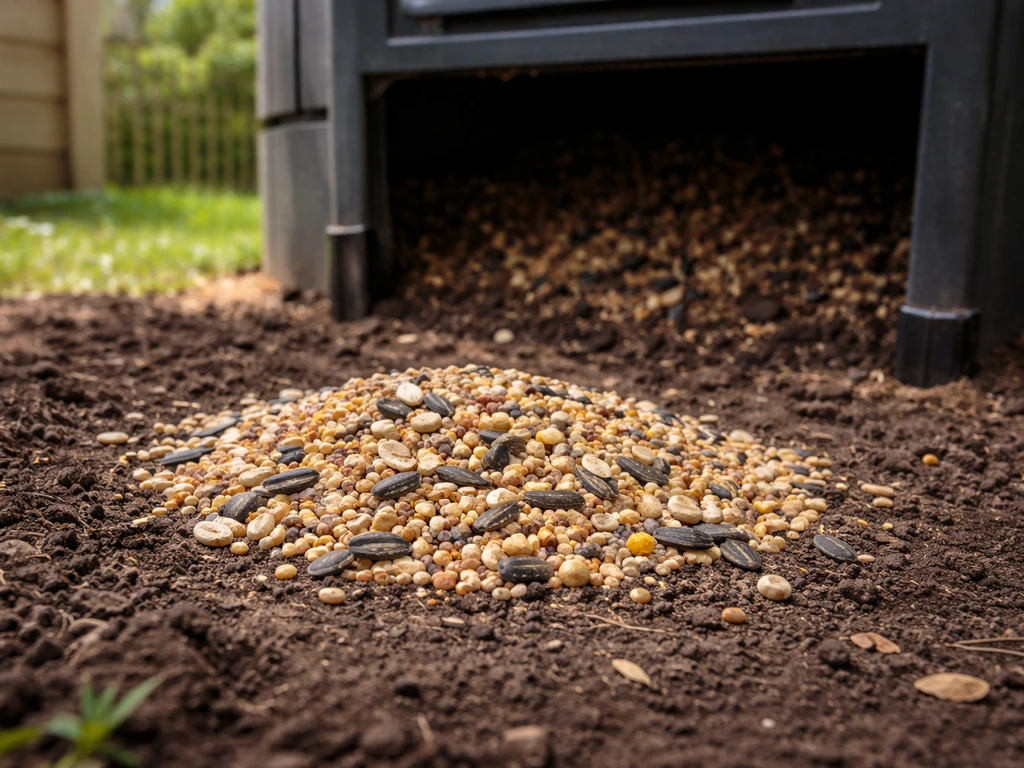
- Bury seed in the center of the pile, at least 12 inches from the outer surface. The center is the hottest zone and burying prevents easy access by rodents and birds.
- Check the internal temperature with a compost thermometer 24 to 48 hours after adding seed. You're aiming for 140°F to 160°F in the core.
- Turn the pile every one to two days while temperatures are above 140°F, folding outside material into the center. Do this for at least two full heat cycles (meaning material that was on the edge gets into the hot core).
- Once temperatures stabilize below 110°F and stop rising after turning, the active phase is done. Let the pile cure for four to six weeks before using the finished compost.
- Wash hands with soap and water after every session, even if you wore gloves.
Troubleshooting common problems
The pile smells bad
A sour or ammonia smell usually means the pile is too wet, too compact, or has too much nitrogen relative to carbon. Bird seed adds carbon, so if you're getting a bad smell it's often because the seed was wet when you added it, or there's too much green material in the mix. Fix: turn the pile to aerate it, add dry brown material (shredded cardboard, dried leaves, paper) to balance moisture, and spread the seed out rather than dumping it in one dense layer.
Rodents or birds are getting into the pile
This almost always means seed wasn't buried deeply enough, or the pile has high-fat content (peanuts, whole sunflower) sitting near the surface. West Virginia University Extension specifically recommends removing spilled seed from the ground to prevent attracting pests, and the same logic applies to your compost pile. Fix: always bury seed in the core, not on top. Consider switching to a covered tumbler if you have persistent rodent pressure. Avoid adding large quantities of peanuts or oily seeds to open bins.
Seeds are sprouting in or near the pile
This is the clearest sign your pile isn't getting hot enough. If you see millet, sunflower, or corn seedlings pushing up from the pile, the core temperature hasn't reached 140°F. Fix: rebuild the pile to at least 3x3x3 feet, add more nitrogen-rich material to fuel heating, and monitor with a thermometer. If the pile is too small to heat up, use a tumbler or consider the disposal alternatives below.
Hulls and shells aren't breaking down
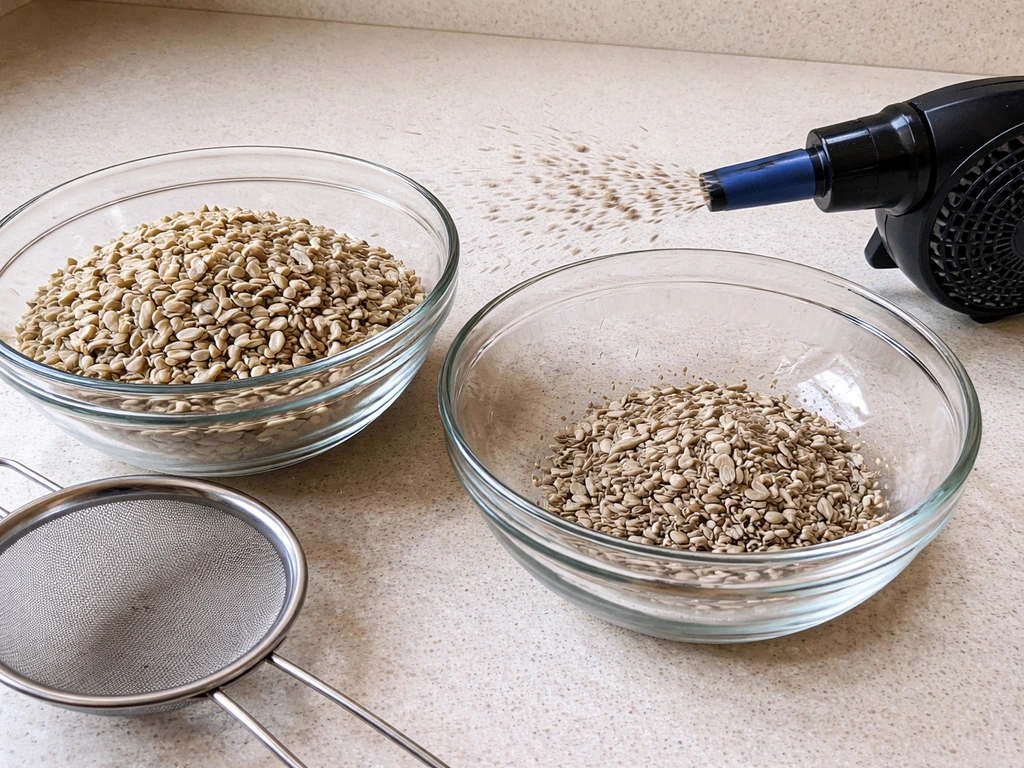
Sunflower hulls and hard seed coats can linger in finished compost as recognizable fragments. They're not harmful, but they're annoying. Prevention is easier than cure: crush or chop seed before adding it, and mix hulls thoroughly into the pile rather than concentrating them in one spot. If you have a batch of mostly-hull material (common after feeder cleanouts), screen it through half-inch hardware cloth before use or give it another few months to cure. If your main goal is seed prep, you can also learn how to remove hulls from bird seed before composting so the remaining seed breaks down more reliably.
Pile isn't breaking down at all
A pile that just sits there usually lacks moisture, nitrogen, or both. Dry bird seed is carbon-rich but low in nitrogen, so without green material or water it won't decompose quickly. Fix: add water until the pile feels like a wrung-out sponge, mix in nitrogen sources (vegetable scraps, fresh grass clippings), and turn to introduce oxygen. The EPA recommends regular turning specifically to aerate the pile and speed decomposition.
When you shouldn't compost bird seed (and what to do instead)
Some seed should go straight to the trash, no debate. Specifically: Some bird seed bags are treated or contain ingredients that are better handled another way, so the safest approach depends on what’s on the label before you decide how to open and use the bag how to open bird seed bag.
- Treated seed with pesticide or fungicide coatings (often pink, blue, or red). Bag it and put it in the trash.
- Seed heavily contaminated with rodent droppings, urine, or signs of hantavirus-risk rodent activity. Wear gloves, seal it in a bag, and dispose of it in household trash. Do not stir up dust.
- Seed from a feeder where a sick bird was observed, especially if you're concerned about avian disease outbreaks in your area. Contact your local wildlife agency for guidance.
- Very large quantities of oily seed you can't bury deeply in a managed hot pile. This is more about practicality than safety.
If you have access to municipal composting or a drop-off program, check your local guidelines. Some cities list bird seed as acceptable for yard waste bins; others don't. Before you toss the seed bags, check whether they are recyclable in your area, since not all bag materials can be processed bird seed. The City of Red Wing, MN's composting guidance, for example, specifically calls out seeds as items to manage carefully rather than add automatically. Municipal hot composting operations run at much higher temperatures than home piles, so they can handle material that home composters can't.
For seed that's merely old, stale, or no longer attractive to birds but otherwise clean and dry, scattering it on bare ground in a low-traffic area away from the house is another option. Ground-feeding birds and squirrels will often clean it up. This works for small amounts of clean seed but isn't appropriate for moldy, wet, or contaminated material.
Staying clean and keeping pests out
Hygiene during and after handling bird seed and feeder waste is worth taking seriously. The CDC recommends washing hands after any contact with birds, their droppings, or items from their environment. Use disposable gloves when handling feeder cleanout material, and wash your hands with soap and water afterward even if you wore gloves. Keep seed waste out of your home, garage, and car. Transfer it directly to the compost pile or a sealed bag without passing through the house.
To keep your compost pile from becoming a pest magnet, a few habits make a real difference. Always bury seed in the center of the pile. Never leave seed sitting on top overnight. Keep the pile moist but not wet (wet material compacts and loses airflow, which slows heating and creates odor). If you're dealing with seed spilled on trays or the ground under feeders, clean it up promptly rather than letting it accumulate. The same advice from West Virginia University about feeder hygiene applies directly to composting: buildup of old seed on the ground creates conditions that attract exactly the pests you're trying to avoid.
If you're also dealing with seed bags, hulls, or other waste-handling tasks alongside composting, keep in mind that hulls from feeder cleanouts are among the slowest items to break down in any pile, and sprouted seed in your compost is closely related to the sprouting problem you might also see under feeders. Staying on top of regular feeder and tray cleanouts makes composting each batch easier because you're dealing with smaller amounts at a time rather than one large, mixed, problem load.
FAQ
Can I compost bird seed if it fell under a feeder?
Yes, but only if the seed itself is clean and untreated. If it was spilled under a feeder and likely picked up droppings, you should treat it like contaminated seed, use a truly hot pile, or discard it. Also, avoid composting seed that has been sitting wet, since soaking makes mold and odor more likely.
How can I tell if my compost is safe, or will it still grow weeds?
Finished compost is most reliable when it has no visible sprouting after a couple of weeks and when you know the pile reached the lethal temperature range during its active phase. If you cannot confirm heating (no thermometer, no turns, too small a pile), assume viable seeds may survive and either keep the compost for non-food landscaping or discard it for safety.
What if my compost bin is smaller than 3 feet by 3 feet?
You can, but it usually defeats the main safety goal. A pile that never heats above the lethal range is the main reason bird seed becomes a weed nursery and pathogen risk. If you must compost in a small bin, use a tumbler or rebuild the pile to reach and maintain internal heat, with frequent turning.
Can I compost seed from a bag if I am not sure whether it is treated?
If the seed is dry and you are not sure it is treated, check the bag label and look for dyed colors (pink, red, blue, or other bright dyes), chemical names, or “treated for seed” language. If you find any treatment, discard the treated seed rather than composting, even if it looks old or unused.
Can I add a lot of bird seed at once, or should I add it in small batches?
Yes for clean, dry seed, but spread it out and bury it in the center so it does not sit in a damp pocket. Adding it in thin layers with plenty of dry carbon and turning reduces hotspots that can stay cool on the outside, which is where rodents and sprouting problems start.
What should I do with feeder cleanout when it is a mix of seed and droppings?
Do not add feeder waste that includes visible droppings, insects, or rodent activity if you cannot maintain a hot, properly managed pile. For mixed but mostly clean seed, a hot compost run is safer, while cold compost should be treated as higher risk for both pathogens and weed seeds.
My garden grew seedlings after using compost, what now?
If you get persistent sprouts from compost you spread, stop using that batch for planting beds and rebuild your next batch with heat monitoring. For existing plantings, pull seedlings early and improve future piles with larger size, more turning, correct moisture, and a thermometer so you can confirm peak temperatures.
Can you compost bird seed in winter or when temperatures are low?
Winter is workable if the pile stays active, but cold weather makes it harder to reach the temperature you need. Keep the pile insulated, maintain moisture like a wrung-out sponge, and rely on thermometer readings rather than feel. If you cannot get active heat during winter, divert the seed to trash or a municipal drop-off if allowed.
Should I screen the finished compost to remove hulls and leftover seed?
Yes, screening helps with hull fragments, but it does not solve the viable seed issue. Screen after curing if you want a cleaner-looking compost, but only use screened compost on ornamental areas unless you confirmed hot-compost conditions.
Can I compost bird seed in a tumbler and then use the compost around vegetables?
The safest approach is to compost only if you can confirm you have an active, hot pile. If you cannot confirm heating and you still want to use the material, the better option is to dispose of it or scatter small amounts on bare ground away from the house only when it is clean and dry. Avoid feeding sites for moldy, wet, or contaminated seed.
Next Article
How to Remove Hulls From Bird Seed at Home
Learn how to remove seed hulls at home using sorting, screens, and airflow to cut mess and waste while preventing mold