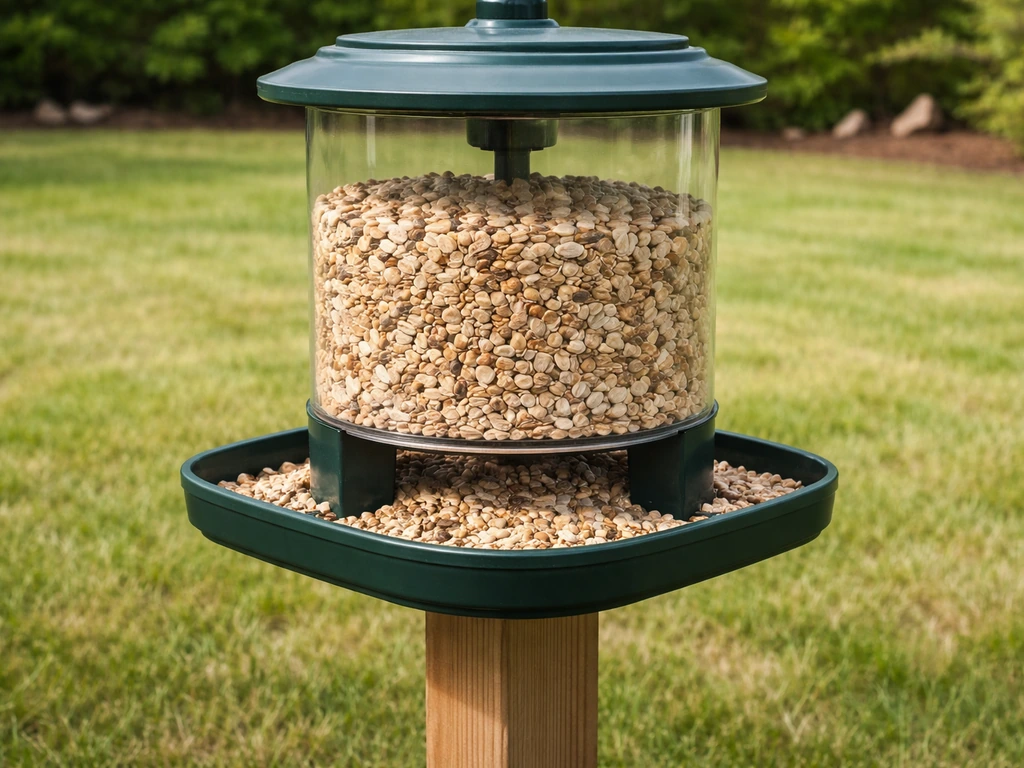
Most no-mess bird seed is designed to not sprout, and under normal dry feeder conditions it largely succeeds. The seeds have their shells removed, which strips away the seed coat that protects the embryo during germination. A hulled sunflower chip or a piece of shelled millet is basically pre-damaged from a germination standpoint. But here's the catch: if that seed gets wet and sits on soil long enough, some of it can still germinate, and the stuff that doesn't will mold fast. So the honest answer is: no-mess seed rarely grows under a feeder the way whole sunflower seeds do, but it isn't completely sprout-proof, and wet conditions change the equation quickly.
Does No Mess Bird Seed Grow? What to Expect and Do
Maya Collins
24 Jun 2026
What 'no-mess' bird seed actually means
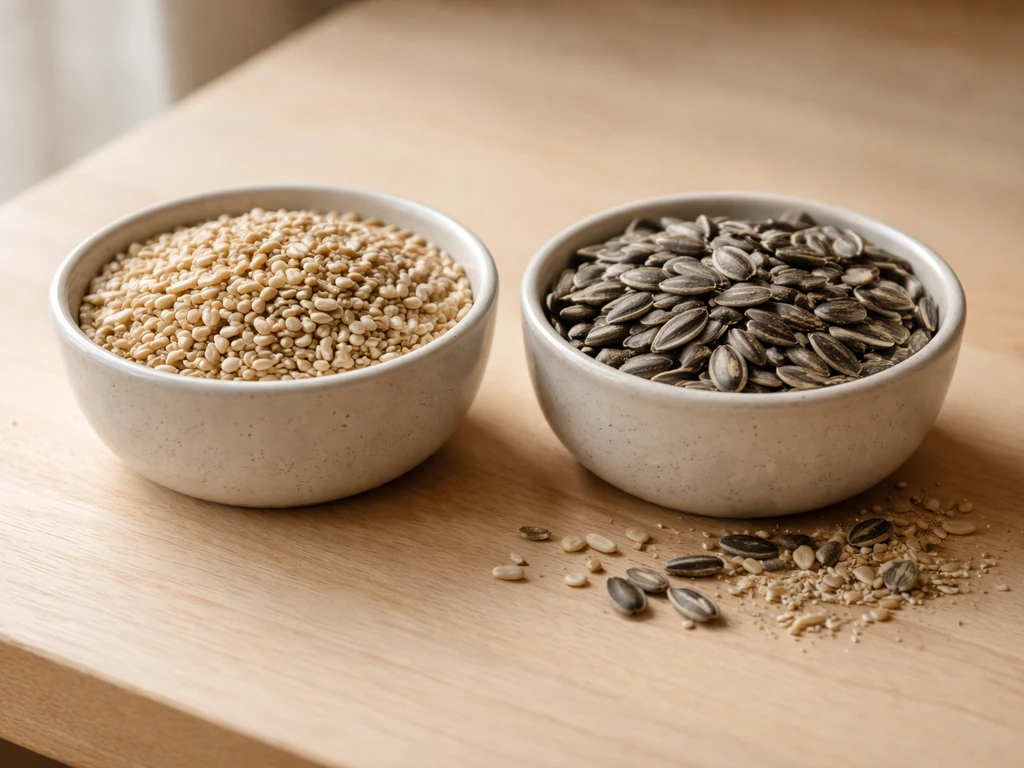
The term 'no-mess' is a marketing category more than a strict product standard, so the formulations vary. Most products in this category share one core feature: the seeds have their shells or hulls removed before packaging, so birds are eating only the meat of the seed. Wild Birds Unlimited's No-Mess Blend, for example, uses sunflower chips, hulled white millet, diced peanuts, and shelled peanuts.
Kaytee's Ultra No Mess Nut & Fruit Blend is marketed as '100% Edible' with hulled sunflower, peanuts, pistachios, cranberries, and dried cherries. Pennington's No Mess Blend takes a 'bits and chips' approach. Some products like Kaytee's Seed & Suet No Mess blend go further and bind ingredients into suet-style nuggets that leave almost nothing loose on the ground.
The practical result is that there are no shells piling up under your feeder, and the seed that does fall to the ground is small and compact. That's genuinely useful. But 'no shells' does not automatically mean 'won't sprout or mold.' That depends on moisture, temperature, and how long spilled seed sits.
Will no-mess bird seed actually germinate and grow?
Here's the germination science in plain terms. Seeds need three things to sprout: moisture, warmth, and a viable embryo. Removing the hull damages the seed's protective coat and often disrupts the embryo directly, which is why hulled seeds have much lower germination viability than whole seeds. That's the main reason no-mess blends resist sprouting. A shelled millet grain or a sunflower chip sitting in your feeder tray in dry weather is essentially a dead seed from a germination standpoint.
When moisture enters the picture, the story changes. Sunflower seeds can germinate at soil temperatures as low as 39°F, though 46 to 50°F is needed for reliable emergence. Millet prefers 68 to 86°F. If no-mess seed falls onto moist soil during warm weather and retains any viable embryo tissue, germination within 5 to 14 days is possible, though it's far less likely than with whole in-shell seed. More likely, wet hulled seed simply ferments and molds rather than sprouts. Either outcome is a problem you want to avoid. Ball Seed’s technical BMPs on pelleted seed note that pelleted/coated seeds can fail to germinate if coating or moisture conditions aren’t properly dialed in (https://www.ballseed.com/Literature/TechDocs/Document/1573/pelleted-seed-bmps) Pelleted seed: Best Management Practices (Ball Seed technical document).
The real-world takeaway: under a dry feeder in a typical backyard, no-mess seed will not produce a patch of sunflowers. If you want more real-world buying feedback, check no mess bird seed reviews before choosing a blend. But after several days of rain, or if seed sits in a wet tray or on damp soil, you may see scattered sprouts from any seed that retained a viable embryo, and you will almost certainly see mold on the rest.
How to prevent sprouting and mess before it starts
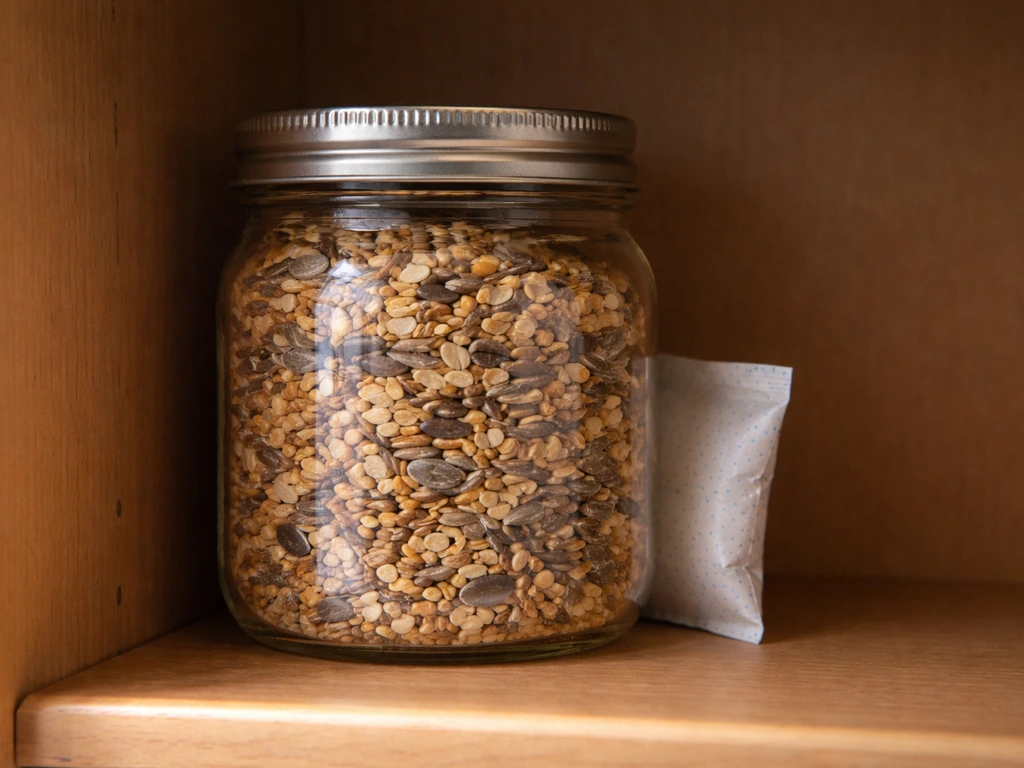
Store seed dry and airtight
Store no-mess seed in a sealed container in a cool, dry, dark location. If you are shopping for no mess bird seed best price, compare product options and read the storage and moisture notes so you can avoid sprouting and mold issues at the feeder no-mess seed. Moisture in storage is the first place things go wrong. A galvanized metal bin or a hard plastic container with a tight lid works well. Avoid storing it in a shed that gets humid, and never leave the original bag open between fills. Cornell recommends dark, dry, closed storage specifically to prevent spoilage before the seed even reaches the feeder.
Choose the right feeder design
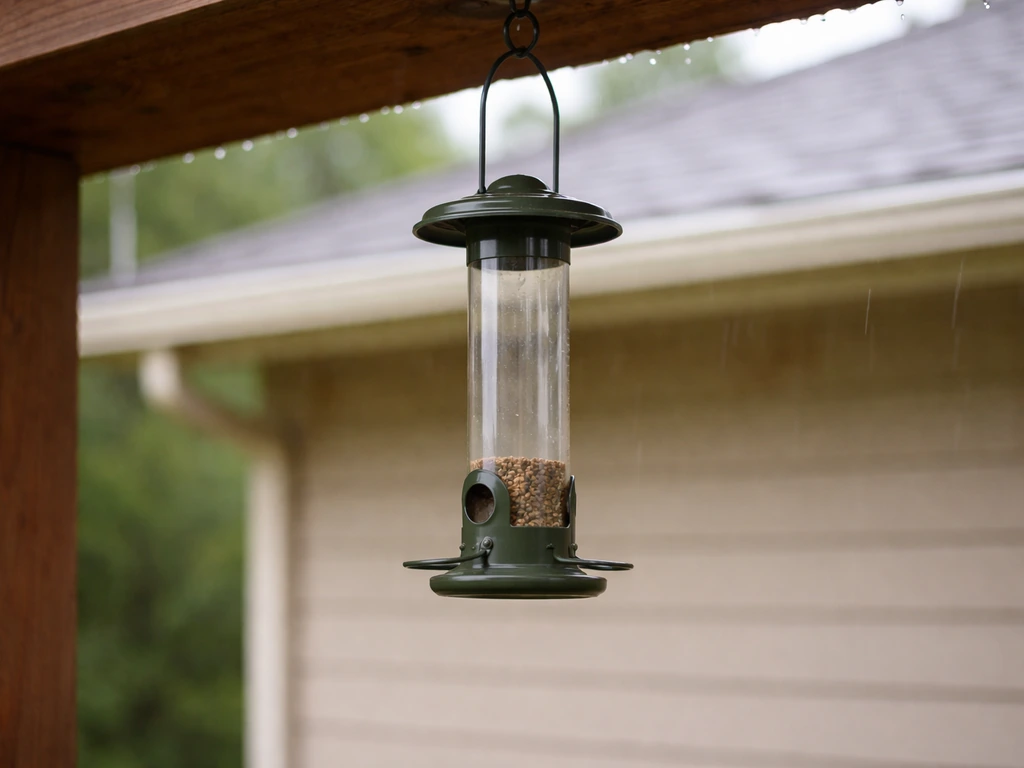
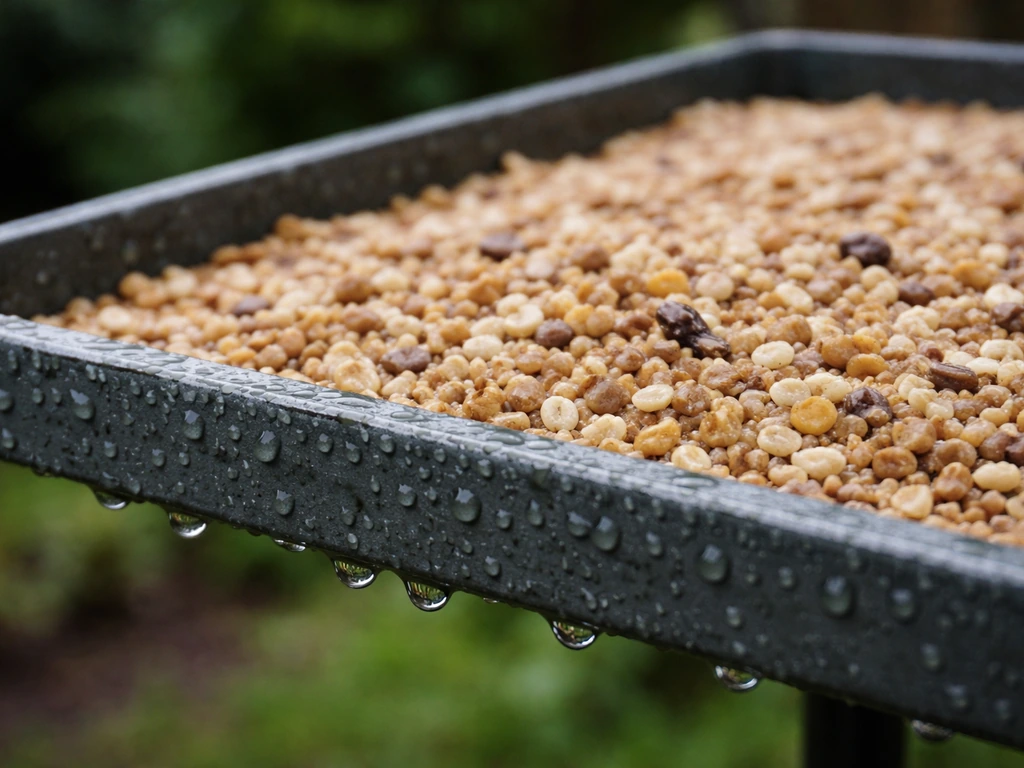
Feeder design makes a significant difference. Tube feeders and seed cylinder feeders limit how much seed is exposed at once, reducing the amount that can get rained on or knocked to the ground. Platform trays are the worst offenders because they collect water, feces, and seed all in the same space.
Wyoming Game and Fish also recommends applying a 1:9 bleach solution to all feeder equipment surfaces, noting that platform feeders collect more feces and water that can cause seed to become moldy [Platform trays are the worst offenders because they collect water, feces, and seed all in the same space. ](https://wgfd. wyo. gov/media/20089/download?
inline=). If you use a tray, make sure it has drainage holes and use a covered or baffled model during rainy months. A good rule of thumb is to hang the feeder under an overhang or with a baffle so less seed gets rained on covered or baffled model. Seed catcher trays mounted below tube feeders are useful but need to drain freely or they'll pool water and accelerate mold.
Limit how much seed you put out at once
Fill feeders only with as much seed as birds will eat in one to two days, especially during wet or humid weather. Stale, sitting seed is a mold and sprout risk even when it looks fine. This is more important with no-mess blends than with whole seed because the hulled seeds have less natural protection and break down faster once wet.
Protect ground below the feeder
Keep a 3 to 4 foot clear zone beneath your feeder where fallen seed can be swept or raked daily. Some people lay down a tarp, a layer of gravel, or pavers under the feeder to make cleanup fast and to prevent seed from having soil contact. Project FeederWatch recommends regular raking to prevent buildup of waste seed specifically to reduce mold and pest attraction.
If it does sprout or grow: cleanup steps
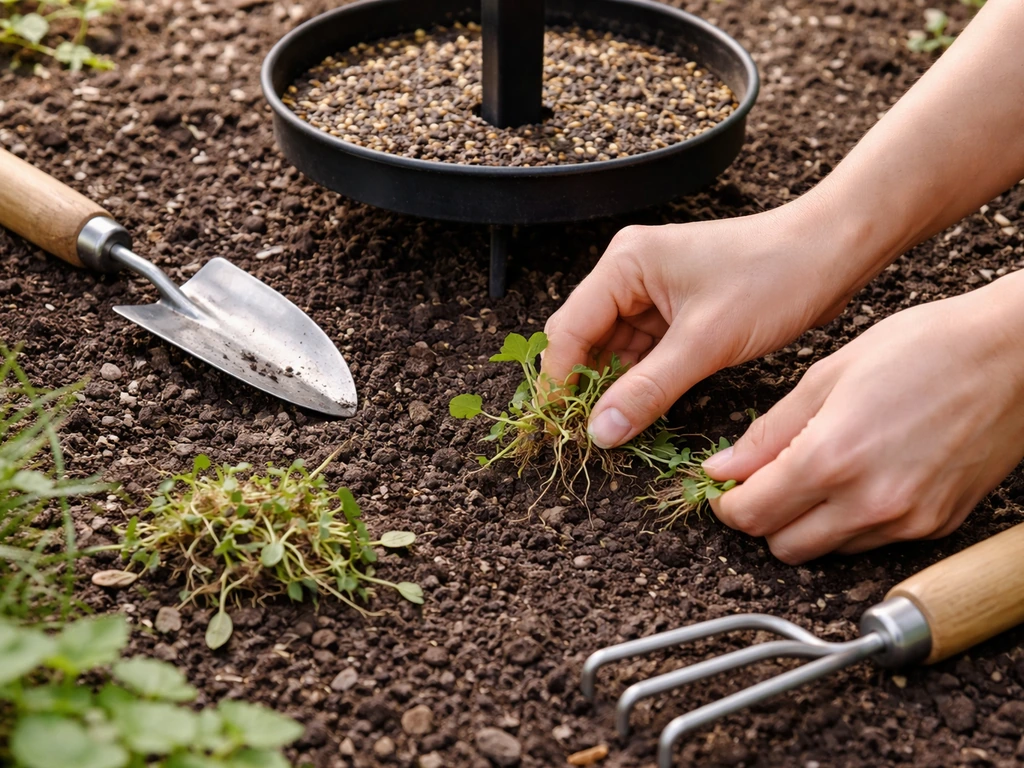
If you spot seedlings coming up under your feeder, act the same day. The longer sprouts are in the ground, the harder they are to remove cleanly.
- Pull or hoe the seedlings by hand while they're small. Most no-mess sprouts will have shallow roots and come out easily.
- Remove all wet or clumped seed in the immediate area, even if it hasn't sprouted. Wet hulled seed sitting on soil is a mold and fermentation risk.
- Bag the removed material and dispose of it in the trash, not compost. Wet bird seed in a compost pile can grow mold, attract rodents, and spread avian pathogens.
- Rake the area thoroughly to expose the soil to air and sunlight.
- If there's residue stuck to concrete, pavers, or a deck, scrub with a stiff brush and a diluted bleach solution (1 part bleach to 9 parts water), rinse thoroughly, and allow to dry completely before resuming feeding.
- Consider rotating the feeder location by a few feet if that spot has become a recurring problem, which Cornell recommends as a general soil-rest strategy.
Troubleshooting mold, fungus, pests, and bad smells
| Problem | Likely Cause | Fix | Prevention |
|---|---|---|---|
| Black or green mold in feeder tray | Wet seed sitting without drainage | Empty feeder, discard all seed, scrub with 1:9 bleach/water solution, dry fully | Add drainage holes; switch to tube feeder; reduce fill amount |
| Slimy or fermented-smelling seed | Seed got wet and started decomposing | Discard entire feeder load immediately; sanitize feeder | Fill less at a time; cover feeder during rain |
| White fuzzy growth on ground below feeder | Mold/fungal growth on wet spilled seed | Rake and bag all ground debris; apply diluted bleach to hard surfaces | Rake daily; use gravel or pavers under feeder |
| Rodents or squirrels under feeder | Spilled nut/peanut pieces attracting mammals | Clean up fallen seed nightly; use a pole-mounted feeder with baffles | Limit suet/nut no-mess blends if rodents are active |
| Clumped or caked seed in feeder tube | Humidity or rain moisture wicking into feeder | Remove all seed, wash tube with hot water and dish soap, dry 24 hours before refilling | Store seed airtight; keep feeder opening sheltered from direct rain |
| Strong ammonia or rotten odor | Accumulated wet seed plus bird droppings | Full disinfection with 1:9 bleach solution on all surfaces including under feeder | Clean feeder every 2 weeks; weekly in wet weather |
Mold is the more common problem with no-mess seed, not sprouting. Because hulled seeds lack protective coats, they decompose faster than whole seed when wet. Minnesota DNR notes that mold and bacteria can form on wet birdseed quickly, and that applies to no-mess formulations just as much as standard seed. The 1:9 bleach-to-water solution is the consistent recommendation across Cornell, Wyoming Game and Fish, and PetMD for disinfecting feeders and hard surfaces. Always rinse completely after using bleach, and let everything dry before adding fresh seed.
Which birds eat no-mess seed, and how does that affect mess and sprouting risk?
No-mess blends are genuinely popular with a wide range of feeder birds because the seed is already hulled and easy to eat. Chickadees, nuthatches, titmice, finches, sparrows, and juncos will all readily visit. Cardinals and larger birds like blue jays also go for sunflower chips and peanut pieces. Mourning doves will clean up fallen pieces from the ground, which actually helps reduce ground accumulation.
The trade-off is feeding behavior. Smaller birds like finches and sparrows tend to flick seed around while foraging, and the lightweight hulled pieces travel further than shelled seeds when tossed. Nut and peanut pieces in the mix also attract squirrels, chipmunks, and raccoons, which means more scatter and more ground mess even with a 'no-mess' label.
Some Wild Birds Unlimited regional seed blend pages also describe certain no-mess blends as squirrel-resistant and raccoon-resistant, though the exact claim can vary by blend and conditions Nut and peanut pieces in the mix also attract squirrels, chipmunks, and raccoons. If mammal activity is heavy at your feeder, a suet-style no-mess nugget product may actually reduce scatter more reliably than a loose no-mess blend, because the birds eat from the nugget directly with less flicking.
Woodpeckers and larger songbirds tend to be more stationary eaters and generate less scatter per visit. If you're dealing with a lot of ground mess despite using no-mess seed, the issue may be more about which species are feeding than about the seed itself. Switching feeder styles (a clinging-style feeder discourages ground-feeding birds that scatter more) can help.
When to stop using no-mess seed and safety notes
Stop using a batch of no-mess seed if it smells off, clumps together, shows any visible mold, or has clearly gotten wet in storage. Because the seeds are hulled, they don't have the protective buffer that whole seeds do, and a compromised batch can make birds sick. Moldy seed can harbor aflatoxins and other fungal toxins that are harmful to birds. There's no way to rescue moldy seed by drying it out. Bag it and throw it away.
If you're noticing sick or lethargic birds at your feeder, take the feeder down immediately, discard all seed, and complete a full bleach disinfection before putting it back up. All About Birds recommends cleaning feeders every two weeks under normal conditions and more often during heavy use or wet weather. That schedule is worth sticking to with no-mess blends in particular, because any moisture that gets in during wet seasons can turn the seed into a mold risk faster than with whole-seed feeders.
For people with mold sensitivities or respiratory conditions, handling wet or moldy bird seed poses a real risk. Use gloves and wash hands thoroughly after cleaning any feeder or handling spilled seed. Dispose of moldy material outdoors in a sealed bag, not indoors. Keep children away from areas with accumulated wet seed under feeders until the area has been cleaned and dried.
One more situation worth flagging: if you're seeing recurring sprouting or mold problems despite using a no-mess blend, it's worth revisiting the feeder location and design rather than just switching seed types. A shaded feeder in a low-drainage area will have problems with any seed.
Moving the feeder to a spot with better airflow and morning sun, pairing it with a drainage-friendly tray setup, and sticking to smaller fill amounts during rainy weeks will do more than any single seed swap. Pricing and product quality also vary a lot across brands, and if you're looking at cost versus performance, checking reviews and comparing options before restocking is worth the few minutes it takes.
A good place to start your hunt for the best vacuum for bird seed is choosing a model made for fine mess and quick cleanups around feeders checking reviews and comparing options.
FAQ
Is no-mess bird seed completely sprout-proof?
Some no-mess blends are fully resistant to sprouting in normal feeder use, but they are not “forever inert.” If a seed piece lands on moist soil in warm weather and the embryo tissue is still viable, scattered sprouts can appear within about 1 to 2 weeks.
What causes no-mess seed to mold at the feeder even if it has no shells?
Expect the chance of mold to rise quickly after rain because moisture gets trapped in seed and debris under the feeder. If you see clumping, fuzzy growth, or a sour smell, treat it as mold-affected even if only part of the batch looks “bad.”
Can no-mess bird seed sprout or mold before it even reaches my feeder?
Yes, storage moisture is a common culprit. Use a tight-lid container, keep it in a cool, dry spot, and never leave the bag open between fills. If your storage area is humid (for example, a damp shed), switch locations or add an additional barrier container.
Can I fix moldy no-mess bird seed by drying it out?
You generally should not. Once a batch shows visible mold or develops an off odor or clumps, drying it back out does not remove fungal toxins. Remove the seed immediately, bag it, and disinfect the feeder before refilling.
Why is there still a lot of ground mess if I use no-mess bird seed?
Feeding behavior matters. Flicking species (often smaller finches and sparrows) can scatter more hull-free pieces than you’d think, and nut or peanut chunks increase scatter and attract more ground-foraging mammals. If ground mess persists, consider switching feeder style or using a suet-style no-mess product.
Should I change anything about my feeder tray or seed catcher when using no-mess blends?
Even with no-mess seed, any seed that sits wet in a tray or seed catcher can become a mold hotspot. Make sure trays drain freely, avoid deep basins that hold water, and during rainy periods use a covered or baffled setup to reduce direct exposure.
If I see seedlings under the feeder, what should I do first?
If you want to prevent seedlings, remove sprouts the same day you notice them. Pulling later leaves more root material and usually creates a mess that regrows. Also, improve drainage and reduce how long seed sits under the feeder.
What is the safest way to disinfect a feeder if no-mess seed has molded?
Bleach is effective, but rinsing is not optional. After disinfecting with the recommended bleach-to-water mix, rinse thoroughly, let everything dry completely, and only then add fresh seed to avoid chemical residue.
Is there any added health risk from handling wet or moldy no-mess bird seed?
Moldy or wet seed can be a health issue for people with respiratory conditions, and handling it indoors increases exposure risk. Wear gloves, wash hands after cleaning, keep kids away from the area until it is cleaned and dry, and dispose of moldy material outdoors in a sealed bag.
If sprouting or mold keeps happening, is it the seed or my feeder location?
Yes, a recurring pattern points to the setup rather than the seed. Check for a shaded location, poor airflow, standing water, and long fill times. Use smaller fill amounts (1 to 2 days worth), pick a better spot with morning sun, and adjust to a drainage-friendly feeder configuration.
Next Article
No Mess Bird Seed Best Price: Buy Smart and Setup Clean
Find the no mess bird seed best price with unit-cost buying tips, cleaner feeders setup, and spill mold cleanup steps