For most bird seed messes, a bagged canister vacuum with a HEPA filter, good suction, a crevice tool, and no motorized brush roll is the best all-around choice. It handles hard seed on carpet, fine hull dust in corners, and patio or garage floors without clogging, scattering dust, or spreading mold spores. If you mostly clean hard floors and patios, a wet/dry shop vac with a fine-dust collection bag and a cartridge filter does the job even better and costs less.
Best Vacuum for Bird Seed: Buy Guide, Types, and Cleanup Steps

Maya Collins
19 Jun 2026
What 'best vacuum' actually means for bird seed
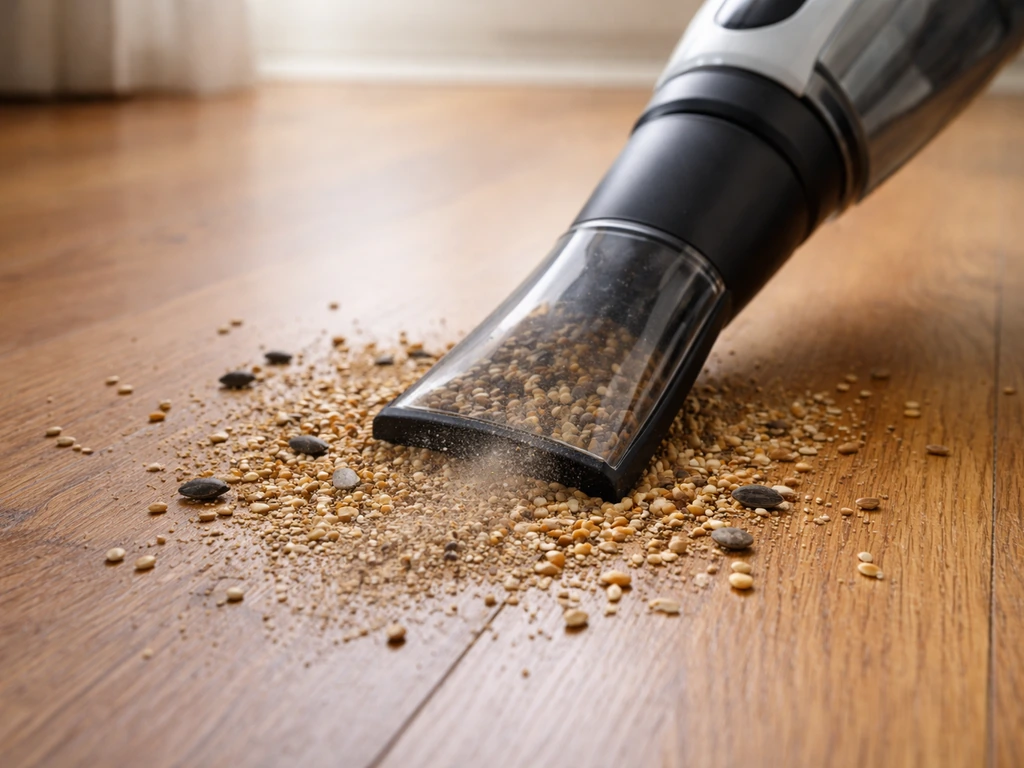
Bird seed messes are not like vacuuming a normal floor. You are dealing with a mix of debris types at once: hard whole seeds that bounce, fine hull dust that goes airborne instantly, stray millet or safflower that rolls under appliances, and sometimes wet or sprouted seed that can carry mold. A vacuum that handles carpet lint perfectly may fail completely on seed because the brush roll flings seeds across the room, or because the filter is too porous to catch hull dust and blows it back into your air.
So when birders ask for the best vacuum for bird seed, the real question is: which vacuum can handle multiple debris types at once, contain fine particles instead of recirculating them, reach tight spots around feeders and patio edges, and be cleaned out afterward without turning your kitchen into a dust cloud? Those four criteria narrow the field significantly.
How to choose: suction, brush rolls, attachments, and filtration
Suction power and vacuum type
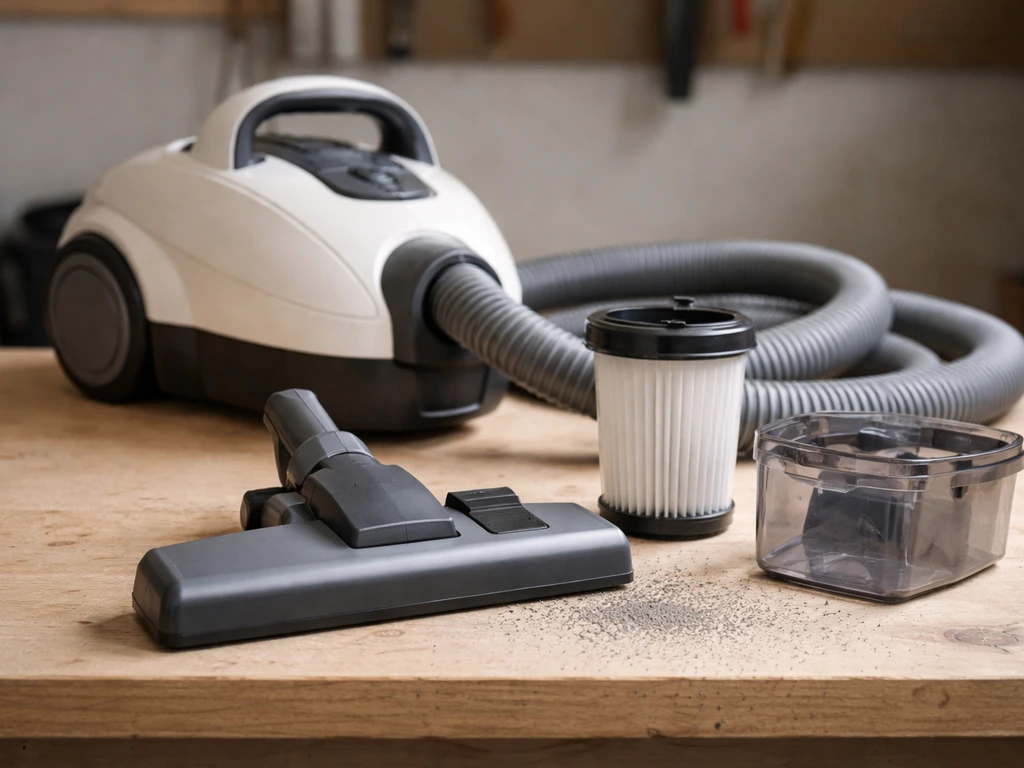
Canister vacuums are the most flexible option for seed cleanup. The motor and collection bin are separate from the cleaning head, so you can swap tools instantly and get the nozzle into tight spots without lifting a heavy machine. Stick vacuums work fine for a quick daily sweep of hard floors but typically lack the suction and filter quality needed for heavy spills or carpet. Upright vacuums with motorized brush rolls are the worst choice: the spinning brush scatters hard seeds like a pinball machine and clogs fast on hull debris.
For garage floors, patios, or serious outdoor spills, a wet/dry shop vac wins. It handles volume, tolerates grit, and with the right filter bag setup it manages fine hull dust too. A 5- to 6-gallon capacity is usually enough without being too heavy to move around.
Brush roll: skip it or switch it off
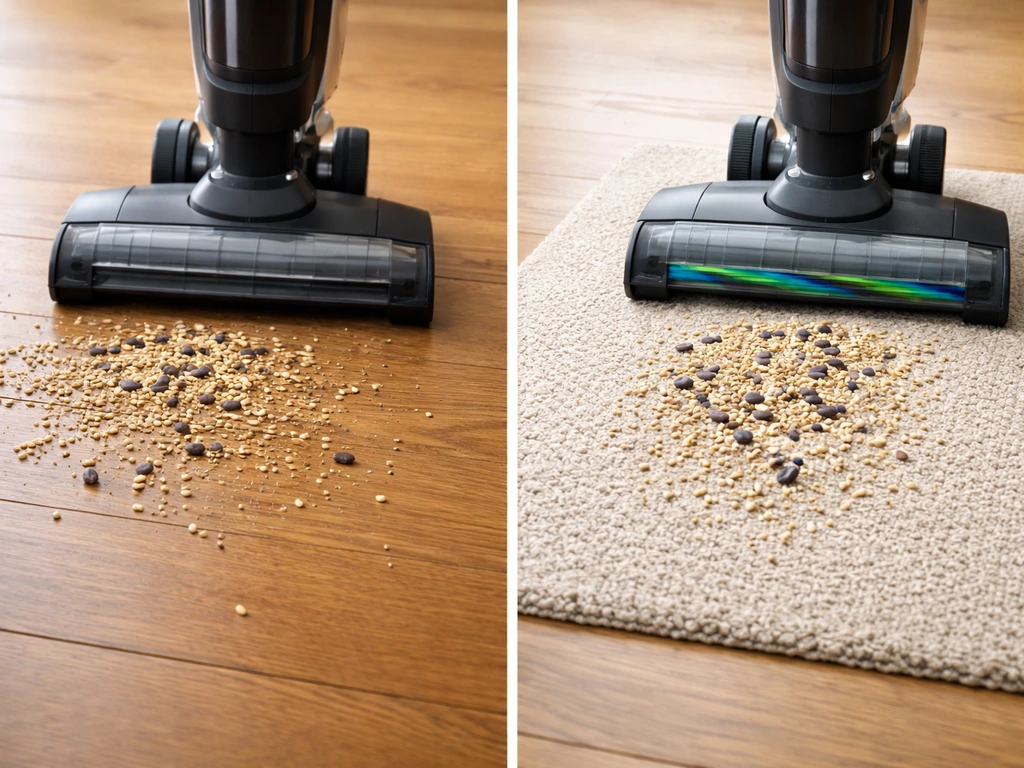
This is the single most important detail for bird seed. A motorized brush roll is designed for carpet fiber, not for hard, round, or light debris. On carpet it will fling sunflower seeds sideways. On hard floors it will spray millet across the room. Choose a canister with a suction-only floor tool (sometimes called a smooth floor or parquet nozzle), or make sure your vacuum lets you switch the brush roll off completely. Many modern canisters include both a motorized head and a separate suction-only nozzle, so check what is actually in the box.
Filtration: HEPA is not optional for seed hull dust
Seed hulls, especially from sunflower and safflower, break down into a very fine dust when crushed underfoot or vacuumed. That dust is small enough to pass straight through a cheap filter and blow back into your room. The EPA confirms that a true HEPA filter captures at least 99.97% of particles 0.3 microns and larger, which covers hull dust, mold spores, and most pest debris. Look for a vacuum that is both HEPA-filtered and sealed, meaning air cannot bypass the filter through gaps in the housing. A HEPA filter in an unsealed vacuum body is much less effective than a fully sealed system.
For shop vacs, the equivalent is a cartridge filter combined with a fine-dust collection bag inside the drum. Shop-Vac and RIDGID both make fine-dust bag kits specifically designed for ultra-fine dry debris like drywall dust and mold powders, which makes them well suited to seed hull dust and potentially contaminated seed debris.
Bagged vs. bagless
Go bagged if you can. When you empty a bagless canister, you almost always release a puff of fine dust back into the air, which is exactly what you are trying to avoid with seed hull dust or mold-contaminated material. Bagged vacuums let you remove the full bag, seal it, and drop it in the bin without touching the contents. RTINGS has tested this directly and consistently finds that bagless systems worsen air quality during emptying unless they have a sealed self-cleaning dock, which only a handful of premium models include. Multi-layer dust bags with a sealed collar are the cleaner, simpler solution for most people.
Attachments that actually matter
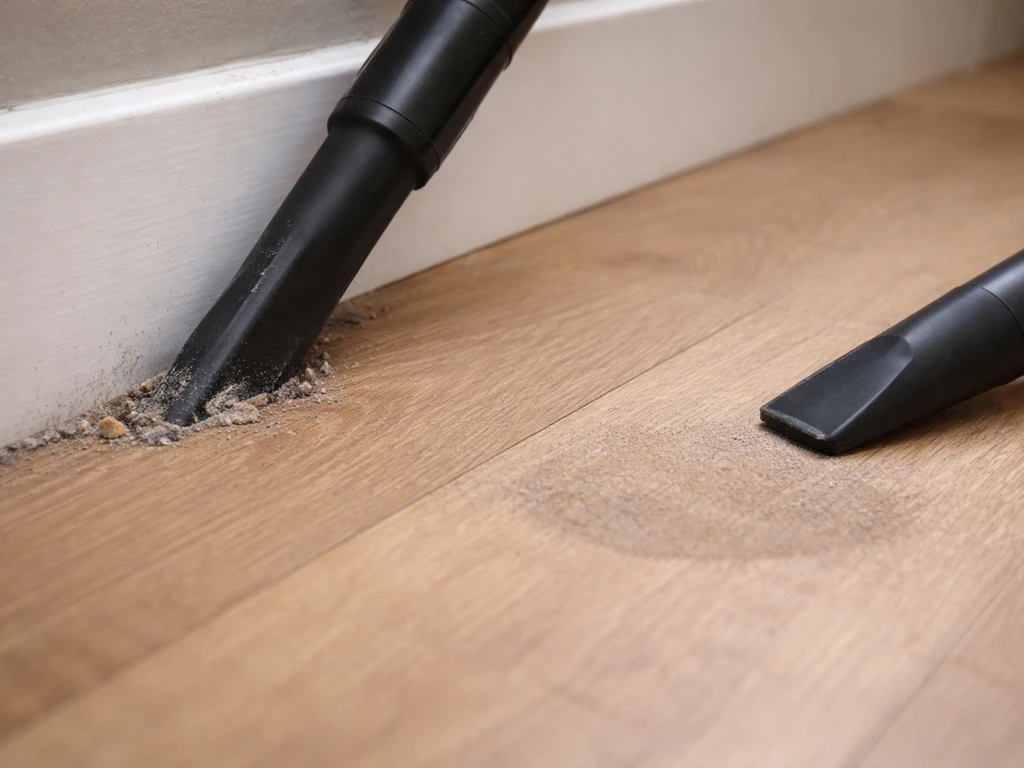
Two attachments make a real difference for seed cleanup. A crevice tool (the narrow, angled nozzle) reaches baseboards, corners, window tracks, and the gaps around feeder poles or seed storage areas where hull debris packs in. A bare-floor nozzle or turbo brush on low suction handles large open areas without flinging seed. A small upholstery brush with soft bristles is useful for outdoor cushions or porch furniture near feeders. Skip the pet hair turbine brush for seed duty since its bristle density traps hulls and clogs.
Quick decision guide: which vacuum for which mess
| Mess type | Best vacuum type | Key feature needed |
|---|---|---|
| Hard seed on carpet | Bagged canister (HEPA, sealed) | Suction-only nozzle, no brush roll |
| Fine hull dust on hard floors | Bagged canister or HEPA shop vac | HEPA or fine-dust bag + cartridge filter |
| Seed in corners and baseboards | Canister with crevice tool | Long hose, narrow crevice nozzle |
| Patio, garage, or deck | Wet/dry shop vac (fine-dust bag) | High-volume drum, cartridge filter + bag |
| Wet or sprouted seed (indoor) | Wet/dry shop vac | Wet pickup mode, removable drum for sanitizing |
| Around feeder poles, tight spaces | Any canister with hose extension | Flexible hose, crevice or brush attachment |
Top vacuum features checklist for seed cleanup
Before you buy, run through this list. Every box you can check reduces the chance of a clogged machine, an air quality problem, or a cleanup that just moves the mess around. If you want to see how these recommendations stack up in real homes, read our no mess bird seed reviews before you buy.
- True HEPA filter (confirmed 99.97% at 0.3 microns) in a fully sealed vacuum body
- Bagged collection system with a sealed or self-closing bag collar
- Suction-only floor tool (no motorized brush roll, or a confirmed brush-off switch)
- Crevice tool included in the box
- Hose length of at least 5 to 6 feet for reaching under furniture and around feeder setups
- Variable suction control (important for fine hull dust on delicate surfaces)
- Washable or replaceable pre-motor filter as a backup layer
- For patios and garages: wet/dry capable with a fine-dust collection bag option
- Large bag or drum capacity (1.5 liters or more for canisters, 5+ gallons for shop vacs) to avoid constant emptying
Step-by-step: vacuuming spilled seed safely
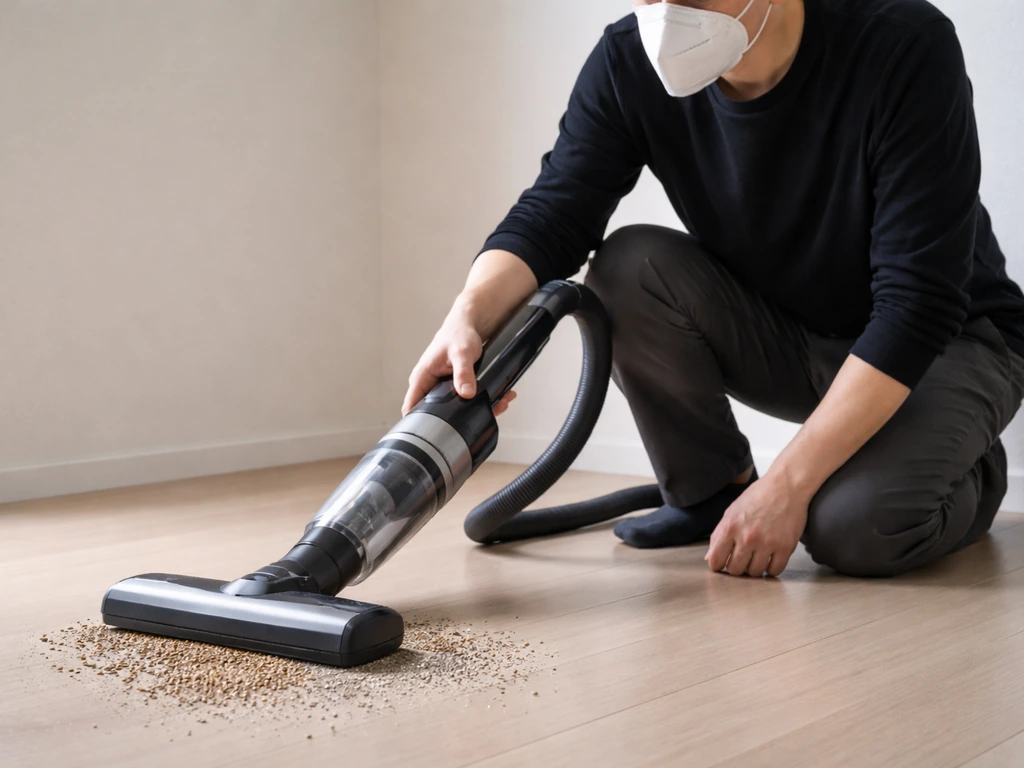
Before you start
If the spill is large, dusty, or you suspect the seed is old or damp, put on an N95 respirator before you begin. The EPA specifically recommends N95 masks when limiting exposure to airborne mold particles, and seed hull dust poses a similar inhalation concern even without visible mold. Open a window if you can. Do not vacuum a large spill in a closed room with no ventilation.
Indoors on hard floors
- Sweep or corral any loose whole seeds into a small pile first using a soft broom. This prevents them rolling under furniture while you vacuum.
- Attach the bare-floor nozzle or suction-only tool. Set suction to medium if your machine has variable control.
- Work from the outside edges of the spill inward so you do not spread debris further.
- Switch to the crevice tool for baseboards, corners, and any gap where hull dust has settled.
- Do one final slow pass across the whole area.
Indoors on carpet
- Pick up visible large seeds by hand or with a stiff-bristle brush into a bag first. This saves filter load and prevents seeds from being flung.
- Use the suction-only nozzle or turn the brush roll off before touching carpet.
- Make slow, overlapping passes. Hull dust embeds in carpet fibers and takes more passes than you expect.
- Follow up with the crevice tool along carpet edges and under furniture.
- Check the filter after a heavy carpet session. Hull dust loads filters faster than normal dirt.
Patio, deck, or garage floor
- Use a stiff outdoor broom to consolidate the mess into a pile away from cracks and drains first.
- Use the shop vac with the fine-dust collection bag installed inside the drum and the cartridge filter in place.
- Vacuum the main pile, then work toward cracks and edges with the crevice tool.
- For large outdoor spills, consider bagging the swept debris directly rather than vacuuming all of it, which extends the life of your filter bag.
- Hose down the area after vacuuming to remove any remaining fine hull dust.
Tight corners and around feeder poles
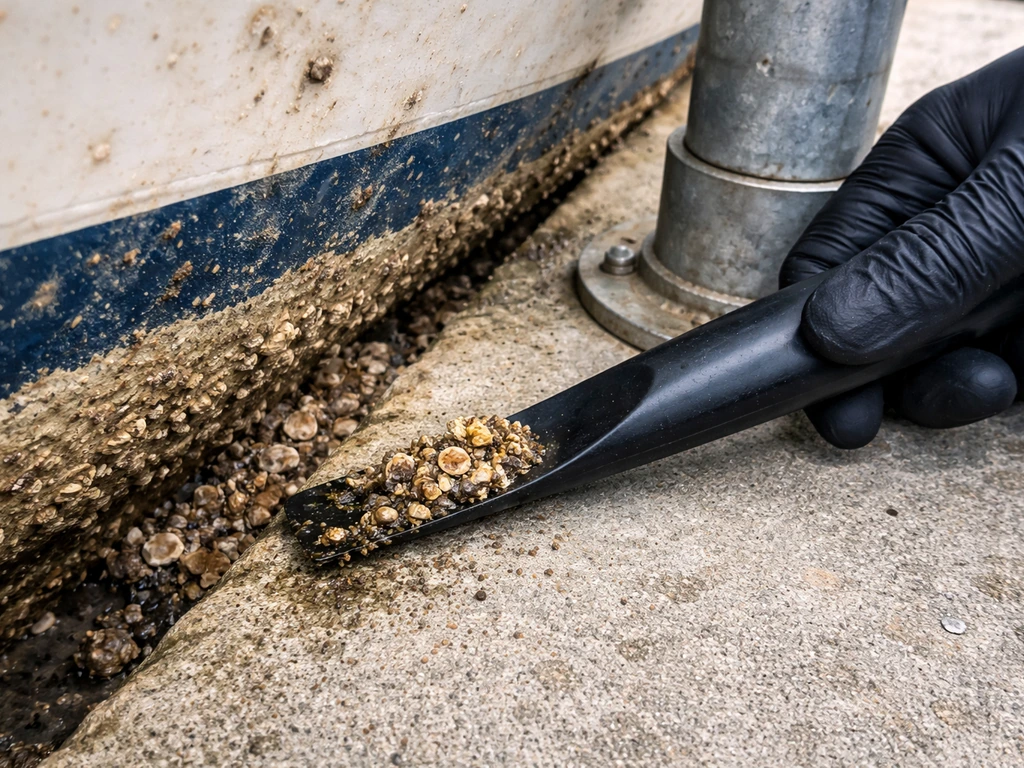
Hull debris packs hard into the gap between a feeder post and a concrete pad, or into the corner where a window sill meets the wall. The crevice tool is the right tool here. For very narrow gaps where even the crevice nozzle does not fit, wrap a rubber band around the nozzle tip to reduce the effective opening and increase suction focus. Work slowly and pull debris out rather than pushing it deeper.
Wet, sprouted, or moldy seed: a different cleanup entirely
Wet or sprouted seed is a separate problem from dry seed scatter. If you are wondering whether seed that is exposed to moisture will grow, the key is to dry and store it properly so it does not sprout or mold seed that will grow. Cornell Lab and the Ornithological Council both advise discarding wet seed and cleaning debris below feeders rather than leaving it. Moldy seed can make birds sick, and moldy seed debris on the ground or floor can release spores when disturbed. Do not vacuum dry-style over a wet or visibly moldy spill.
For wet or sprouted seed indoors, use a wet/dry shop vac in wet mode (remove the fine-dust bag for this step, but keep the cartridge filter in place or swap to the wet filter per your manual). Scoop up the bulk of the wet mass with a disposable dustpan first before vacuuming the residue, so you are not pulling large clumps of wet material into the hose.
For moldy seed, the CDC recommends protecting your mouth, nose, skin, and eyes during cleanup. Wear an N95 or better respirator, gloves, and eye protection before you disturb the area. The EPA also recommends goggles when working around mold. Do not mix bleach with ammonia or any other cleaner. A bleach solution of 1 cup of household bleach per 1 gallon of water is a standard EPA and CDC reference for sanitizing non-porous surfaces after mold removal. After removing moldy seed debris, wipe down the surrounding surface with this solution, let it air dry, and do not rinse.
After vacuuming any mold-contaminated debris, the EPA's mold remediation guidance states the collected waste should be placed in well-sealed plastic bags before disposal. Do not just dump the shop vac drum or bagless canister into an open bin. Seal the bag, tie it, and put it directly in your outdoor waste.
One important caution: if you used your vacuum on dry debris and then encounter a wet or moldy patch, stop and switch tools or vacuum modes before continuing. Pulling wet or mold-contaminated material through a dry filter designed for fine dust will ruin the filter and potentially spread contamination through the machine.
Cleaning the vacuum after a seed spill
Emptying the collection bin or bag
Do this outside or over an outdoor bin, not over your kitchen trash. For bagged vacuums, pinch the bag collar closed before removing, slide it out, and drop it directly into a garbage bag. For bagless canisters, take the entire bin outside, hold it inside a large open garbage bag, and release the contents. This single habit prevents the biggest air quality problem with bagless systems, which is the fine-dust cloud that forms when you open the bin over an indoor trash can.
Filter care after seed cleanup
Hull dust loads filters faster than regular household dust. After a significant seed spill cleanup, tap the filter gently over an outdoor bin to dislodge loose debris before it bakes into the filter medium. If your filter is washable, rinse it with cool water (no soap) and let it dry completely, which usually takes 24 hours, before reinstalling it. A damp filter dramatically reduces suction and can grow mold inside the vacuum body. Replace paper or foam filters on a shorter schedule than the manufacturer suggests if you clean seed spills regularly, roughly every 3 to 4 cleanups rather than every 6 months.
Preventing clogs and odors in the hose and body
The most common clog point for bird seed cleanup is where the hose meets the main body of the vacuum, and inside the hose itself when whole seeds get stuck. After each use, detach the hose and shine a flashlight through it to check for blockages. If something is stuck, push a broom handle through gently from the wider end. For odors, which usually come from seed oil residue or early mold growth inside the drum, wipe the interior of the canister or shop vac drum with a damp cloth and a small amount of white vinegar after emptying. Let it air out completely before reassembling. For shop vacs, leaving the drum open and upside down overnight after cleaning prevents moisture from sitting at the bottom.
When to change or replace the HEPA filter
The CDC and NIOSH note that HEPA filtration comes with a pressure drop as the filter loads with particles, meaning a clogged HEPA filter reduces both efficiency and suction noticeably. CDC/NIOSH also notes that HEPA filtration can create a significant pressure drop as filters load with particles. If you notice suction dropping or the vacuum working harder than usual, check the HEPA filter first. Many HEPA filters in residential vacuums are not washable and must be replaced when loaded. Do not try to tap or blow out a HEPA filter unless the manufacturer specifically says it is safe to do so, as this can damage the filter medium and reduce its capture efficiency.
Reducing future seed scatter before it starts
The best vacuum is the one you use less often. A few changes to your feeder setup and storage routine significantly cut the amount of seed that ends up on your floor or patio.
- Use a seed tray or catch tray beneath hanging feeders to intercept dropped seed before it hits the ground or deck.
- Switch to no-mess or hull-free seed mixes where possible. Hulled sunflower, chips, or shelled peanuts produce almost no hull debris. If you are considering this, the evidence on whether hull-free seed grows as weeds is worth checking, and no-mess seed mixes can also be compared on price and quality.
- Store bulk seed in sealed, airtight containers away from moisture. Wet seed below a feeder is almost always a sign of either rain exposure or condensation in an improperly sealed storage bin.
- Clean up spilled seed below feeders every few days rather than waiting for it to accumulate. A small daily sweep is faster than one monthly deep clean, and it prevents wet seed and mold from developing.
- If birds are flinging seed out of the feeder, consider a feeder with a shorter perch or a tray-style design with raised edges. All About Birds notes that platform feeders attract a wide variety of birds but do scatter more seed, so matching feeder type to your cleanup tolerance matters.
- Avoid overfilling feeders. Seed at the very top of a tube feeder gets splashed by rain and pushed out by birds first, and it is the most likely to go wet and moldy before being eaten.
If you are dealing with seed that has already gone wet or sprouted under the feeder, scoop and bag it rather than trying to vacuum it outdoors. Outdoor vacuuming of wet seed usually just spreads it. Let the area dry, then vacuum the dry hull residue that remains. For persistent mold on a patio or concrete pad under a feeder, the 1-cup bleach per gallon of water solution works on non-porous surfaces after you have removed the bulk of the debris.
Getting the cleanup routine right is a bigger win than buying an expensive vacuum. A solid bagged canister with HEPA filtration in the 100 to 200 dollar range, combined with a shop vac for outdoor duty, covers almost every bird seed mess scenario you will encounter. If you want the no mess bird seed best price option, focus on a bagged canister with true HEPA filtration plus a separate shop vac for outdoor spills. Match the tool to the mess, keep the filters clean, and make the small feeder and storage changes above, and you will spend far less time on cleanup overall. All About Birds notes that platform feeders can attract a wider variety of seed-eating birds, but they are also more prone to raids and creating more feeder mess, which can increase the cleanup you need to do blank" rel="noopener noreferrer">platform feeders attract a wider variety of seed-eating birds but are more susceptible to issues like raids and feeder mess.
FAQ
Can I use a robot vacuum for bird seed instead of a regular vacuum?
Yes, but only if it can be used as a sealed, HEPA-filtered unit with suction-only flooring. Many robot vacuums have loose filtration or brush systems that scatter hard seeds, and their dust bins can release hull dust when emptied. If you use one, empty the bin outdoors, avoid running over large seed piles, and test on a small patch first to confirm it does not blow dust back into the room.
What vacuum features should I avoid if I have carpet and bird seed keeps getting scattered?
For bird seed debris, avoid any head that spins or agitates. Even on carpet, a motorized brush roll can fling whole seeds and break hulls into ultrafine dust that passes through cheaper filters. If you have to clean carpet, use a suction-only tool or turn off the brush roll, then follow with a second pass using a crevice tool around feeder edges where hull dust settles.
If I get wet bird seed indoors, can I use my shop vac the same way as for dry cleanup?
Use a wet/dry shop vac on wet mode, but do not run the dry dust-bag setup for wet seed. If your shop vac manual says it is safe, remove the fine-dust bag and keep the correct filter installed for wet pickup, otherwise you can clog or damage the filtration. Also, scoop bulk wet seed first with a disposable dustpan to keep clumps from backing up into the hose.
Can I vacuum moldy bird seed right away, or should I wait?
In most cases, do not vacuum until the area is dry if the seed is visibly moldy or damp. If you must deal with contamination, use appropriate PPE and remove bulk debris by scooping or bagging first, then vacuum only the remaining dry residue with a HEPA-filtered, sealed vacuum. This prevents dragging wet material through a filter not designed for it and reduces the chance of spreading spores.
My vacuum suction dropped after cleaning seed. Where are the most likely clog points?
If you hear rattling or notice suction drop, check the hose-to-body connection and the hose first, then the floor tool. Hulls and whole seeds often lodge at the transition where diameter changes, flashlight inspection catches most blockages quickly. Clear only with the method your vacuum supports, because pushing too hard can damage internal tubing or the nozzle seal.
Can I wash or clean the HEPA filter after a bird seed mess?
Yes, but keep the filter wet-cleaning rules strict. Rinse only if your filter is explicitly washable, use cool water with no soap, and let it dry completely before reinstalling, typically about a day. A damp HEPA or fine filter can reduce suction and can trap moisture that later leads to odor or mold inside the vacuum.
Is bagless always worse for bird seed cleanup, or are there cases where it is fine?
Bagged is usually cleaner during disposal, especially for fine hull dust. If you must use bagless, empty outdoors and avoid opening the bin over any indoor trash or recycling. Also check whether your model has a sealed emptying dock, since without it, small dust clouds can get released into your breathing zone.
Why does my vacuum smell after cleaning seed, and how do I fix it without damaging filters?
For bird seed oiliness, odors typically come from residue inside the canister or drum, not the filter alone. After you empty, wipe interior surfaces with a lightly damp cloth, then use a small amount of white vinegar, and allow full air-out before reassembling. If the smell returns quickly, it usually means some hull dust is trapped deeper in the hose, so recheck the hose with a flashlight.
How can I tell whether the HEPA filter will actually control hull dust, not just filter some of it?
If the vacuum is rated for HEPA but the system is not sealed, fine dust can bypass filtration through gaps. A practical check is to verify the manufacturer claims “sealed system” or “air-tight filtration path,” and to confirm all gaskets and lids are seated correctly after maintenance. Missing seals turn even a good HEPA element into a partial filter, which undermines bird seed cleanup.
What is the safest way to dispose of vacuum waste after cleaning moldy seed?
Yes, for outdoor contamination you should treat collected debris as potentially contaminated waste. Seal waste in well-closed plastic bags before disposal, then place those bags directly into outdoor trash. Do not leave the bag or shop-vac drum open while transporting through a house, since disturbances can re-aerosolize hull dust and mold spores.
Next Article
Where to Hang Bird Seed Bell: Best Placement Tips
Find the best place to hang a bird seed bell for more visits, safer birds, and less mold, mess, and pests.