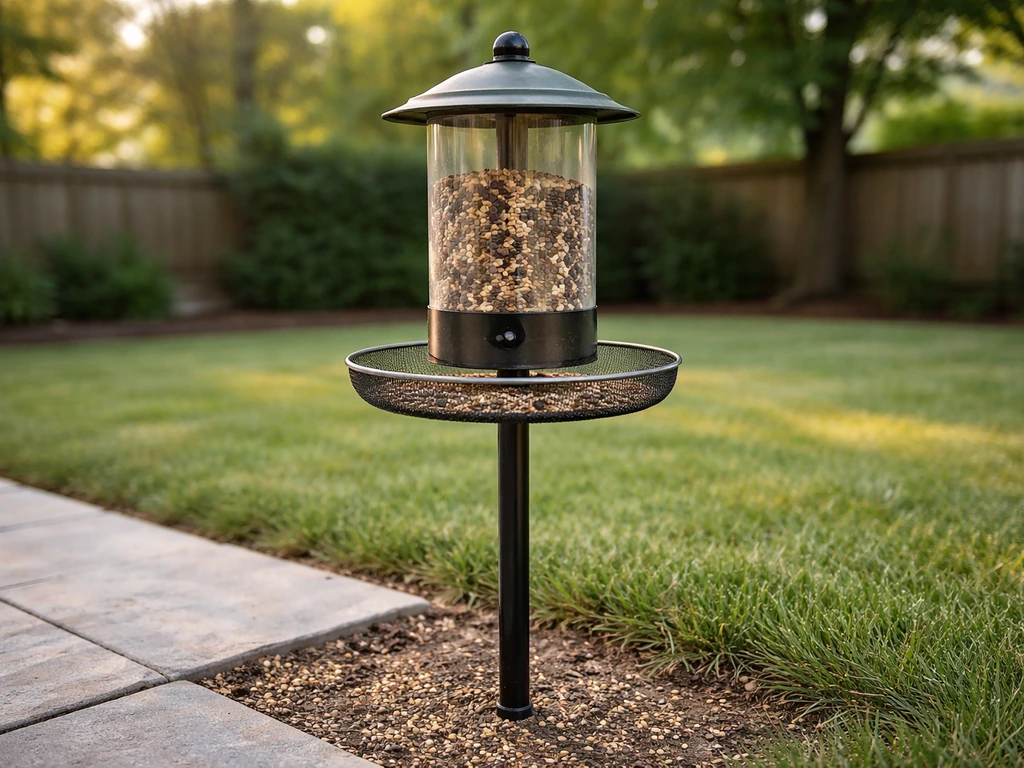
The best thing to put under a bird feeder is a dedicated seed-catcher tray, and for many setups that alone solves 80% of the mess and pest problem. Beyond trays, you have a few solid secondary options: ground covers like gravel or sand, catch mats or liners, and intentionally managed bare earth for ground-feeding birds. Each has real tradeoffs, and the right choice depends on your feeder type, yard setup, and which animals you're trying to attract or deter. Here's how to pick, set up, and maintain whichever option fits your situation.
What to Put Under a Bird Feeder to Catch Spilled Seeds

Maya Collins
13 Apr 2026
Best materials to place under a bird feeder
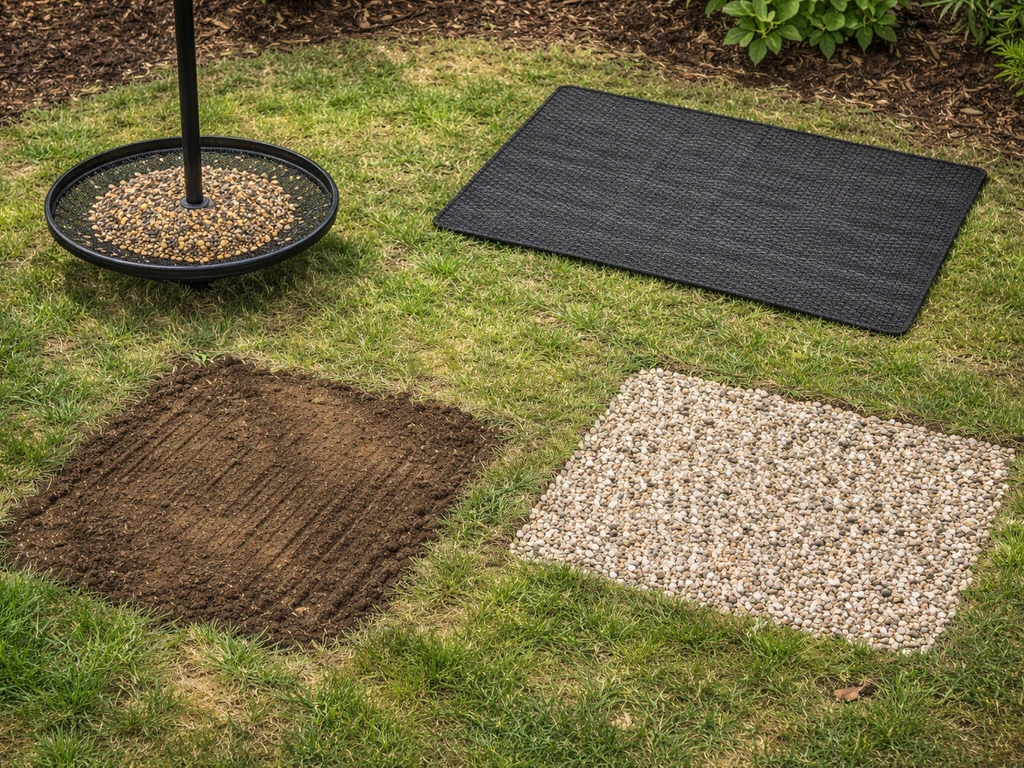
Your main options fall into four categories: hanging or pole-mounted seed-catcher trays, ground mats and liners, loose ground covers (gravel, sand, or mulch), and managed bare earth. Each works differently and has its own cleaning demands.
Seed-catcher trays
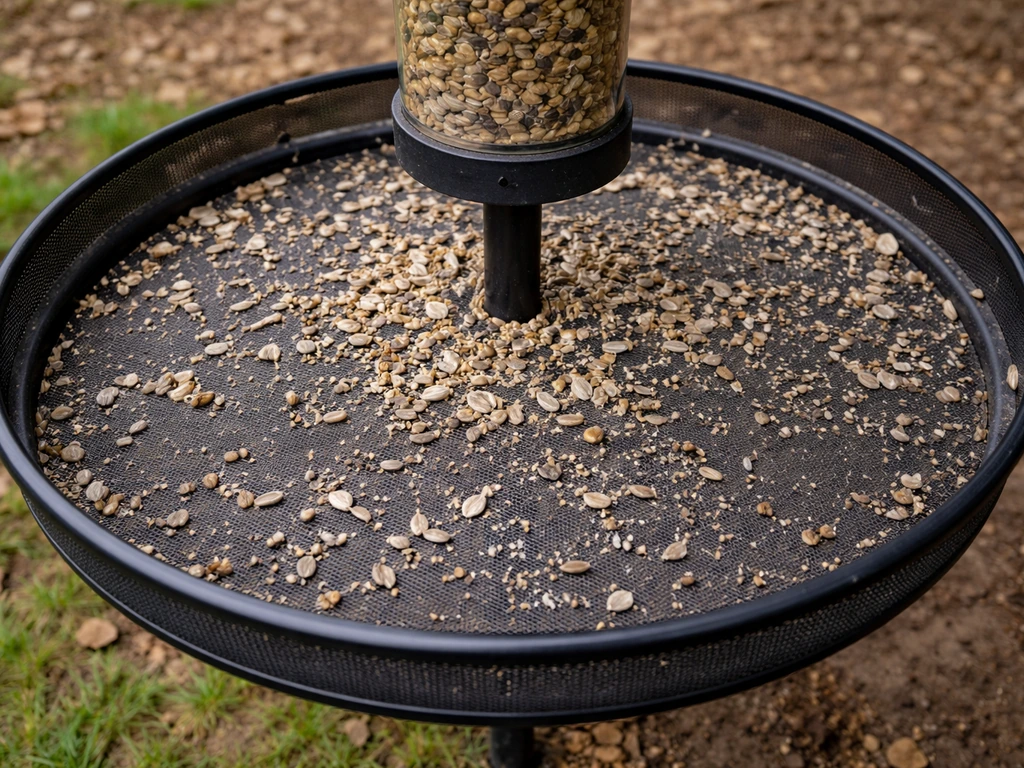
A bird seed catcher tray is the most effective single upgrade you can make. These are wide, shallow trays that attach directly below your feeder on the same pole or hang from the same hook. Designs like the Brome Seed Buster are purpose-built for this: they catch hulls and spilled seed before it hits the ground, reduce waste, and give ground-feeding birds an accessible secondary feeding platform. Brome Bird Care markets the BirdsUP Seed Catcher Tray, also called the Seed Buster, as an XL platform-style seed-catcher designed to catch spilled seed below feeders and create less mess blank" rel="noopener noreferrer">reduce waste. Look for trays with drainage holes so rainwater doesn't pool and turn your collected seed into a mold incubator. A tray with a mesh or perforated base drains well and is much easier to keep clean than a solid-bottom version.
Catch mats and liners
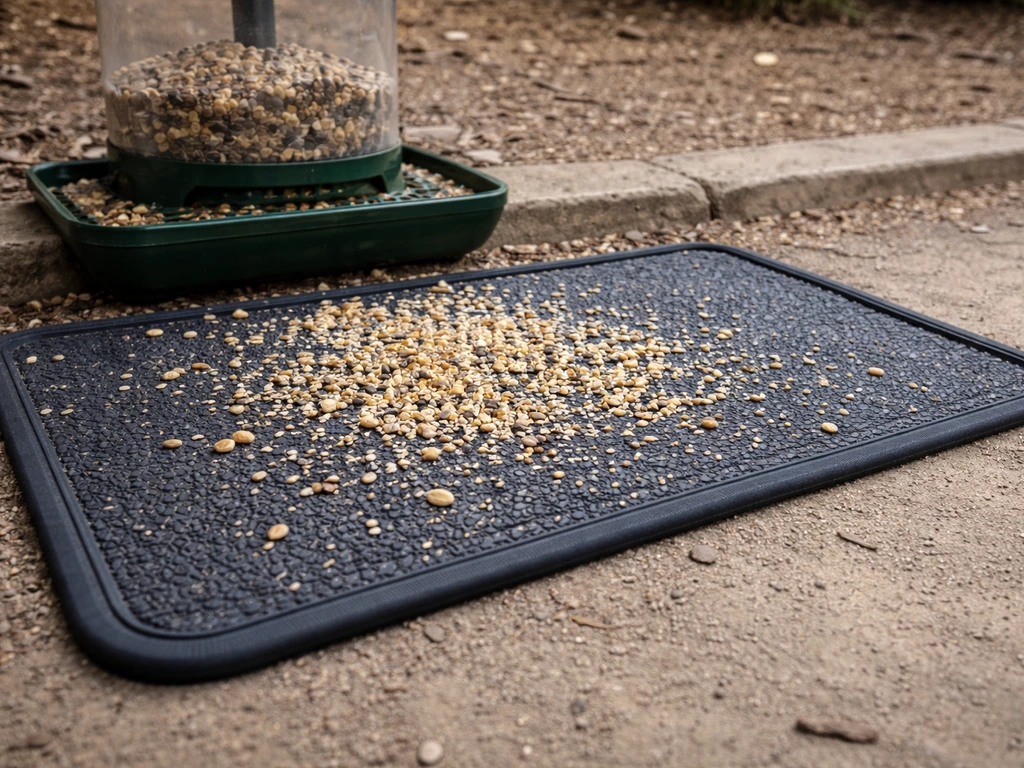
Rubber or fabric catch mats placed on the ground directly under the feeder work well for low-mounted feeders or setups where a pole-mounted tray isn't practical. They're inexpensive and portable, but they trap moisture underneath and require more frequent shaking and rinsing. Avoid thick fabric mats in wet climates because they stay damp long enough to grow mold. A smooth rubber mat or a thin polypropylene liner is easier to hose clean and dries faster.
Gravel, sand, and decorative ground covers
A 2 to 3 inch layer of pea gravel or coarse sand under the feeder lets seed fall through to a stable base that drains quickly, doesn't harbor mold as readily as bare soil, and rakes clean easily. This is a solid low-maintenance option if you don't want to deal with a tray. Mulch (bark or wood chips) also works but composts over time and holds moisture, so it needs replacement more often. Avoid rubber mulch for this purpose because it traps seed hulls and is harder to clean. A 3 to 4 foot diameter circle of gravel or sand directly under the feeder drip zone is a practical minimum.
Managed bare earth
Some people simply rake the bare ground under their feeder regularly. This is the cheapest option and works fine in dry climates, but in humid regions or during rainy seasons it creates a muddy, mold-prone patch pretty quickly. If you go this route, rake twice a week minimum and remove all seed debris, not just the obvious hulls. Bare earth is also the surface most likely to attract rats and other rodents, so it works best only if you're committed to the cleanup schedule.
| Option | Drainage | Ease of Cleaning | Pest Risk | Best For |
|---|---|---|---|---|
| Seed-catcher tray | Good (with drainage holes) | Easy (remove and rinse) | Low | Most feeder types, tidy yards |
| Rubber/polypropylene mat | Poor to moderate | Moderate (hose off) | Medium | Low feeders, temporary setups |
| Pea gravel or coarse sand | Excellent | Easy (rake and rinse) | Low to medium | Permanent ground areas |
| Wood mulch | Moderate | Difficult (traps hulls) | Medium to high | Aesthetic beds, dry climates only |
| Managed bare earth | Poor | Labor-intensive (daily rake) | High | Dry climates, committed rakers |
How to set up and clean seed catchers to prevent pests and mold
Setup matters as much as the choice of material. A poorly positioned tray or mat creates just as many problems as no tray at all. Here's how to do it right from the start.
Positioning your seed catcher
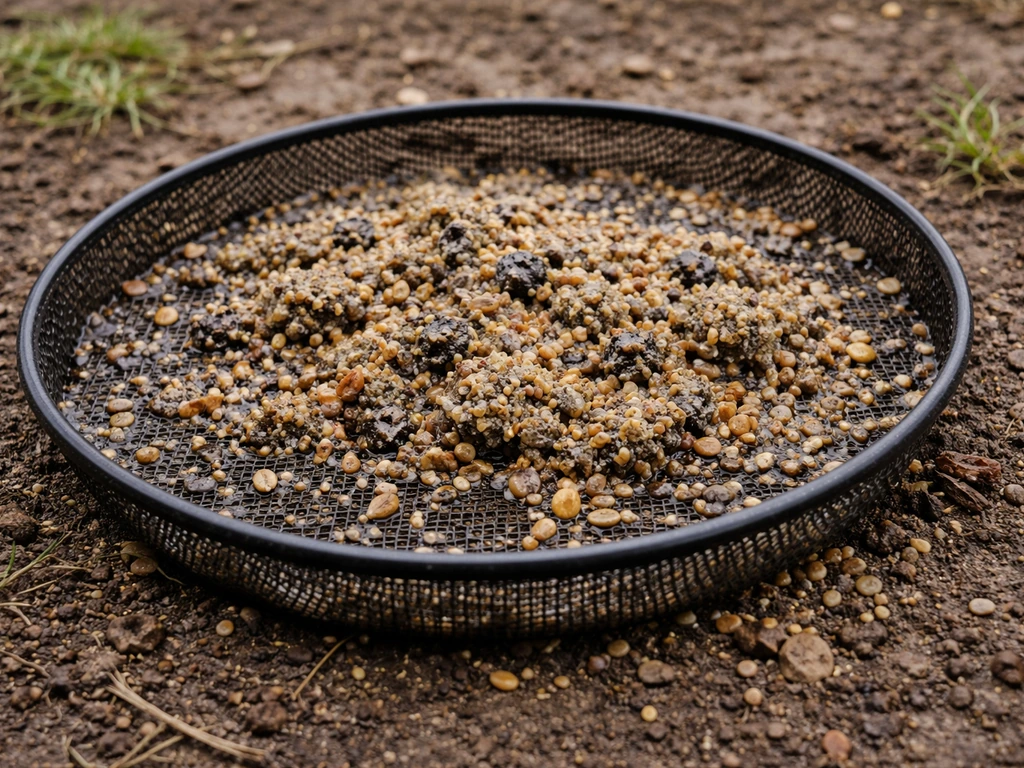
- Mount the tray directly below the feeder ports, no more than 6 to 8 inches lower, so flung seed lands in the tray rather than sailing past it.
- Make sure the tray diameter is at least as wide as the feeder itself — wider is better. Most commercial catch trays are 12 to 18 inches across, which covers typical tube and hopper feeders.
- If you're using a ground mat or gravel circle instead of a tray, center it under the feeder and extend it at least 18 to 24 inches beyond the feeder's outer edge in all directions.
- Check that drainage holes in trays are unobstructed before hanging. A clogged tray turns into a standing-water petri dish after any rain.
Routine cleaning schedule
Project FeederWatch recommends cleaning seed feeders roughly every two weeks under normal conditions and doubling that frequency if any sick birds appear near your feeder. Apply that same logic to whatever is under the feeder. Every two weeks as a baseline, empty your tray or rake your ground cover, discard all accumulated seed and hulls (don't just toss them farther into the yard), and wipe the tray down. In hot, humid summers, shorten that interval to weekly because mold forms much faster in warm, damp conditions.
For trays, use a 1:9 bleach-to-water solution (1 part bleach, 9 parts water) for disinfection. Soak the tray for a few minutes, scrub with a stiff brush, then rinse thoroughly and let it dry completely before putting it back under the feeder. If you prefer a non-bleach option and no mold is present, a 4:1 vinegar-to-water solution with scrubbing works for routine cleaning. Always rinse fully regardless of which solution you use. Never refill a wet tray, and never put fresh seed on top of old wet seed. A damp tray with fresh seed on top is one of the fastest ways to trigger an aspergillosis risk for the birds using it.
Cleaning ground covers
For gravel or sand, rake out visible hulls and seed debris, then periodically (every month or so) hose the area down and let it drain. Every season, consider raking out the top inch of material and replacing it if it looks heavily compacted or discolored. For catch mats, shake them out every few days, hose them weekly, and let them dry flat before putting them back. A mat left face-down on damp soil will mildew on its underside within a week in most climates.
Choosing the right option by feeder type and yard setup
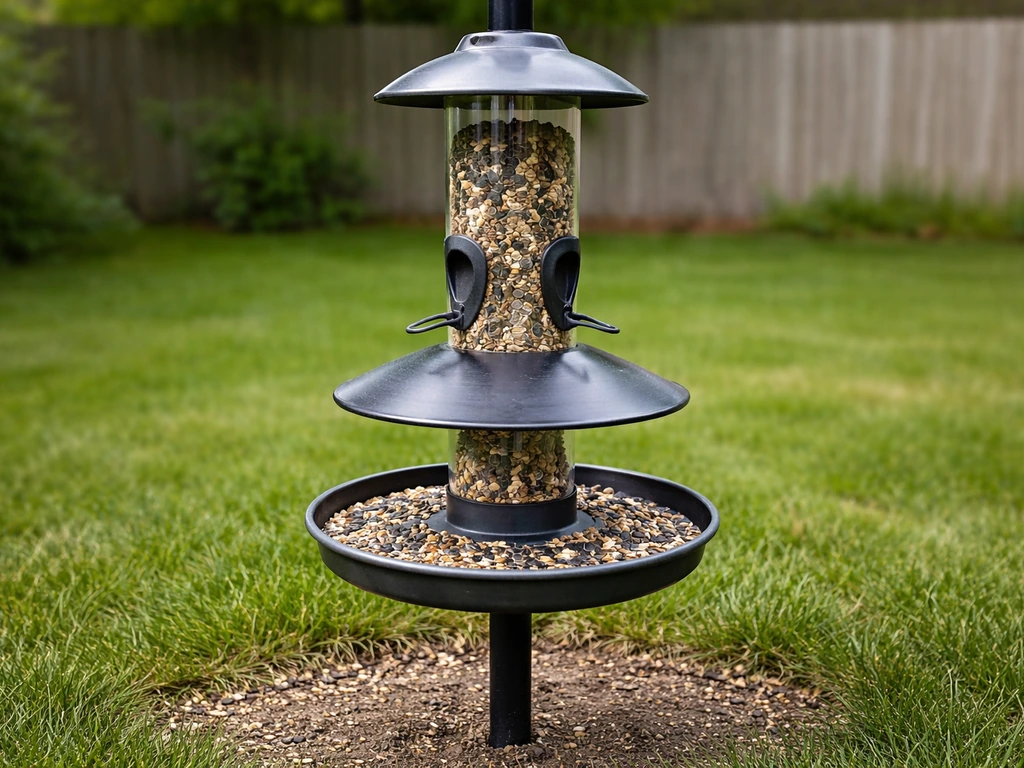
Not every feeder pairs well with every catch option, and your yard layout matters too. Here's how to match your setup to the right solution.
- Tube feeders on poles: A pole-mounted seed-catcher tray is almost always the best call. Tube feeders scatter a lot of seed as birds pick through the ports, and a tray intercepts the bulk of it before it hits the ground.
- Hopper feeders: Same answer — a tray below the hopper opening catches the most spillage. Make sure the tray is at least as wide as the hopper base.
- Platform or tray feeders: These are already an open surface, so spillage from the sides is the main issue. A gravel or sand ring around the base of the feeder pole manages what falls off. A secondary catch mat under an open platform feeder also works.
- Suet cage feeders: Spillage is minimal, but suet crumbles and droppings accumulate below. A small mat or gravel patch works fine here.
- Hanging feeders from a tree branch: A ground mat or gravel circle is your best option since attaching a pole-style tray isn't possible. Choose a wider mat (24 inches minimum) to account for more variable swing and scatter.
- Apartment balconies or decks: A rubber or polypropylene catch mat is the most practical option. It contains mess on hard surfaces and is easy to shake out over a bin. Avoid gravel on deck surfaces where it can cause trips or scratch the decking.
If you're working on reducing seed loss upstream (before it even hits the catcher), it's worth looking at how to keep bird seed from falling on the ground in the first place. Adjusting port sizes, using weight-sensitive feeders, and positioning the feeder away from wind all reduce the volume you need to manage below.
Species and wildlife considerations
What you put under the feeder has a direct effect on which animals visit and how often. This is where some setup decisions get more nuanced.
Ground-feeding birds
Sparrows, juncos, doves, and towhees are all ground feeders and actively seek out spilled seed. A well-managed seed-catcher tray or a raked gravel area actually serves these birds well as a secondary feeding zone, as long as the seed there is fresh and dry. Project FeederWatch explicitly notes that many ground-feeding birds access fallen seed under feeders, which is a good reason to keep that area clean rather than eliminate it entirely. The goal isn't to prevent ground access by birds, it's to prevent accumulation of wet, rotting, or moldy seed that can make them sick.
Squirrels
A seed-catcher tray mounted on a baffle-equipped pole gives squirrels a very accessible feeding platform, which may or may not be what you want. If you're actively trying to limit squirrel access, mount the tray high enough (at least 5 feet off the ground) and use a baffle below the tray on the pole. Be aware that squirrels are opportunists and will exploit any tray or mat that holds accessible seed. In that case, catching falling bird seed in a way that limits mammal access may mean choosing a tray with a squirrel-deterrent design rather than a simple open bowl.
Rats and raccoons
Spilled seed on bare ground is one of the most reliable ways to attract rats to your yard. If you see rat activity, that's your signal to switch from bare earth or a loose mat to a mounted tray that keeps seed off the ground entirely, and to clean whatever you're using daily until the activity stops. Raccoons are less seed-focused but will investigate accumulated food under feeders, especially at night. Bringing feeders indoors overnight during active seasons is the most effective deterrent if raccoons are a consistent problem.
One often-overlooked factor is the seed type itself. Seed mixes with lots of filler (milo, red millet, wheat) get tossed by birds rather than eaten, which dramatically increases the volume of seed hitting the ground. Switching to no mess bird seed (hulled sunflower, shelled peanuts, or nyjer) cuts ground waste significantly and also eliminates the sprouting problem, since hulled seed can't germinate.
If you're uncertain whether putting seed on the ground intentionally makes sense for your yard setup, it's worth reading through the guidance on whether you can throw bird seed on the ground before deciding. In some situations it's fine; in others it creates more problems than it solves.
Sprouting, wet seed, and spoilage: what to do when things go wrong
Even with a good catcher setup, seed on the ground or in a tray will eventually get wet, sprout, or spoil. Here's how to handle each scenario.
Wet and compacted seed
If seed in a tray or on the ground has gotten wet and clumped together, discard it immediately. Oregon State University Extension is direct on this: remove compacted wet seed and throw it out, don't try to dry and reuse it. Wet seed can develop bacterial contamination fast, even before visible mold appears. The same applies to seed inside the feeder itself. Completely empty and dry the feeder and the tray before refilling.
Sprouting seed
Sprouted seed under your feeder is a sign that seed has been sitting on damp ground long enough to germinate. It's not immediately dangerous to birds, but it's a strong indicator that cleanup frequency is too low. Pull the sprouts, rake the area, and consider whether switching to hulled seed would solve the root problem. Hulled sunflower and other shell-free seeds can't sprout, which means no green patches under the feeder.
Mold
Visible mold on seed or inside a tray is a direct health risk to birds. Aspergillosis, a respiratory fungal infection, can be transmitted through moldy feed. California’s Wildlife Health Lab explains aspergillosis as a respiratory disease caused by inhalation of Aspergillus fungal spores, which are associated with moldy birdseed and decaying vegetation or organic waste Aspergillosis, a respiratory fungal infection. If you see mold, remove all the seed immediately, clean the tray or affected area with the 1:9 bleach-to-water solution, scrub, rinse, and dry before replacing. Audubon recommends a full scrub-out in spring and fall as a preventive measure, with more frequent cleaning during humid summer months when mold forms fastest. In the US South and mid-Atlantic, that can mean cleaning every week in July and August.
Odor buildup
A sour or musty smell under the feeder usually means wet seed and bird droppings have been accumulating in the catch area. Rake out everything, discard it in a sealed bag, hose down the area, and let it dry fully before putting any new material down. If you're using a tray, soak it in the vinegar solution for 10 minutes, scrub, rinse, and dry. Going forward, shorten your cleaning interval by a week until the smell stops returning.
Maintenance schedule and cleanup strategy
A consistent schedule is the single biggest factor in keeping the area under your feeder clean, pest-free, and safe for birds. Here's a practical schedule you can follow regardless of which catcher option you use.
| Frequency | Task |
|---|---|
| Every 2 to 3 days | Visually check tray or ground area for wet or clumped seed; remove if found |
| Weekly | Empty tray fully, discard hulls and seed debris, rinse tray and let dry; rake ground cover area |
| Every 2 weeks | Full clean of tray with bleach or vinegar solution; scrub, rinse, dry completely before refilling |
| Monthly | Rake and replace top layer of gravel or sand if used; check mat underside for mildew; rake up and discard accumulated hulls per Clemson Extension guidance |
| Seasonally (spring and fall) | Deep clean feeder and all associated hardware with bleach solution; replace ground mat if worn; replenish gravel or sand layer as needed |
For daily or weekly cleanups, a stiff-bristled broom, a hand rake, and a small shovel are all you need. A wet-dry vacuum is genuinely useful on hard surfaces like decks or patios where seed debris gets into crevices. Bag all seed debris and hulls and put them in the trash, not in compost. Seed waste in a compost pile can attract the same rodents you're trying to keep away from your feeder area.
Storage habits upstream affect how well your cleanup routine works too. If your seed supply is stored in a damp garage or in a paper bag, you may be starting with seed that's already compromised before it goes into the feeder. A metal can for bird seed storage keeps moisture and pests out between fills, which means cleaner seed going in and less spoilage hitting your catcher below.
Quick tips to reduce how much seed lands under the feeder in the first place
Maintenance is easier when there's less to manage. A few upstream changes cut the volume of spillage significantly, and how to catch falling bird seed becomes much less of a chore when you're also reducing how much falls. Use seed that matches the birds you're feeding (instead of generic mixes with lots of filler), install a tray that's correctly sized for your feeder, and position the feeder in a sheltered spot so wind doesn't scatter seed sideways past the tray.
The bottom line: a mounted seed-catcher tray with drainage holes, cleaned every two weeks and inspected after every rain, is the most reliable all-around solution for most backyard setups. Pair it with hulled or no-mess seed, keep a rake handy for ground cleanup, and you'll spend far less time managing mess and far more time watching birds.
FAQ
If I can’t find a seed-catcher tray, can I use something improvised like a baking sheet or plastic tub under the feeder to catch seeds?
Yes, but prioritize drainage and easy cleaning. Avoid solid-bottom containers that pool water, and if it’s a flat tray, drill several small holes and elevate one edge slightly so it drains. Also keep clearance from the birds’ feet so they do not stand in a damp basin.
How do I choose the right size for what goes under my bird feeder?
Make it wide enough to cover the full “drip zone” and the area where seeds bounce out, not just the center under the ports. A practical rule is to let the catcher extend at least a few inches beyond the widest feeder opening, and inspect after windy days to confirm seeds are actually landing inside.
Should I put mulch or compostable material under the feeder to catch seeds instead of gravel or sand?
It usually creates a maintenance problem. Mulch and compostable bedding hold moisture and break down, so spilled seed turns into a wet, compacted layer that spoils faster. If you want a loose cover, coarse sand or gravel generally stays cleaner and drains better.
Will pea gravel or sand attract more pests than a tray?
Not necessarily, but it depends on cleanup. Gravel and sand can reduce mold because they drain, yet seed debris still accumulates, so rodents may feed on it if it stays too long. If you ever see rat activity, switch to a mounted tray that keeps seed off the ground and clean more frequently.
How soon after a rain should I inspect and clean the area under the feeder?
Inspect right after the rain if you are using a mat or any surface that can stay damp, then spot-clean any clumps before they mold. Even with drainage holes, a tray may collect wet hulls, so don’t wait for your next 2-week schedule if you notice clumping or a musty smell.
Is it safe to reuse seed that collected in the catcher after it dries out?
Usually no. If the seed has gotten wet enough to clump, it can be contaminated, and the article recommends discarding wet, compacted seed rather than drying and reusing it. Treat your catcher like a collection point for cleanup, not a storage area for later feeding.
What’s the best option under a feeder if I want ground-feeding birds to access spilled seed but still reduce mess?
Use a mounted tray with drainage and keep it clean, or use a small, raked gravel patch that you maintain tightly. The key is freshness and dryness, so ground-feeding birds can access spilled seed without it sitting long enough to sprout or grow mold.
Can I place a catch mat on top of existing grass or pavers?
Be careful with grass, because seeds drop onto soil and moisture can be trapped under the mat. On pavers or decks, mats can work well if you shake frequently and let them dry flat. For grass, consider a tray instead, or use a gravel base where water drains away.
How do I tell whether the problem is mold versus just wet seed and droppings?
Mold often shows visible growth on hulls or in the tray, and it poses a direct health risk. Wet seed without visible mold tends to clump and may smell sour or musty. If you see any mold or the smell is persistent, remove all seed immediately and disinfect the surface before refilling.
What’s the fastest way to prevent seed from germinating under the feeder?
Switch to hulled or shell-free seeds (for example, hulled sunflower) so it cannot sprout. Also shorten cleanup in hot, humid weeks, because sprouting is usually a sign that seed sat damp longer than your current schedule allows.
If squirrels keep eating from the catcher, what change should I make first?
Start by reducing access, not just increasing cleaning. Mount the catcher higher (at least 5 feet off the ground) and use a baffle below the tray on the pole. If squirrels still exploit it, consider a squirrel-deterrent catcher design that limits the amount of accessible seed at any one time.
Do I need to bag seed debris if I’m using a catch tray, or can I compost it?
Bagging is the safer choice. The article notes that seed waste in compost can attract the same rodents you are trying to avoid, so composting can undo your pest-control effort if pests use the compost area as a food source.
Next Article
How to Keep Bird Seed From Falling on the Ground
Stop bird seed from spilling onto ground or floor with feeder tweaks, seed catchers, placement, and easy cleanup routine