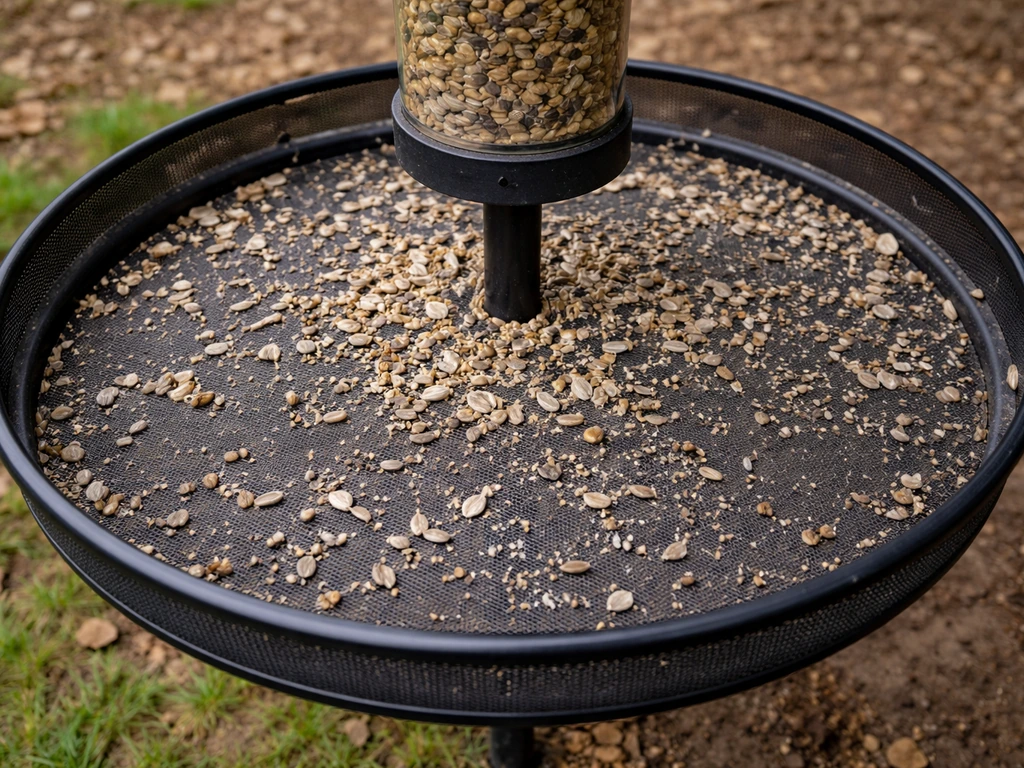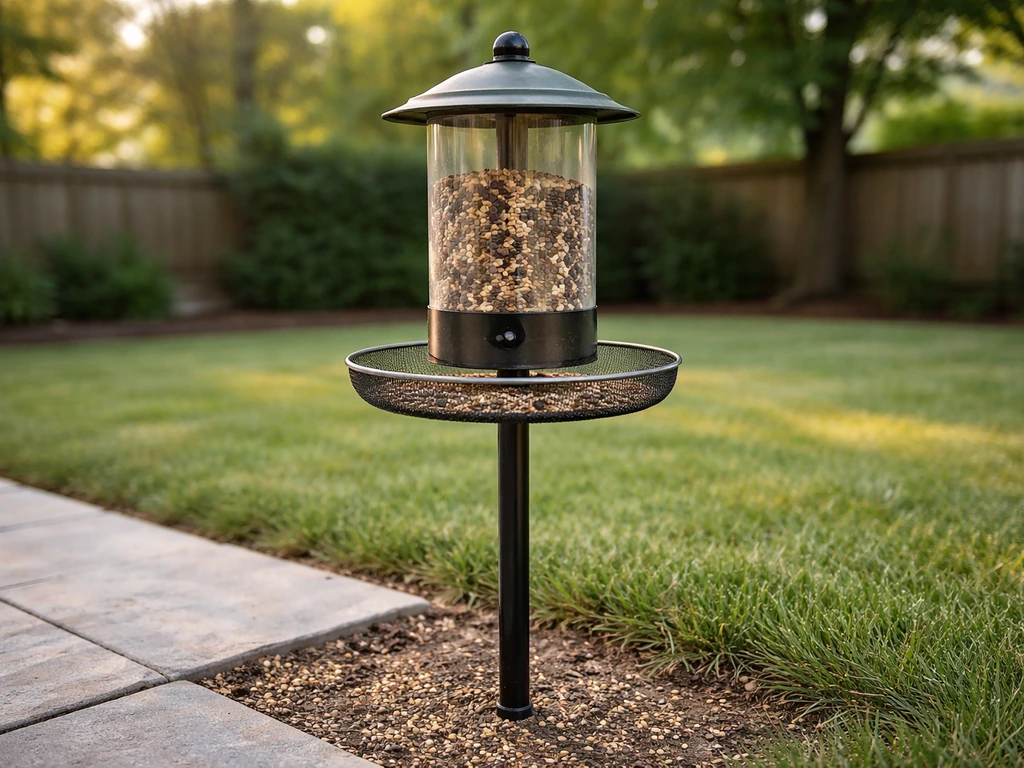
The best bird seed catcher tray for most setups is a wide, shallow tray with a perforated or mesh bottom, a lip of at least 1.5 inches, and a removable insert for cleaning. It should be sized to extend a few inches beyond your feeder's footprint on every side, made from UV-resistant polycarbonate or recycled composite, and compatible with your specific pole or mounting system. That combination catches the most seed, drains rain before mold sets in, and stays manageable to clean every two weeks.
Best Bird Seed Catcher Tray: How to Choose and Install

Maya Collins
25 Apr 2026
What a bird seed catcher tray actually does
A seed catcher tray is an accessory that attaches directly below your feeder, intercepting seeds and hulls before they hit the ground. Birds are messy eaters. They toss aside seeds they don't want, crack hulls in place, and knock seed over the edge while jostling for position. Without a tray, all of that lands on the ground and starts a chain of problems: it attracts rodents, grows mold in wet weather, sprouts weeds, and creates a cleanup headache every week.
A tray solves this by giving fallen seed a clean landing spot that you control. You can scoop it up, check it for moisture, and dispose of it before pests or mold find it. It also doubles as a secondary feeding platform, giving ground-feeding birds like juncos or doves a place to eat without competing at the main feeder. Some trays even add extra perching space for smaller birds, which is a genuine bonus for tube feeder setups where perch room is tight.
The tradeoff worth knowing upfront: a tray concentrates seed in one spot, which makes cleanup easier but also makes that spot more attractive to pests if you let it go too long. The tray itself is not a pest deterrent. It only reduces pest pressure when you empty and clean it regularly. That distinction matters a lot for how you use one.
Key features to look for in the best seed catcher tray
Material and durability
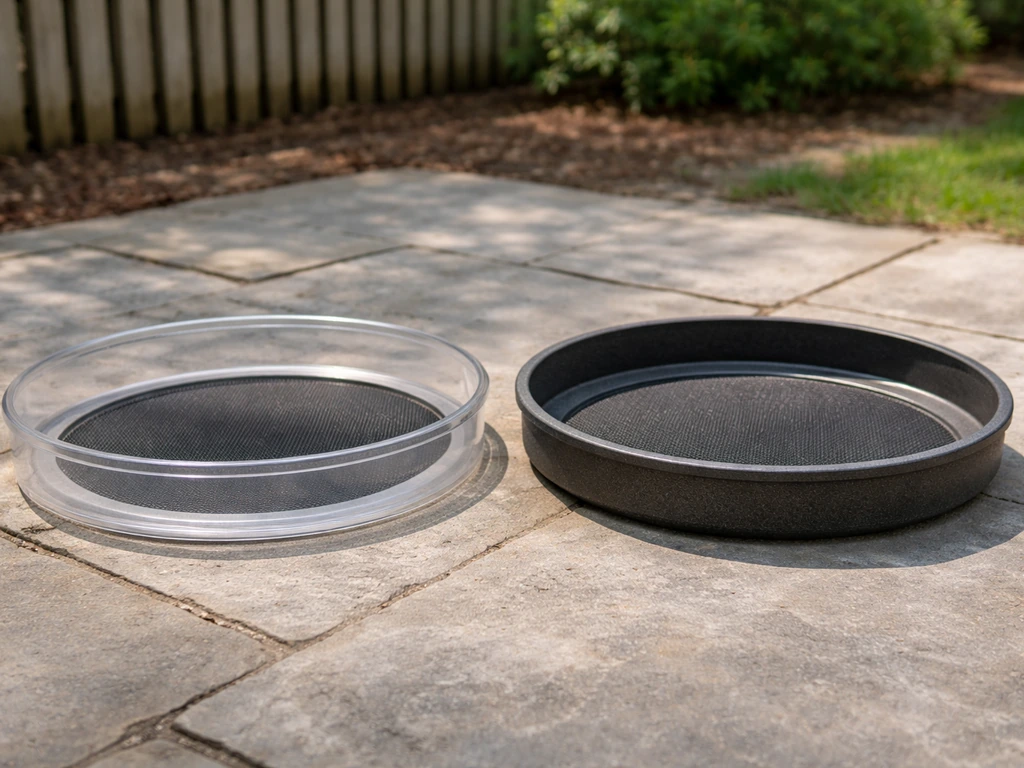
UV-resistant polycarbonate and recycled composite (sometimes called EcoTough material) are the two best options for outdoor use. Standard plastic warps, fades, and cracks within a season or two in direct sun. UV-stabilized polycarbonate, like the kind used in Perky-Pet's Universal Seed Tray, holds up much longer. Recycled composite trays are heavier but extremely weather-resistant. Metal trays can work but may rust at drainage holes over time unless coated. Avoid thin plastic trays sold as temporary accessories. They bow under seed weight and become impossible to clean properly.
Drainage or no drainage
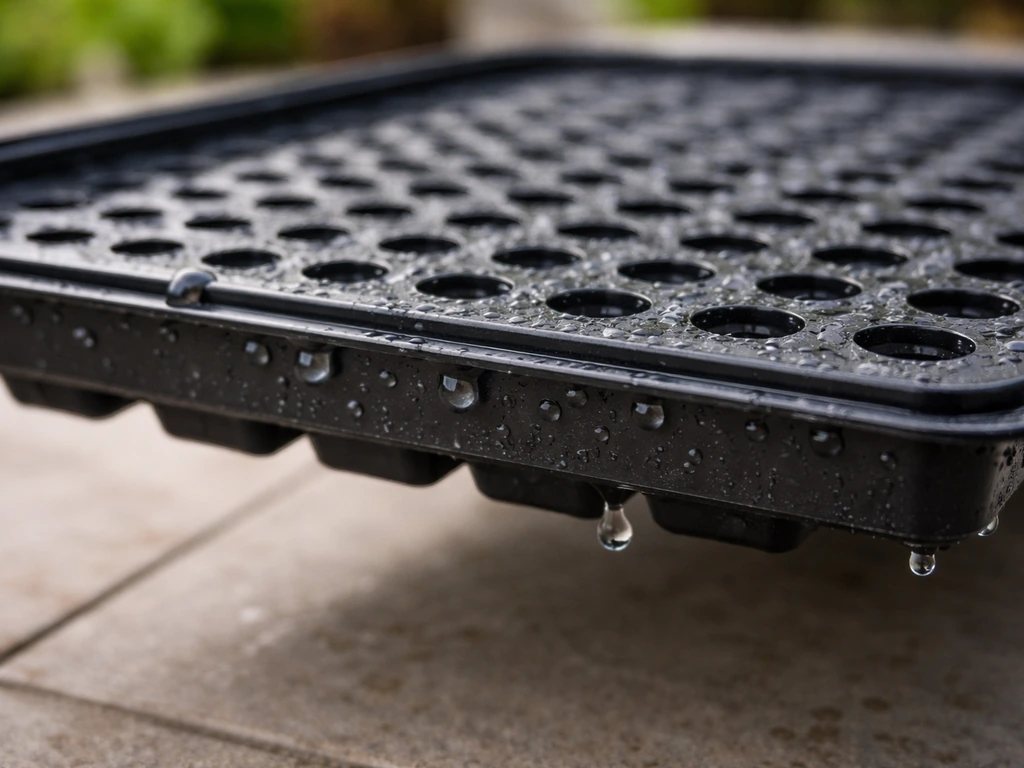
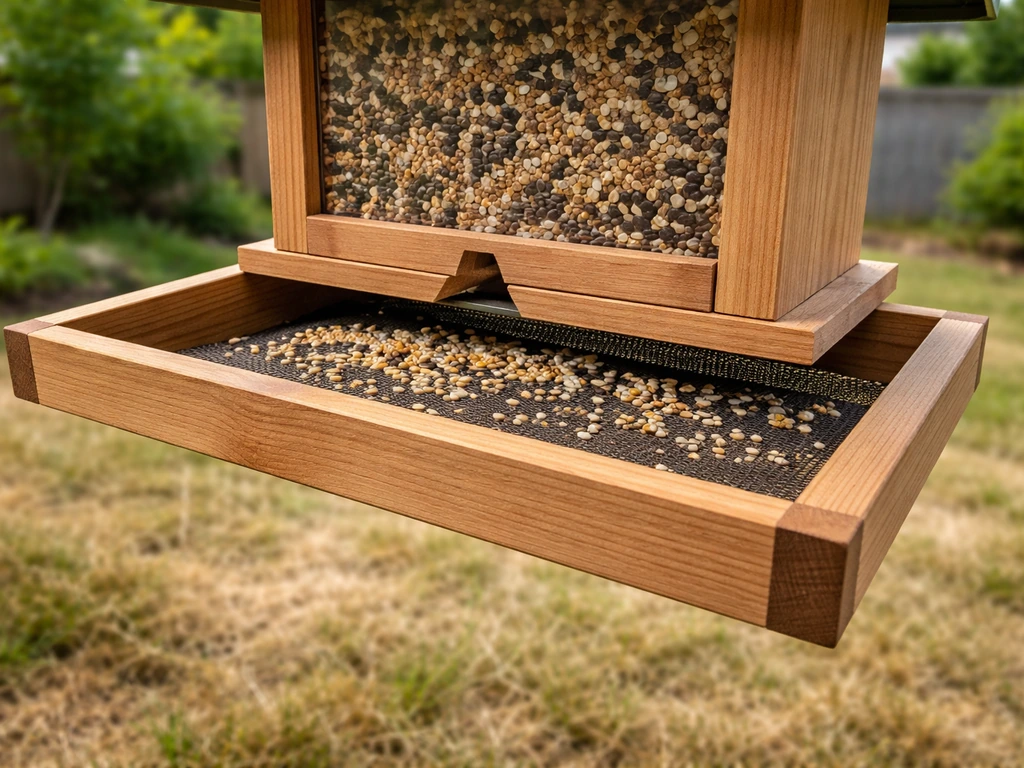
This is the single most important feature to match to your climate. If you get regular rain, you need a perforated or mesh bottom so water drains through instead of pooling and soaking the seed. The Wild Birds Unlimited EcoTough Catch-a-Seed Tray uses a perforated metal bottom with a lift-out insert, which handles both drainage and cleaning in one design. If you live in a dry region or keep feeders under a covered porch, a solid-bottom tray is fine and actually holds seed better. In wet climates, a solid tray with no drainage turns into a soggy, moldy mess within 24 hours of rain.
Lip height and containment
A tray with no lip, or a lip under an inch, will let seed roll or blow off the edge during windy conditions, which defeats the purpose. Look for a lip of at least 1.5 to 2 inches. Deeper lips (3 inches or more) hold more seed but make it harder to scoop out debris cleanly. The sweet spot for most feeders is a 1.5- to 2-inch raised edge all the way around.
Removable insert for cleaning
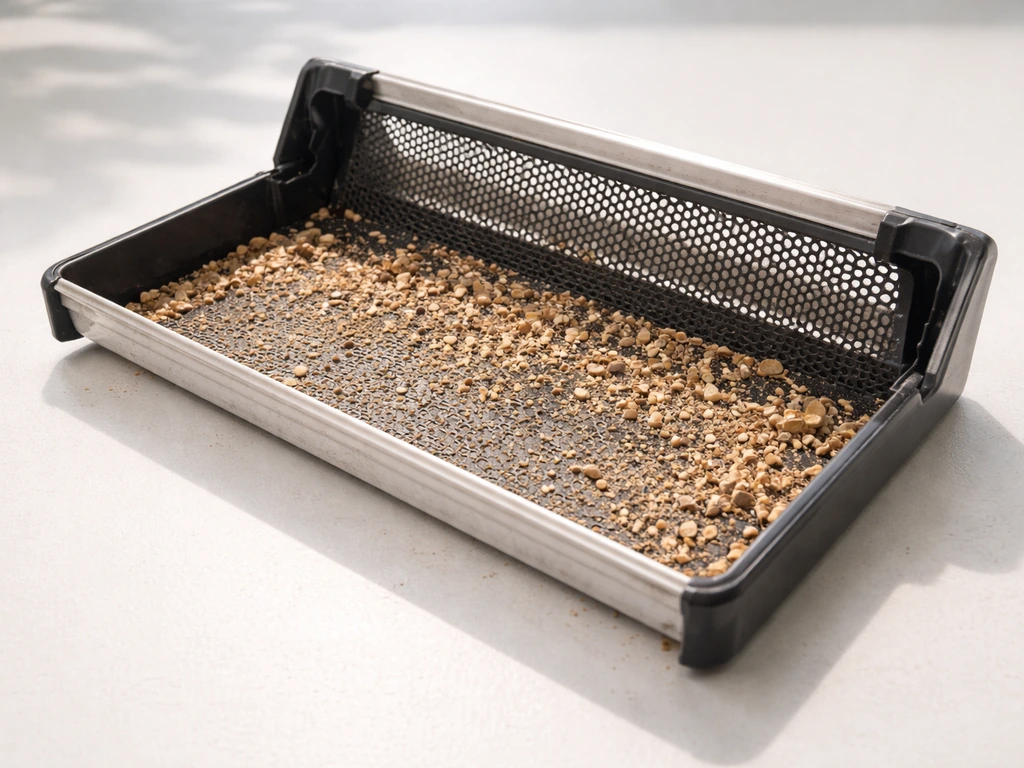
This feature is non-negotiable if you want to actually clean the tray regularly. A tray you can only wipe down in place will still harbor seed dust, hull fragments, and bird droppings in corners and along the mounting hardware. A lift-out bottom or a tray that slides off the mount lets you take it to a sink or hose, scrub it with a 10% bleach solution, and rinse it clean. That's the standard recommended by most wildlife health organizations, and you can't do it properly without easy removal.
How to choose the right size and design for your feeder setup
Size is where most people make mistakes. A tray that's the same diameter as your feeder catches almost nothing, because seed gets thrown sideways, not straight down. You want the tray to extend at least 2 to 3 inches beyond the feeder's widest point on every side. The WBU EcoTough Catch-a-Seed Tray measures 16 by 20 inches, which works well under most hopper and platform feeders. For tube feeders, a dedicated tube feeder tray that clamps to the bottom port is a better fit than a large platform tray.
| Feeder Type | Recommended Tray Style | Key Sizing Note |
|---|---|---|
| Tube feeder | Clip-on circular tray (tube-specific) | Match to tube diameter; adds perch room too |
| Hopper feeder on a pole | Rectangular platform tray (16"x20" or larger) | Should extend 2-3" past feeder edges on all sides |
| Hanging feeder | Wide circular or oval tray on a separate hook or mount | Pair with a baffle above to block squirrels |
| Suet cage | Small clip-on tray below cage | Mainly catches suet crumbles; a small tray works fine |
| Ground/platform feeder | No tray needed; feeder IS the tray | Focus on drainage and cleaning of the feeder itself |
Mounting compatibility is the other piece. Pole-mounted feeders need a tray that clamps to a 1-inch diameter pole, which is the standard size for most shepherd's hook and APS-style poles. The Perky-Pet Universal Seed Tray uses a clamp that tightens against the pole with a single screw, then the tray rests on top of the clamp. If you have a Wild Birds Unlimited APS setup, you'll also need a specific flange (the APS Catch-a-Seed Tray Feeder Flange) to make the tray compatible. Always check your pole diameter before ordering any tray.
Setup and use: placement, mounting, and keeping it clean
Positioning the tray
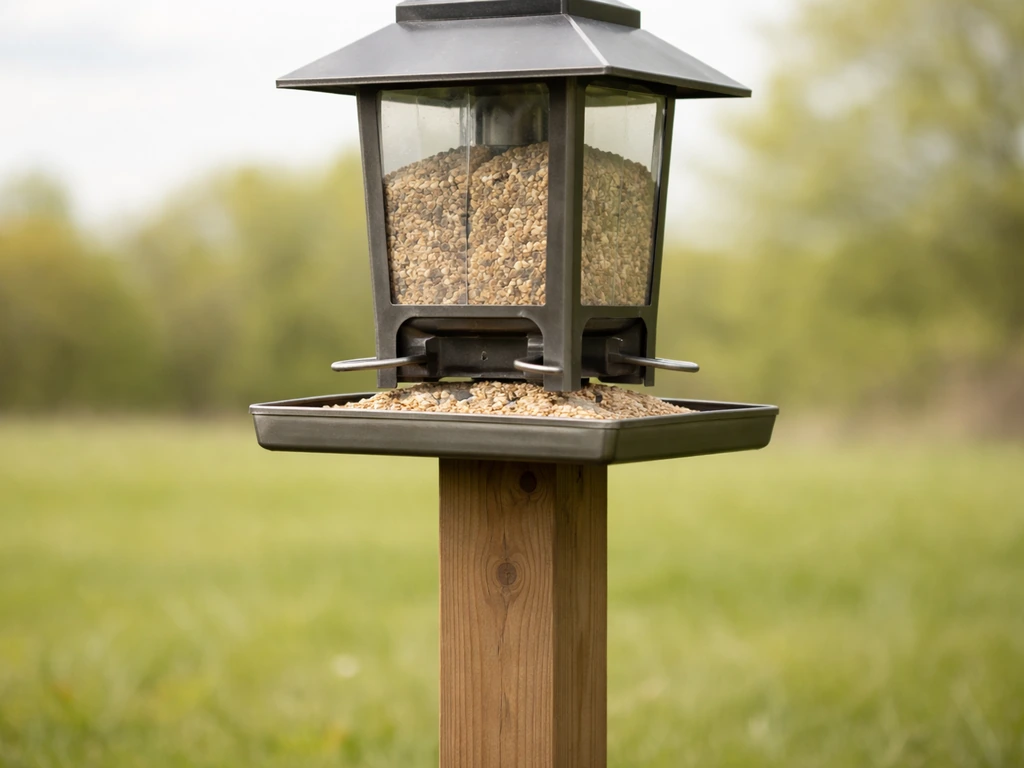
Mount the tray as close to the base of the feeder as practical, usually 3 to 6 inches below the feeder's bottom opening or lowest perch. If the gap is too large, seed falls past the tray on windy days. If you also want to keep seed from blowing out of the tray, use the right lip height and place the tray close enough to the feeder to catch windy-day drops. If it's flush against the feeder, it can block ventilation and trap moisture against the feeder body. For hanging feeders, position the tray on a separate lower hook below the feeder, or look for a tray that clips directly onto the feeder's base port.
Preventing overflow
Overflow happens when the tray fills faster than you empty it. If you notice seed spilling out on windy days, focus on preventing overflow by choosing the right tray size and cleaning it on schedule Overflow happens when the tray fills faster than you empty it. . This is common with messy eaters like house sparrows or with very active feeders during migration season.
Check the tray every 2 to 3 days during peak use. If seed is piling up past the lip's halfway point, either reduce how much seed you put in the main feeder at a time, or switch to a no-mess seed blend that produces fewer discarded hulls. If you want fewer discarded hulls, choosing a no mess bird seed can help keep your tray cleaner between cleanings no-mess seed blend.
No-mess or shelled seed options drop far less debris, which keeps the tray functional between cleanings.
Cleaning schedule
Clean the tray at least once every two weeks under normal conditions. During warm or damp weather, clean it weekly or even every few days. Project FeederWatch also advises cleaning seed or suet feeders regularly, such as every week or two, and more often during heavy use or wet weather Feeding Birds. Project FeederWatch recommends cleaning feeders on that two-week schedule, and the tray follows the same logic: hulls and seed dust accumulate quickly and become a health risk for birds. To clean: remove the tray from the mount, dump seed debris in the trash (not compost), scrub the tray with a 1:10 bleach-to-water solution, rinse thoroughly, and let it dry completely before reinstalling.
Keeping seed fresh: preventing wet seed, mold, and sprouting
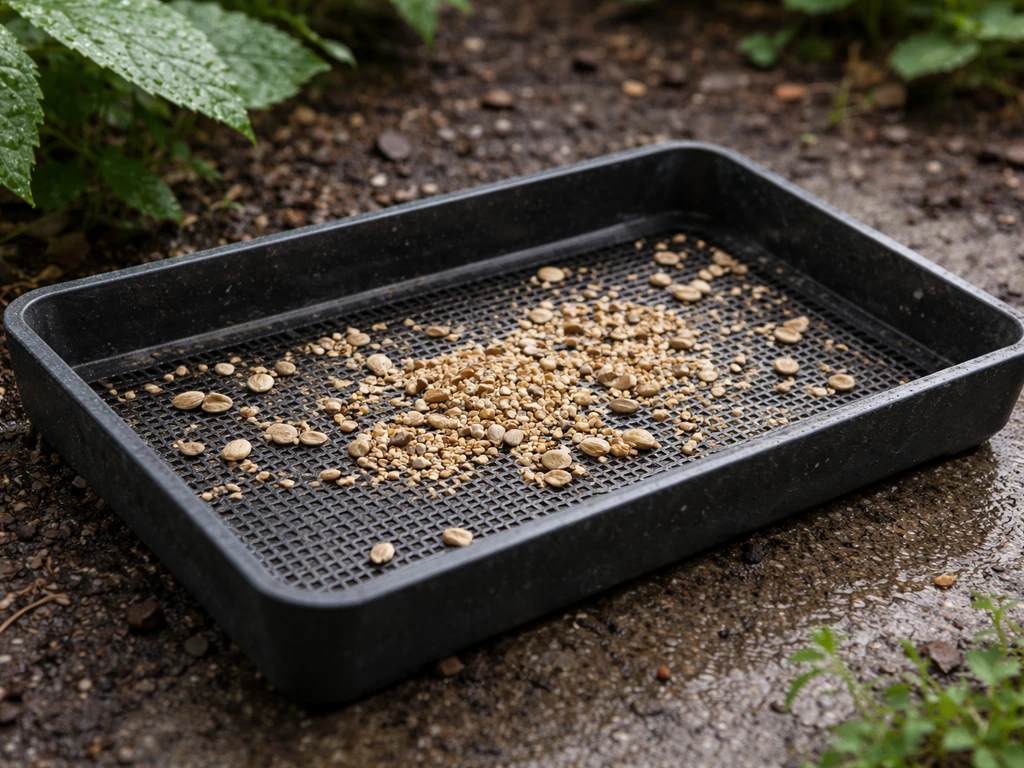
The biggest threat to seed in a catcher tray is moisture. Minnesota DNR notes that moldy birdseed and unclean feeders can make birds sick and recommends keeping feed dry and removing old, accumulated seed. Rain, dew, and bird droppings all introduce water that turns seed into a mold incubator within 24 to 48 hours in warm weather. Aspergillus fungus is the main concern: it grows on damp feed and in the debris under feeders, and birds can inhale the spores, which spread to their lungs and air sacs. This is not a minor hygiene issue. Wet seed in a tray is genuinely dangerous to the birds you're trying to help.
If you have a draining tray, standing water drains away on its own, but seed hulls and dust stay wet and start to decompose. After any significant rain, check the tray, remove wet seed, and let the tray air out before refilling. If you have a solid tray, tip out accumulated water after rain and spread any remaining seed out to check for clumping or off-smells. Seed that smells musty, looks gray or discolored, or has visible fuzz should go in the trash immediately.
Sprouting is the other wet-seed problem. Seed that sits in a moist tray long enough will germinate, especially millet and sunflower. Sprouts anchor into hull debris and make the tray much harder to clean. The fix is simple: don't let seed sit in the tray longer than 3 to 4 days in humid or rainy conditions. Shelled or hulled seed sprouts less readily and is much easier to manage in a tray, especially in rainy climates.
Pest control and wildlife management
How trays affect pest pressure
A seed catcher tray reduces the amount of seed that reaches the ground, which directly reduces ground-level pest attraction. If you are wondering about spreading seed directly on the ground, a seed catcher tray is usually the cleaner option because it keeps spilled hulls and debris from piling up where pests can feed reduces the amount of seed that reaches the ground.
Mice, rats, voles, and ants are primarily drawn to seed debris and hulls that accumulate at the base of a feeder pole or under a hanging feeder. When seed lands in a tray instead, those pests can't easily access it, especially on a pole-mounted setup where the tray sits several feet off the ground. That said, a tray full of old seed is still a food source. It just happens to be one you have more control over.
Squirrels and raccoons
Squirrels will absolutely use a wide seed tray as a feeding platform if they can reach it. For pole-mounted feeders, add a squirrel baffle on the pole below the tray. A 17-inch or wider dome baffle placed 4 to 5 feet off the ground blocks most squirrels from climbing up. For hanging feeders, pair the tray with a baffle above the feeder on the line or branch. Raccoons are harder to exclude, but keeping trays emptied at night removes the incentive. Nature's Way recommends daily cleanup if nocturnal pests are a concern, which is realistic to do if you get into the habit of a quick evening check.
Mice, rats, and ants
Rats are often blamed on bird feeders, but they're more typically attracted to the combination of spilled ground seed plus nearby shelter. A tray eliminates most of the spilled ground seed, which removes a major attractant. If you're still seeing rats after installing a tray, check for seed that's fallen past the tray's edges, review any ground-level seed storage nearby, and make sure the tray is being emptied regularly. For ants, the main issue is a solid-bottom tray that holds seed crumbs and moisture at a reachable height. Pole-mounted trays on smooth metal poles naturally resist ant climbing, but if ants are finding their way up, apply a sticky ant barrier product to the pole below the baffle.
Cleaning and troubleshooting: mess, overflow, and damage
Quick-reference: if this happens, do this
| Problem | Likely Cause | Fix | Prevention |
|---|---|---|---|
| Seed piling up past the lip | Too many birds or too much seed in feeder | Empty tray; reduce feeder fill amount | Check tray every 2-3 days during peak season |
| Seed is wet and clumping | Rain pooling or no drainage | Remove all wet seed; dry tray fully | Use perforated tray in rainy climates; check after every rain |
| Visible mold or musty smell | Wet seed left too long | Discard all seed; scrub with 1:10 bleach solution; dry completely | Clean tray weekly in warm/wet weather |
| Sprouting seed in tray | Seed sitting in moisture too long | Remove sprouts and all seed; clean tray | Switch to shelled/hulled seed; empty tray every 3-4 days in humid weather |
| Squirrels eating from tray | No baffle or baffle too small/low | Add a 17"+ dome baffle below tray on the pole | Mount pole baffle at 4-5 feet; keep tray away from jump-off points |
| Ants on the tray | Ants climbing the pole | Apply sticky ant barrier below baffle | Use smooth metal pole; keep tray clean of seed dust |
| Tray warping or cracking | Low-quality plastic in UV exposure | Replace with UV-stabilized polycarbonate or composite tray | Choose rated UV-resistant materials from the start |
| Persistent ground mess despite tray | Tray too small or positioned too far below feeder | Upsize to a tray that extends 2-3" past feeder on all sides; close the gap to 3-6" | Match tray to feeder footprint before buying |
Ongoing ground cleanup
Even with a good tray, some seed and hulls will reach the ground over time. Rake up and dispose of ground debris at least once a month, as recommended by the Ornithological Council's bird feeder guidance. Don't leave raked seed in a compost pile near the feeder area: it continues to attract pests and can spread mold. Bag it and put it in the trash, or bury it away from the feeding area under a few inches of soil.
If you're also thinking through the broader question of what goes under or around the feeder, that ties directly into your overall strategy for keeping the feeding station sanitary. What to put under a bird feeder to catch seeds also depends on your tray type, drainage, and how often you can clean.
Your setup checklist
- Choose a tray made from UV-stabilized polycarbonate or recycled composite with a perforated bottom if you get regular rain.
- Size the tray so it extends at least 2 to 3 inches past your feeder's widest point on all sides.
- Confirm mounting compatibility with your pole diameter (usually 1 inch) before ordering.
- Position the tray 3 to 6 inches below the feeder's lowest opening or perch.
- Add a squirrel baffle below the tray on the pole, at least 4 to 5 feet off the ground.
- Check the tray every 2 to 3 days during active periods; empty and clean every two weeks at minimum.
- After rain, inspect for wet seed and remove any clumped, moldy, or sprouting seed immediately.
- Rake and dispose of any ground debris at least once a month.
- Consider switching to hulled or no-mess seed to reduce tray overflow and cleanup time.
FAQ
Do I need a catcher tray if I already use ground seed guards or seed spreaders on the patio or lawn?
A tray and a ground guard do different jobs. A catcher tray intercepts hulls and discarded seeds before they reach the ground, which is where mold, ants, and rodents start. Ground guards only manage what you can sweep or remove afterward, so they still require frequent raking. If you have messy feeders (seed-rich blends or finch mixes), a tray usually provides more immediate pest and cleanliness benefit.
What’s the best way to choose tray size if my feeder footprint is irregular (like a multi-port hopper or a feeder with perches)?
Use the feeder’s widest “seed fall” area, not just the base diameter. Measure the area from the outermost points where seeds can drop sideways (often near ports, perches, and overhangs), then add at least 2 inches beyond that on each side. For tube feeders, stick to a tube-specific tray that clamps to the port because a large platform tray can miss side-sprayed seed.
How close should I mount the tray if I’m worried about it blocking airflow or trapping moisture against the feeder?
Aim for a small gap (about 3 to 6 inches below the lowest opening) so falling seed lands in the tray, while still leaving space around the feeder body to avoid condensation buildup. If you notice dampness directly on the feeder after rain, move the tray down slightly and check that the tray lip is high enough to catch windy drops.
Can I use a catcher tray on a covered porch, carport, or under eaves where rain rarely hits the feeder?
Yes, and in dry or sheltered areas a solid-bottom tray can work well, but you still need airflow and cleaning. Even without rain, bird droppings and morning dew can introduce moisture. Plan for more frequent checks during humid spells, and do not let seed sit beyond about 3 to 4 days if the tray is staying damp.
Is bleach the only cleaning option, and how do I avoid harming birds or leaving residue?
Bleach works because it targets mold risk, but residue matters. Use the recommended dilute mix, scrub all corners and the lip, rinse thoroughly, then let the tray dry completely before reinstalling. If you smell strong bleach even after rinsing, rinse once more and dry longer, since birds will keep contacting the tray edge.
What should I do if my tray drains but the bottom still feels wet after a storm?
Drainage holes remove bulk water, but hull dust can hold moisture. After significant rain, remove wet seed, scrape out debris in the corners, and let the tray fully air out before refilling. If wetness persists after drying, you may need a deeper lift-out insert, more frequent cleanouts, or a change to a perforated design with better airflow.
How long can seed sit in the tray before it becomes unsafe?
In warm or humid conditions, don’t let seed sit more than about 3 to 4 days, because mold growth and sprouting can start quickly in trapped moisture. In cooler or drier weather, you may stretch closer to the two-week cleaning interval, but only if the tray stays dry and free of musty odors or visible fuzz.
Should I switch to no-mess or shelled seed if I already have a catcher tray?
Not always, but it can reduce workload and improve hygiene when you have frequent overflow or messy eaters. If hull accumulation makes cleaning difficult, no-mess or shelled seed produces less debris, so the tray stays functional longer between cleanings. For tube feeder users, that can be especially helpful because hulls and dust clog the area faster.
My tray overflows during migration or when house sparrows are active. What’s the best fix?
First, clean and inspect more often during peak periods (every 2 to 3 days). Second, reduce how much seed you load at once, because overflow is usually about fill rate, not just tray size. Finally, consider changing the seed blend to one that produces fewer discarded hulls, or use a tray with a larger surface area to catch sideways throws.
Do catcher trays attract squirrels, or do baffles fully solve the issue?
Trays can become a buffet if squirrels can reach them, especially wide, shallow trays. A pole baffle usually solves most cases for pole-mounted setups, but you may also need nightly cleanup because squirrels learn feeding patterns. For hanging feeders, add an above-feeder baffle and still empty the tray quickly so it does not become an easy step-up feeding spot.
Can a catcher tray reduce rats, or do I still need other pest control measures?
It helps by removing a major food source, spilled hulls, and debris that rats can exploit. However, you must also ensure no seed is falling past the tray edges and that the tray is emptied on schedule. If rats remain, check nearby ground-level shelter (dense plants, clutter) and any seed storage nearby, since trays alone cannot remove all attractants.
What should I do with raked ground debris and tray-cleaning waste, compost or trash?
For most situations, dispose of it in the trash rather than compost near the feeding area. Compost can still attract pests and can allow mold spores to persist if debris stays moist. If you want to bury waste, do it away from the feeding station under a few inches of soil to reduce scavenger access.